INJURED GRAY SEAL PUP UPDATE -By Kim Smith

The following is from the Seacoast Science Center. Although located in Rye, New Hampshire, they were permitted to help the injured Gray Seal in Gloucester.
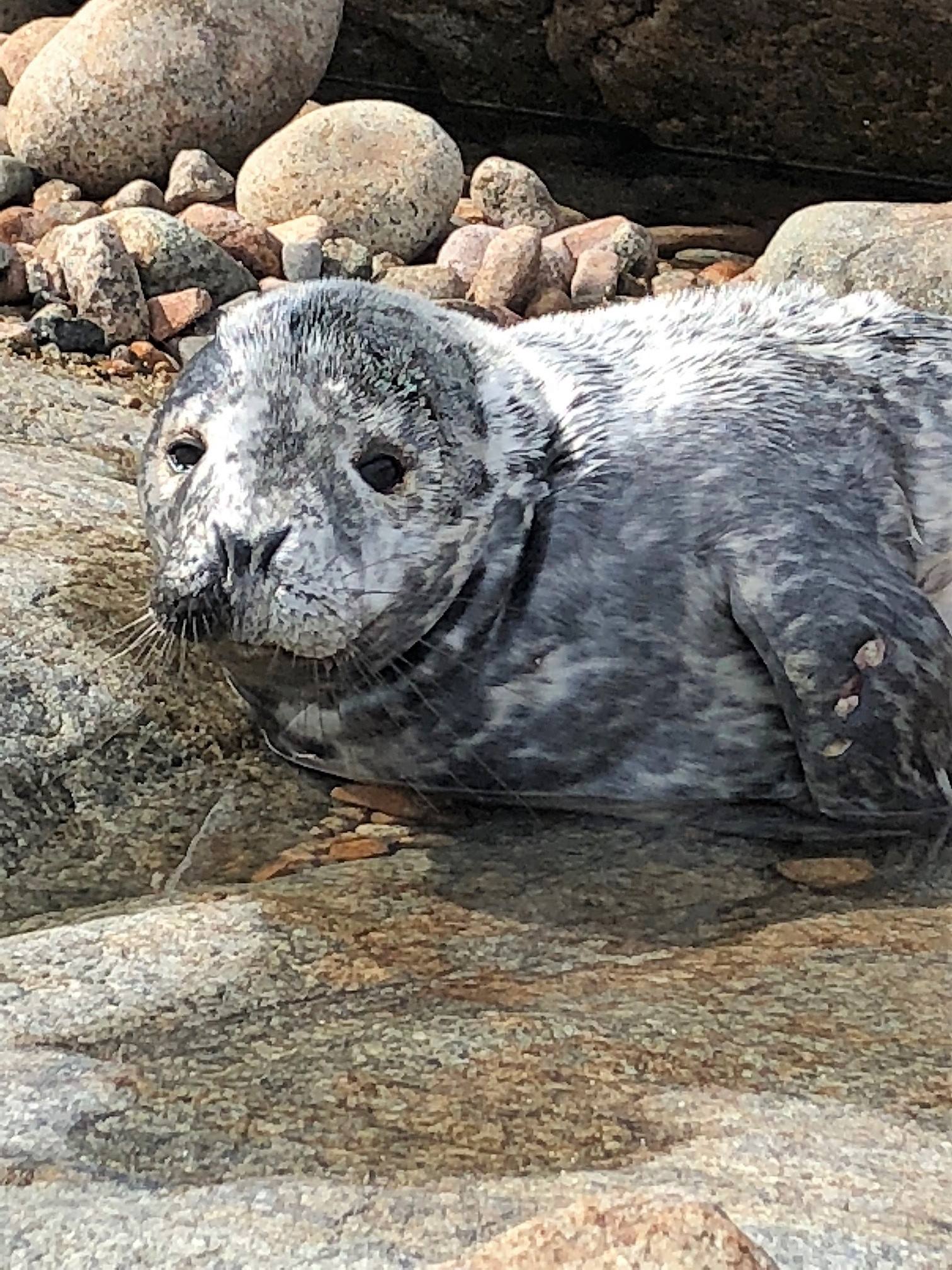
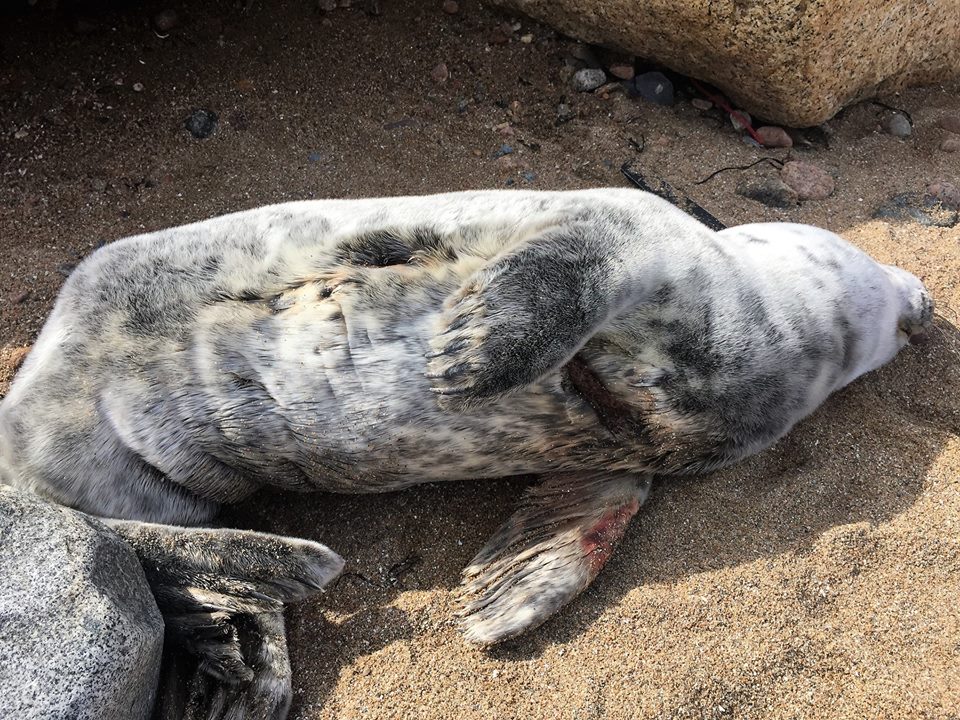
Yesterday, we assisted NOAA Fisheries with a Gray Seal weanling in Gloucester, MA that has extremely serious wounds, likely from a predation attempt, and needed help. Despite the extensive and deep infected wounds, the young seal did exhibit fight and aggression when collected, so we administered fluids with electrolytes and transported her to rehabilitation. She is now receiving antibiotics to combat the infection that has already begun and pain medication to control the discomfort level, but the prognosis is still grim at this time. We will continue to update as we have any news.

SSC Marine Mammal Rescue has a 24 hour reporting hotline: 603-997-9448 or call 866-755-6622.
 

*   *   *

This seal would have been a great candidate to be able to get a full blood panel in real time, in the field, to determine what she needed and how extensive infection, dehydration, etc were. These readings also help determine whether an animal in question is a viable rehabilitation candidate. We have just reached the halfway point of being able to purchase the i-STAT handheld blood analyzer, thanks to generous donations of $3,445 so far. Will you help us get even closer? We hope to be able to purchase this equipment by mid-June, before harbor seal pup and weanling season is in full force. Photos courtesy SSC.

About the Seacoast Science Center 

Founded in 1992, the Seacoast Science Center is a non-profit marine science education organization located on the New Hampshire coast. Through programs, exhibits and rescuing marine mammals, we inform people, from toddlers to grandparents, about why a healthy ocean is important.

The Seacoast Science Center was granted authorization by the National Marine Fisheries Service to lead New Hampshire’s marine mammal rescue effort, effective January 1, 2014. The Center’s Marine Mammal Recue Team rescues stranded, injured and diseased seals, whales, porpoises, and dolphins in NH’s coastal region.
To learn more and to donate to their fundraiser to purchase the i-STAT handheld blood analyze visit the Seacoast Science Center website here.

Thank you to Ainsley Smith for directing our readers to the Seacoast Science Center!

SEAL SUCCESSFULLY RETURNS TO THE WATER, ALL ON ITS OWN!

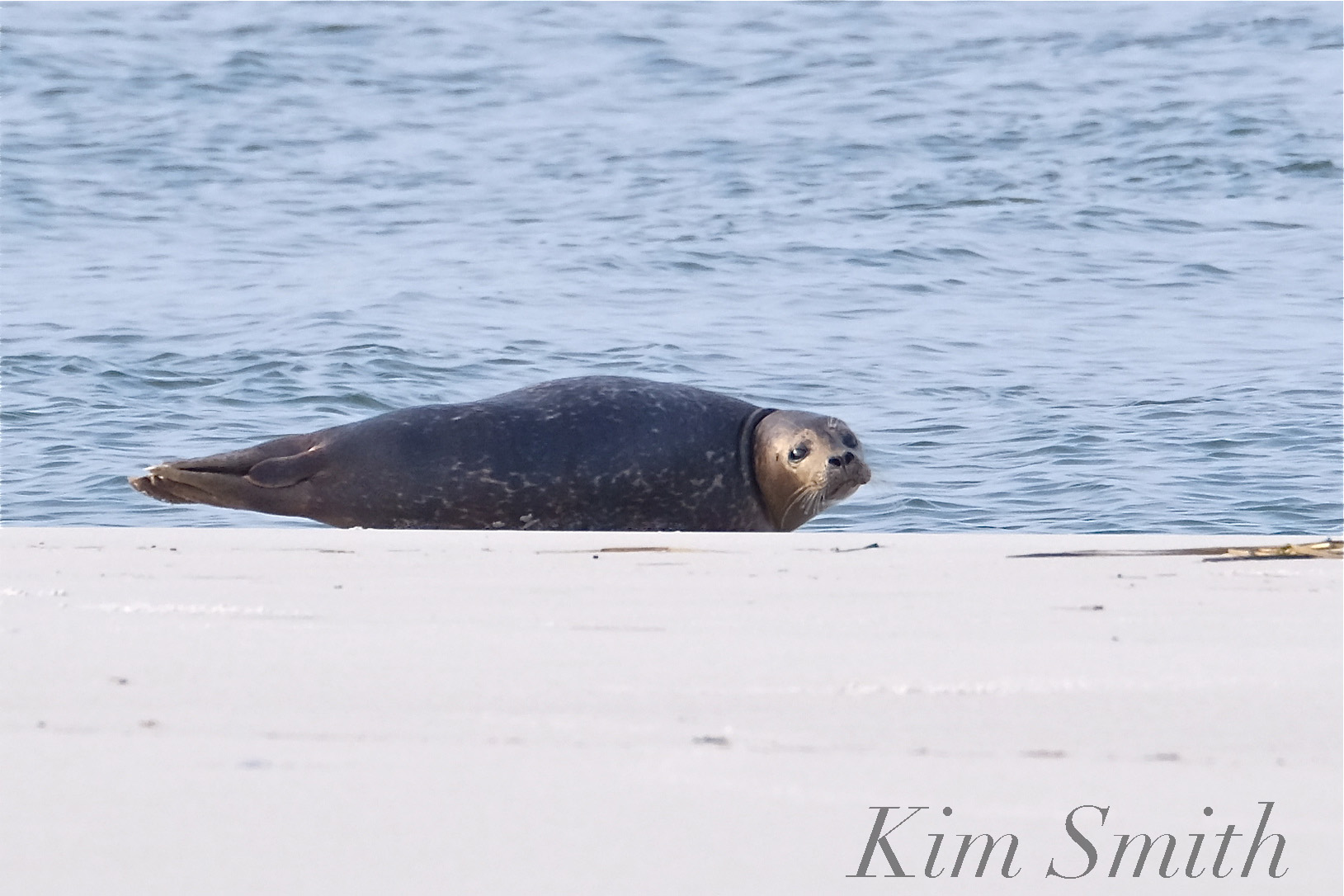
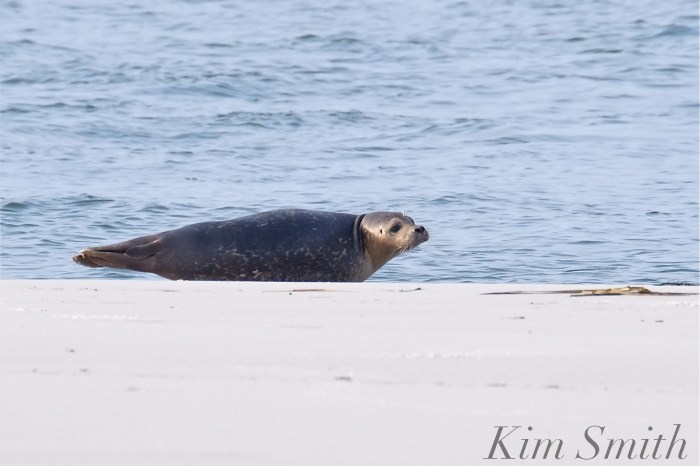
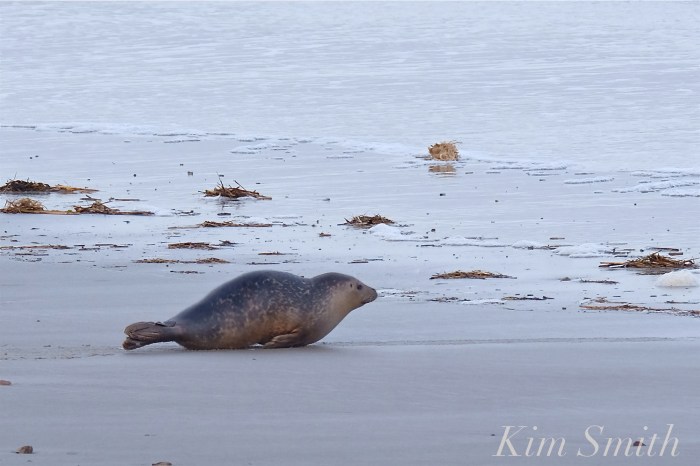
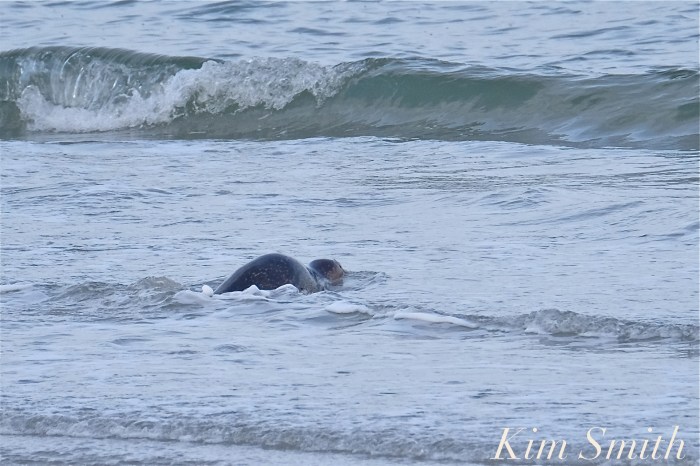
Walking along a sandy beach this morning I looked up to see in the distance a Harbor Seal hauled out at the water’s edge. I took a few photos, and then slowly walked backwards, towards the wrack line, in the opposite direction of the seal. After about half an hour, the seal fishtailed down to the water and was quickly lost in the surf.

This is the second Harbor Seal in two days that I have seen resting on the beach. The sea has been rough and tides lower than usual, but for whatever reason this apparently healthy seal was hauled out on the sand, the very most important thing we humans can do to help the seals is to keep your distance.


NO SELFIES WITH A SEAL PLEASE! AND WHY THERE WAS POLICE TAPE AT GOOD HARBOR BEACH

Monday morning there was a seal hauled out at Good Harbor and folks were taking selfies with the worn out little feller. Here’s what do if you come upon a seal that appears to be stranded on the beach.

DOS and DON’TS of Interacting with Seals on the Beach

DO stay at least one hundred and fifty feet away from the seal.

DO observe (from a distance, with binoculars or camera lens) for any outward sign of injury, bleeding or net entanglement, for example. If the seal appears injured, call this number: 866-755-6622 at the Northeast Region Marine Mammal and Sea Turtle Stranding and Entanglement Hotline.

DON’T try to feed the seal.

DON’T try to cover up the seal with a blanket

DON’T pour water on the seal.

DON’T let your dog anywhere near the seal (dangerous for both animals).

DON’t try to help the seal back into the water.

DON’T take a selfie with the seal.

Harbor Seals are semi-aquatic and it is perfectly natural for a seal to beach themselves. Seals haul out all year round, and for a variety of reasons. They use rocks, reefs, and beaches. The seal may need to rest, for thermal regulation (to warm up), to molt, to give birth, to socialize with other seals, or are trying to escape danger, such as a shark. When you force the seal back into the water by getting too close and frightening the creature, before it is ready to return to the sea, you are potentially causing the seal a great deal of harm.

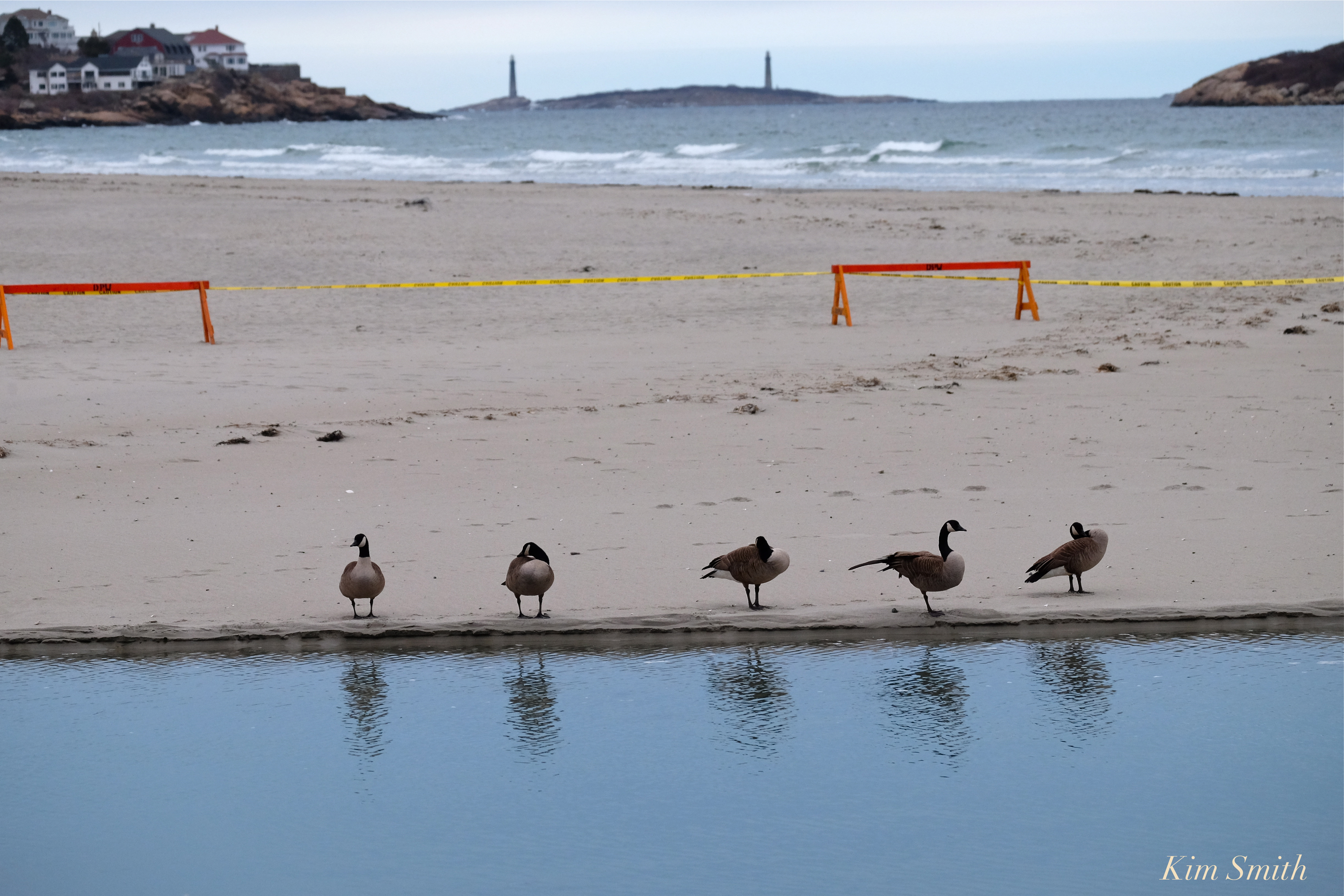
Good Harbor Beach police protective barrier that surrounded the seal.