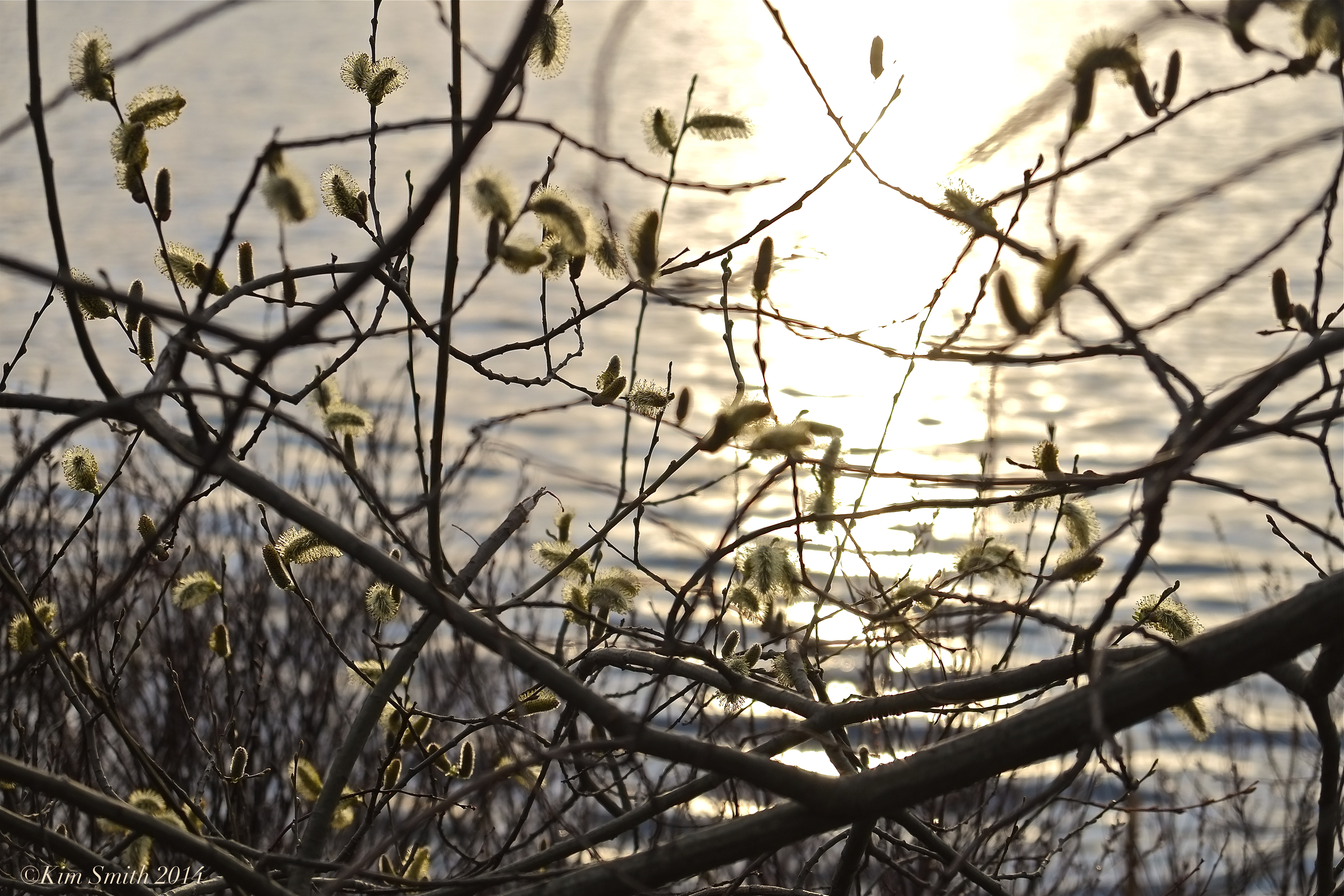
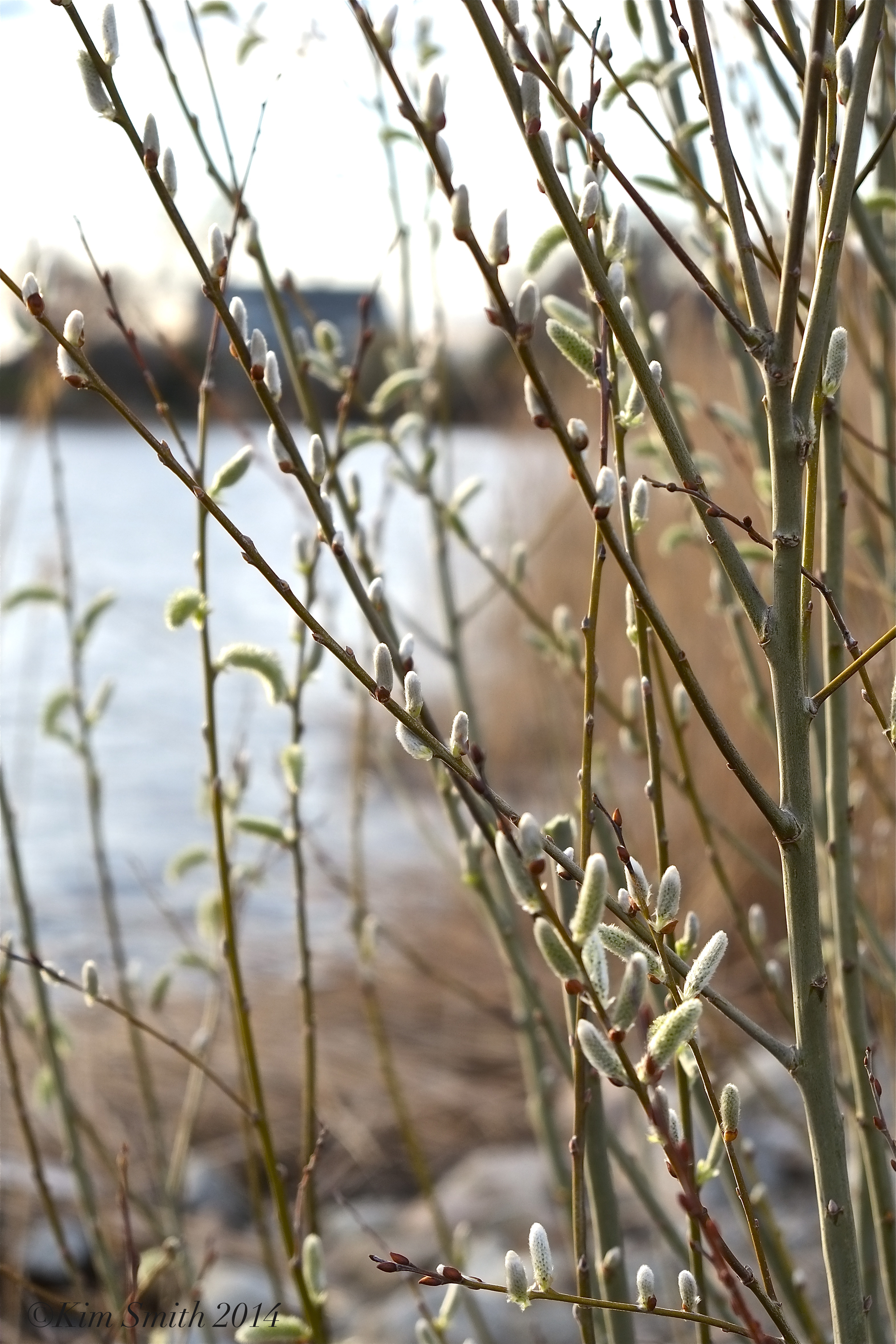
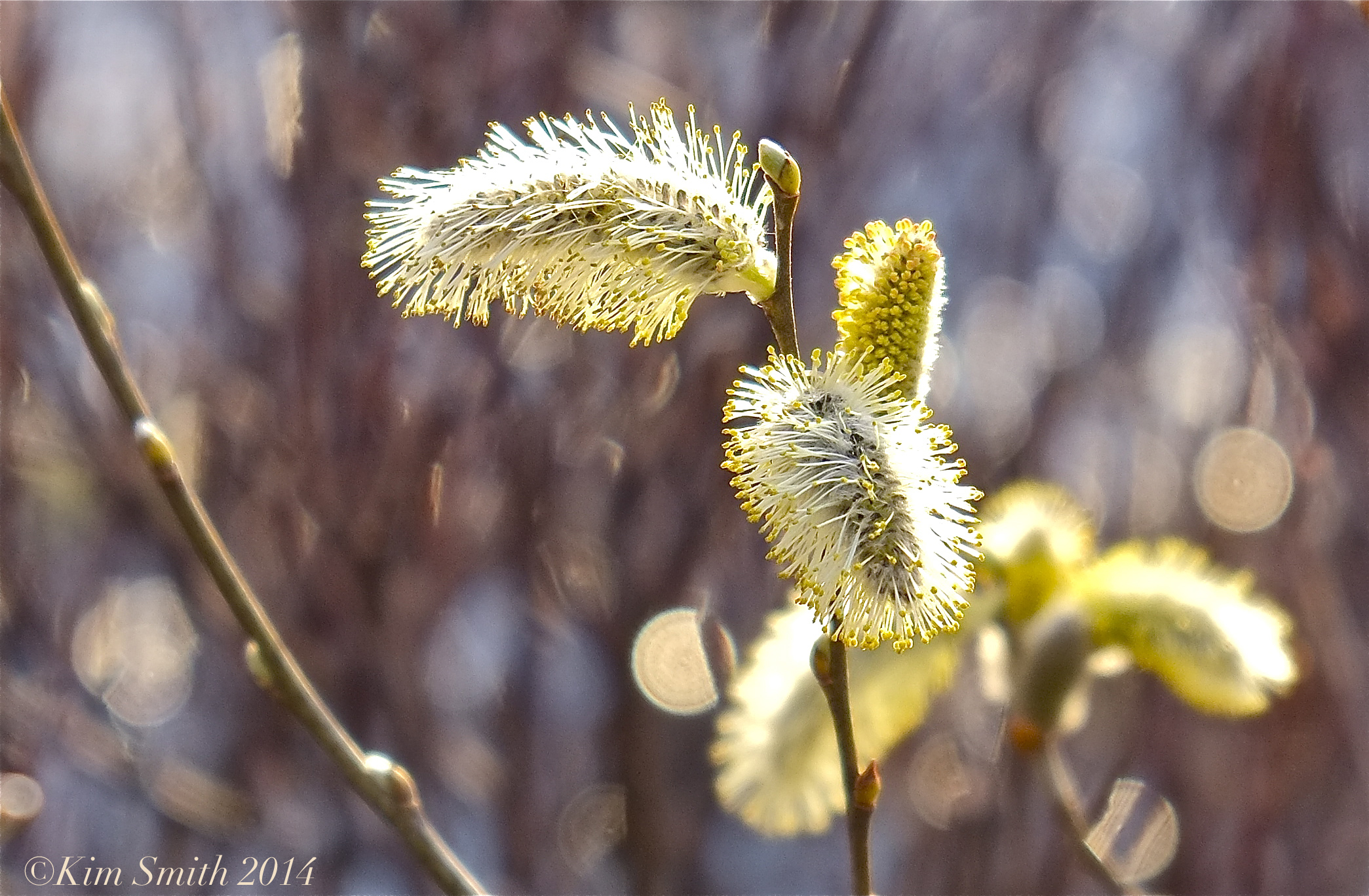
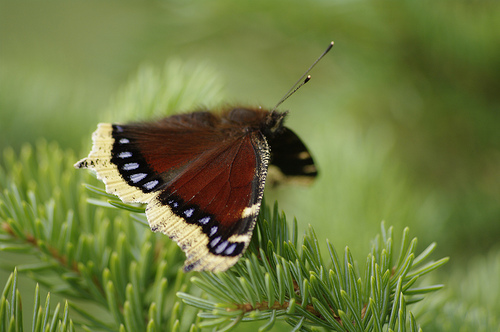
HAPPY FIRST DAY OF SPRING PUSSY WILLOWS!

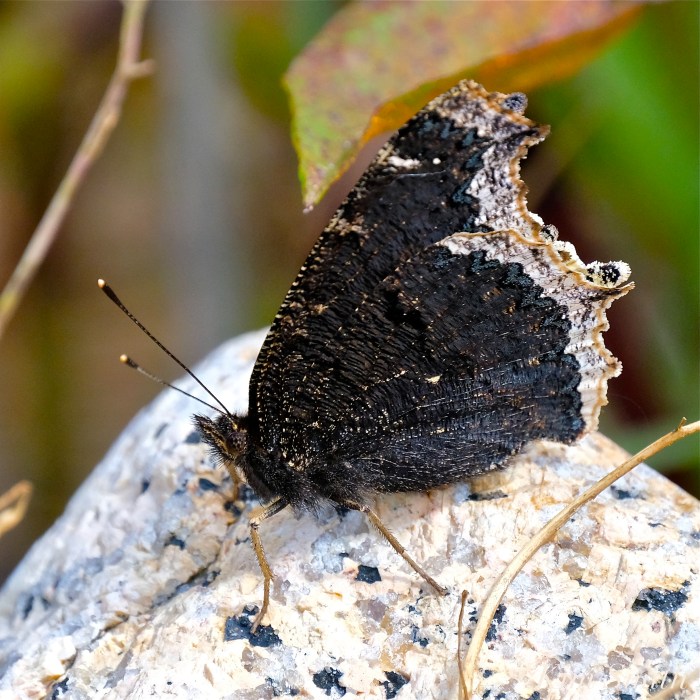
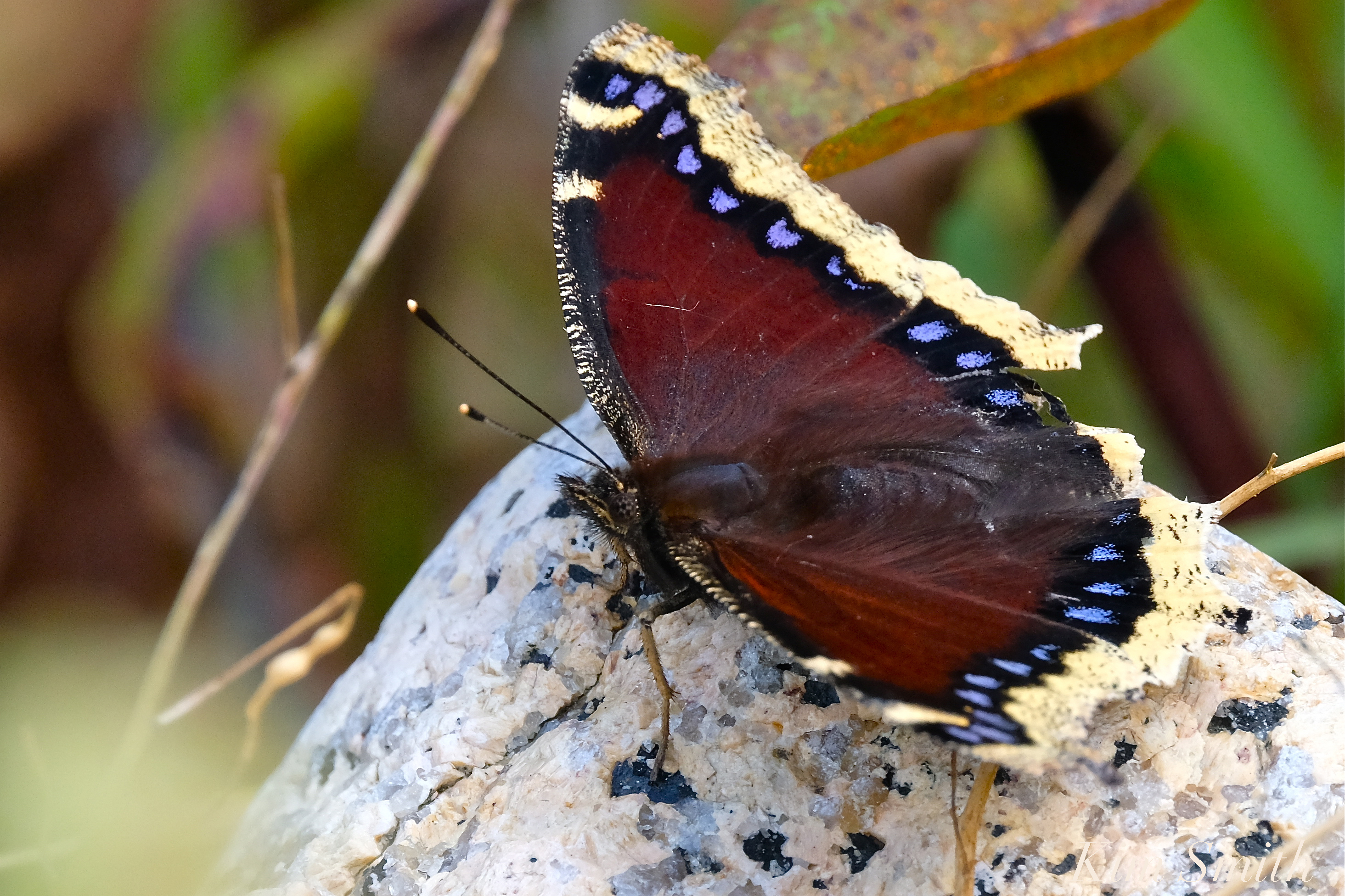
When you see a patch of Pussy Willows look, too for the Mourning Cloak Butterfly. Pussy Willows are the caterpillar host plant for Mourning Cloaks. One of the first butterfly on the wing in early spring, Mourning Cloaks winter over as adults in the cracks and crevises of tree bark.

SPRING IS JUST AROUND THE CORNER!

Under the weather with a two-boxes-of-tissues-a-day head cold, I haven’t been out walking as much as usual. This afternoon I popped over to Niles to take our Rosie out for a very short walk, just in time to see off in the distance a male and female Ring-necked Duck resting at the icy water’s edge, along with freshly opened branches of pussy willows. Spring is surely on her way!

Ring-necked Ducks for the most part breed further north. I imagine the little flock that is at Niles is only here for a brief period of time.

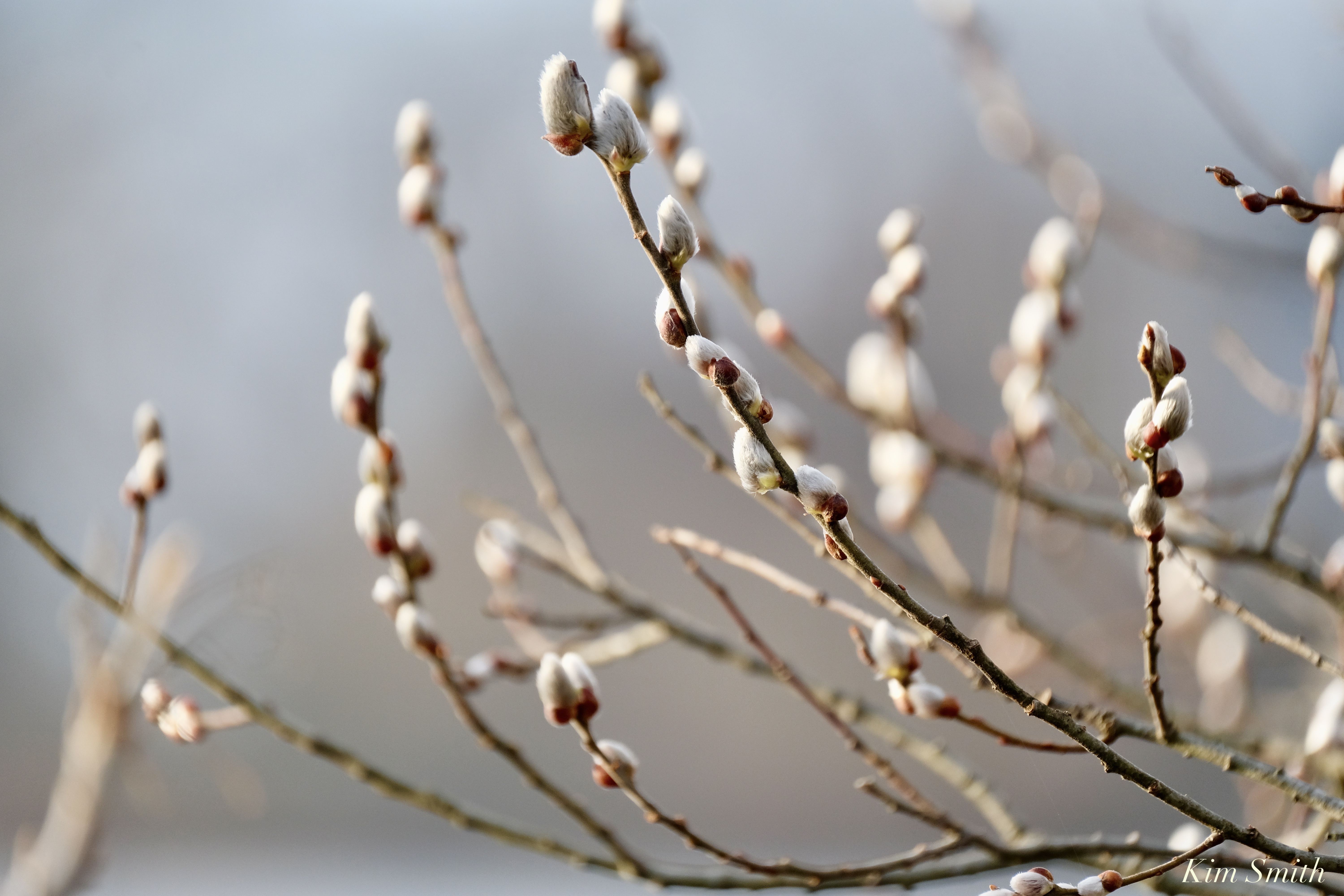
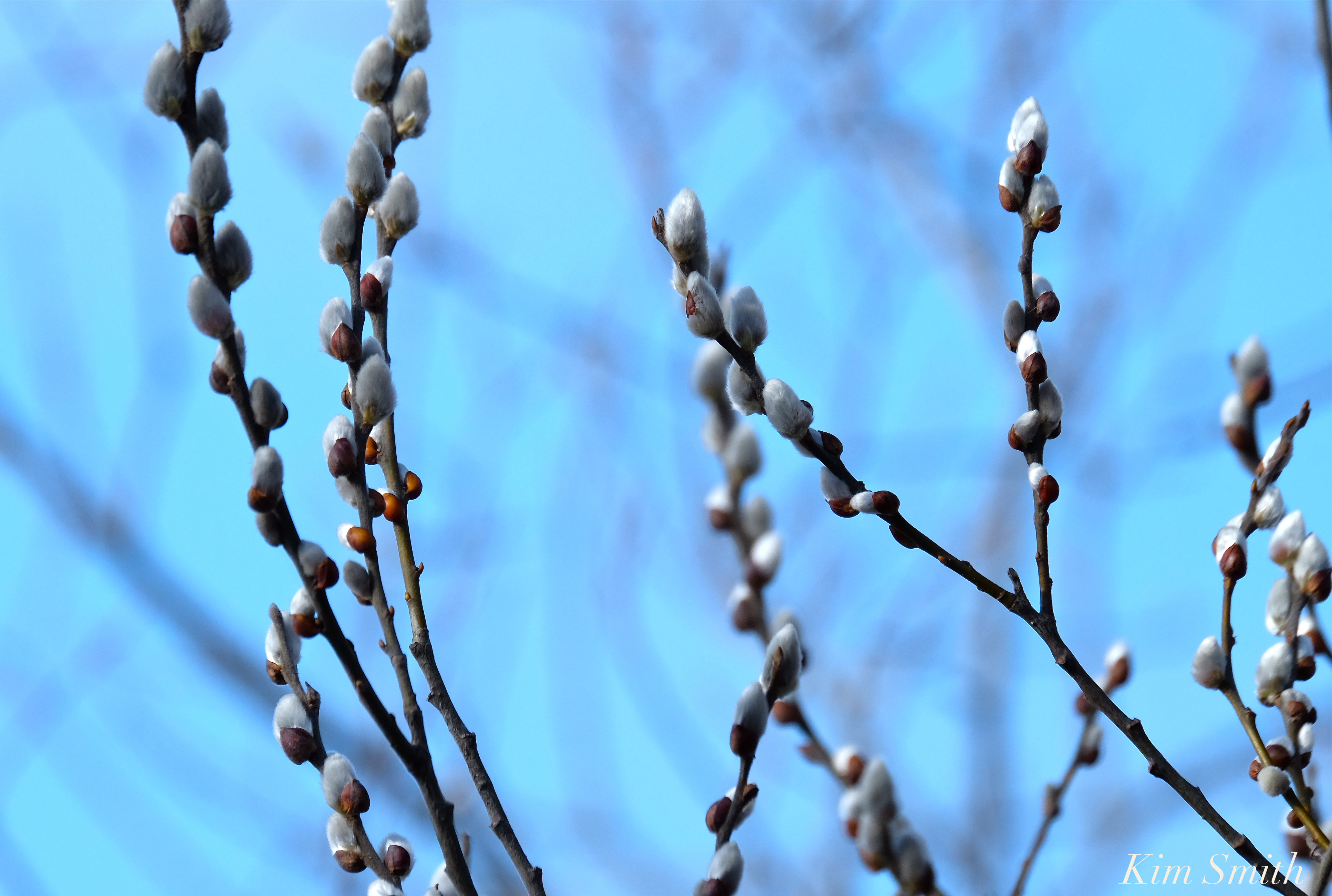
Pussy Willows Along the Water’s Edge

Pussy Willows Eastern Point ©Kim Smith 2014Pussy Willow Reflections Eastern Point ©Kim Smith 2014.JPGPussy Willows Eastern Point Gloucester ©Kim Smith 2014.JPGPussy Willows Salix discolor Gloucester MA -2 ©Kim Smith 2014Read more about the beautiful, and healthy beneficent properties of, Pussy Willows Here: Looking for Pussy Willows.

Rain Forest Publications and Mourning Cloaks

Posting hurriedly today. My darling daughter is arriving Friday for a wedding dress fitting, and I am sooo behind in wedding dress making that I am sure I will be up half the next two nights!

Recently brochures from Rain Forest Publications arrived. Don’t you love pocket guides, for the very reason the name infers–so easy to tuck along when traveling and hiking. That’s my photo on the cover of “Mexico Butterflies.” The photo was taken not in Mexico, but in Gloucester!

Rain Forest Publications Butterfies of Mexico Guide Kim Smith cover photo ©Kim Smith 2015Be on the lookout for the first butterfly of spring, which will most likely be the Mourning Cloak Butterfly. Mourning Cloaks do not spend the winter in the cool volcanic mountains of Mexico as do the Monarchs, or as a chrysalis in our gardens, like the Black Swallowtail, or as a caterpillar rolled up in a tight little ball under a leaf, as does the Wooly Bear, but as an adult butterfly!

Pussy Willows, Salix discolor ©Kim Smith 2014Pussy Willow (Salix discolor)

During the winter months Mourning Cloaks live tucked away in cracks and crevices, between chinks of tree bark, for example. At the first warm breath of spring they begin to take flight, searching for a mate. You’ll often see them on the wing around Pussy Willows, one of the Mourning Cloak caterpillar’s food plants.

Mourning_Cloak_Butterfly_in_South_Central_AlaskaMourning Cloak image courtesy wiki commons media


Looking for Pussy Willows

Habitat Gardening Post #2 ~ Beauty in Our Midst

Pussy Willow Salix discolor Niles Pond gloucester © Kim Smith 2013

Blooming now along the water’s edge and wetlands is our native Pussy Willow (Salix discolor). The first photo is cropped (click to view larger) so that you can easily see the Pussy Willow tree on the far right at the pond’s edge– a pretty pale yellowish-green. The small tree, or large shrub, can either easily be pruned to a standard shape, or allowed to grow in its more unruly, wildy way. Prune the branches down to the ground and the following year you will be rewarded with straight shoots for cutting and bringing indoors. Salix dicolor grows easily in average, wet, and moist areas, and grows best in full- to part-sun.
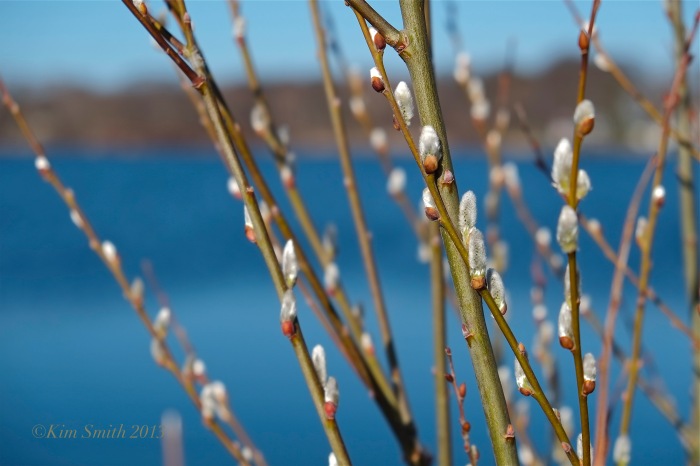
Pussy Willow Salix discolor © Kim Smith 2013

Pussy Willows are pollinated by wind and by insects and produce a very high-sugar nectar. They are an important early food source for native bees. One Pussy Willow catkin contains about 200 fruit-bearing flowers. Cardinals and finches find the flower buds tasty, too. Willows are dioecious, which means some twigs  produce beautiful golden stamens (male parts), while others bear slender greenish pistils (female parts).
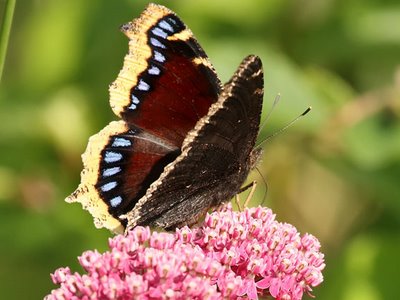
mourning cloak

I often see Mourning Cloak butterflies around the berm between Niles Pond and Brace Cove; the leaves of the Pussy Willow are a larval host plant (caterpillar food plant) for both the Mourning Cloak and Viceroy butterflies. The Mourning Cloak is one of the earliest butterflies seen in our region because they overwinter in the adult form.

Pussy Willow Salix discolor 2 © Kim Smith 2013

The bark and roots of Pussy Willow contains a compound called salicin, and the herb is used similarly to aspirin in treating mild fevers, cold, infections, headaches, and pain.  Aspirin (acetylsalicylic acid) is a synthetic replacement for salicin.

Mourning Cloak Butterfly nectaring from milkweed, image courtesy Google image search