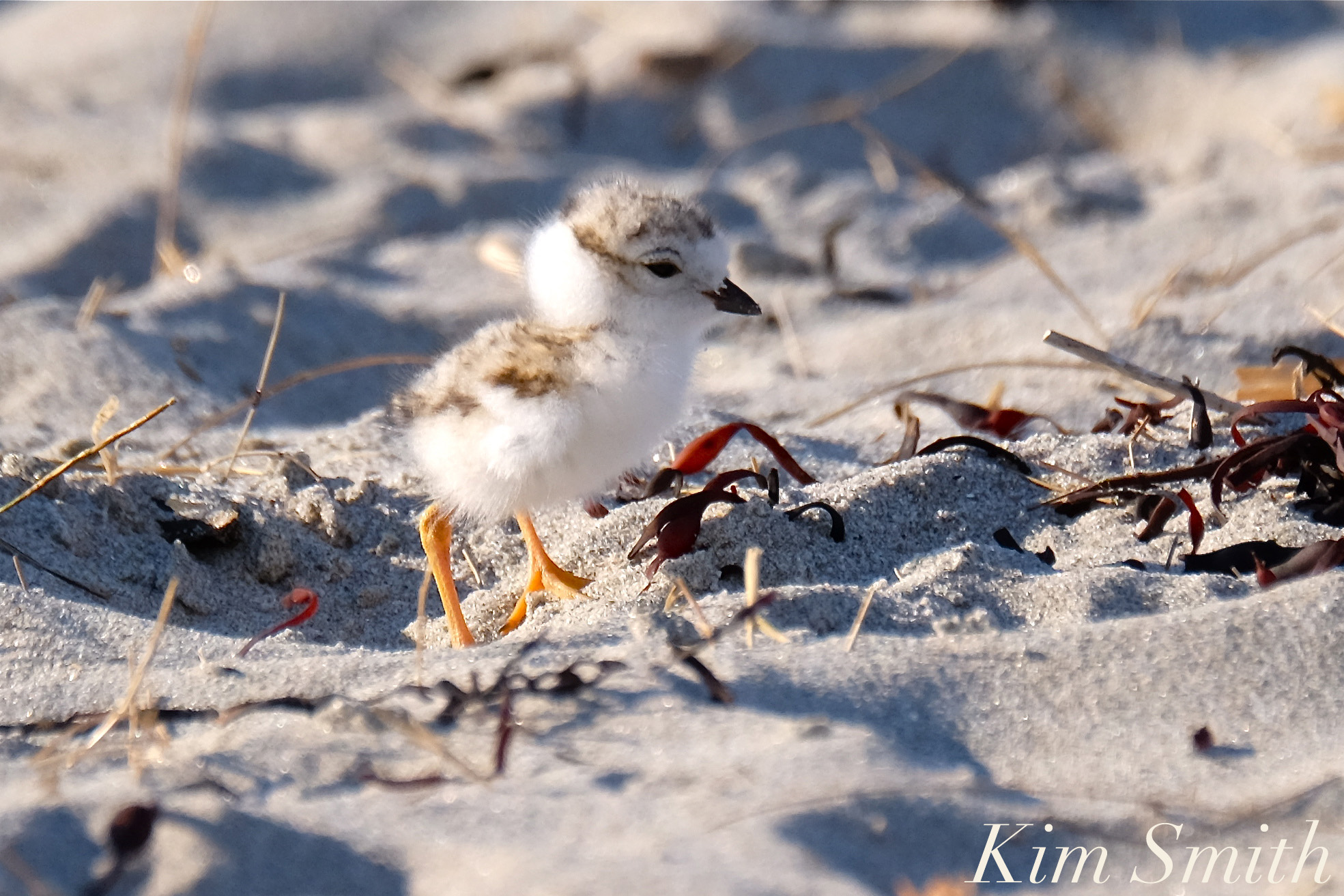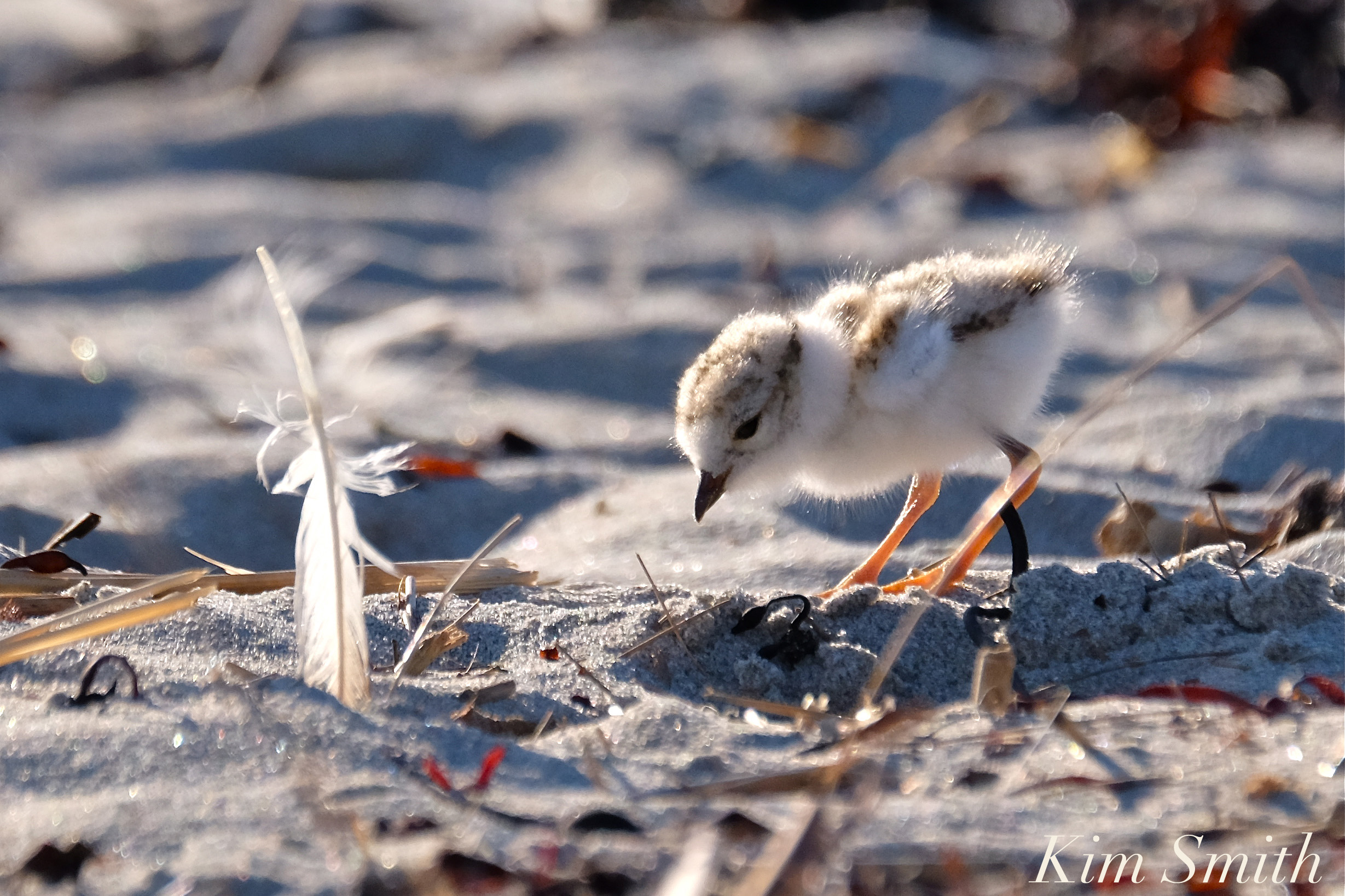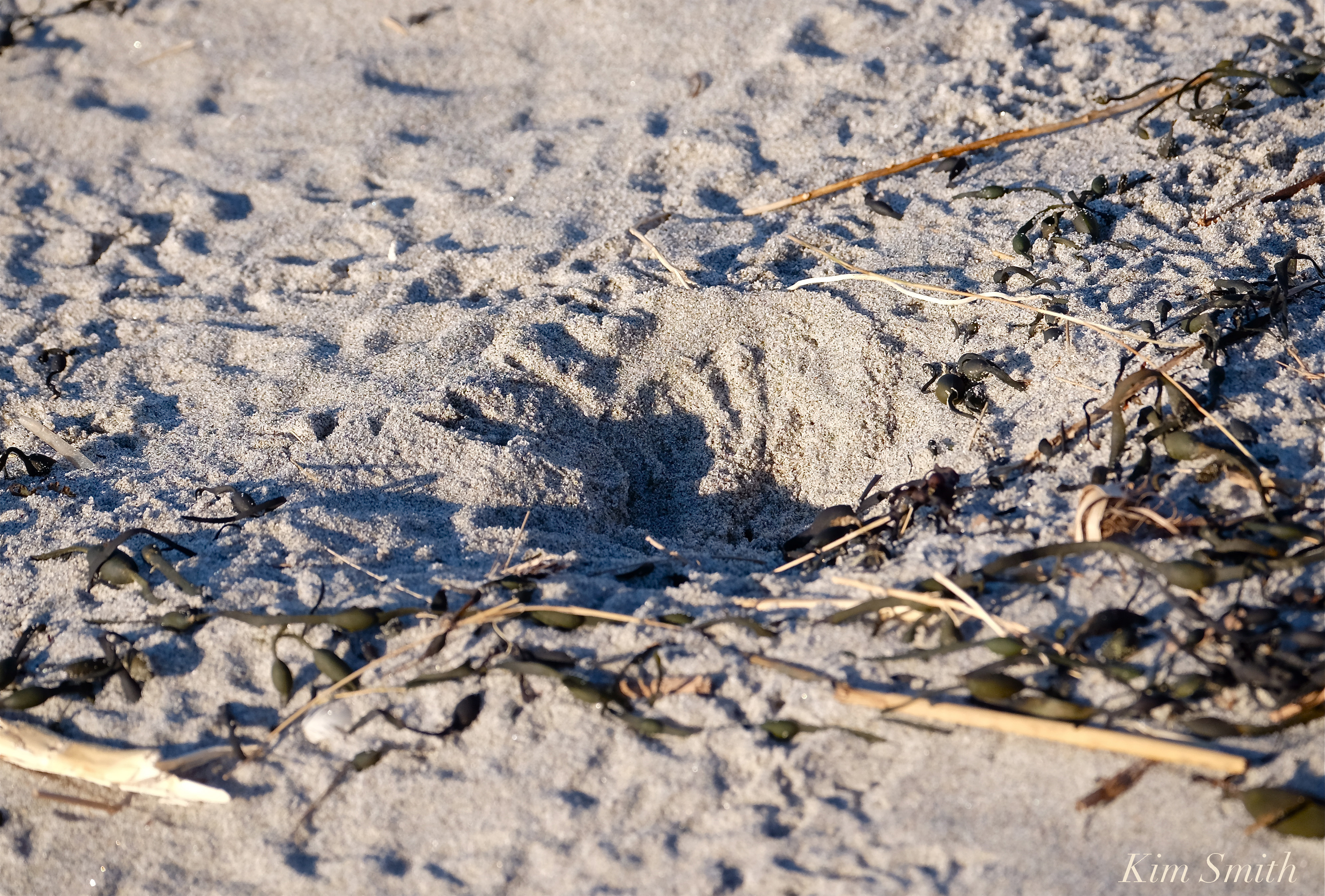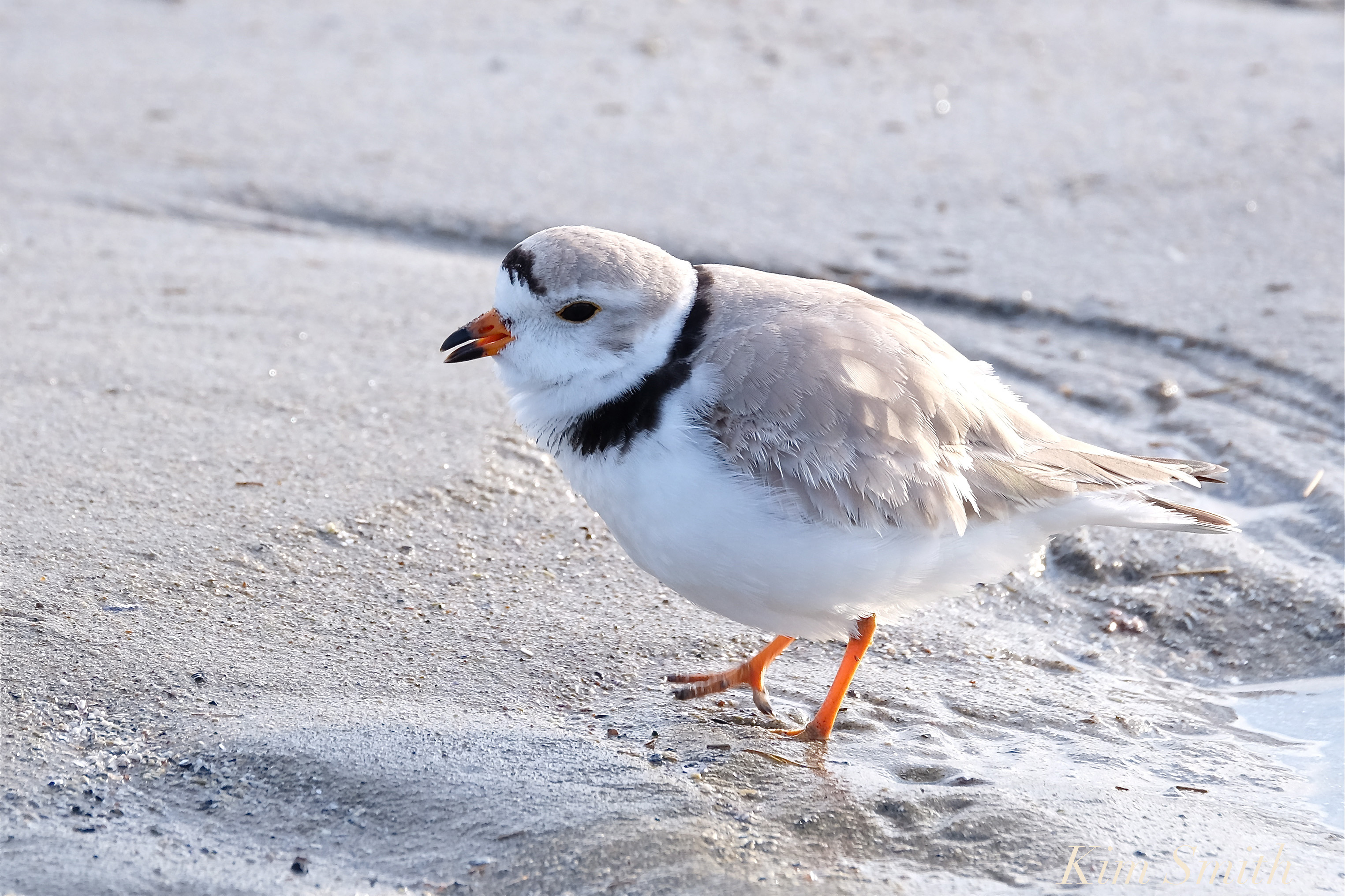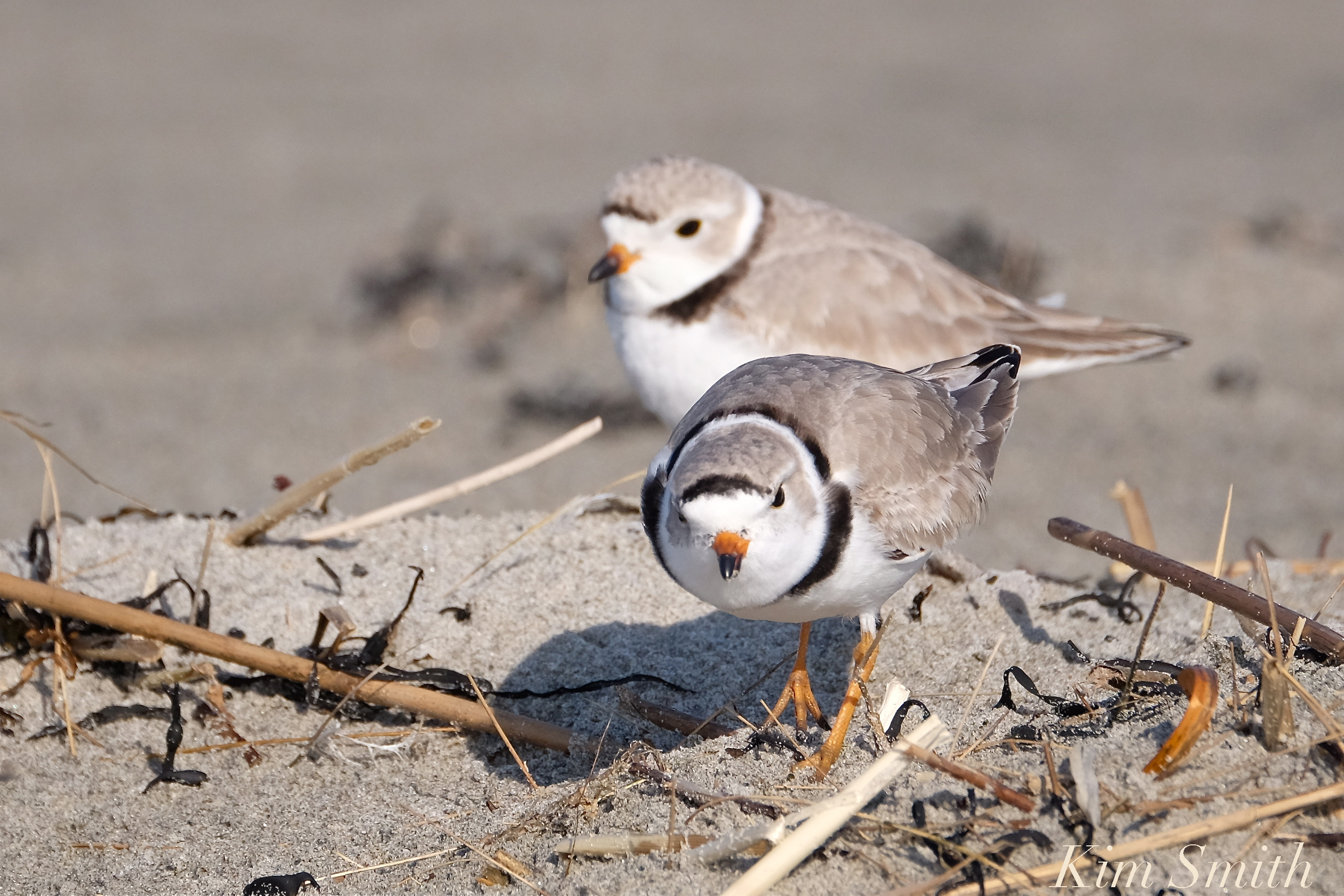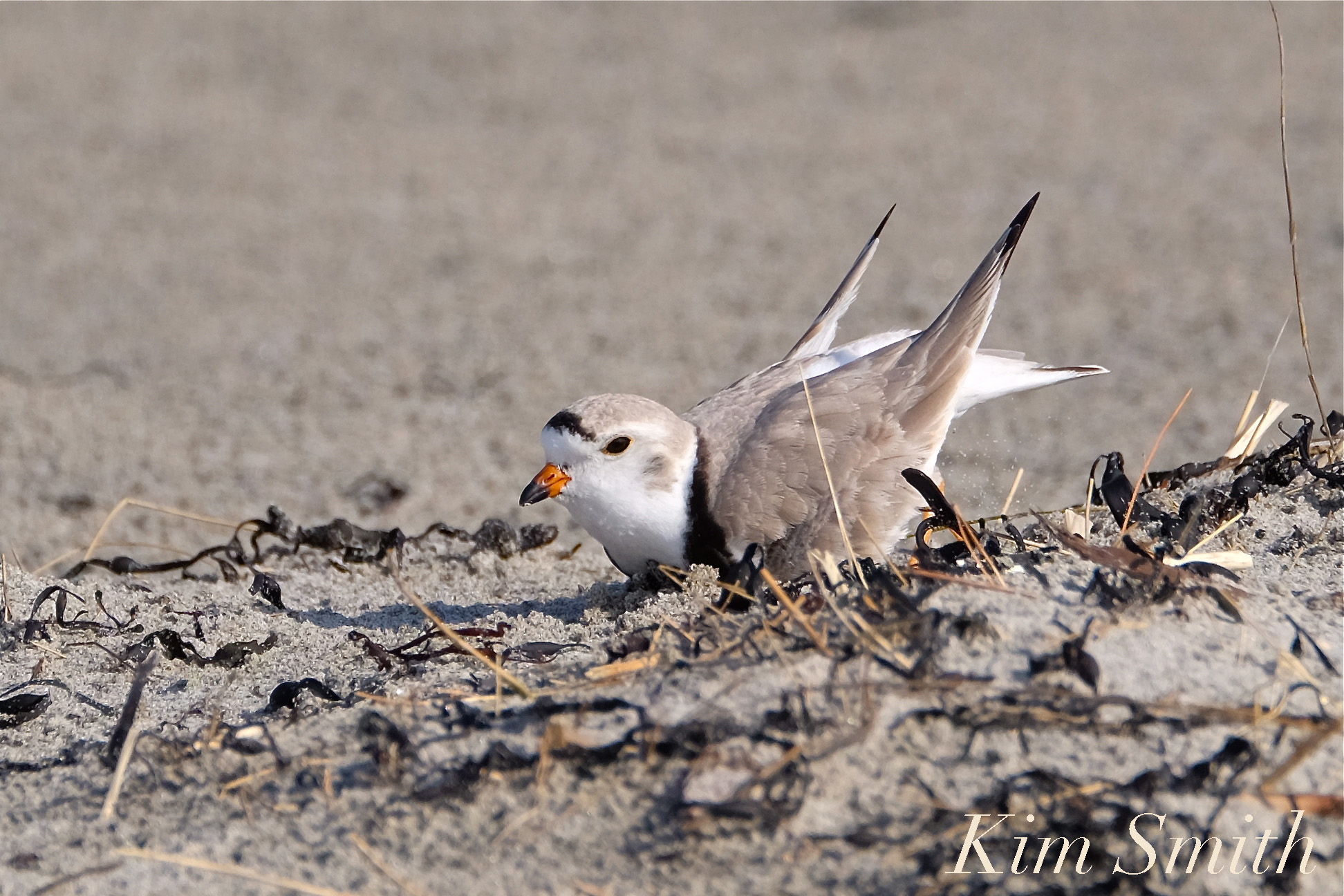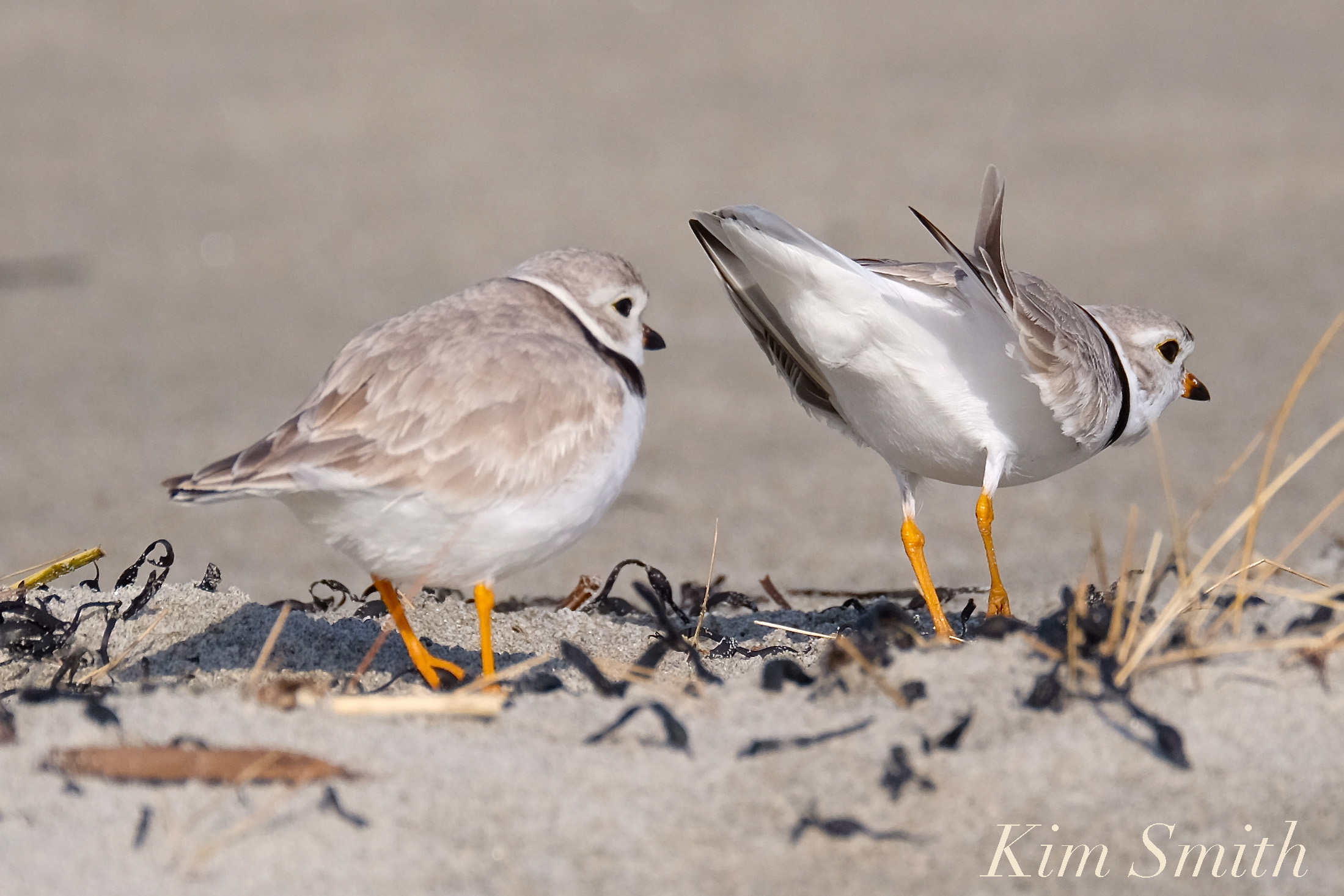
PIPING PLOVER MEMORIAL DAY WEEKEND UPDATE

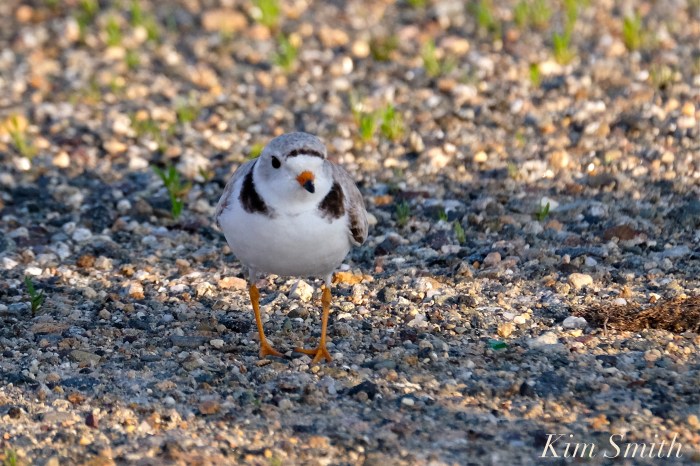
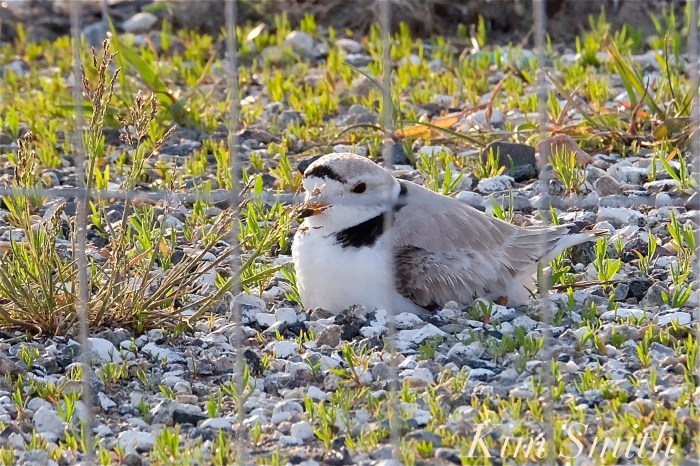
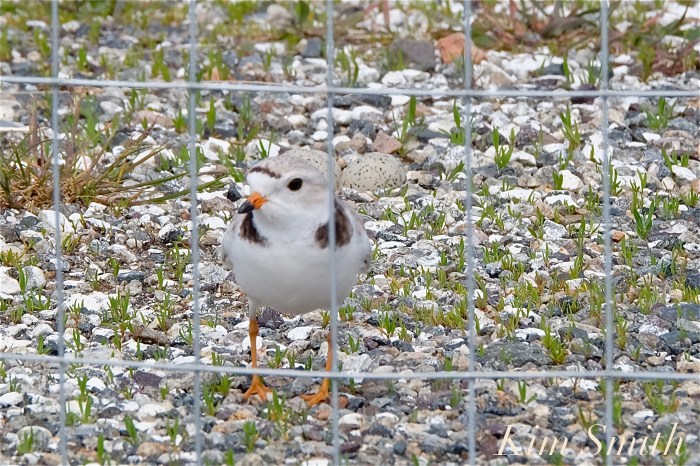
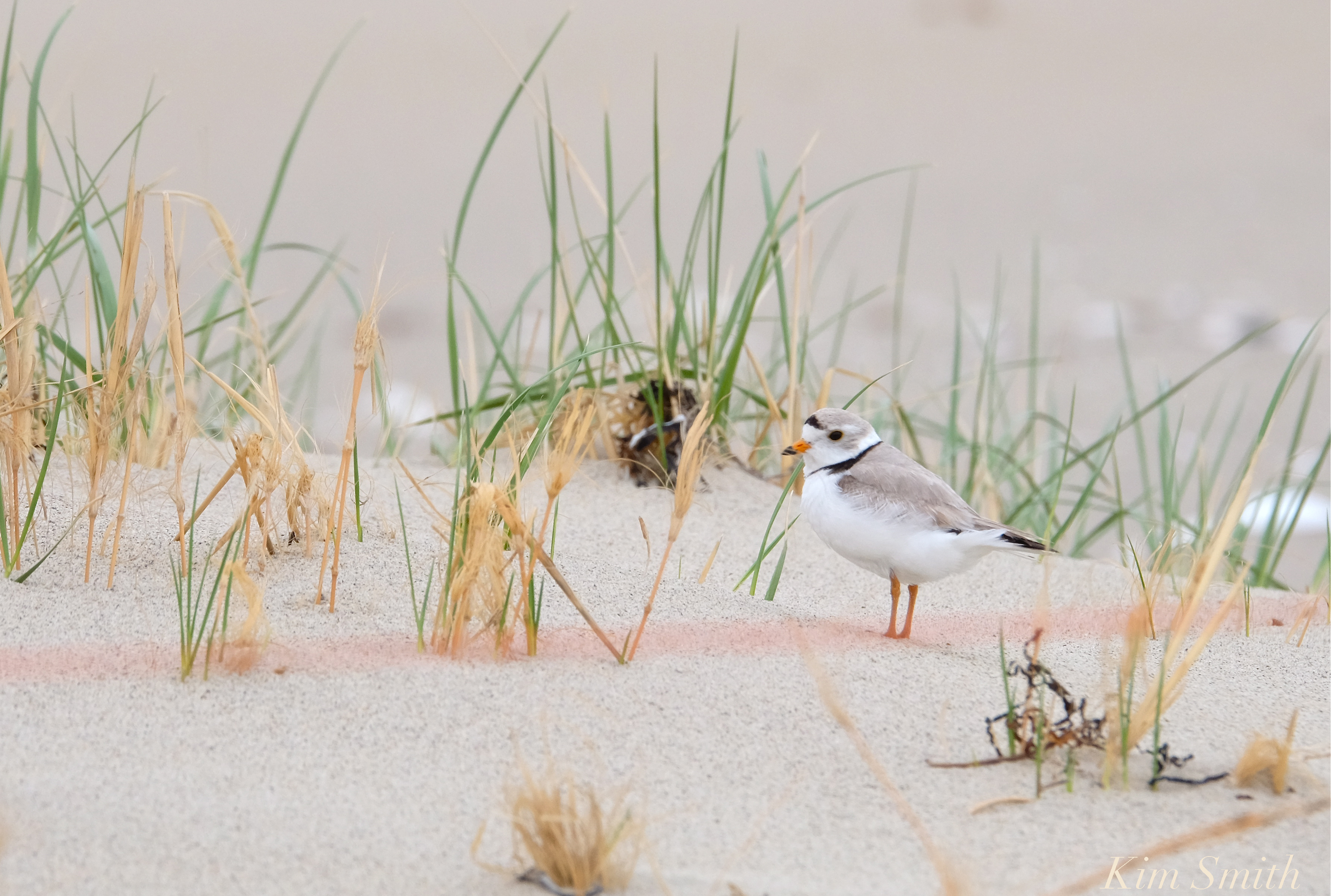
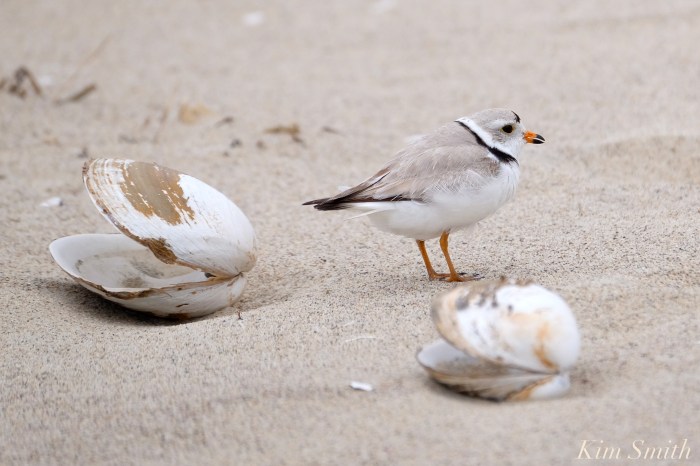
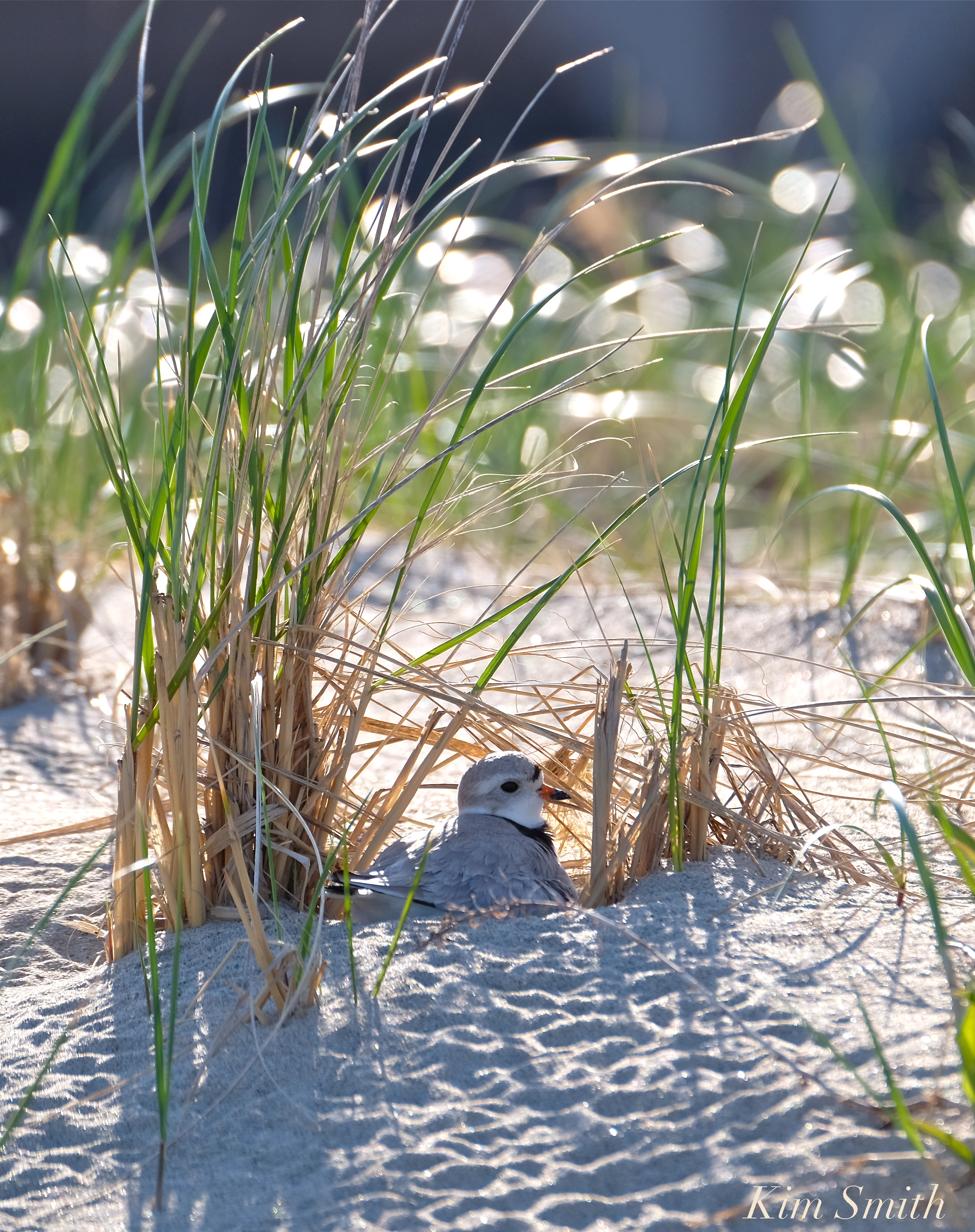
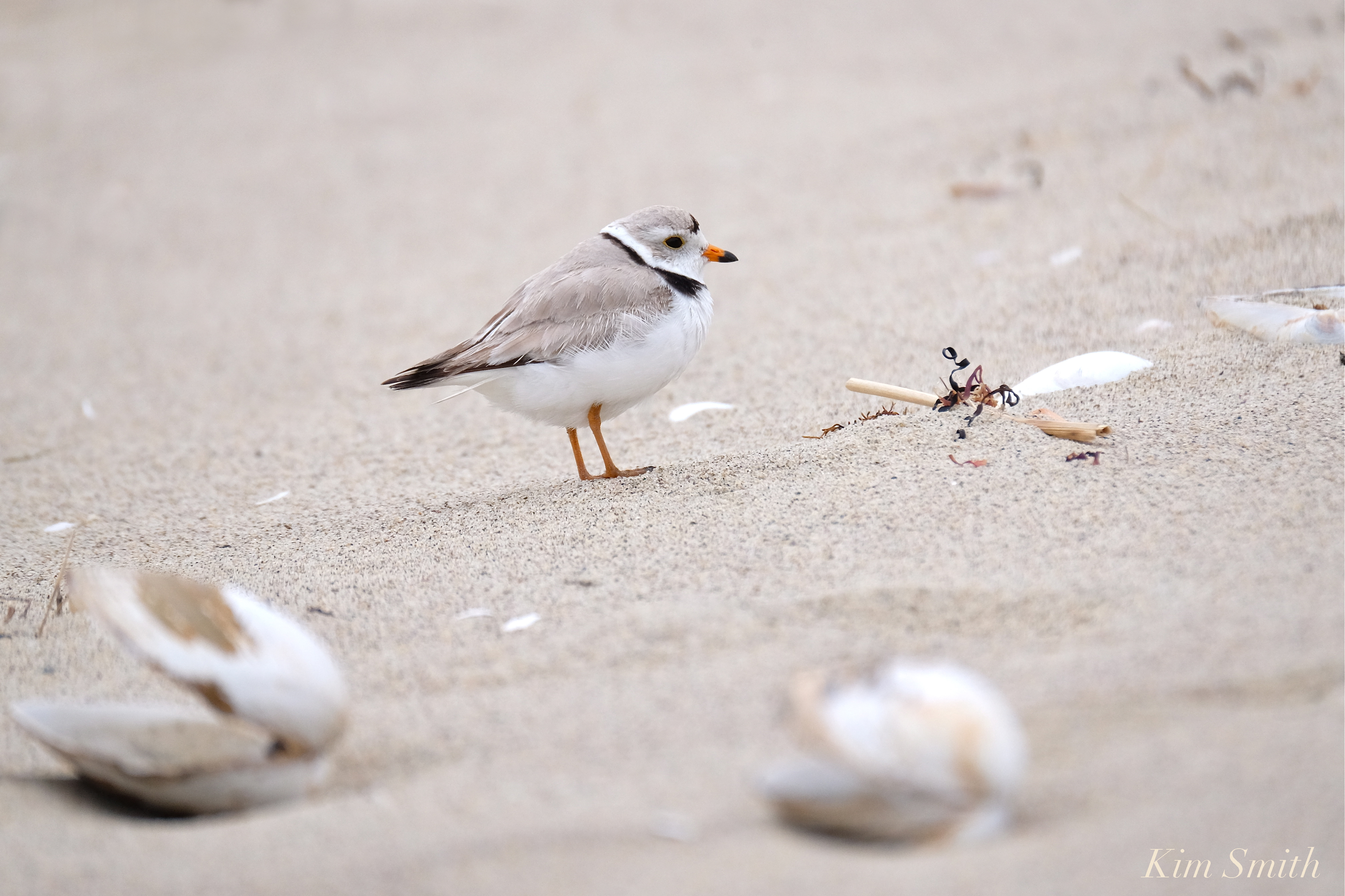
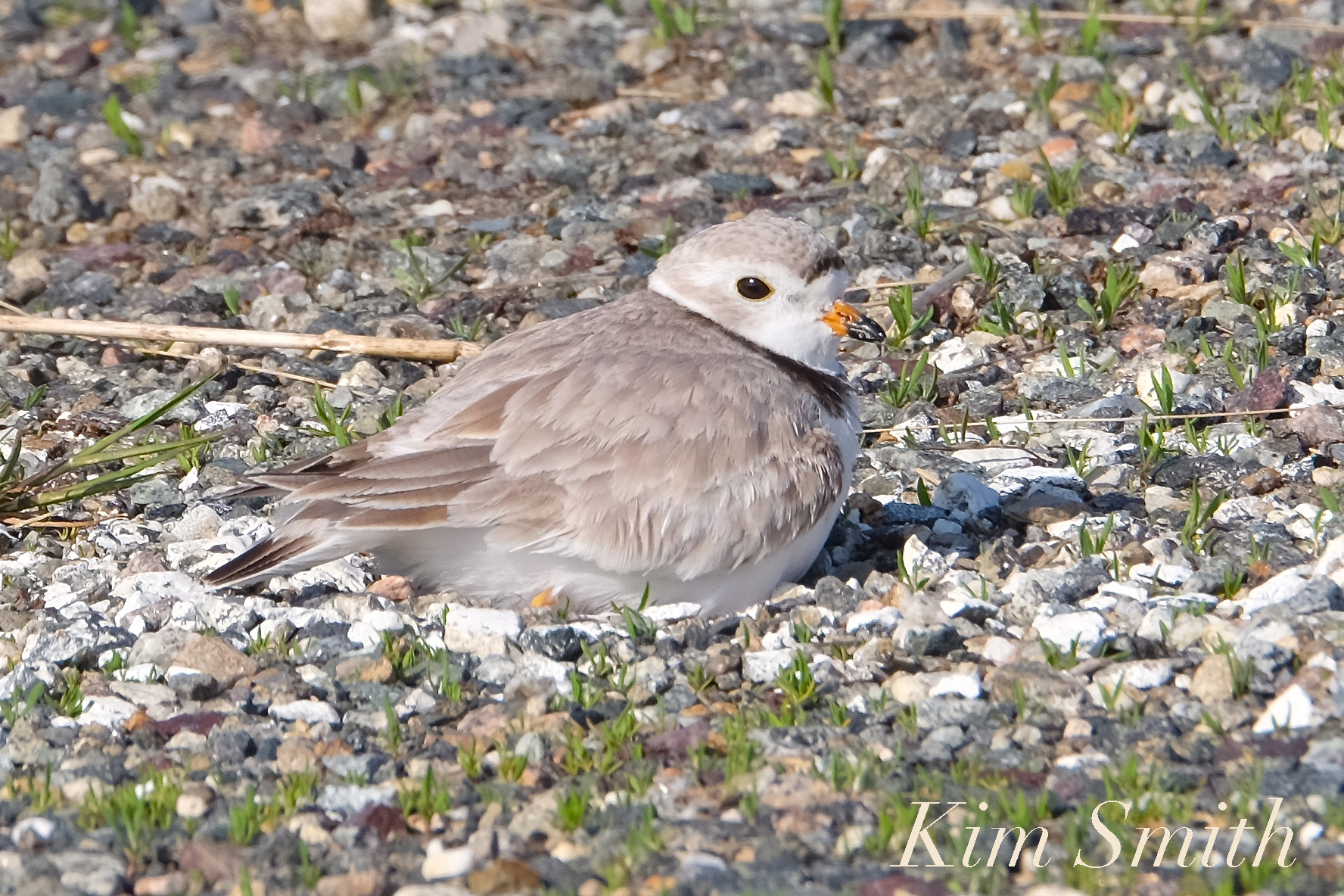
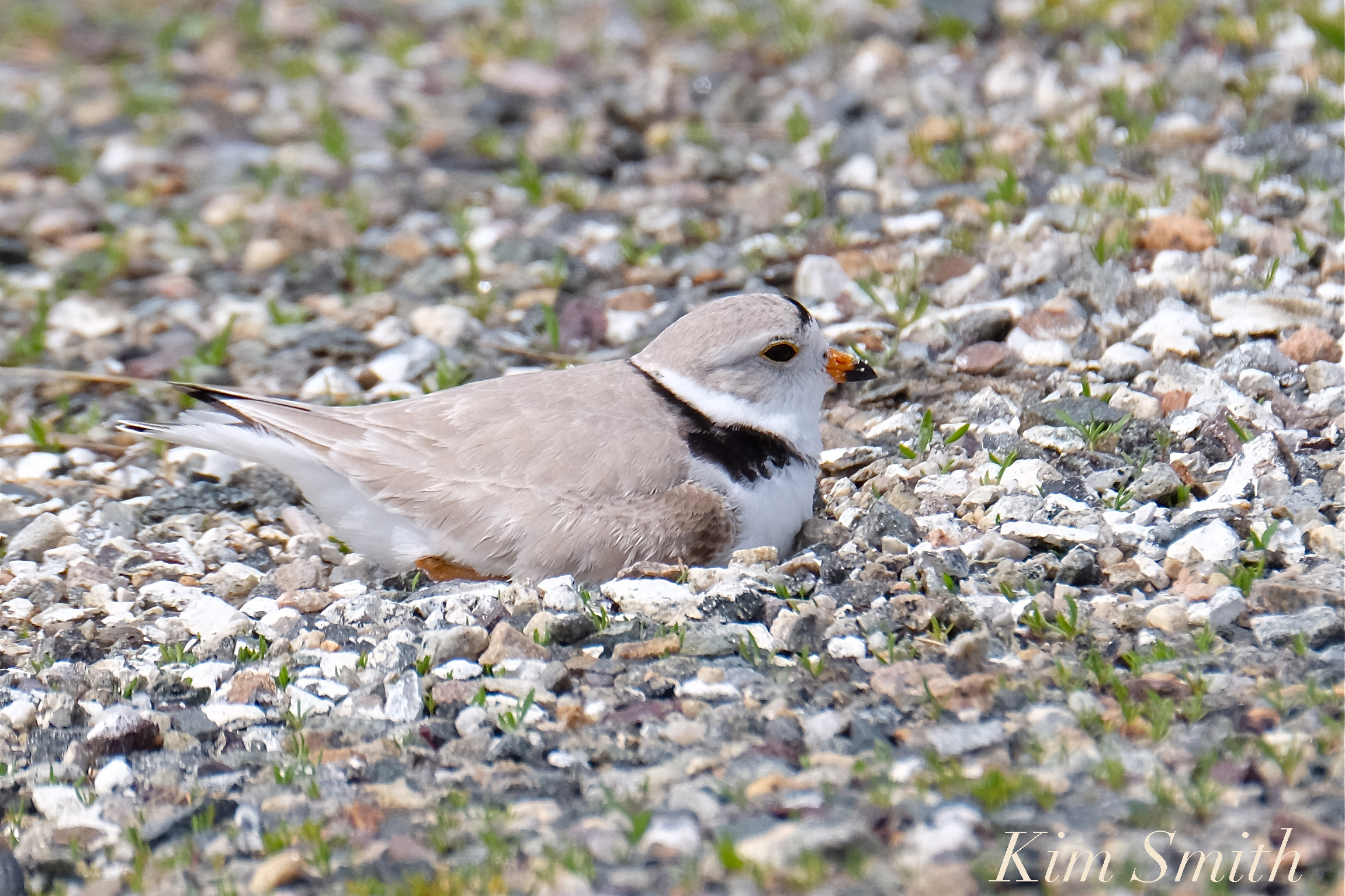
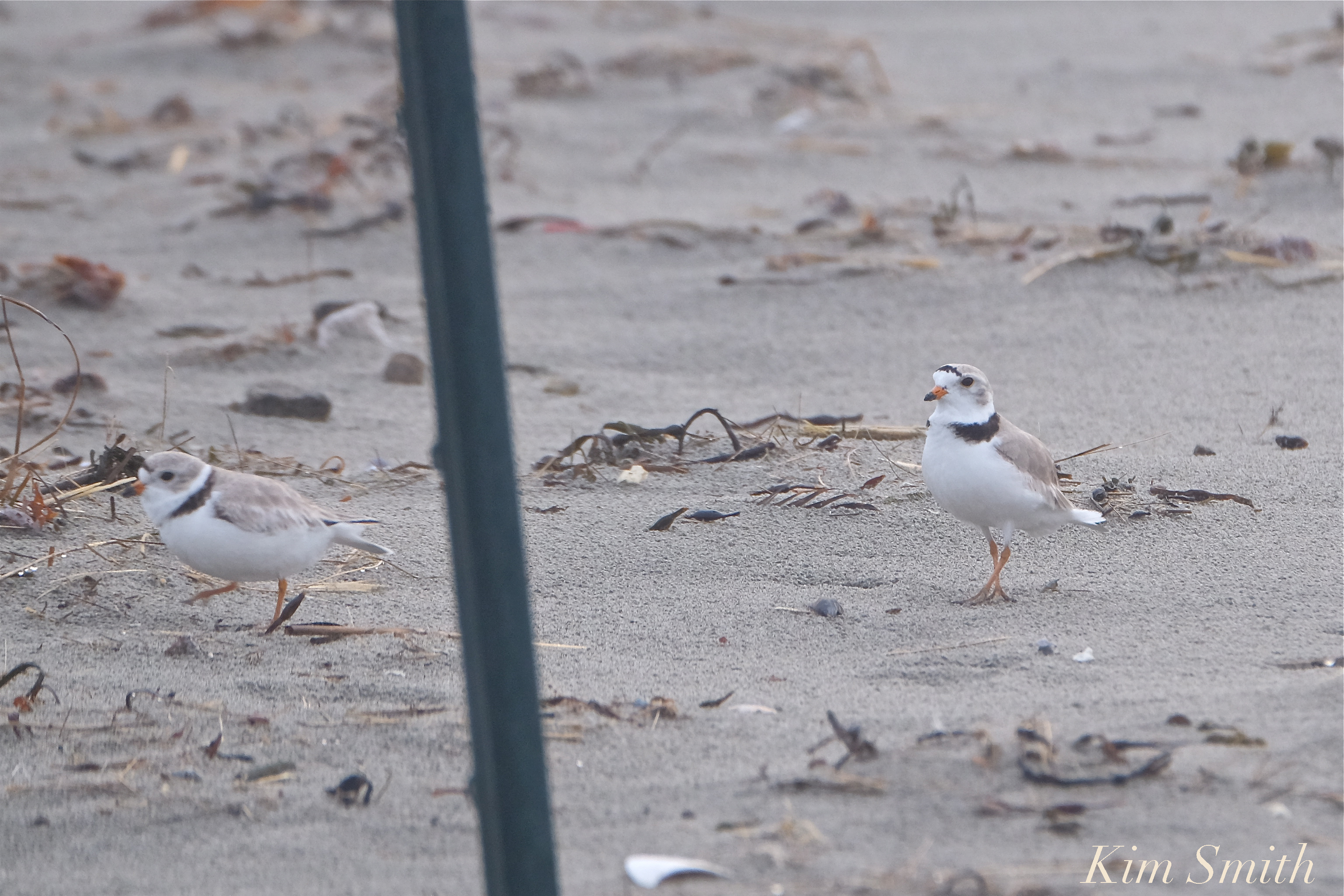
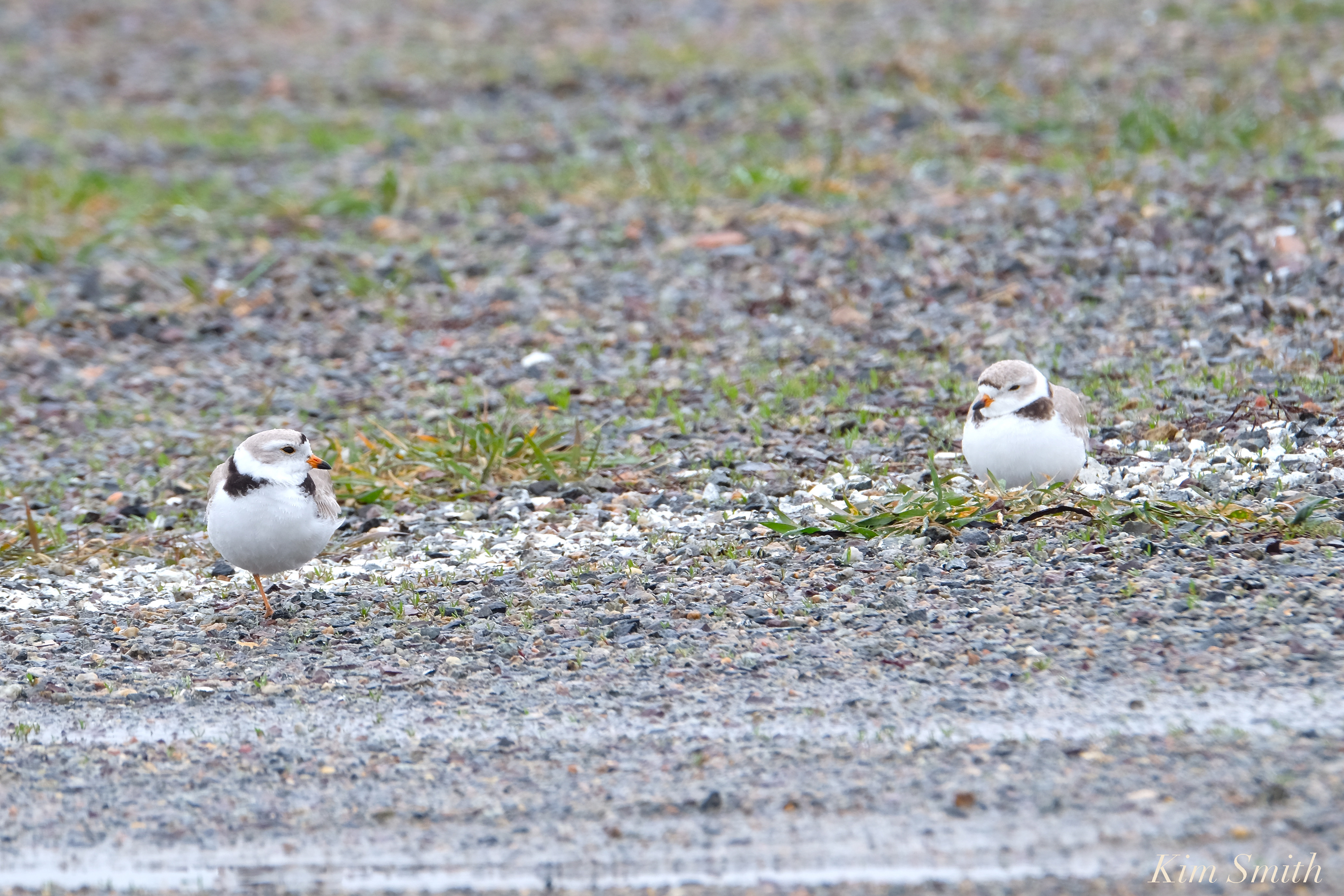
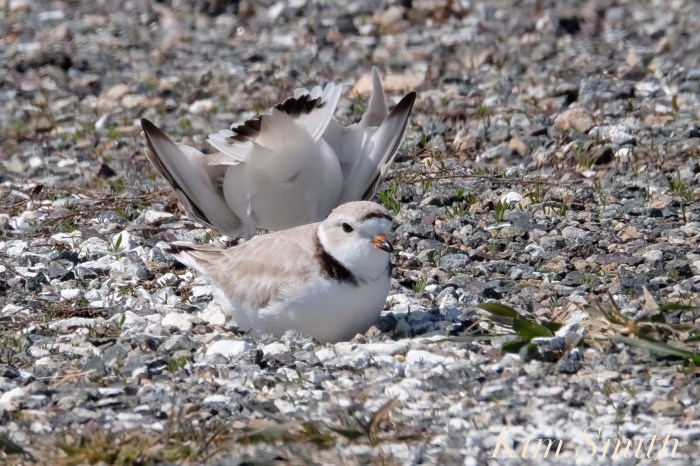
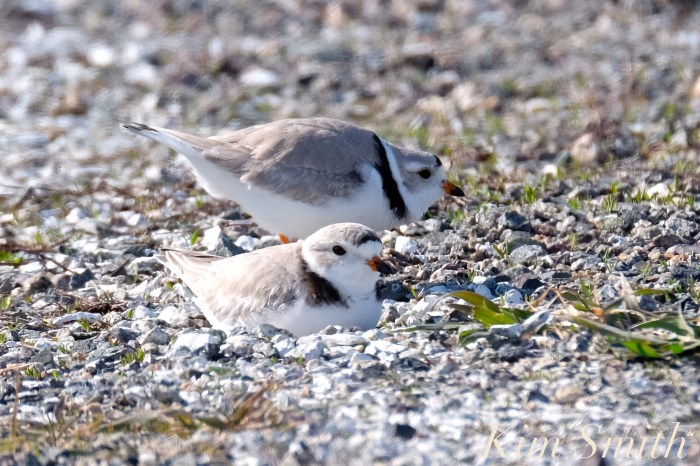
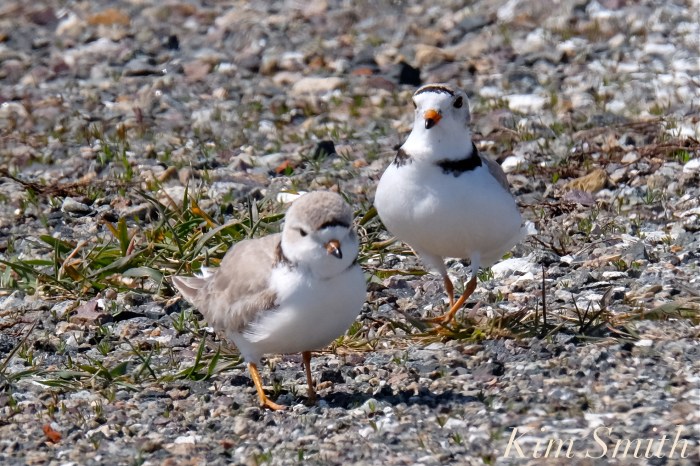
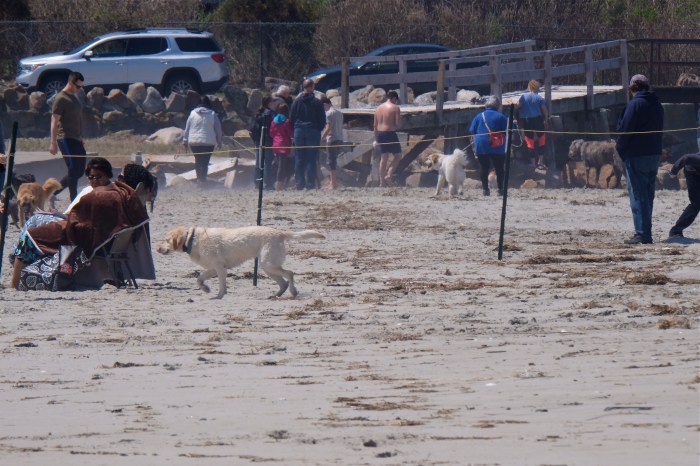
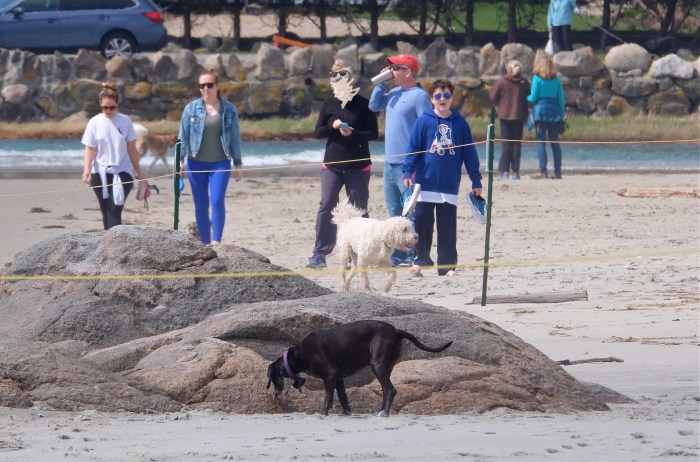
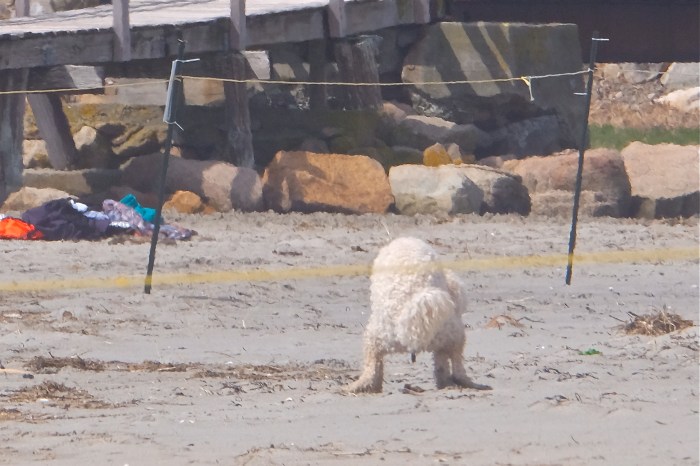
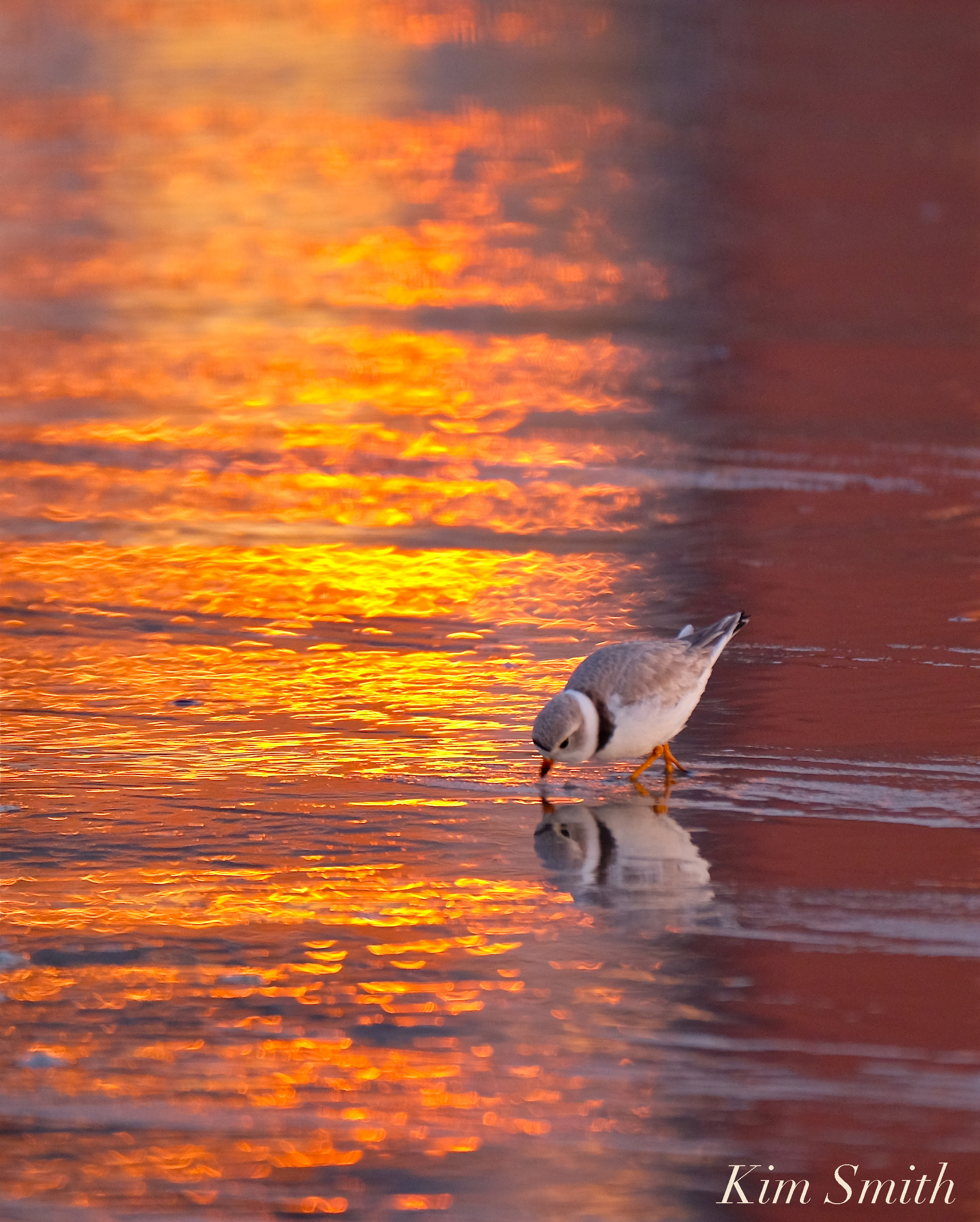
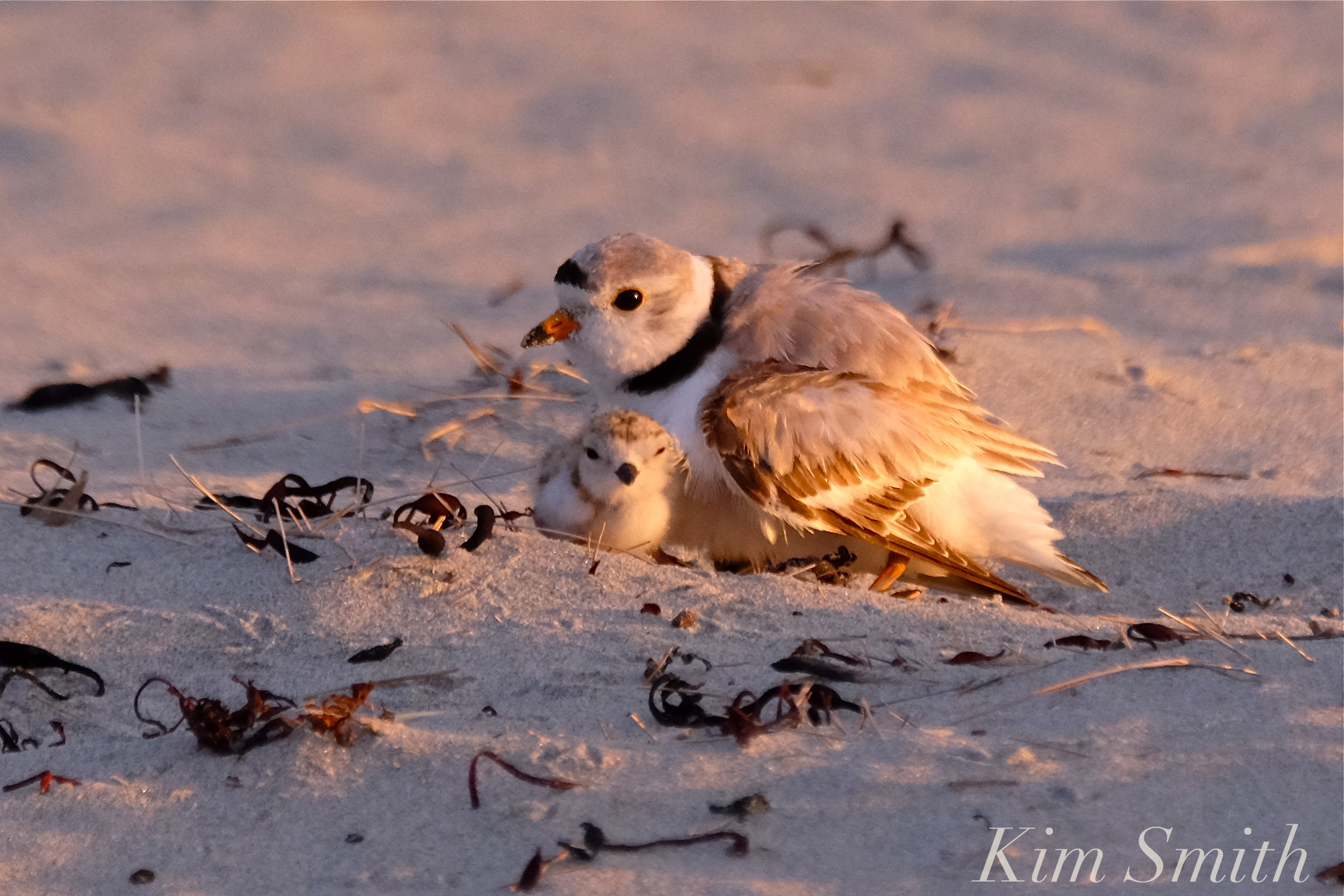
Despite the throngs of beach goers and a full parking lot by noon time on Friday, the nesting Piping Plovers appear to be doing a-okay. Both Mama and Papa Plover were seen at the nest this morning (Saturday) at daybreak. They traded places on the nest without event.

Piping Plover volunteer monitors will be checking on the PiPl throughout the day. The parking lot attendants are keeping an eye out our feathered friends as well. With a hope and prayer, and lots of cooperation from the community, our little pair will survive the holiday weekend 🙂

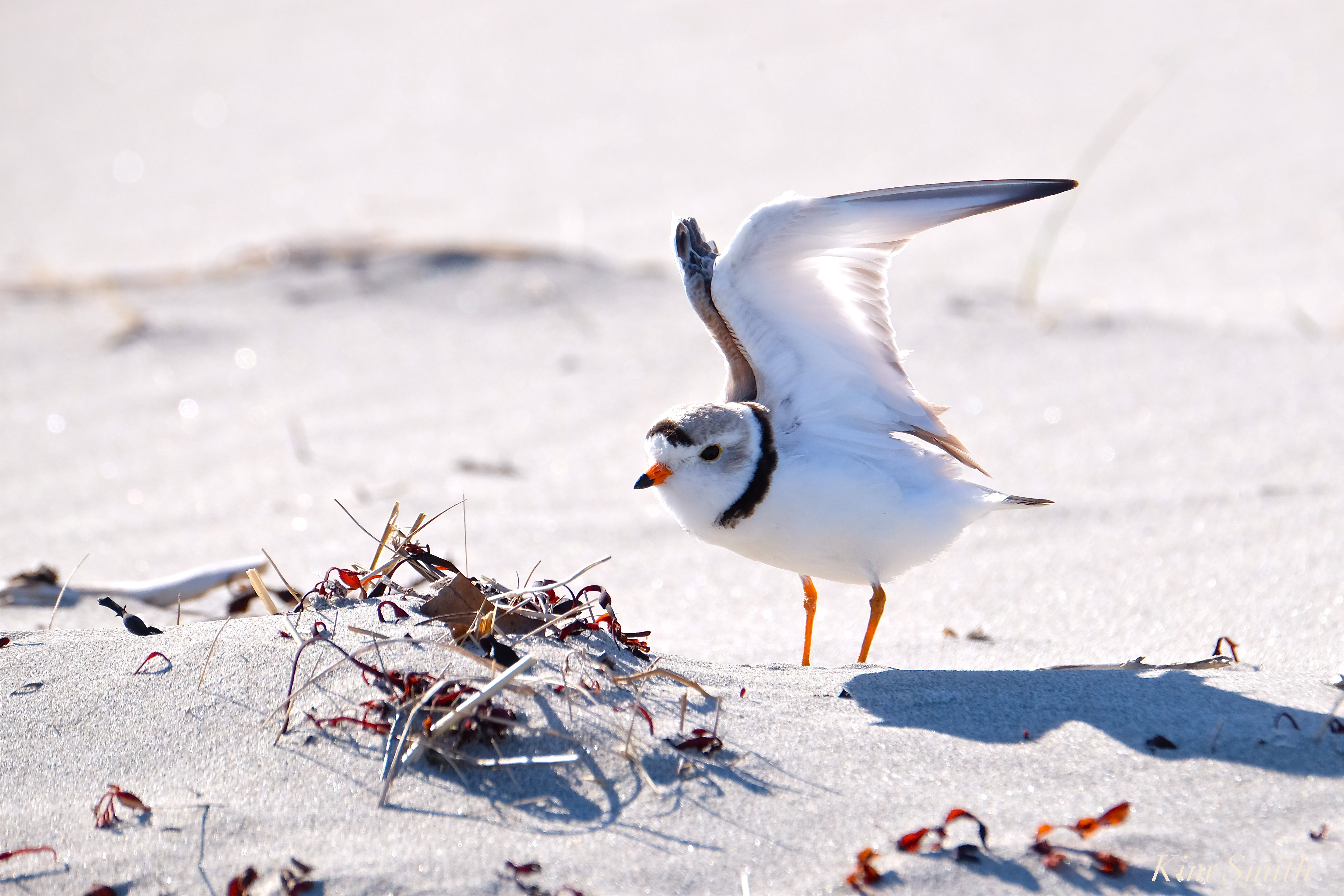
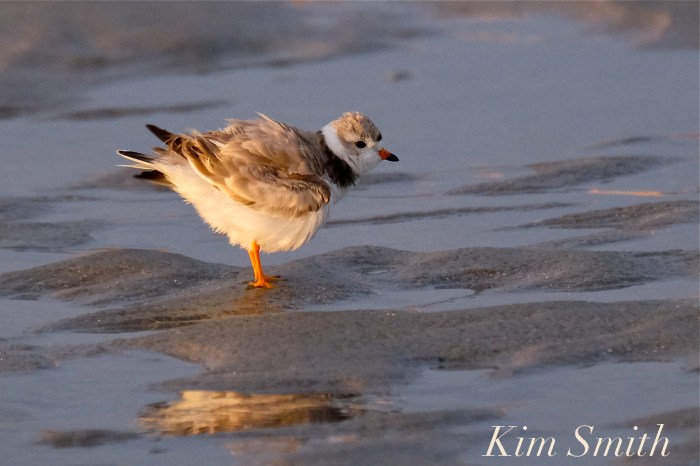
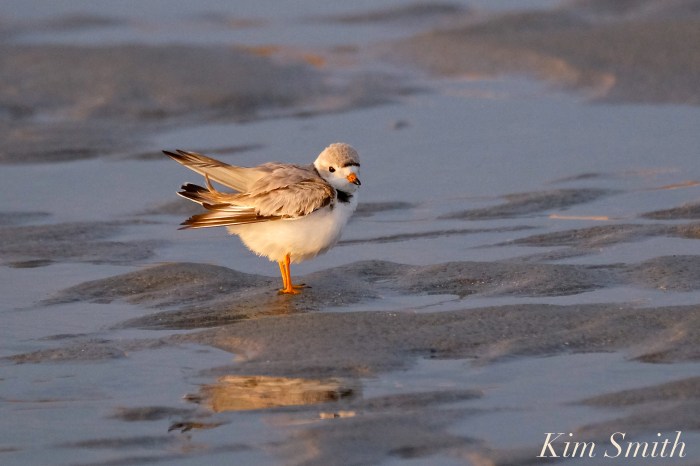
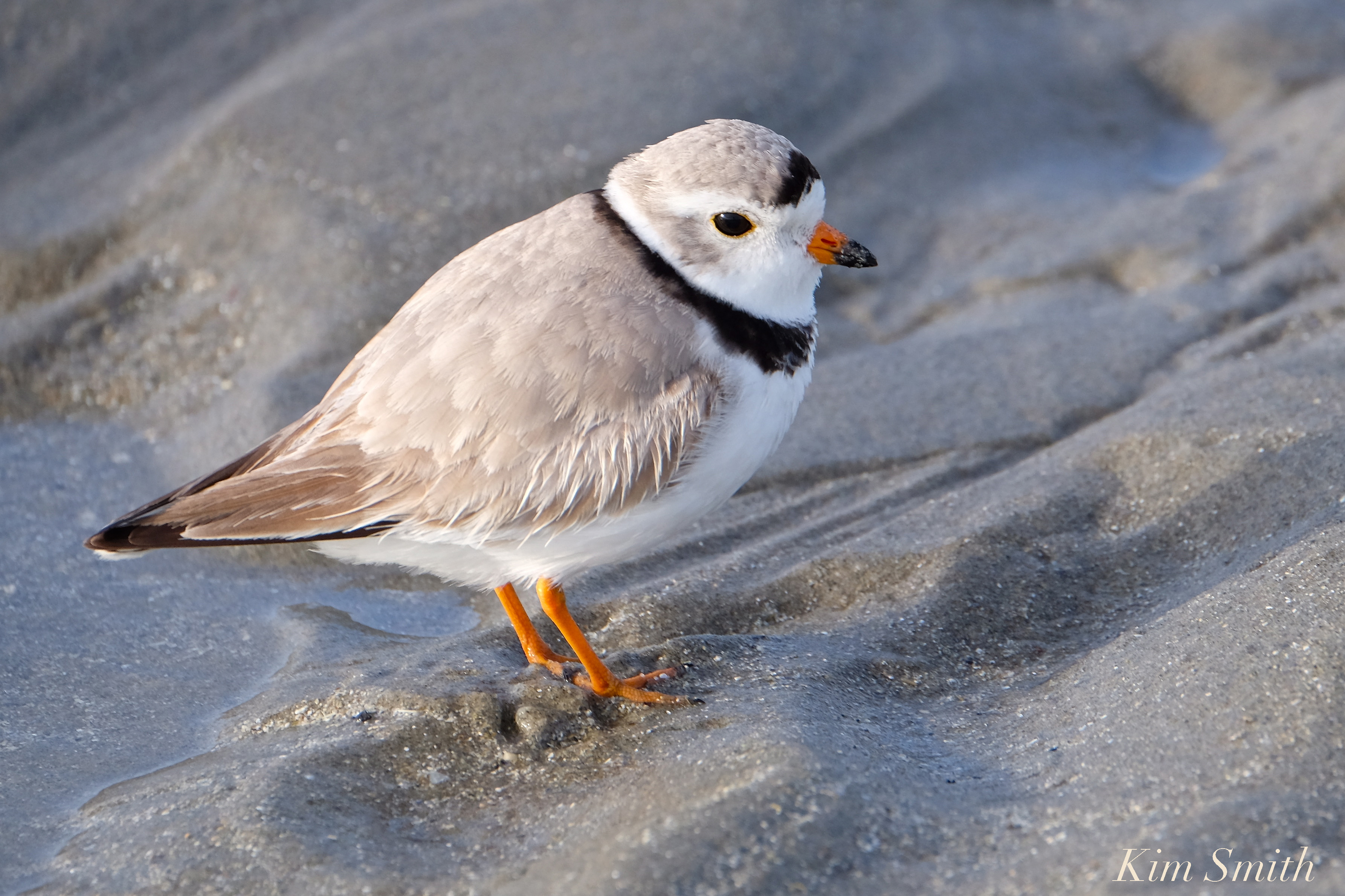
At daybreak this morning, Mama left the nest to stretch her wings, forage, and take a bath, but only after Papa flew on the scene to relieve her; Papa on the nest Friday evening.

DEBUNKING PIPING PLOVER MYTHS #2 AND #3

Debunking Piping Plover Myths #2 and #3

Myth #2: “The reason the Piping Plovers are nesting in the parking lot is because when they first arrived to Gloucester it was cold and they find the asphalt warmer.”

Not true and by this logic, Piping Plovers would be nesting in parking lots from here to Canada!

Piping Plovers arrive at Atlantic coast and Great Lakes beaches every year from late March through the month of May. Along the Atlantic Coast, they breed from the mid-Atlantic states to New England and all the way up the coastline to the maritime provinces of Canada, as far north as Newfoundland and Labrador. The temperature is no colder on a Gloucester beach than a beach on Plum Island or a beach on Prince Edward Island.

Myth #3: “The reason the Piping Plovers are nesting in the parking lot is because the tides are higher and the beach area was disrupted after the winter storms.”

Also not true. 

Piping Plovers typically nest on both narrow and wide sandy beaches. Unfortunately, nests and eggs are occasionally swept away during a storm when the tides are high.

Beaches all along the Massachusetts coastline were hit hard by late winter storms however, Piping Plovers often do well on beaches where winter storms have created a change in the topography. Storms generate what is called overwash, when water from the sea carrying beach sediments flows onto the dunes. Overwash is critical for beaches to maintain their shape and size in the face of sea level rise. The best foraging areas for Piping Plovers are known where you have large expansive mudflats created by storm overwash.

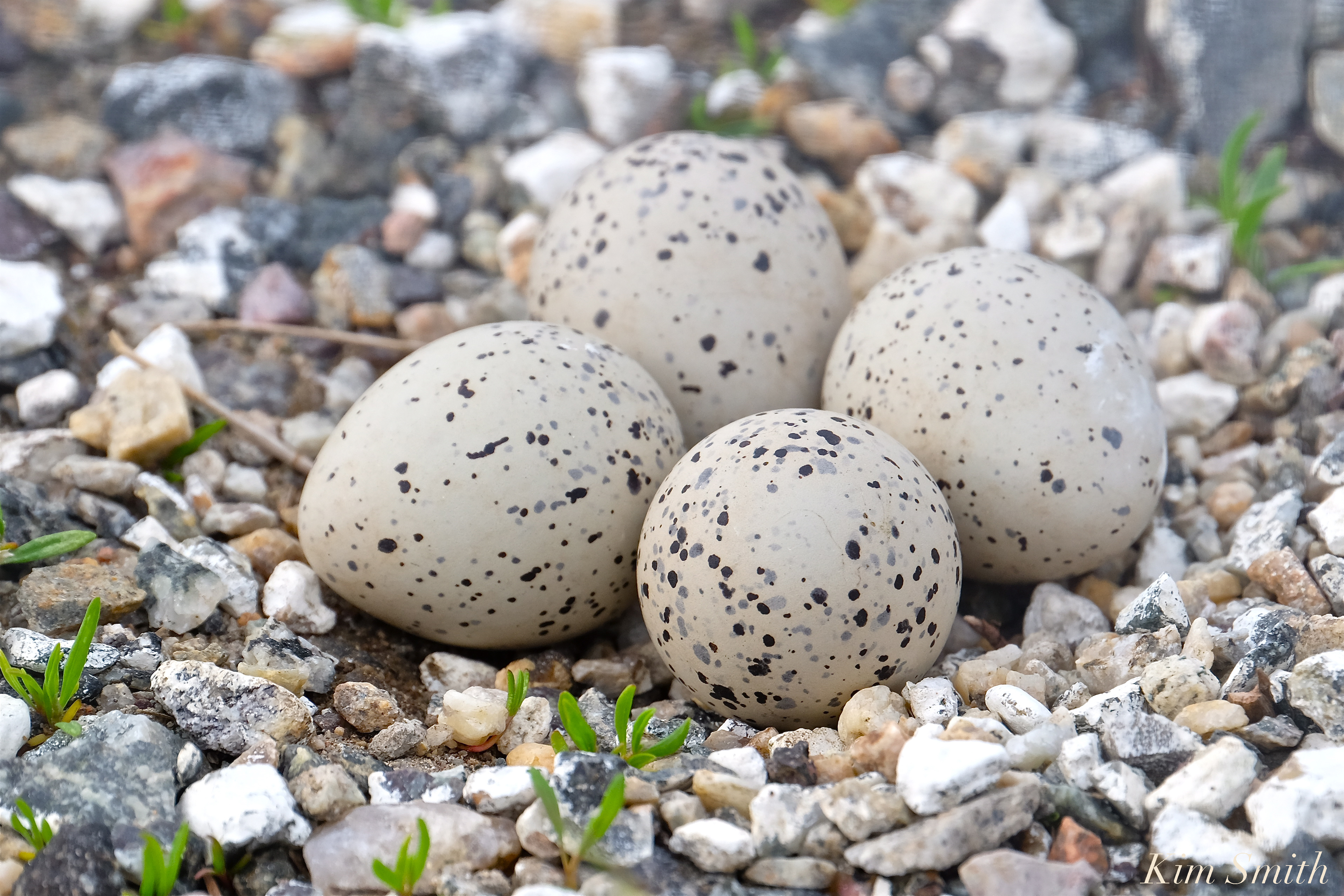
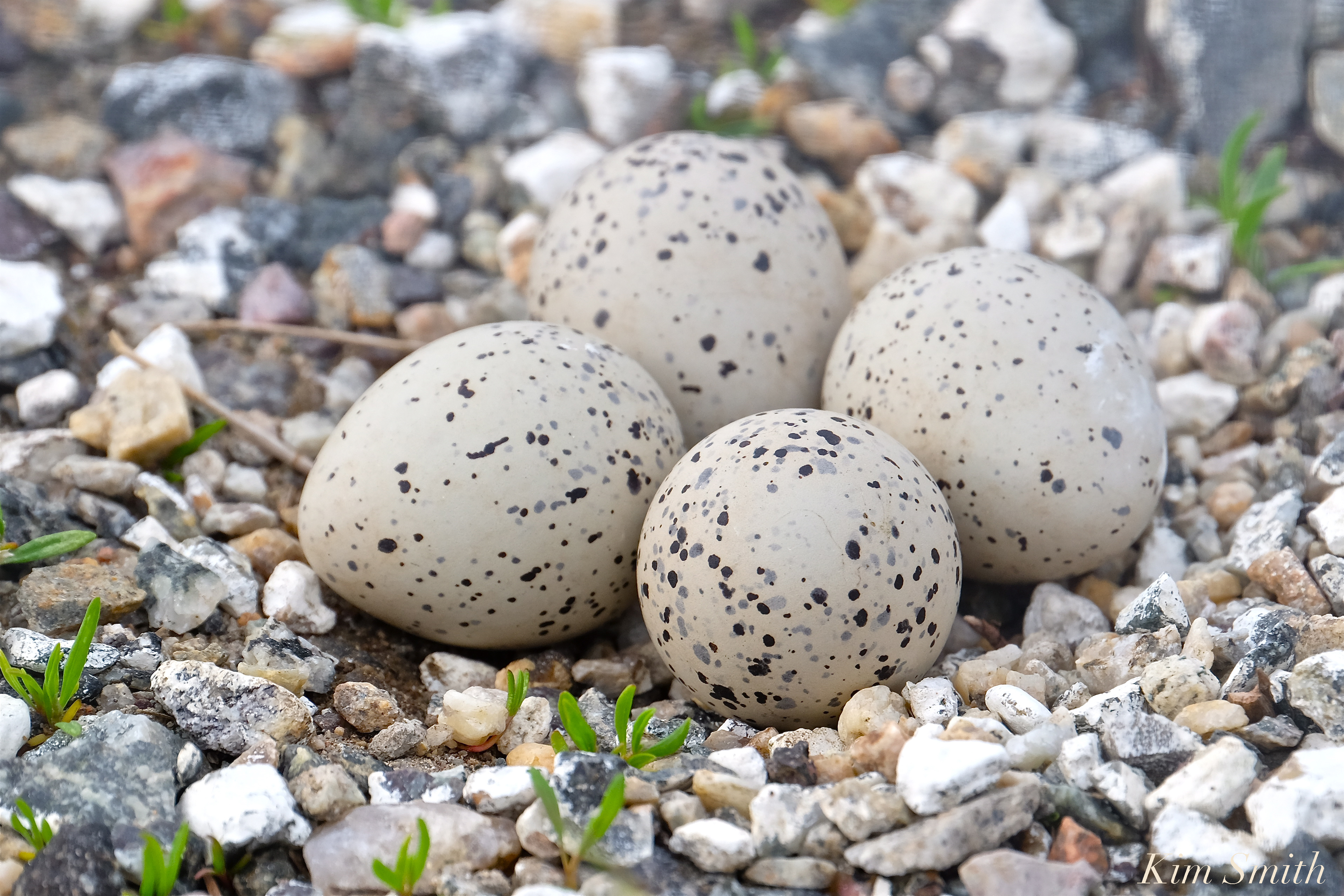
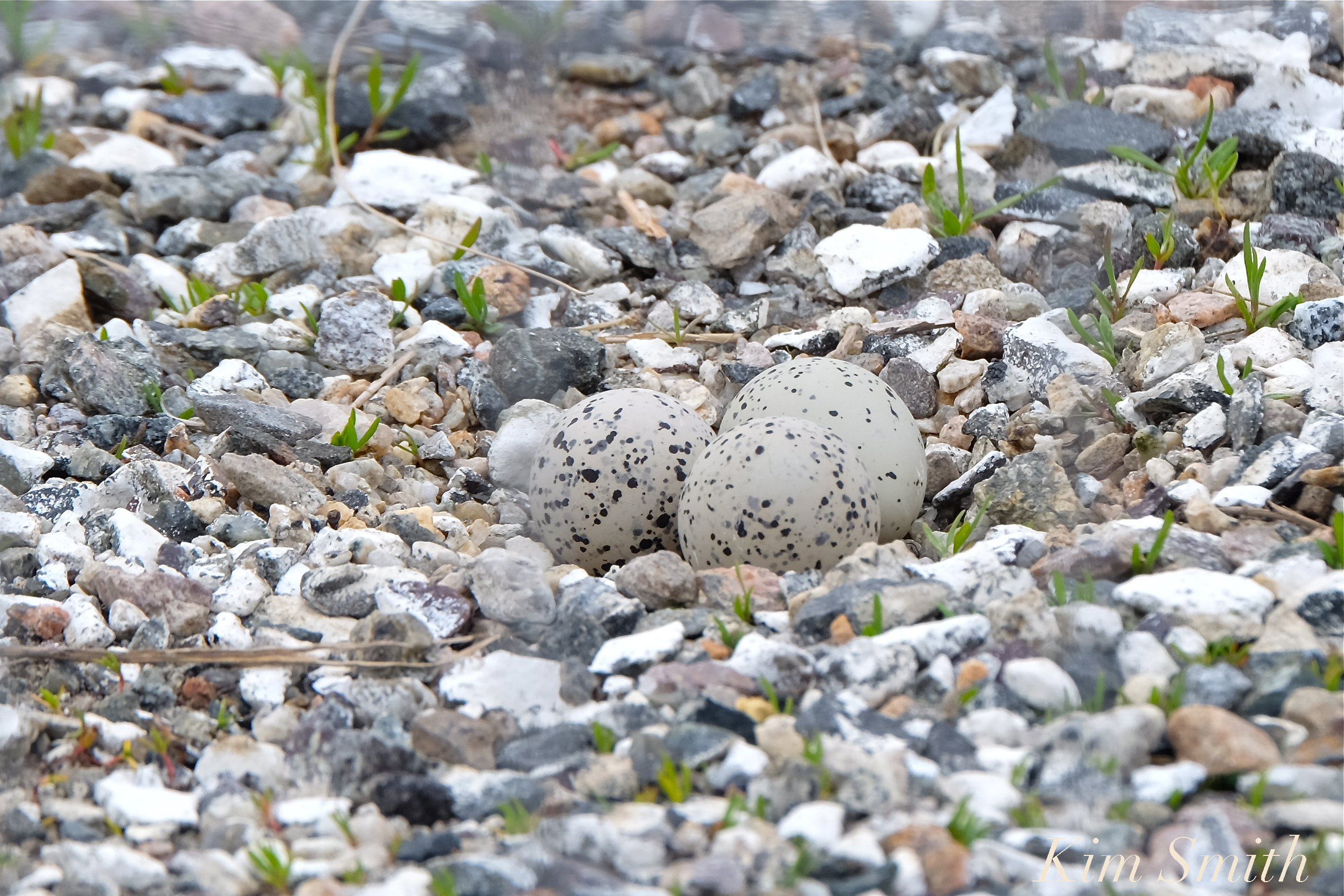
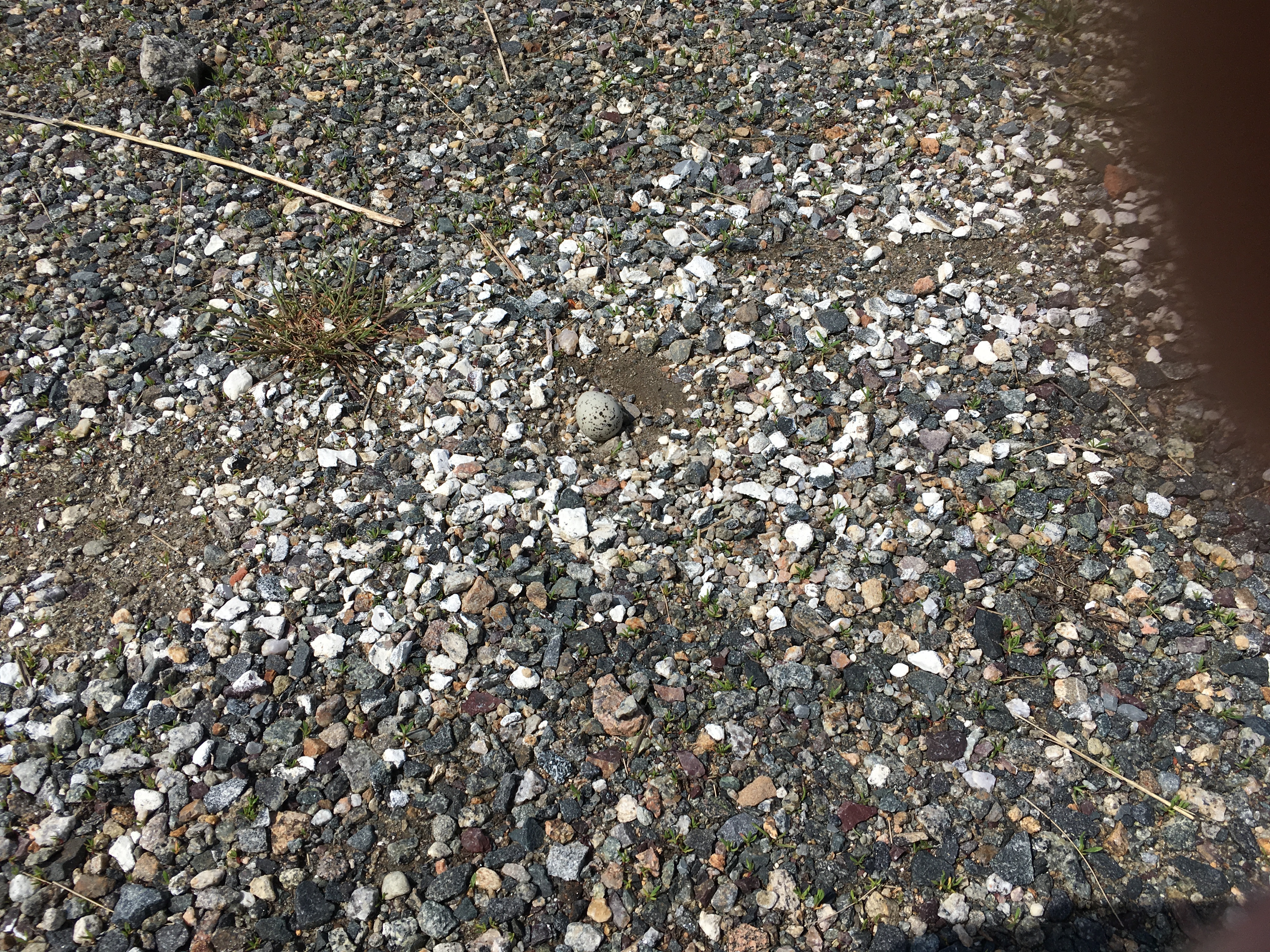
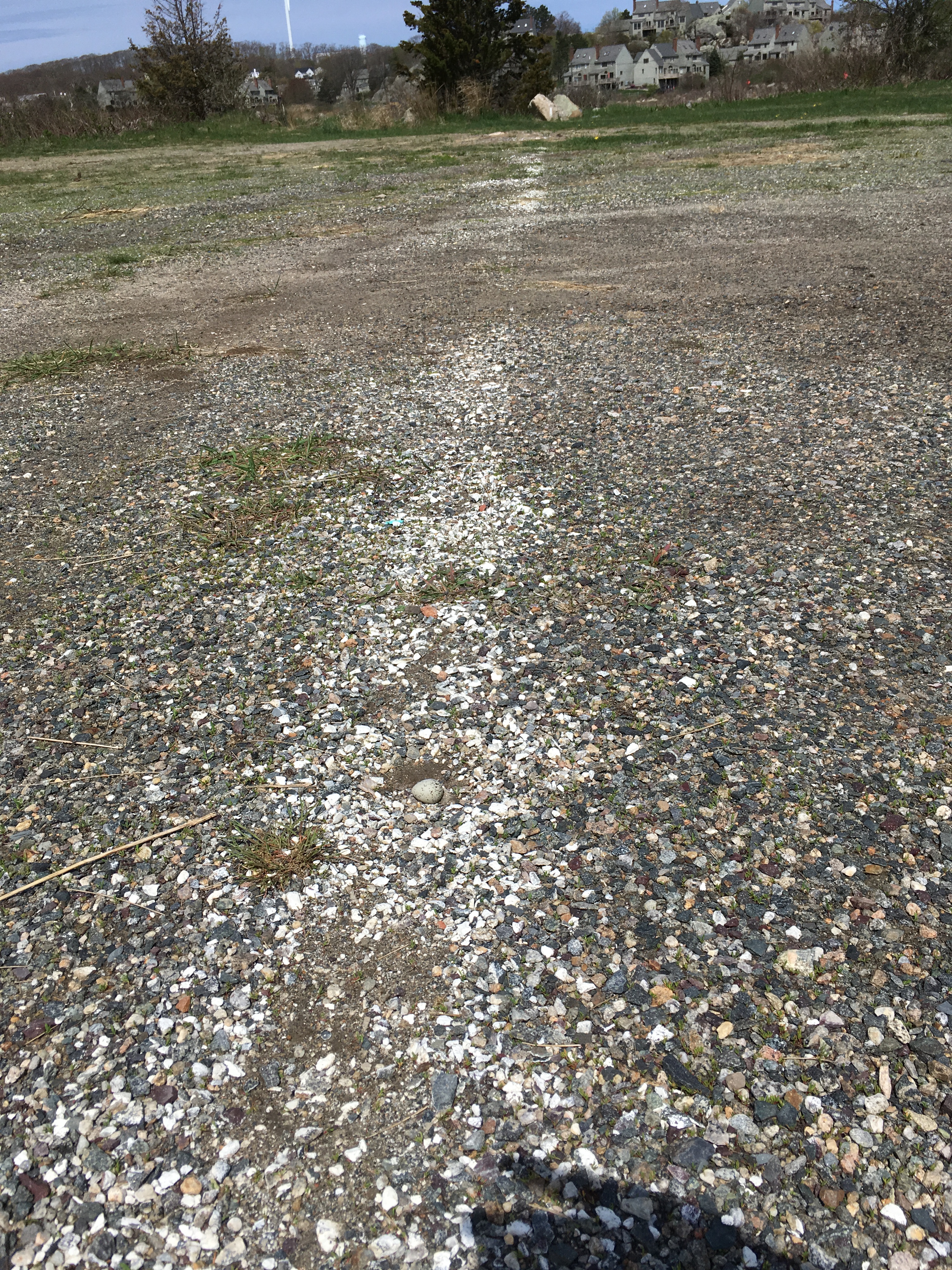
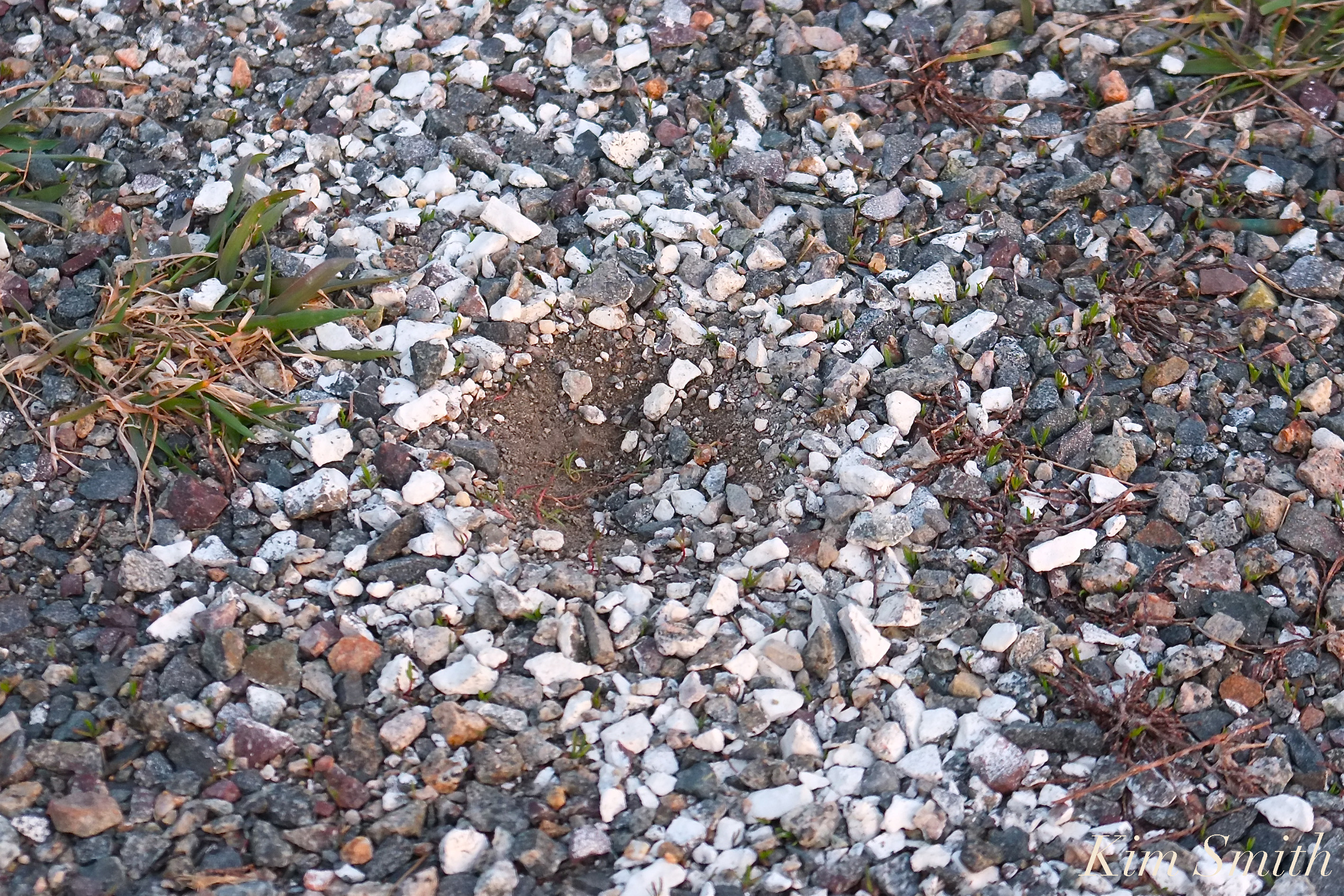
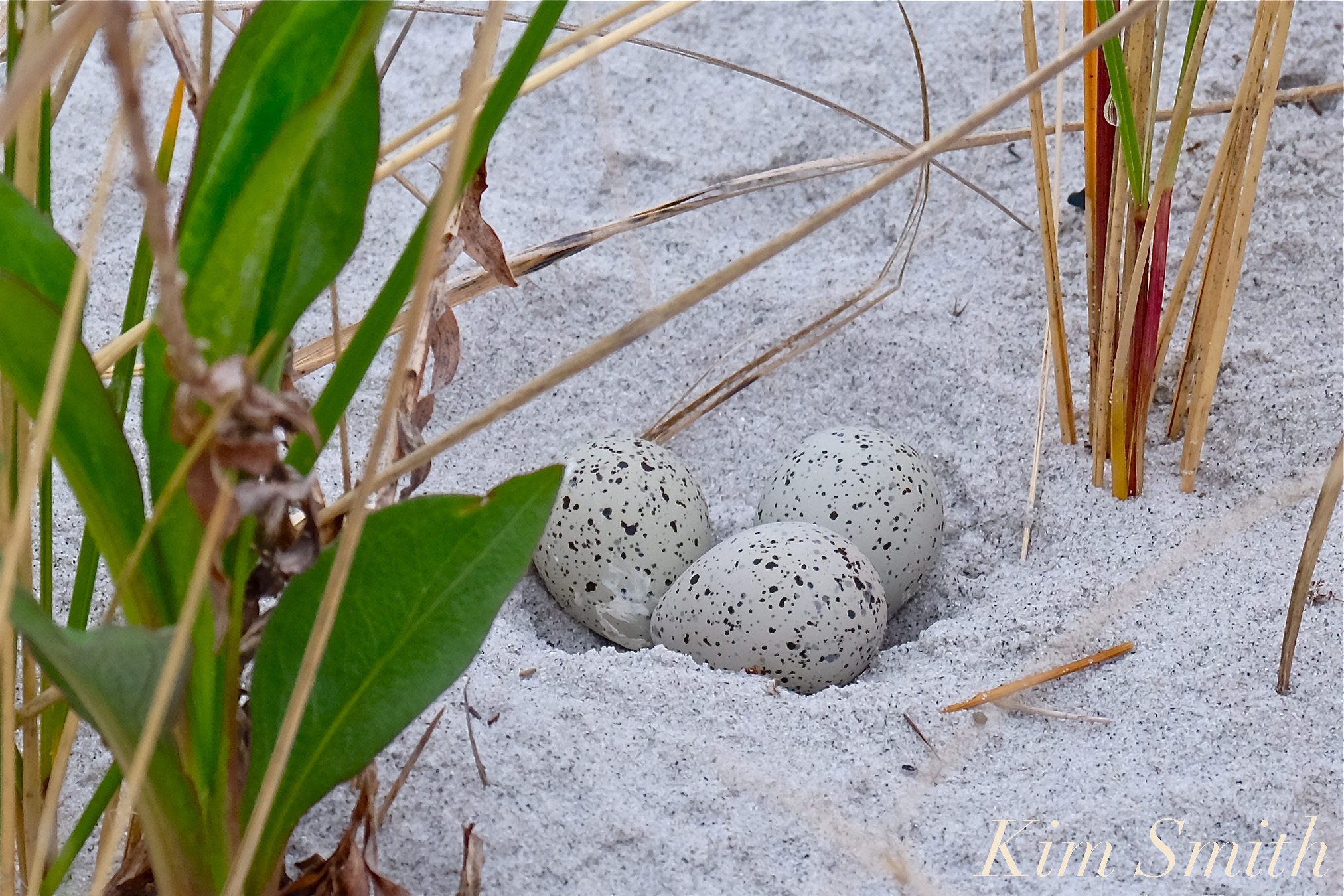
Good Harbor Beach Piping Plover parking lot nest and eggs.

As you can see, there is a theme to these comments, to blame the fact that the PiPl are nesting in the parking lot on everything else except what in actuality drove them to the parking lot.

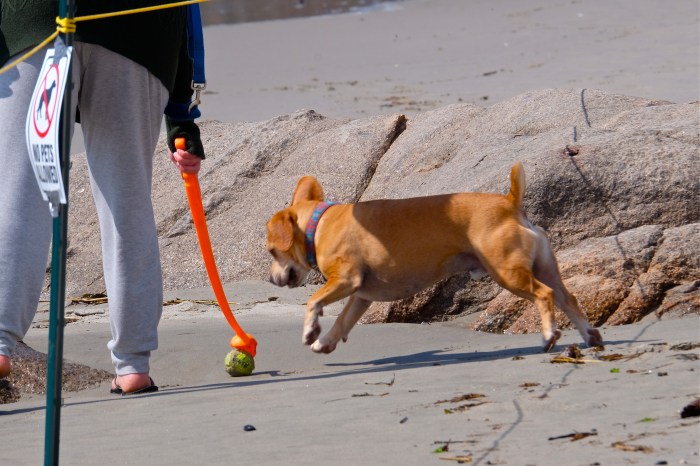
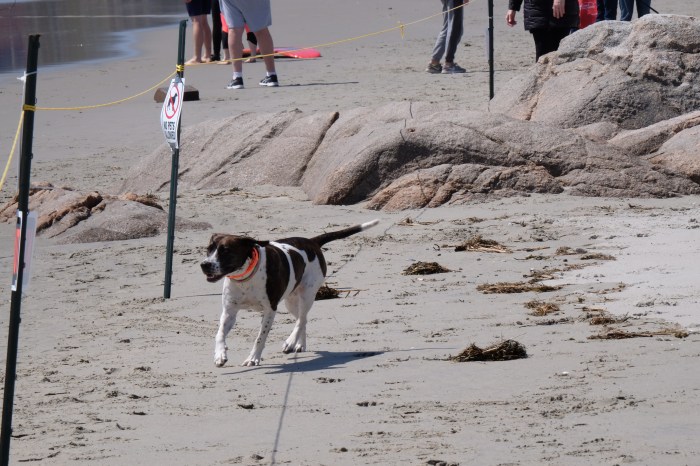
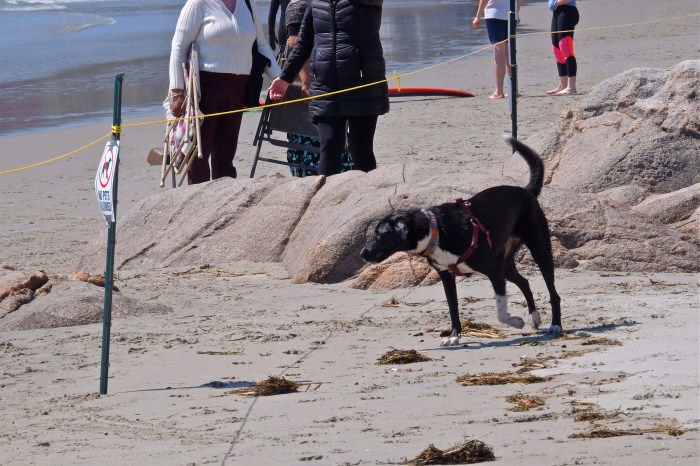
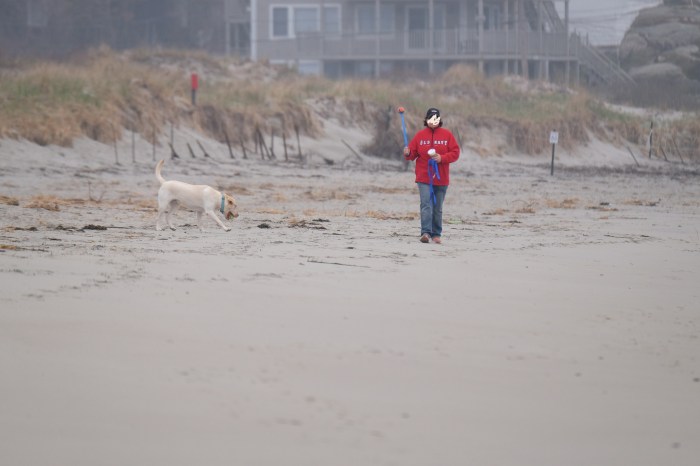
Constant and unrelenting disruption by dogs off leash in the nesting area is what forced the Piping Plovers to the parking lot.

By speaking frankly to help bring awareness about what occurred in the nesting area at Good Harbor Beach during the months of April and May is by no means meant to malign or portray as wicked and threatening dogs or dog owners. Disruption by dogs was witnessed by myself, by fellow PiPl volunteers, as well as by Greenbelt and Mass Wildlife representatives, and the dog officers. 

In the minds of our nesting pair of Piping Plovers, the Good Harbor Beach parking lot was seemingly the safest location at the time of mating and nest scraping, as it was also the quietest and least disrupted. Readers may be wondering, why did our pair not nest in the wide expanse of dunes? I think the green growth found in the dune habitat does not provide protective camouflage as do the white painted lines and gravel found in the parking lot. If you have stopped by to see the PiPl in the parking lot, you may have noticed that they are practically invisible, the way they blend in with their surroundings. The little pair are certainly resourceful!

Don’t mistake their resourceful choice of nesting locations as ideal. The parking lot is a horrendous place to nest. It is far away from their food and water. Piping Plover parents take turns sitting on the nest. In a normal situation where the nest is on the beach, one sits on the nest while the other forages close by, but at the same time is always on the lookout to zoom in and help defend the nest from real and imagined predators. Under the parking lot circumstance, while one is brooding in the lot and the other foraging on the beach, they are not in constant contact or communication with one another, making the chance of successfully hatching young all that much slimmer.

And safeguarding the chicks during their first days after hatching in the parking lot, until they make the epic journey to the beach, is going to be a monumental challenge and take tremendous teamwork.

Mama at the parking lot nest exclosure while Papa is foraging at the beach and out of the range of communication.

The problems that arise with dogs on the beach during shorebird nesting season has been dealt with and resolved conscientiously in coastal communities over decades.

Some solutions for next year:

  1. With gratitude to Mayor Sefatia and the DPW, effective signage has been posted at each beach entryway. The signs need to be in place all year round because they also have a No Dunes icon. Letting people know that throughout the year the dunes are off limits to people and pets will help lessen erosion and create a healthier dune habitat, which over time will help protect our beach for everyone.
  2. Enforcement of existing ordinances.
  3. Education about the life story of the Piping Plovers.
  4. Recently a meeting of the Animal Advisor Committee was held at City Hall. Many suggestions and proposals were discussed. A very simple and effective solution for Good Harbor Beach is to close the beach to all dogs beginning April 1st and to reopen on September 16th, making the time dogs are allowed on the beach only two weeks shorter than the existing ordinance. The time period from April 1st to September 15th would give all shorebirds the uninterrupted space needed to mate and establish their nests, and time enough for the young to fledge.

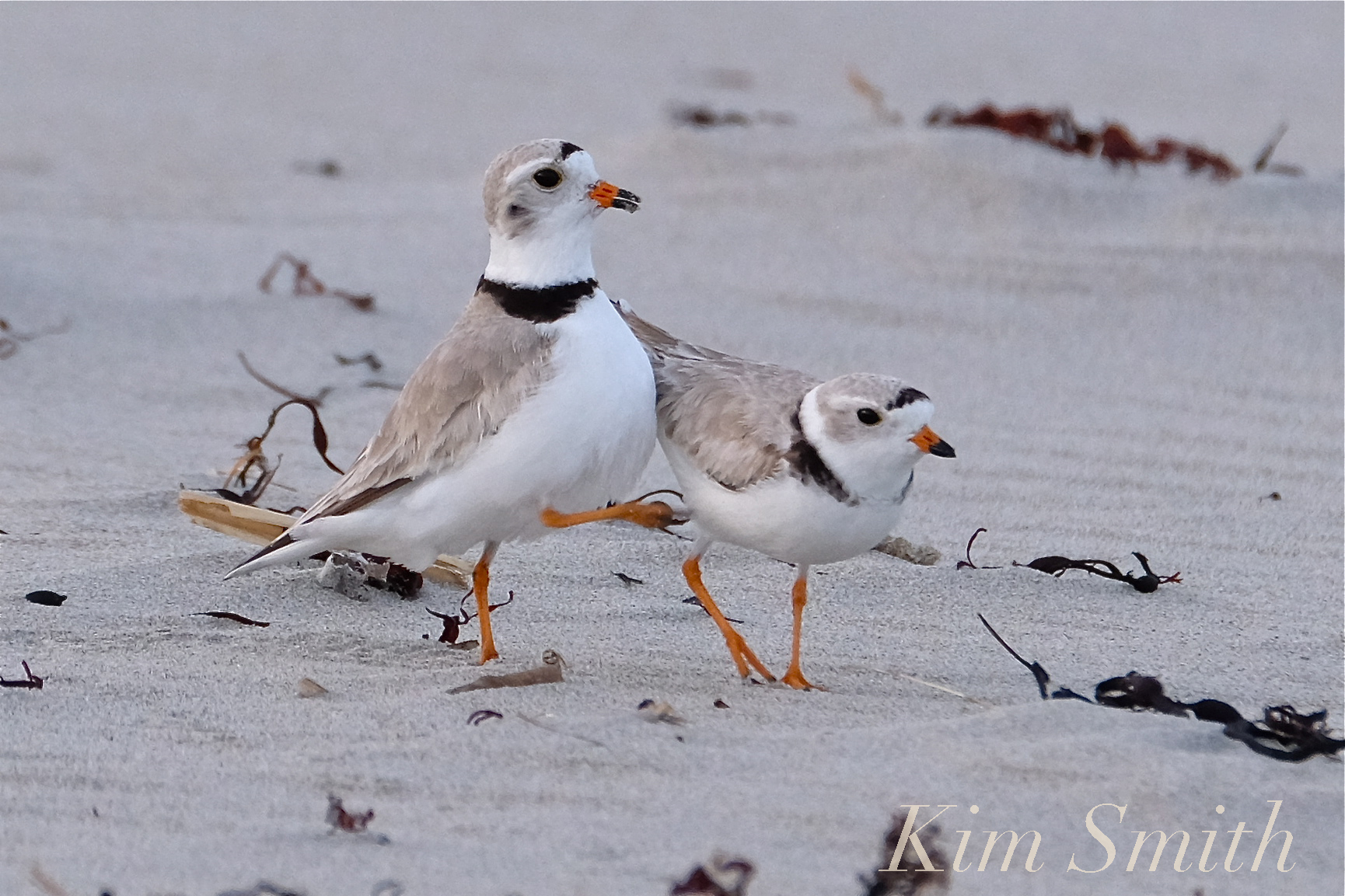
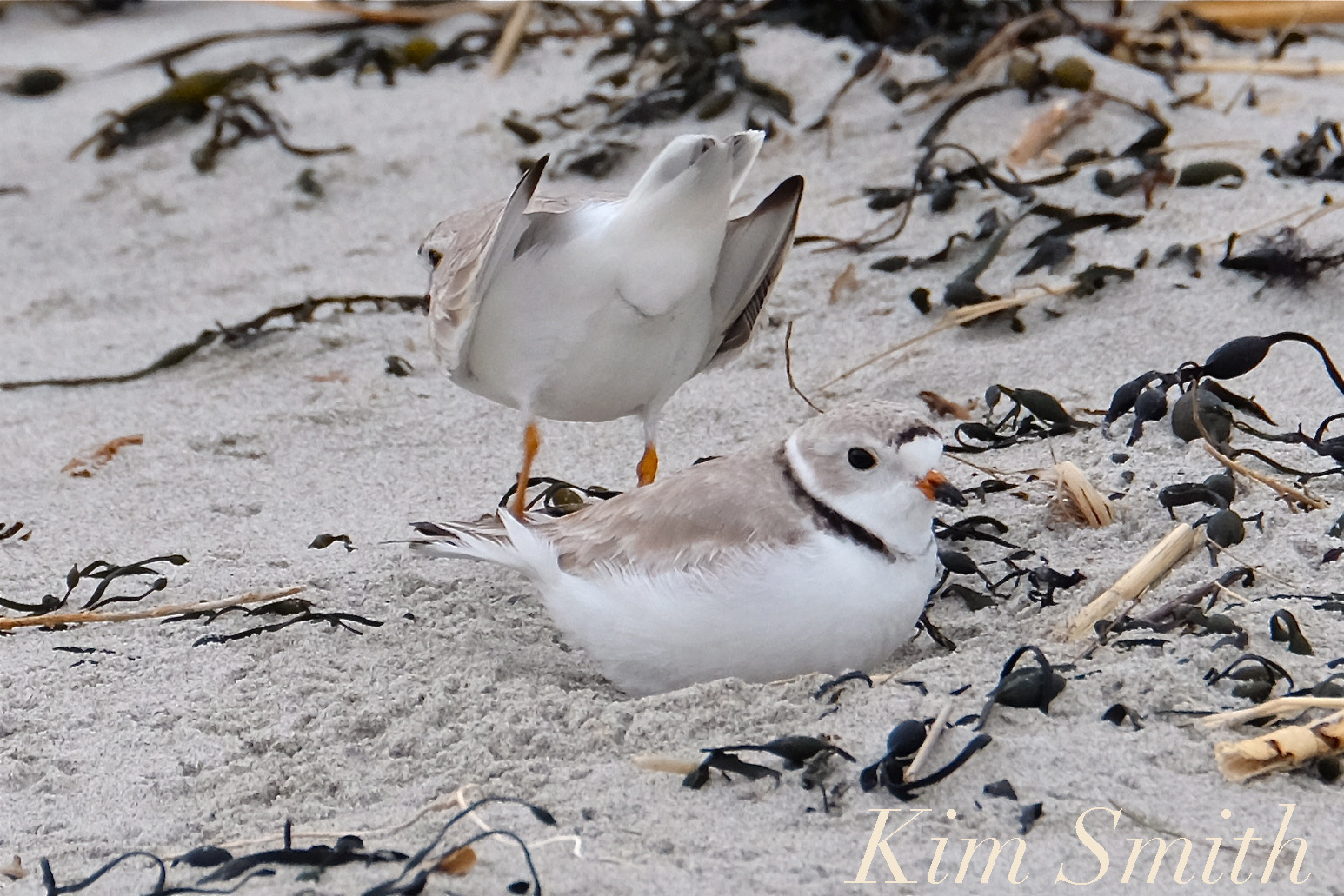
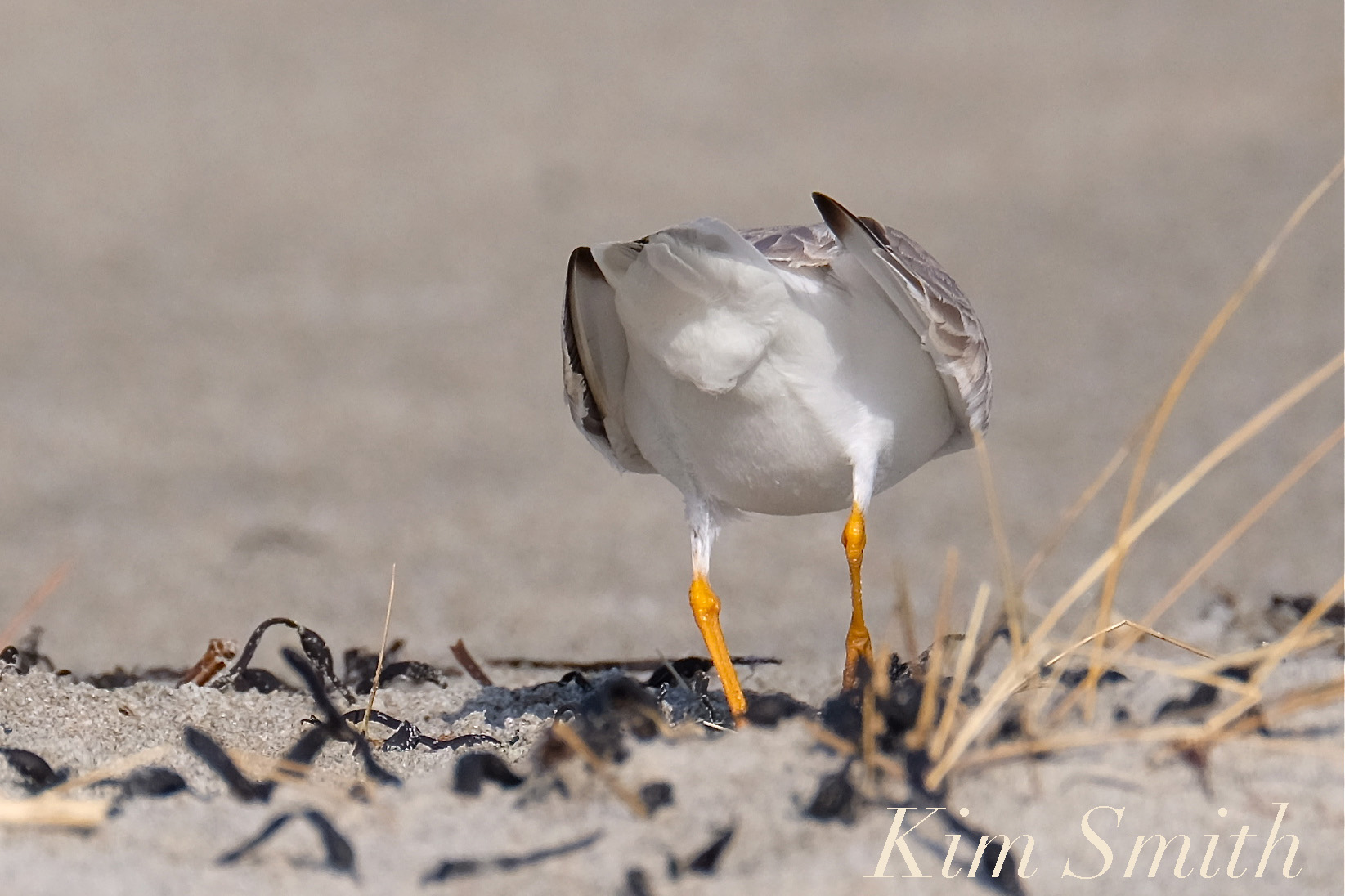
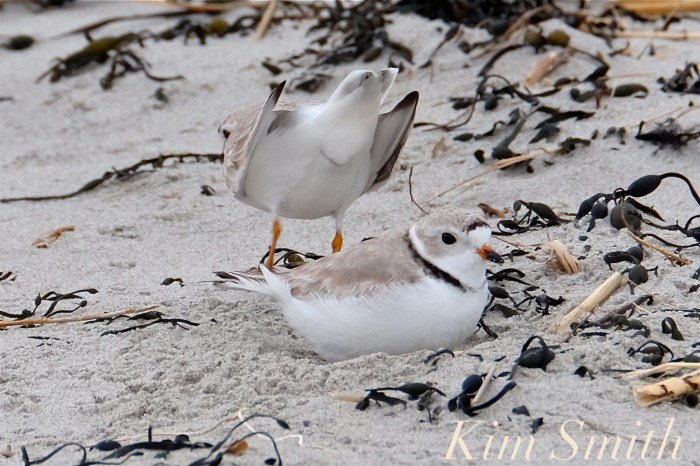
The Piping Plover mating dance is elaborate. Each time the PiPl are interrupted, they do not resume where leaving off, but begin the dance anew. In the above photo, the male is high stepping all around the female while she has positioned herself to accept the next step, where he jumps on her back, and they connect, cloaca to cloaca. The courtship dance takes about twenty to thirty minutes while copulation only lasts a mere minute.


DEBUNKING PIPING PLOVER MYTH #1

Debunking Piping Plover Myth #1

“Because of those gosh darn *&%$@# Piping Plovers, Gloucester is going to lose tens of thousands of dollars in parking revenue.”

Not true.

Here is why. The Piping Plovers will be out of the parking lot, before the summer season begins and before school is out!

The one thing the parking lot PiPl have going for them is that they laid their eggs relatively early in the season. If the nest is left undisturbed, by the time the chicks hatch, we will be in the second week of June. It may take a day or two for them to make the epic journey to the beach, where they will much prefer to spend the summer. At the very latest, the chicks will be out of the parking lot by the third week of June.

So to be completely clear: the Good Harbor Beach parking lot is not closing and we will have ample parking during the summer months.

I hope this quells the rumors circulating. Look for more PiPl myths debunked this week in upcoming posts 🙂 Please share this post to help folks understand more about our Good Harbor Beach parking lot Plovers.

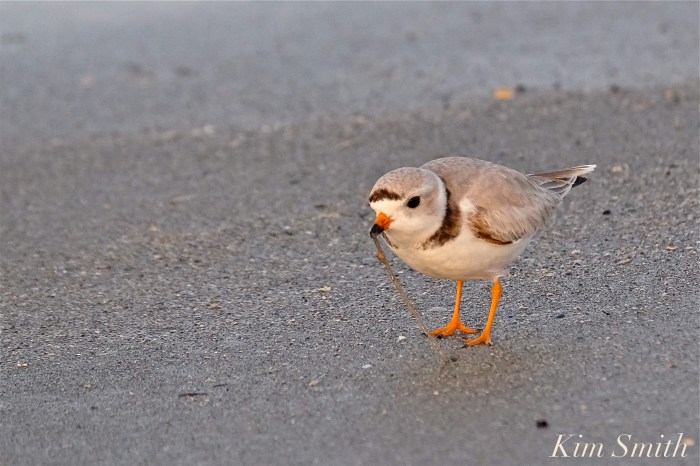
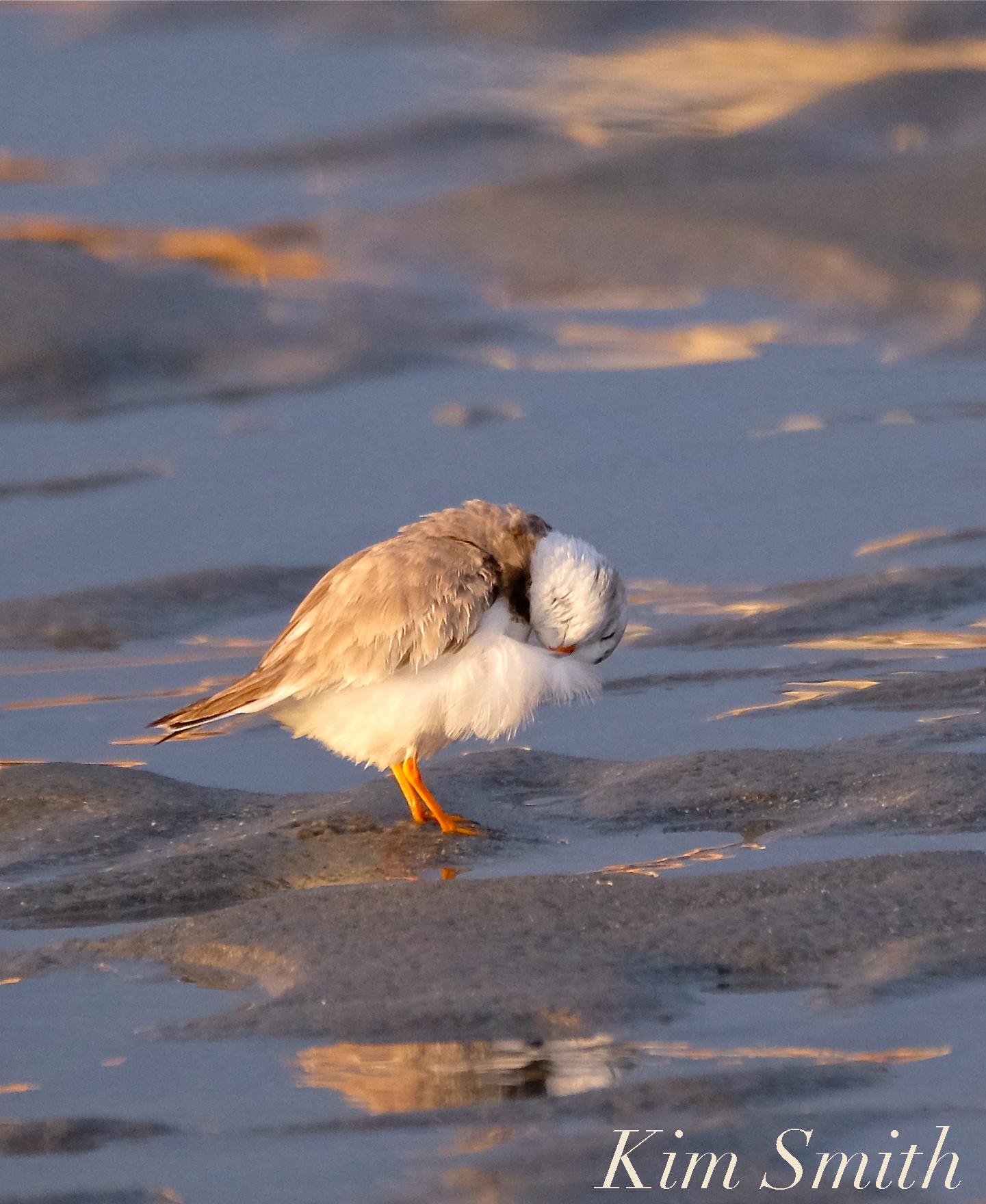
Fluffing and puffing – morning bath for Mama Plover.

BREAKING: TONIGHT ON FOX 25 WITH LITSA PAPPAS SEE OUR GOOD HARBOR BEACH PARKING LOT PLOVERS!

Thank you to reporter Litsa Pappas and videographer Steve Wright from Fox 25 for taking the time to learn about Gloucester’s nesting Piping Plovers and for sharing their story 🙂


Steve Wright and Litsa Pappas

The story airs tonight at 6 on Fox 25!

COME LEND A VOICE TO HELP GLOUCESTER’S PIPING PLOVERS AT TONIGHT’S ANIMAL ADVISORY COMMITTEE MEETING

Gloucester’s Animal Advisory Committee is meeting tonight to vote on whether or not to change the Good Harbor Beach dog rules. The meeting is at 6:30 at City Hall, 3rd floor. At present dogs are allowed at GHB through April 30th. Our hope is that the new ordinance would shorten the time, to end on March 31st. Nesting Piping Plovers, as well as the many species of shorebirds migrating through (and some also nesting at) Good Harbor Beach would benefit tremendously from this change to the ordinance. Thank you!

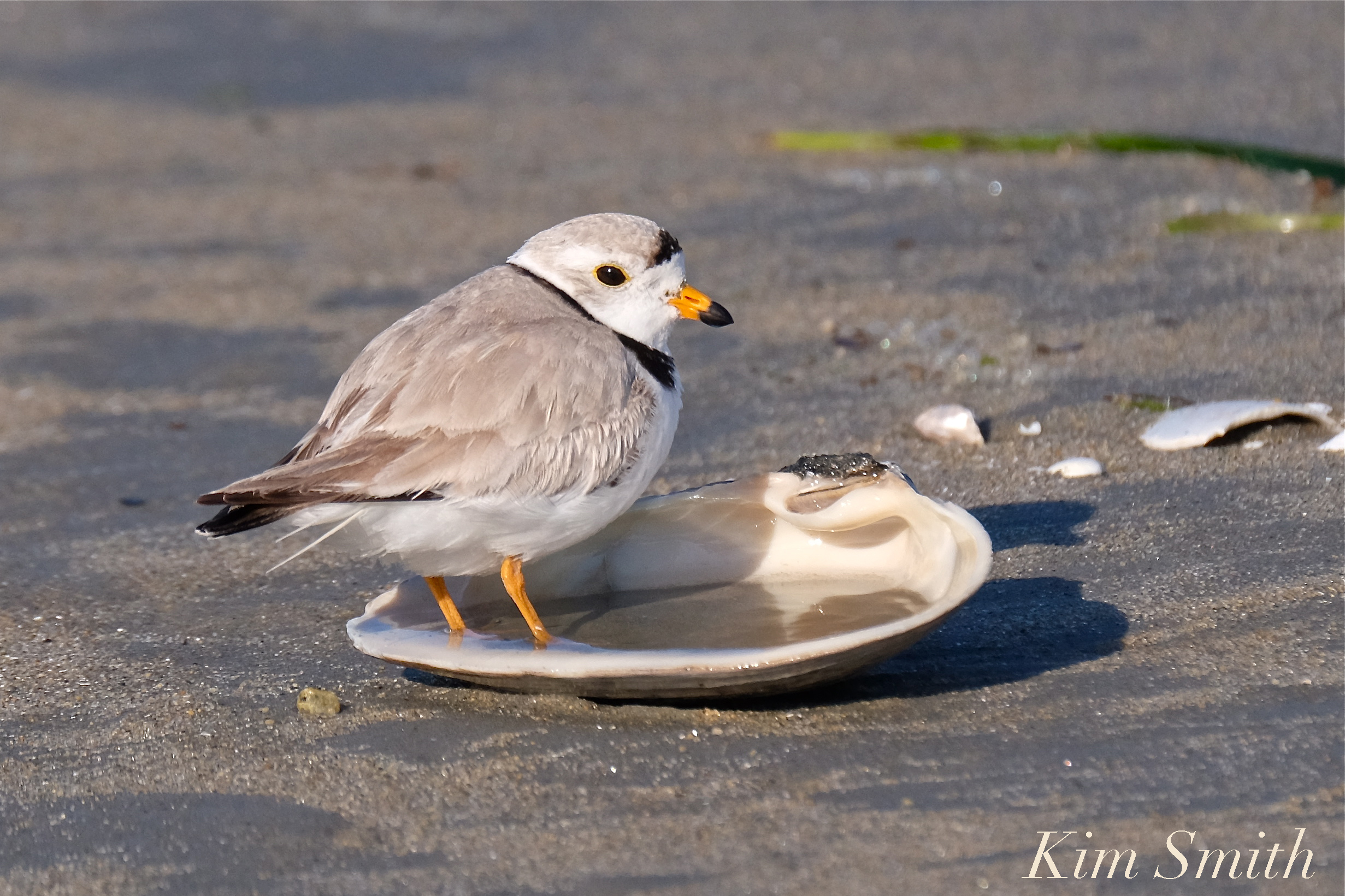
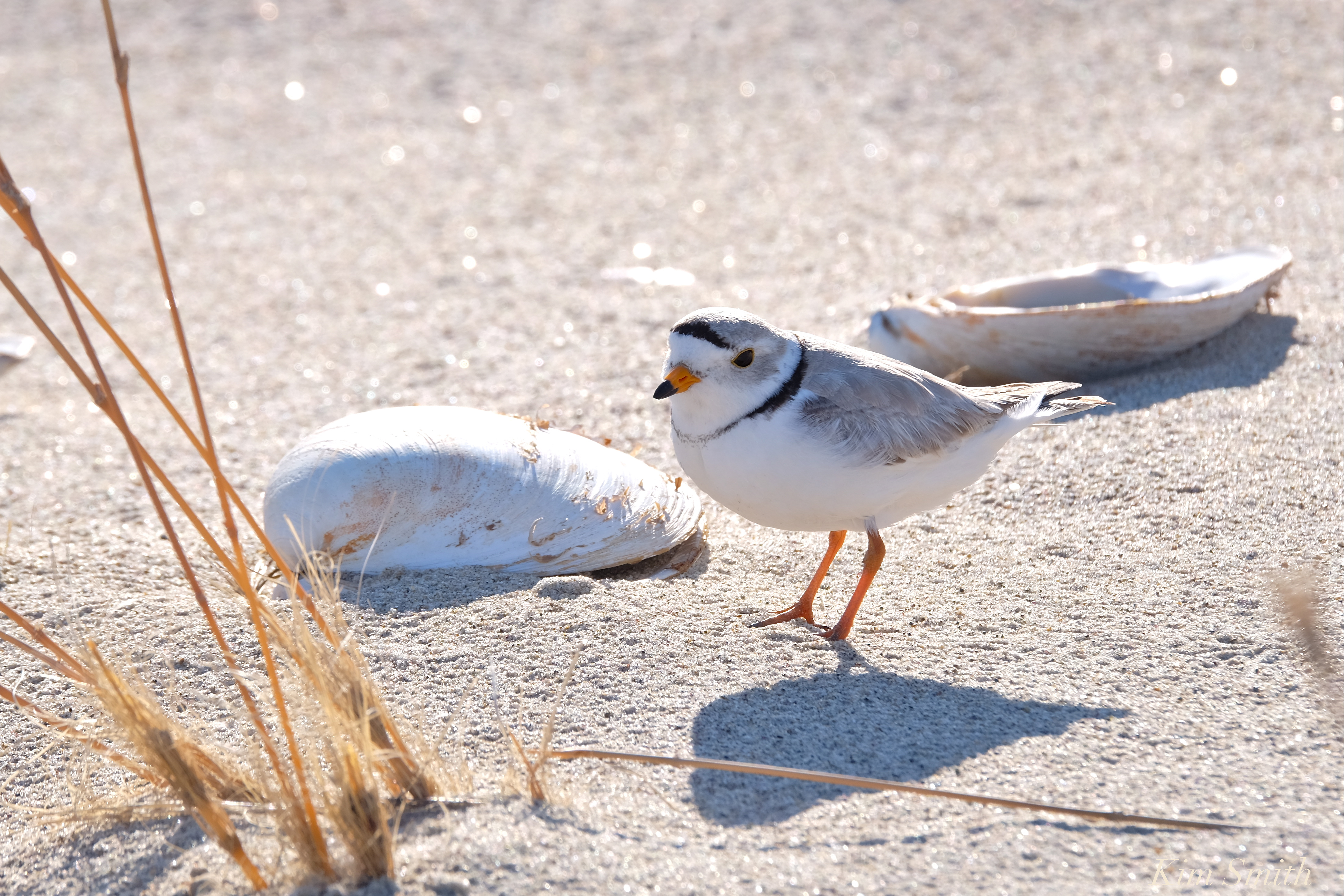
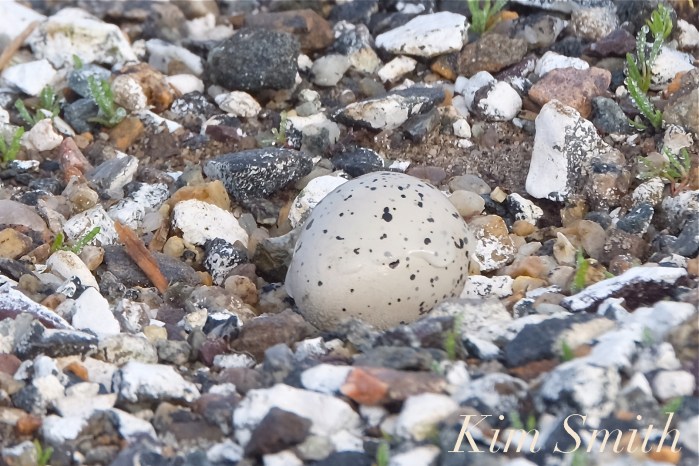
Piping Plover on the Half Shell

FOUR!

Four Piping Plover eggs in the Good Harbor Beach parking lot nest!

LEARNING ABOUT HOW MASSACHUSETTS COMMUNITIES MANAGE NESTING PIPING PLOVERS

To better understand how to help Gloucester’s Good Harbor Beach Piping Plovers survive nesting at our most well loved and highly trafficked beach I have been following a little Plover family at Revere Beach. 

Like Gloucester, Revere is a city north of Boston. Only ten square miles, with six miles of land, four miles of water, and a population of 52,000 people, Revere is a much more densely populated city than Gloucester. Gloucester’s year round population is 28,000, covering an area of 41 square miles, with 26 miles of land and 15 miles of water.

Revere Beach is the first public beach established in America (1895). Misperceptions about a needle and trash littered shoreline are deeply held but in reality, Revere Beach is a beautiful beach, beautifully maintained.

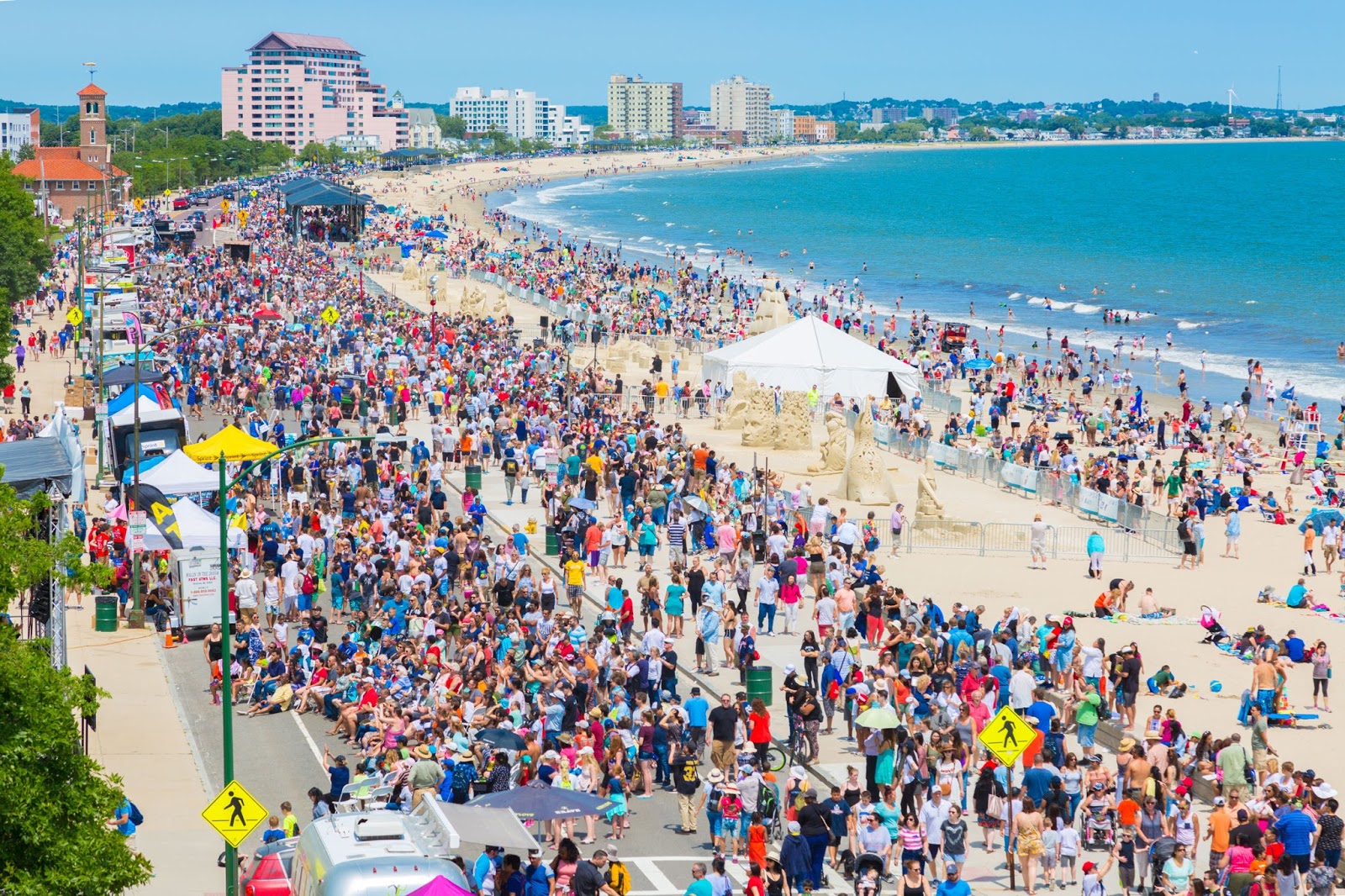
Each year Revere Beach hosts the International Sand Sculpting Festival, with amazing sculpting competitions, amusements, food, and fireworks. This year’s festival will be held on the weekend of July 20-July 22nd (photo courtesy wiki commons media).

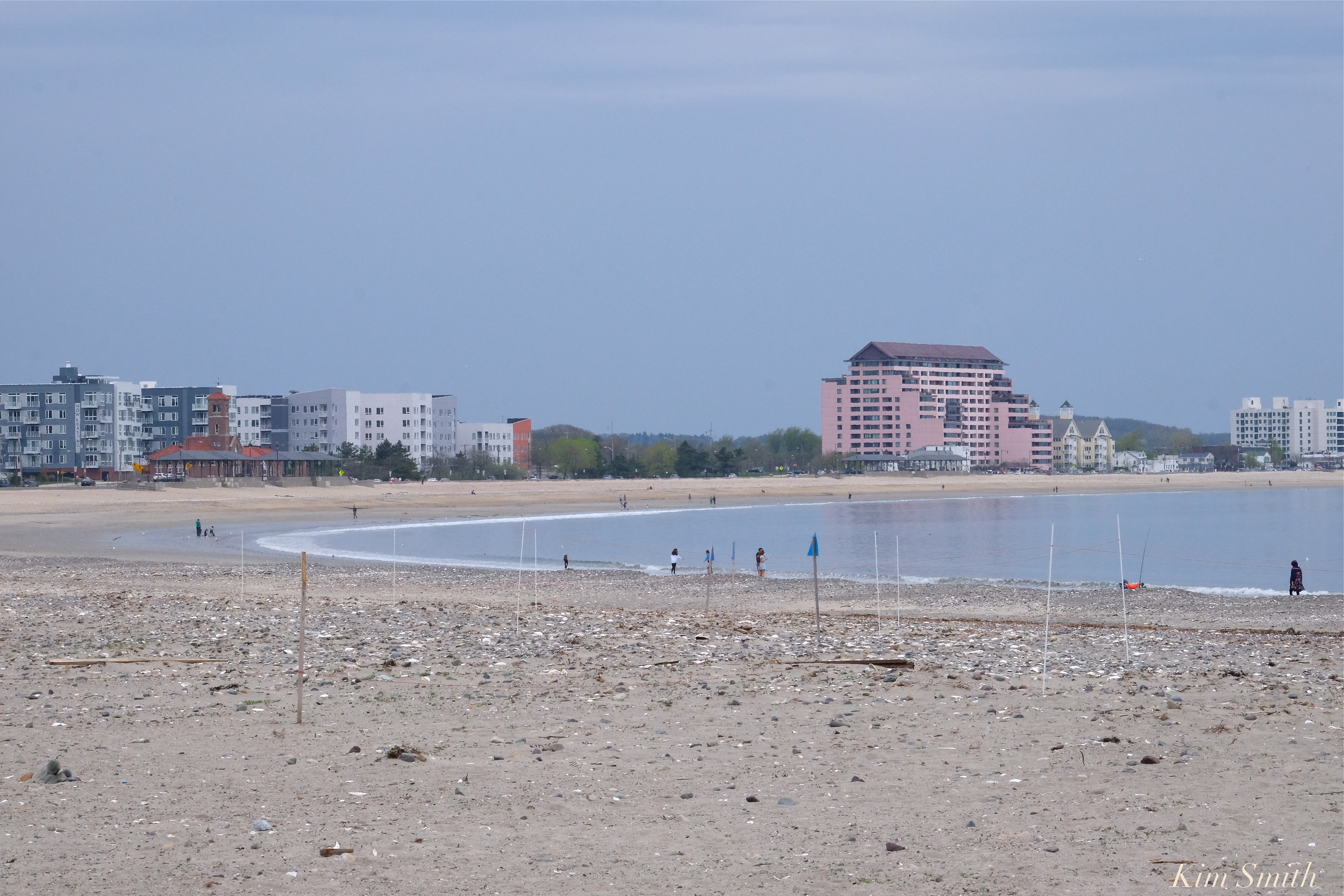
Piping Plovers began arriving at Revere Beach at the same time the GHB PiPl arrived, in late-March and very early April. There are at least half a dozen nesting areas cordoned off for Piping Plovers. Revere has had excellent success with fledging Piping Plover chicks because the PiPl are allowed to establish nests early in the season, without disturbance. From decades of field work, it is known that the earlier the chicks hatch, the greater their chance of survival.

I stopped by to check on the Revere Beach PiPl family on a recent Sunday afternoon; it’s not that out of the way to make it part of my regular routine coming home from Cambridge and Boston jobs. And then stopped at Good Harbor Beach. The difference was astounding. There wasn’t any trash or dog poop on Revere Beach, and there wasn’t a dog anywhere along the five mile stretch of beach. There were however six dogs off leash at Good Harbor Beach within the twenty minutes that I was there to say hello to PiPl monitor Heather and to check on our PiPl parking lot family.

Perhaps you might not think a fair comparison; Revere Beach is much longer than GHB, and it is under the management of the Massachusetts Department of Conservation and Recreation but I did not see a single DCR employee or officer policing Revere Beach that dog-and-trash-free Sunday afternoon.

Over the past several decades, communities throughout Massachusetts have been learning how to live with Piping Plovers. I am hopeful that the more we learn about the issues confronting the Piping Plovers, the Gloucester community will come together to take the steps to insure their safety and successful nesting. 

There are a great number of helpful signs at Revere Beach.

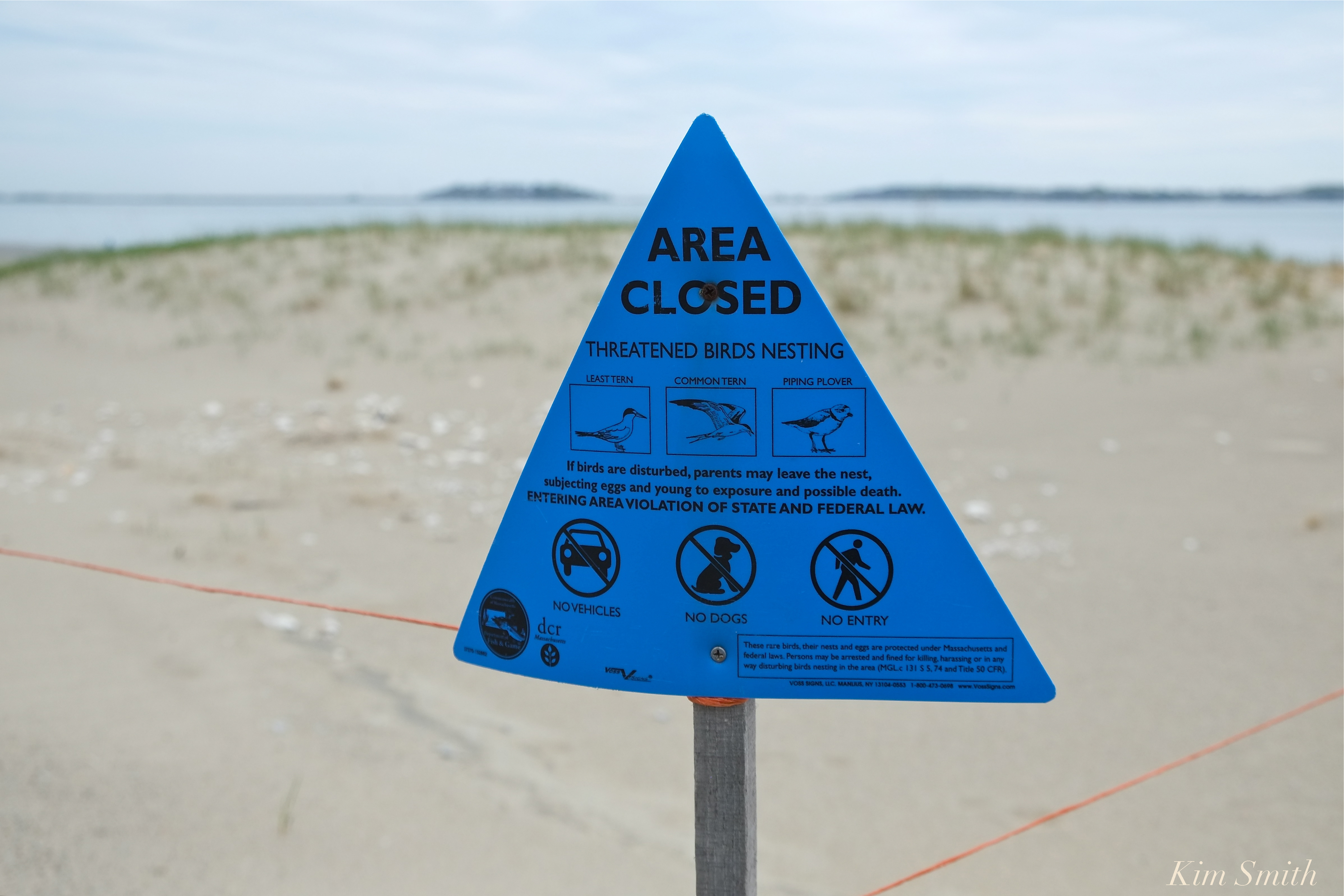
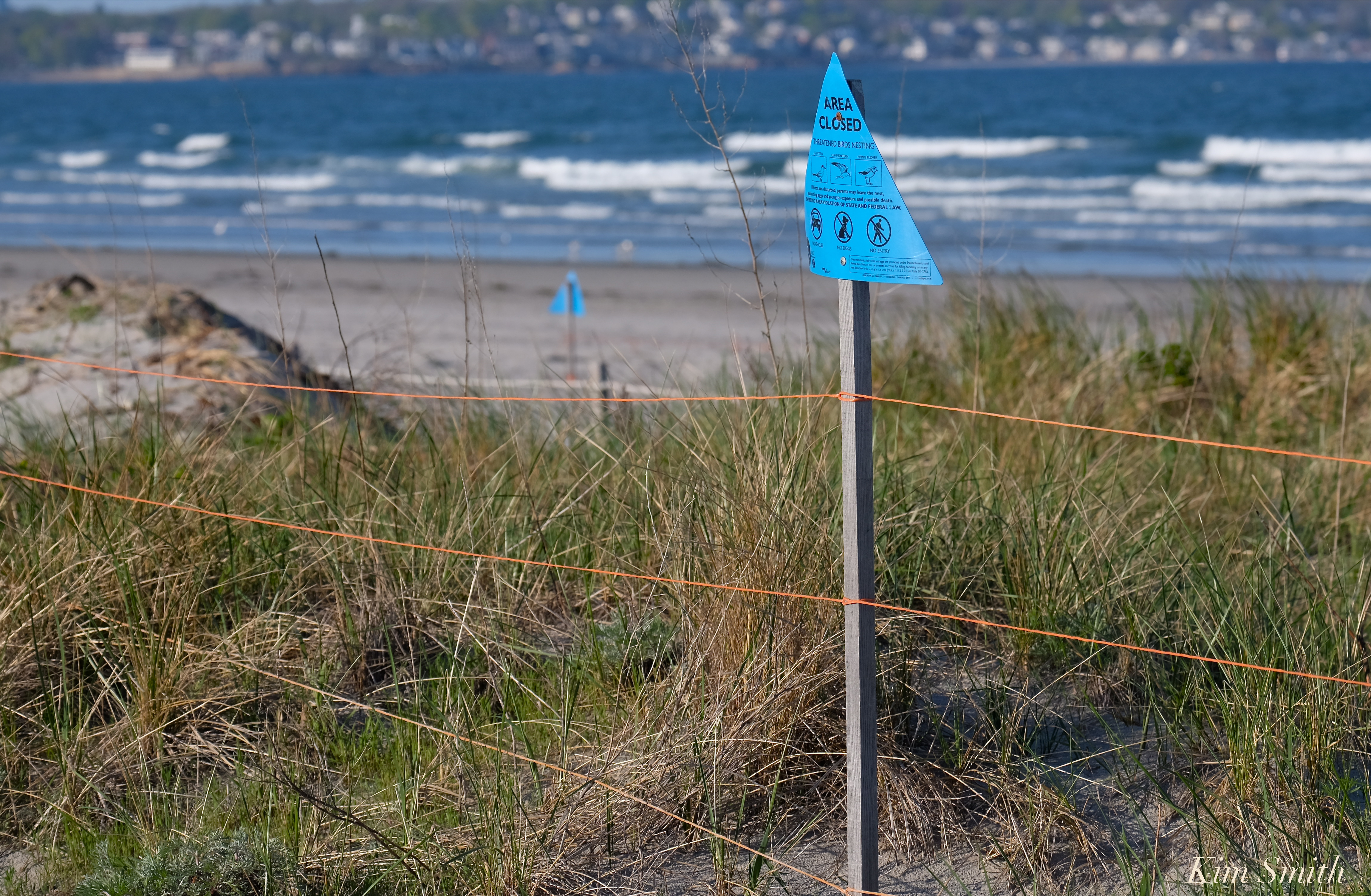
The triangular-shaped signs that are posted at the PiPl nesting areas are on the small side, only about 8 inches. 

Just like at Nahant Beach (above) many of the roped off areas at Revere Beach have three rows of roping.

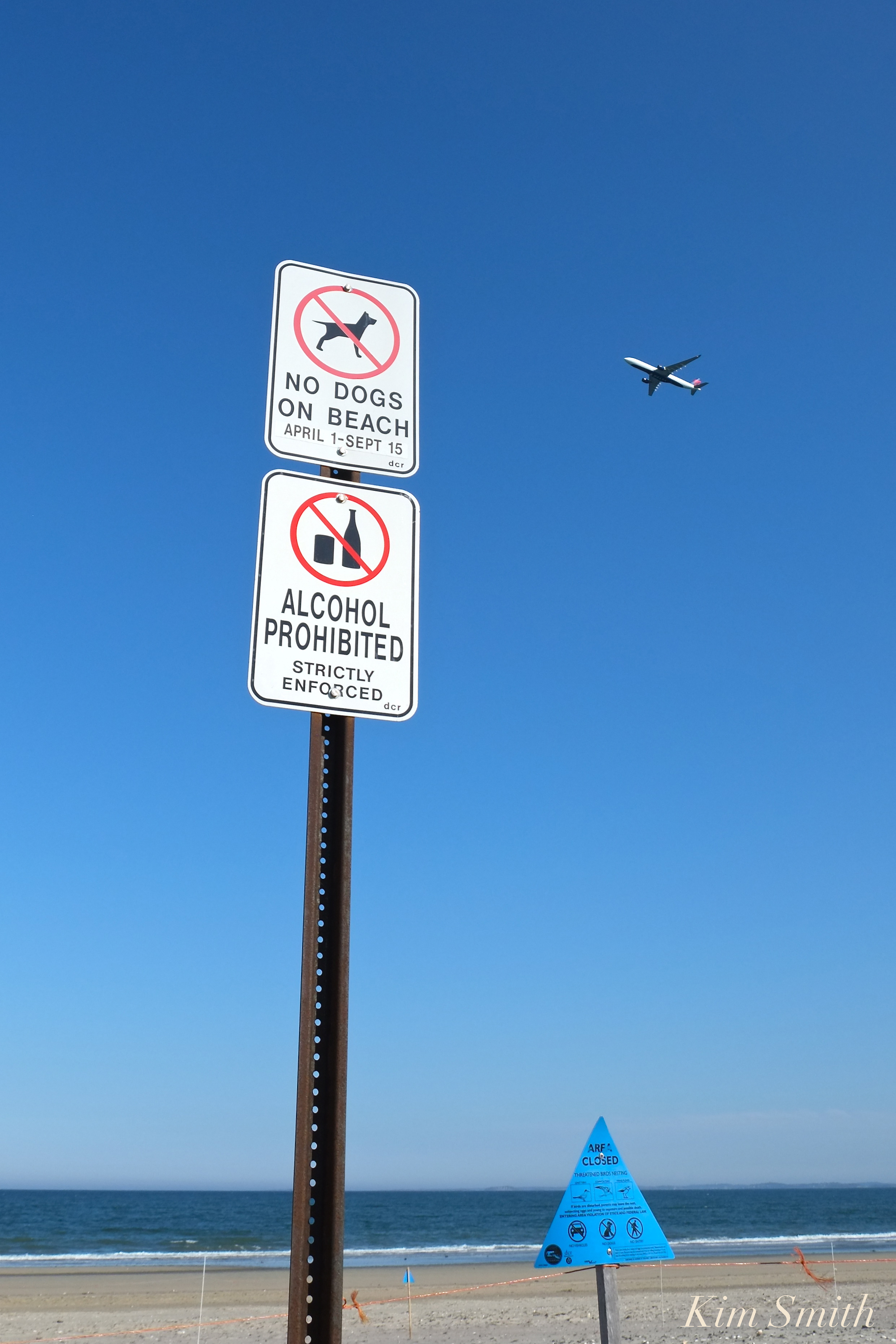
At Revere Beach dogs are not allowed on the beach beginning April 1st. The rules are clearly posted at each and every entry to the beach. The signs and poles aren’t fancy and I imagine would be affordable and easy to obtain.

The Gabe and Gabby Family with their leashed dog on the boulevard, sitting next to a PiPl nesting area–no problem for this family to keep their dog off the beach during nesting season.

Plenty of trash barrels.

Some folks are under the false impression that the reason our GHB PiPl are nesting in the parking lot is because when they arrived it was cold and the parking lot hard pack is warm. Factually speaking, Piping Plovers arrived at beaches all along the Massachusetts coastline in mid-March and early April. As far as we know, the Good Harbor Beach PiPl are the Only Piping Plovers nesting in a parking lot.

Male Plover nesting at Revere Beach. The Revere Beach PiPl were creating their nest scrapes on the beach at exactly the same time our GHB PiPl were trying to establish a nest on the beach.

Just like our GHB PiPl family, it looks like there are four eggs in the Revere Beach nest!

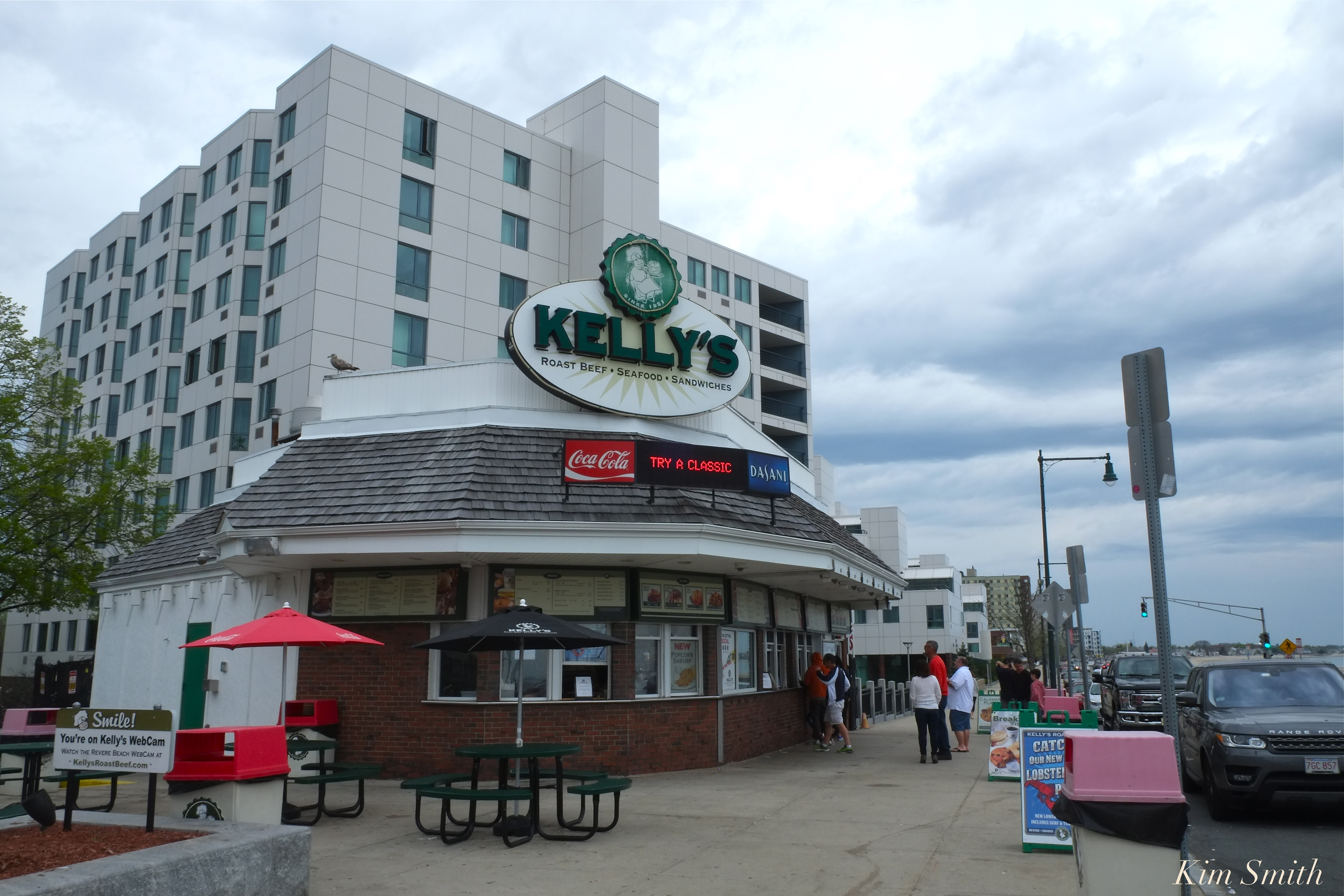
Next time I stop to visit the Revere Beach PiPl family, I am going to have to bring home some Kelly’s roast beef sandwiches for dinner. I’ve heard the seafood is pretty good at Kelly’s, too!

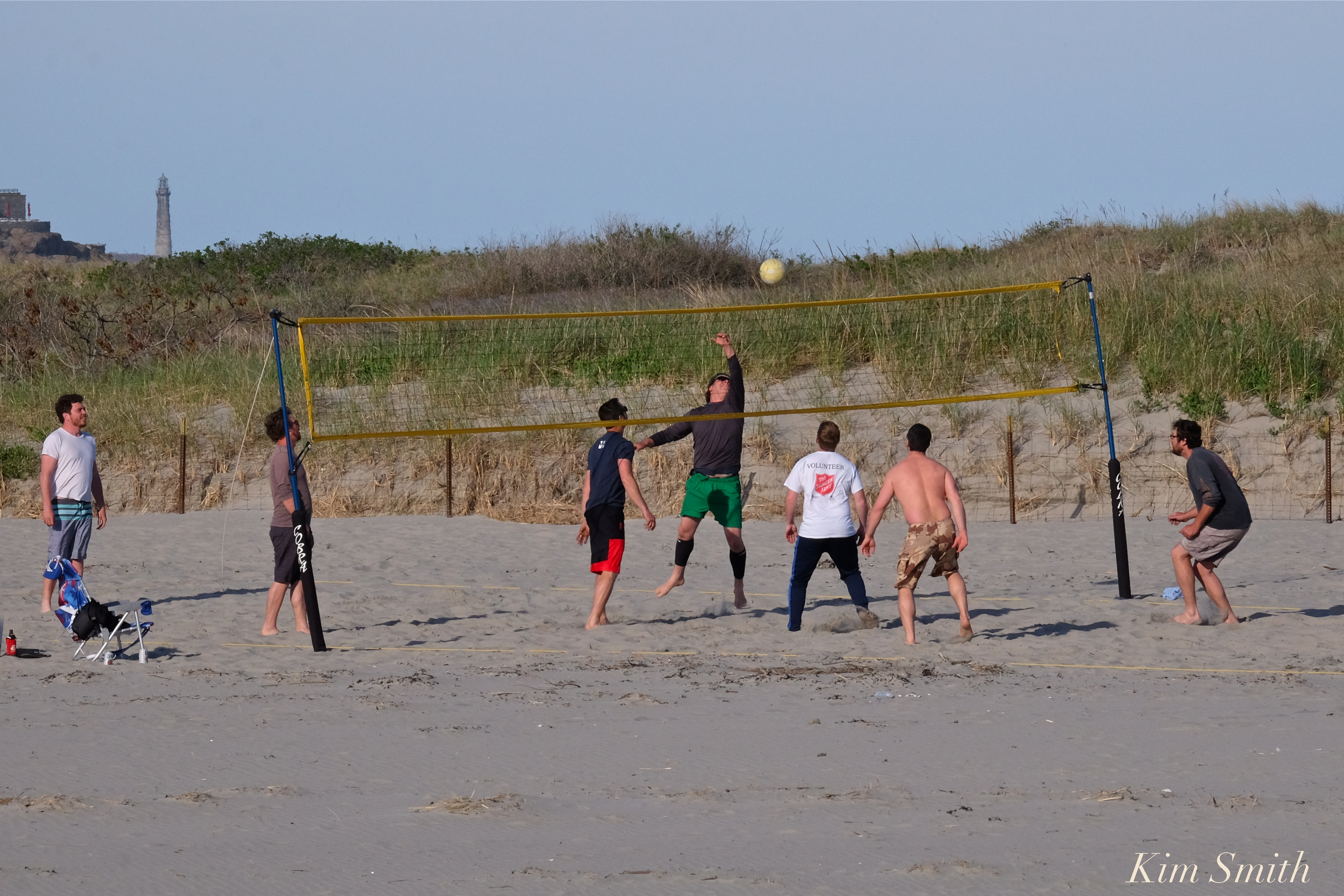
THANK YOU GOOD HARBOR BEACH VOLLEYBALL PLAYERS!

Huge shout out and thank you to the Good Harbor Beach volleyball players! They set up their net away from the Piping Plover #3 nesting area, around the corner, closer to the creek. As far as I know, no one asked that they move their nets. Grateful for the consideration 🙂

Thunderstorm on the Horizon

We hope the Piping Plover eggs survive the storm. The parking lot hard pack does not drain that well. After they built their first nest scrape in the parking lot, I checked on it the next day following a rainstorm and the scrape was filled with water. Let’s hope for the best with this second parking lot nest.

https://www.instagram.com/p/Bi0Ec0_nffX/

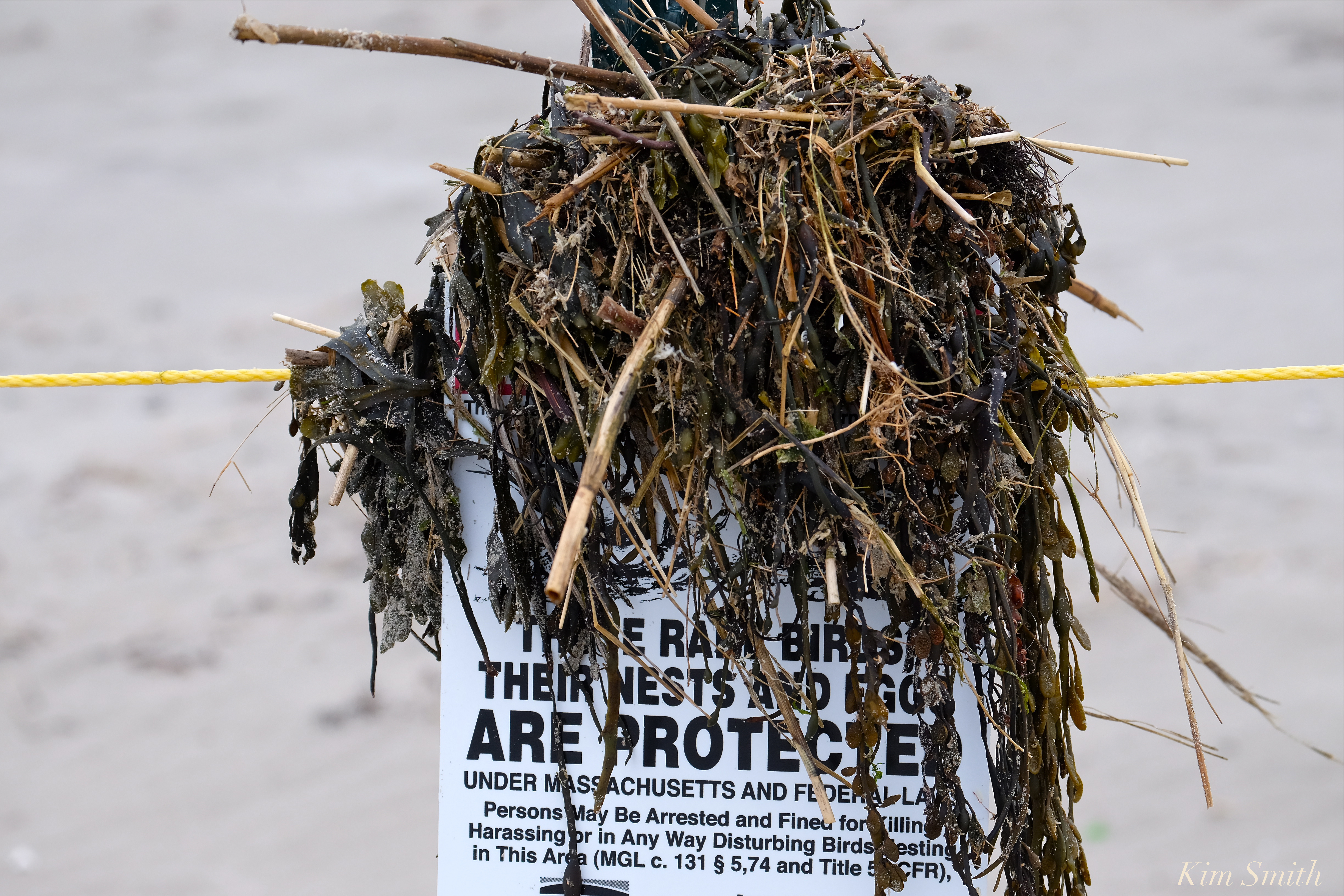
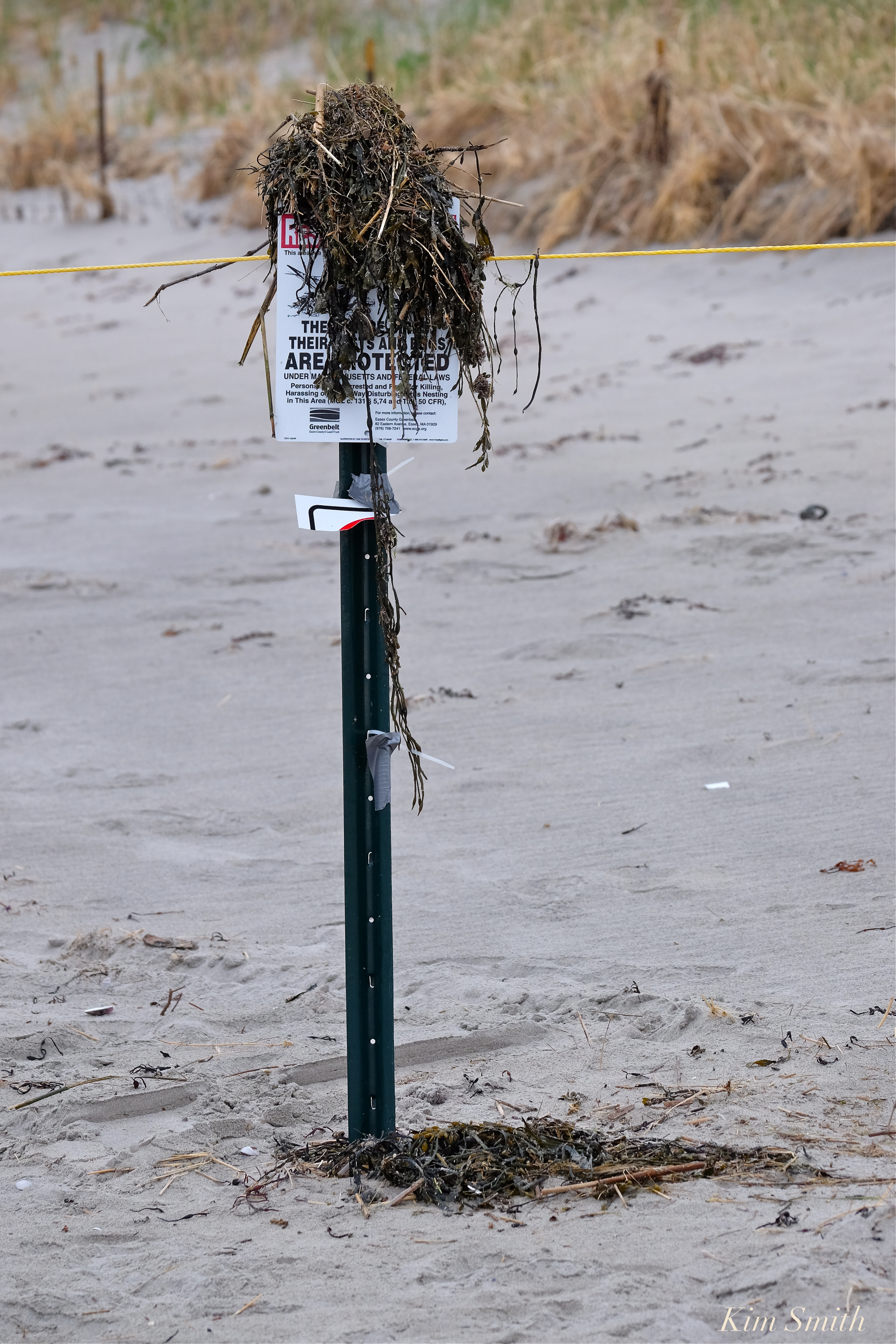
VANDALS HARMING THE PIPING PLOVERS

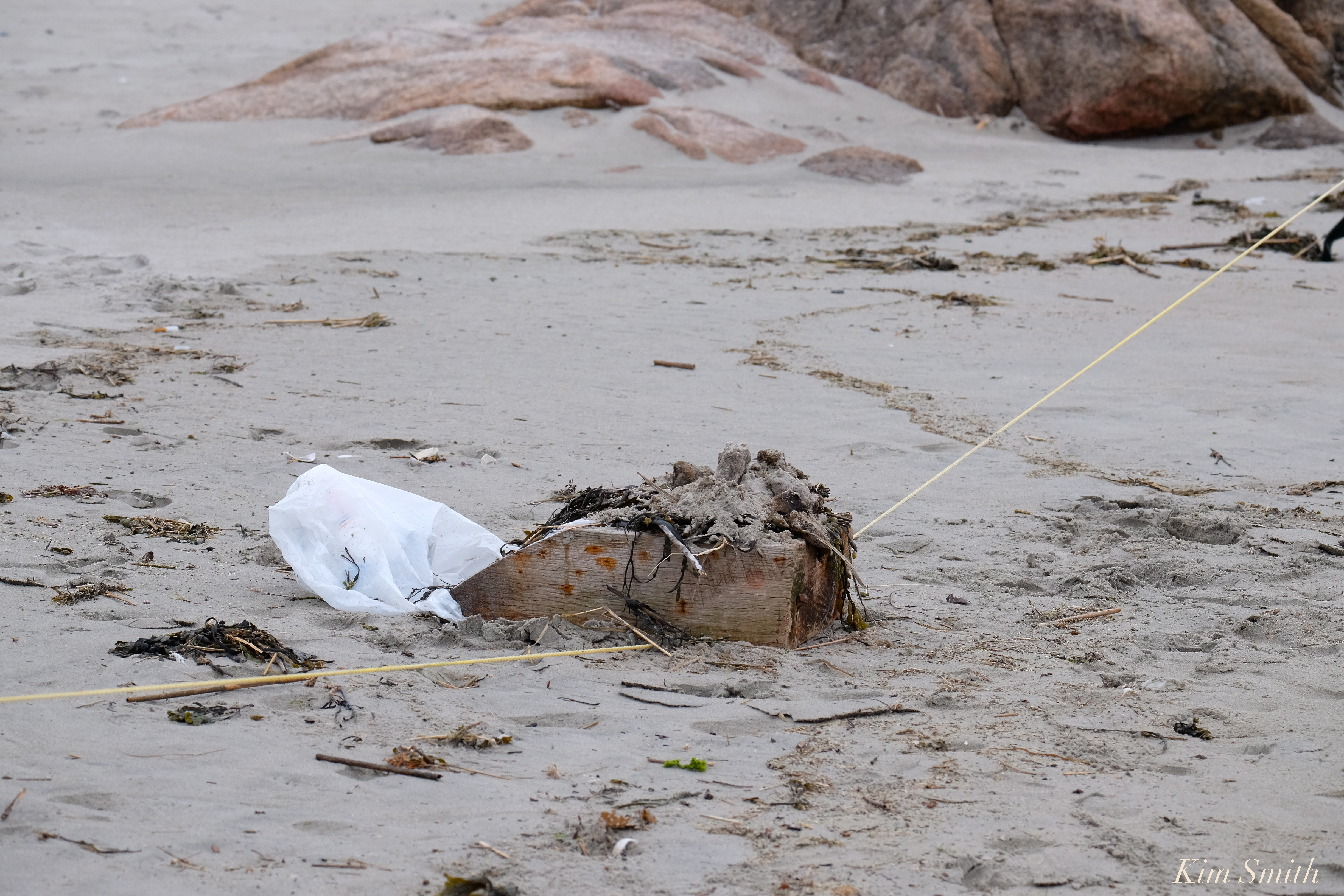
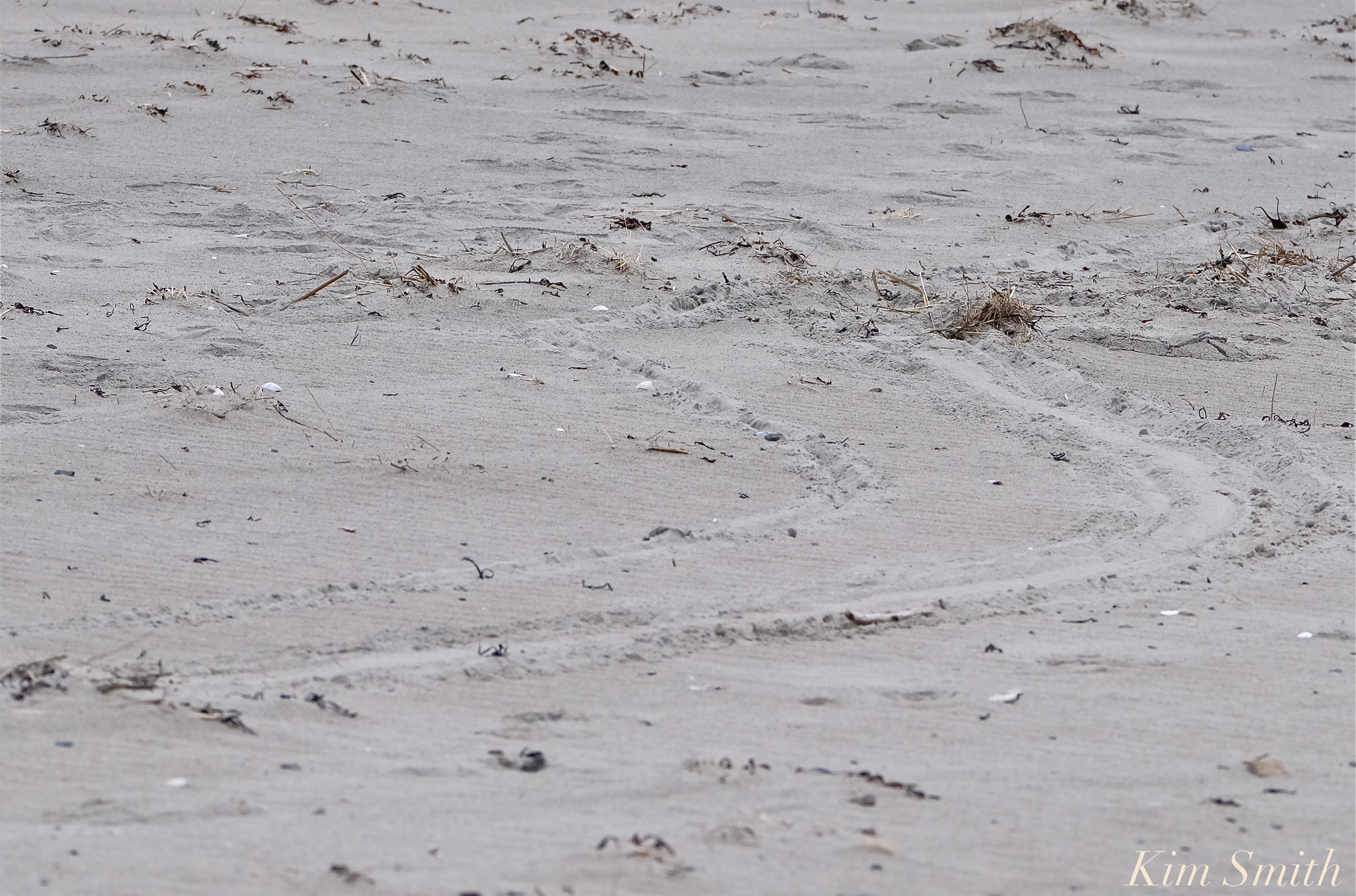
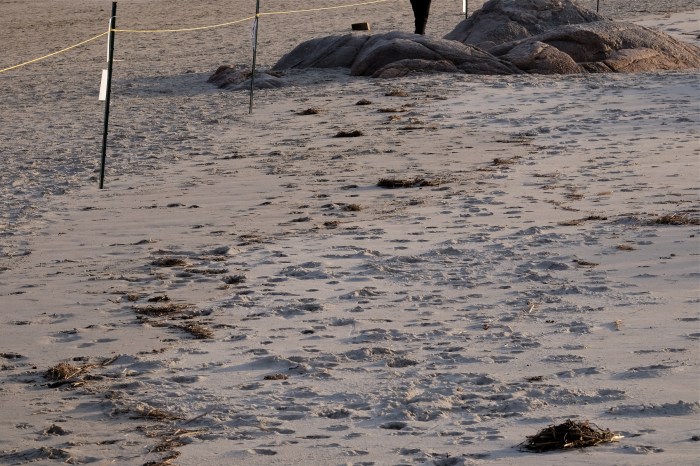
Early this morning I found the endangered species signs covered in seaweed as well as tire and dog tracks in the nesting areas. The vandalism happened sometime overnight, between 6 pm and 6am. 

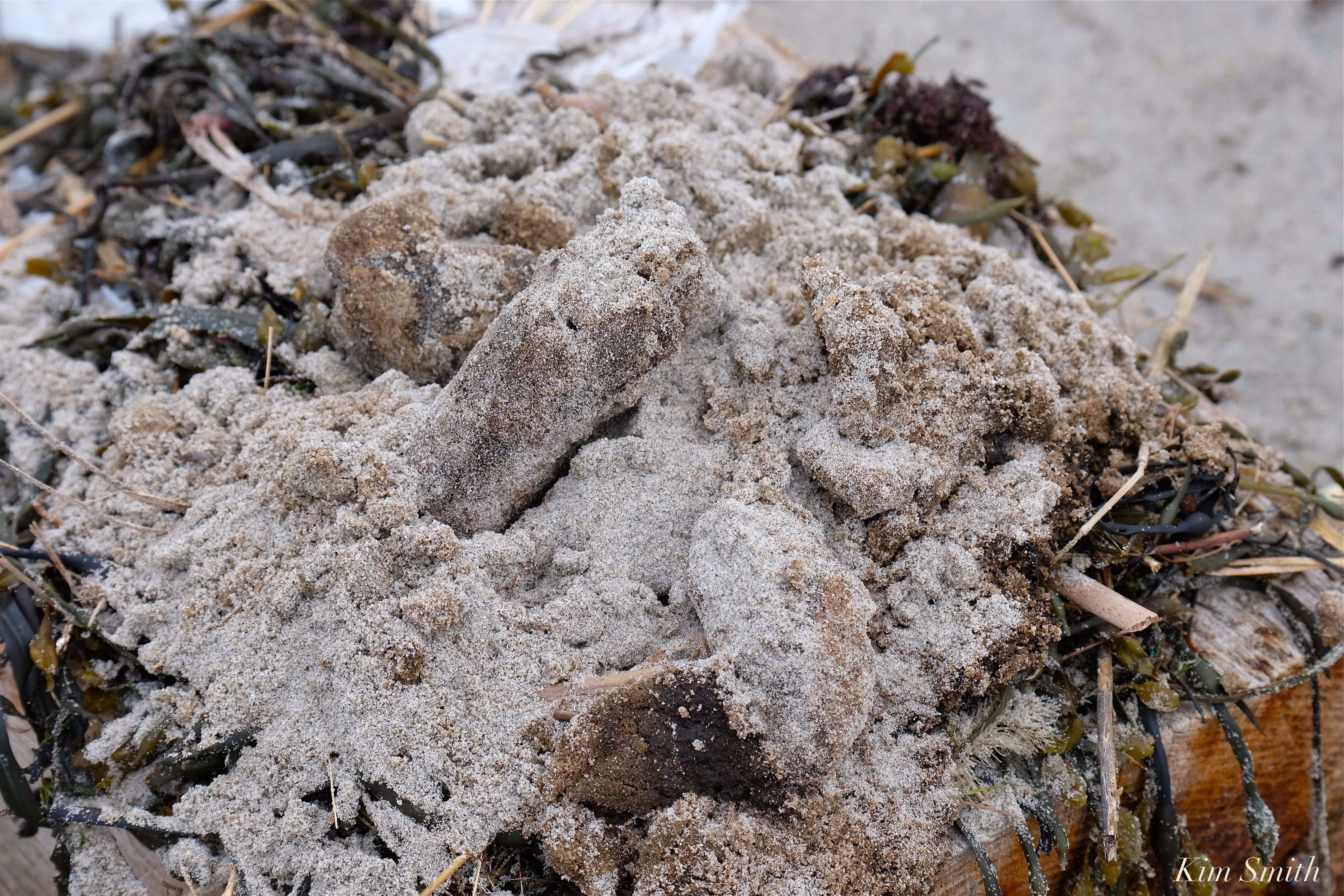
The grossest thing were the poles bent over, with a wooden box holding down the roping, and on top of that, a huge pile of sand-covered DOG POOP. There was so much poop it had to have been collected.

I cleared off the signs, but rubber gloves and/or a shovel are needed to remove the dog poop on top of the wooden box.

People, and not just young people, were doing donuts in the parking lot on Sunday, right next to the PiPl cordoned off nesting area. When the PiPl monitor Heather asked if the donut-makers were aware of the PiPl, they said, “Yes, but we weren’t going to hit them.”

One pair of Plovers has already been forced into the parking lot by dog owners not properly managing their dogs. There is at least one more pair of PiPl, and The Bachelor, making use of the roped off nesting areas. It would be a heartbreaker to see a second pair forced off the beach and move their nest into the parking lot, too.

Please call 911 if you see anyone harassing or harming the Piping Plovers, or vandalizing the nesting areas on the beach or in the parking lot. Thank you so very much.

Tire tracks in the Piping Plover nesting area #3.


EGG NUMBER THREE!

Our Mama PiPl laid egg number three today!

BREAKING: TWO EGGS IN THE NEST – HUGE SHOUT OUT TO GREENBELT’S DAVE RIMMER AND MIKE CARBONE FOR INSTALLING THE PIPING PLOVER WIRE EXCLOSURE

Piping Plover Eggs Good Harbor Beach Parking Lot

A second egg was laid yesterday by our Parking Lot Plover family. The second egg is an indication by the PiPl that they are committed to the nest, which means it is time to put up the wire exclosure. If the exclosure is installed earlier, the risk of the PiPl abandoning the first egg is far greater. We immediately called Essex County Greenbelt’s Dave Rimmer to let him know about the second egg. 

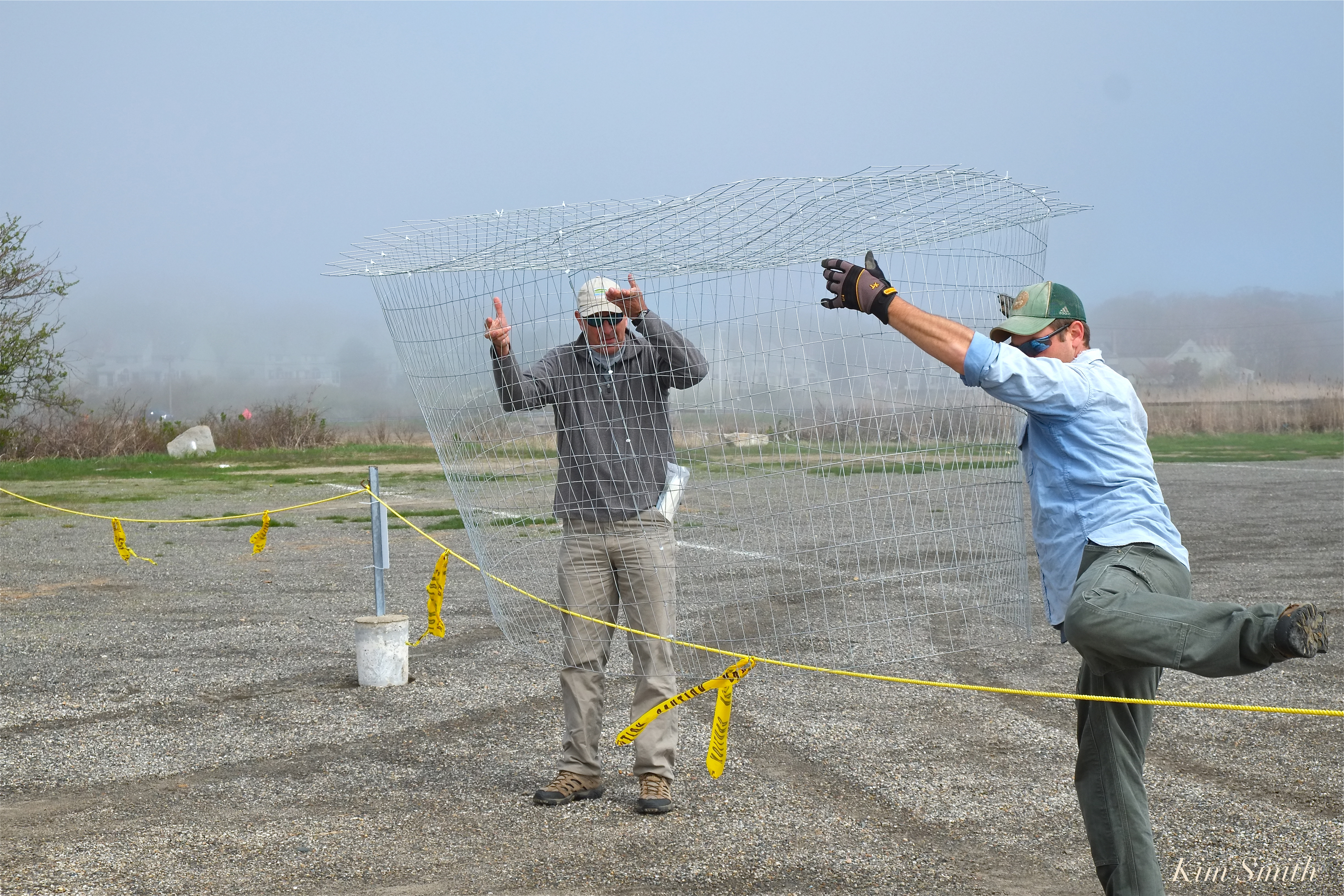
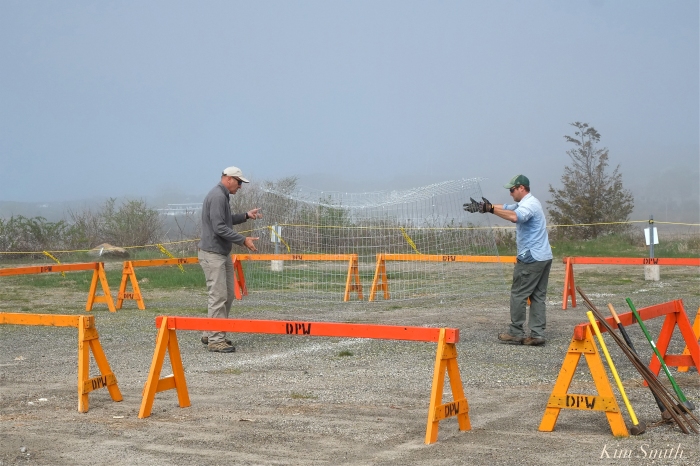
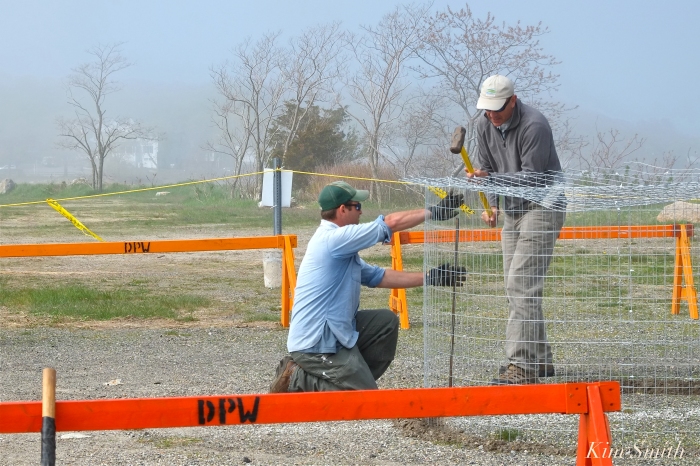
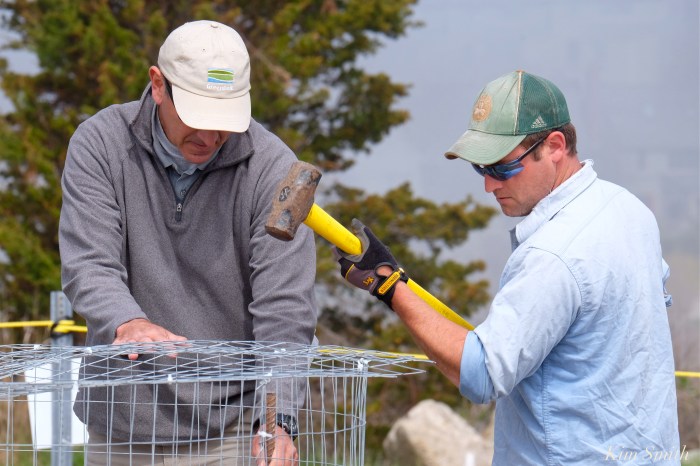
Dave and his assistant Mike Carbone arrived early this morning to set up the exclosure. Roughly six feet in diameter and made of wire with four inch spacing, the exclosure’s four inch openings are the ideal size to let PiPl in and out, and to keep large predatory birds and small mammals from entering. With thanks and gratitude to Dave and Mike for coming so quickly to exclose the nest.


After installing the exclosure the fear is that the PiPl will abandon the nest site. Our Mama Plover returned to the nest a short time after the exclosure was installed!

And thanks again to dog officer Teagan Dolan, who stopped by to check on the Piping Plovers and has been regularly ticketing 🙂

How You Can Help the Piping Plovers

1) Under no circumstances is it acceptable for people or dogs to enter the Piping Plover nesting area.

2) Please drive slowly and cautiously when in the parking lot. Our Mama and Papa PiPl are now residing between the parking lot and nesting area #3.

3) Keep ALL dogs off the beach and out of the parking lot. The parking lot is considered part of the beach according to Gloucester Police Chief McCarthy. A Piping Plover’s brain does not differentiate between a dog on-leash versus a dog off-leash. When a dog, off-leash or on-leash, comes within twenty feet of a PiPl, they immediately stop what they are doing, whether foraging, courting, mating, nesting, or resting. Please call the following number to report any dog sightings or dog related incidences at Good Harbor Beach: 978-281-9746.

4) When observing, please bear in mind that Piping Plovers tolerate one or two quiet persons, from a distance, but crowds of three or more put them in panic mode. Large groups of people hovering near the PiPl also attracts crows and gulls, a nesting shorebird’s natural enemy because they eat both baby chicks and eggs.

5) Help spread the word about the Good Harbor Beach Piping Plovers.

6) Sign up to be a Piping Plover volunteer ambassador by emailing Ken Whittaker at kwhittaker@gloucester-ma.gov

Thank you, but most importantly, the Piping Plovers will thank you too when chicks hatch and chicks fledge!

BREAKING: PLOVER EGG IN THE PARKING LOT AT GOOD HARBOR BEACH

Nest with egg in the parking lot at Good Harbor Beach

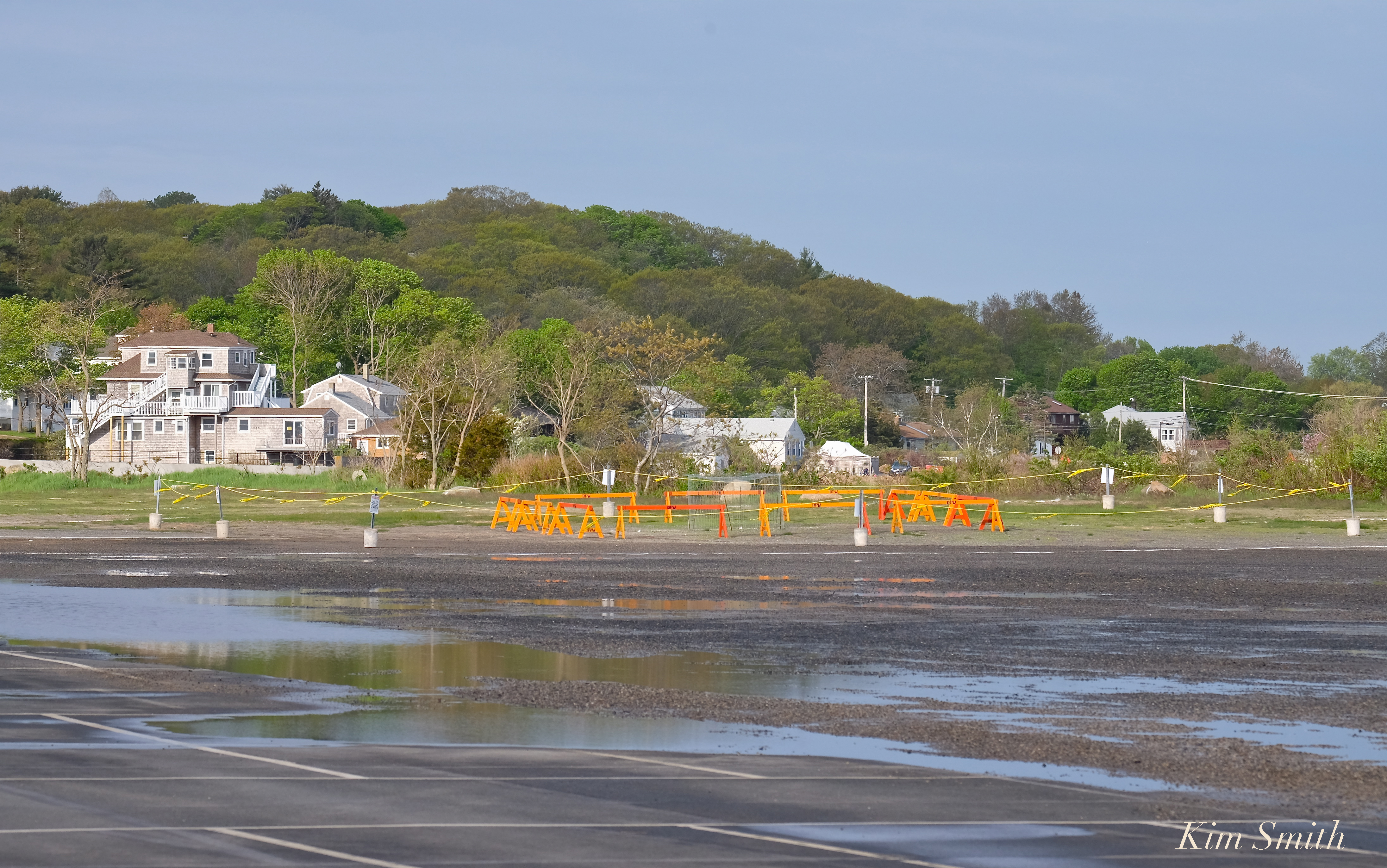
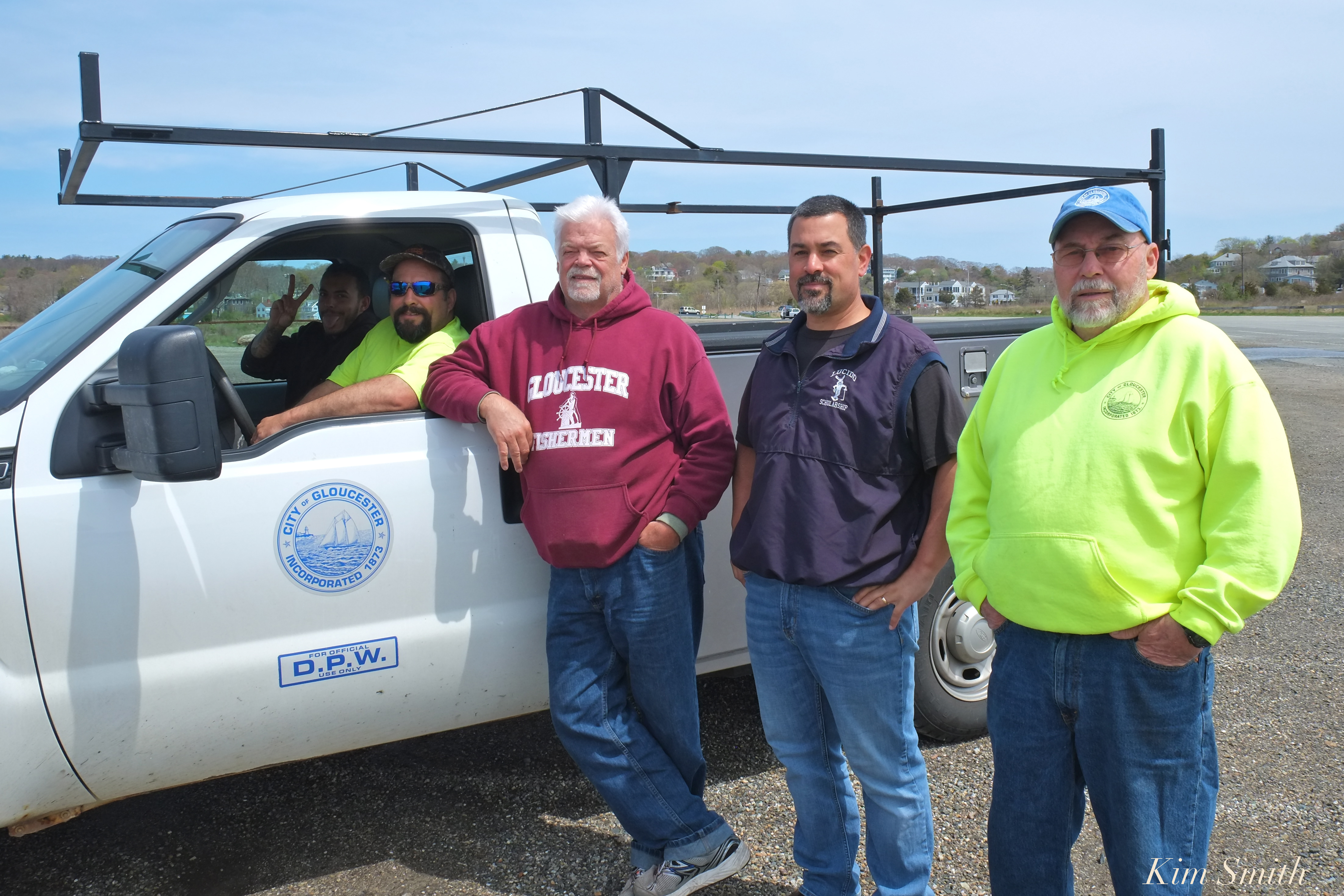
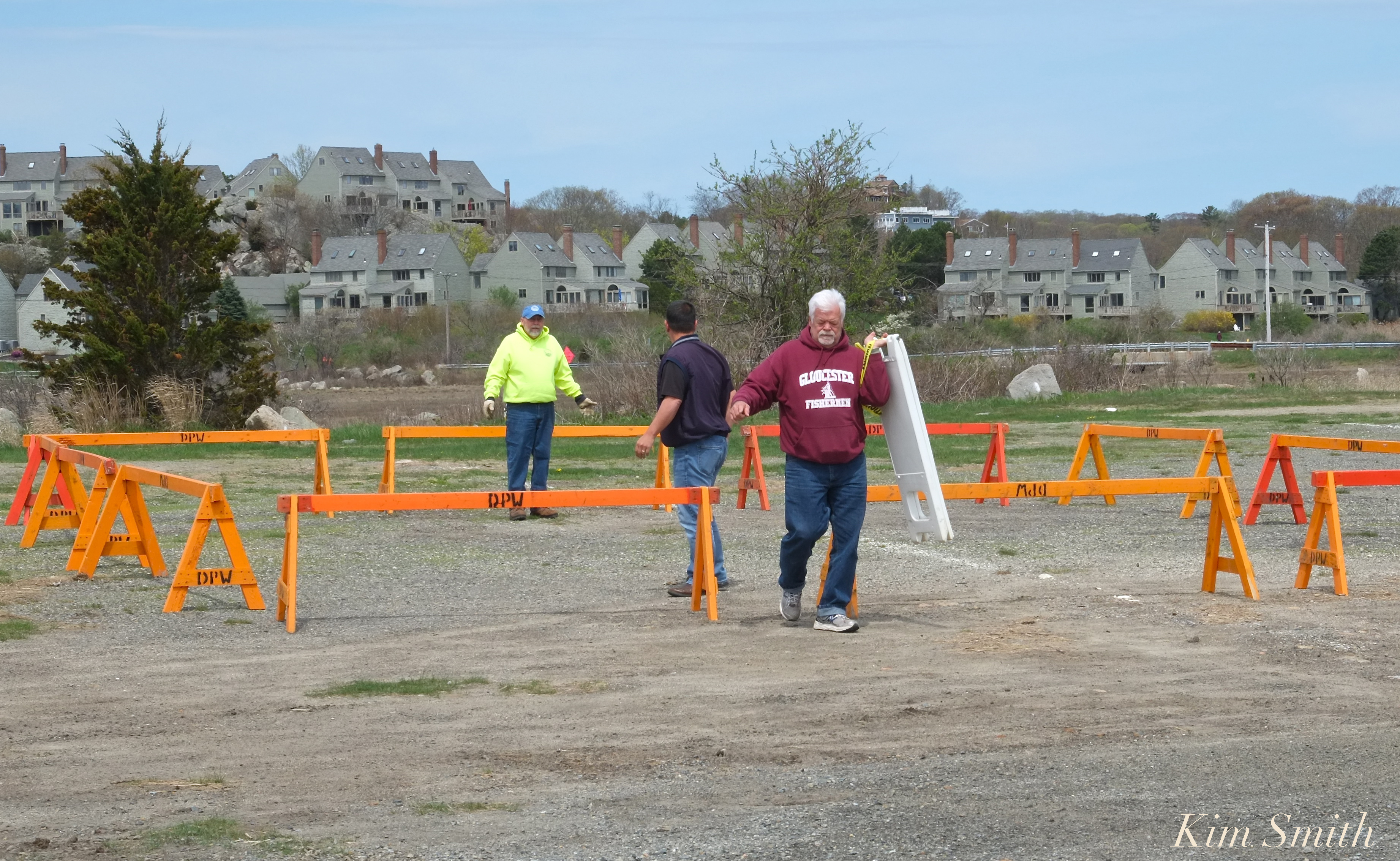
Thanks to our awesome DPW, who has barricaded the area, and to my husband Tom, who discovered the egg, our PiPlover egg is protected from cars and trucks. I checked on the PiPl this morning before work at about 6:30 to 7am and the PiPl were courting in the #3 nesting area. A dog off leash ran by and they quickly flew. I checked for an egg in their nest scrape in the parking lot before leaving and the egg had not yet been laid. Tom discovered the single egg at 11am and immediately spoke to Phil Cucuru, who was working on the boardwalks.

Kevin Mazzeo, Phil Cucuru, Kenny Ryan, Joe Lucido, and Steve Peters were immediately on the job, placing a barricade around the nest.

We are all going to work together to help our PiPl pair, despite this most difficult of all locations. One thing the pair has going for it is that this is relatively early in the season. If all four are laid within the upcoming week, we could have chicks by mid-June, a full two weeks earlier than last year. Dave Rimmer, from Greenbelt, will be placing the exclosure around the egg shortly. The DPW is placing a second tier barricade around the nest.

Please, please please, do not allow your dog in the GHB parking lot or on the beach. There were umpteen dogs, off leash and on, at Good Harbor Beach this past week, despite the fact that there should be no dogs after May 1st. I asked each person who had brought their dog where they were from–it seemed fairly equal–half were from out of town and half were local.

Our Mama and Papa are still mating in the nesting area. Whether the parking lot is their alternate plan or the only plan, at this point, please no dogs.

A second pair of PiPl arrived yesterday. Will they be staying or is GHB is just a stopover? The following may sound like a strange request, but part of the problem this weekend was kites. Just as we love dogs, there are few things more magical to a young child than flying a kite on the beach. The issue is, when folks are flying their kite over the nesting area, to a PiPl, a kite looks like a giant vulture looming overhead, ready to snatch them up. Please when flying a kite (or a drone) on the beach, please fly away from the nesting area, keeping the kite at least 500 yards away from the Plovers. Early in the season there was a pair of Turkey Vultures eating a dead seagull on the beach. It was amazing to film the PiPl reaction because as the Vultures flew overhead, all the PiPl, and the one Dunlin, foraging in the intertidal zone flattened to the sand in unison, and stayed that way long after the Vulture had disappeared over the horizon.Thank you to everyone for all that you are doing to help the PiPl. Special thanks to Joe Lucido, Phil Cucuru, and the tremendous support from the DPW crew, to PiPl monitor Heather Hall, who spent many hours at GHB this past weekend watching over the PiPl, and to my husband Tom, for his eagle eyes.

Mama and Papa courting in the nesting area in today’s early morning fog.

Tom Hauck Egg Photos 


HEARTBREAKING TO SEE PIPING PLOVERS NESTING IN THE GOOD HARBOR BEACH PARKING LOT

THE PIPING PLOVERS HAVE GIVEN UP ON THE BEACH AND ARE NESTING IN THE PARKING LOT.

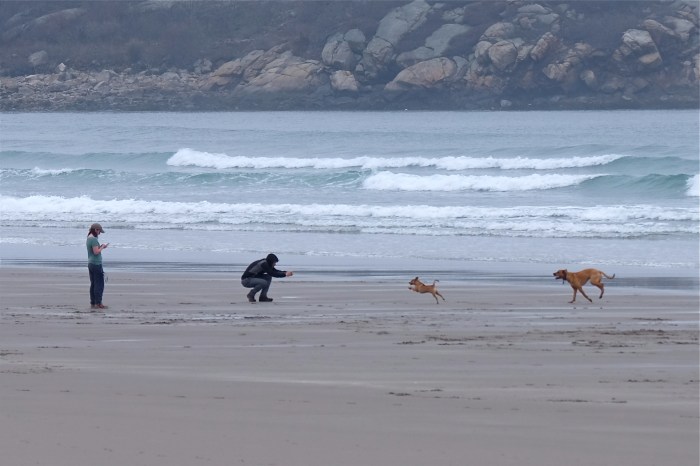
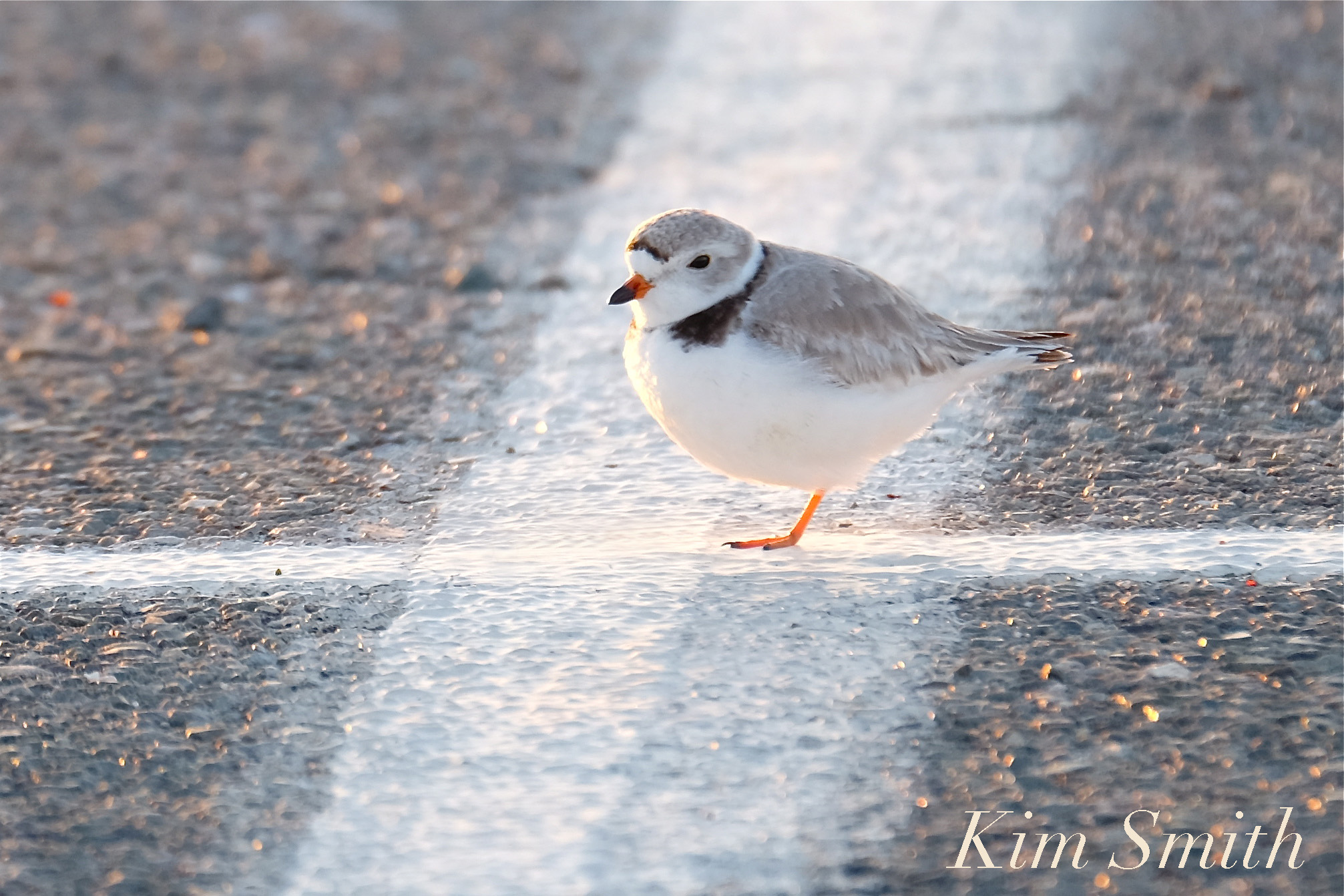
During some part of each of the past four off leash beach days, the Piping Plovers have been found in the parking lot, forced off the beach by a barrage of dogs in the nesting area, and dogs chasing them up and down the beach. For the first three of those four off leash days that they were driven off the beach, the PiPl spent a good part of the time going from white painted line to white painted line, using the color white as camouflage against predators such as hawks, crows, and falcons. They are miniature “sitting ducks” when in the parking lot, not only to natural predators, but because they are so well camouflaged, and so tiny, they are in tremendous danger from car and truck drivers who would not see them until it is too late.

Nesting and courting in the parking lot.

New little nest scrape.

Yesterday morning at 7am, an off leash day, the PiPl were chased off the beach by a dog and its owner. They flew to the parking lot. For the next twelve and a half hours, Mama and Papa did not leave the parking lot. They did not eat or drink, but spent the entire time courting, mating, and building a nest scrape in the gravel, traveling from white line to white line. It was sadly beautiful and heartbreaking to watch. Beautiful in the way that no matter what obstacles they face, the little pair’s desire to reproduce is so powerful that they will continue to try, even in a habitat that is so wholly unsuitable for raising chicks. Sad and heartbreaking because this scenario was unquestionably and completely unnecessary.

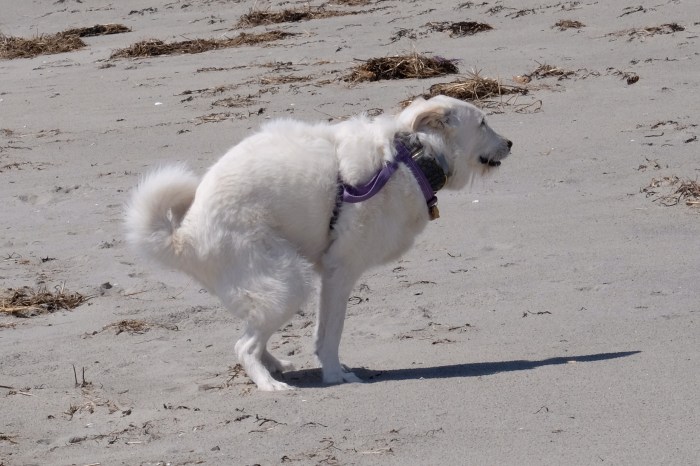
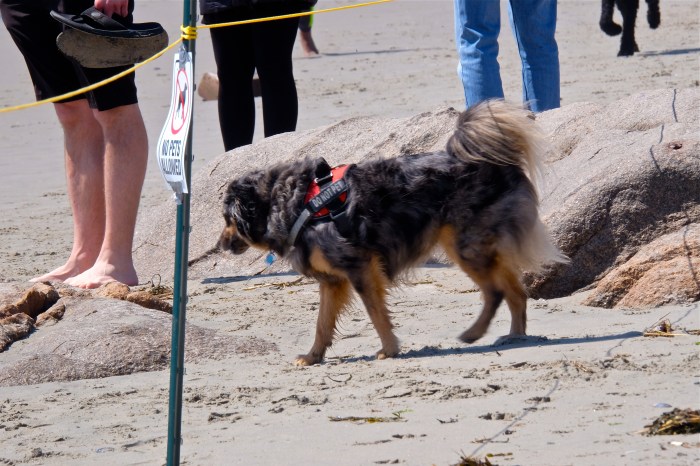
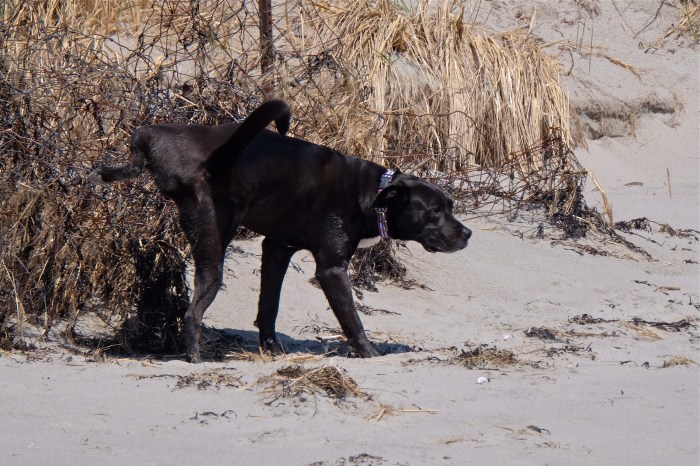
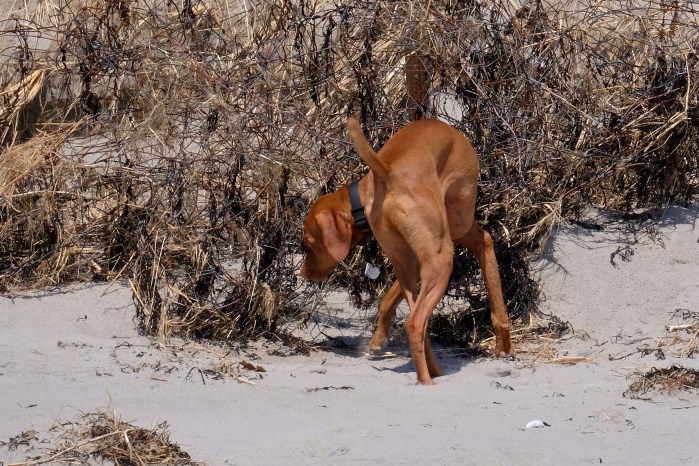
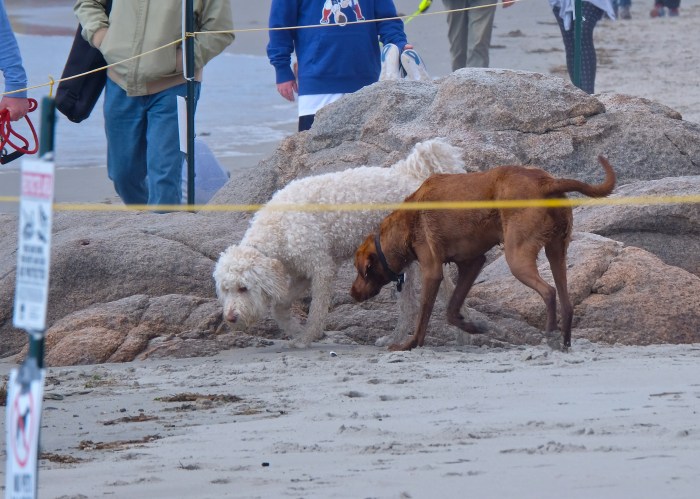
Yesterday the dogs were in the nesting area, poohing, peeing, romping, and digging. It happened throughout the day, from 6:30am to 8pm, but was especially challenging during high tide, when so little beach remains. The following batch of photos was taken in the short period of time that I was on the beach and not in the parking lot, as the tide was receding.

When dog owners were asked by volunteer Preston if they were aware of the PiPl–most said yes–as they allowed their dog to wander into the nesting area.

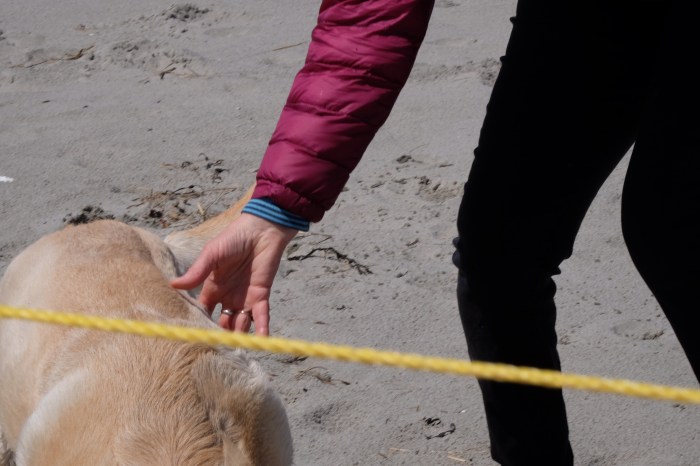
Dog runs into nesting area, dog goes poop, owner enters nesting area to clean up poop, can’t find poop, has to muck around in nesting area to find, finally finds poop, cleans up, dog meets a new friend in the nesting area.

Last night Mama and Papa flew back to the beach after the coast was clear, at sunset. As you can imagine, they were ravenous, and ate with great gusto at the water’s edge.

The Bachelor returned to the nesting area at sundown, too.

Early this morning I found all three eating and bathing in the tide pools, before they were chased off again later in the morning. As I write this, the Mama and Papa are taking turns sitting on their nest scrape, in the rain, in the parking lot.

The Piping Plovers can’t catch a break – off leash dogs this morning on an on leash day.

It is difficult for the animal control officers to give out tickets as the ordinance is written, when it is an off leash day, especially when the dogs are running willy nilly and far away from their owners. And it is impossible for them to be there 24/7.

Early this morning, which is an on leash day, Officer Dolan was handing out tickets.

https://www.instagram.com/p/BiJ6B7DH765/

Call your councilors and Mayor Sefatia’s office and let them know your thoughts on protecting the Piping Plovers. Tomorrow is the last day of the spring summer season 2018 that dogs are allowed on the beach. But they are not allowed under ANY circumstances in the nesting area. If you see a dog on the beach at any time of day or night after April 30th please call the dog officer at 978-281-9746. Thank you.

I have an idea to make a brochure to not only hand out to people at the parking lot entrance to the beach, but to circulate door to door around the neighborhood. We need to help folks understand why it is so important that we help the PiPing Plovers.

Thank you to all the volunteers who helped yesterday. If you came and I unfortunately did not see you it is because most of the day was spent in the parking lot. Thank you to Lillian and Craig, Leontine, Deborah,  Heather, and Preston for your good work!!

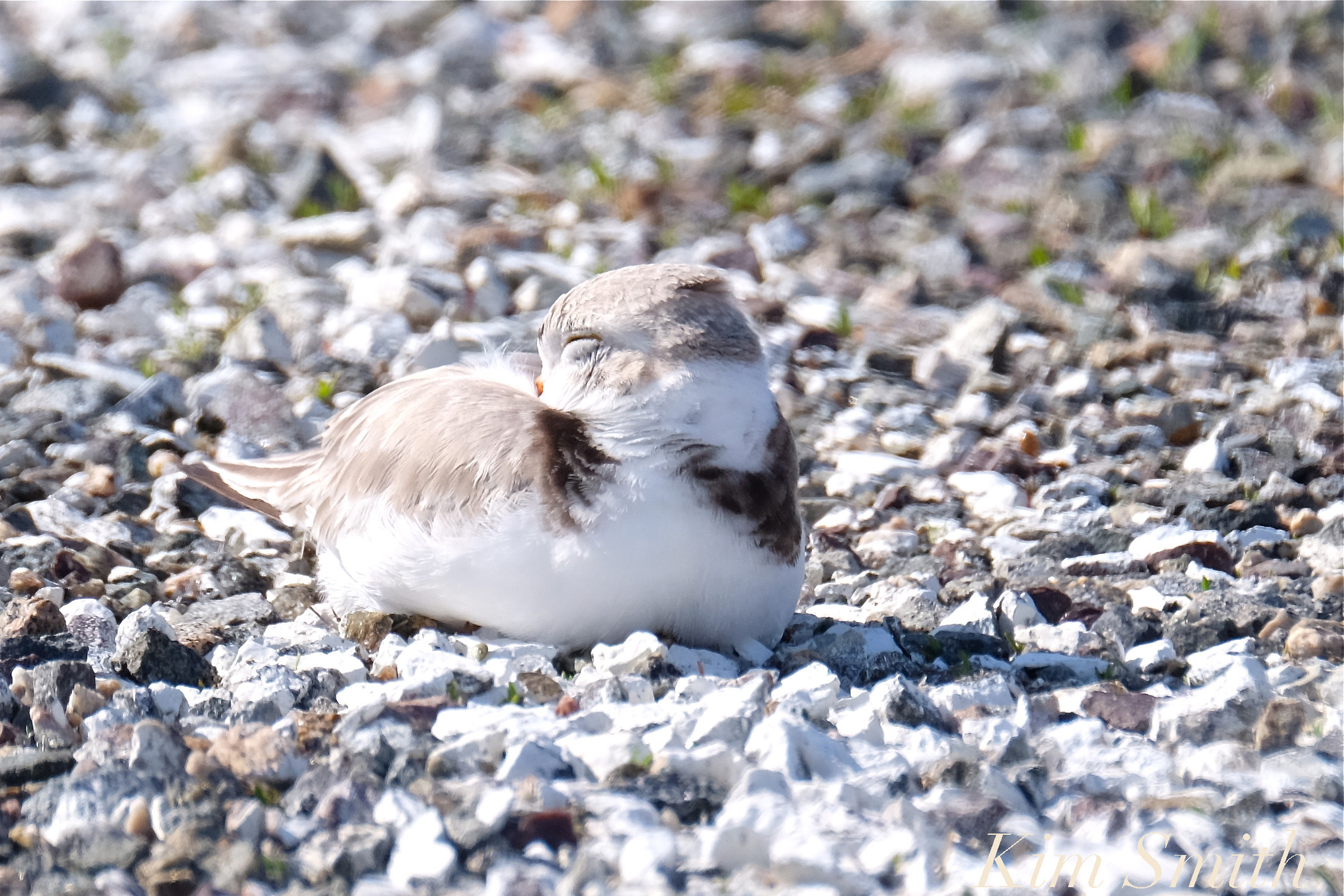
Mama sleeping on the white lines in the parking lot

WE NEED VOLUNTEER PIPING PLOVER MONITORS SATURDAY AT THE PIPL NESTING AREA #3

No one paid attention to our signs that we added to the nesting area yesterday. My friend Deborah Cramer stopped by to see the PiPl and watched half a dozen dogs running through and playing in the nesting area. When I returned to the beach at 6:30, the PiPl were in the parking lot, again driven out of the nesting area by off leash dogs. Very frightening when an SUV drove past and they didn’t budge.

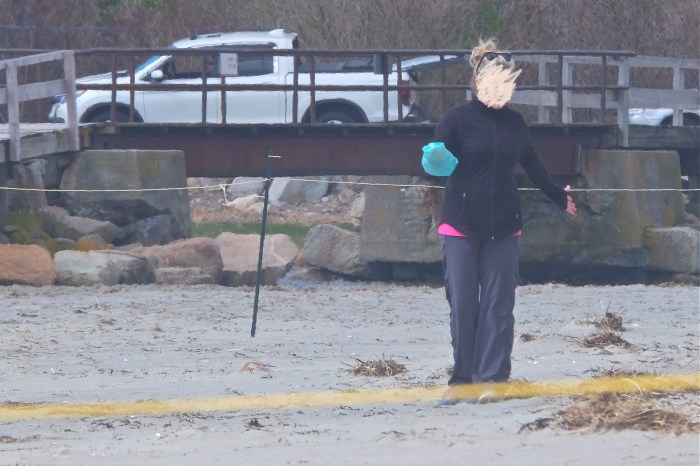
While the PiPL were in the parking lot, I thought would be good time to reinforce the signs with duct tape. When at the nesting area adjusting signs, there were more dogs owners allowing dogs to run through and completely ignoring the signs.

Reading the federal regulations from the USFWS:

“Pets should be leashed and under control of their owners at all times from April 1 to August 31 on beaches where piping plovers are present or have traditionally nested. Pets should be prohibited on these beaches from April 1 through August 31 if, based on observations and experience, pet owners fail to keep pets leashed and under control.”

All the signs in the world won’t make people who don’t care, care.

Tomorrow, especially at high tide, and as the skies are clearing, I am afraid will be another terrible situation for the PiPl. If you would like to lend a hand, please email me at kimsmithdesigns@hotmail.com or just come. I will be there for the better part of the day and will show you what to do. High tide tomorrow is at 10:54 am. Thank you!

PIPING PLOVERS AND THOUGHTS ABOUT SIGNS, DOGS VS PLOVERS, AND WHY WE ARE IN THIS PREDICAMENT

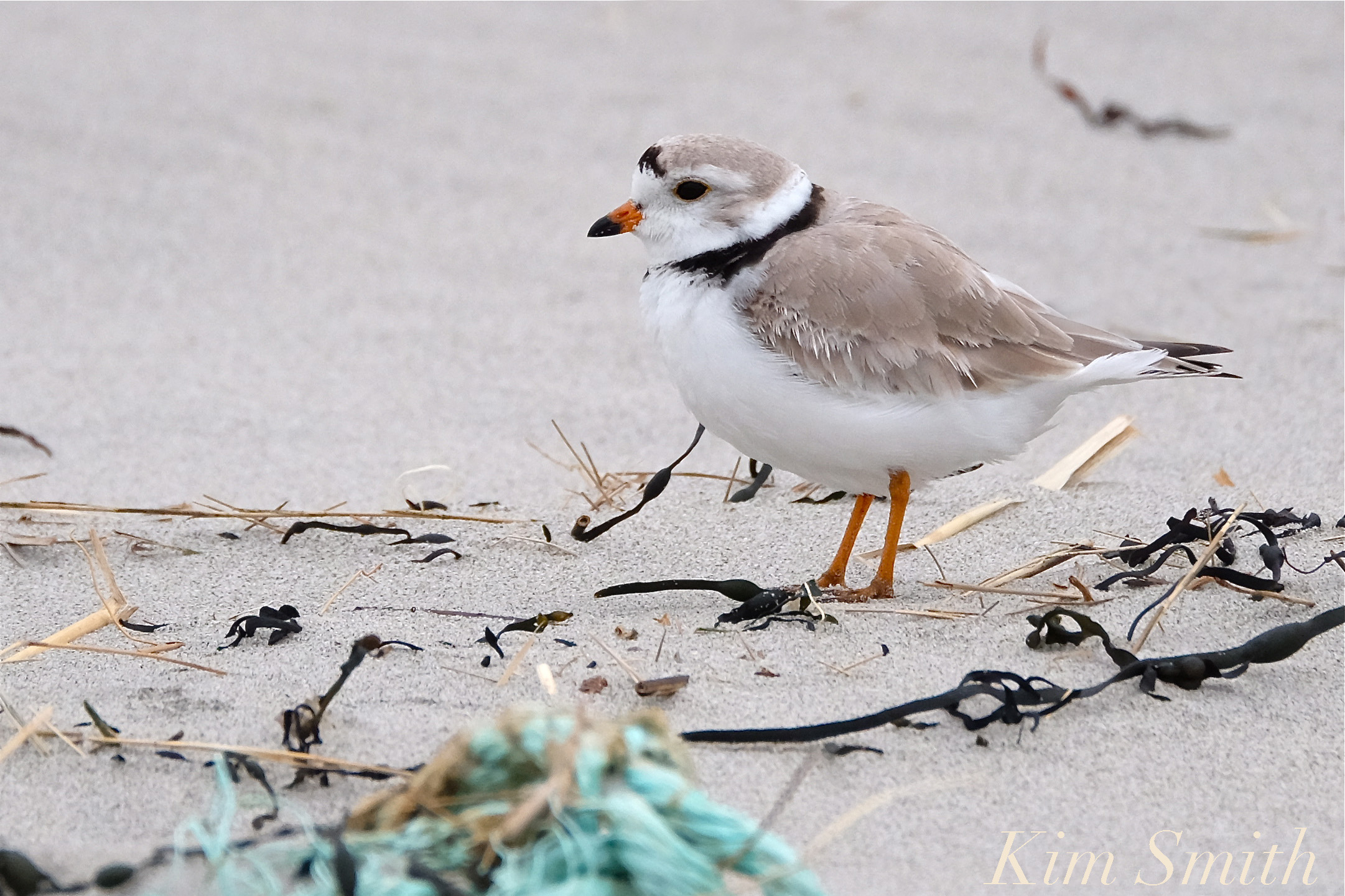
Mama Plover sitting in and checking out Papa Plover’s perfect little nest scrape.

My friend Lauren Mercadante from Manchester stopped by today to volunteer with the Piping Plovers and we added twenty signs on the posts surrounding the roped off area at boardwalk #3.

https://www.instagram.com/p/BiClNEtnD3K/

We had a new group of Piping Plover travelers fly in overnight, earlier in the week, but since that one-day stopover, where they rested and foraged at the nesting area around boardwalk #1, the travelers have not since been seen. If we see evidence of PiPl tracks at #1, we can add more signs there, too.

https://www.instagram.com/p/BiCmNuanx9t/

There has been tremendous criticism regarding signage. The signs that Greenbelt posted at Good Harbor Beach are similar in size and scope of information to signs used up and down the East Coast, and on the West Coast, too, for Snowy Plovers, a similarly threatened species. I especially like the first one and the second sign in the gallery and would like to design one for our Good Harbor Beach similar to one of these.

Kind folks have suggested adding banners to the posts, which I am afraid would only serve to attract gulls and crows, and would also disturb the PiPl. More kind folks have suggested fencing. I think that conservationists don’t use dune fencing for several reason. The adults (and chicks) need to run freely to and from the water’s edge to forage, the fencing would be disruptive to install, in our case, part of the fencing would need to be in the tidal zone and would easily be damaged during high tides, and because it would trap small predatory mammals within.

Regardless of whether or not we have adequate signs, we find ourselves in the struggle of Dog Owner versus Piping Plover. It’s partly because the Plovers have arrived a full month earlier than in previous years. In 2016 and 2017, they arrived at Good Harbor Beach when the beaches are closed to dogs for the season, on May 15th, and May 3rd, respectively. This year, the PiPl arrived on April 3rd. I know this for certain because this spring I had been checking everyday since mid-March.

There are many, many dog owners who are keeping their dogs leashed when at Good Harbor Beach and many who are walking their dogs at alternative locations during this last week in April.  We should all be grateful and appreciative to these friends of the PiPl, I know I sure am!

The struggle of Dog Owner versus Plover is not simply an issue at this time of year, with dogs off leash during the month of April, but is consistently challenging throughout the summer during the entire nesting season. Yes, there are folks from out of town who aren’t familiar with our no dogs on the beach between May 1st through October 1st ordinance, but the folks who most frequently ignore our ordinances are people who live here and are aware of the rules. This is especially apparent in the early hours of the morning and after five, when people know there are few enforcers on duty at those times of day.

https://www.instagram.com/p/BiCnOx4nvFy/

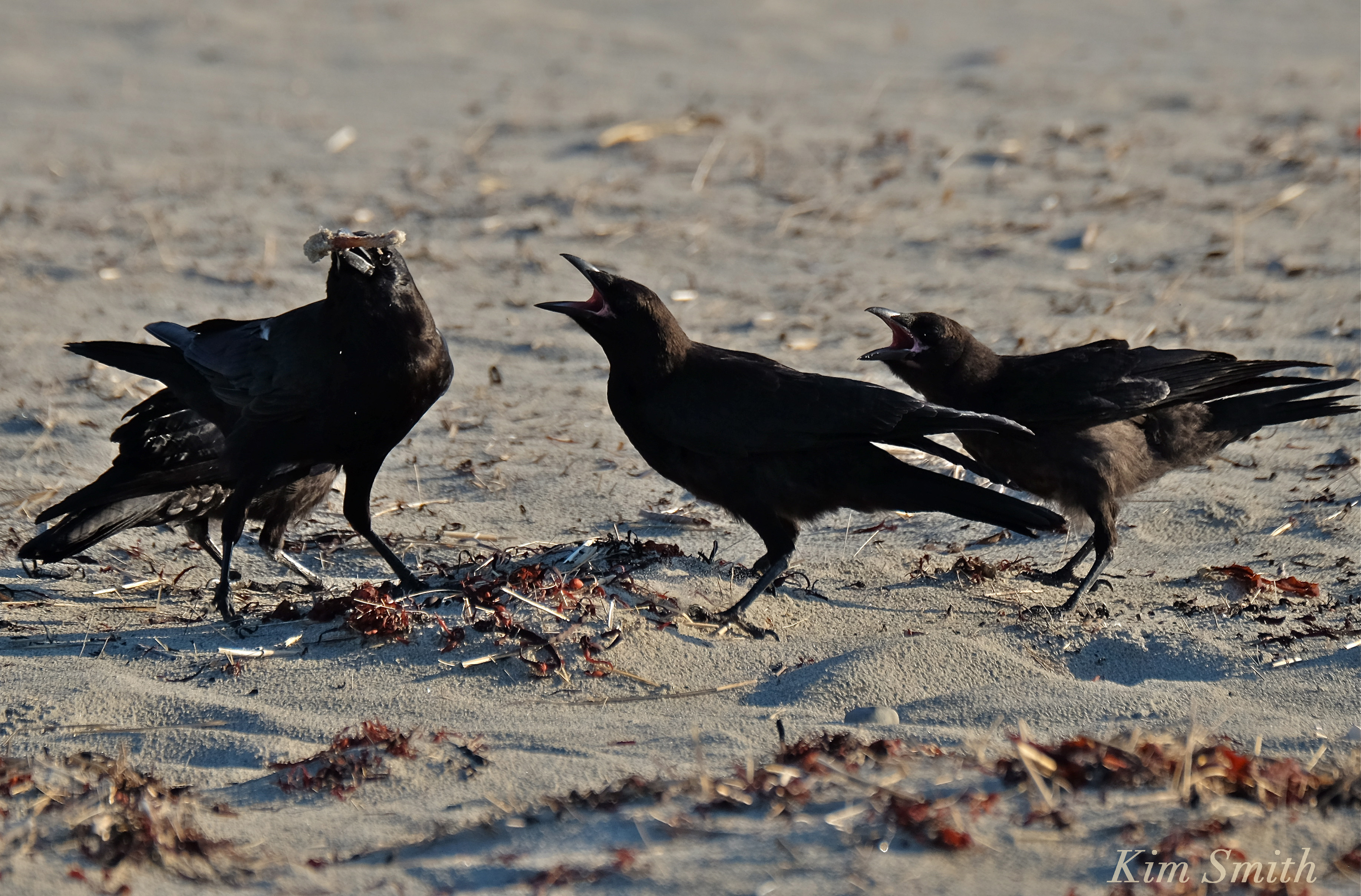
Another threat to Piping Plovers, again created by humans, are people that leave their trash on the beach. Good Harbor Beach looks pristine and incredibly beautiful after the tremendous job done by the Clean City Commission’s Great Gloucester Cleanup volunteers. Daily there are typically only a handful of crows and gulls. Soon that will change. People will leave their trash on the beach, which attracts a plethora of hungry gulls and crows, which eat baby chicks.
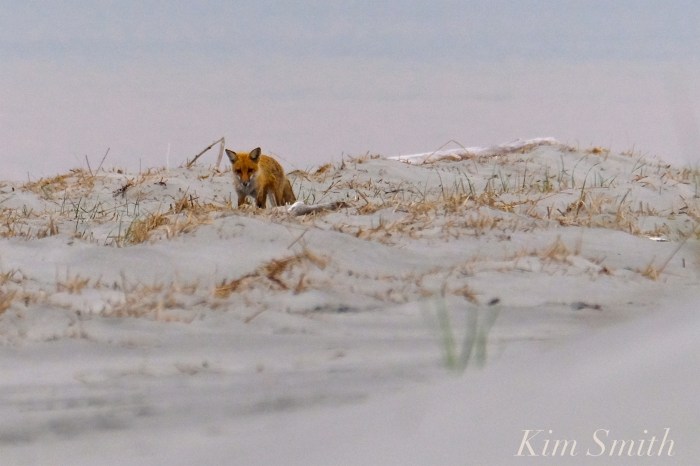
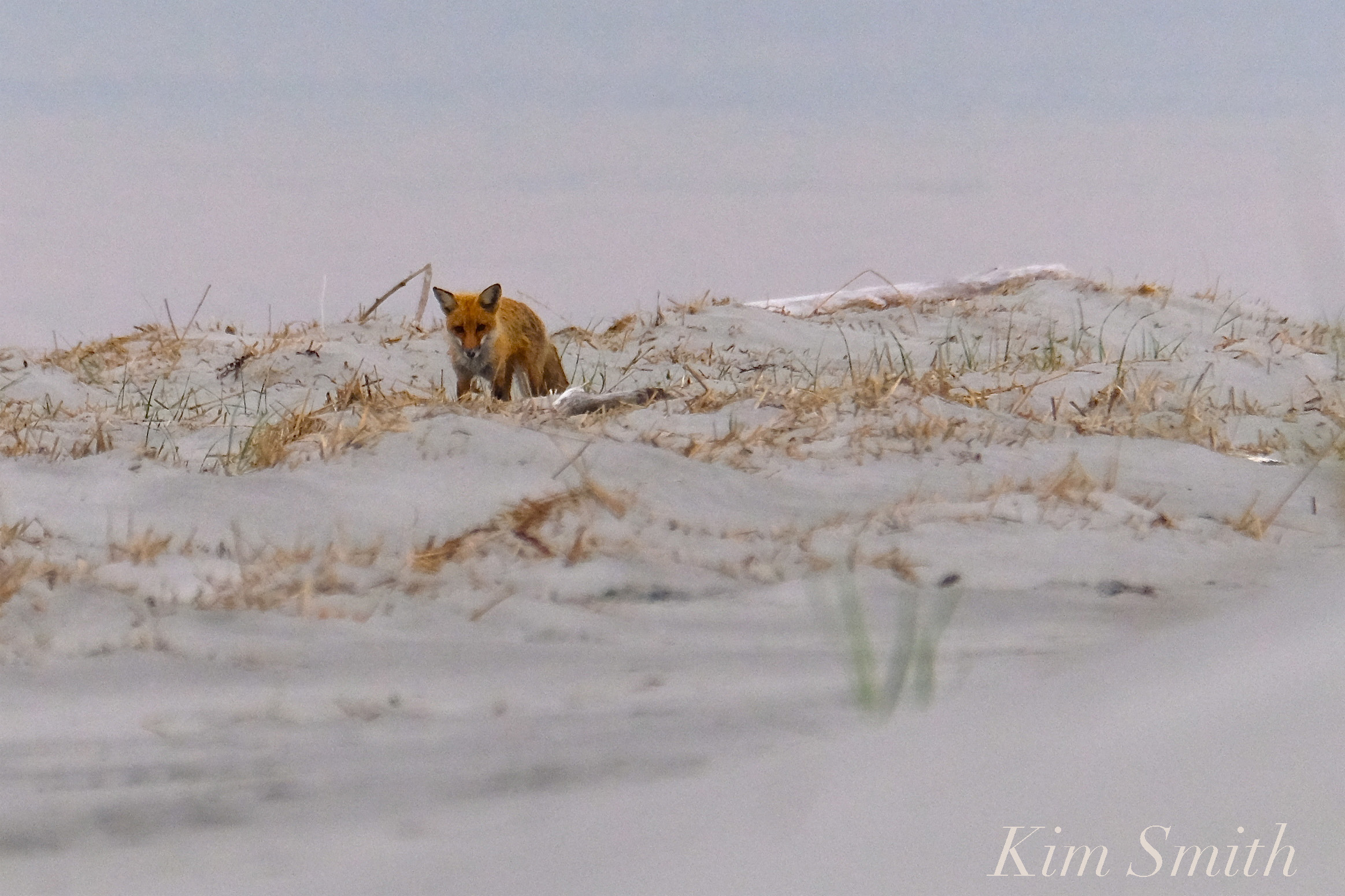
Red Fox foraging for shorebird eggs, West Gloucester

Piping Plovers face many other threats including fox and coyotes that forage on eggs, large predatory birds such as Great Horned Owls, plastic pollution, loss of habitat, and rising sea level. But the two threats that are under our immediate ability to manage are preventing dogs and people from disturbing the nesting sites, and keeping the beaches super clean of trash.
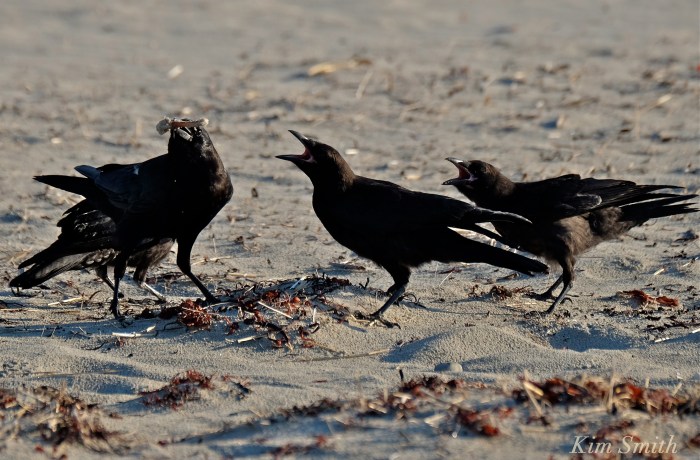
Crows in the PiPl nesting area, fighting over chicken bones left on the beach, 2017.

Many North Shore beaches that find themselves home to the Piping Plovers are also under the management of federal and state organizations. Plum Island is a US Fish and Wildlife Refuge, Nahant and Revere Beaches are managed by DCR, and Crane Beach is managed by the Trustees of Reservations.

Gloucester has none of the daily oversight and funds provided by federal and state organizations. The Piping Plovers need our help and so it is up to we citizens of Gloucester and Cape Ann to do all we can.

Piping Plovers are facing extinction. There are approximately only one thousand five hundred breeding pairs in the world, and that simply isn’t enough to sustain the population, especially since the rate of fledging has recently dropped precipitously. Conservationists hope to raise the number to at least two thousand five hundred pairs, and the bird will not be taken off the threatened species list until that time.

The early arrival of the Piping Plover this year signals a success of sorts. The pair successfully fledged one chick last summer, which is better than the current overall Massachusetts state average of .6. The birds are maturing and finding their way more easily to GHB.

This year, there simply wasn’t enough time to change the dog ordinances, which as they are currently written, allow dogs off leash fifteen days out of the month of April. Because the leash ordinances at this time allow dogs off leash, the only way we are going to help the Plovers is if we work together as a community, to help each other understand what is happening with the PiPl, and do all we can to protect this tiniest of shorebirds on the busiest of our beaches.The Lonely Bachelor
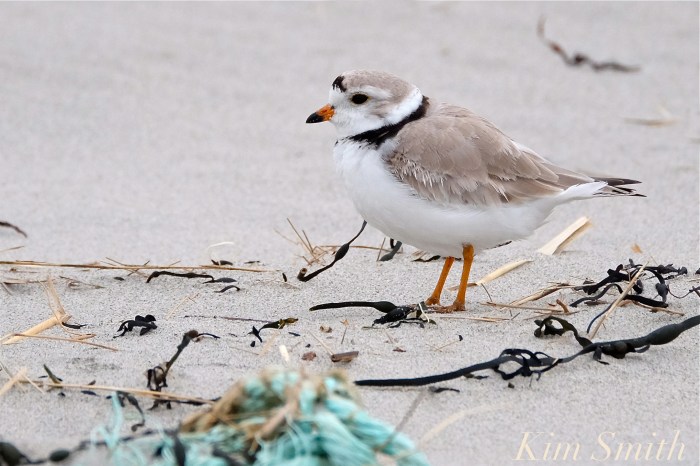
MESSAGE FROM MAYOR SEFATIA REGARDING GLOUCESTER’S PIPING PLOVERS

Message from Mayor Sefatia Romeo Theken  

The Piping Plover is a “threatened” species under both the state and federal Endangered Species Acts.  As such, the City, along with the Commonwealth, is required to protect them under the law.  Having said that, we are committed to making every effort possible to protect the nesting Piping Plovers at our beaches while, at the same time, maintaining public access.
Piping Plovers typically arrive from their southern wintering areas to our local beaches in late March or early April.  Males and females quickly form breeding pairs that begin the process of courtship and select a nest site throughout April and May. During these months, it is critically important to limit any disturbance of the birds and their habitat.Chicks can hatch from nests in late May and are immediately mobile and move out of the nest in search of food.  As chicks grow older and larger, they will roam from the dunes to the water’s edge in search of food. Chicks are very vulnerable to human disturbance and are susceptible to predators like gulls, foxes, and dogs.
While dogs are allowed to run free during this time of year on many of our beaches, that right does not supersede the requirements under federal law to protect the Piping Plovers on those beaches.  Unleashed dogs can pose a very real threat to Piping Plover adults and chicks.  As such, dog owners are responsible for controlling their dogs and keeping them as far away from Piping Plover areas as possible.  The owner of any dog that adversely or negatively impacts the Piping Plovers and their habitats will be in violation of federal law and will likely face legal action.
Please keep a close eye or your dog during this Piping Plover season.A Piping Plover nest is a mere depression in the sand.
Male and female Plovers do not begin sitting on the eggs 24/7 until all are laid, which takes about a week. Especially during that time, the eggs are often left exposed and are extremely vulnerable to being stepped upon by people and dogs.

MASSACHUSETTS WORKING WITH PARTNERS TO CONSERVE PIPING PLOVERS

The following video was produced in 2014. The number of Piping Plover chicks that have survived has gone down since that year, but I thought that what coastal biologist Jorge Ayub from DCR at Revere Beach has to say is especially relevant to our Good Harbor Beach. He begins speaking at 2:45.”We have seen this year an improvement, relative to last year, and acceptance. We’ve seen a tremendous amount of success. This year the Plovers fledged earlier in the season and the reason for that is thanks to the visitors and the residents who didn’t disturb them earlier in the season.”

Piping Plover Piping

HOW YOU CAN HELP THE PIPING PLOVERS -By Kim Smith

TIPS FOR OBSERVING AND HELPING PIPING PLOVERS

Thank you to all the friends of our Good Harbor Beach Piping Plovers, to dog owners who are staying away from Good Harbor Beach, and to all who are advocating for the PiPl.

Early this morning I found both Mama and Papa feeding in the intertidal zone, along with our little Bachelor. The second pair has not been seen since they were chased off the beach last weekend. There seemed to be fewer dogs on the beach this morning and I am so grateful to the dog owners who are helping to watch over the Plovers.

Yesterday was a much needed quiet day for the Plovers; it was cold and rainy, and an on-leash day. There were folks with dogs off-leash, though they weren’t near the PiPl. But there were fresh tracks running through the nesting area.

Here is why, at this very critical time during Piping Plover breeding, it is imperative to keep dogs and people out of the nesting area. The Plovers are actively courting. What does that mean exactly? 

  • The Plovers first stake out a territory. For the third year in a row, they have chosen the area around the big rock, by boardwalk #3.
  • Both male and female actively defend the territory from other Piping Plovers, as well as other species of large and small birds.
  • Throughout an average quiet day, the male PiPl builds many “nest” scrapes for the female to inspect. If the female is interested, the male displays an involved courtship dance. If she continues to be interested, he will mate with her by jumping on her back where they join together cloaca to cloaca, but for only mere seconds. During that time the male fertilizes the female’s egg.
  • Piping Plover courtship requires a tremendous amount of energy, and each courtship episode takes about twenty minutes, from nest scrapings to mating. If the birds are constantly interrupted by dogs tearing through, and people walking through, the nesting area, courtship and mating are delayed, over and over again.
  • If the Piping Plovers are allowed to mate early in the season, the chicks will be born that much earlier. The earlier the chicks hatch the greater their chance of survival, especially in the case of Good Harbor Beach, Gloucester’s most beloved and heavily trafficked beach.
  • In addition to repeated courtship interruptions, we are having an unseasonably cold April. The Piping Plovers are spending a great deal of energy just trying to keep warm. This is evidenced by how often they stand on one leg to thermoregulate.

Papa Plover defending all things Mama Plover.

Papa Plover vigorously building shallow teacup-sized nest scrapes.

Papa Plover inviting Mama Plover to inspect.

Male Plover cloaca. All birds have a cloaca, the V-shaped vent from where sperm, eggs, and pooh are emitted. During courtship, the male’s cloaca swells considerably.

Meet “the Bachelor,” the bird bane of Papa’s existence.

How You Can Help the Piping Plovers

1) Under no circumstances is it acceptable to enter the Piping Plover nesting area.

2) Keep ALL dogs far away from the nesting areas. A Piping Plover’s brain does not differentiate between a dog on- leash versus a dog off-leash. When a dog, off-leash or on-leash, comes within twenty feet of a PiPl, they immediately stop what they are doing, whether foraging, courting, mating, or resting.

3) During courtship, the Piping Plovers tolerate one or two quiet persons, from a distance, but crowds of three or more put them in panic mode.

4) Help spread the word about the Good Harbor Beach Piping Plovers.

5) Sign up to be a Piping Plover volunteer ambassador by emailing Ken Whittaker at kwhittaker@gloucester-ma.gov

Thank you, but most importantly, the Piping Plovers will thank you too when chicks hatch and chicks fledge!

https://www.instagram.com/p/Bhv_2wDHKpQ/

https://www.instagram.com/p/BhtnQCHnaRJ/