MUSKRATS MATING!!

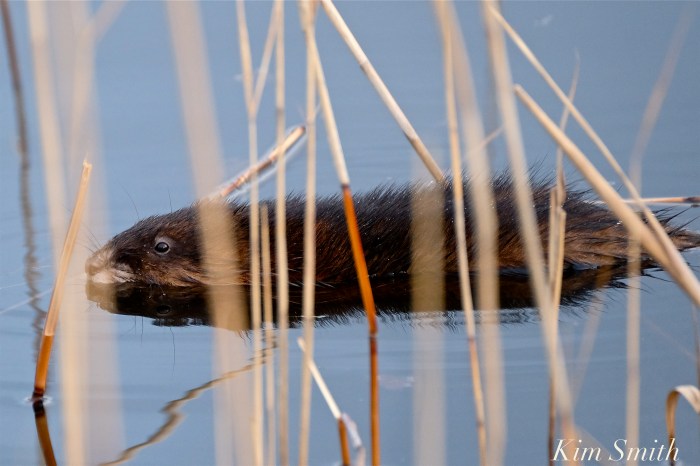
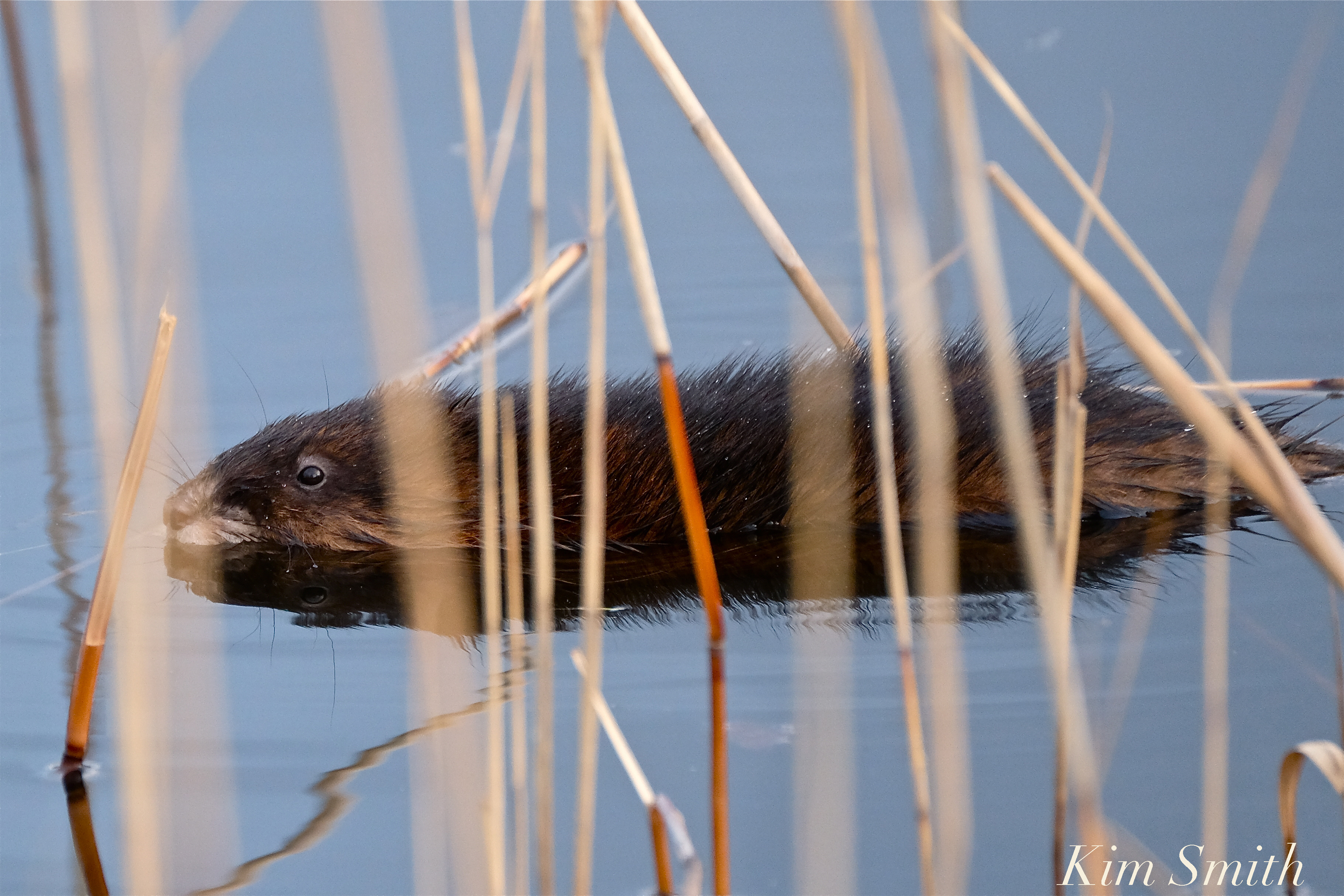
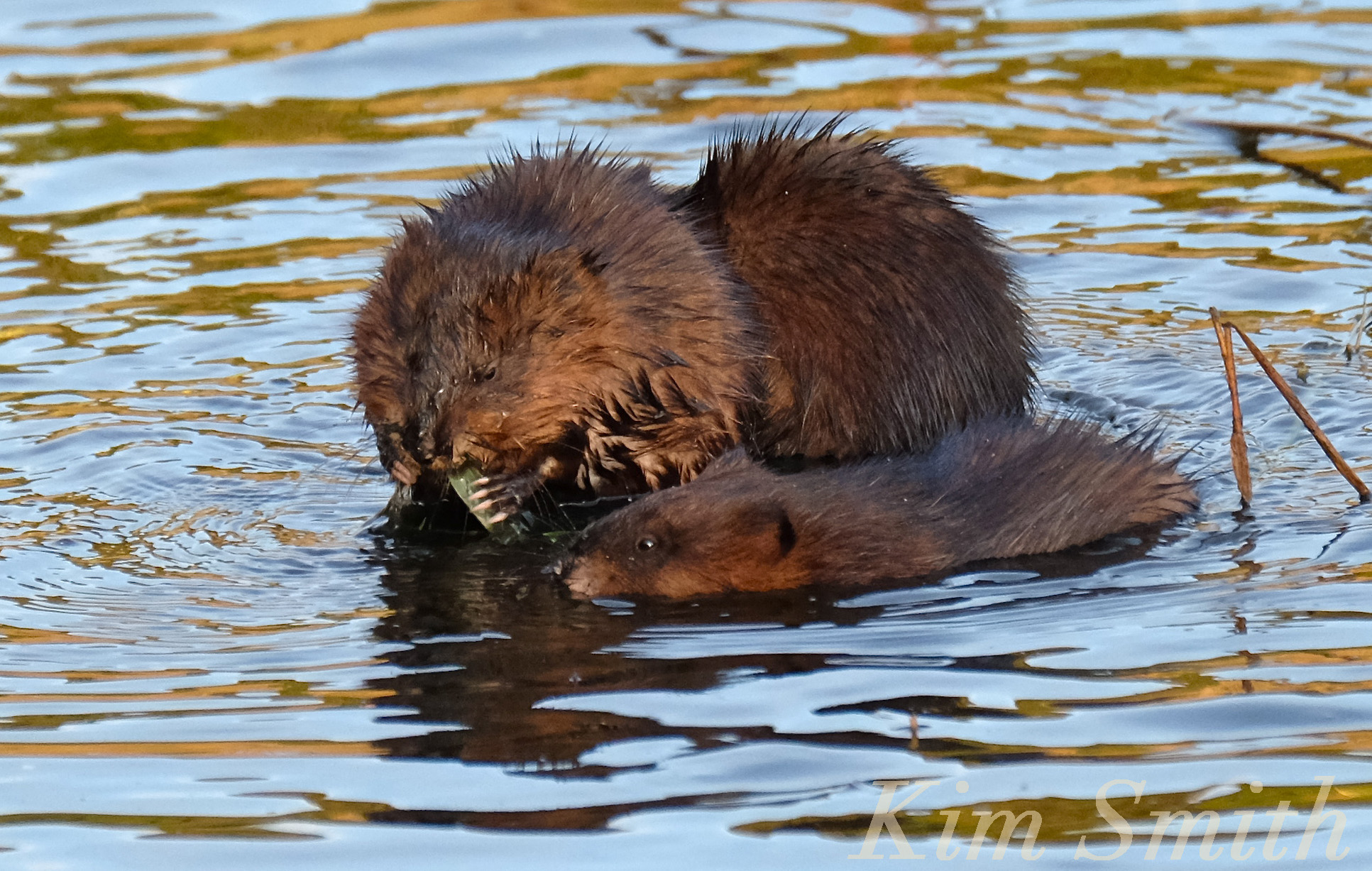
Walking along the edge of the pond I heard a new-to-my-ears sound, an odd sort of mewing, repeated over and over again. What could that be? I snuck along as quiet as could be following the sound. To my amazement, it was a pair of Muskrats cavorting in the reeds, and they were courting and mating!!! You can just barely make out two together in the photo with the dense reeds, too dense to get a good photo, but not too dense to see what they were up to.
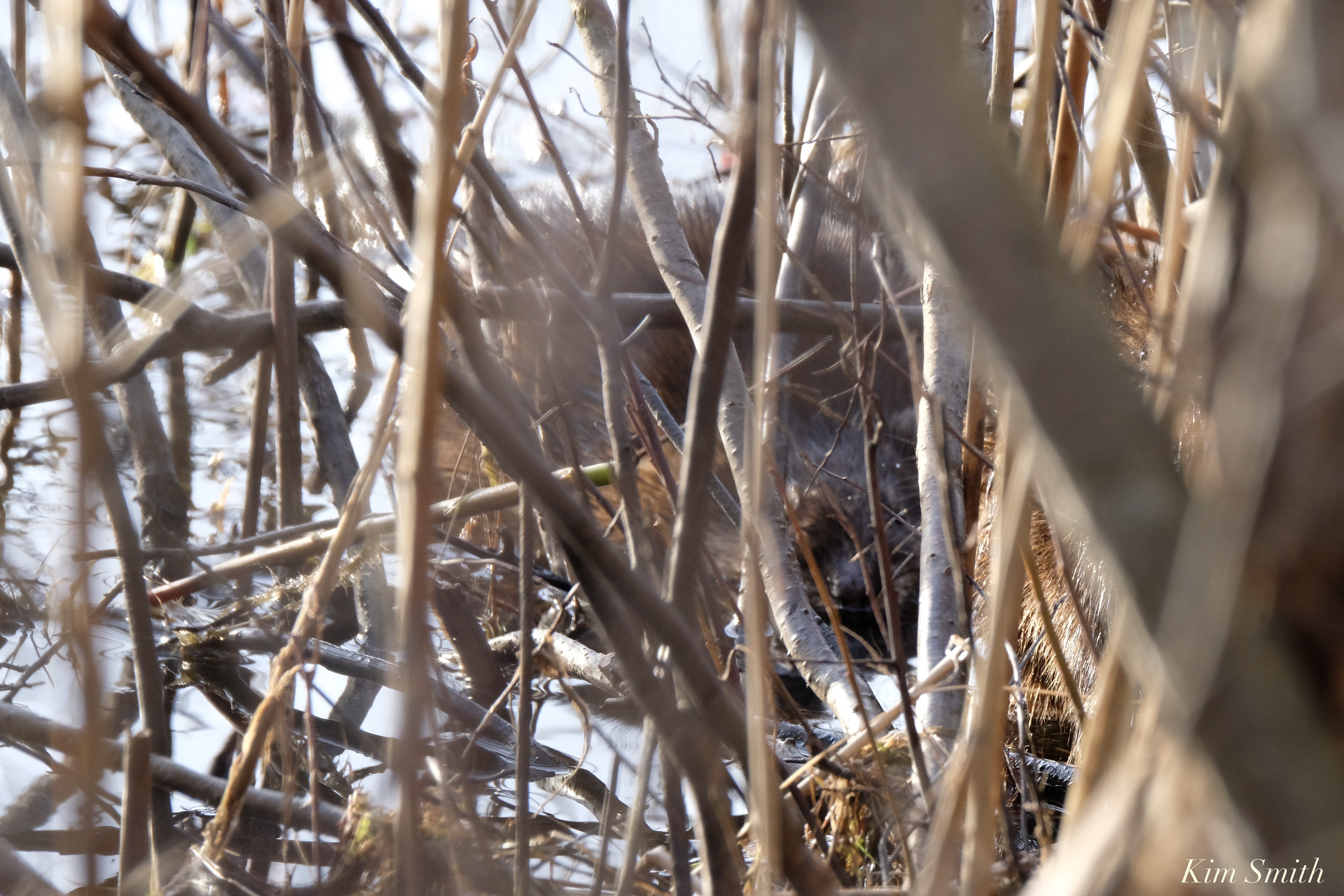
 

A female Muskrat is ready to breed at only one year of age. The breeding season lasts from March through August. A pair will mate while partially submerged, or on water-logged debris above the surface (where our little pair was mating). She may have 2-3 litters per year, with an average of 6 to 8 kits per litter.

Lest folks worry the pond will become overrun with Muskrats, they are a relatively short-lived mammal and have many, many predators including Snapping Turtles, large fish, Eastern Coyotes, Red and Gray Foxes, Weasels, River Otters, Bobcats, Great Horned Owls, and Northern Harriers. But their chief enemy are Minks and Raccoons.

For our reader’s general information, Muskrats are easy to distinguish from Beavers. They are about a tenth the size; Muskrats weigh 1 to 4 pounds whereas Beavers weighs 30 pounds or more. The muskrat’s tail is not large large and flat, but slender and elongated.
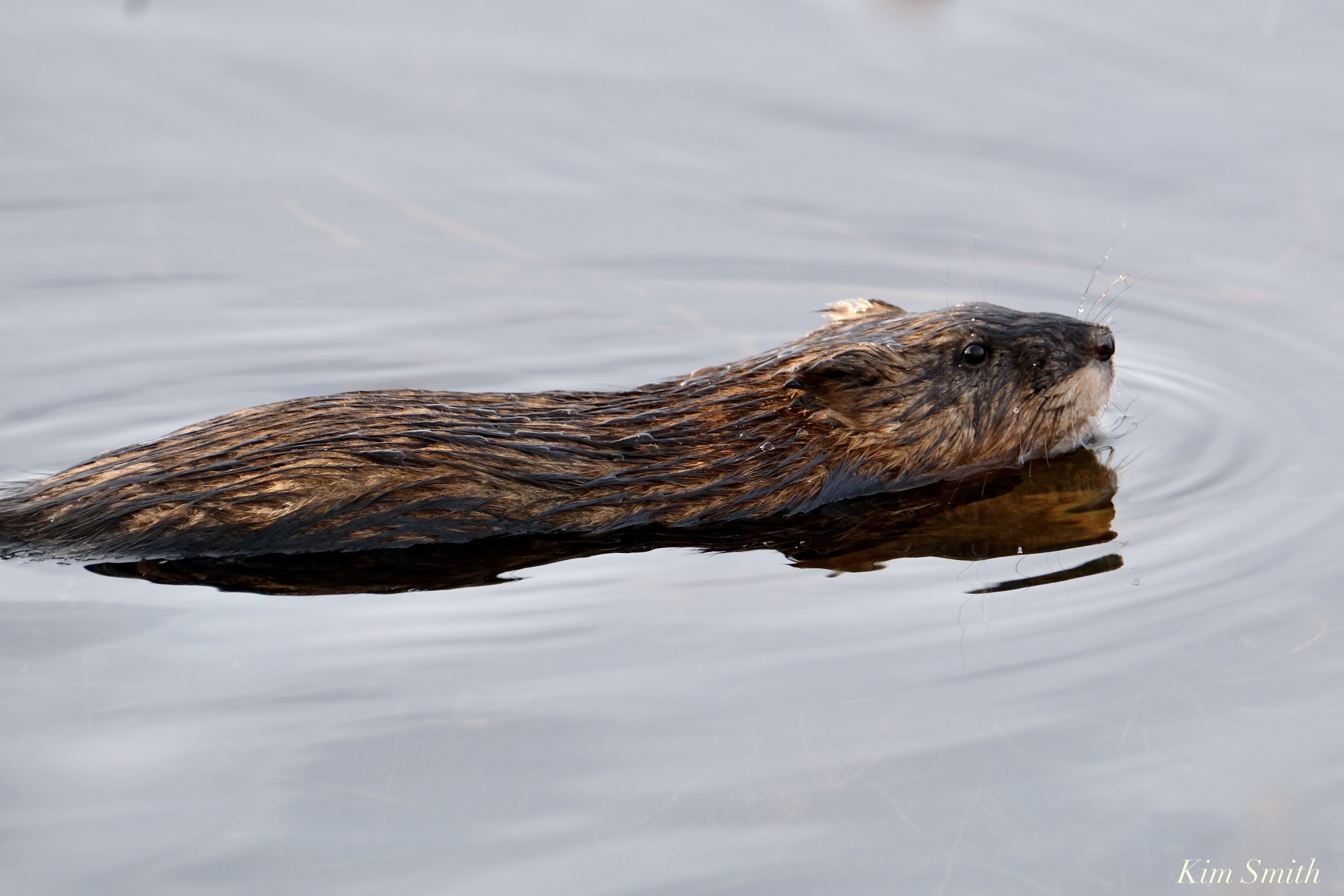
Muskrat
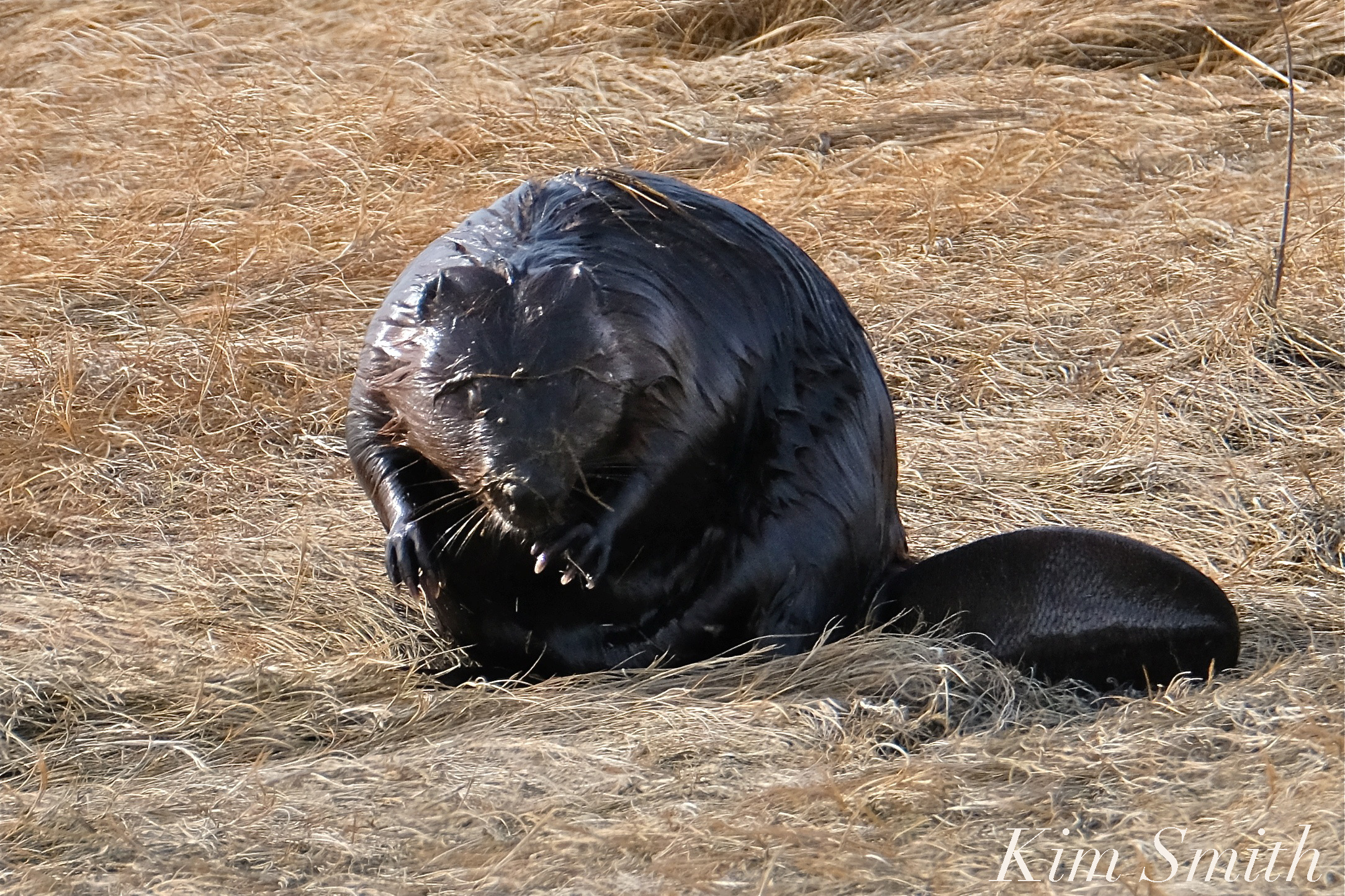
Big fat Beaver Tail
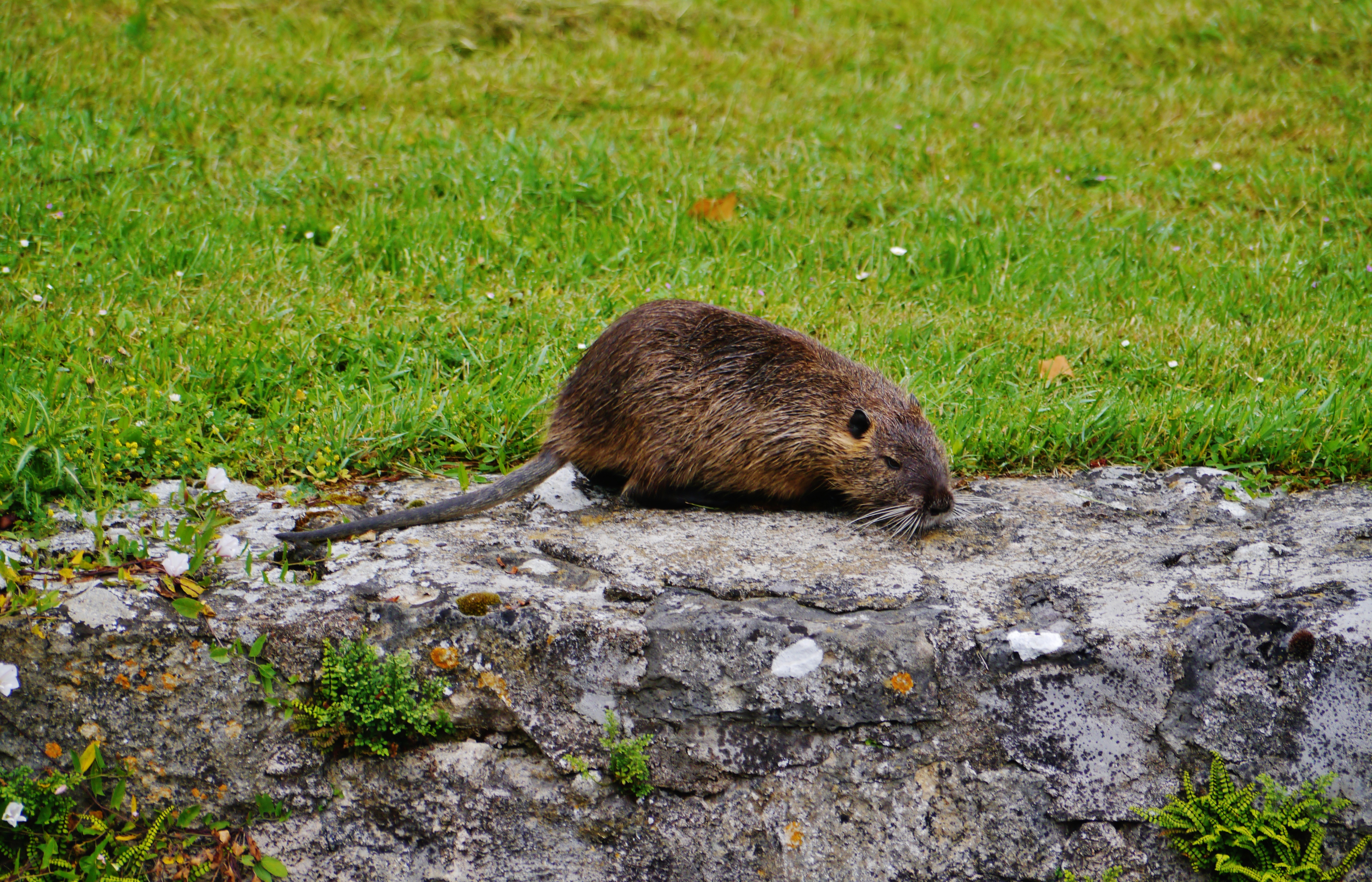
Slender Muskrat tail – above Muskrat image courtesy wiki commons media

MUSKRAT LOVE!

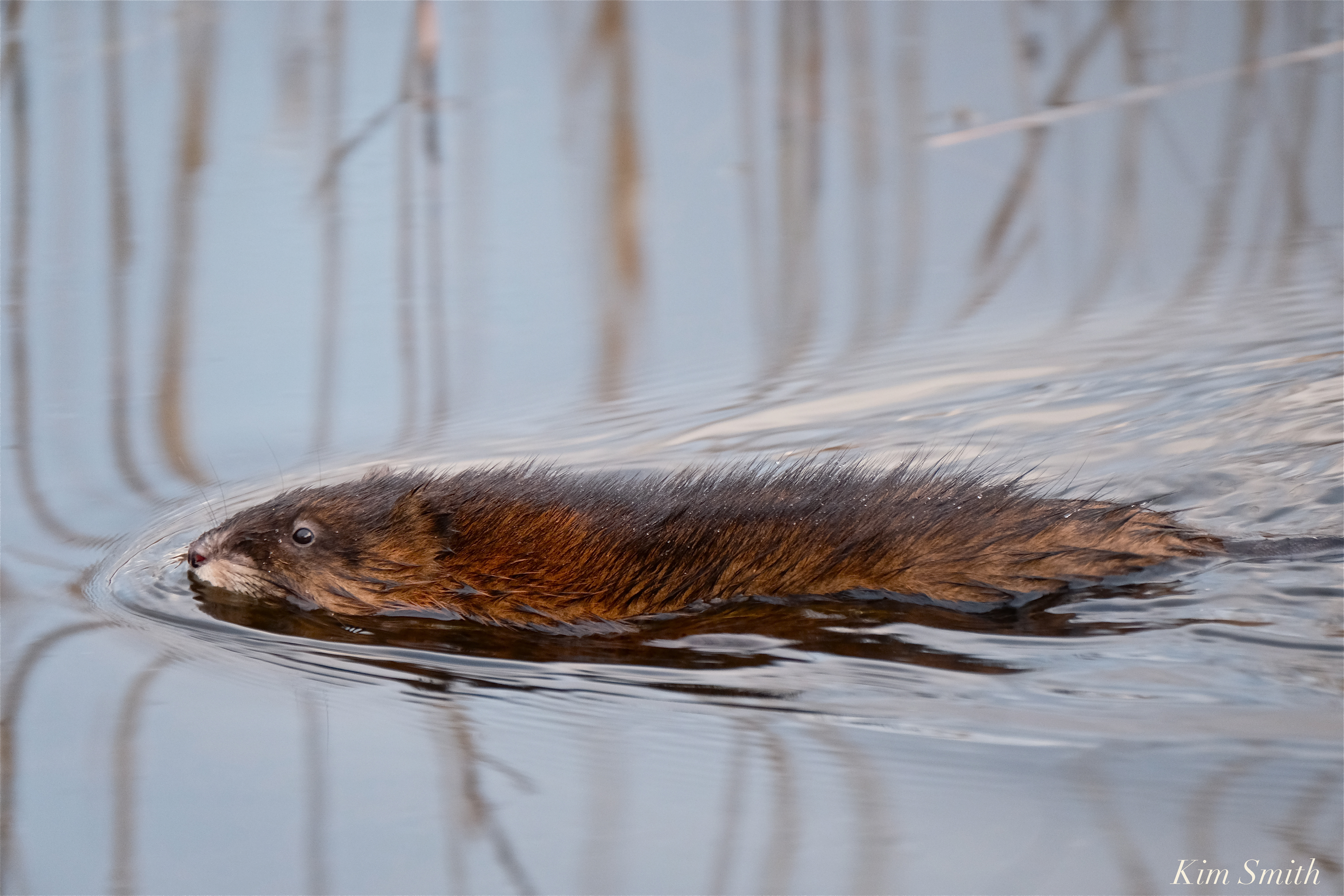
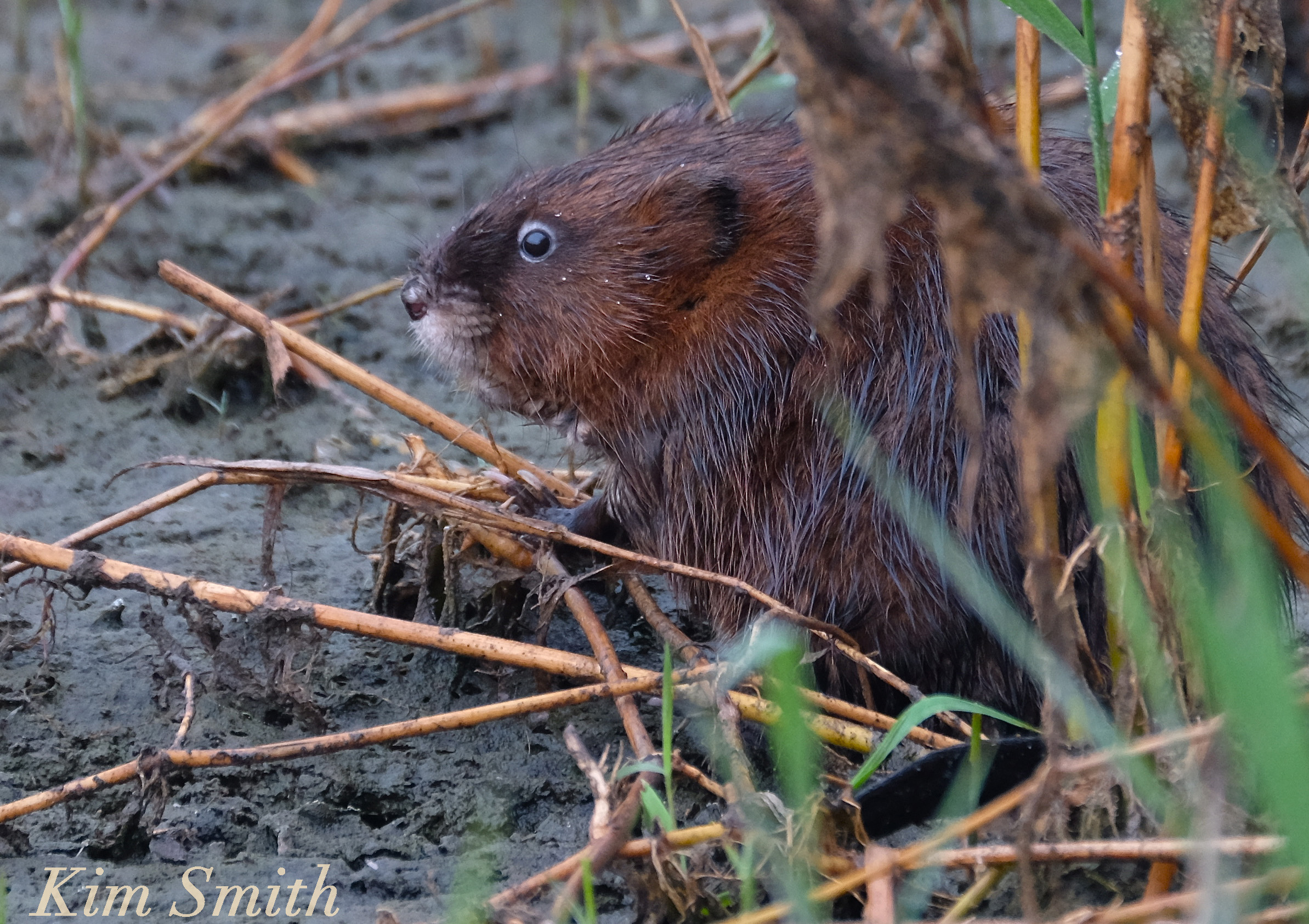
This little guy gave me a start while out for a walk this afternoon. I was expecting to see a few cute ducks, not an adorable member of the rodent order.

Muskrats do not hibernate in winter. In a year with the more usual colder temperatures, when waterways are frozen over, the muskrat’s activity typically happens underwater and in their shacks, dens, and ice houses, where we are less likely to catch a glimpse.

Muskrats don’t store food in their lodges like Beavers do; they must forage everyday. A Muskrat dives for aquatic plants and can hold its breath for fifteen minutes underwater. Its feet work like paddles and its long tail propels and steers. They also eat fish, frogs, clams, and snails. Muskrats are eaten by minks, weasels, foxes, and hawks.

THE THREE MUSKRATEERS!

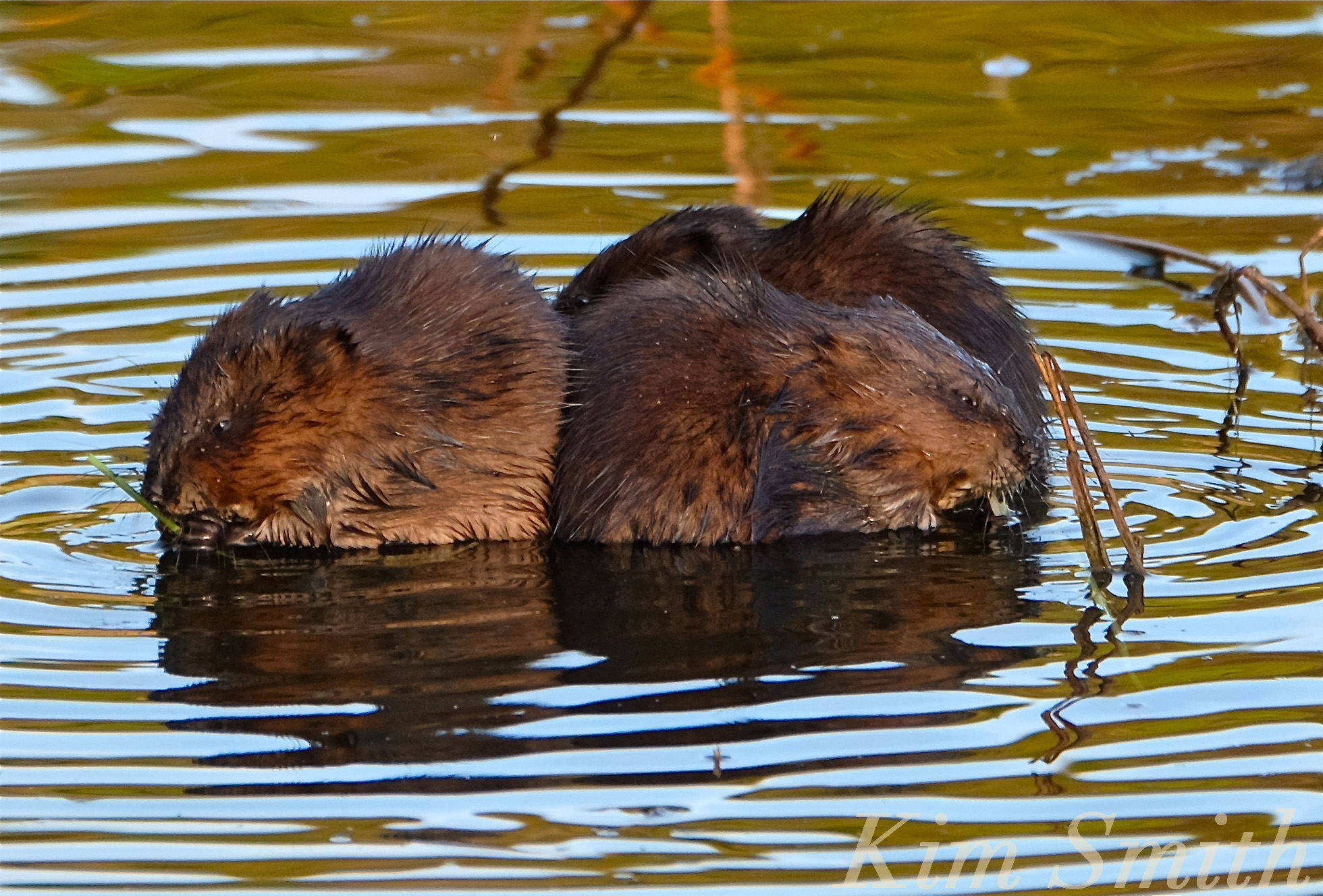
three-muskrat-family-massachusetts-copyright-kim-smithMore muskrat love! Did you know Muskrats eat phragmites?!! They gnaw off the emerging and exposed shoots at the base and then eat the green stems. Very cool. Other fun facts: Muskrats can hold their breath underwater for up to fifteen minutes. They can also chew underwater. Unlike beavers, whose tails are flattened horizontally, a muskrats tail is laterally flattened (in other words vertically). The tail functions like a rudder to help the Muskrat maneuver through water. Muskrats can swim forward and backward.three-muskrat-family-massachusetts-2-copyright-kim-smith

HERMINE’S GIFTS!

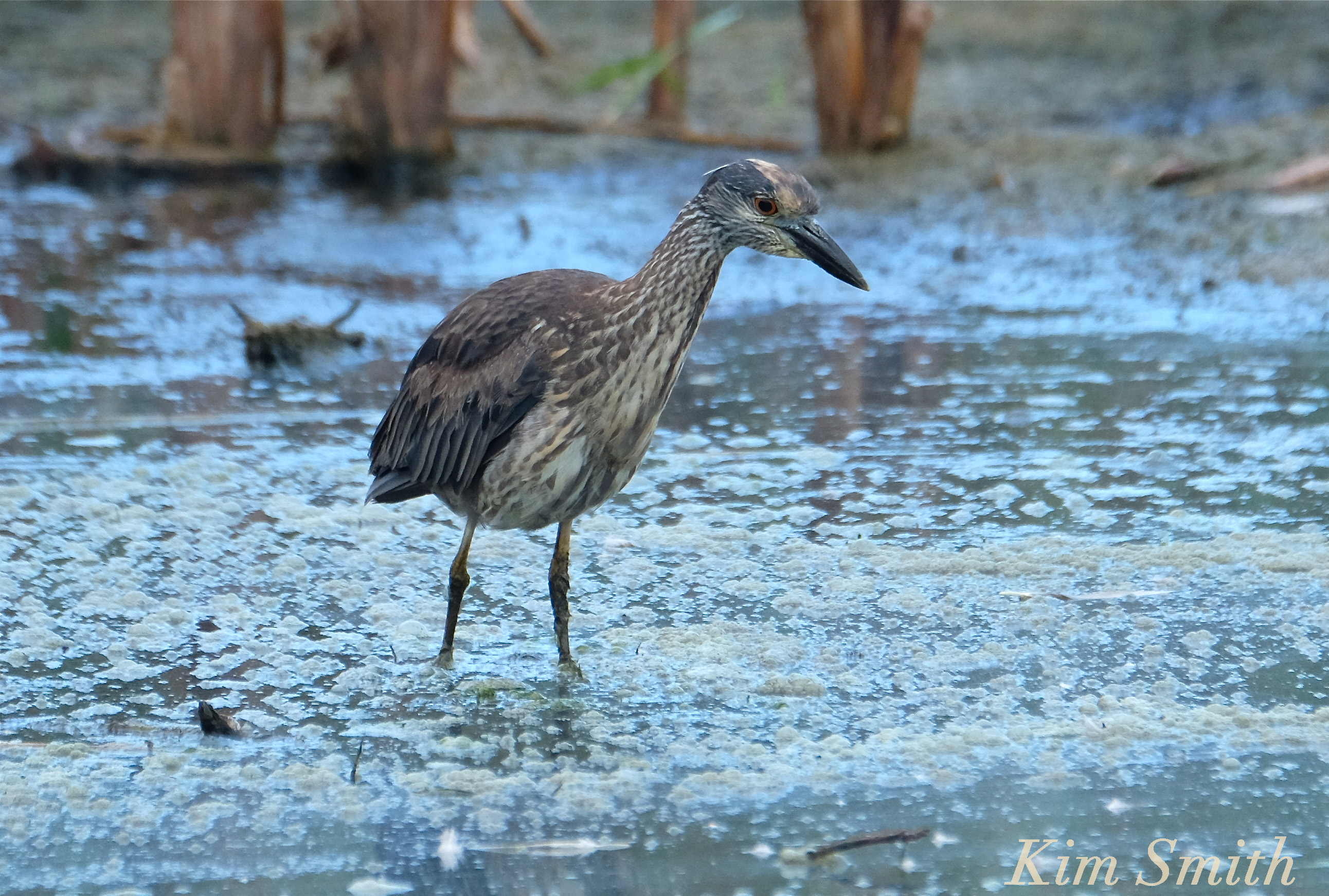
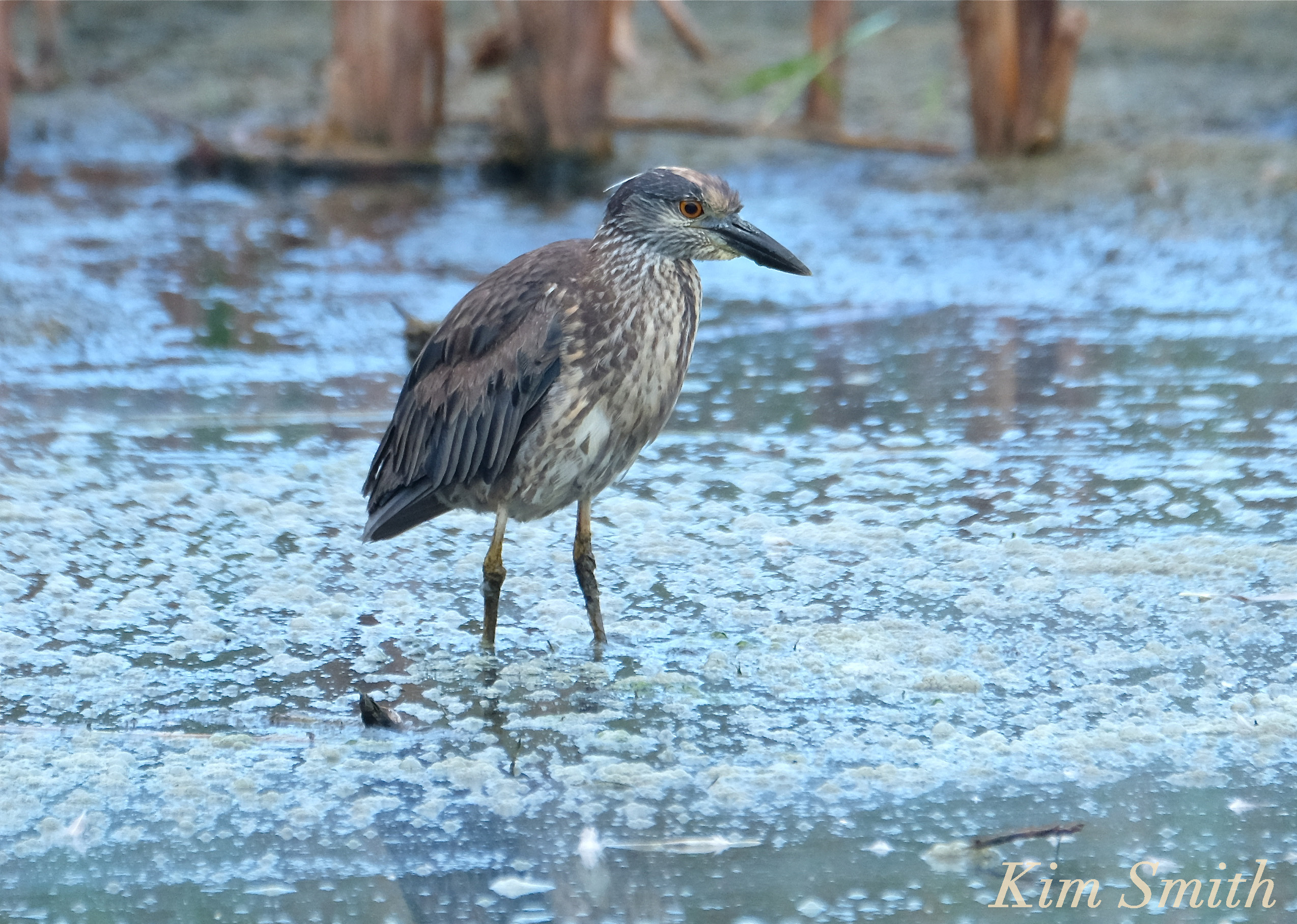
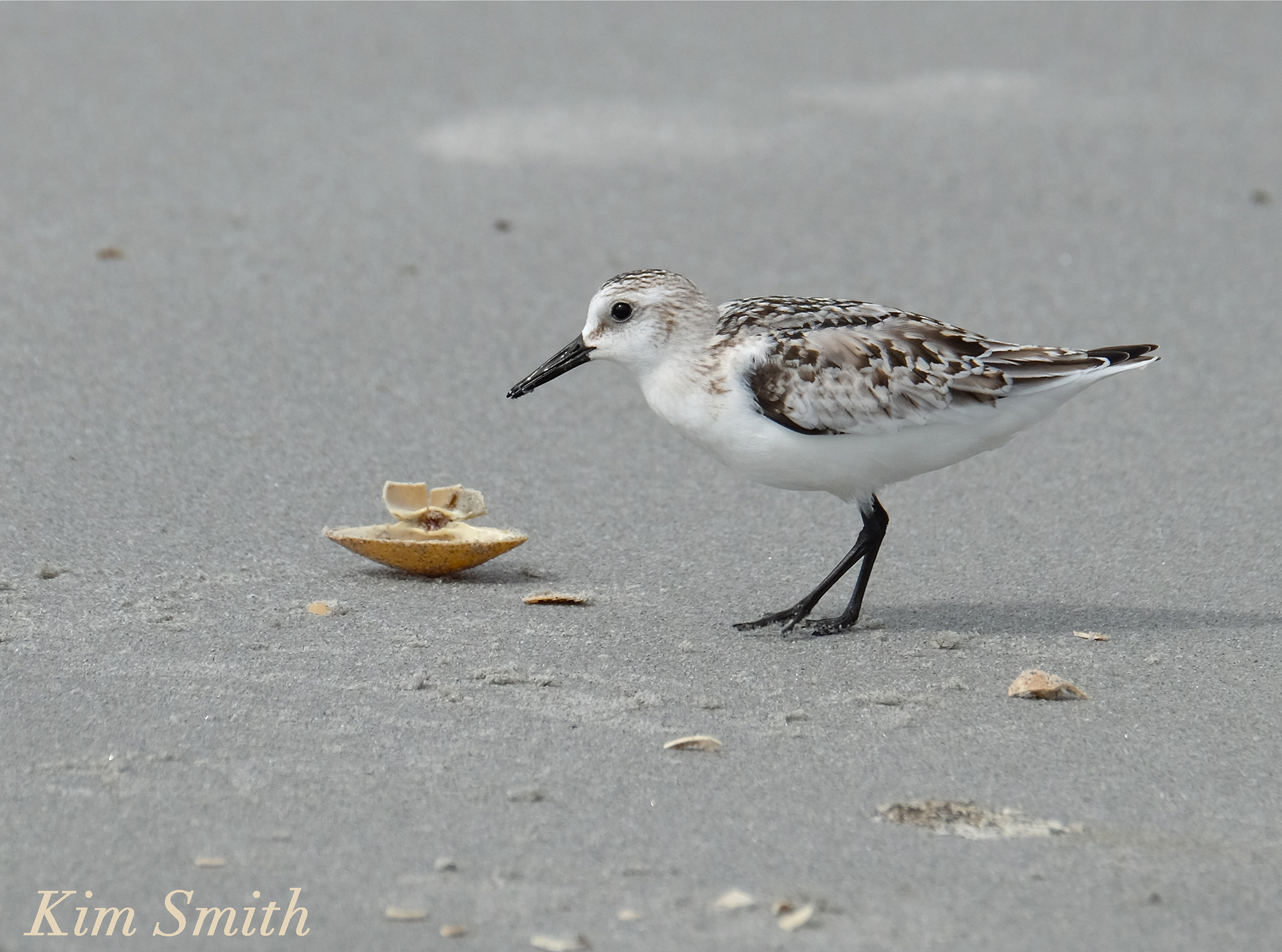
Tropical storm Hermine’s rain has breathed new life into Cape Ann’s drought depleted freshwater ponds and brackish marshes. Perhaps it was her winds that delivered a surprise visit from the Yellow-crowned Night Heron, a rarity for Massachusetts as we are at the tippy northern end of their breeding range. Towering waves accompanied by a tumbling undertow tossed from the deep sea gifts of nutrient rich seaweeds, mollusks, and tiny crustaceans, providing a feast for our feathered friends. See all that she brought!

Yellow Crowned Night Heron, juvenile

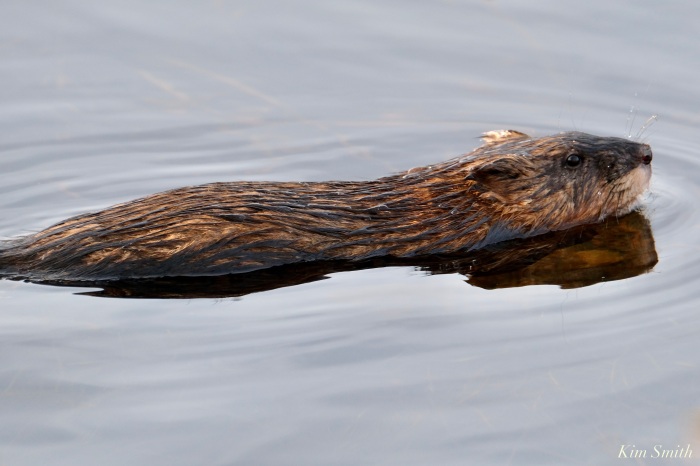
muskrat-massachusetts-copyright-kim-smithMuskrat! Eating tender shoots and going to and from his burrow, via refreshed canals along the wetland banks.

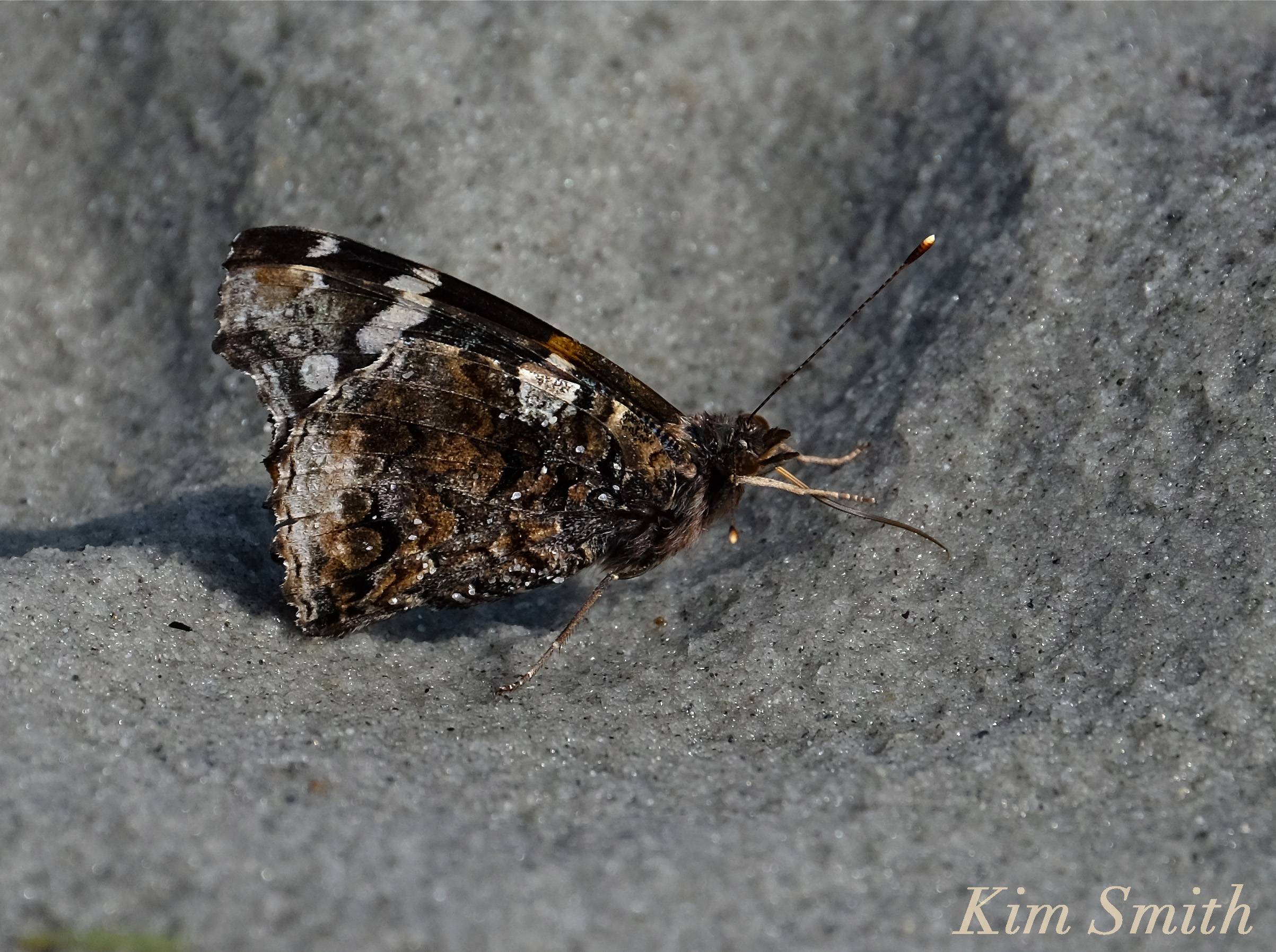
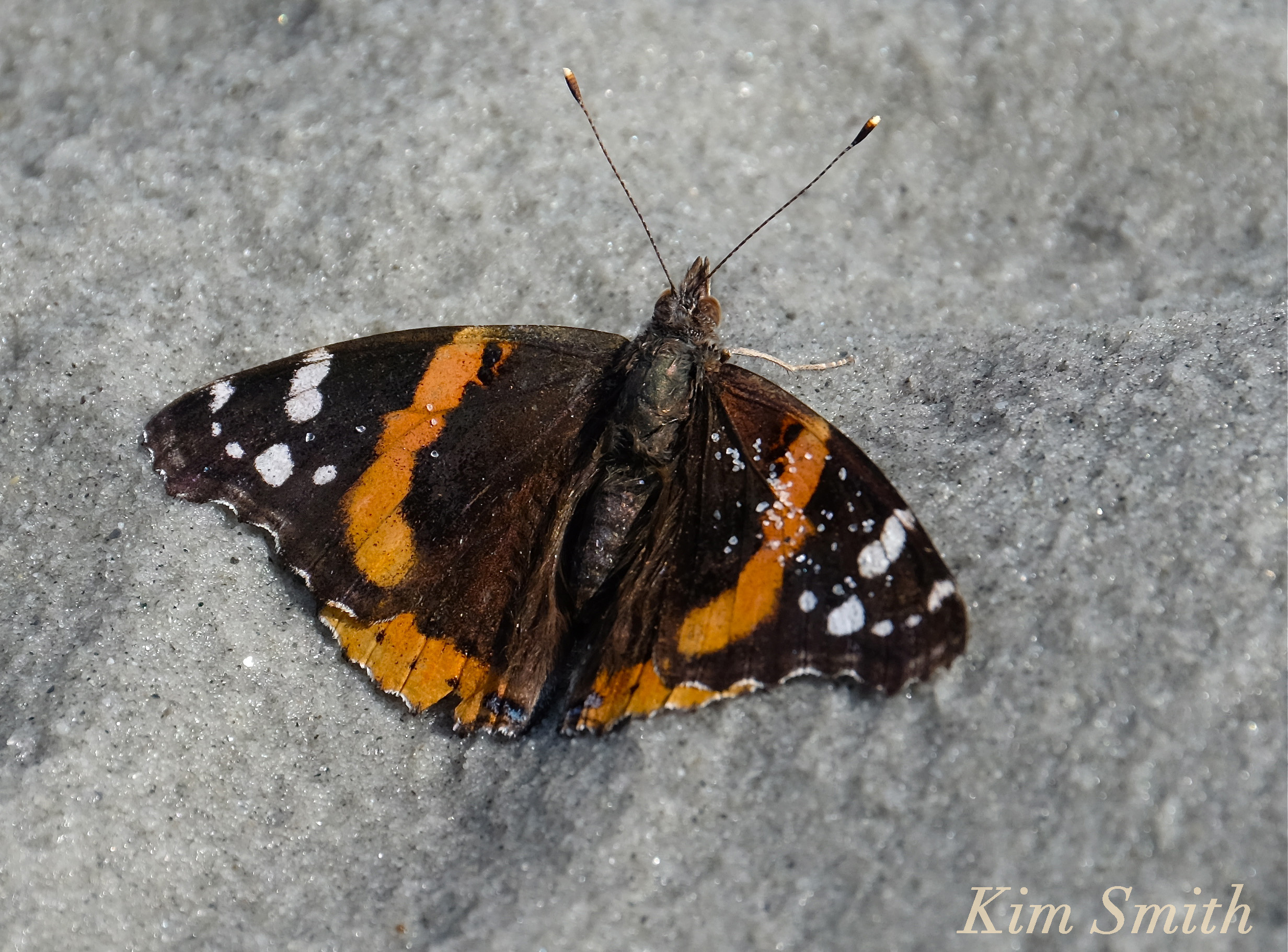
Wind and weather worn Red Admiral Butterfly, drinking salty rain water from the sand and warming its wings in the sun.

sanderling-eating-clam-copyright-kim-smithSanderling breakfast

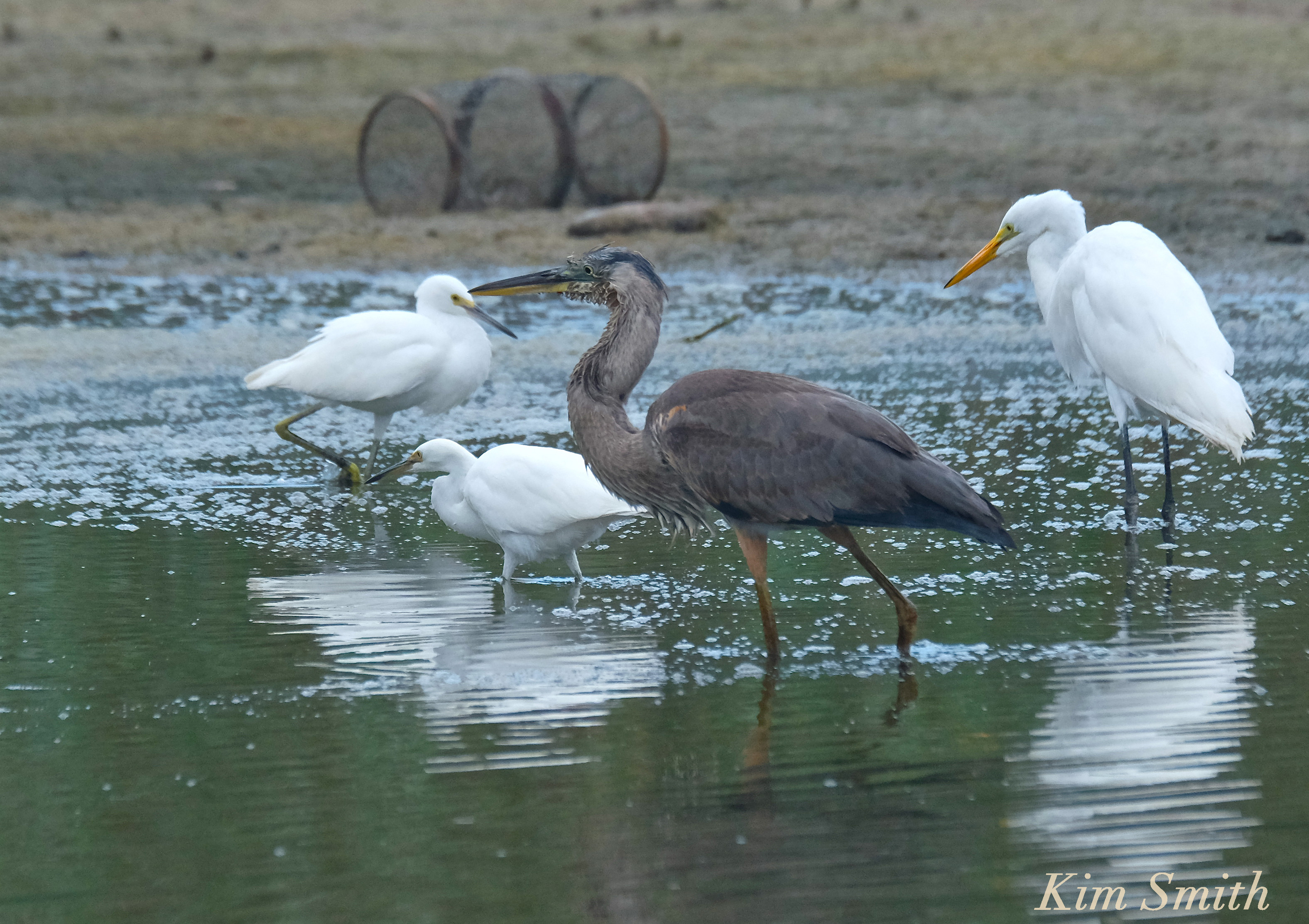
great-blue-heron-immature-snowy-egret-great-egret-copyright-kim-smithImmature Great Blue Heron, Two Snowy Egrets, and Great Egret (far right)

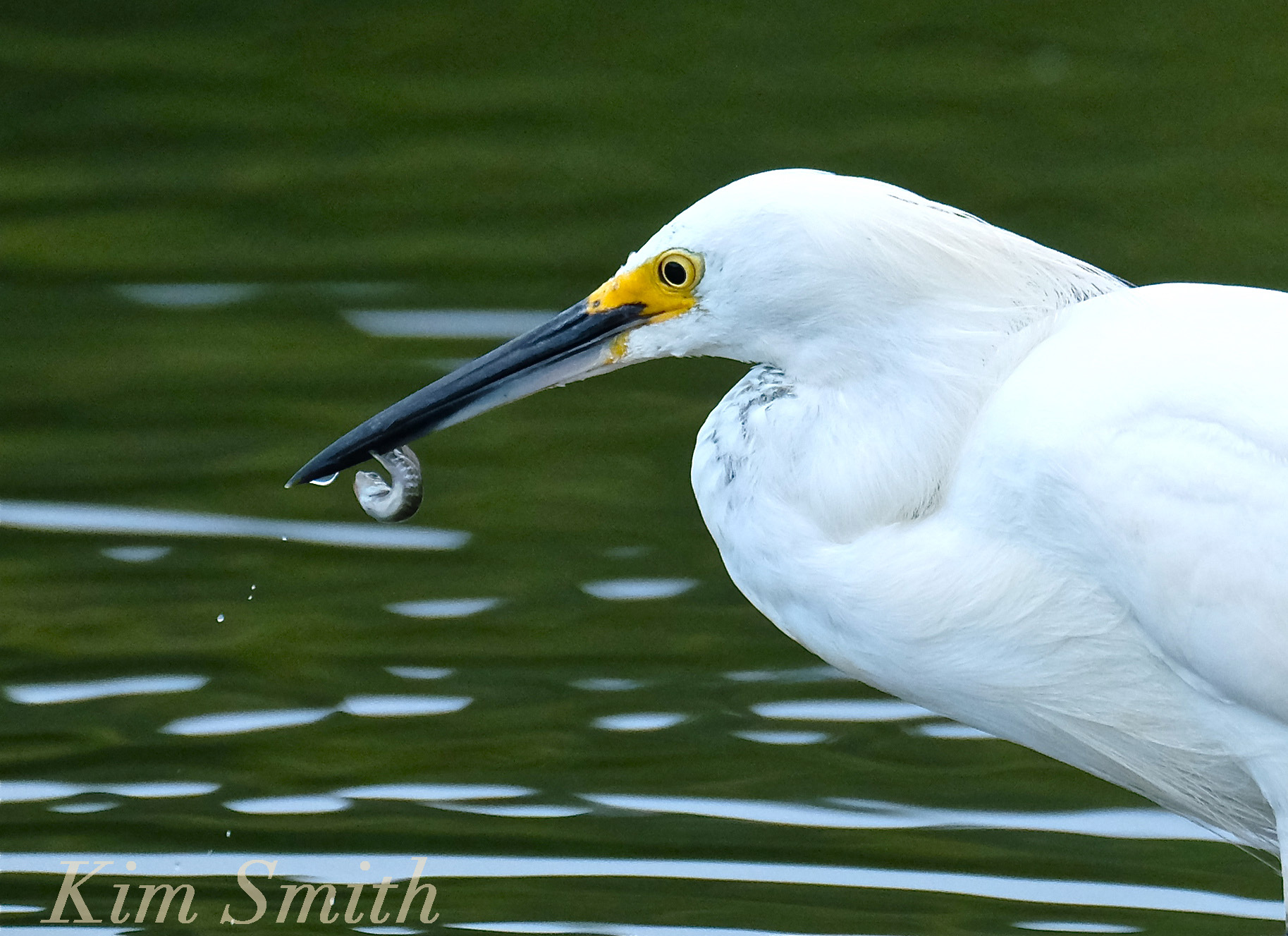
snowy-egret-minnow-in-mouth-copyright-kim-smithA multidue of minnows for the herons and egrets

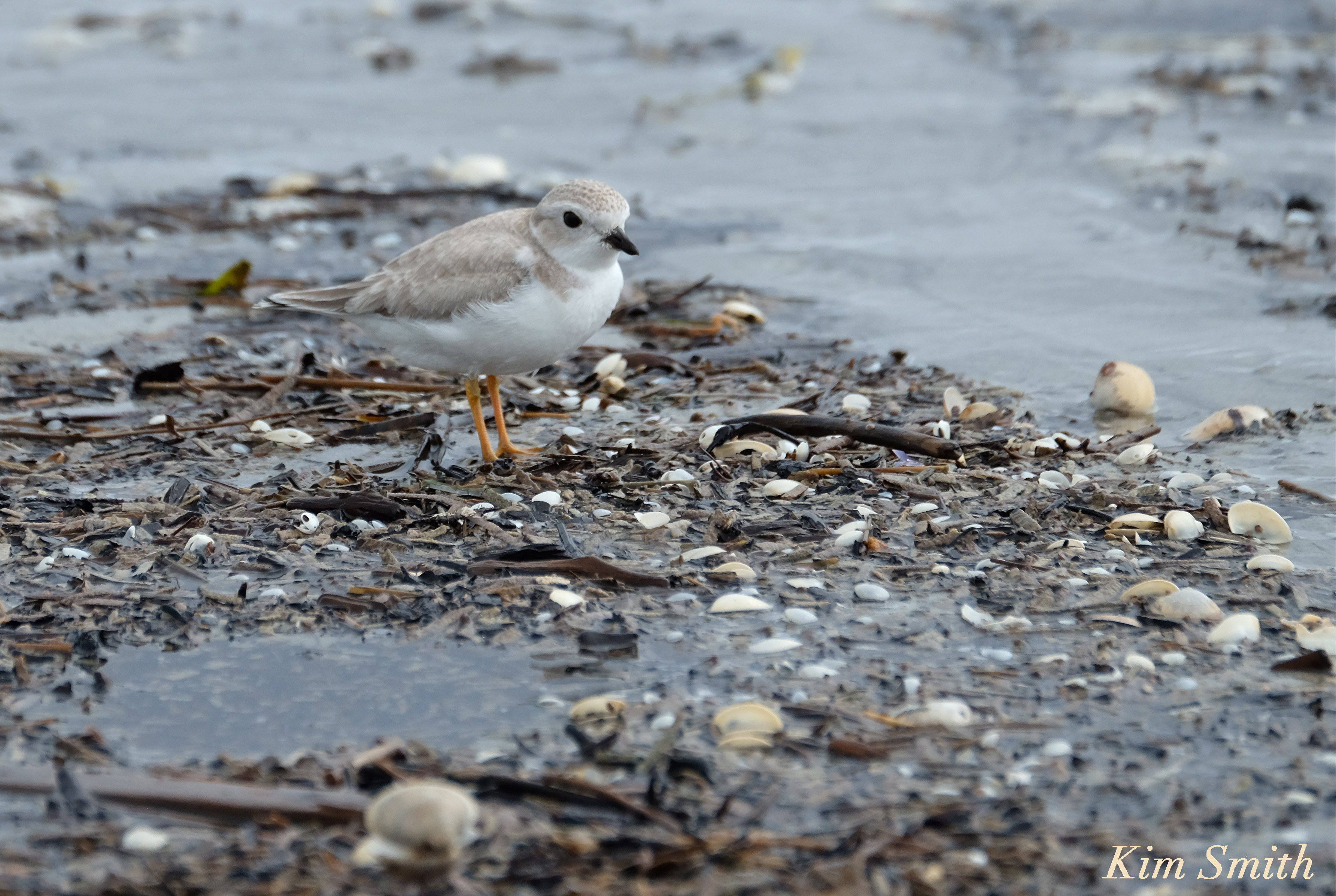
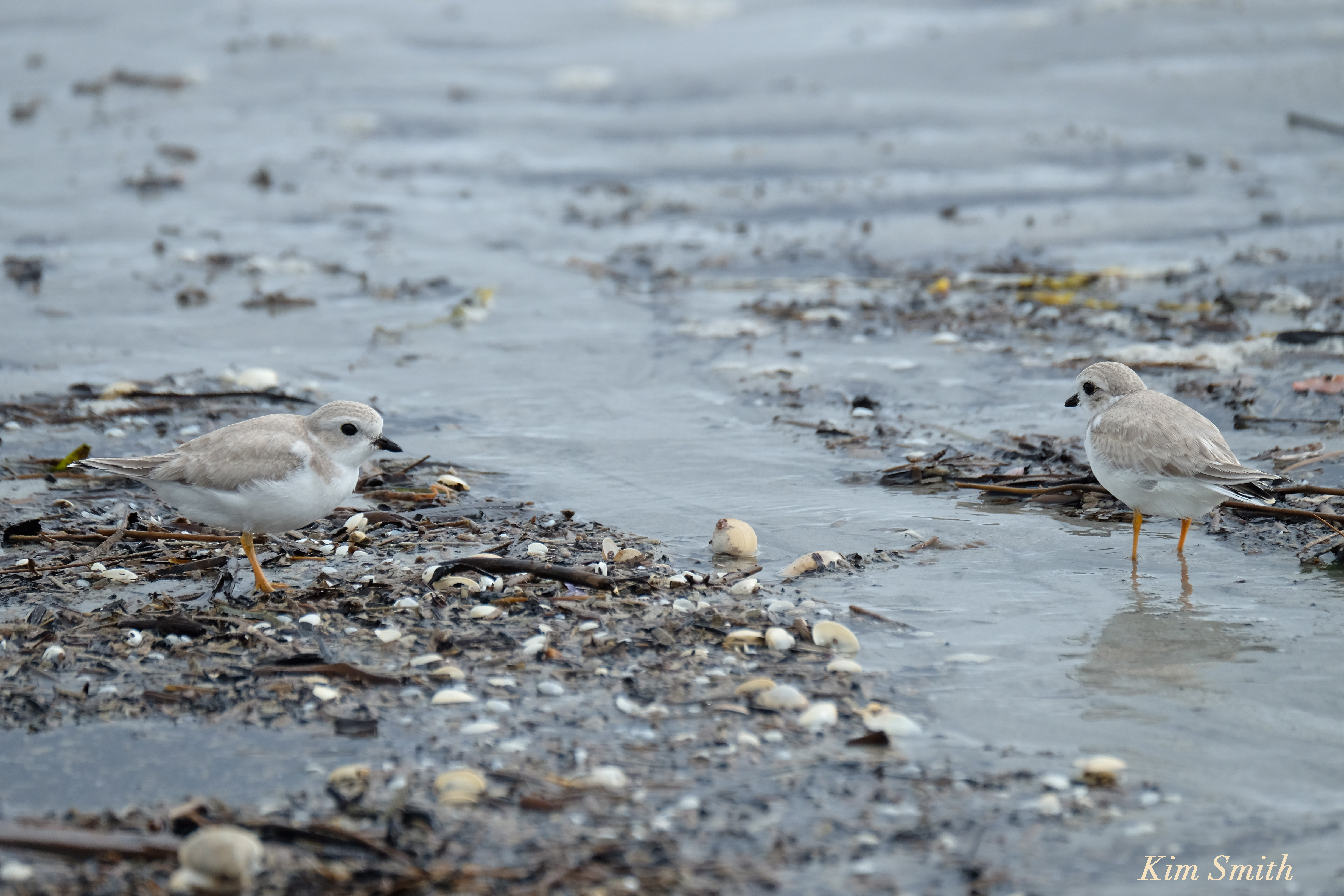
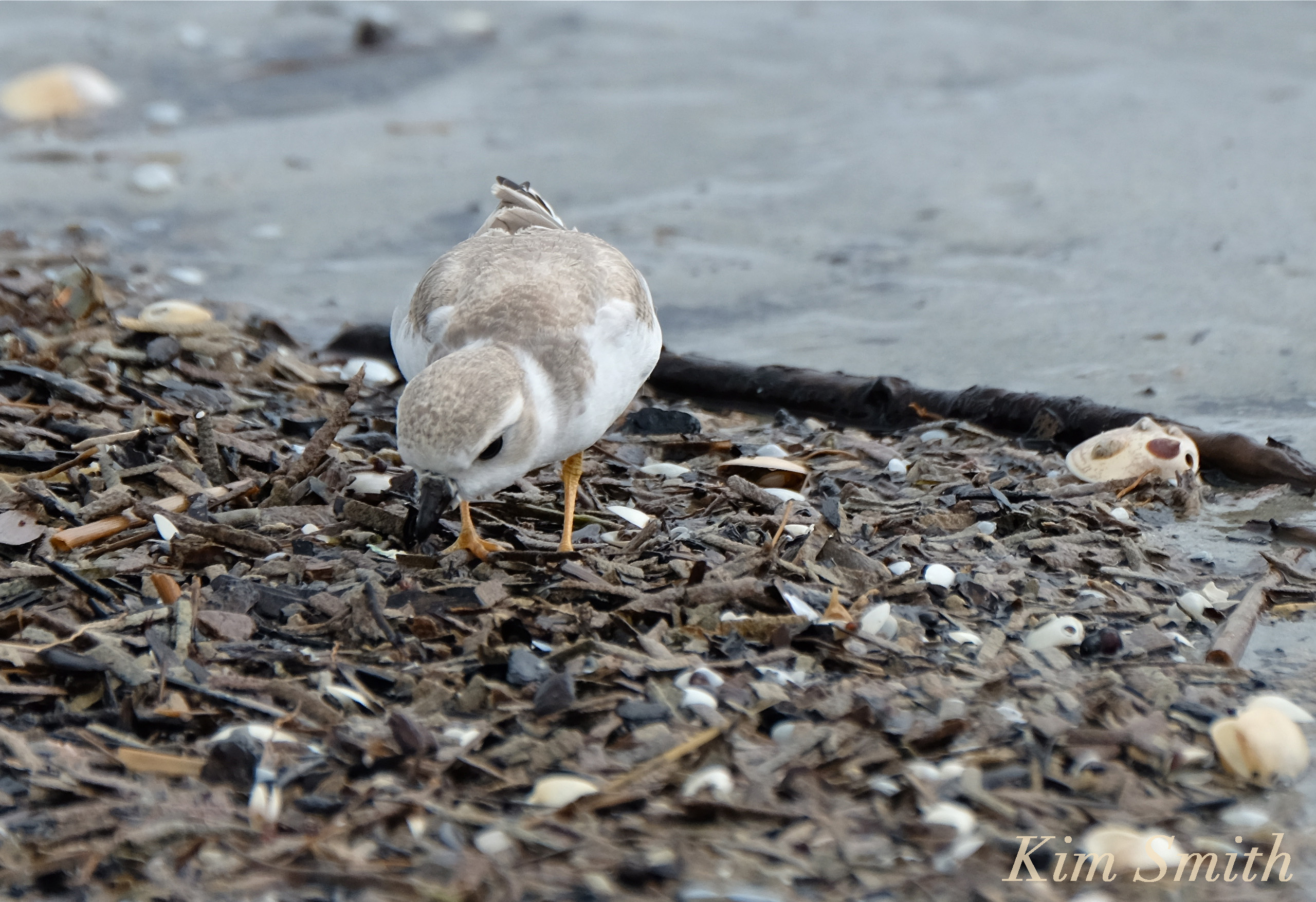
piping-plovers-hermine-eating-copyright-kim-smithThe Wingaersheek Piping Plover family has not yet begun their southward migration. Here they are foraging in the bits of shells, tiny clams, and seaweed brought to the shoreline by Hermine and not usually found in this location.

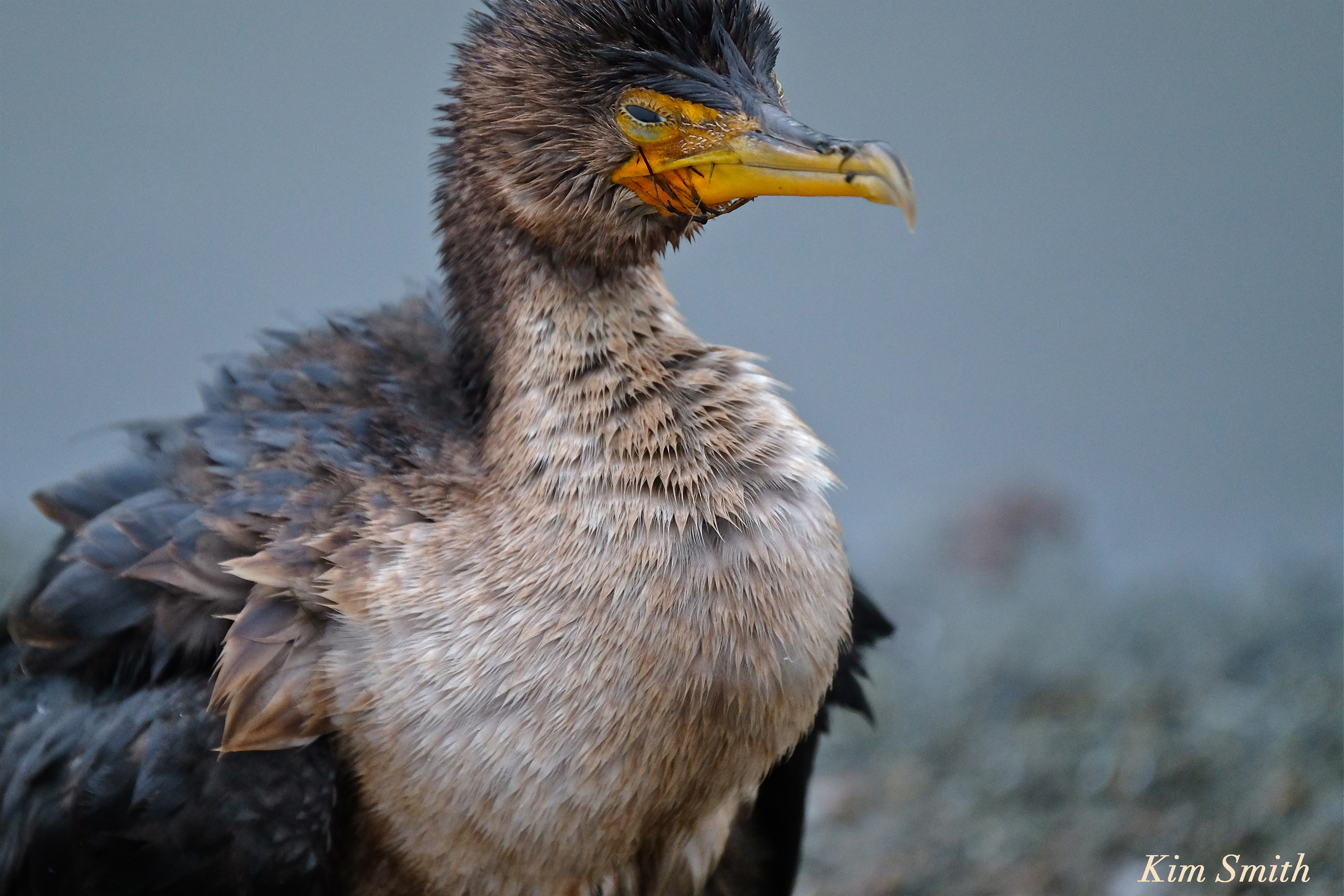
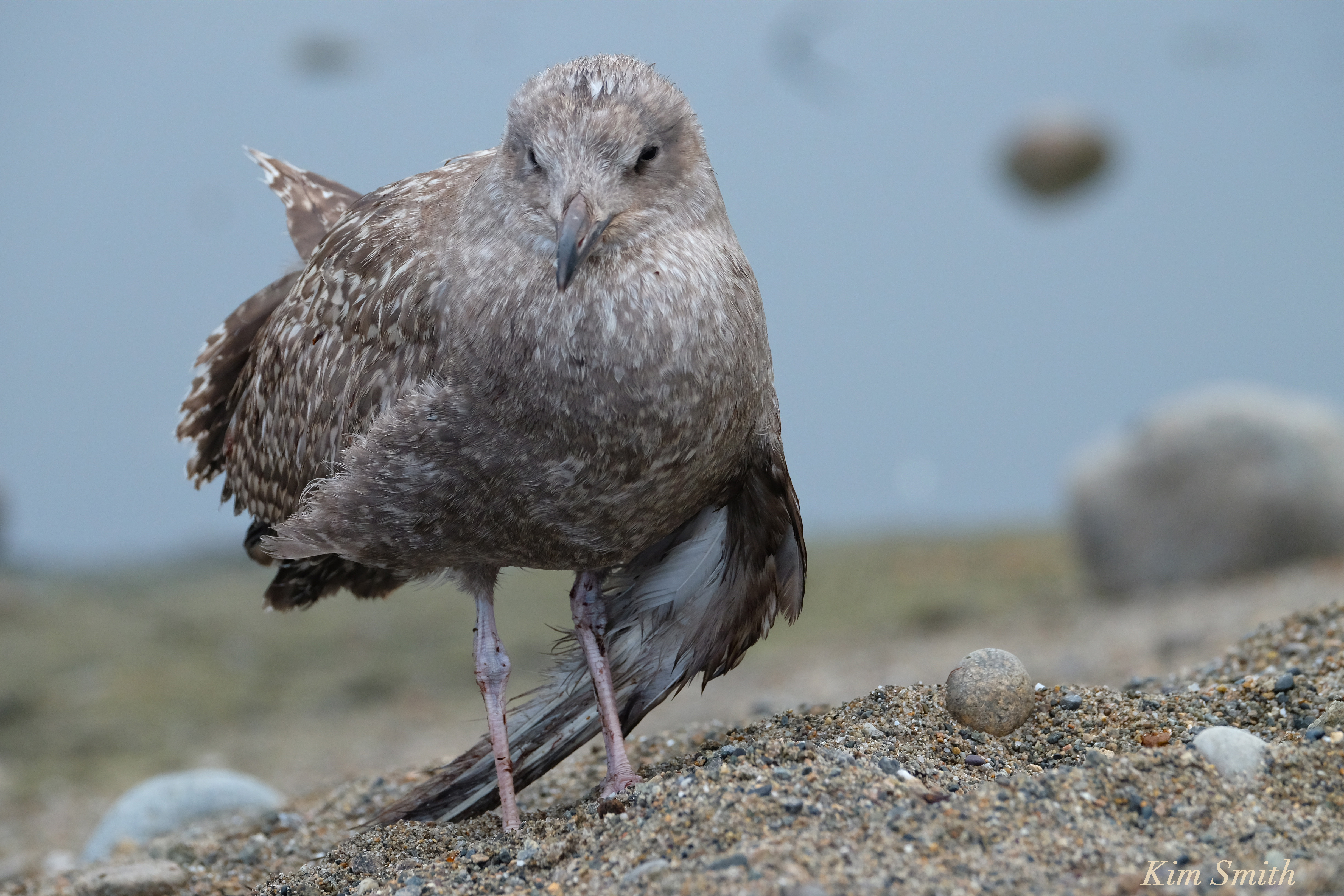
cormorant-injured-copyright-kim-smithinjured-gull-copyright-kim-smith3Injured Cormorant and Gull finding refuge and food at the pond bank.

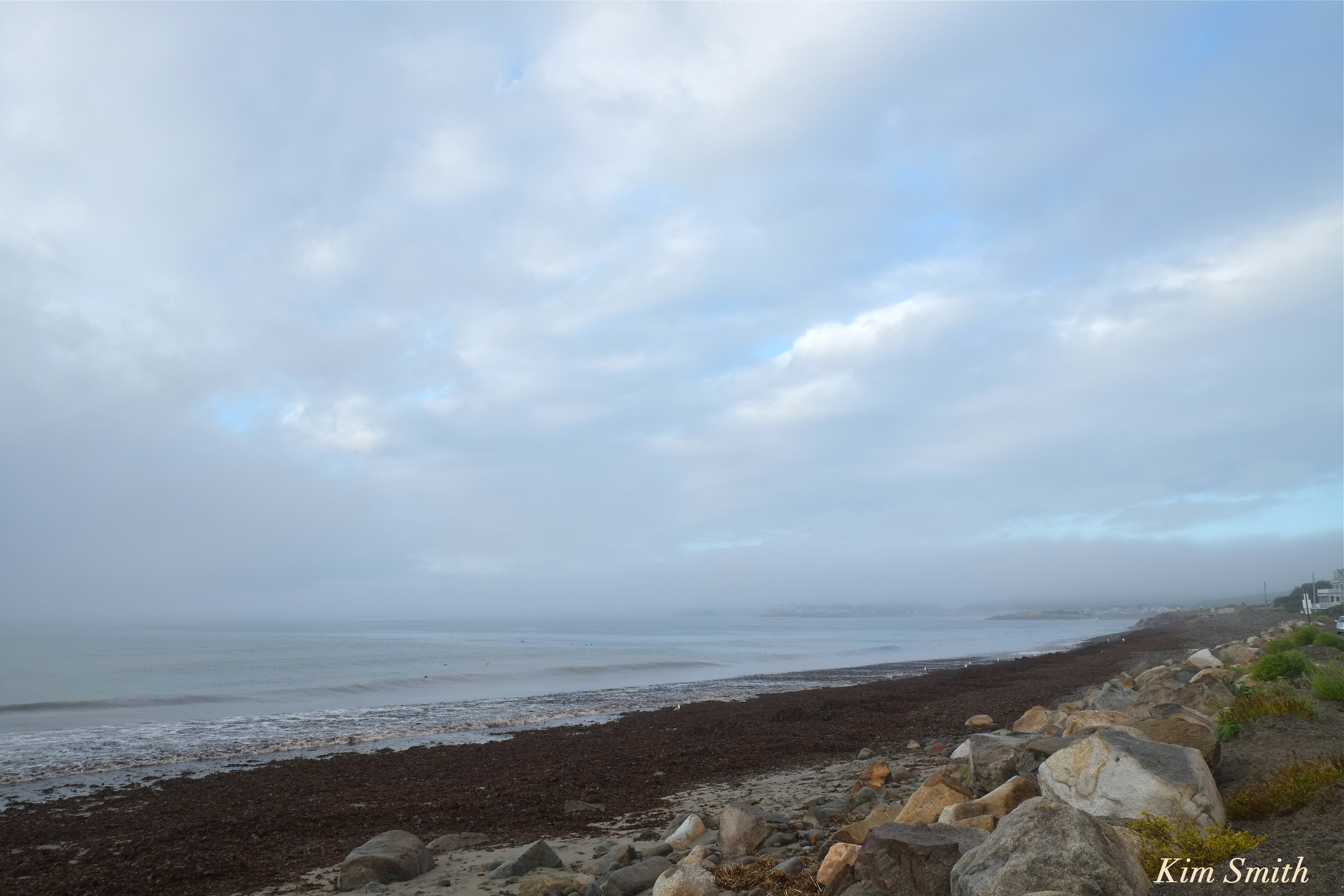
pebble-beach-seaweed-foogy-morning-copyright-kim-smithSeaweed Swathed Pebble Beach in the lifting fog