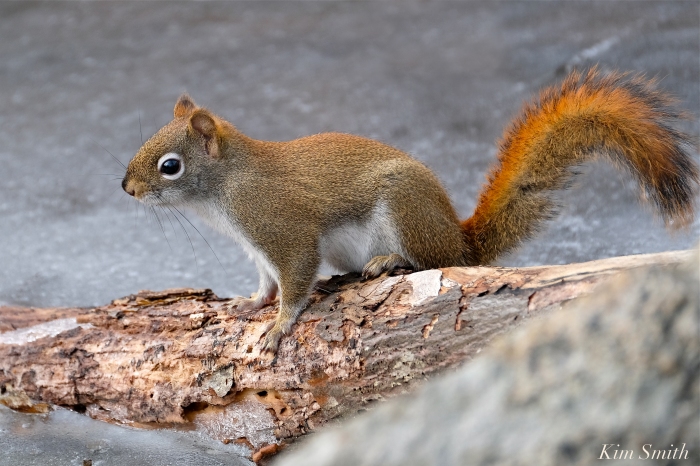
Much more common in my neighborhood are Gary Squirrels so it was a real treat for my daughter and I to see this little Red Squirrel on a recent walk at Halibut Point. He scampered over a quarry pool frozen with thick ice and then retrieved from a midden, hidden in a jumble of granite rocks, a sprig of what appeared to be Bayberry. The little fellow then proceeded to devour both the fruits and twig before retreating deeper into the wood.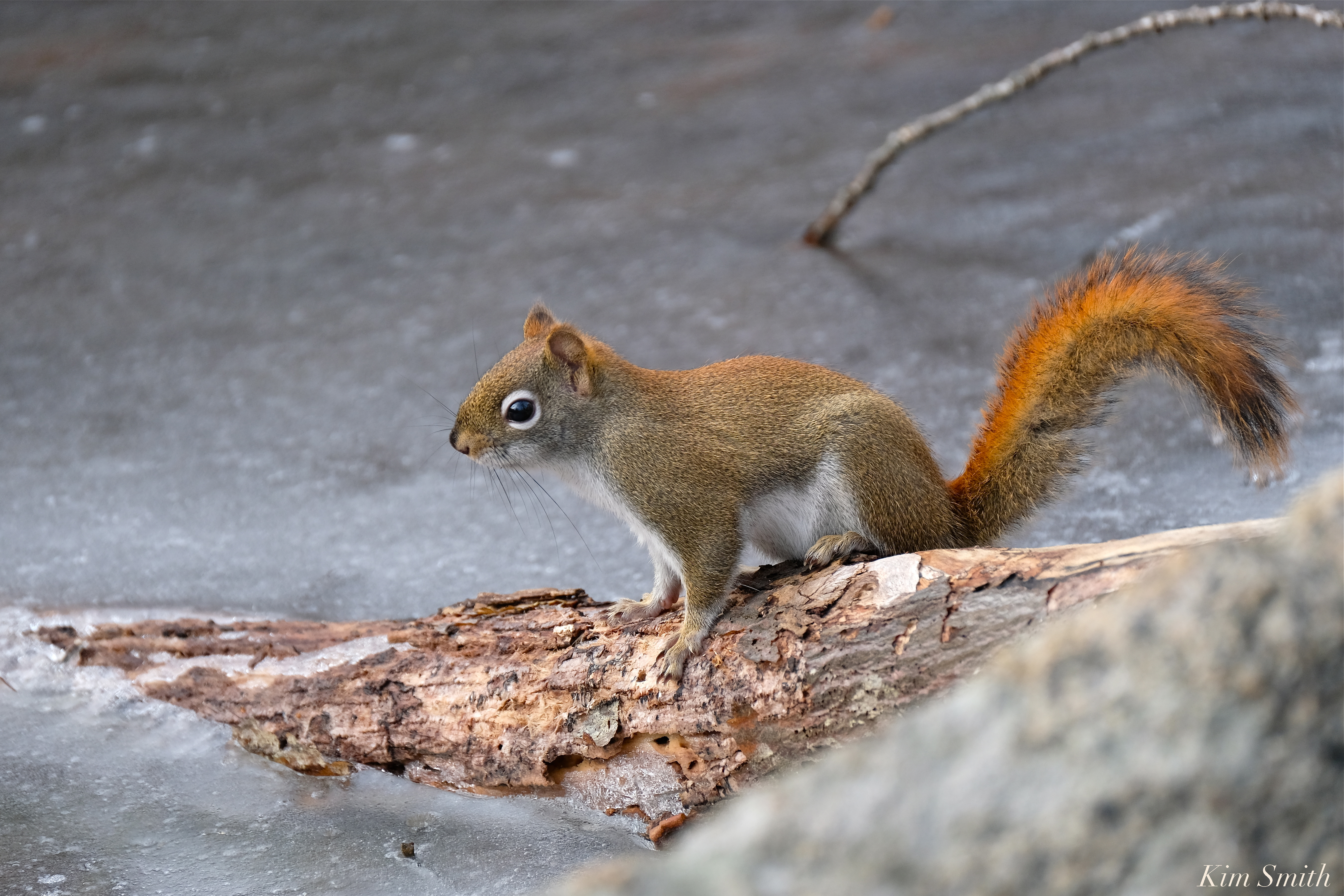
Red Squirrels eat a wide range of foods including seeds, bark, nuts, insects, fruits, mushrooms, maple tree sap, and pine seeds and pine cones. Occasionally, Red Squirrels also eat young birds, mice, and rabbits. And as we can see from the photos, Bayberry fruits and twigs.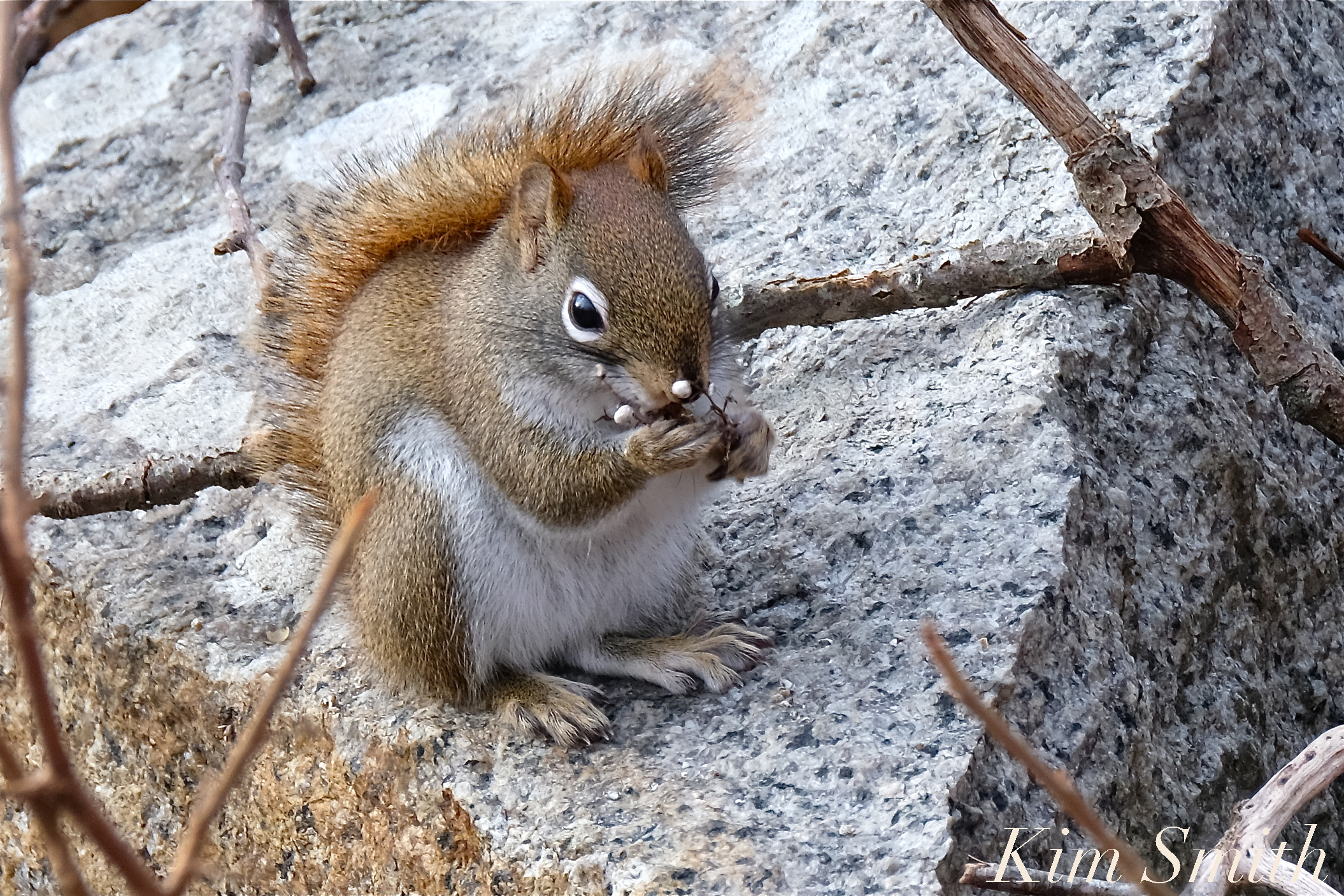


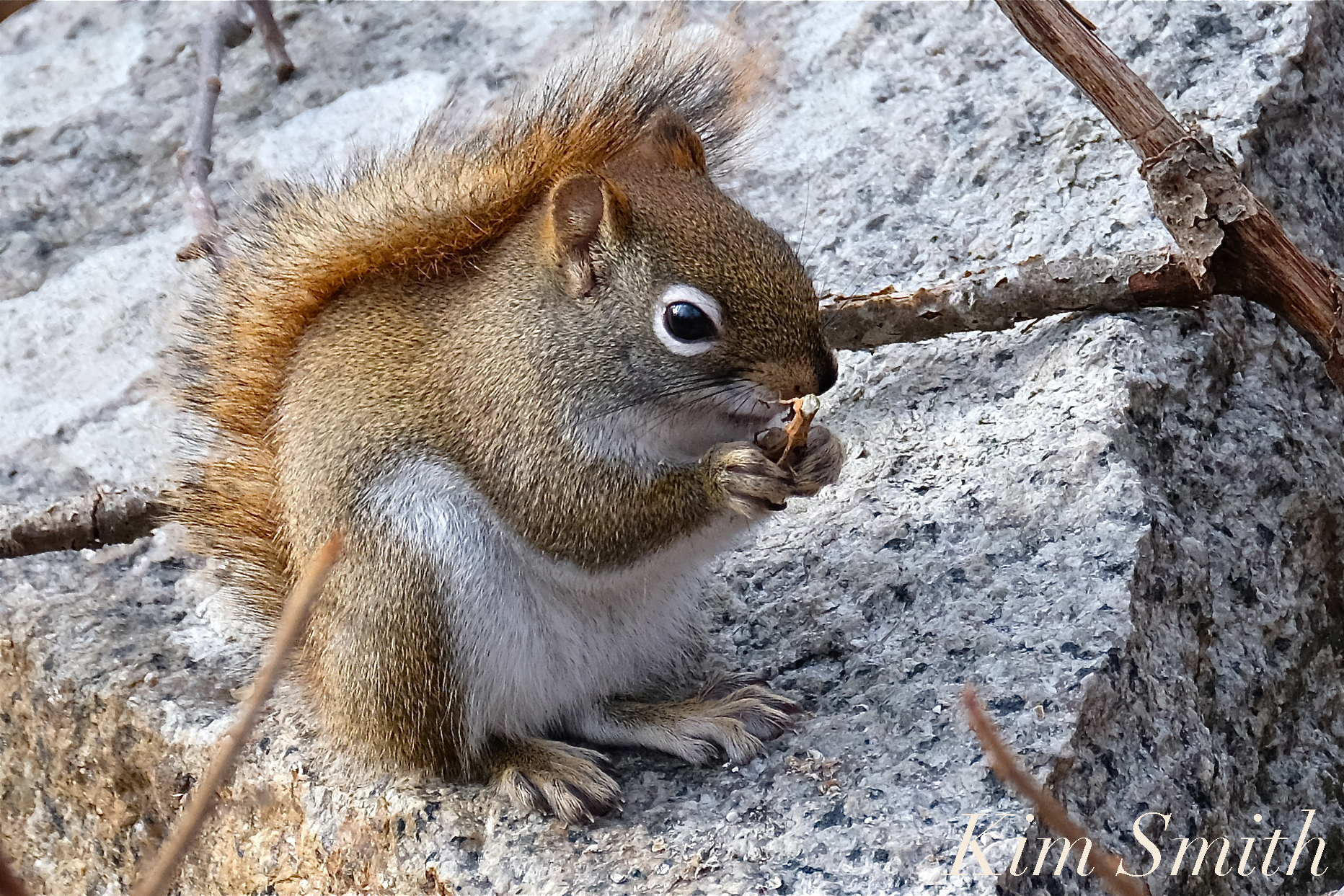
Going, going, gone
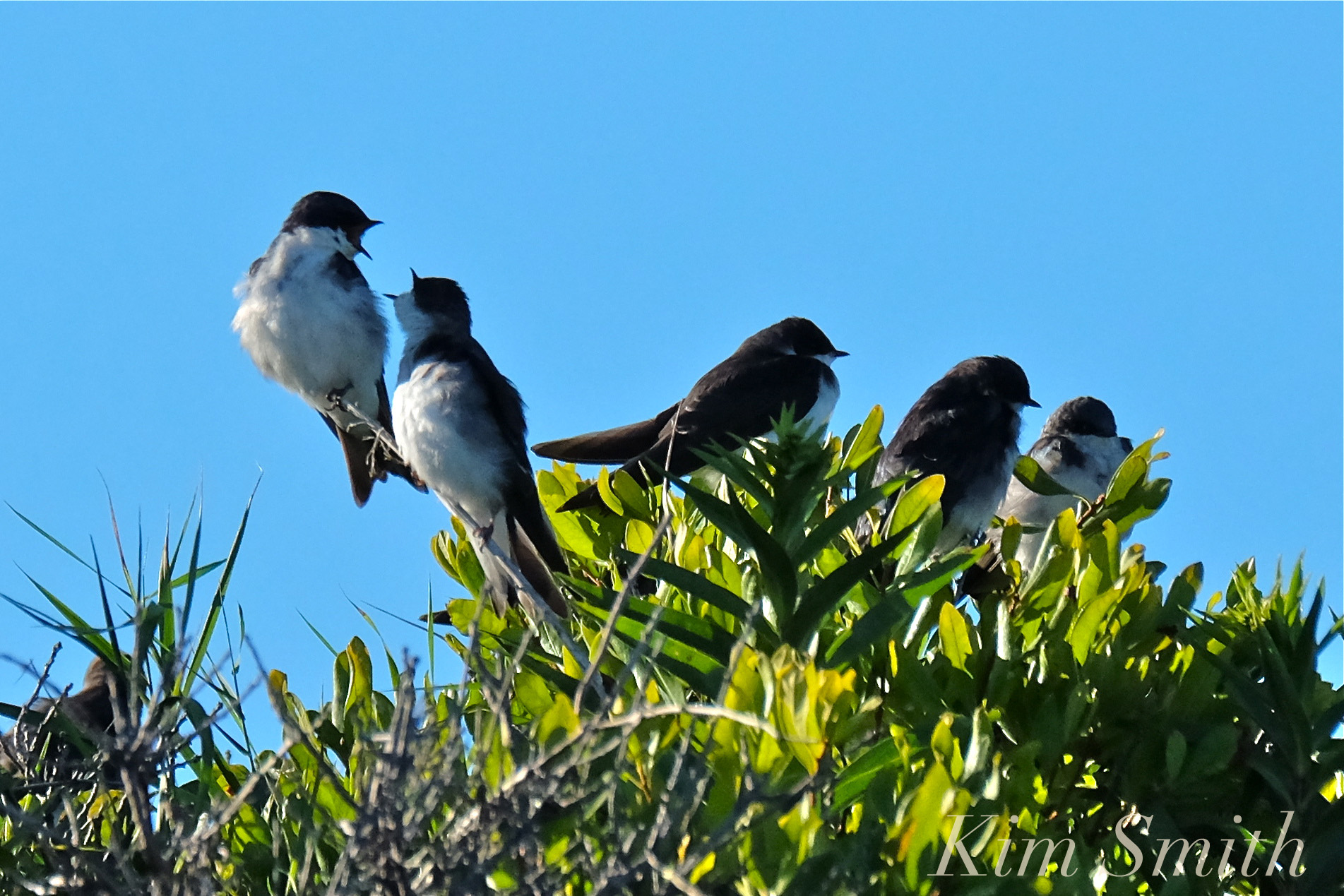
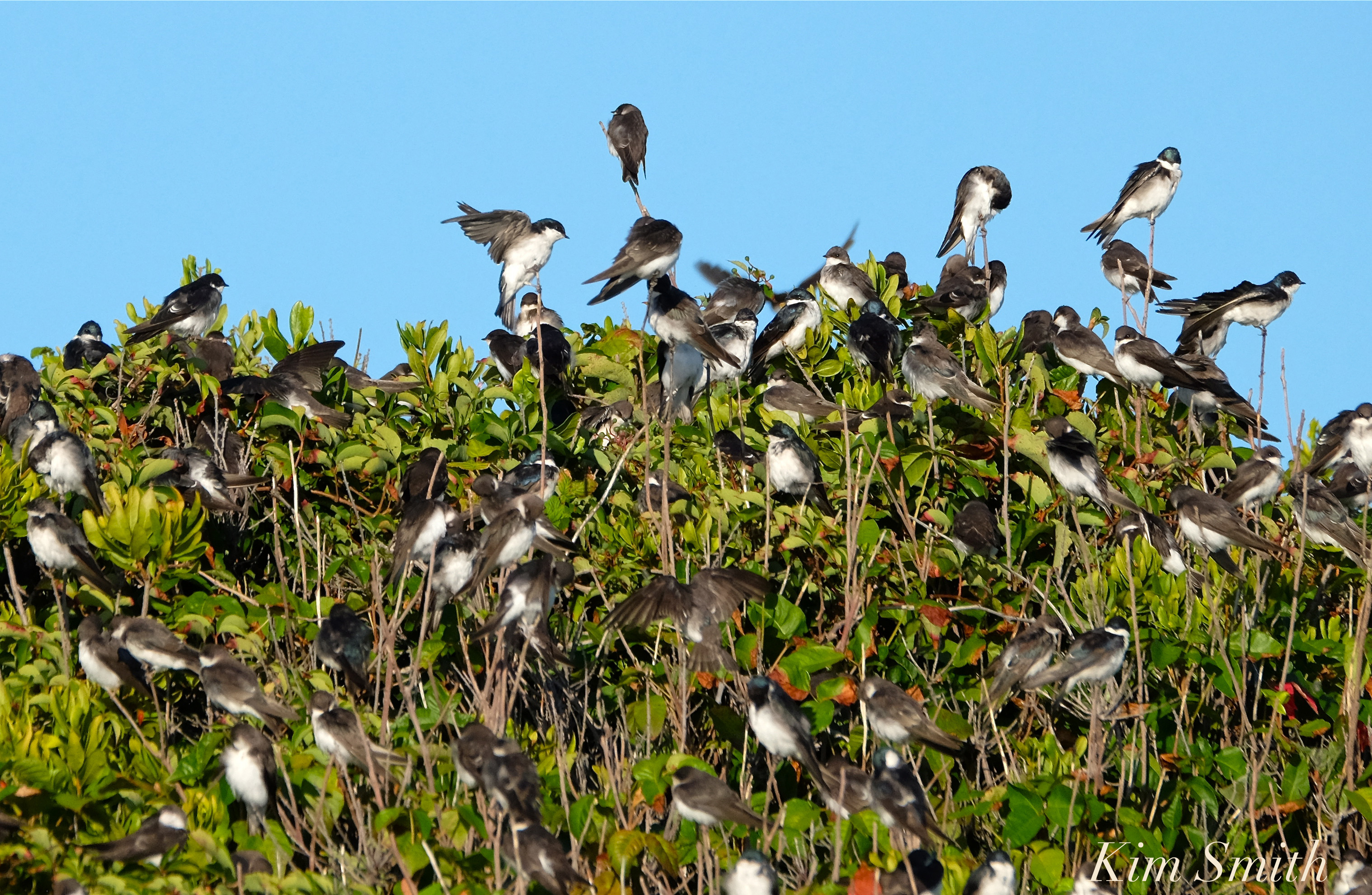
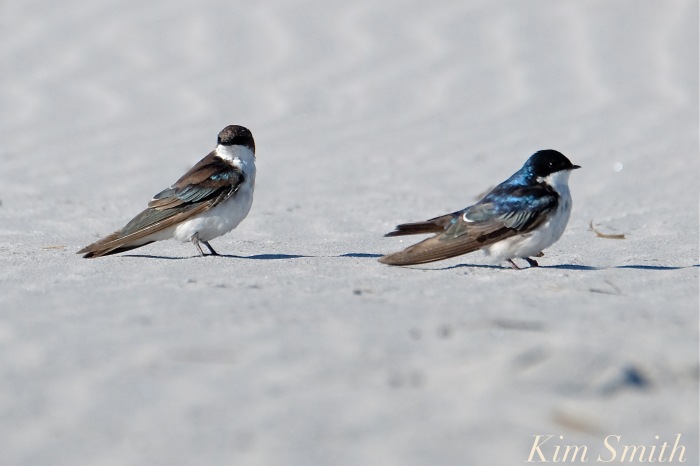
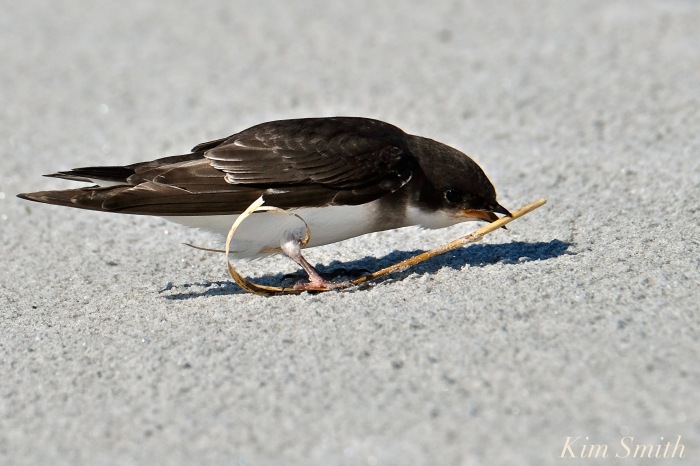
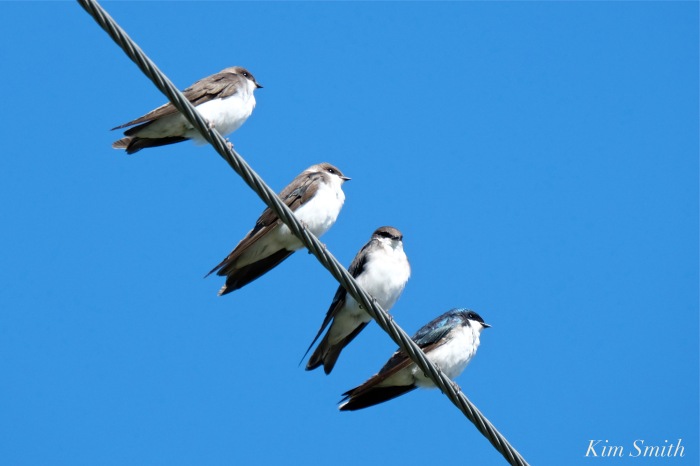
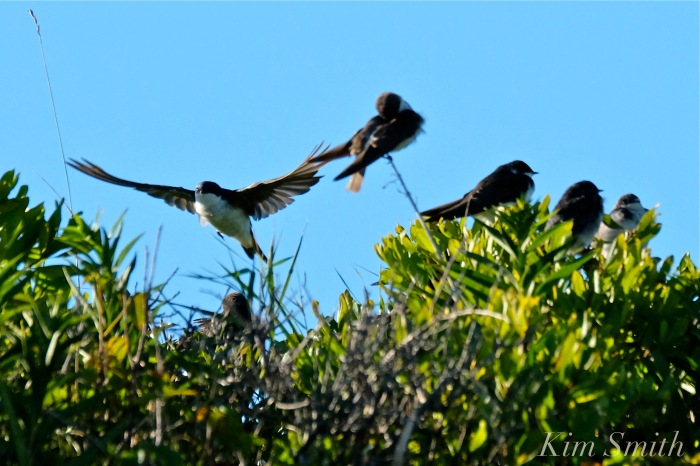
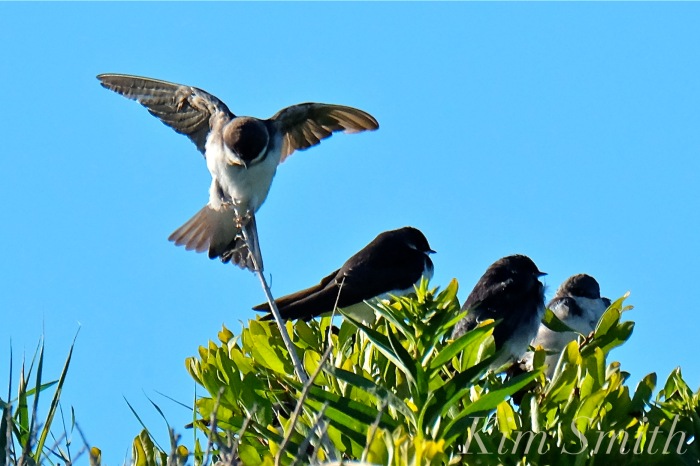
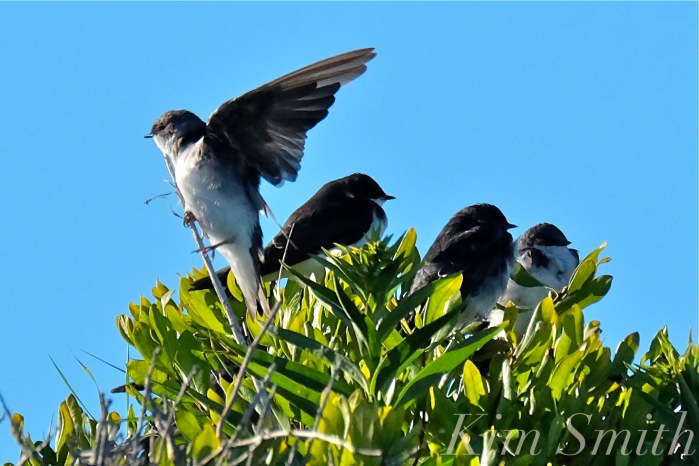
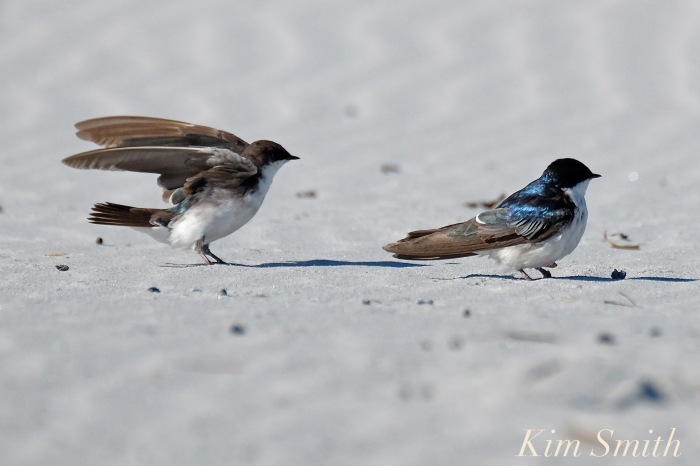
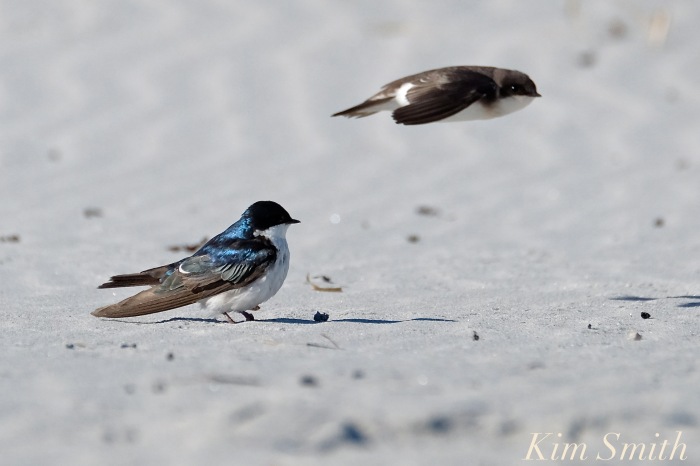
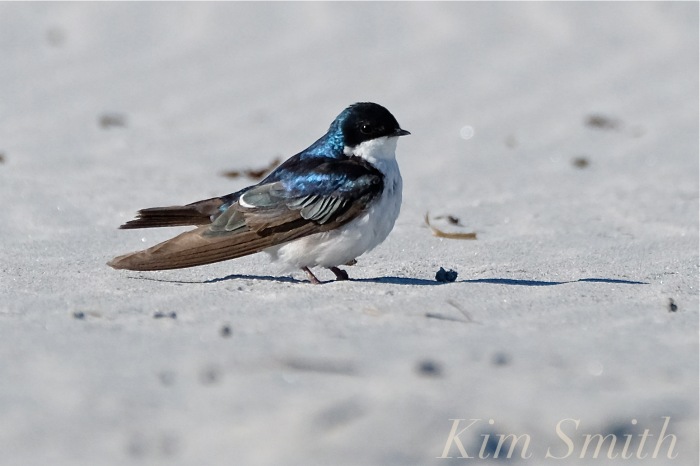
Bayberry (Myrica pensylvanica) is a wonderfully easy native plant that doesn’t mind salt, compacted soil, and is both heat tolerant and very tolerant of flooding. The waxy winter fruits of Bayberry are eaten by myriad bird species including Tree Swallows, Chickadees, Red-bellied Woodpeckers, Gray Catbirds, and Eastern Bluebirds. The wax coated fruits are high in fat, making them a great source of energy for migrating birds such as Cedar Waxwings and Yellow-rumped Warblers. Bayberry thickets also provide excellent nesting habitat for songbirds, offering protection from raccoons and other nest predators.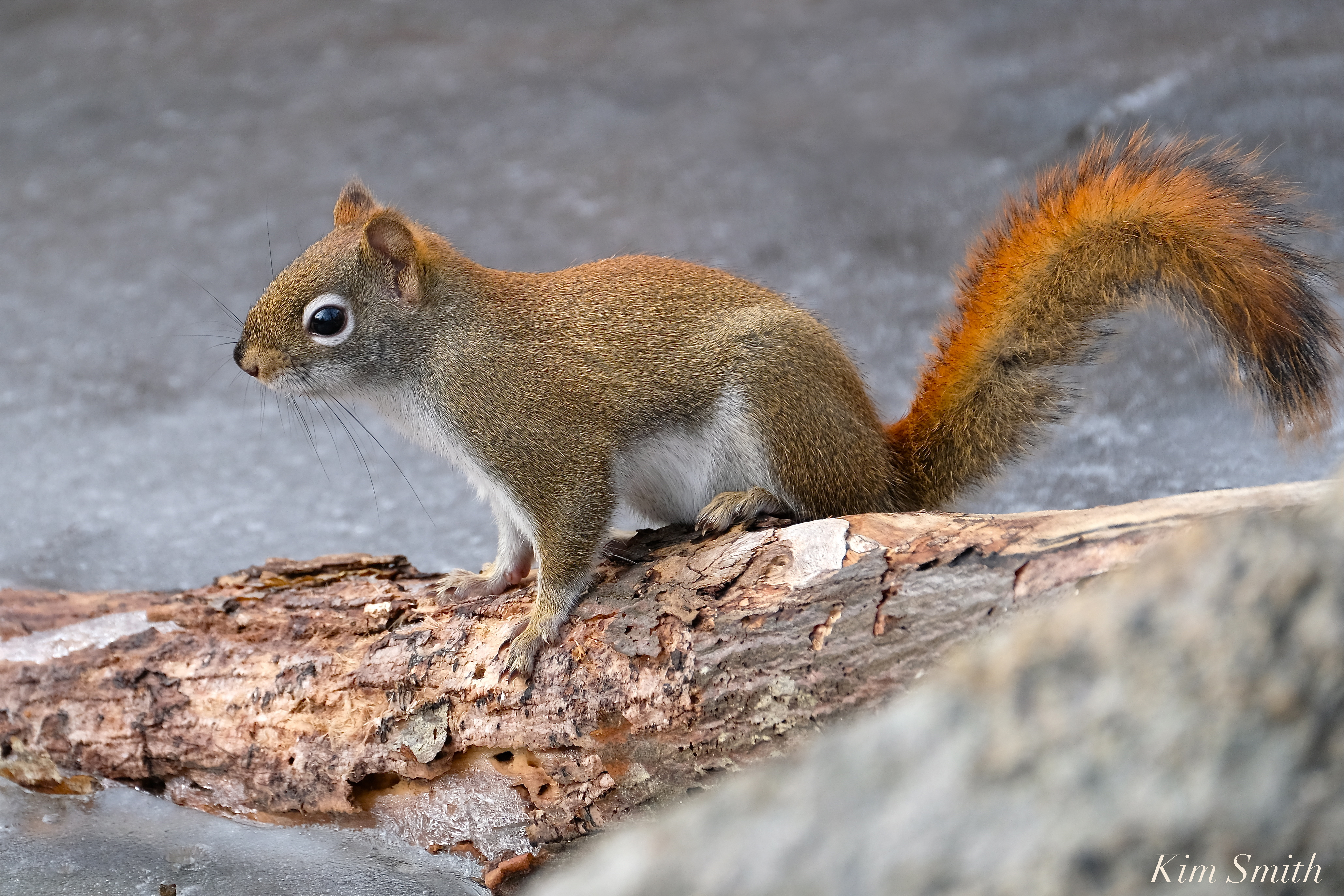


 Good Morning Gloucester