Four coyotes on the causeway–thank goodness for the immediacy of cell phones, but oh how I wish my camera gear was not in the back seat!
https://www.instagram.com/p/BRvaELNlQCw/
My View of Life on the Dock
Four coyotes on the causeway–thank goodness for the immediacy of cell phones, but oh how I wish my camera gear was not in the back seat!
https://www.instagram.com/p/BRvaELNlQCw/
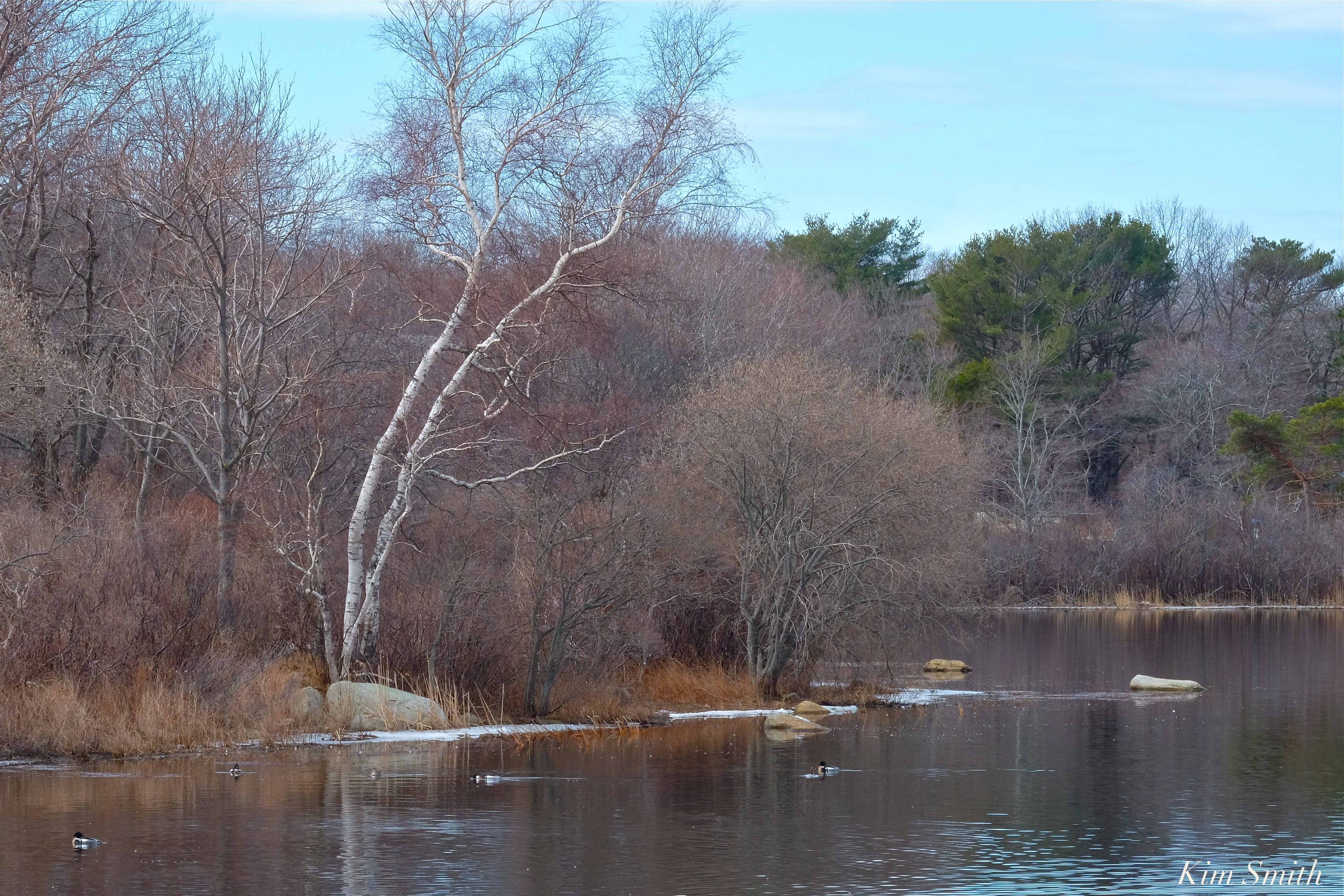
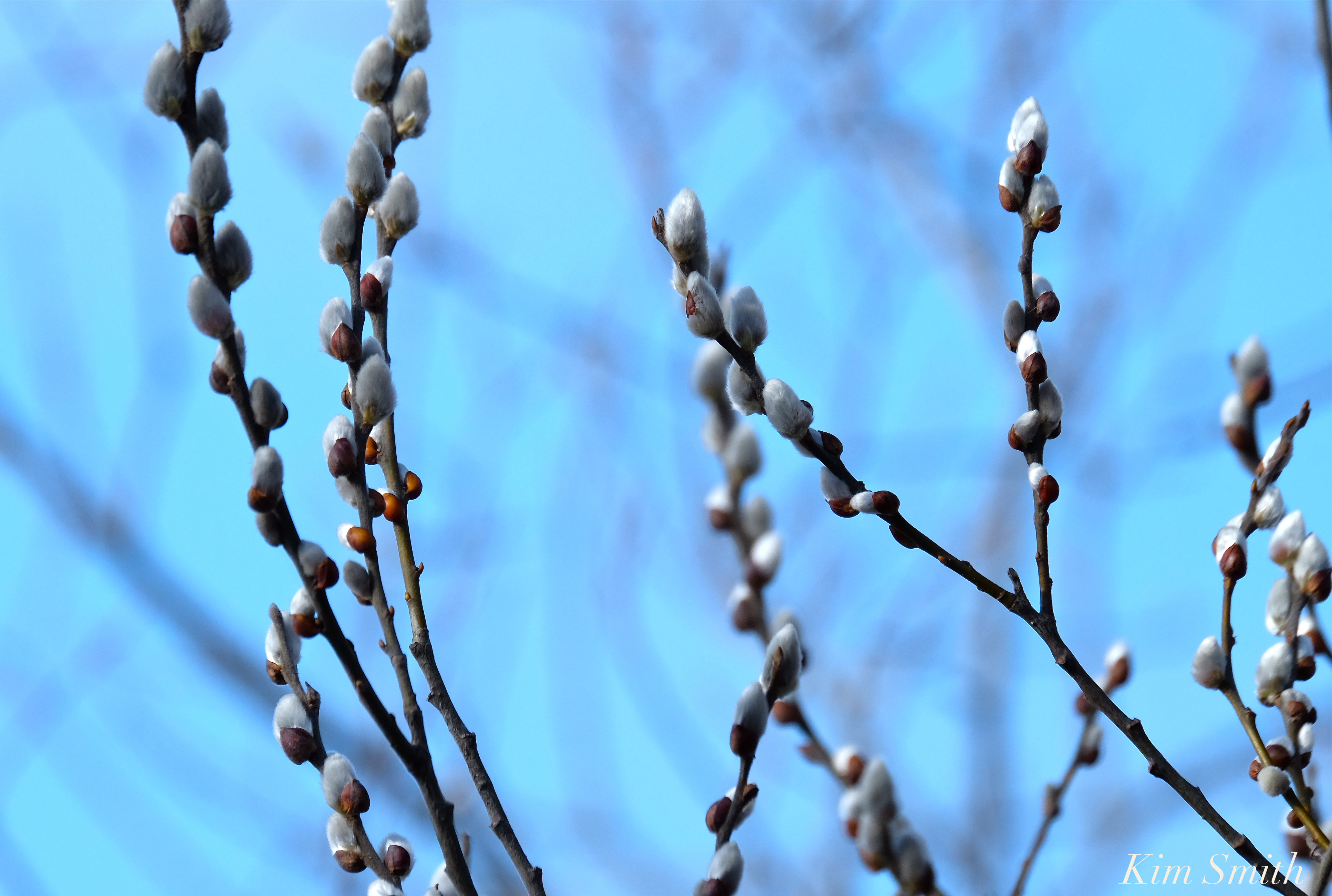
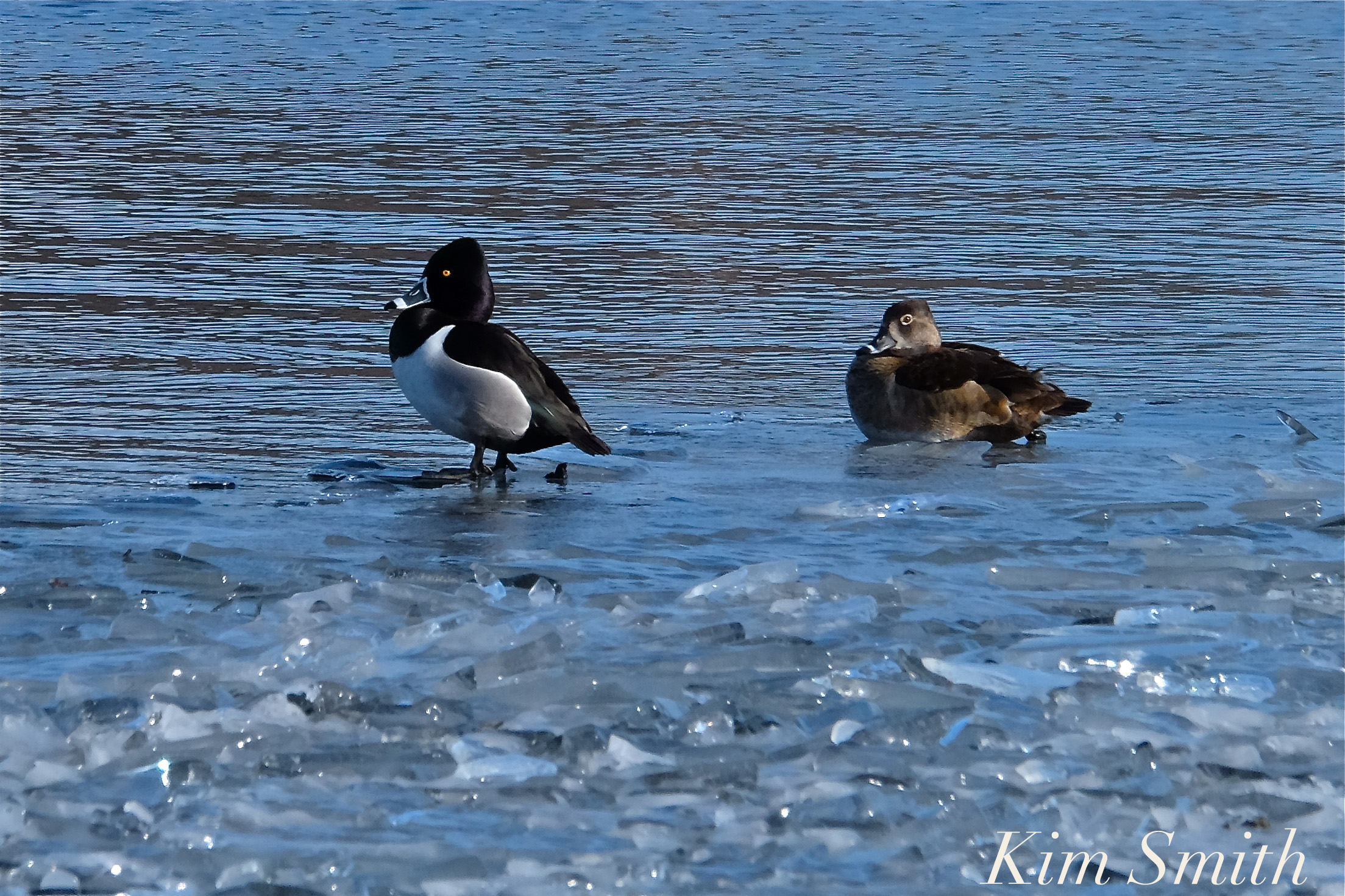
Under the weather with a two-boxes-of-tissues-a-day head cold, I haven’t been out walking as much as usual. This afternoon I popped over to Niles to take our Rosie out for a very short walk, just in time to see off in the distance a male and female Ring-necked Duck resting at the icy water’s edge, along with freshly opened branches of pussy willows. Spring is surely on her way!
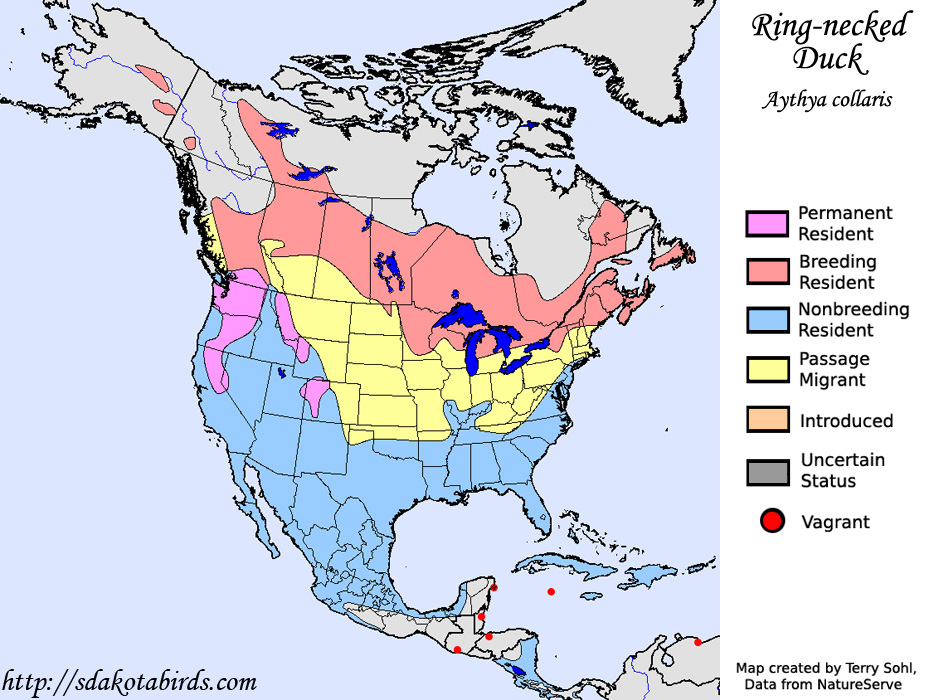
Ring-necked Ducks for the most part breed further north. I imagine the little flock that is at Niles is only here for a brief period of time.
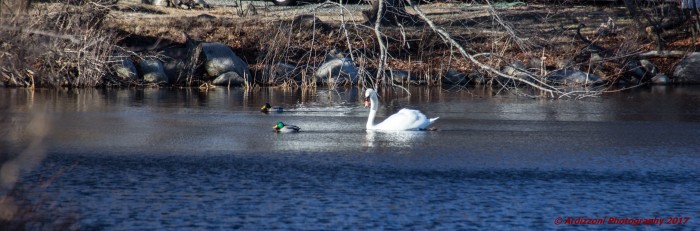
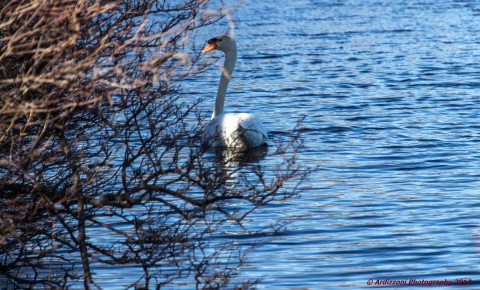
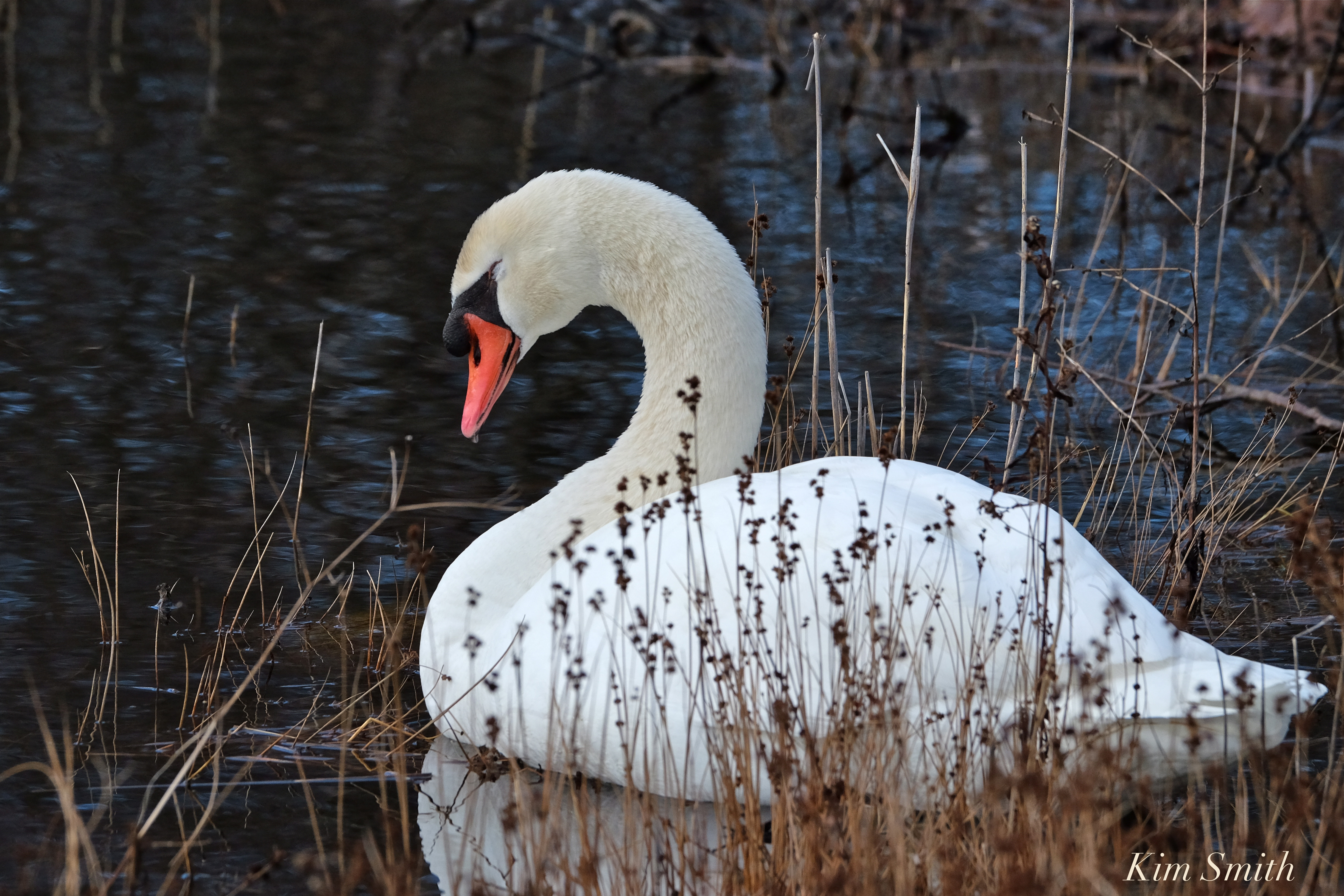
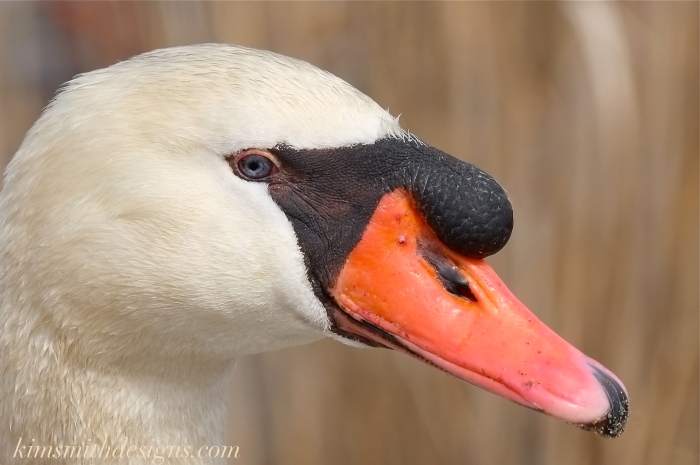
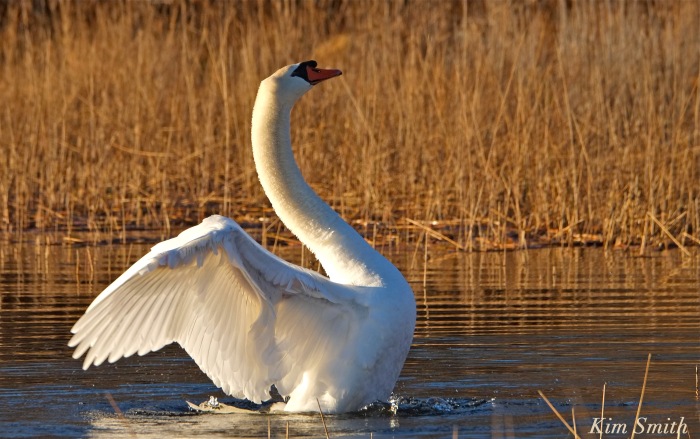
We friends of Mr. Swan think he is practically a genius. You would have to be, to survive the oftentimes inhospitable shores of Cape Ann. And, too, he is well over twenty years old and has out lived two mates!
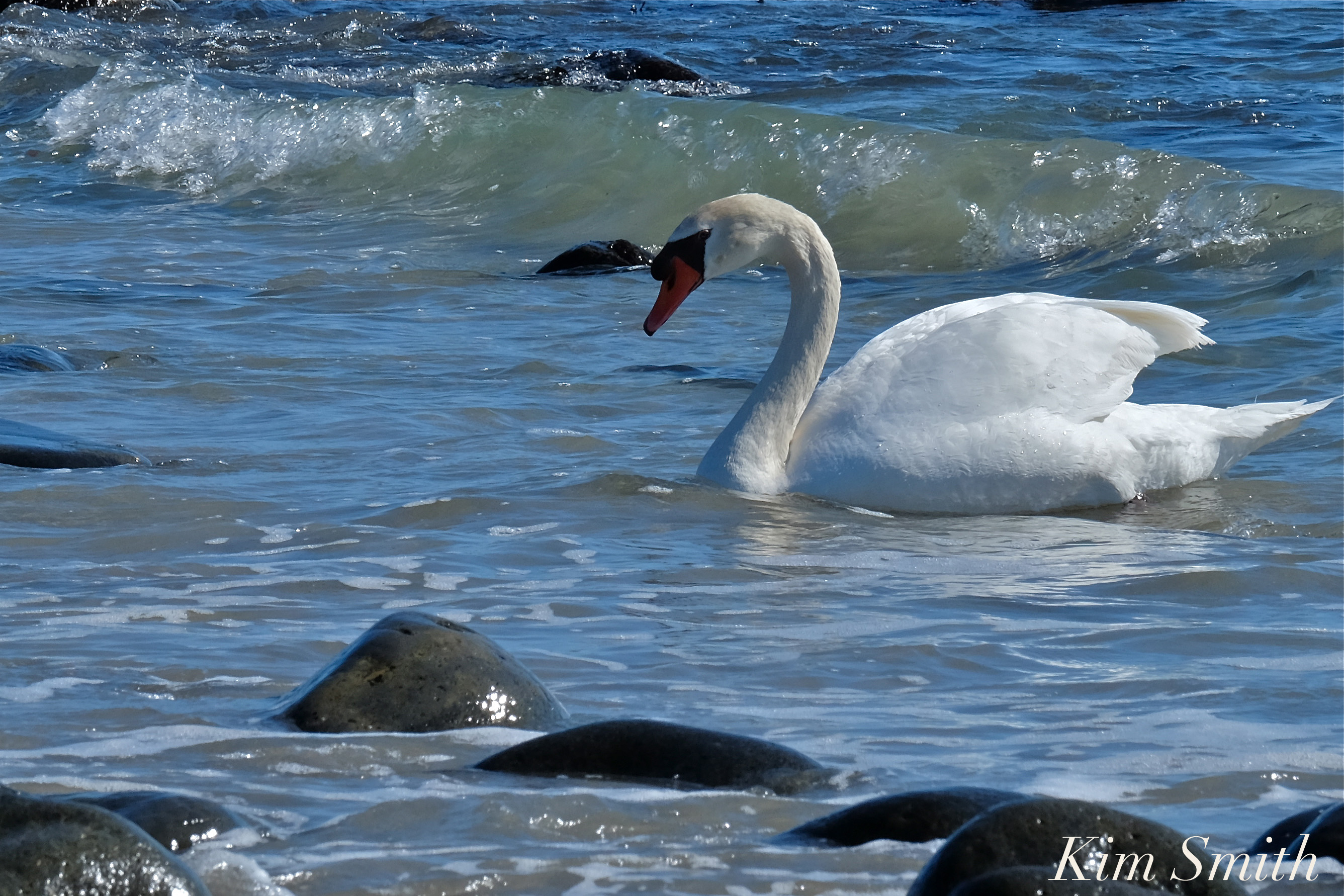
Mr. Swan at Brace Cove
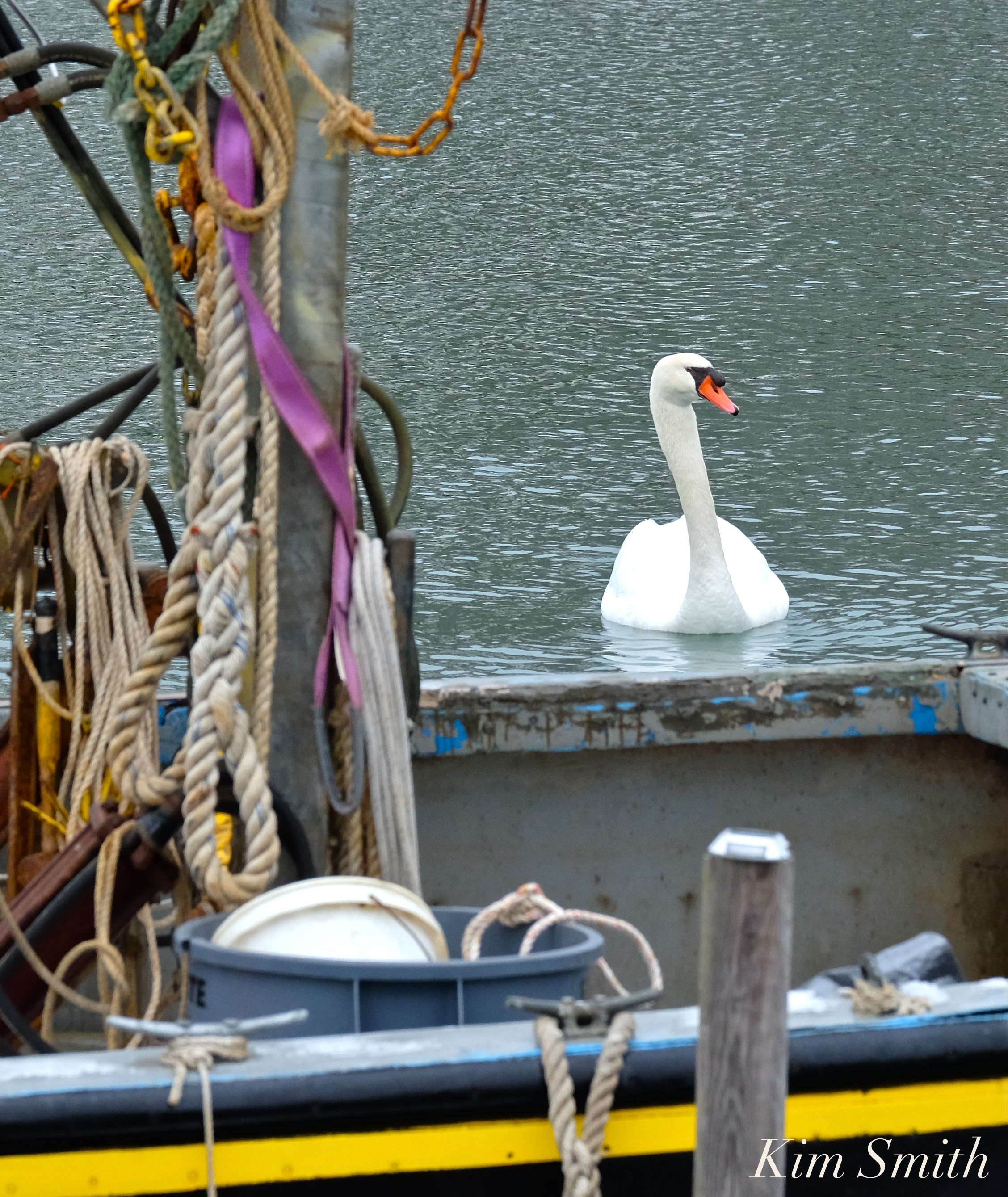
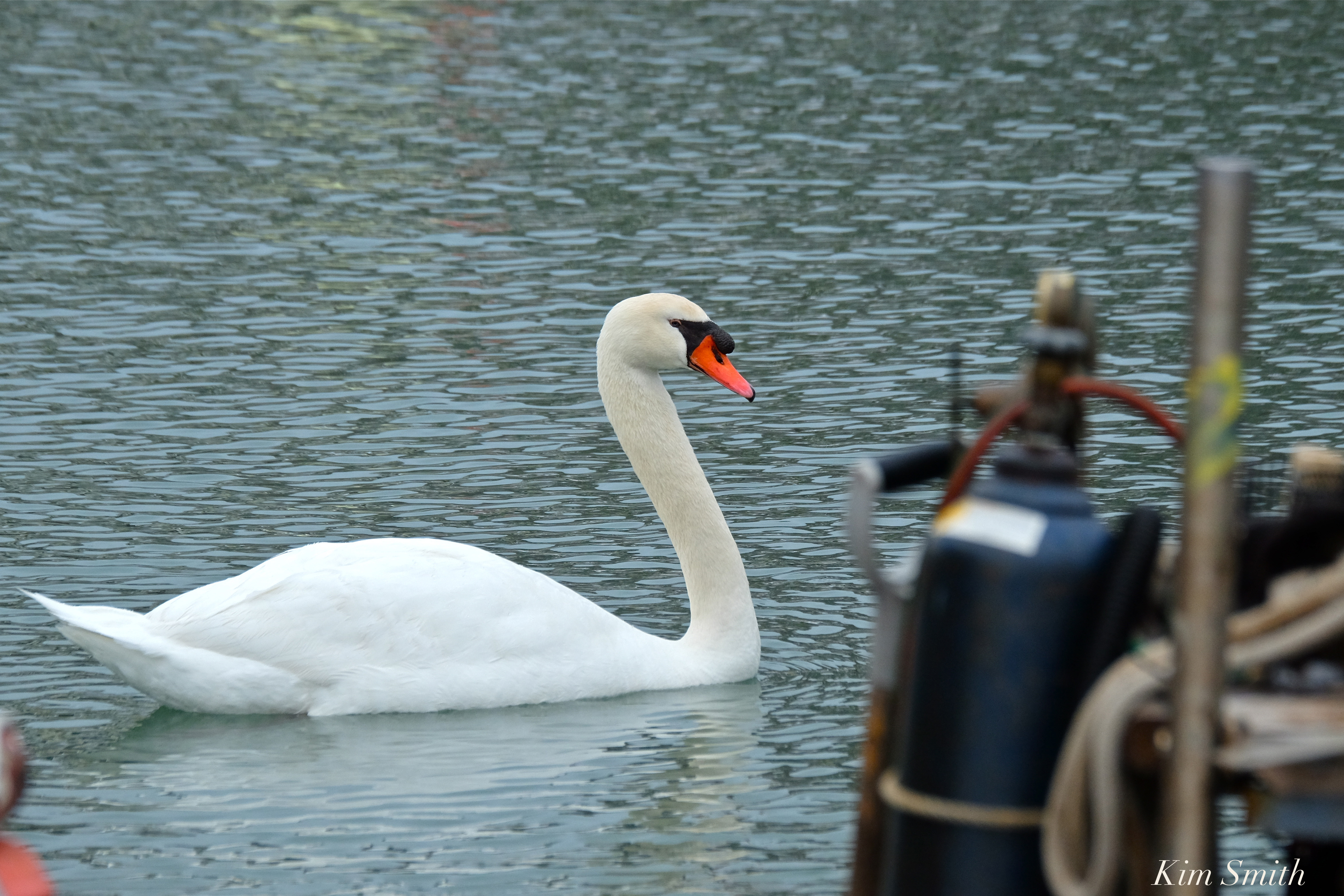
Mr. Swan is a species of swan called a Mute Swan, which do not migrate great distances. Instead, they move around from body of water to body of water within a region. When Mr. and Mrs. Swan were raising their young, by mid summer, when food was becoming less plentiful and water levels receding at Henry’s Pond, the entire swan family–mom, dad, and all the cygnets–would travel for the remainder of the breeding season to Niles Pond, a larger pond with a more plentiful supply of aquatic vegetation. Several weeks ago, the brackish water of Henry’s Pond thawed. Mr. Swan returned to the Pond, but then with a stretch of cold weather, it quickly refroze. He headed over to Pebble Beach to forage for food in the saltwater cove. This week, sensing the coming nor’easter, Mr. Swan moved over to Rockport Harbor, which rarely freezes, is less rough than Pebble Beach, and where a supply of food is readily available. Whether a September hurricane or March blizzard, Mr. Swan rides out the storm tucked in along the edge of pond or harbor.
Don’t you find it very interesting that although not indigenous to this country, Mute Swans have adapted many strategies for surviving our changing seasons, and with the seasonal changes, the differing types of, and amounts of, food available.
If you see Mr. Swan at any of our local bodies of water, please be very kind to him. Dogs, no matter how well meaning, will make any swan feel threatened. And please, if you must feed him, only feed him whole corn. No junk food ever. Swan junk food includes bread, crackers, chips, and Doritos. In all the years that I have been filming Mr. Swan, never once have I fed him. Mr. Swan has friends, wonderfully kind stewards, who regularly look after his well-being, supplementing his native diet of pond greens and seaweed with cracked corn, and that is quite sufficient for his good health.
Thank you everyone for looking out for Cape Ann’s one and only Mr. Swan!
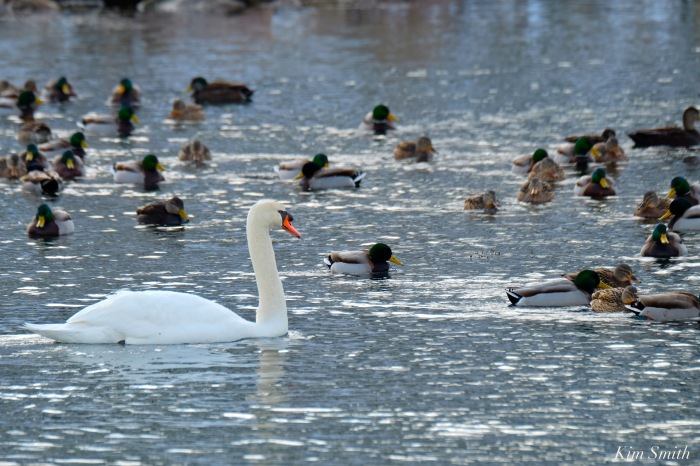
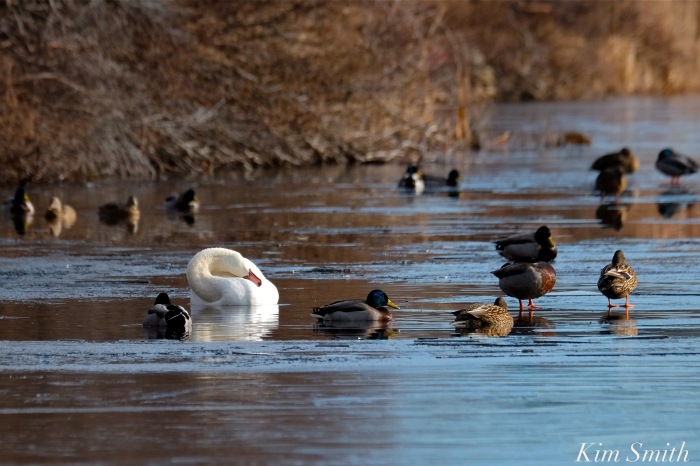
Mr. Swan at Rockport Harbor and Niles Pond, with His Ever-present Entourage of Quackers


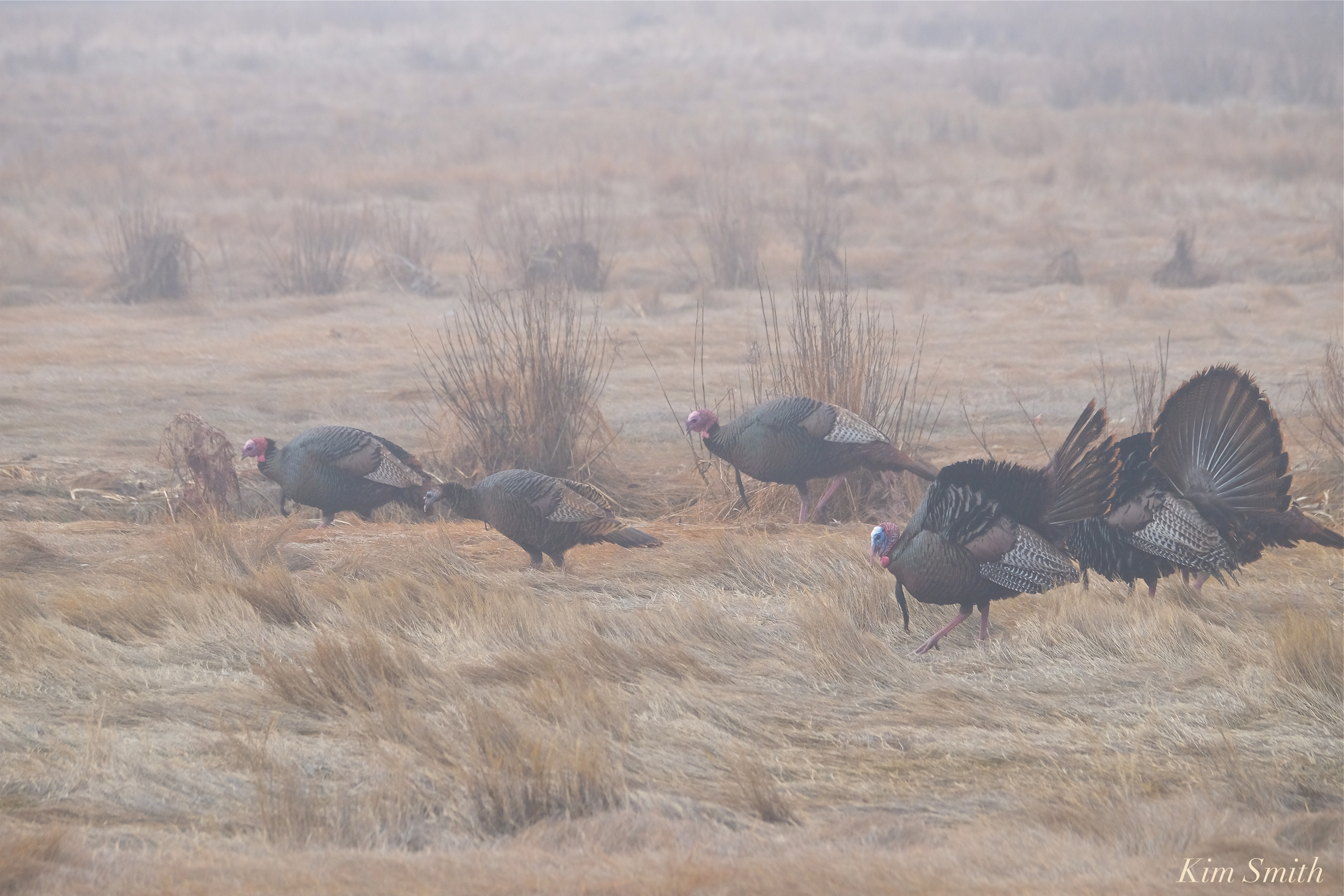
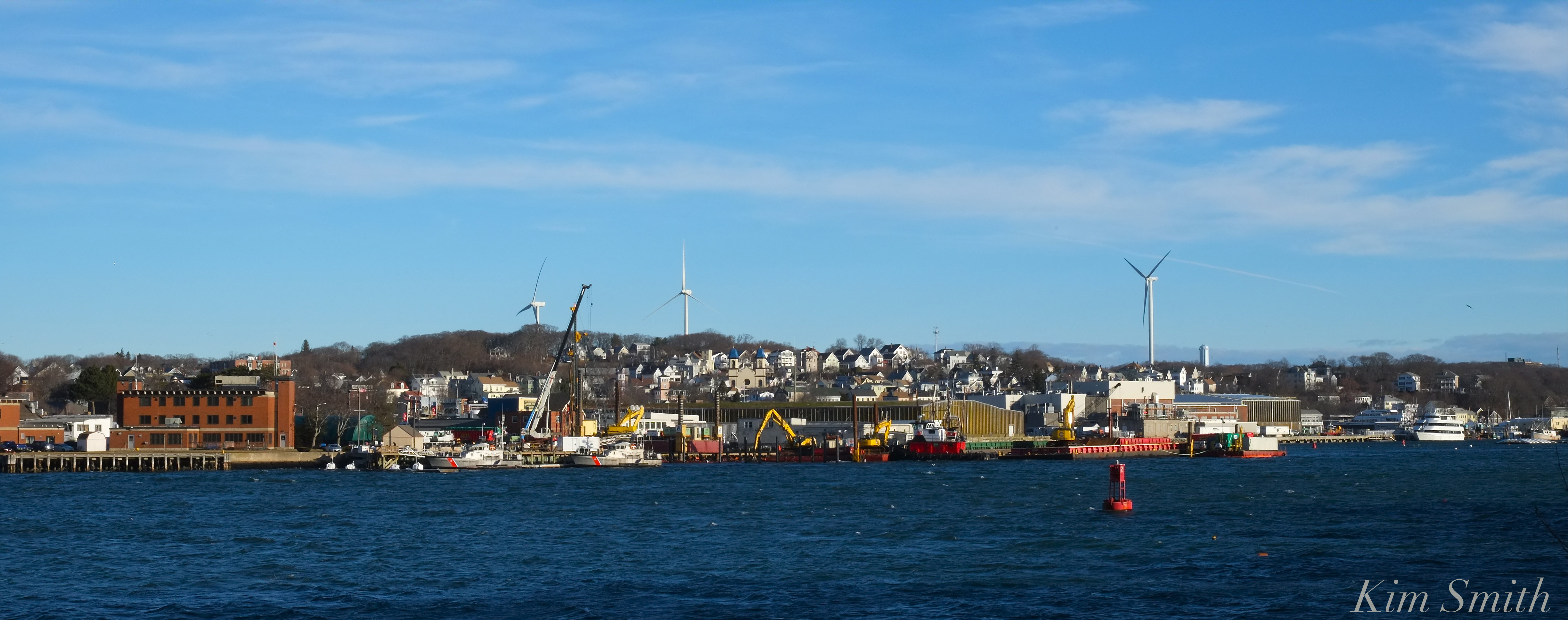
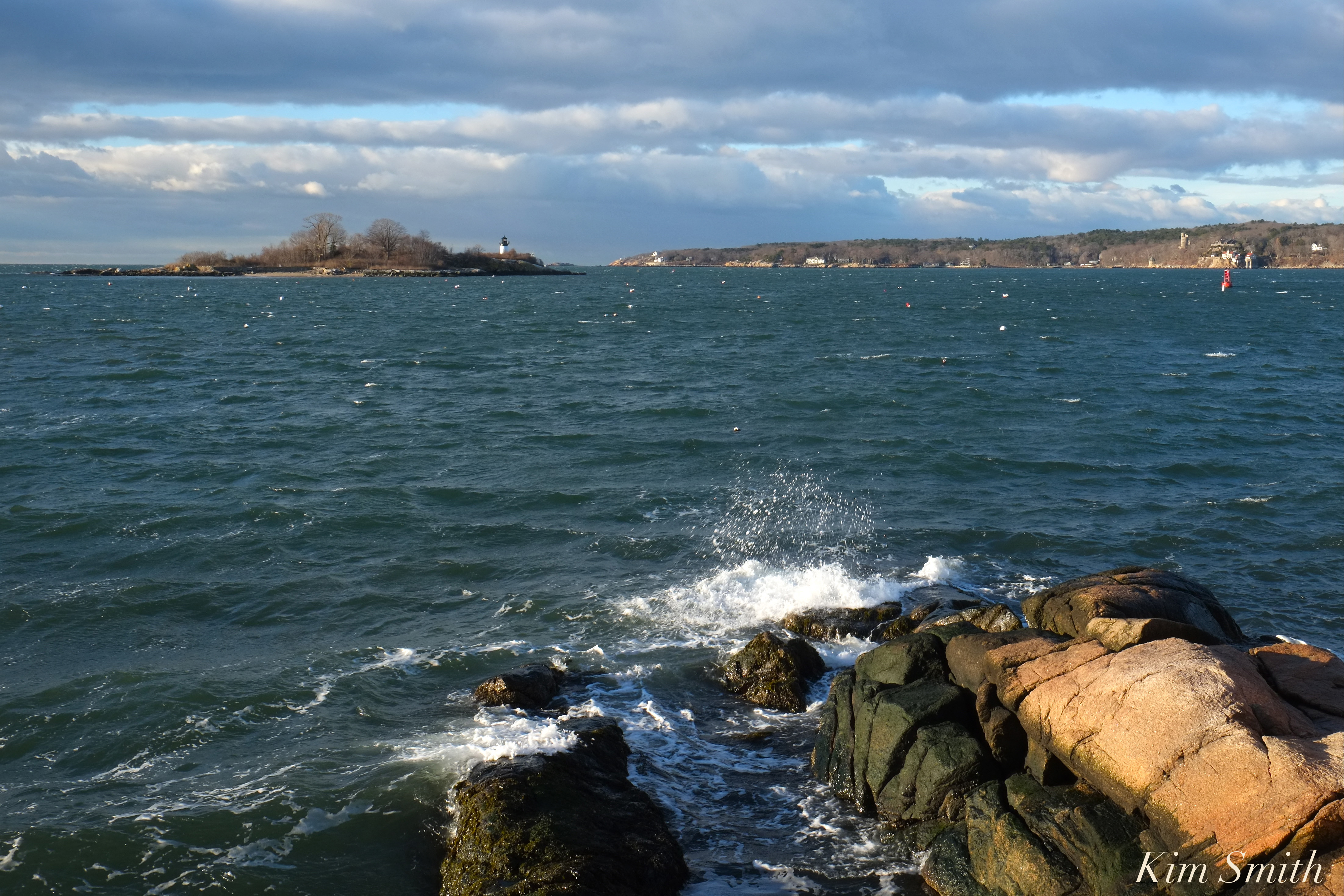
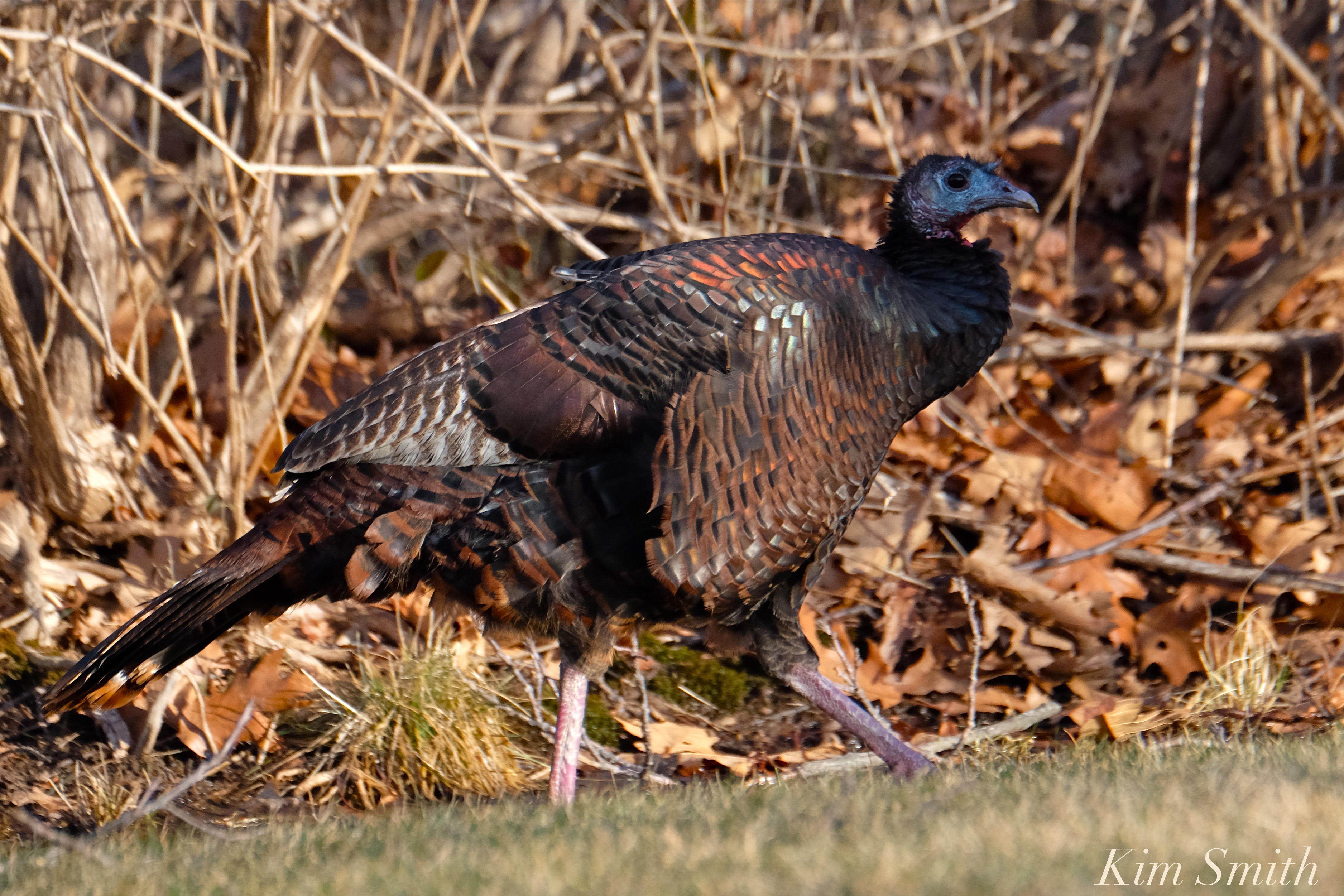
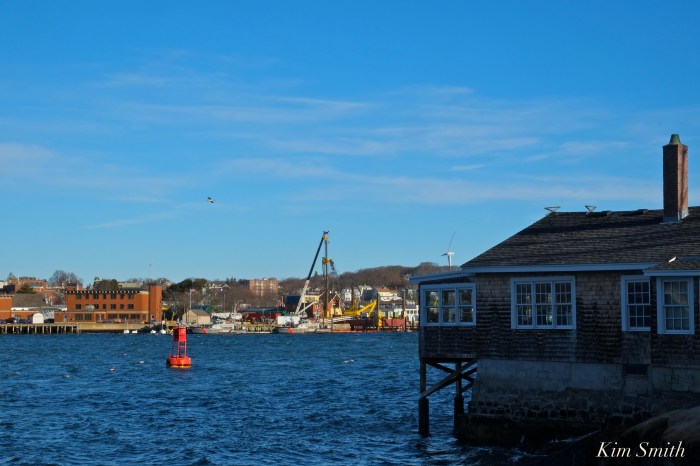
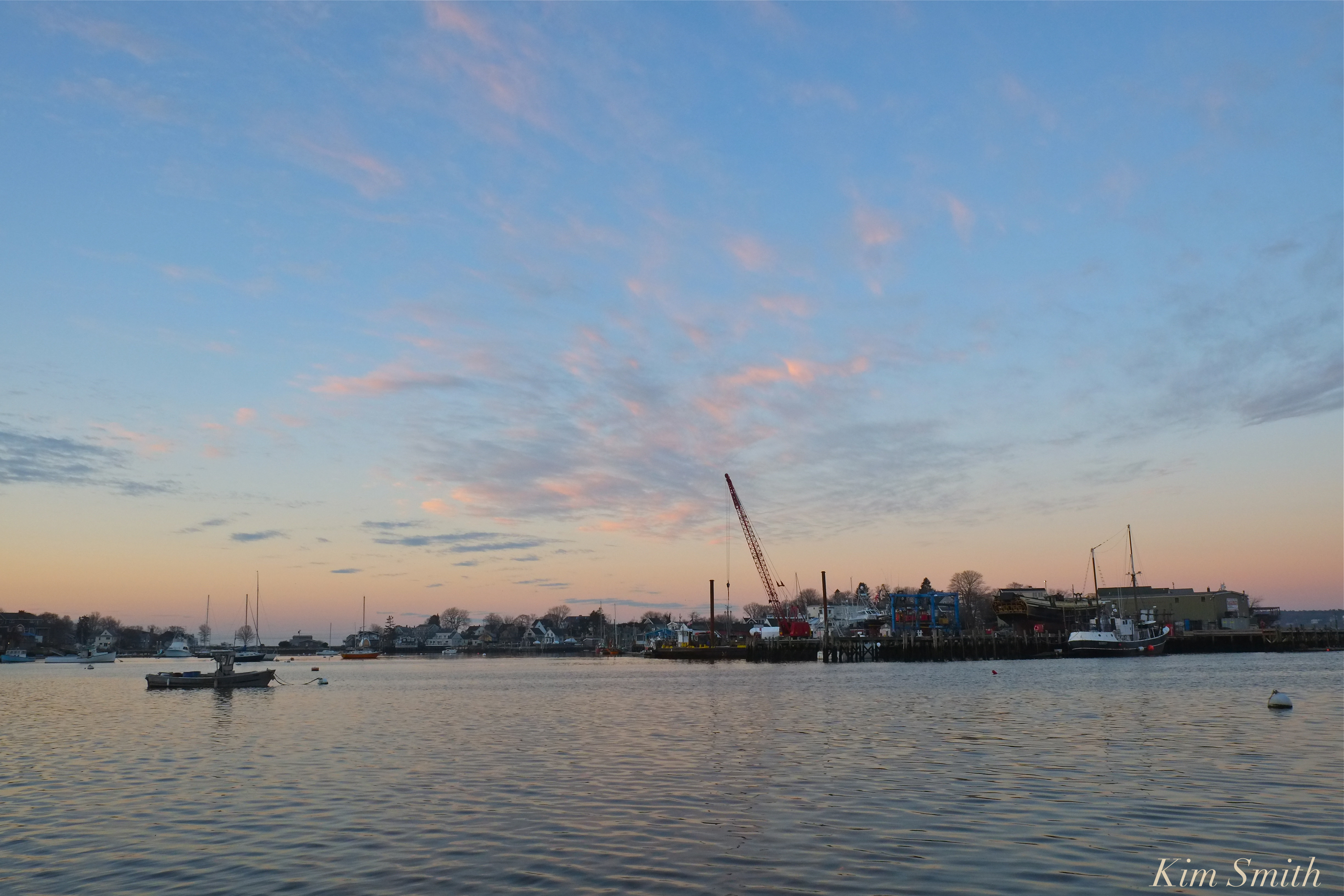
Everywhere my walk took me this morning, the color blue dominated–cerulean sky and ultramarine sea, wedgwood house trim paint, marine blue-green of every hue, even the turkey encountered had a face in shades of lapis lazuli!
Ten Pound Island
Female Red-breasted Merganser (left), Male Red-breasted Merganser (right)
Mr. Swan was safely nestled in along the shore at Niles Pond yesterday morning during the nor’easter. I found him this morning sleeping amongst the reeds, none the worse for the storm.
Niles Pond Causeway
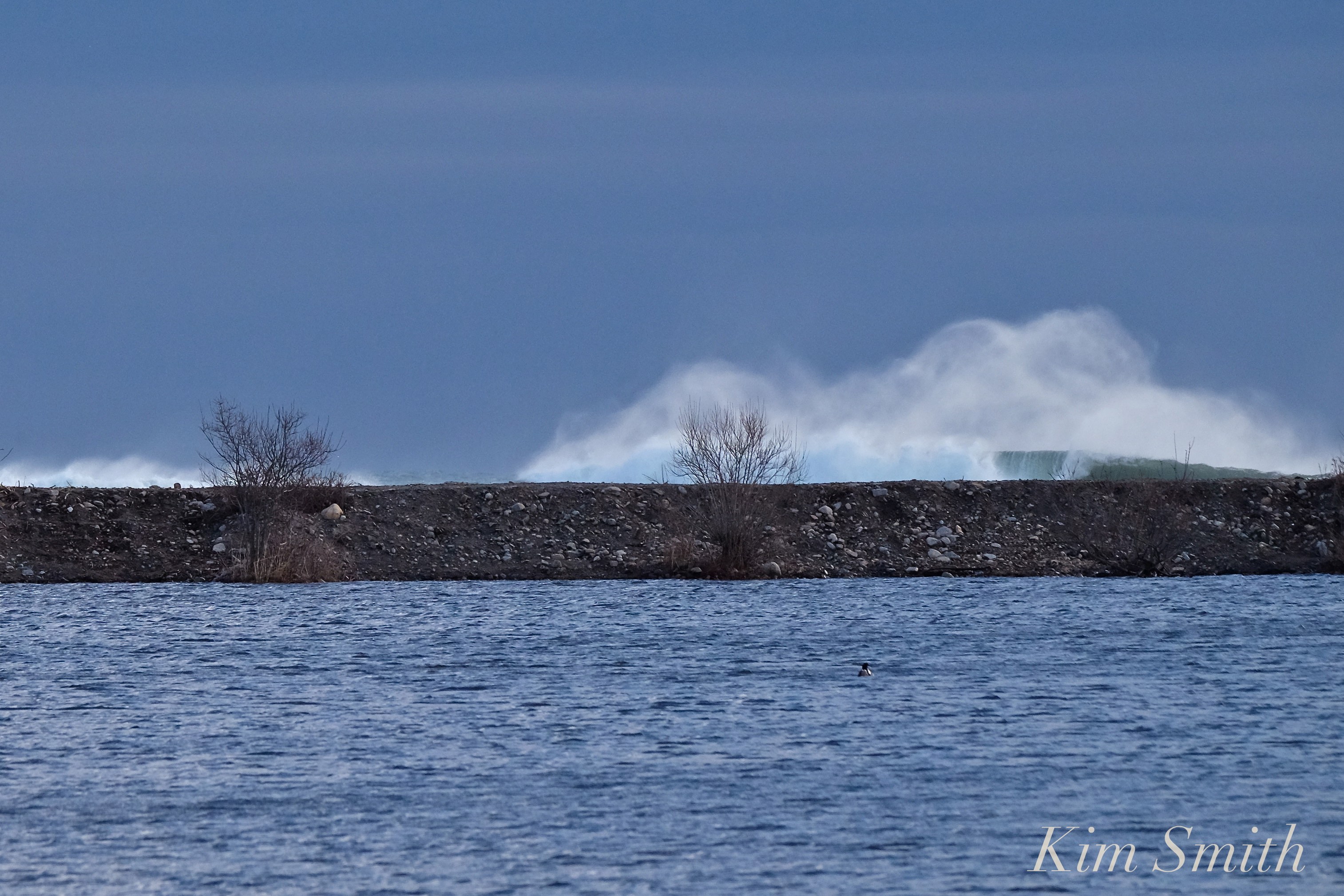
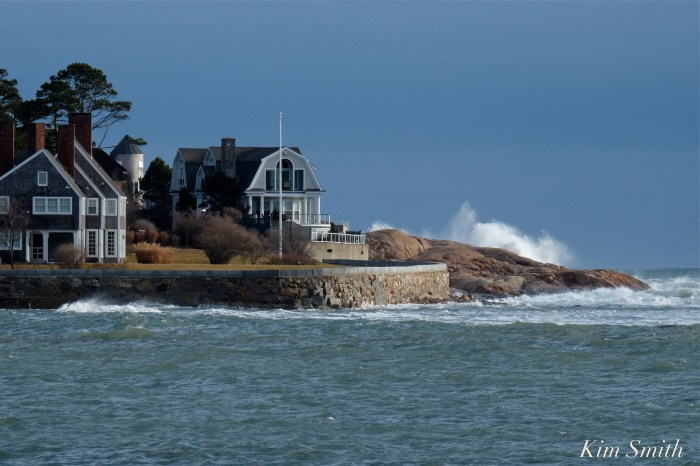
The newly restored causeway weathered the storm beautifully. By day’s end the waves had settled but this morning at high tide they were still packing some fury. In the next photo, I am standing on the far side of the pond, looking towards Brace Cove. As you can see, the waves were crashing into the causeway.
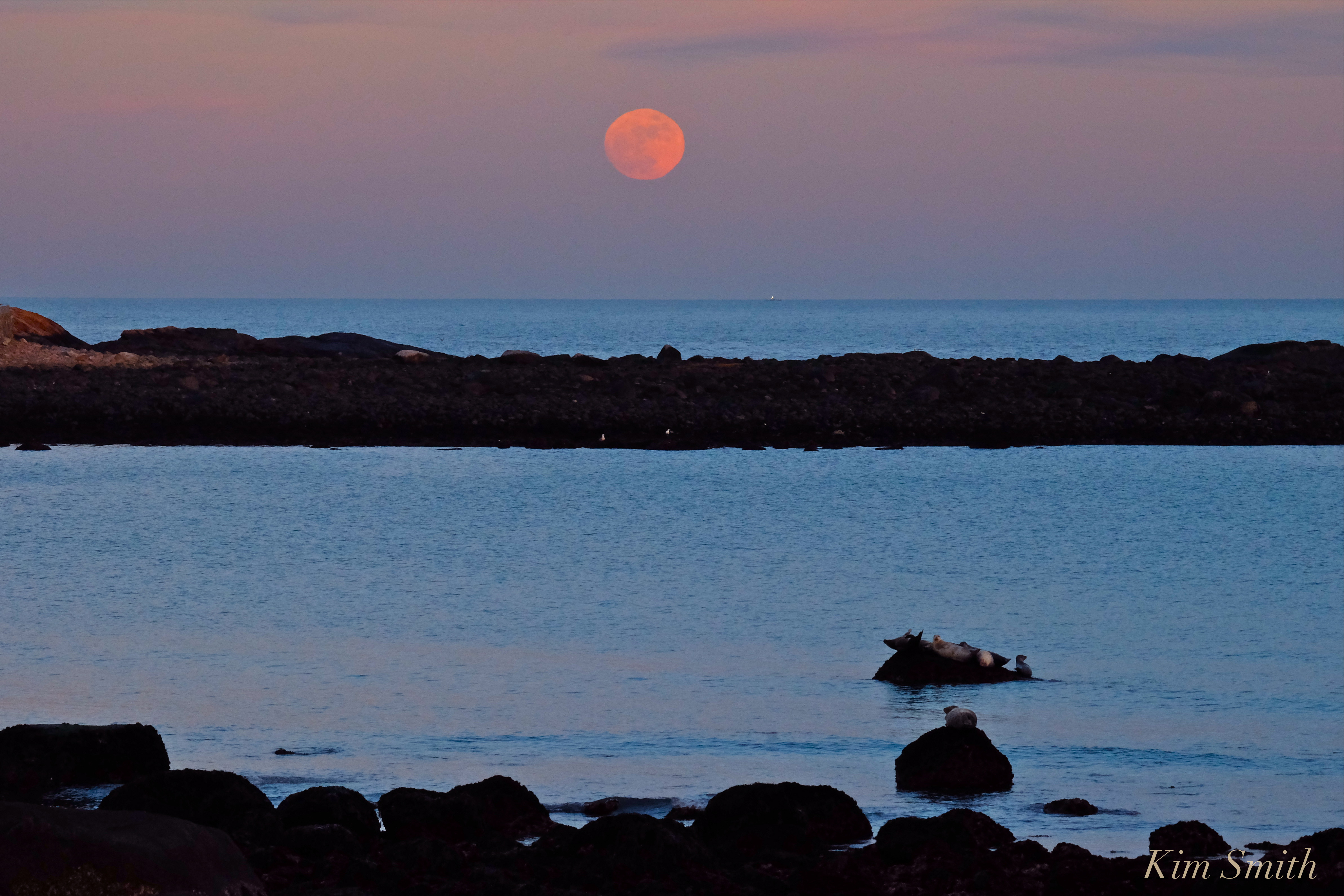
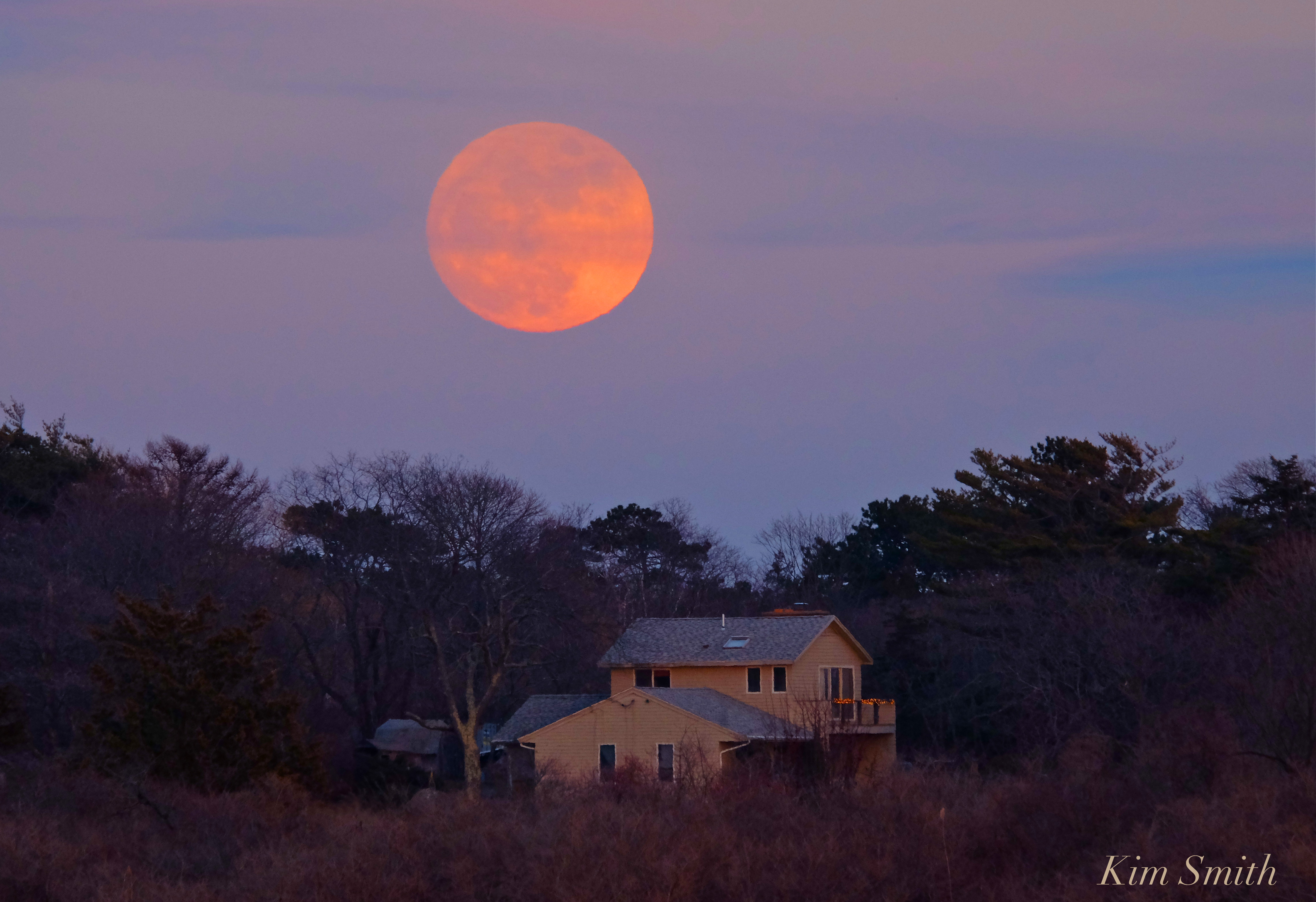
While out for an early evening walk with our pooch tonight I was unexpectedly delighted to catch the full Wolf Moon rising over the back shore. I wonder whose house that is on Niles and if they knew the moon was rising so picture perfect above their home.
Brace Cove Harbor Seals lolling about under the moonlight on this unseasonably warm evening
My husband Tom suggested that I write a year-end post about the wildlife that I had photographed around Cape Ann. Super idea I thought, that will be fun and easy. Many hours later (not realizing how daunting) the following is a collection of some favorite images from this past year, beginning with the male Snowy Owl photographed at Captain Joe’s last winter, to December’s Red-tailed Hawk huntress.
Living along the great Atlantic Flyway, we have been graced with a bevy of birds. Perhaps the most exciting arrival of all occurred when early summer brought several pairs of nesting Piping Plovers to Gloucester’s most beloved (and most highly trafficked) of beaches, Good Harbor Beach. Their story is being documented on film.
Work on Mr. Swan’s film will also resume this January—the winters are simply not long enough for all I have planned!
While photographing and filming Red-winged Blackbirds this past spring, there was a face-to-face encounter with a hungry coyote, as well as several River Otter sightings.
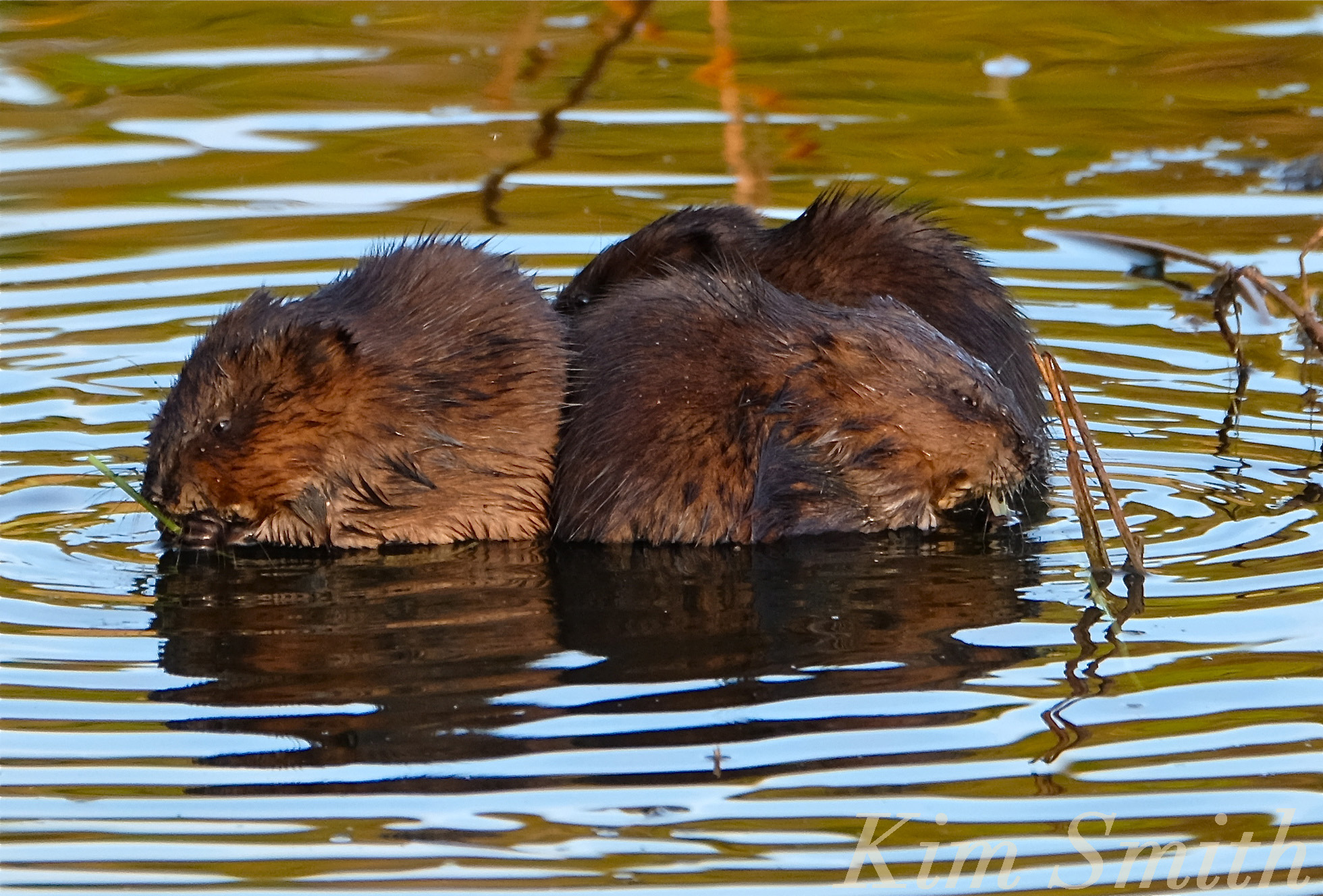
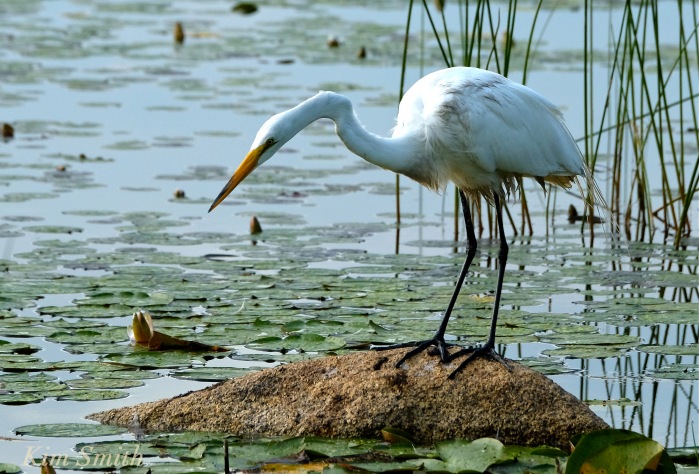
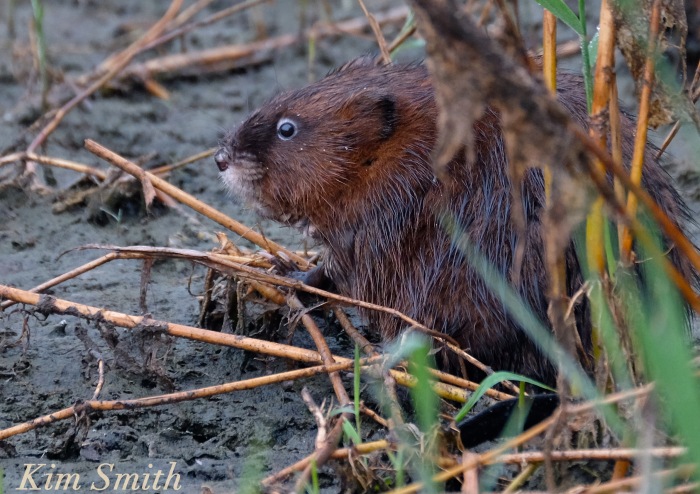
The summer’s drought brought Muskrats out from the reeds and into full view at a very dry Henry’s Pond, and a short film about a North American Beaver encounter at Langsford Pond. Numerous stories were heard from folks who have lived on Cape Ann far longer than I about the extraordinary number of egrets, both Snowy and Great, dwelling on our shores.
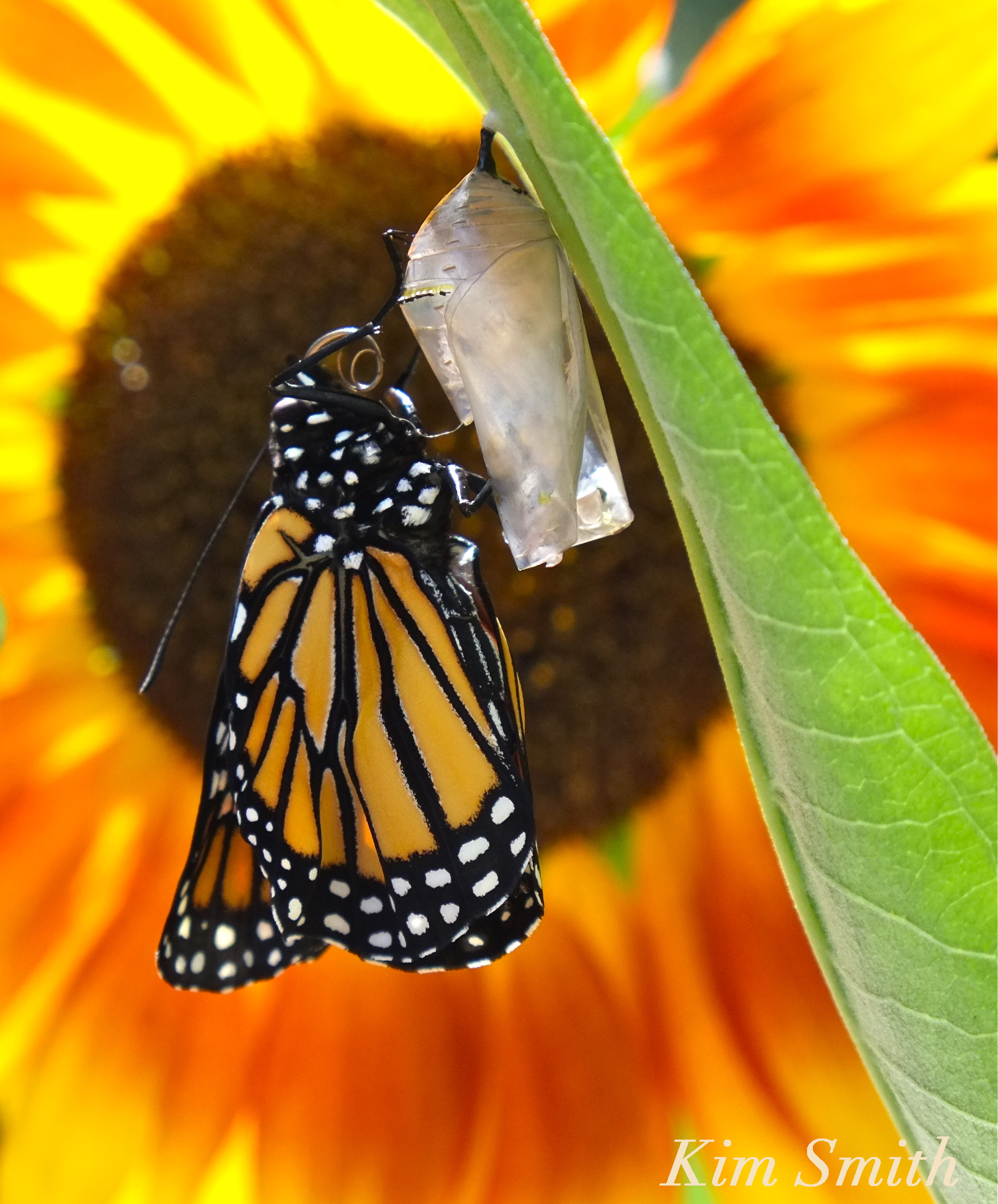
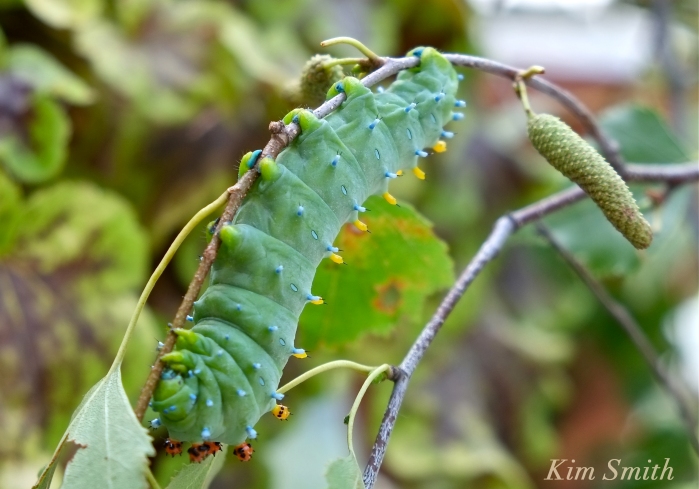
There were few Monarch sightings, but the ones seen thankfully deposited eggs in our garden. Thank you to my new friend Christine who shared her Cecropia Silkmoth eggs with me and thank you to the countless readers who have extended an invitation to come by and photograph an exciting creature in their yard.
Pristine beaches, bodies of fresh water, and great swathes of protected marsh and woodland make for ideal wildlife habitat, and Cape Ann has it all. With global climate change pushing species further away from the Equator, I imagine we’ll be seeing even more creatures along our shores. Butterfly and bee populations are overall in decline, not only because of climate change and the use of pesticides, but also because of loss of habitat. As Massachusetts has become less agrarian and more greatly forested, fields of wildflowers are becoming increasingly rare. And too fields often make the best house lots. Farmers and property owners developing an awareness of the insects’ life cycle and planting and maintaining fields and gardens accordingly will truly help the butterflies and bees.
Thank you to all our readers for your kind comments of appreciation throughout the year for the beautiful wild creatures with which we share this gorgeous peninsula called Cape Ann.
The images are not arranged in any particular order. If you would like to read more about a particular animal, type the name of the animal in the search box and the original post should come up.
I wonder what 2017 will bring?
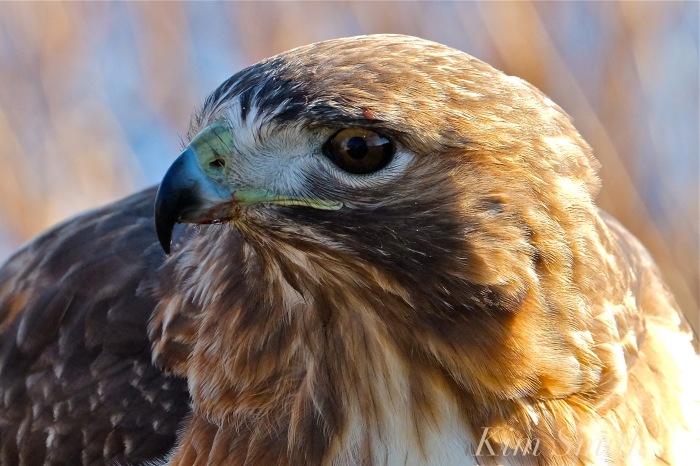
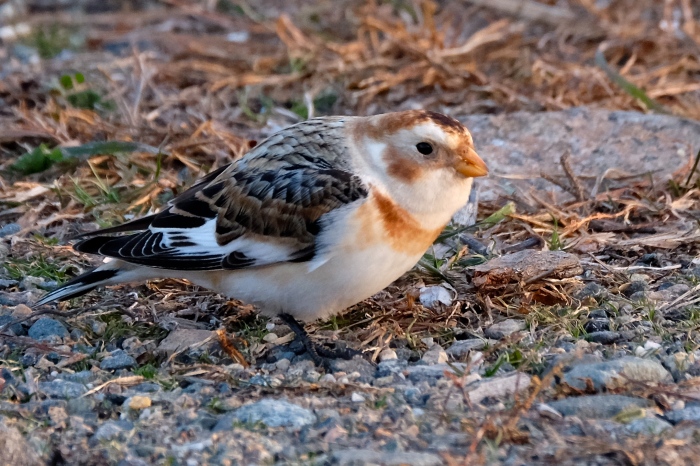
Looking for Snow Buntings while walking alongside Niles Pond, I came around a bend in the road and noticed from a distance the head of a large bird pecking at something on the embankment. Hmmm, a hawk, that’s why there weren’t any birds to be found. Hawks swooping their territory overhead quickly clears the woods and puts the kibosh on photographing songbirds.
Inching forward, baby step by baby step, the hawk was broad and large, and with its beautiful rust-red tail feathers, I thought it was most likely a female Red-tailed Hawk. The females are 25 to 30 percent bigger than the males, and because this bird was definitely on the larger size, for the sake of our story, we’ll refer to the hawk as a female.
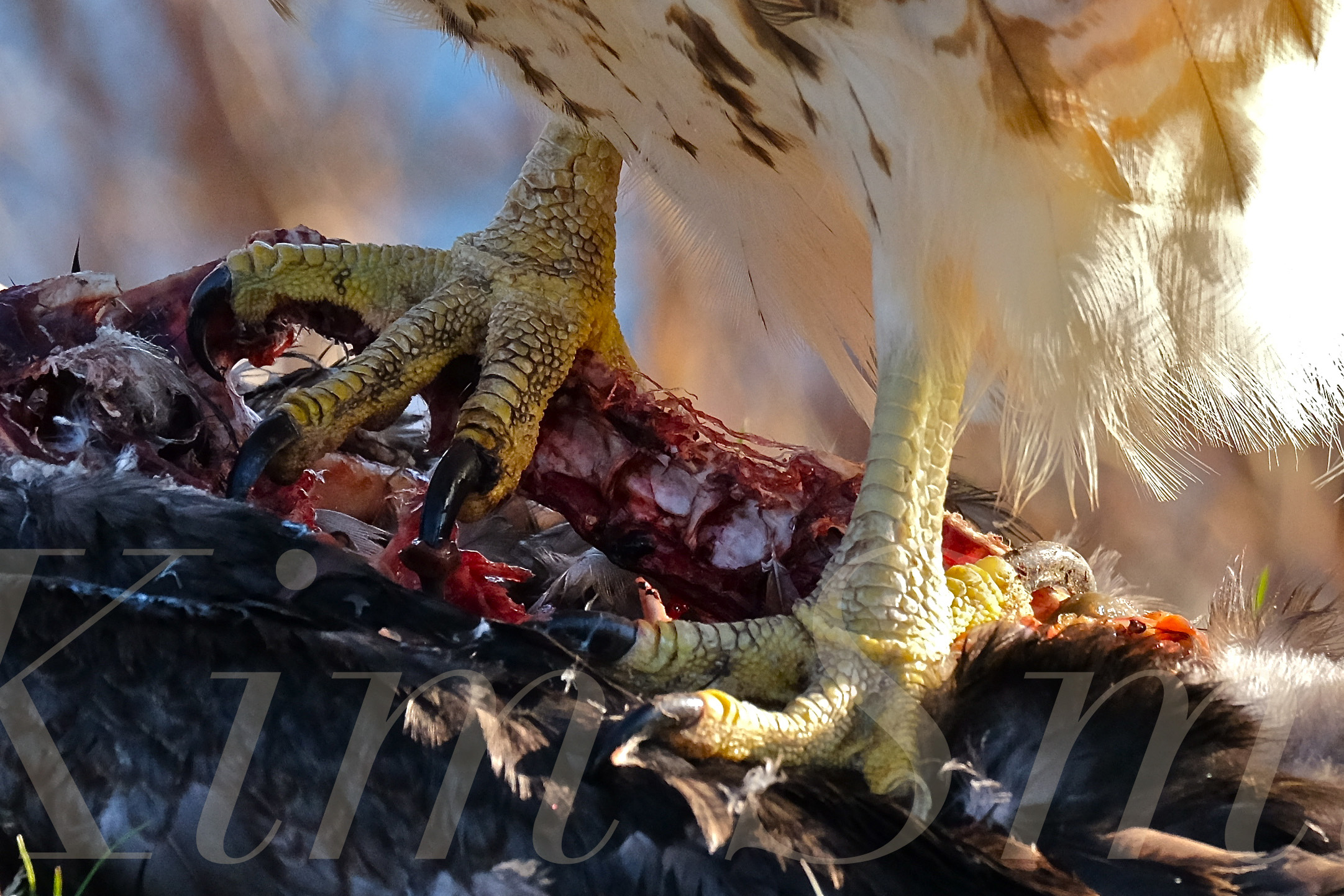
She was intently devouring a freshly killed bird and if she had not been very hungry, I doubt she would have allowed me to move in so close. At one point, after having nearly eviscerated the entire bird, she tried to lift and carry away the carcass with her claw-shaped talons (one of the last photos in the batch). She did not succeed and finding more body parts, continued to eat.
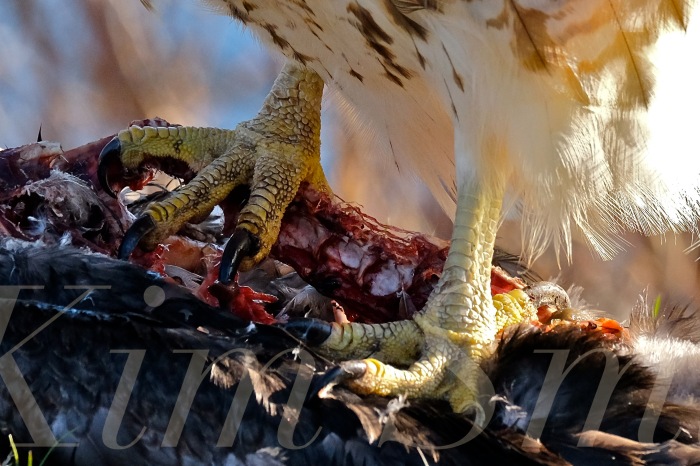
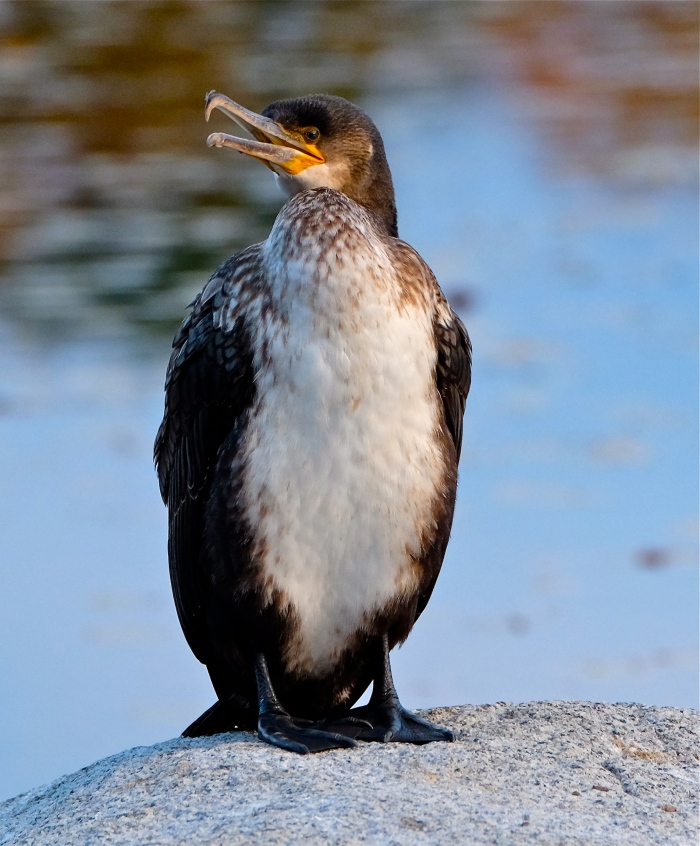
After a bit, some boisterous folks came up from behind, startling both the hawk and myself, and off she flew to the far side of the pond. I found a stick and turned the dead carcass over onto its back. The head was missing, but by looking at the black webbed feet as well as the chest and belly feathers, it quickly became apparent that the victim was a Great Cormorant. I am sad to say that I think it was the very same juvenile Great Cormorant that had been living at Niles Pond for the past month as I have not seen another since.
Red-tailed hawks are extraordinarily adept hunters and highly variable in their diet. Eighty percent of the Hawk’s prey is comprised of mammals. For example, mice, voles, squirrels, chipmunks, rats, and rabbits. Records indicate that they also eat songbirds, pigeons, shorebirds, and unbelievably so, female Wild Turkeys and pheasants. Now we can add Great Cormorant to the list. Red-tailed Hawks weigh approximately between 1.5 pounds to 3.2 pounds, female Wild Turkeys average 9 to 10 pounds, and Great Cormorants weigh 5 to 8 pounds.
There were birders in the neighborhood earlier that morning, the morning of the winter solstice, December 21st. I wonder if they saw the Hawk kill the Cormorant, or if the Hawk came upon the freshly killed bird and it had been taken down by another predator. If you were one of the birders watching the Hawk out on Eastern Point near Niles Pond, on December 21st, please write. Thank you so much!
MORE PHOTOS HERE
Continue reading “WARNING: GRAPHIC IMAGES RED-TAILED HAWK DEVOURING GREAT CORMORANT CLOSE UP”
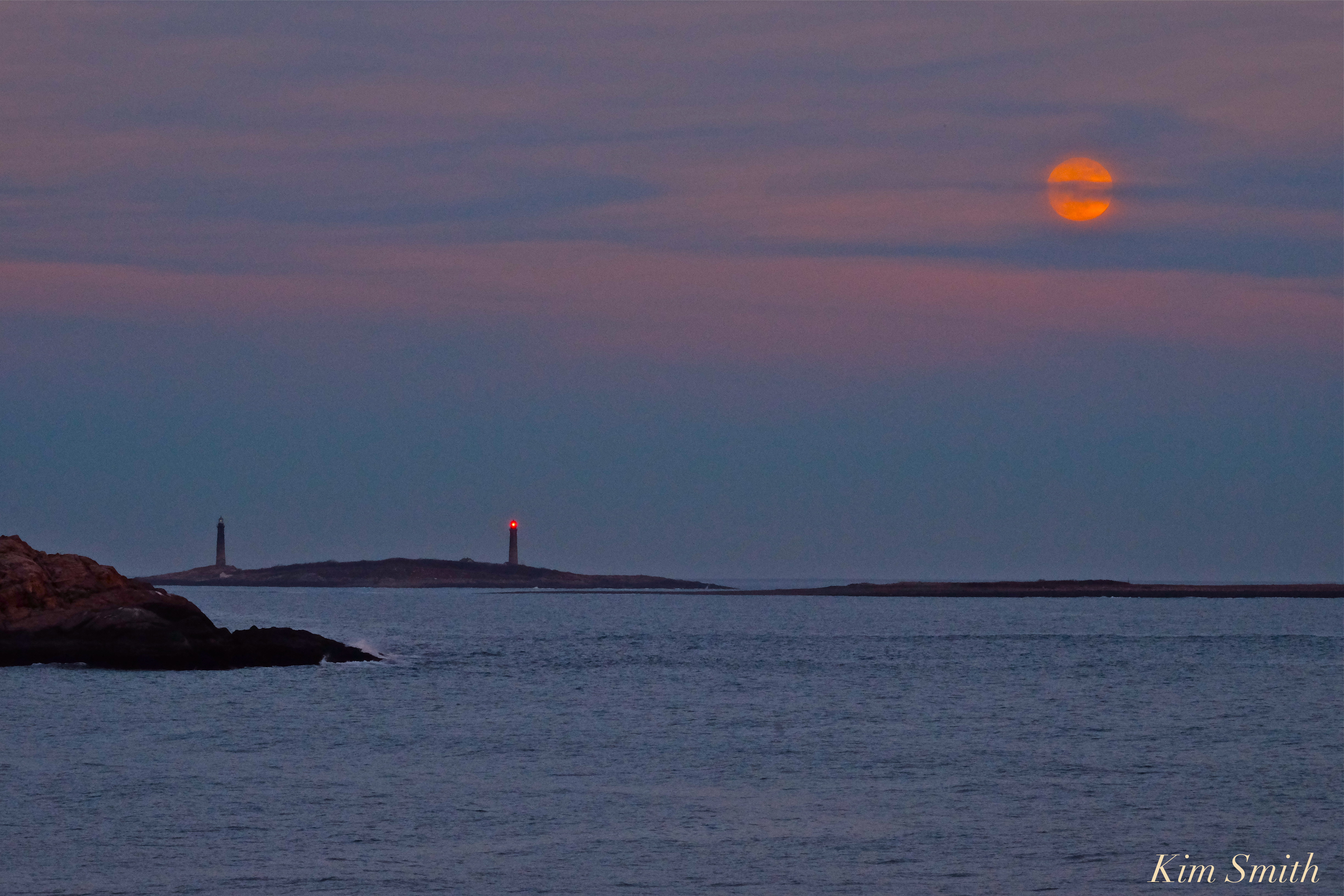
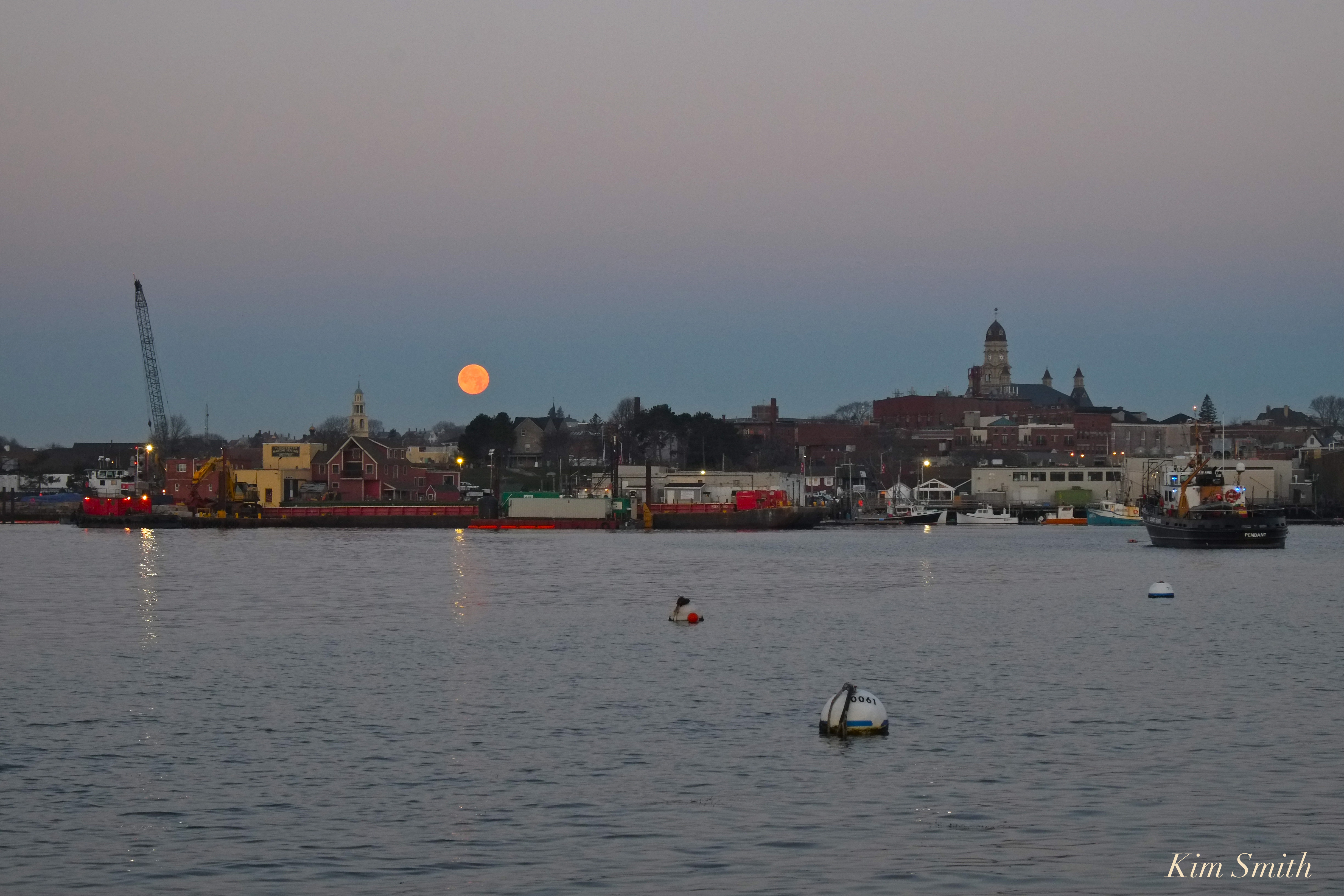
Last Tuesday was a photographer’s magical dream morning. After photographing and filming December’s “Long Night’s Moon” descending over the Gloucester city skyline, I turned toward the east to see a peaceful daybreak scene over Rocky Neck. Perhaps the sun hadn’t fully risen I thought and hurried to Brace Cove. The sun had rose behind Brace Rock with just enough clouds that it was still pretty, not blasted out by too much light.
I then walked along the edge of Niles Pond, meeting up with Mr. Swan who was occupied with his morning swim, which often indicates he is readying to take flight. He did, and with movie camera in hand, he circled the Pond before landing at Brace Cove, near the breakwater.
Eerily, the coyotes were howling in the distance, actually howling, like wolves, and for quite a long while. I often hear their meet-and-greet yipping and socializing barks that they make shortly after sunset, and too the terrible sound they make when killing a creature, but I have never heard them howling in the morning. I wonder if it had something to do with the full moon? Do our readers hear coyotes howling regularly?
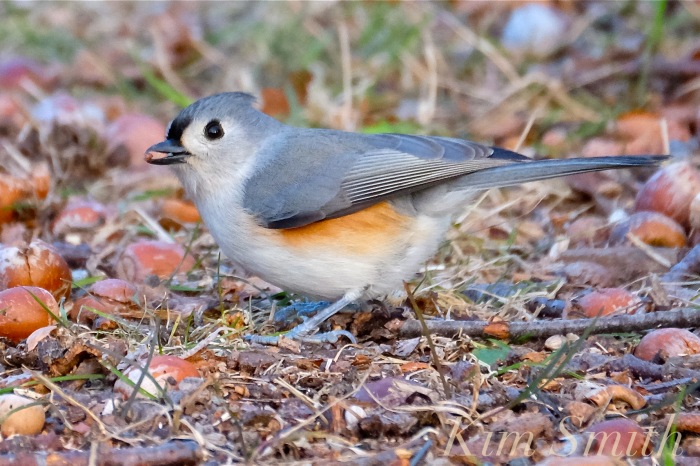
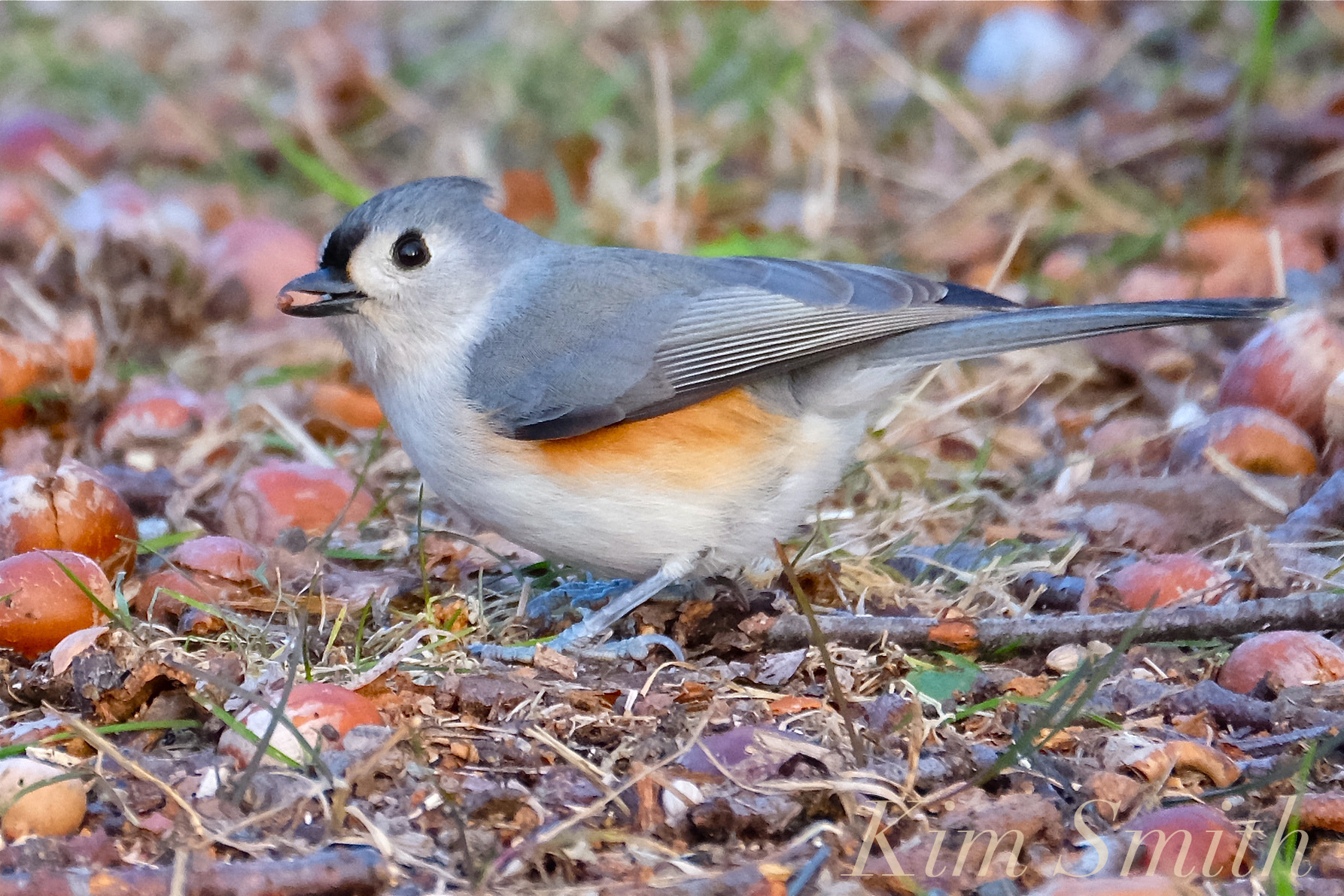
Tufted Titmouse
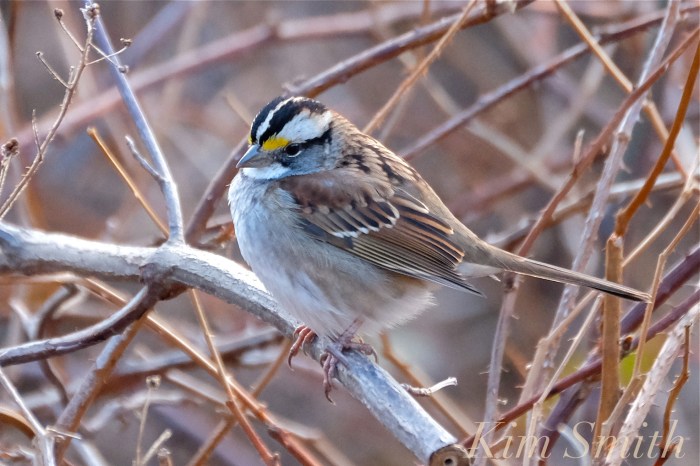
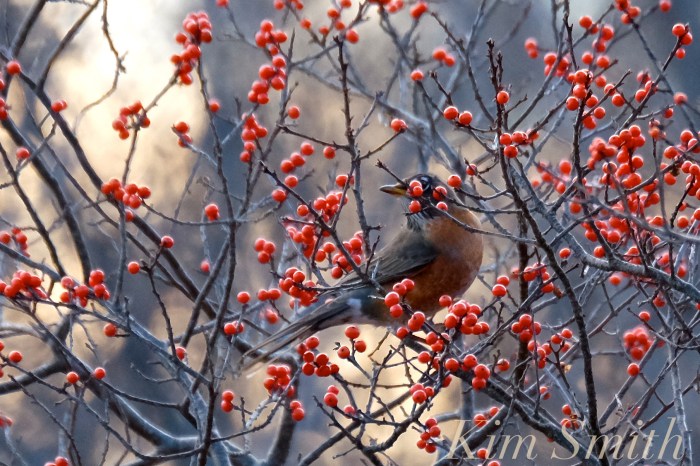
Further along the Pond walk there was a large flock of American Robins and they, along with a lively group of Blue Jays, Tufted Titmice, Song Sparrows, White-throated Sparrows, and Cardinals were hungrily eating every berry in sight, so much so that when I returned to the same spot a few days later, there wasn’t a berry or fruit to be seen. A magical morning at a magical place we’re fortunate to call home.
December Long Night’s Moon
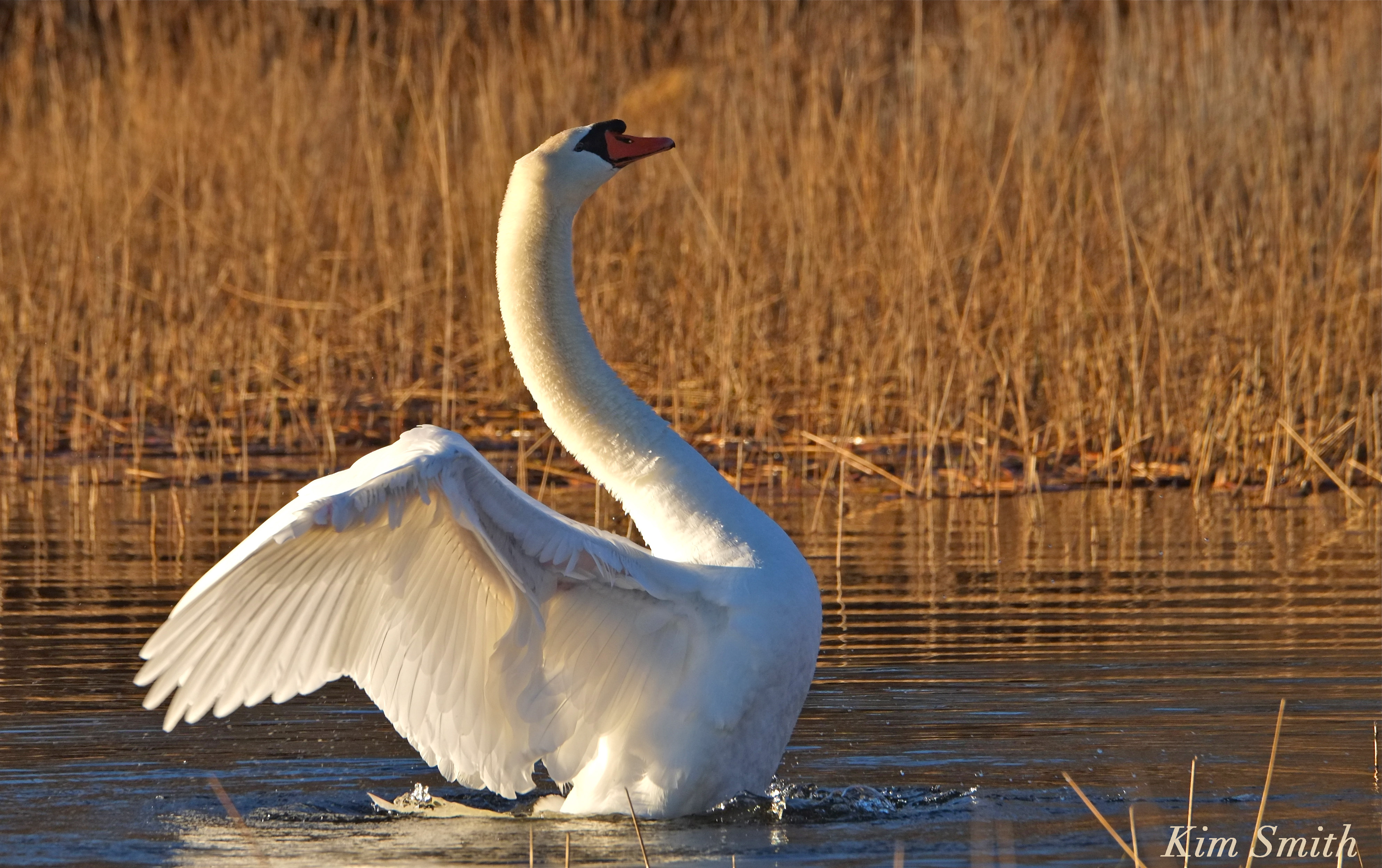
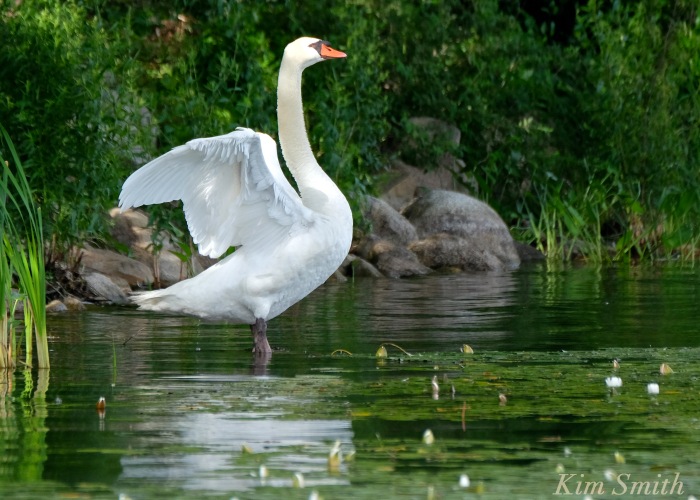
Glorious swan’s wings! In these photos you can see Mr. Swan’s magnificent new set of feathers.
Mr. Swan has resumed his habit of traveling from body of water to body of water within his territory. Why does he not travel during the summer months, primarily dwelling at Niles Pond? Swans molt each summer and during the molting period, they cannot fly.
Mute Swans molt when their cygnets cannot fly. The female (pen) begins to molt almost immediately after the young hatch. The male, or cob, waits until the female’s flight feathers have grown back completely. The reason for this staggered molting period is because swans use their wings in battle and to defend their young. The swan family will never be left defenseless with at least one of the pair’s set of wings fully functional. The molting period lasts anywhere from four to seven weeks.
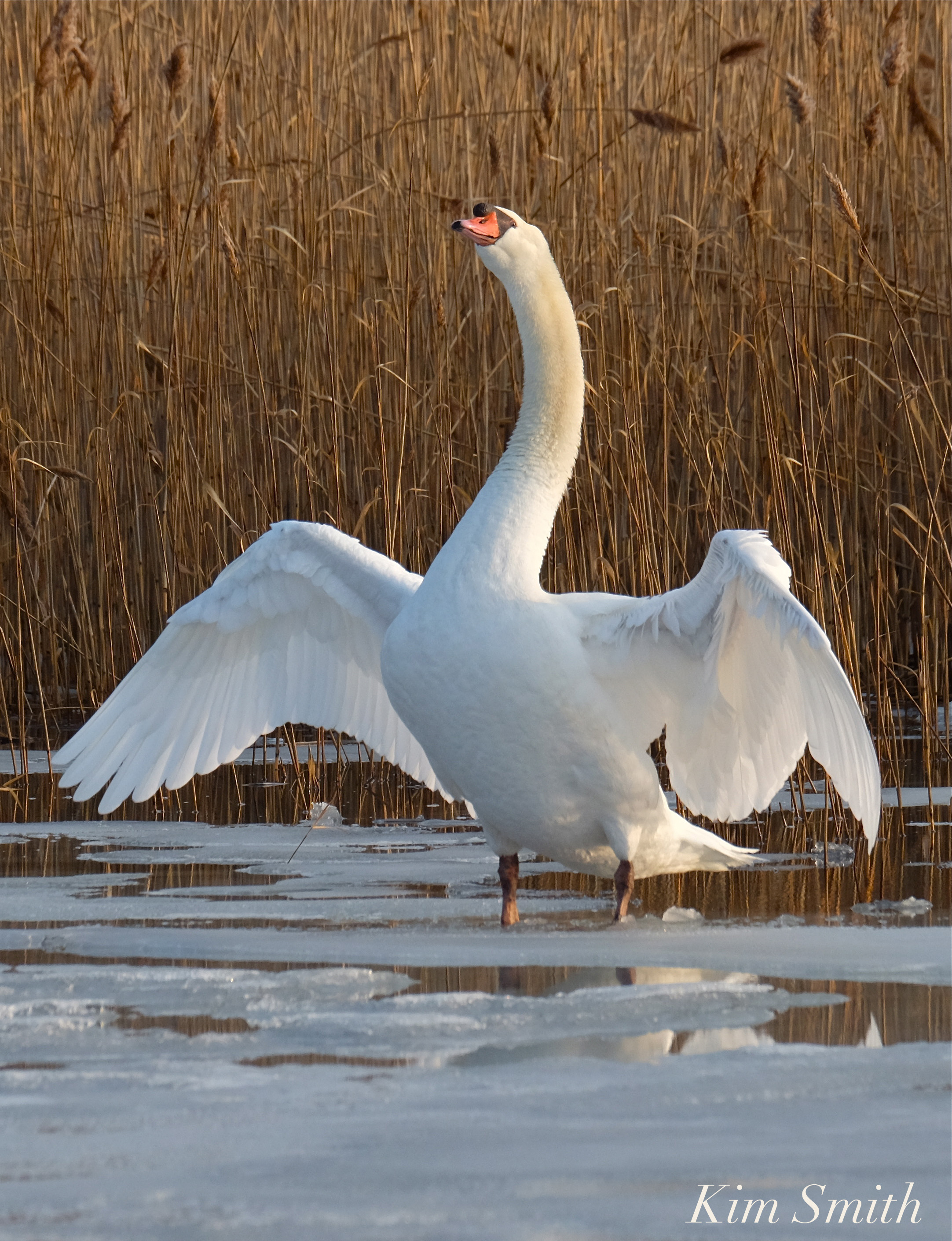
Good morning Gloucester! Mr. Swan’s big morning stretch before he sets off to patrol his territory
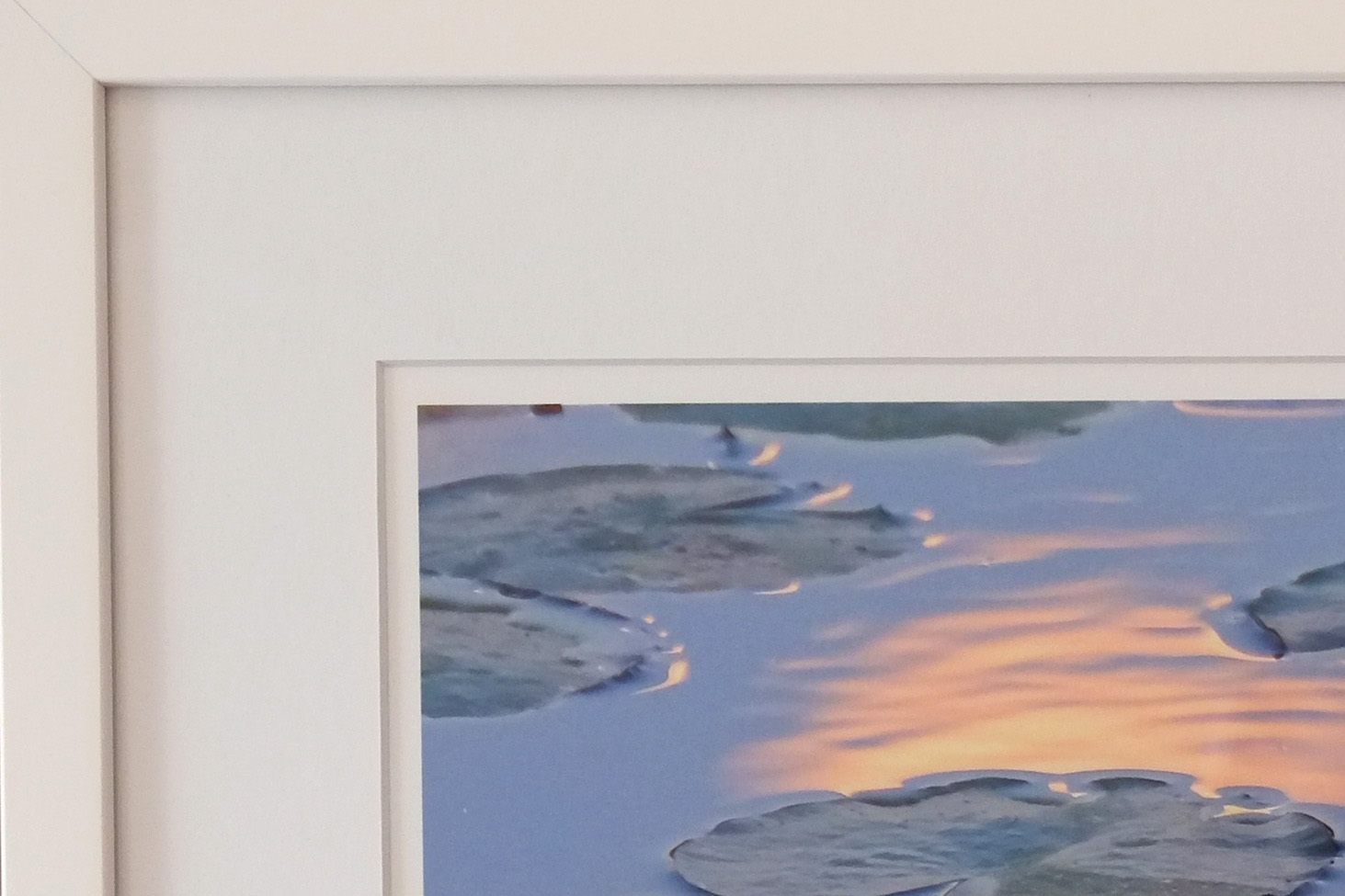
Don’t you love the look of a white mat and white frame? James and Anna over at Cape Ann Giclée are now offering matting and framing. Their workmanship is pristine, exquisite really.
For the past several years I have been trudging to frame shops looking for white frames, cutting the mats myself, and generally not happy about the inordinate amount of time spent doing these tasks. Now you can go to Cape Ann Giclée and they not only have a beautiful selection of papers and options for printing, but all can be matted and framed, in either a plain white or plain black frame, and all for a very reasonable fee. Thanks James and Anna for a terrific (and greatly simplified) experience. I am shipping “Lily Pads in the Moonlight” tomorrow to my client in Aspen and I just know she is going to love it!
Simple white frame, mat, and reveal–just perfect!
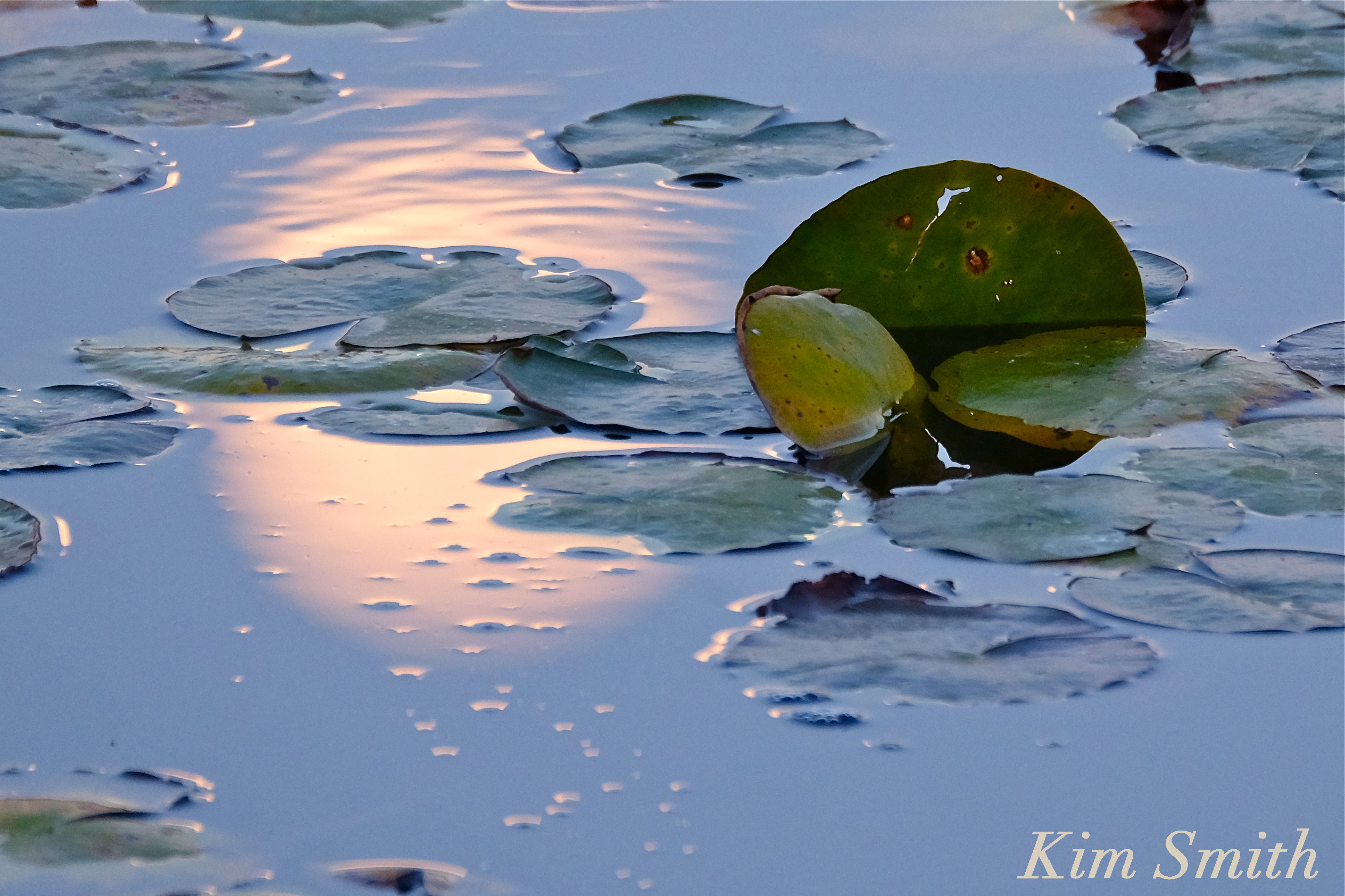
Lily Pads in the Moonlight, Niles Pond
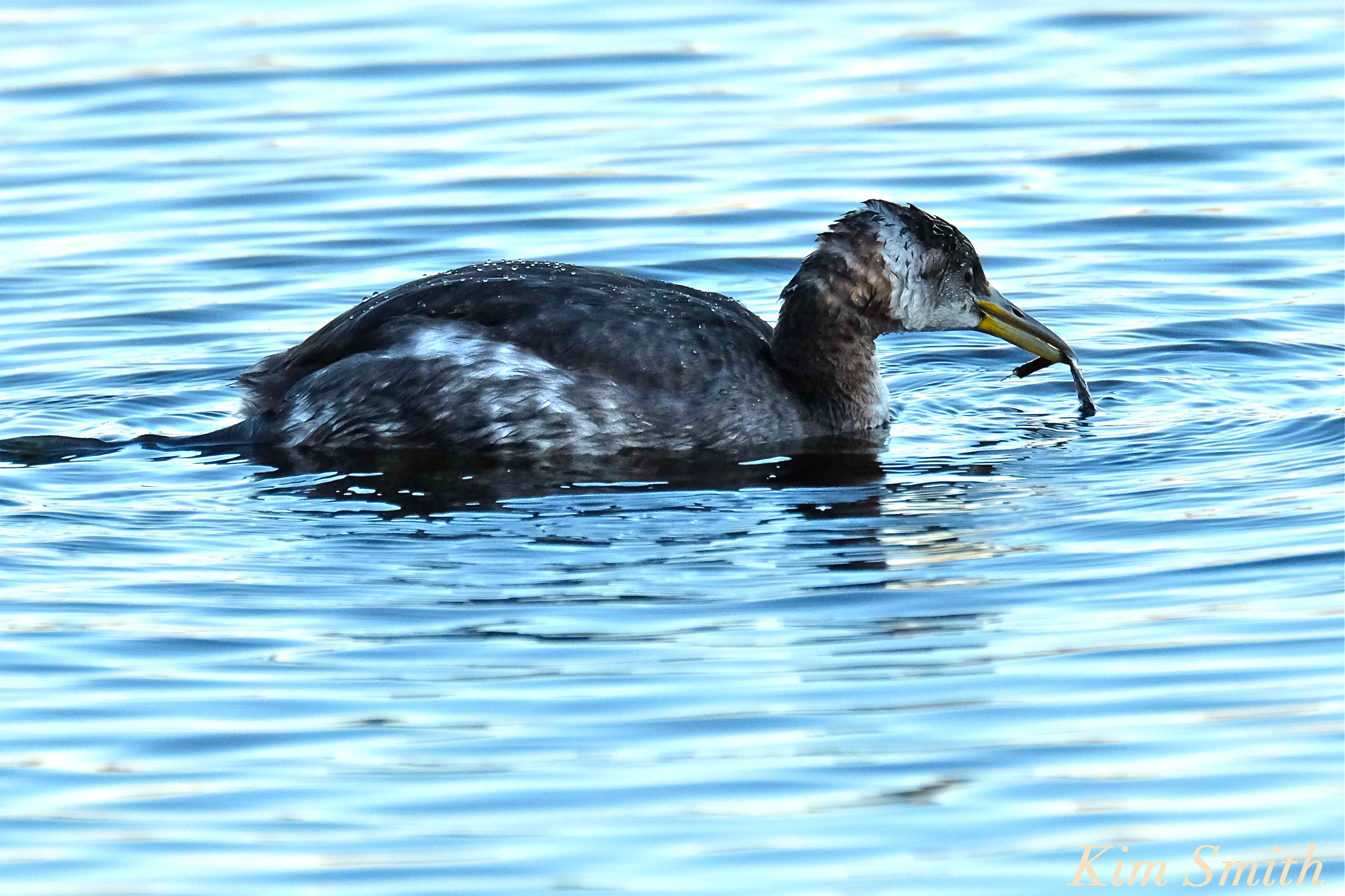
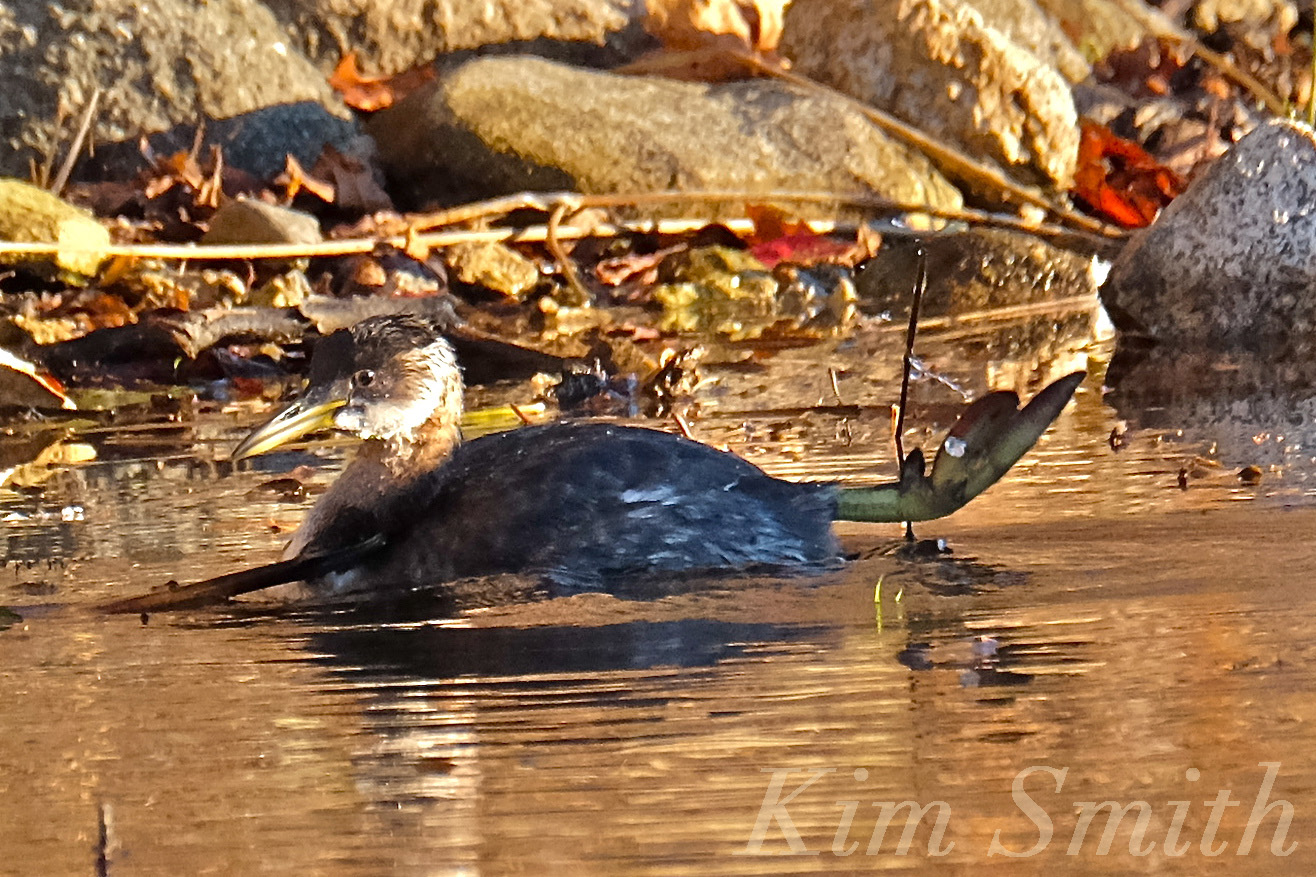
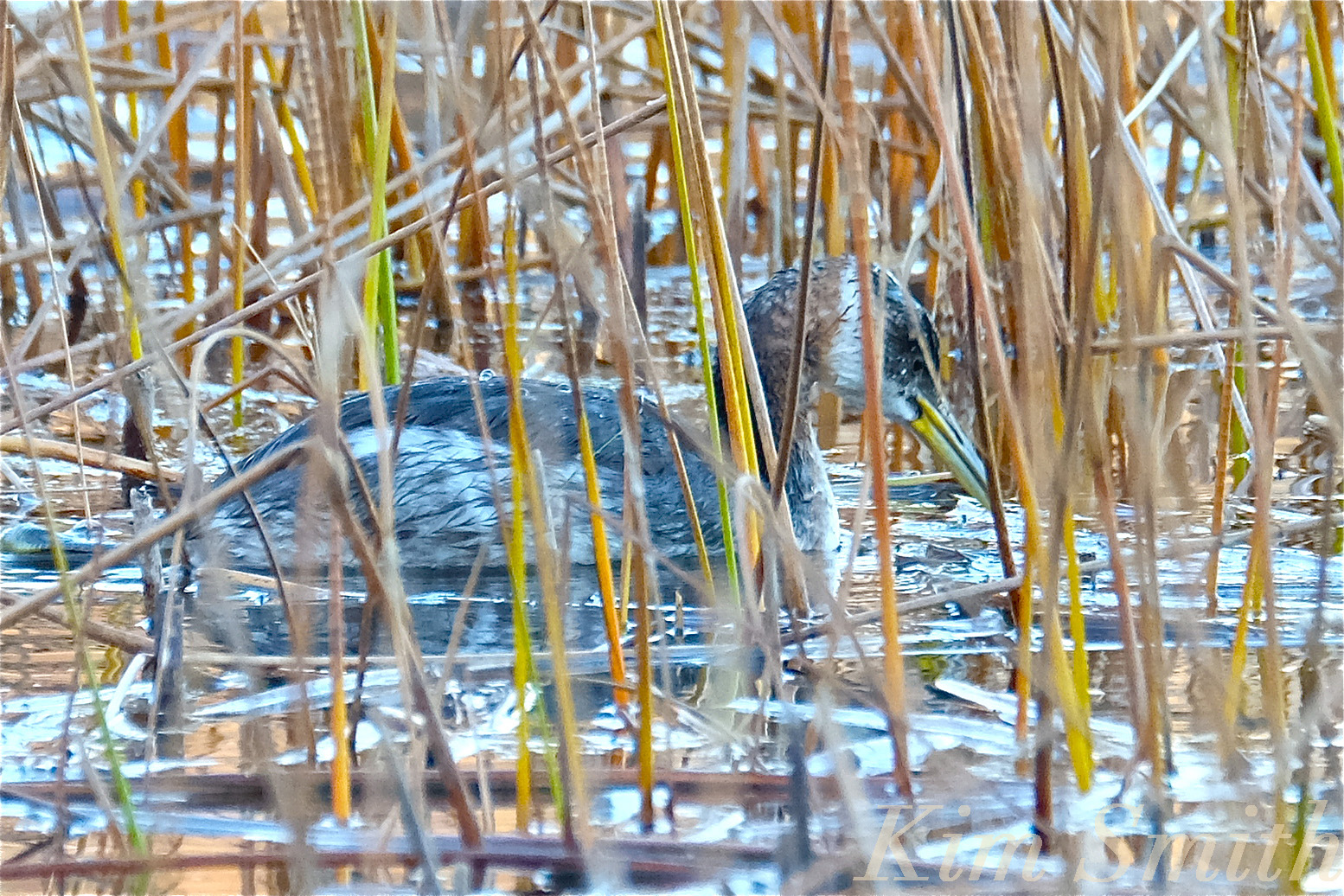
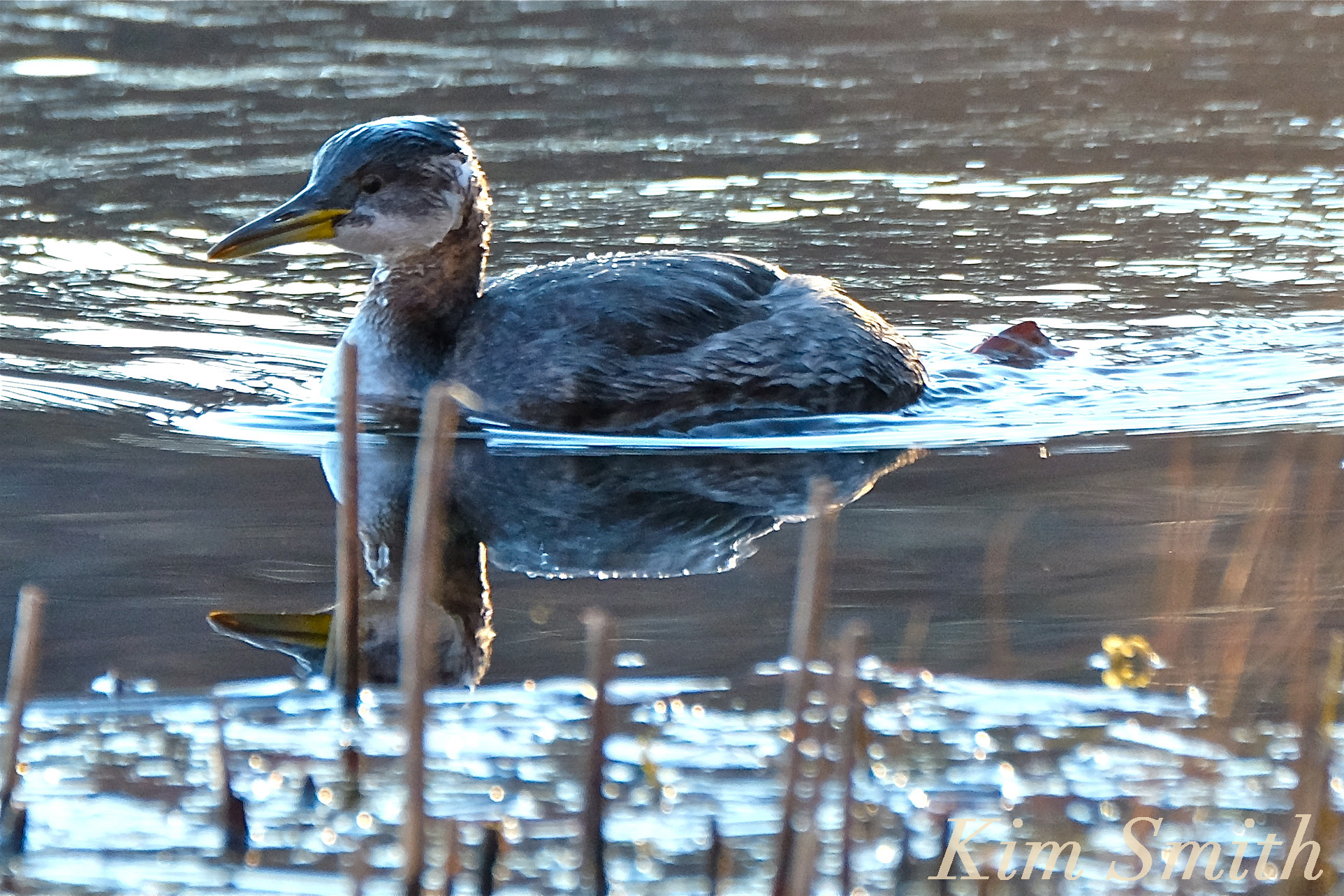
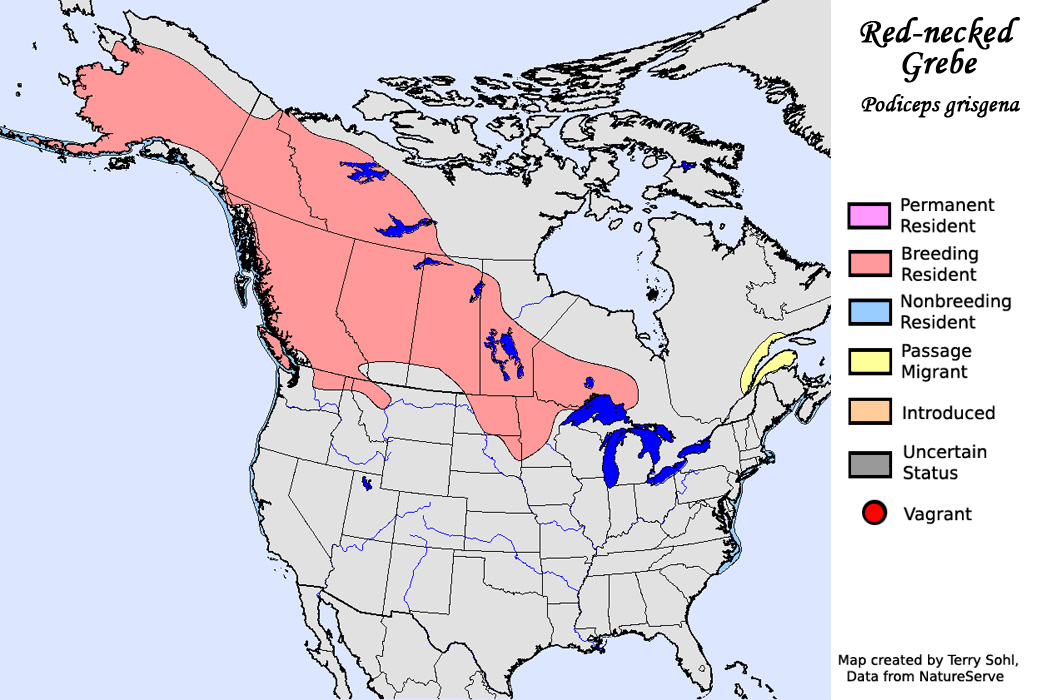
Foraging around the perimeter of Niles Pond this morning was a charming Red-necked Grebe. I write charming because his feet are exquisitely enormous! As it dove for food, they were put to good use as a sort of paddling propellor. The bird spent much of the morning with its head half submerged and feet furiously working, vigorously hunting small fish and vegetation.
Check out the size of the Red-necked Grebe’s foot 🙂
Elusive
Niles Pond is a special place that provides habitat for myriad species of wildlife, birds especially. Its close proximity to the ocean, abundance of food, and clear fresh, gentle water draws beautiful creatures to our shores all year round.
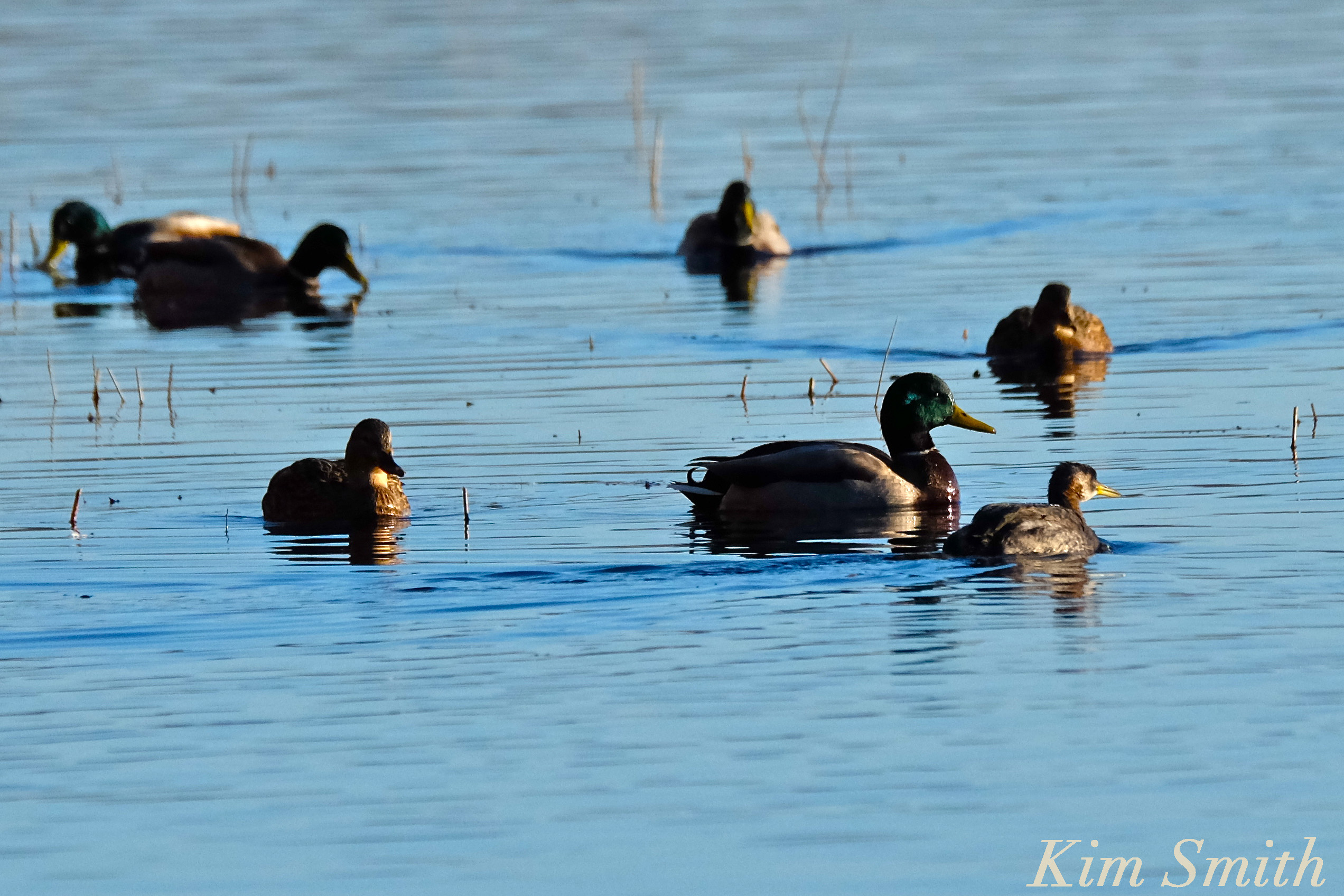
Although considered a large member of the grebe family, the Red-necked Grebe is comparatively quite a bit smaller than the Mallards. The Red-necked Grebe is on the far right.

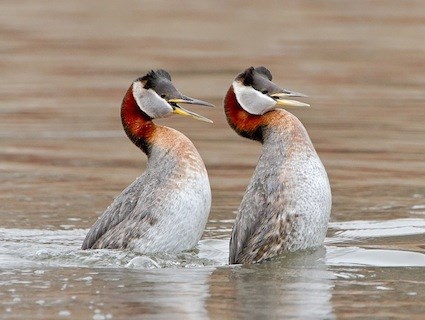
Red-necked Grebe in Breeding Plumage, photo courtesy Cornell All About Birds
Another glimpse of the Niles Pond juvenile Great Cormorant
SEE PREVIOUS POST ABOUT THE GREAT COROMORANT AT NILES POND HERE