How Exactly is Monsanto’s Roundup Ravaging the Monarch Butterfly Population?

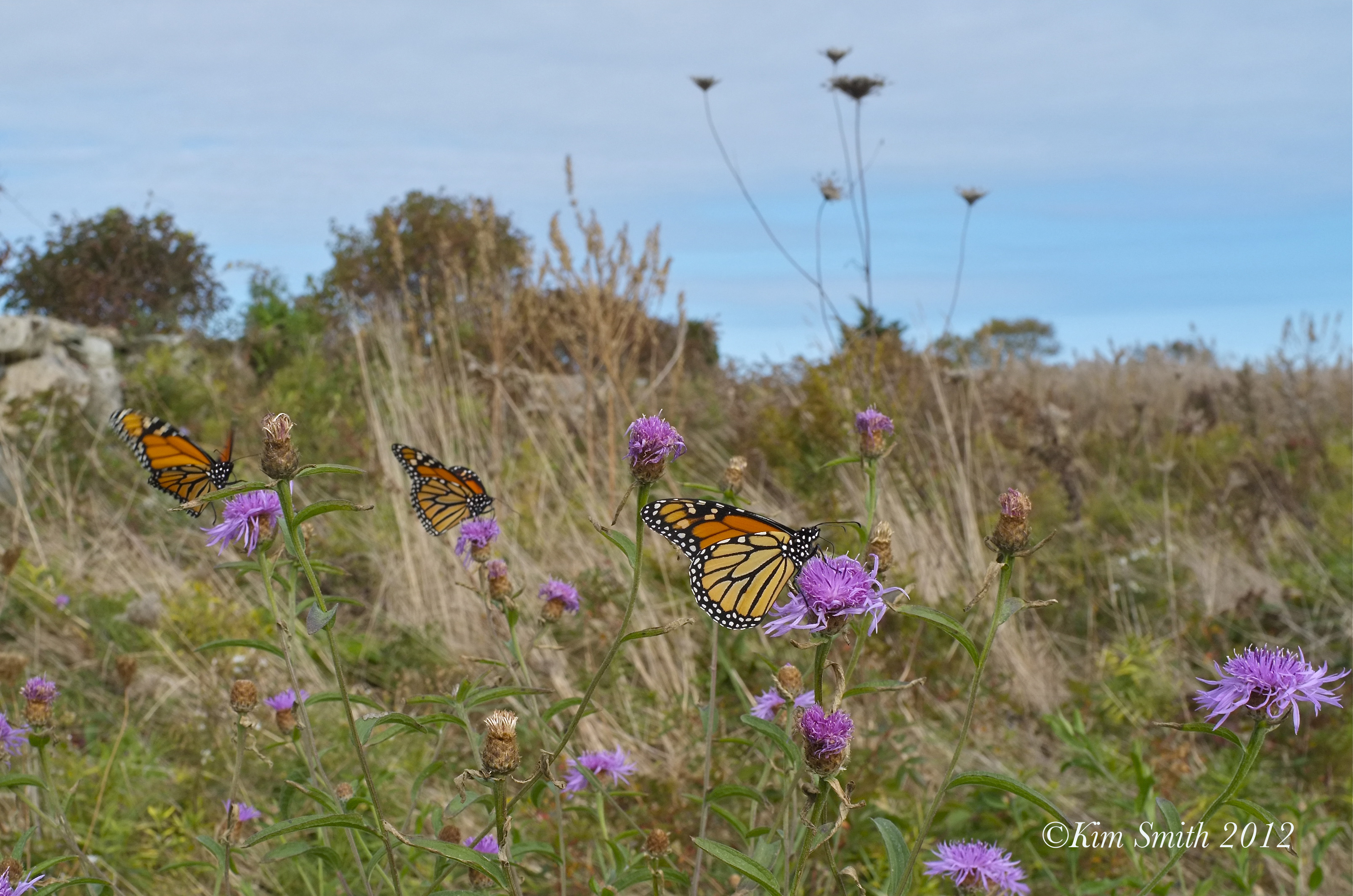
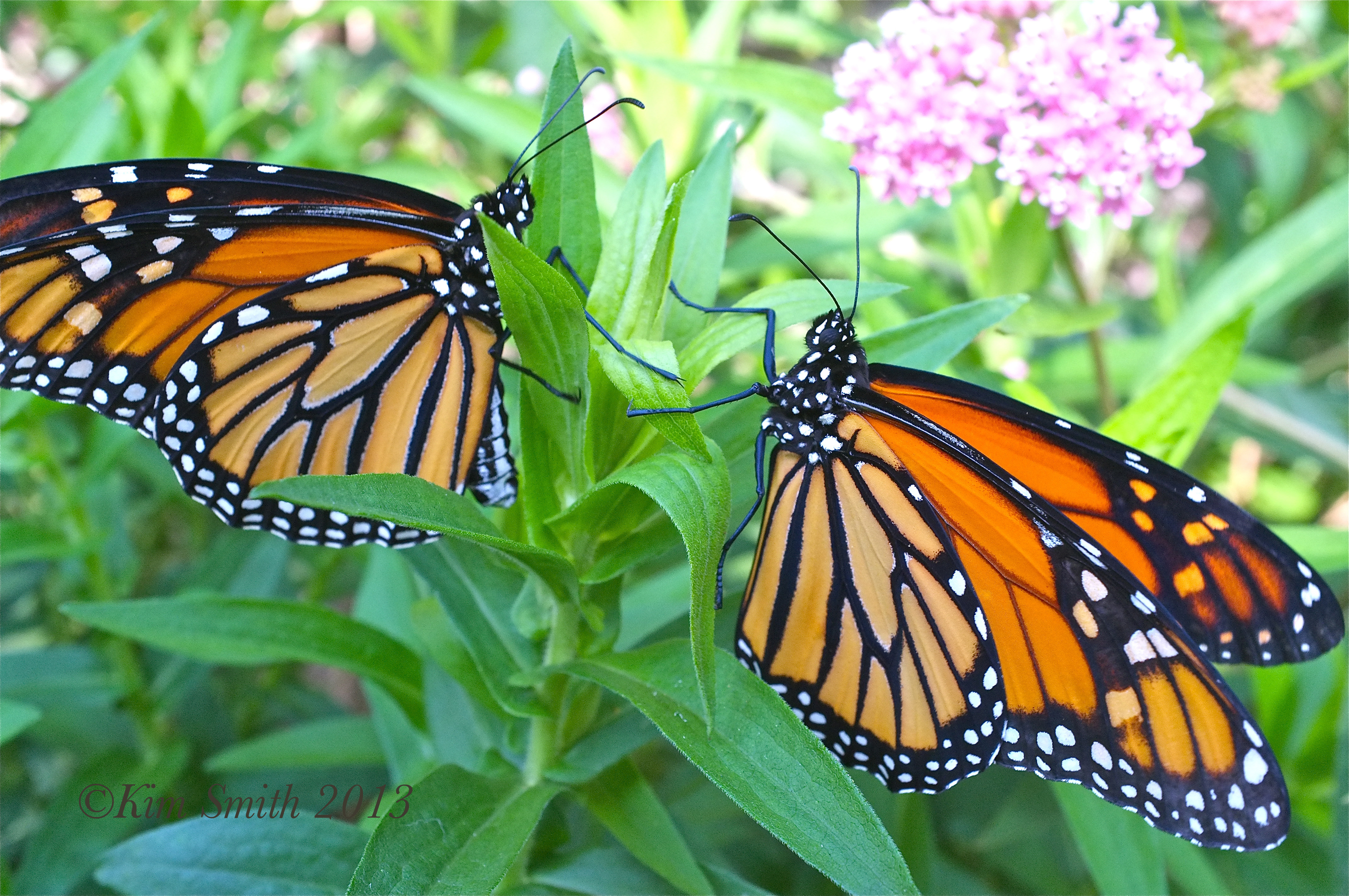
Monarch Butterfiles Female left Male right Milkweed ©Kim Smith 2012The above photo of a male (right) and female (left) Monarch Butterflies on Marsh Milkweed is part of the GMG/Cape Ann Giclee show opening tonight.

I am often asked the following question at my butterfly and pollinator garden design lectures. How exactly are Monsanto’s products ravaging the Monarch Butterfly population?

First, it is important to understand that all butterfly caterpillars rely on plant foods specific to each species of butterfly. For example, Monarch caterpillars only eat members of the milkweed family, Black Swallowtail caterpillars eat plants in the carrot family, and Heliconian butterflies eat plants in the passionflower family. Some caterpillars, like the larvae of the Eastern Tiger Swallowtail eat plants from a wide range of plant families. That being said, it is worth repeating that Monarch caterpillars only survive on members of the milkweed family.

Imagine a farm with row upon row of corn. Growing amongst and around the edges of the cornfields are wildflowers of all sorts, including milkweed. The wildflowers draw to the fields myriad pollinators such as bees, butterflies, and birds.

Monsanto has genetically modified the seed of corn and soybeans so that it will withstand extremely heavy doses of its herbicide, called Roundup. Monsanto’s corn and soybean seed is actually called Roundup Ready. Roundup Ready plants can withstand massive doses of the herbicide Roundup, but the milkweed and other wildflowers growing in the corn and soybean fields cannot.

Each year massive amounts of Roundup are sprayed on the corn and soybean fields, killing everything in sight, except the Roundup Ready corn and soybean. Additionally, Monsanto’s Roundup contains the active ingredient glyphosate, which has been tied to more health and environmental problems than you can possibly imagine.

Now imagine you are a Monarch Butterfly, having flown hundreds of miles northward towards breeding grounds of milkweed. But there is no milkweed to deposit your eggs. The circle in the chain of life is broken.

Since the use of genetically modified Roundup Ready began, milkweed has disappeared from over 100 million acres of row crops, or a roughly 58 percent decrease. Milkweed is not only the Monarch caterpillar host (or food) plant, the nectar-rich florets provide nourishment for hundreds of species of bees and other Lepidoptera.

The Monarch Butterfly migration is one of the great migrations of the world. Climate change and the loss of habitat are also factors in the decrease of butterflies. The Mexican government and the people of Mexico have enacted policies to help protect from logging the remaining oyamel fur trees in the Monarchs winter habitat.

There are several steps that we in the United States can undertake. 1) Avoid as much as possible genetically modified food, especially corn and soybean products. 2) If you own shares of Monsanto stock, get rid of it (Monsanto also developed Agent Orange). Thirdly, we need to start a national movement to cultivate milkweed and to create awareness about the important role wildflowers play in our ecosystem.

Calling Everyone: Plant Milkweed! No matter how small or large your garden, give a spot over to milkweed and watch your garden come to life!

Have Prius–Can Do!

I wrote this post several days ago. Westport was hit very hard by Sandy.

Let’s hope Westport is spared coastal flooding from Hurricane Sandy

This upcoming planting week for my newest project, The Mary Prentiss Inn, a beautiful inn in the heart of Cambridge (more about The Mary Prentiss Inn later) has been disrupted by Sandy. One of the nurseries I work with cancelled delivery and wanted to reschedule, but not until after the 5th of November. By that time I’ll be knee-deep planting Willowdale for the spring of 2013. I didn’t want to disappoint my clients and postpone work until later in November. What to do? Have Prius, will travel.

Much has been written about the super fuel efficiency of the Prius (saving me much, much $$$ over the eight years I have owned a Prius), but rarely do I see mention of it’s fantastic carrying capacity when the back seat is made flat. People look at me in disbelief when I tell them I have transported trees and (smallish) sofas in the back of my Prius so I thought you’d like to see.

125 Boxwood plants, with room to spare in the front passenger seat

Friends often tell me I need a truck or a van. Perhaps when an auto manufacturer designs a 22k truck or van that gets 45 miles to the gallon (when loaded to the max), I’ll consider. In the meantime-have Prius, can do!

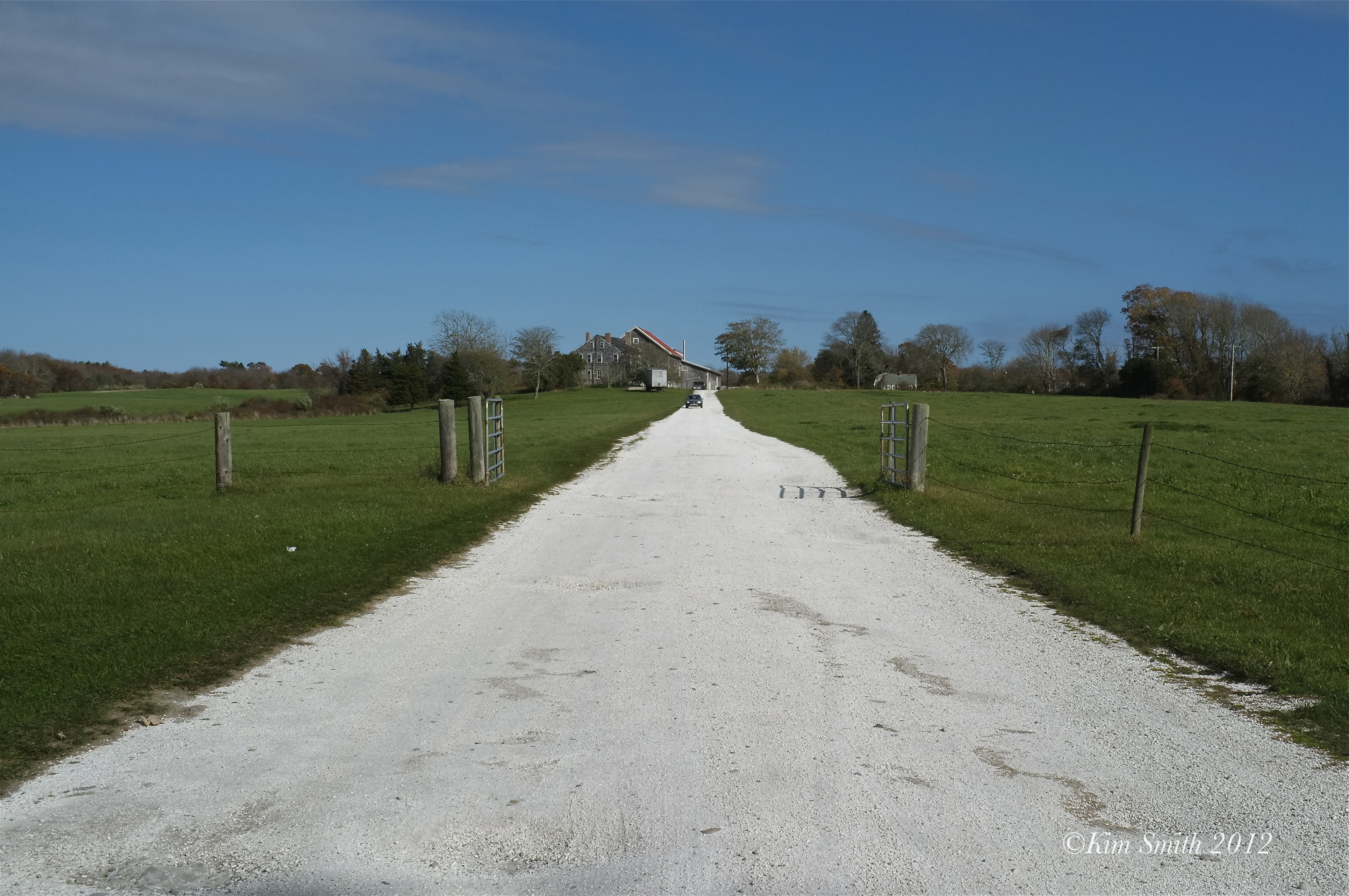
Westport is one of the most exquisite New England towns you will ever see. The topography is such that the farmland runs to the ocean’s edge. Through community and conservation groups, Westport is earnestly endeavoring, and succeeding, in preserving its historic and agricultural heritage–as we know in Gloucester, it is very intelligent when communities work together to help protect and preserve their farmers and fishermen.

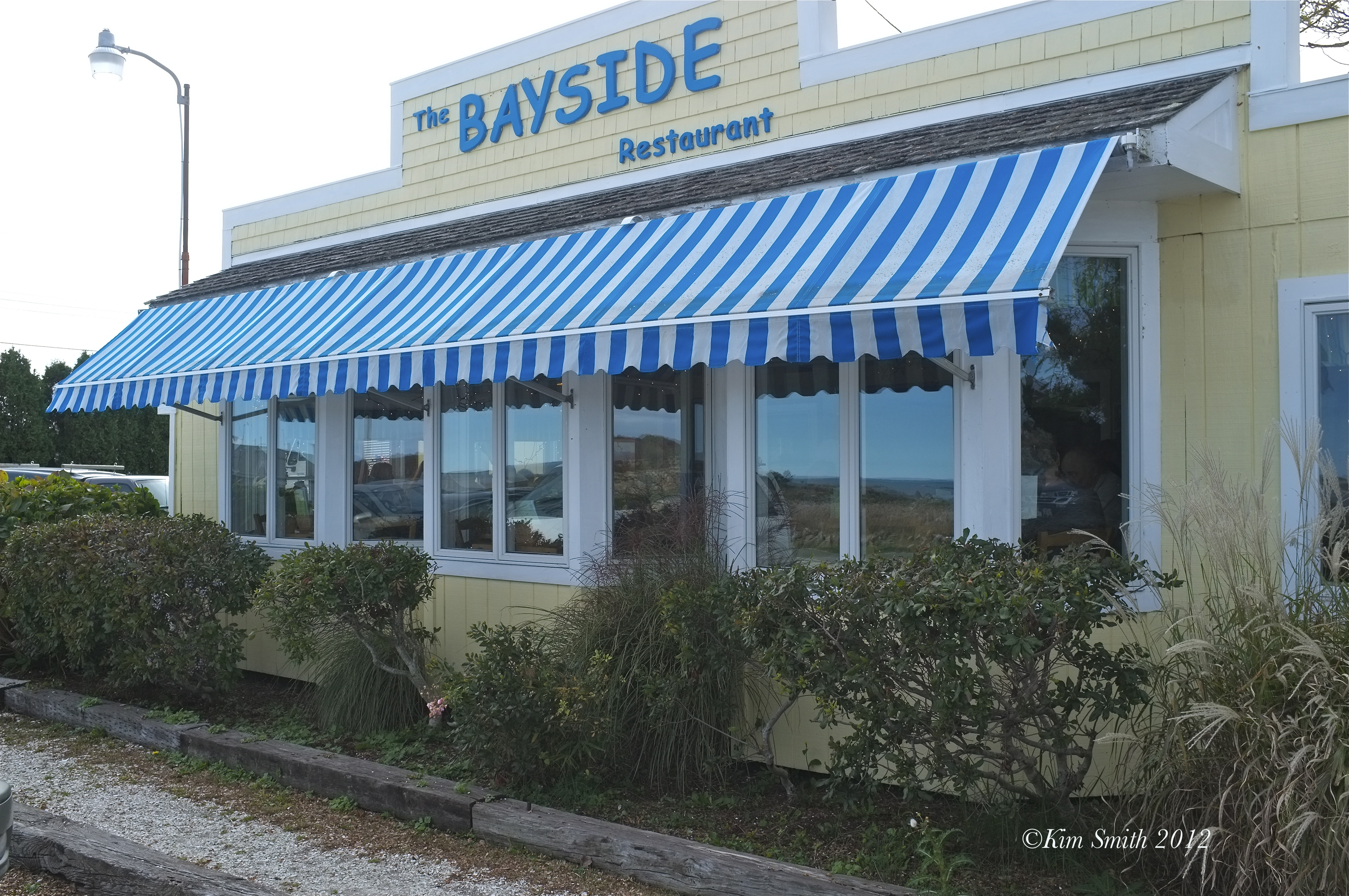
The Bayside Restaurant ~ Charming little spot to eat in Westport, across the road from Allens Pond Wildlife Sanctuary. The Bayside offers a complete menu, including many delicious seafood entrees and Homemade Pies!

Super Fresh Rhode Island Calamari

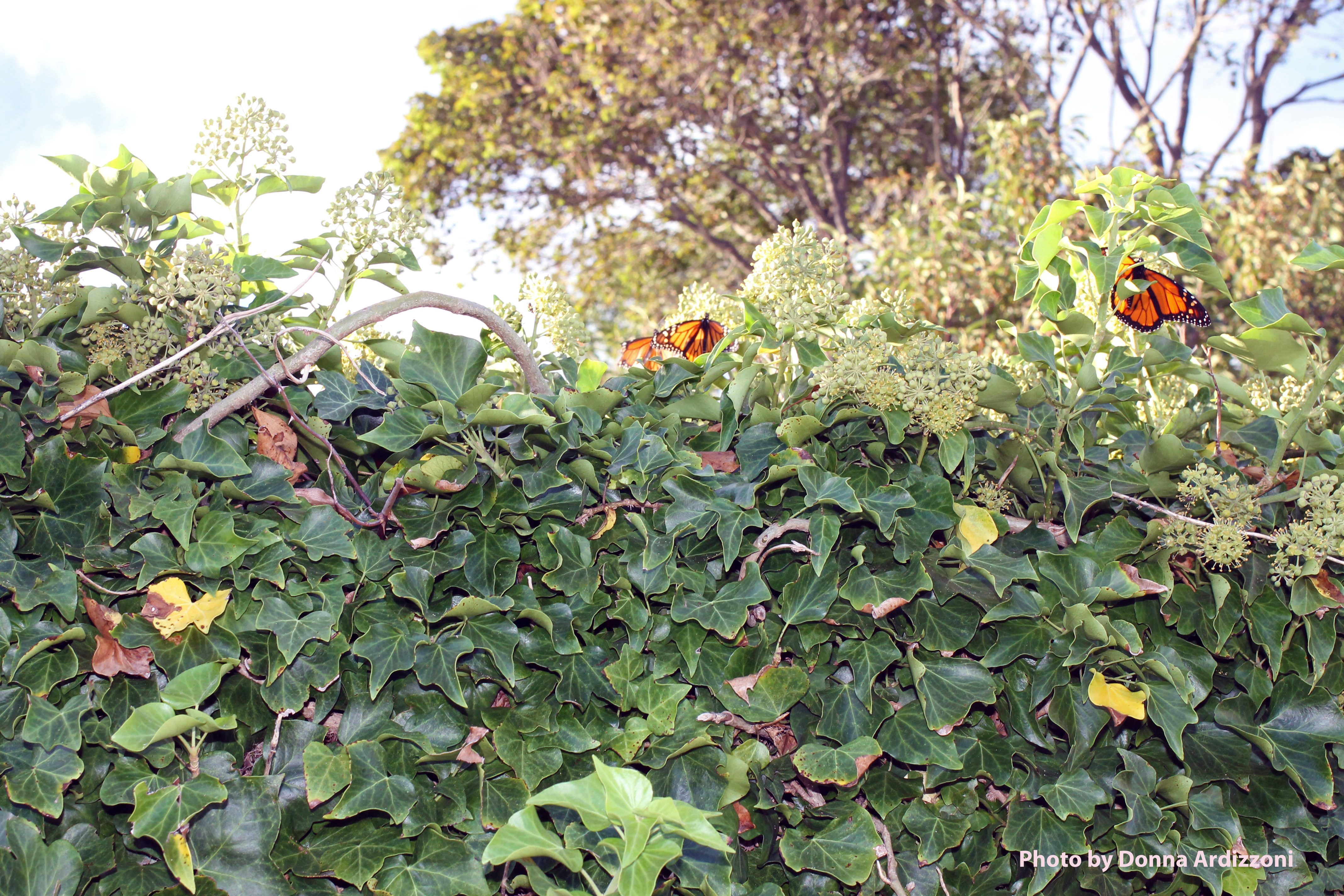
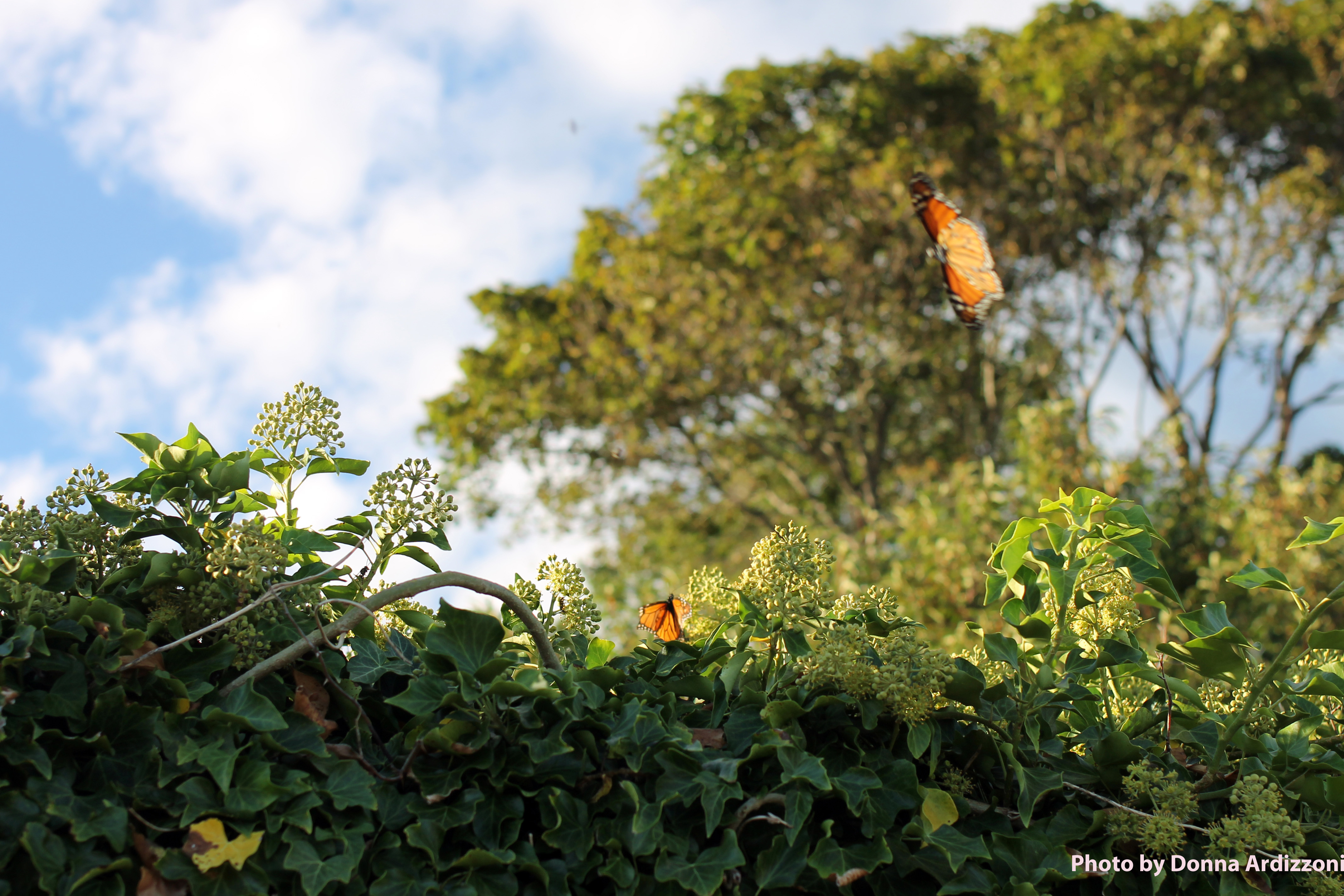
You can see why Sylvan is one of my top five nurseries, not only for their exquisite plant stock, but because they are located about a hundred yards down the road from Allens Pond Wildlife Santuary.  In autumn, after the coastal Monarchs depart Cape Ann, they fly south and next congregate in the Westport area, in and around Allen’s Pond and Horseneck Beach.

 Allens Pond ~ Hurry Monarchs and Get Going! October 26, 2012

From the Trustees of Reservations website, “In many towns throughout Massachusetts The Trustees of Reservations have worked in partnership with the state’s Department of Agricultural Resources to help preserve family farms. Nowhere has that work been more successful than in Westport, where the partnership includes the Westport Land Conservation Trust and the town. Together, the groups have protected 13 farms in Westport over the past five years, including two dairy farms, two Christmas tree farms, an organic fruit and vegetable farm, a beef cattle operation, and even a piggery. There are now a total of 28 preserved farms in Westport, encompassing over 2,100 acres.”

Westport, Massachusetts

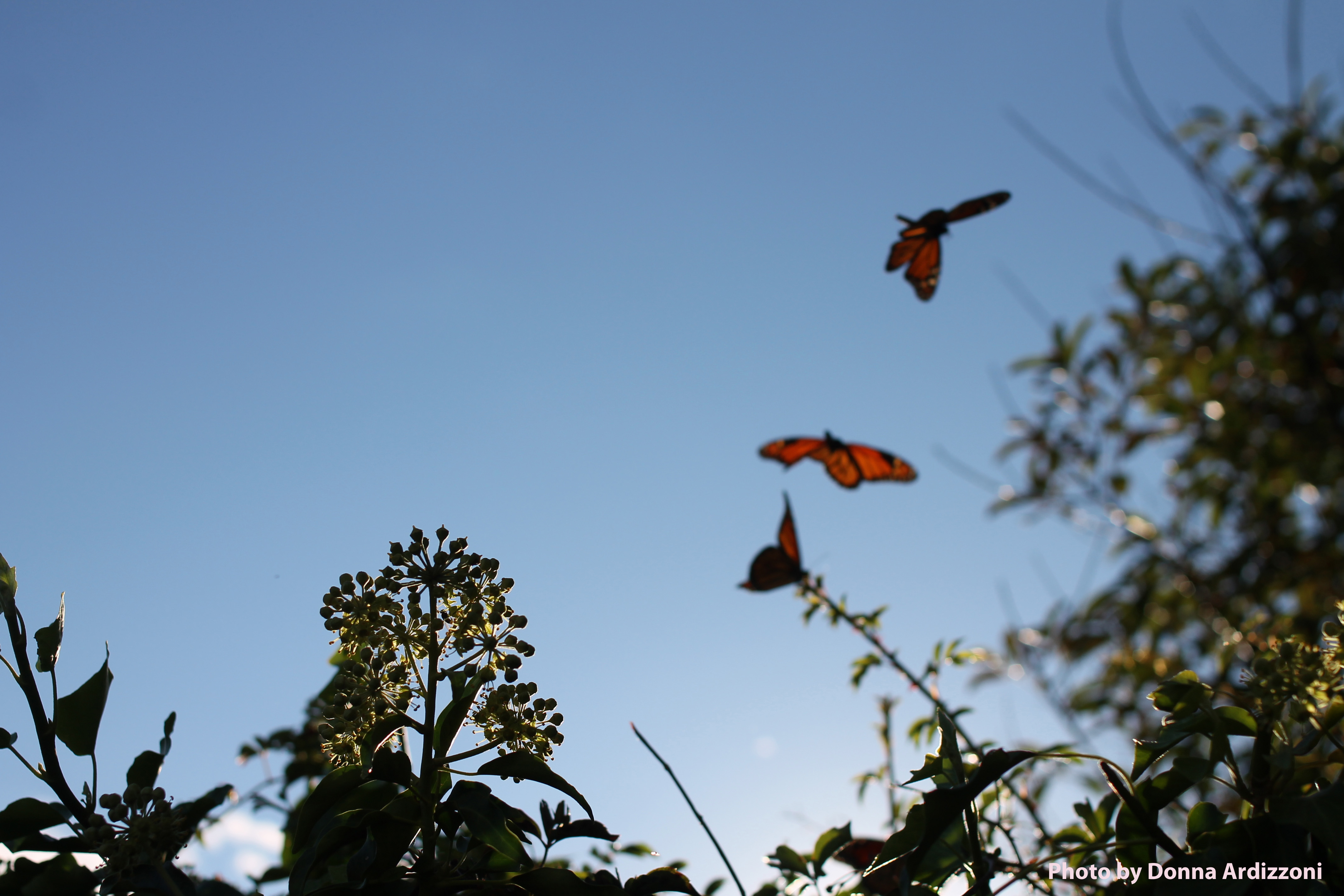
The Butterflies are migrating

Walking on Shore Road on Saturday, it was amazing seeing this beautiful soaring butterflies all over the bushes.

When to Mow Your Fields for Butterflies and Other Beneficial Insects From Kim Smith

Recently a design colleague wrote inquiring as to the best time to mow her client’s fields as she was concerned about disrupting the breeding cycle of the Monarch butterfly. I am often asked this question and it is well worth considering, not only for the sake of the Monarchs, but for the survival of the myriad species of butterflies, bees, and other pollinating and beneficial insects that find food and shelter in untilled fields.

image

Newly Emerged Monarch

Dear Laurel,

I generally advise my readers and design clients that own similar untilled fields to alternately mow in stages–-half a field at a time. The Monarch is a large, charismatic butterfly with an easily observed life cycle. The typical field comprised of native (and introduced) wildflowers and grasses creates a rich biodiversity, supporting innumerable species of butterflies and beneficial insects. It is hard to know when exactly to mow for each different species and when to mow for even one single species because, from year to year, depending on many variables including temperature and air currents, the insects breeding times are somewhat variable. For example, this year I have had three broods each of both Monarchs and Black Swallowtails, when in a more typical year I may only have two broods.

image

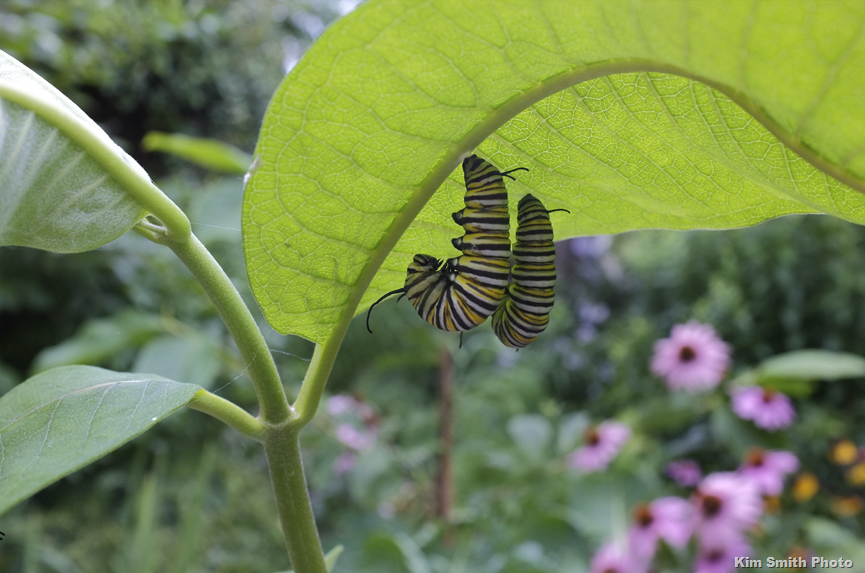
Monarch Caterpillars Attached to Milkweed Leaf (Asclepias syriaca)

I think of not too long ago when we were primarily an agrarian society. Farmers then would have mowed different fields at different times during the growing season. A woman in our community, whose field is rife with common milkweed, always mows in late June or early July. Initially I thought that this was perhaps not good practice for the Monarchs, but the thing with Common Milkweed (Asclepias syriaca) is that when mown to the ground in early summer, it shoots right back up again. By the time the late July, early August Monarchs have arrived and are breeding in our region,her milkweed has re-sprouted, grown at least a foot, is lush and green, and flowering.

That your client is interested in caring for the flora and fauna that abounds in her fields is wonderful! We want weeds (wildflowers) growing in our fields–they provide food and shelter for benefiel insects and wildlife and also help retain moisture in the soil.

The single greatest threat to the Monarch butterfly is the use of Monsanto’s Roundup Ready genetically modified corn and soy bean seed, which are designed to tolerate potent does of Monsanto’s herbicide Roundup, however, Roundup kills all other surrounding plants and all beneficials insects and their larvae. Additional threats include the extreme weather condiitons caused by climate change, overdevelopment in the US, which has led to loss of habitat, and lastly, the unrelenting poverty in rural Mexican villages, which is leading to the deforestation of the butterflies habitat in Michoacán.

To Read the rest of Kim’s Post Check Out Her Blog Here-

Kim Smith Designs

KIM SMITH- Northward Migrating Monarch Butterflies Arrive to Good Harbor Beach and to Our Garden!

To read the full story, with many more photos than I can attach to the newsletter, click here for blog.

While snapping a photo of the divinely scented honeysuckle embowering the outside shower…
Honeysuckle embowered shower enclosure Lonicera japonica 'Purpurea'

I spotted our first female Monarch butterfly of the season.

Monarch Butterfly Marsh MilkweedShe’s arrived a bit earlier than usual this year, or more accurately, the milkweeds in our garden are slightly behind in blossoming time-Marsh Milkweed won’t bloom for another half-week and Common Milkweed won’t flower for another two weeks (both milkweed patches are growing nearby the shower enclosure). However, she did not have nectaring in mind.

Monarch Butterfly Marsh Milkweed

Click here to read the rest at Kim’s Blog

Chickity Check It! Kim Smith Has Updated Her Monarch Butterfly Postings

From Kim-

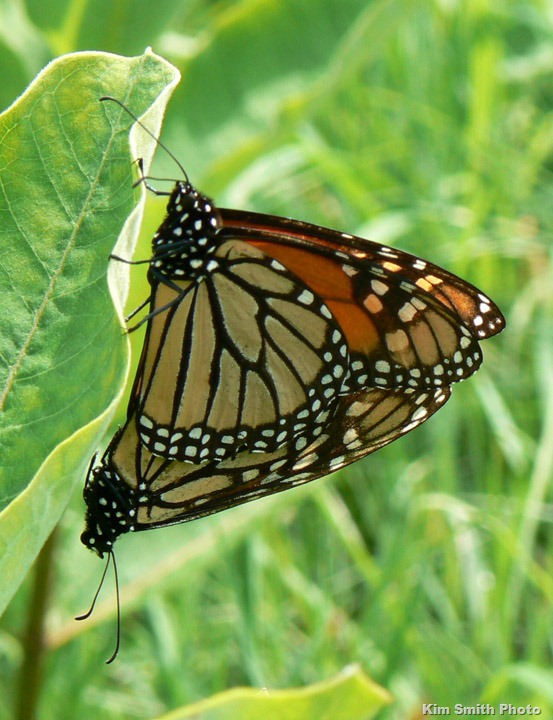
Monarch Butterflies Mating

Dear Gardening Friends,

The attached article on common milkweed has been updated and I’ve added video footage filmed in our garden to my blog. Look for the “twin” caterpillars,” “twin” # 2 pupating, and a gorgeous Monarch butterfly emerging from its chrysalis. The video of the caterpillar pupating goes a bit dark in the beginning because I was trying to capture the its exoskeleton splitting apart, just below the head.

My husband, Tom Hauck, was quoted on Sound Off in this week’s issue of Time Magazine. His quote can also be found on my blog.

Looking at our thriving patch of common milkweed, I am eagerly anticipating the arrival of the Monarch butterflies to our garden in Gloucester. It is difficult to reconcile the enjoyment we derive from life’s simple pleasures, as compared to feelings of sheer helplessness when looking into the faces of the victims struck by the unfolding tragedy in the Gulf Coast region—a tragedy for the nation. I hope and pray that the net result of this catastrophe will be a wake up call, and that we will all come together to fully realize the potential of non-polluting alternatives to our unsustainable use of fossil fuels.

With best wishes, Kim