GOLDEN FLOWER OF THE AZTECS

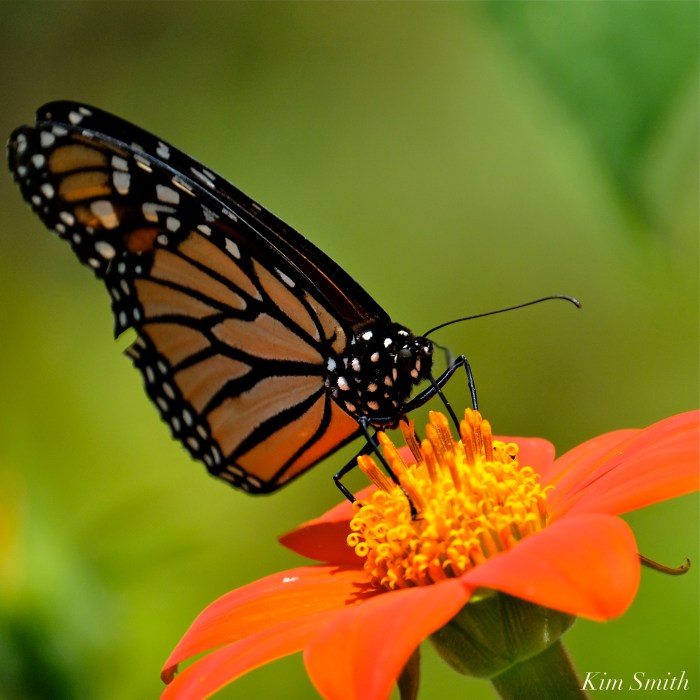
The brilliant red-orange Mexican Sunflower (Tithonia rotundifolia) is a beneficial pollinator magnet. Plant and they will come! Grow a patch of milkweed next to your Mexican Sunflowers and you will not only attract Ruby-throated Hummingbirds and an array of bee species, but every Monarch Butterfly in the neighborhood will be in your garden.
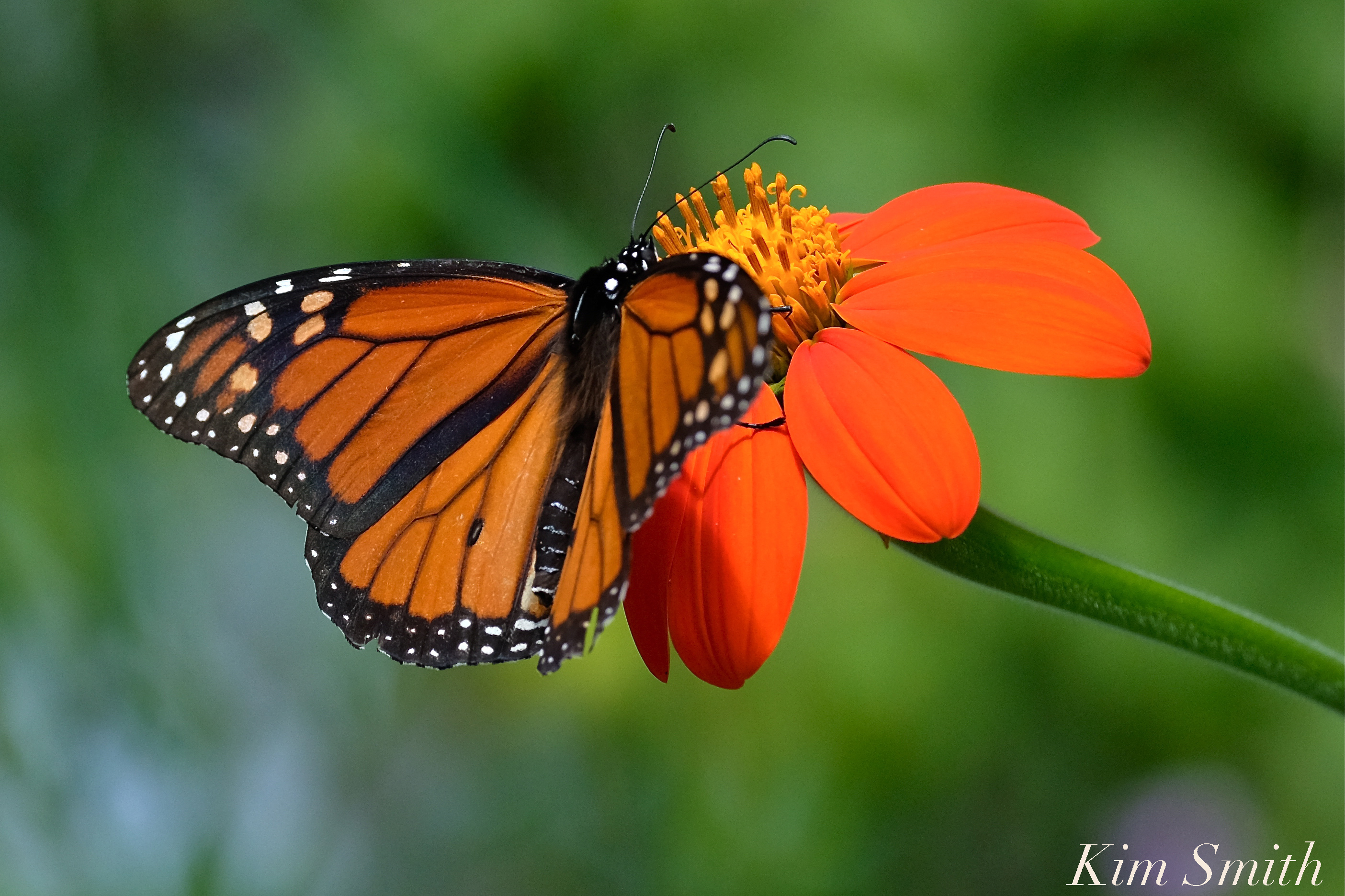
Its many common names include Red Torch Mexican Sunflower, Bolivian Sunflower, Japanese Sunflower, but one of the loveliest is ‘Golden Flower of the Aztecs.’ Tithonia rotundifolia grows wild in the mountains of Central Mexico and Central America.

Mexican Sunflower is one of my top ten favorites for supporting Monarchs, is extremely easy to grow, and deer do not care for its soft, velvety leaves. Plant in average garden soil, water, and dead head often to extend the blooming period. Ours flower from July through the first frost. Collect the seedheads after the petals have fallen off, but before they dry completely and the songbirds have eaten all the seeds.


BENARY GIANT ZINNIAS AND MORE MONARCH SIGHTINGS!

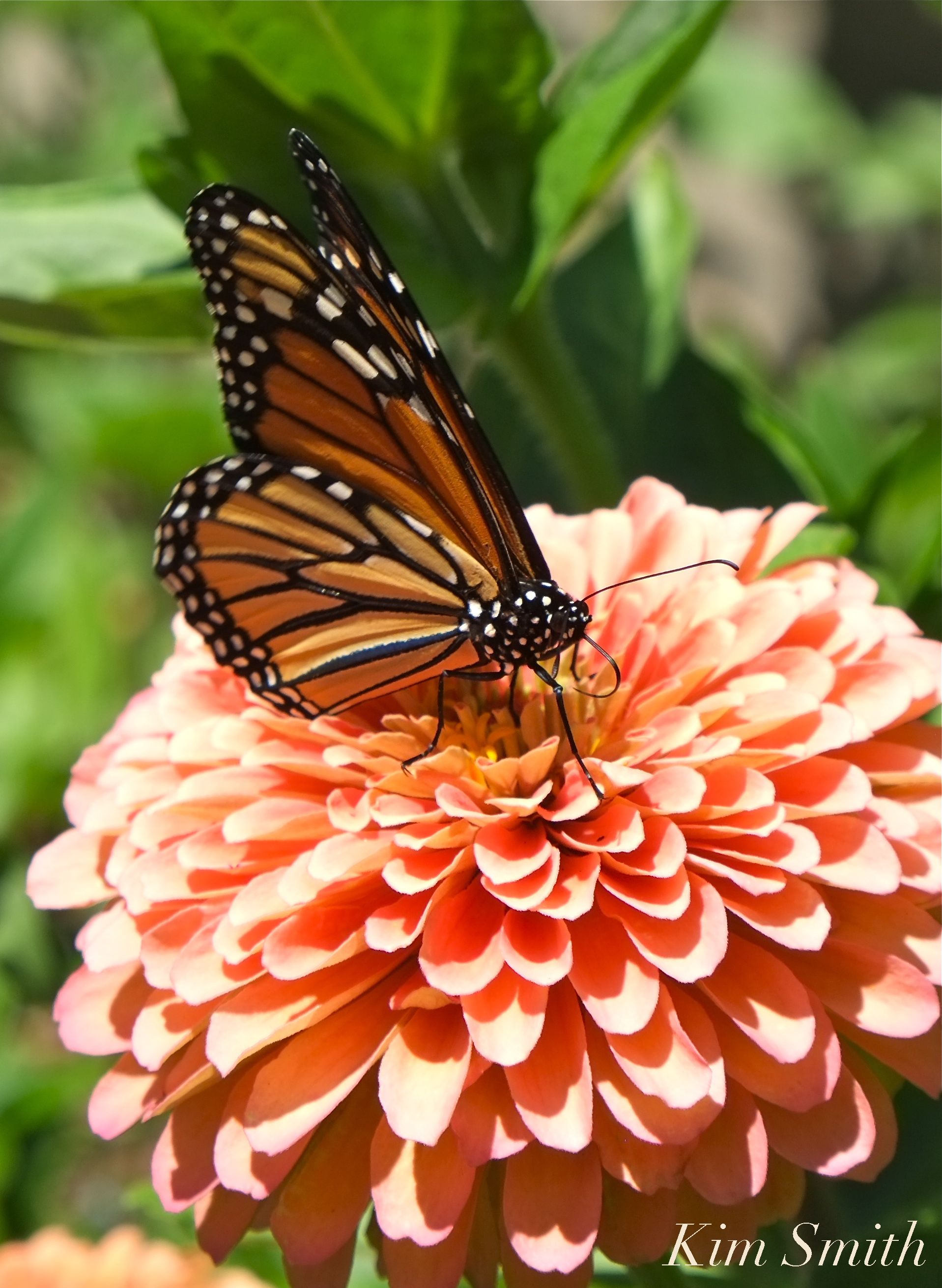
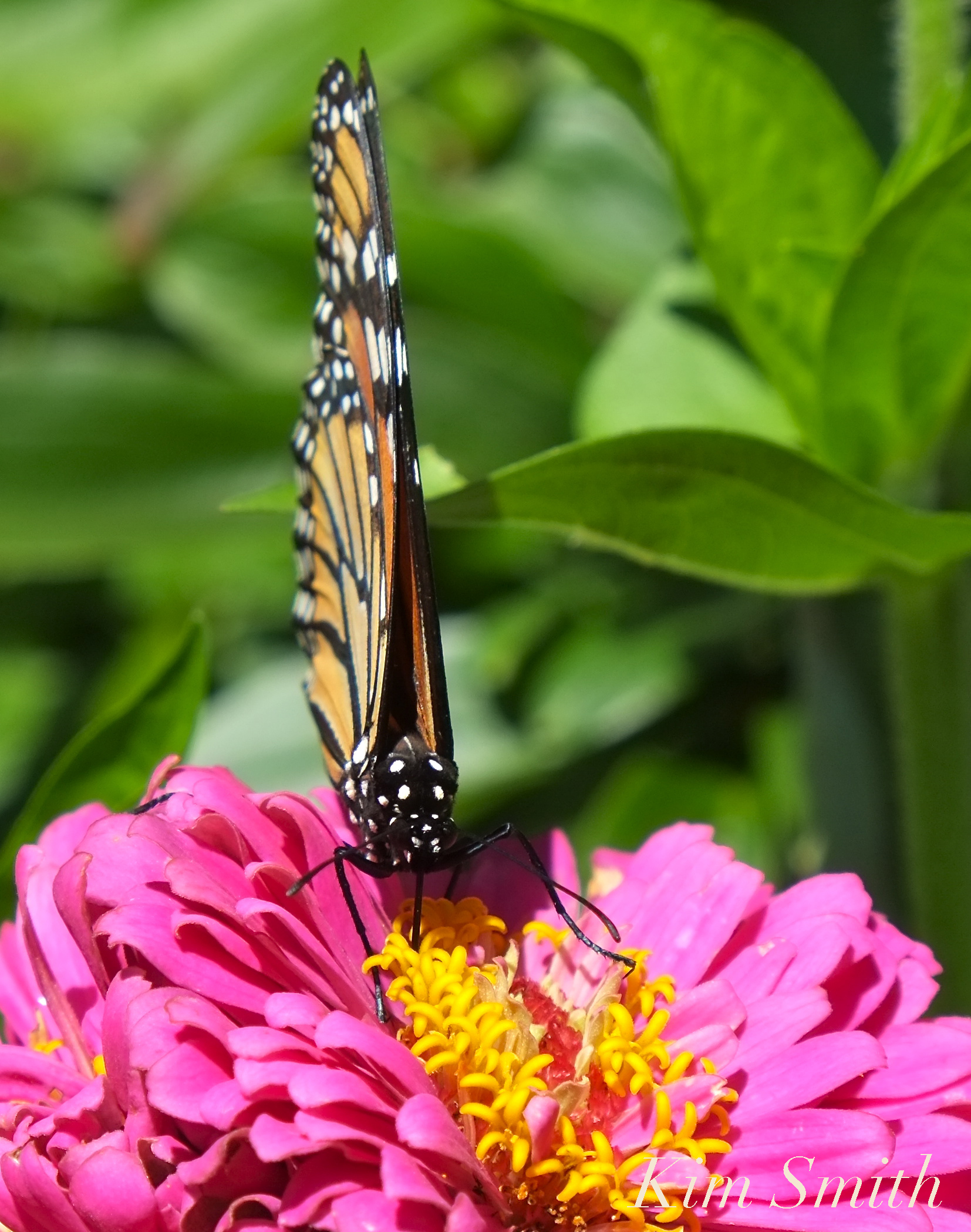
They don’t call these zinnias ‘Giant’ for nothing! One of my favorite zinnias, not only for its show-stopping size and sparkling array of colors, but these beauties are a magnet for Monarchs (and a bevy of other beneficial pollinators, too). Zinnias (Zinnia elegans) are a native North American wildflower and these grand beauties were developed by Ernst Benary, one of the oldest German seed companies, founded in 1843. You can purchase Benary Giant seedlings from Elise and Tucker at Cedar Rock Gardens in the spring.

Benary Giant Zinnia and Monarch Butterfly

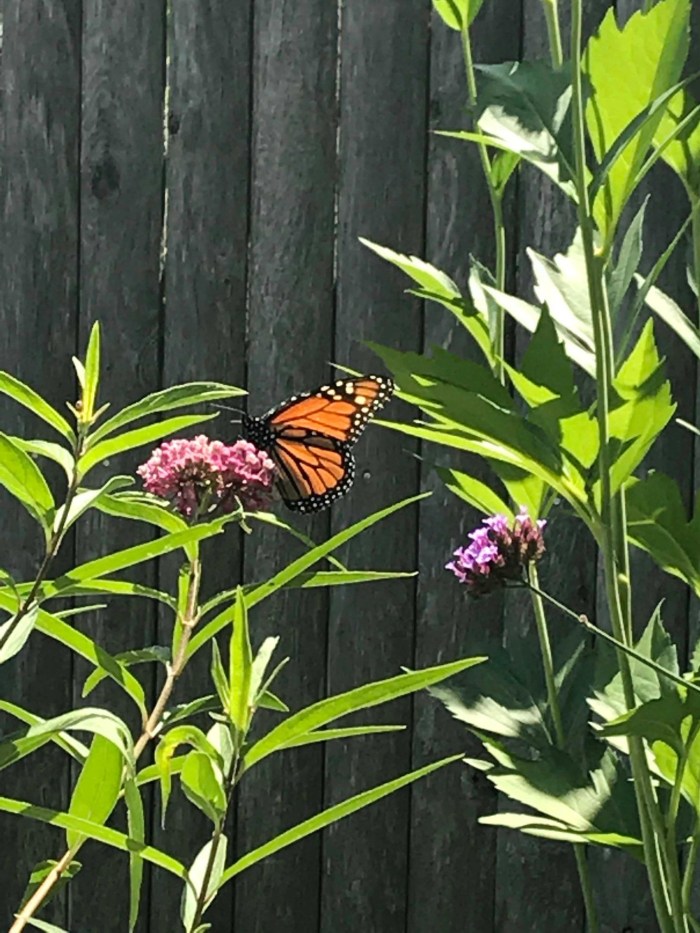
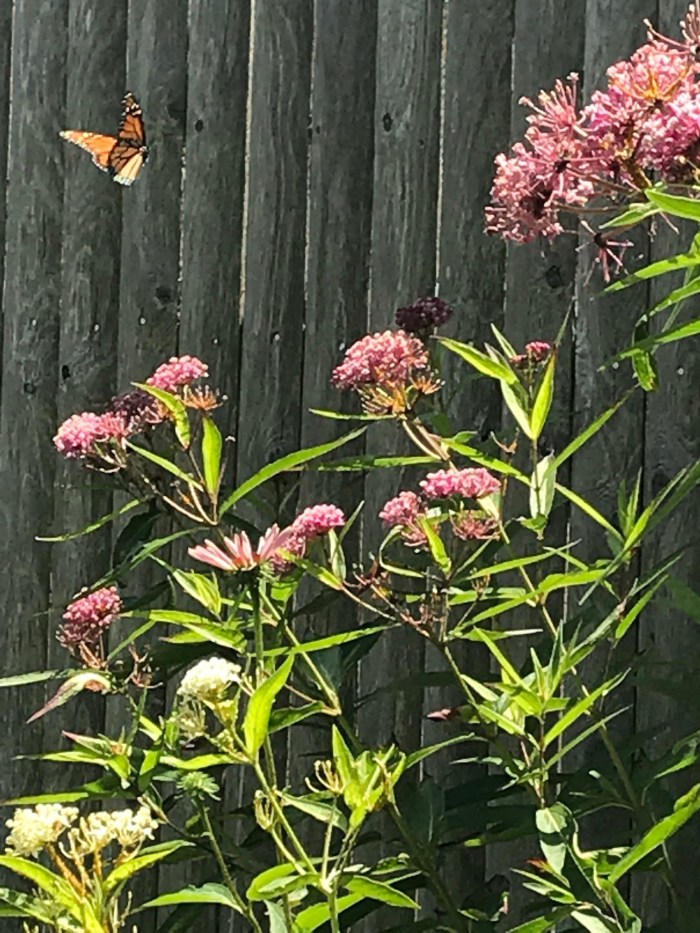
Elizabeth Redmond from Essex shares photos and writes,

“Hi Kim,
My little butterfly garden in Essex is only 4 feet by 6 feet and yet the monarchs find the Asclepias incarnata that I grew from seed—so gratifying! This week I’ve had two at a time (although not caught in photo). Thanks for your awareness-raising work and great photos!”

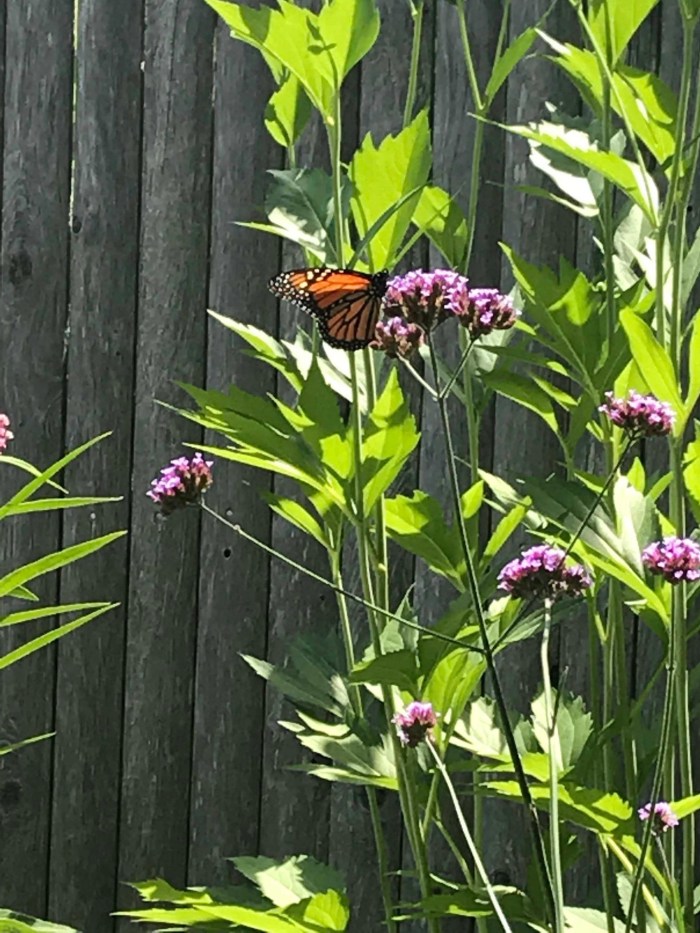
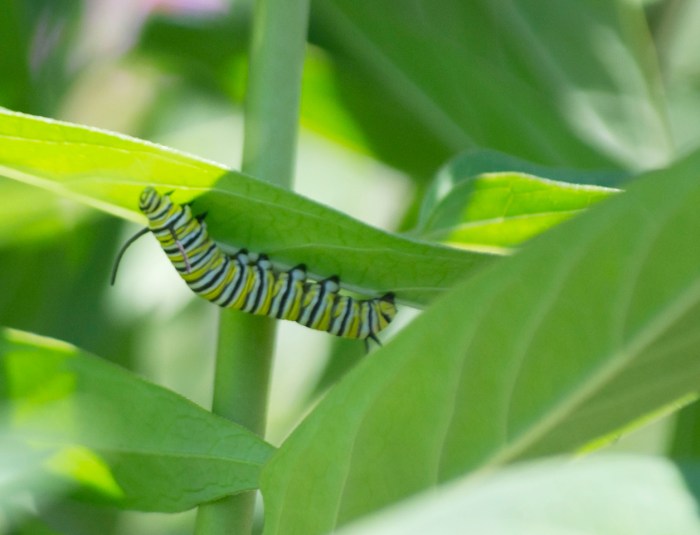
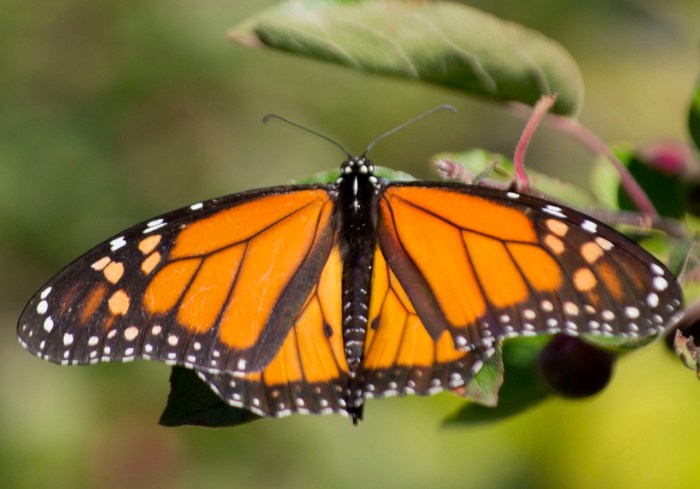
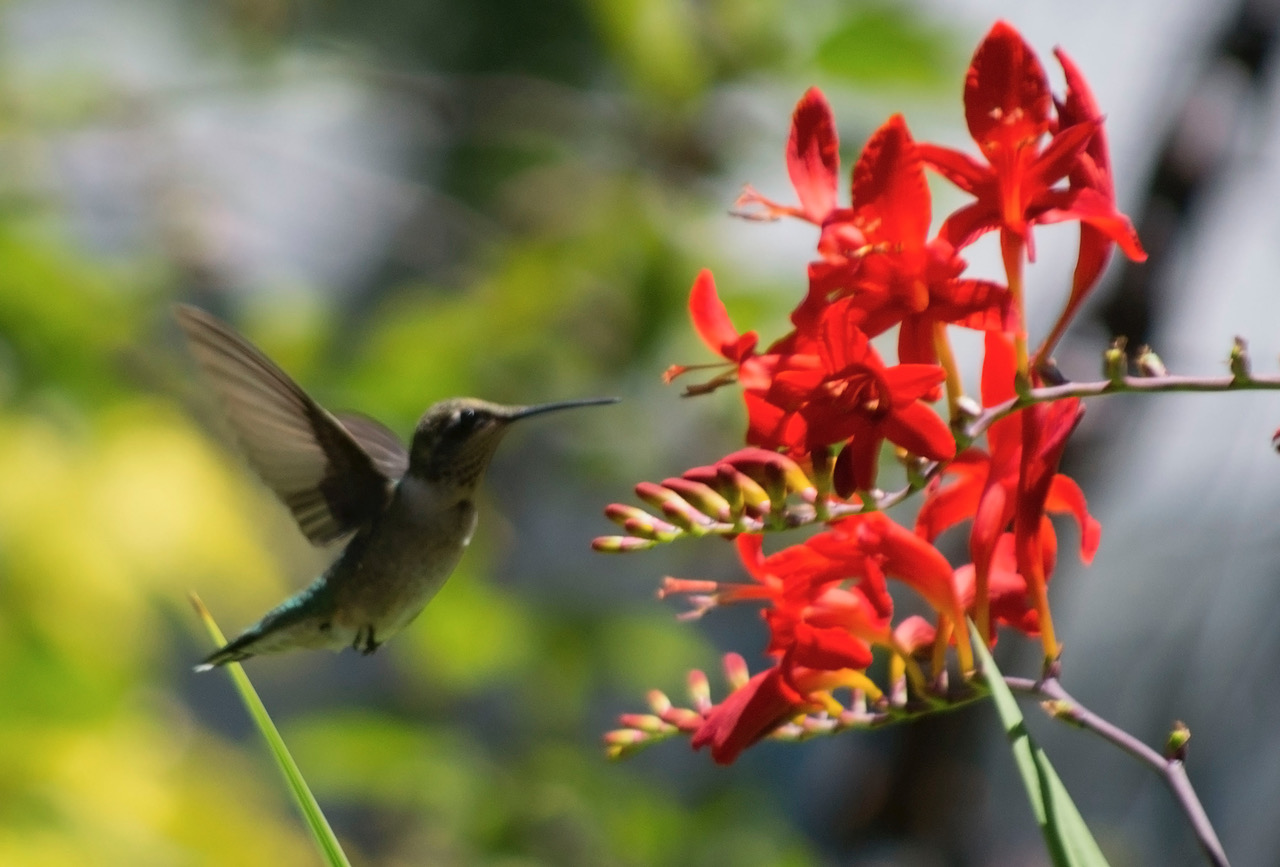
Jackie Bennet, who works at Corliss in Ipswich, shares recent sightings of a male Monarch butterfly and caterpillar, and a female Ruby-throated Hummingbird on the crocosmia.


ZINNIAS!

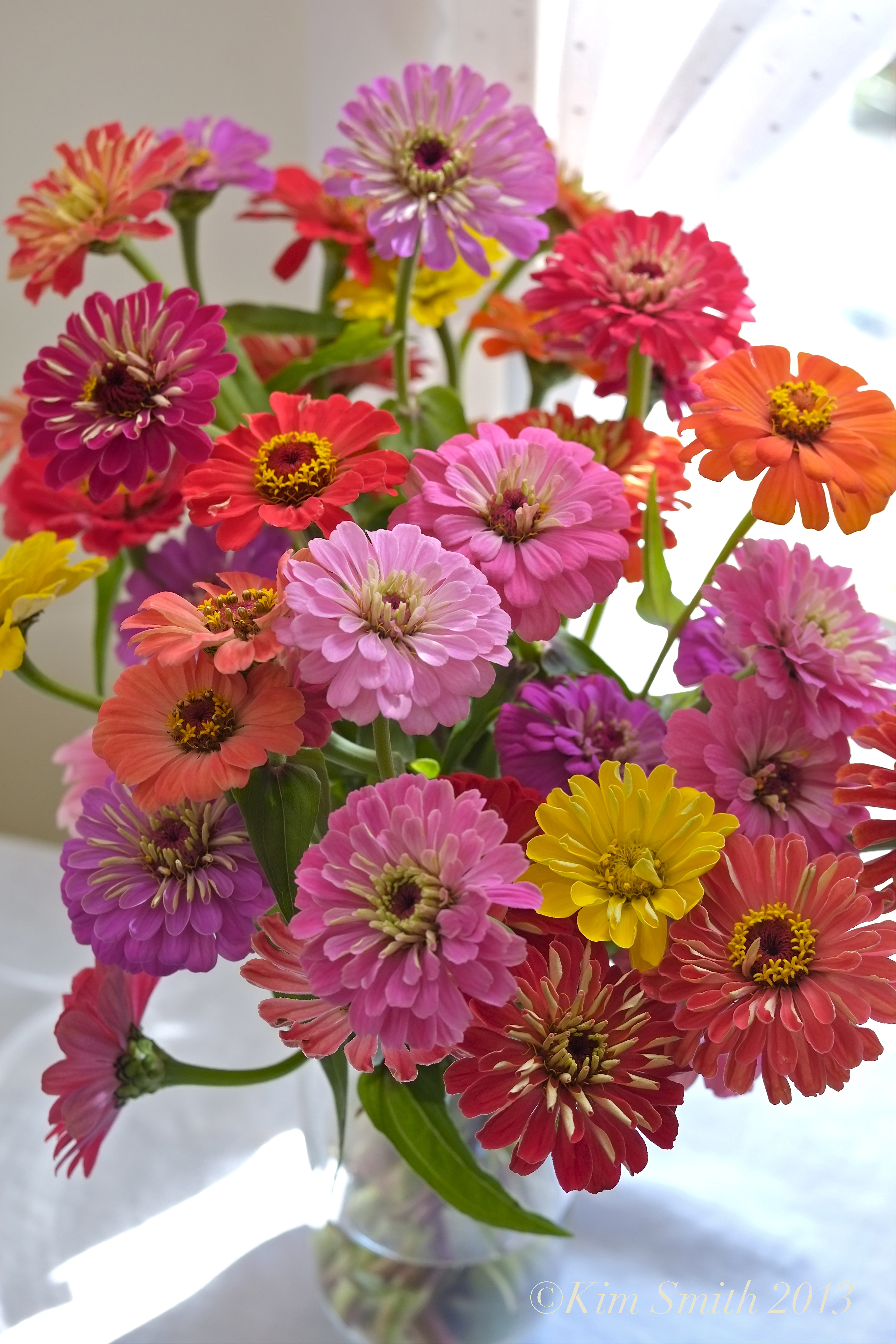
Zinnia elegans ©Kim Smith 2013 copyZinnia elegans

We L-O-V-E zinnias, not only because they flower non-stop from late June through the first frost, but because they also attract myriad species of bees and butterflies to their tiny yellow center florets (disk flowers). The singles are best for attracting pollinators as it is easier for the butterflies and bees to find their way to the sweet nectar.

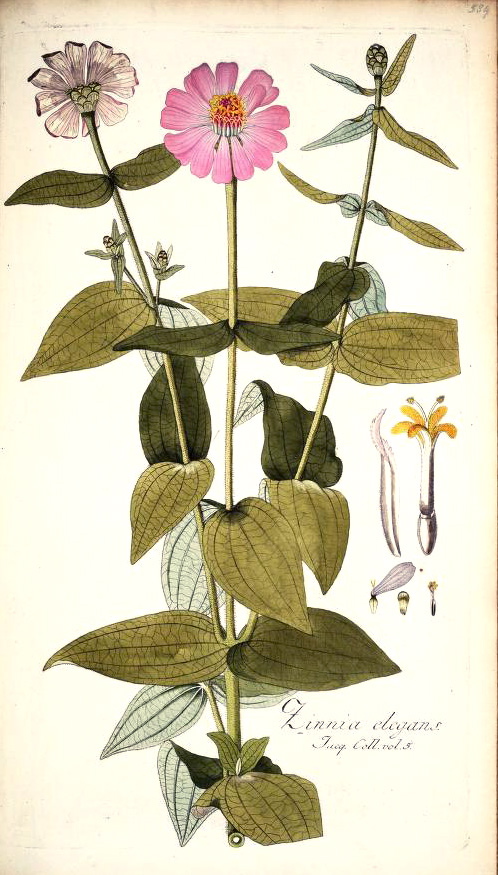
Like all members of the Asteraceae (Aster Family), zinnias are comprised of two types of flowers; the center florets are called disk flowers and the outer petals are called ray flowers.

The wildflower zinnia that grows in the deserts of Mexico and southwestern United States, from which most hybrids developed, is a simple daisy-like flowerhead with pinkish purple ray flowers and yellow disk flowers.

Zinnia elegans

An old fashioned common name for zinnias is Youth-on-Age because they continue to produce new flowers as the older blossoms are expiring.