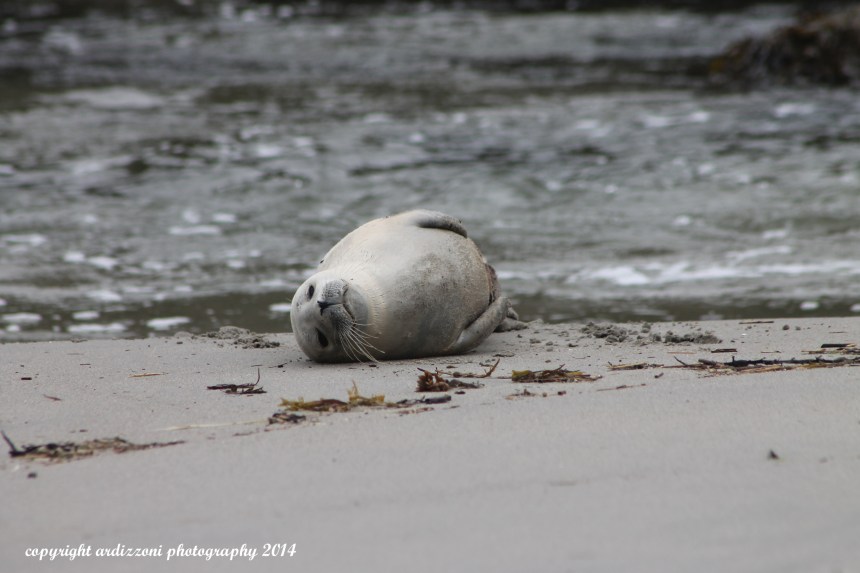
INJURED GRAY SEAL PUP UPDATE -By Kim Smith

The following is from the Seacoast Science Center. Although located in Rye, New Hampshire, they were permitted to help the injured Gray Seal in Gloucester.
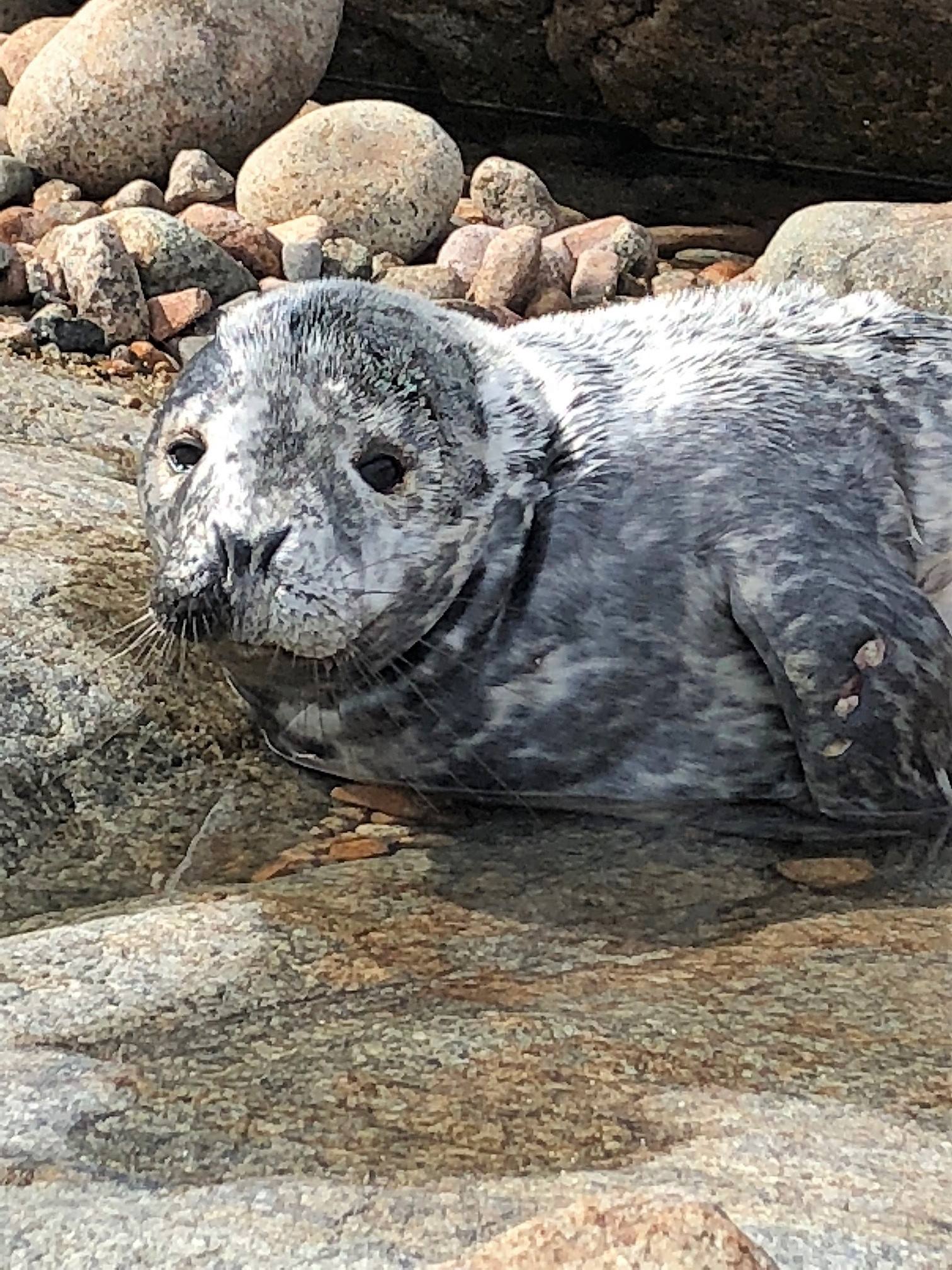
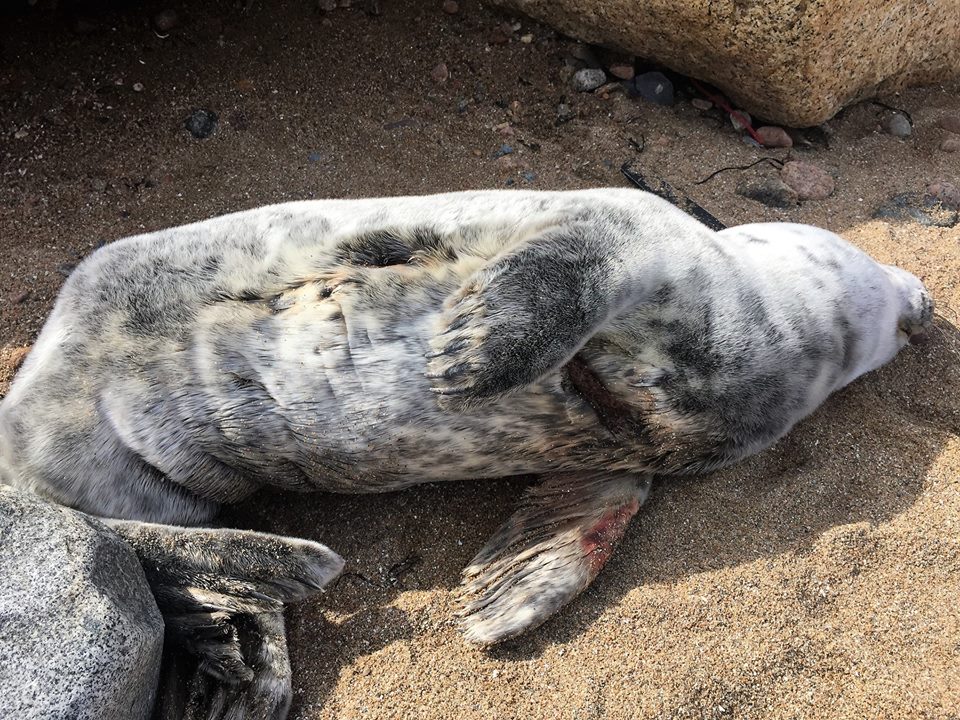
Yesterday, we assisted NOAA Fisheries with a Gray Seal weanling in Gloucester, MA that has extremely serious wounds, likely from a predation attempt, and needed help. Despite the extensive and deep infected wounds, the young seal did exhibit fight and aggression when collected, so we administered fluids with electrolytes and transported her to rehabilitation. She is now receiving antibiotics to combat the infection that has already begun and pain medication to control the discomfort level, but the prognosis is still grim at this time. We will continue to update as we have any news.

SSC Marine Mammal Rescue has a 24 hour reporting hotline: 603-997-9448 or call 866-755-6622.
 

*   *   *

This seal would have been a great candidate to be able to get a full blood panel in real time, in the field, to determine what she needed and how extensive infection, dehydration, etc were. These readings also help determine whether an animal in question is a viable rehabilitation candidate. We have just reached the halfway point of being able to purchase the i-STAT handheld blood analyzer, thanks to generous donations of $3,445 so far. Will you help us get even closer? We hope to be able to purchase this equipment by mid-June, before harbor seal pup and weanling season is in full force. Photos courtesy SSC.

About the Seacoast Science Center 

Founded in 1992, the Seacoast Science Center is a non-profit marine science education organization located on the New Hampshire coast. Through programs, exhibits and rescuing marine mammals, we inform people, from toddlers to grandparents, about why a healthy ocean is important.

The Seacoast Science Center was granted authorization by the National Marine Fisheries Service to lead New Hampshire’s marine mammal rescue effort, effective January 1, 2014. The Center’s Marine Mammal Recue Team rescues stranded, injured and diseased seals, whales, porpoises, and dolphins in NH’s coastal region.
To learn more and to donate to their fundraiser to purchase the i-STAT handheld blood analyze visit the Seacoast Science Center website here.

Thank you to Ainsley Smith for directing our readers to the Seacoast Science Center!

GMG Update for Marine Mammal Response From Mendy Garron

Dear Good Morning Gloucester Community:

We know people were concerned and had questions about the harbor seal that was at Good Harbor Beach over the weekend.  I wanted to take this opportunity to remind people of what they should do if they see an animal that may need assistance.

October 4, 2014 injured seal

Donna Ardizzoni Injured Seal photo Oct 4, 2014 Good Harbor Beach Taken With Telephoto Lens

Up until this year, the protocol was to call the New England Aquarium.  The Aquarium served as the NOAA authorized responder for the Northshore area for many years.  On January 1st, the Aquarium refocused their response effort to sea turtle rehabilitation and the study of infectious disease in marine mammals. As a result they had to scale back their response area for stranded marine mammals and now are focusing their efforts on the area from Salem to Plymouth.  

Over the last year, NOAA Fisheries has been seeking an alternate organization to help us fill this void on the Northshore, which includes Cape Ann. Until an alternate organization is identified and authorized to help us, we ask that all stranding calls be reported to our offices.

Our program oversees the Marine Mammal Health and Stranding Response Program from Maine to Virginia.  Unfortunately, we do not have the capacity to respond to every animal in the field and do not have the legal ability to authorize individual volunteers to respond to these cases.  As a result, marine mammal stranding cases in Gloucester will be handled on a case-by-case basis.  When needed, we will seek help from other authorized stranding response agencies, but their ability to help will be limited and based on their available resources. 

I would like to ask the Gloucester community to spread the word about the current status of response to stranded marine mammals and remind one another to be responsible viewers of wildlife by:

– Staying a safe distance of at least 150 feet from animals on the beach or hauled out;

– Do not let dogs approach seals or other marine wildlife.  Marine mammals do carry diseases that can be transmitted to your pets, and vise versa;

– Do not touch or feed the animal.

Remember, seals are wild animals.  Medical treatment of these animals is significantly different from domestic and terrestrial animals.  We have to consider a variety of factors when making a decision about how best to respond to an animal on the beach including individual animal health and potential risks to humans and pets, the overall health of the species’ population , and how intervening may affect the natural ecosystem. Seals and other marine mammal species are federally protected under the Marine Mammal Protection Act.

I would like to thank the Gloucester Police Department and the Massachusetts Environmental Police for their assistance in maintaining a safe viewing distance for this animal while it was resting on the beach.  The seal did go back into the water on its own Saturday evening and no further reports have been received.

More information about the National Marine Mammal Health and Stranding Response Program can be found at the following website:

http://www.nmfs.noaa.gov/pr/health/stranding.htm–

Mendy Garron, CVT
Marine Mammal Response Coordinator
Greater Atlantic Regional Fisheries Office

NOAA Fisheries

MARINE ANIMAL HOTLINE: 866-755-NOAA (6622)