SHORT VIDEO CLIP: THE PIPING PLOVERS OF GOOD HARBOR BEACH

Work has begun in earnest sorting through all the Piping Plover footage and editing the documentary. In the mean time, I thought readers would enjoy this rare moment where we catch a glimpse of the new born chicks, with both mom and dad together.

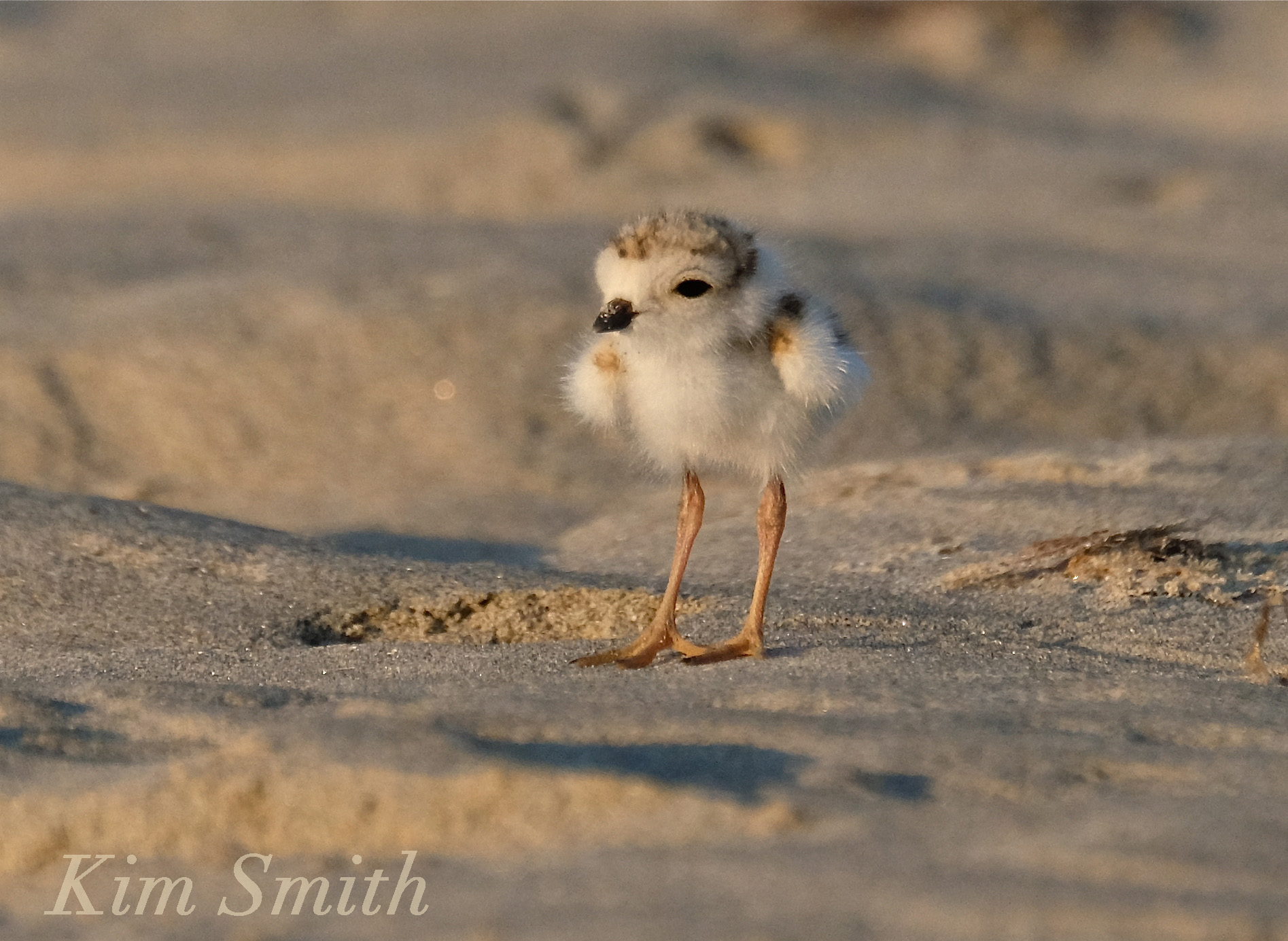
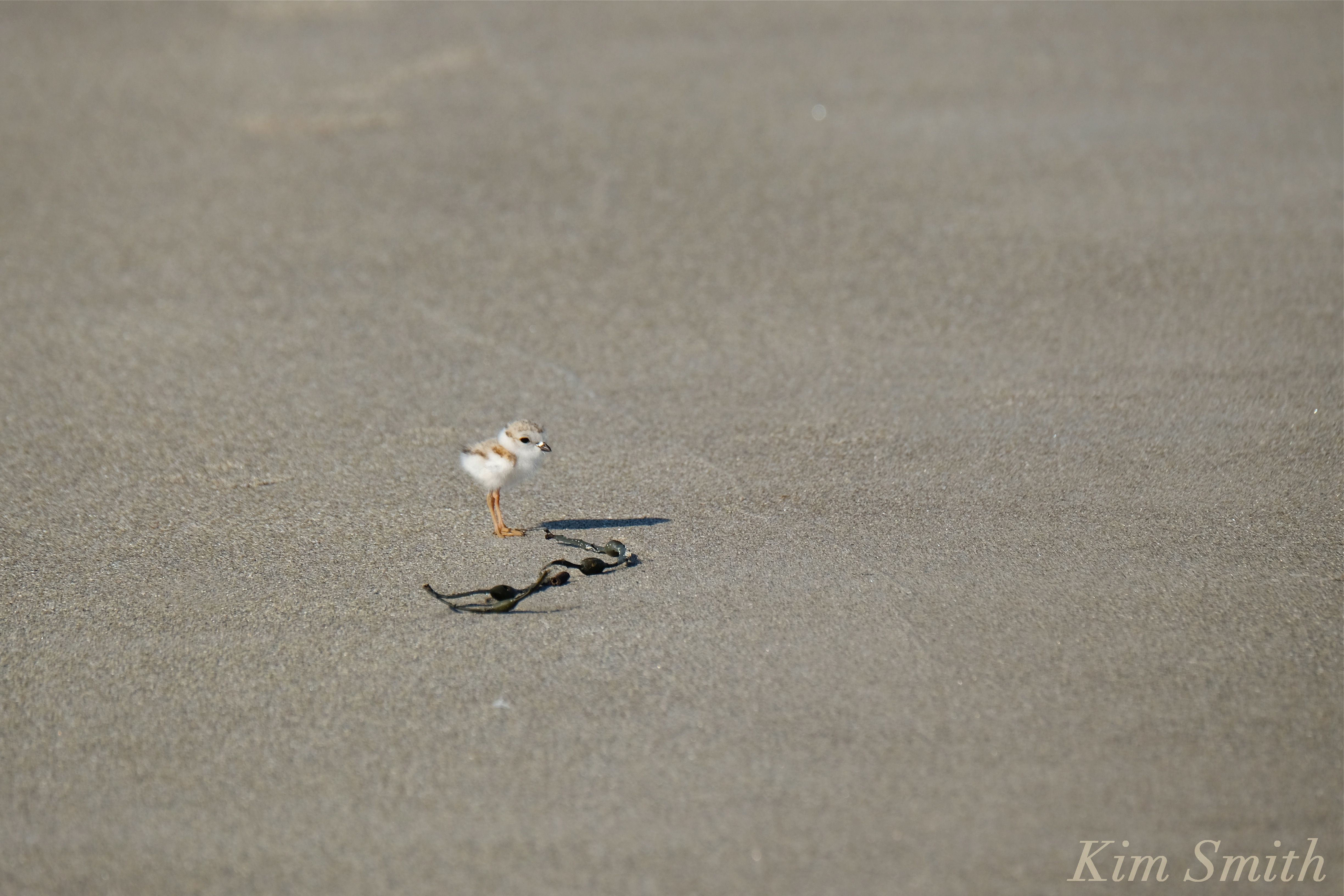
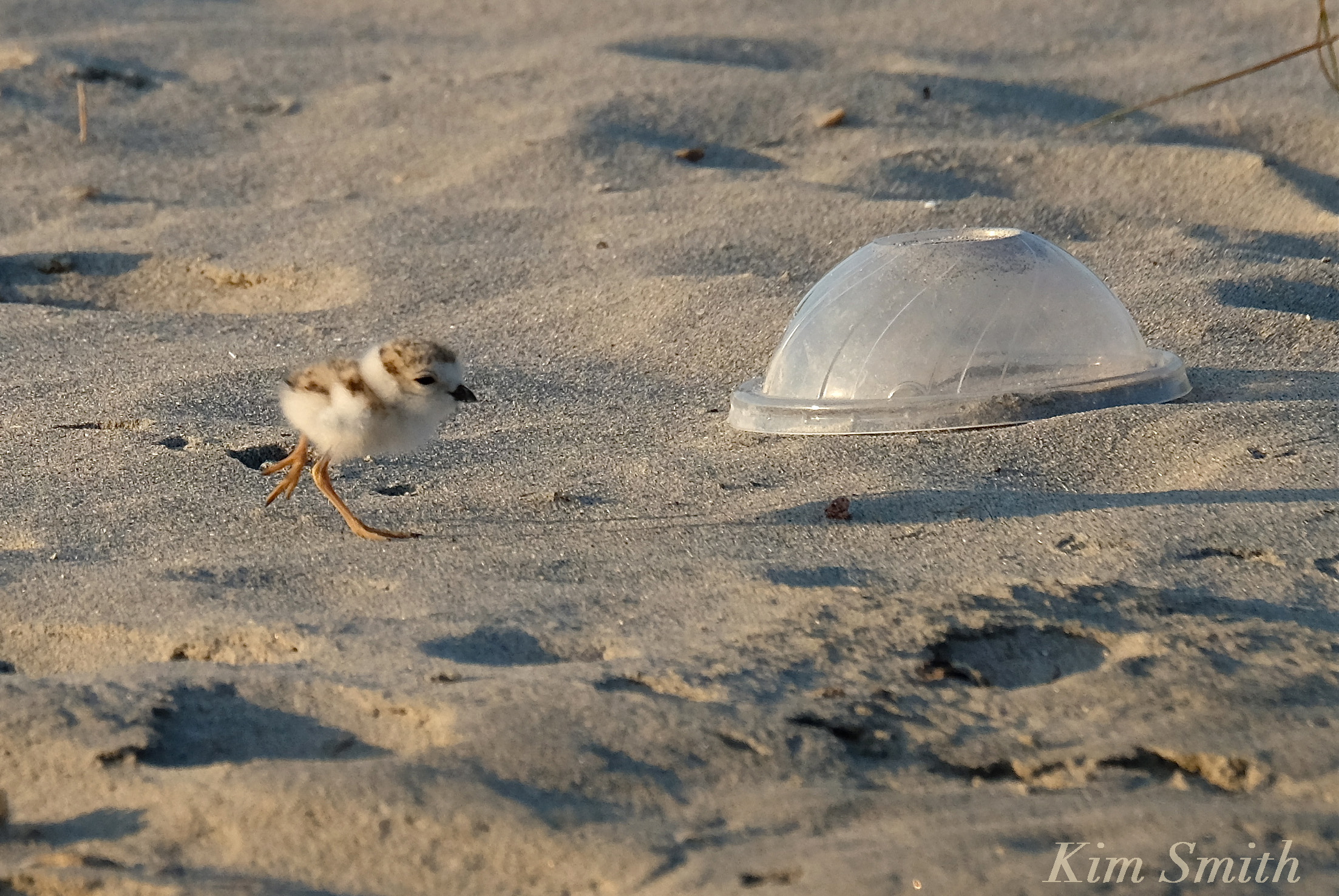
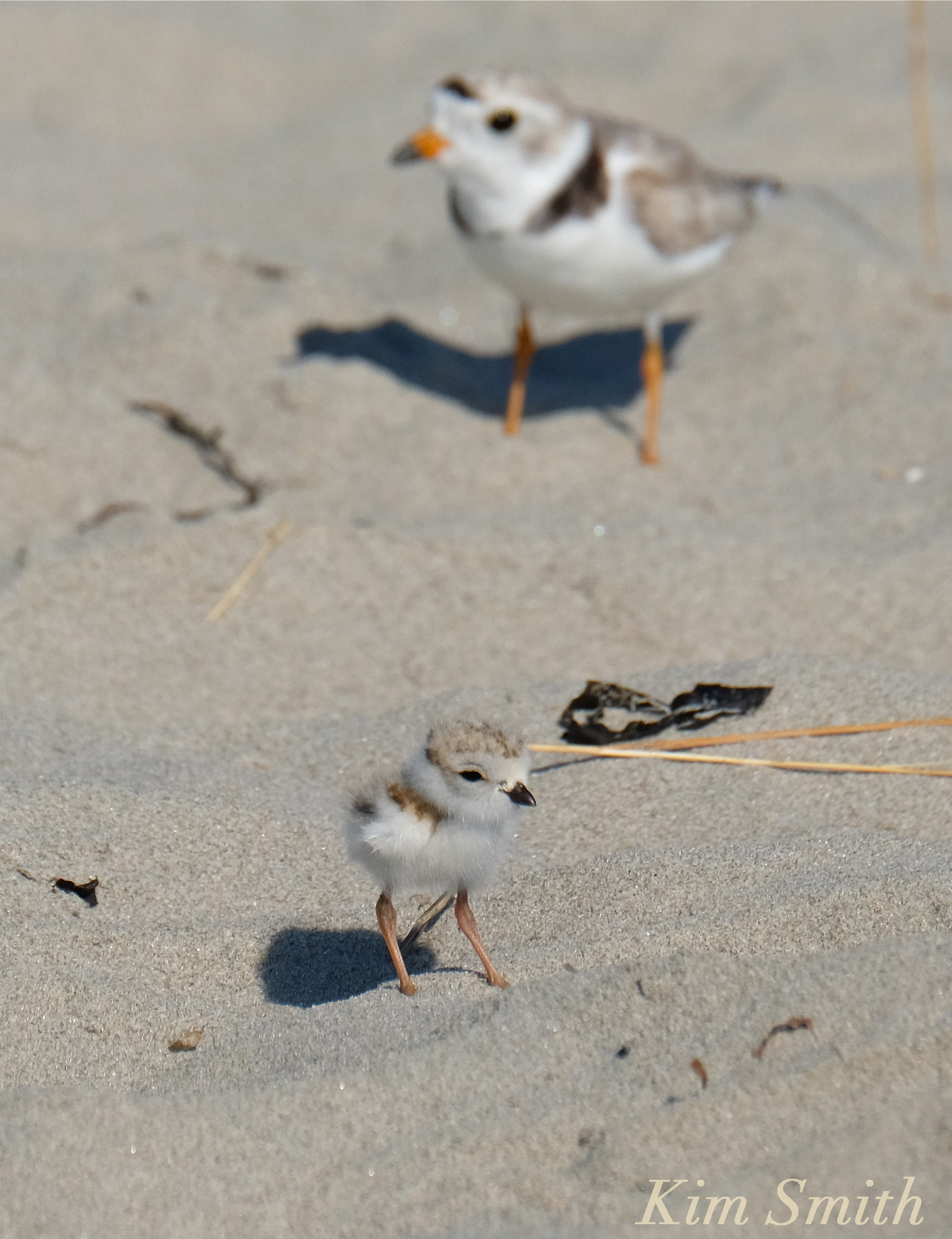
Impossibly tiny—no larger than a marshmallow—moments after hatching a Piping Plover chick is on the move, running, tumbling, somersaulting, face-planting, and curious about every little thing in their brand new great big world. PuffPuff, FluffFluff, and TootsiePop are less than twenty-four hours old in this clip. Our East Gloucester neighborhood kids named the Plover family after spending an afternoon getting to know them, watching safely from outside the roped off area.

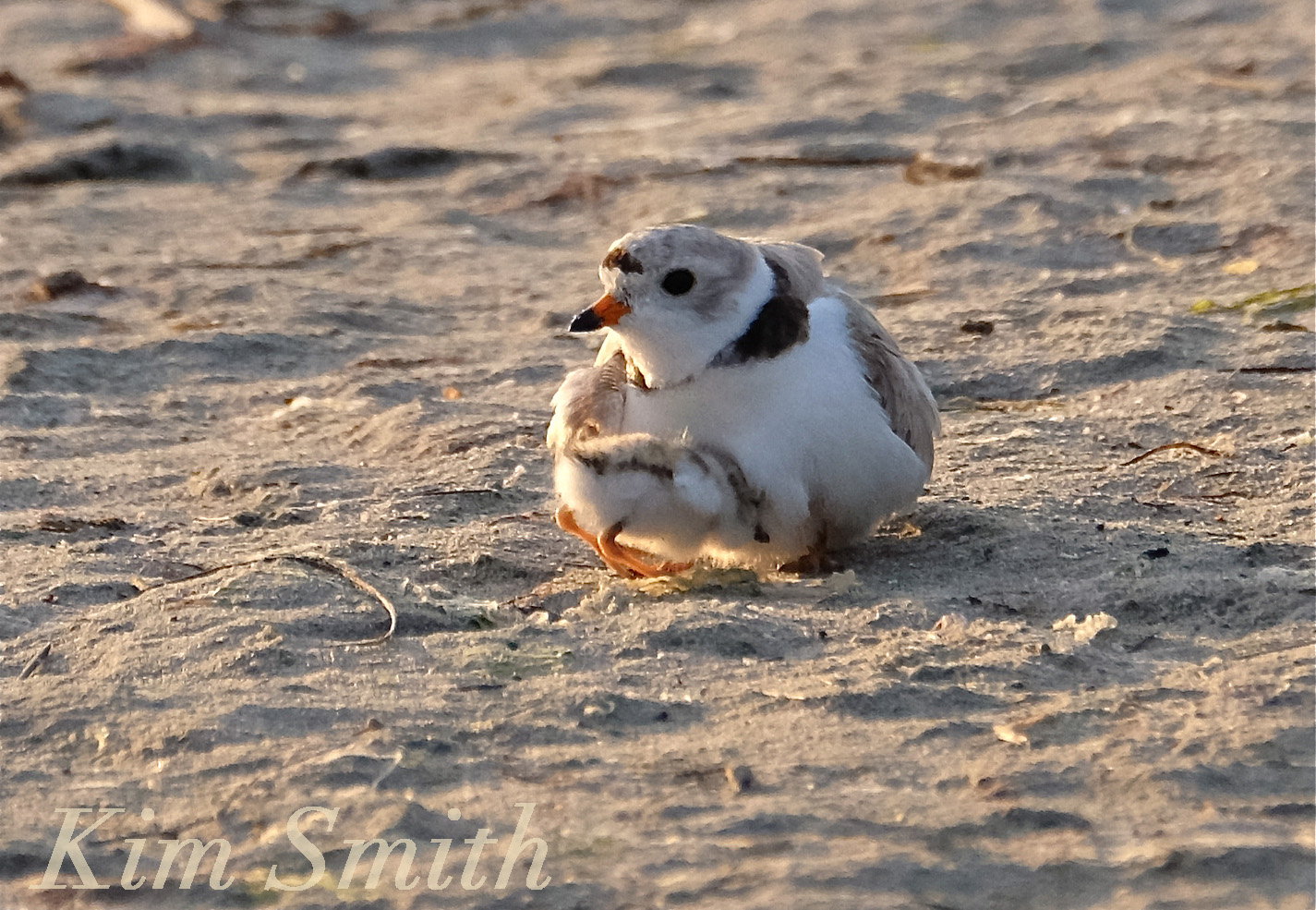
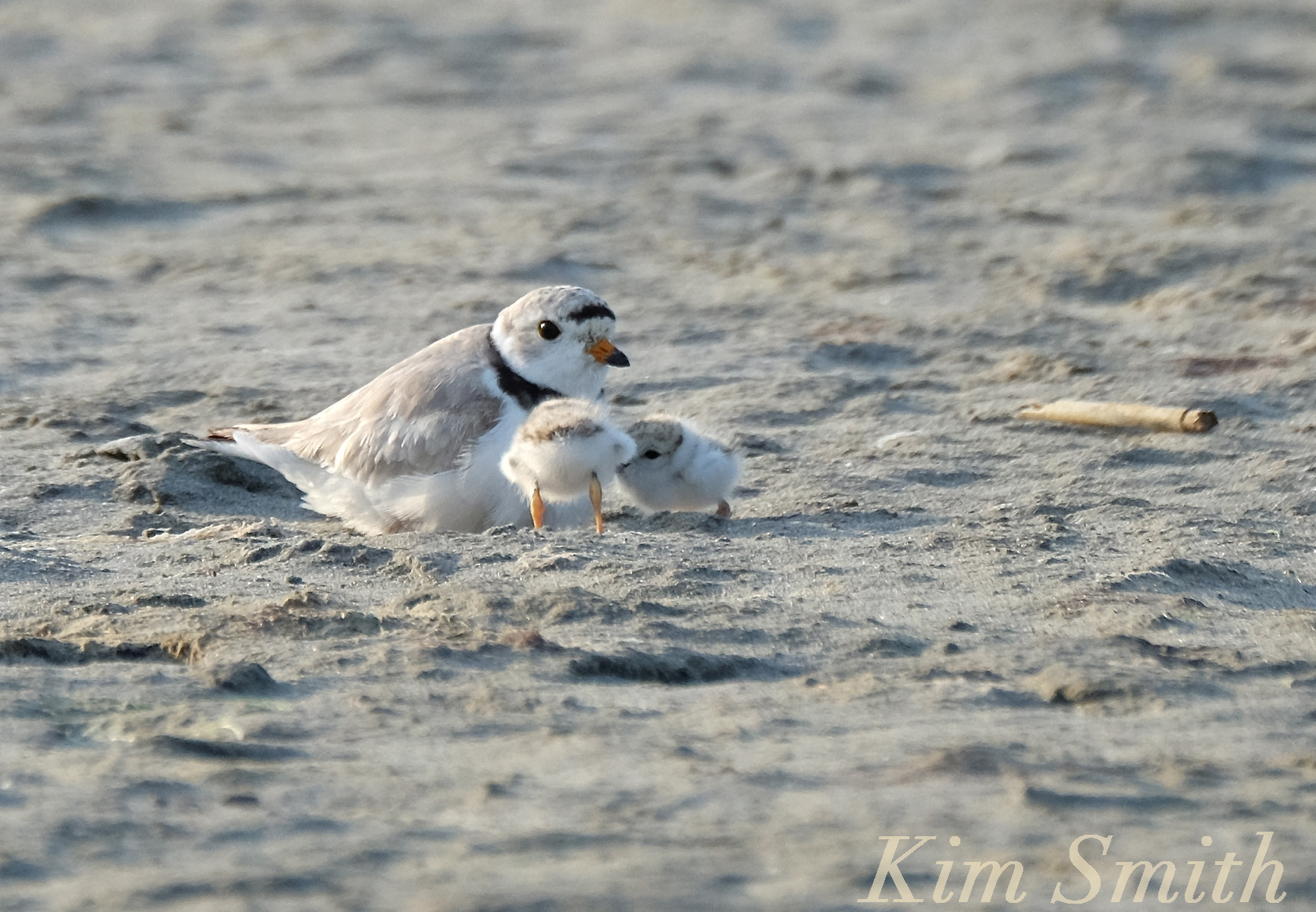
Dad Joe finds an impression in the sand and the chicks come running to warm under his protective wings. Piping Plover chicks can feed themselves at birth but can’t yet perfectly regulate their body temperature. They need Mom and Dad for protection and for the warmth they provide. After a few moments rest, Joe pops up and Joy zooms in to take his place. Watch how PuffPuff does a somersault and FluffFluff gives her a little bump out of their cozy nest. Mom runs off camera to create a new resting spot and the chicks are chided by piping calls to come join her.

In shades of bone and driftwood, note how beautifully the Plovers are camouflaged in the colors of the sand and dry beach grass. There isn’t a living thing that doesn’t pose a threat to these most vulnerable of creatures. For protection against predators they will soon learn how to stand perfectly still when Joe and Joy pipe commands, but for now, it’s willy-nilly around the beach, much to the parents great consternation.

Thanks to Esme, Lotus, Meadow, Frieda, and Ruby for naming the Piping Plover family!
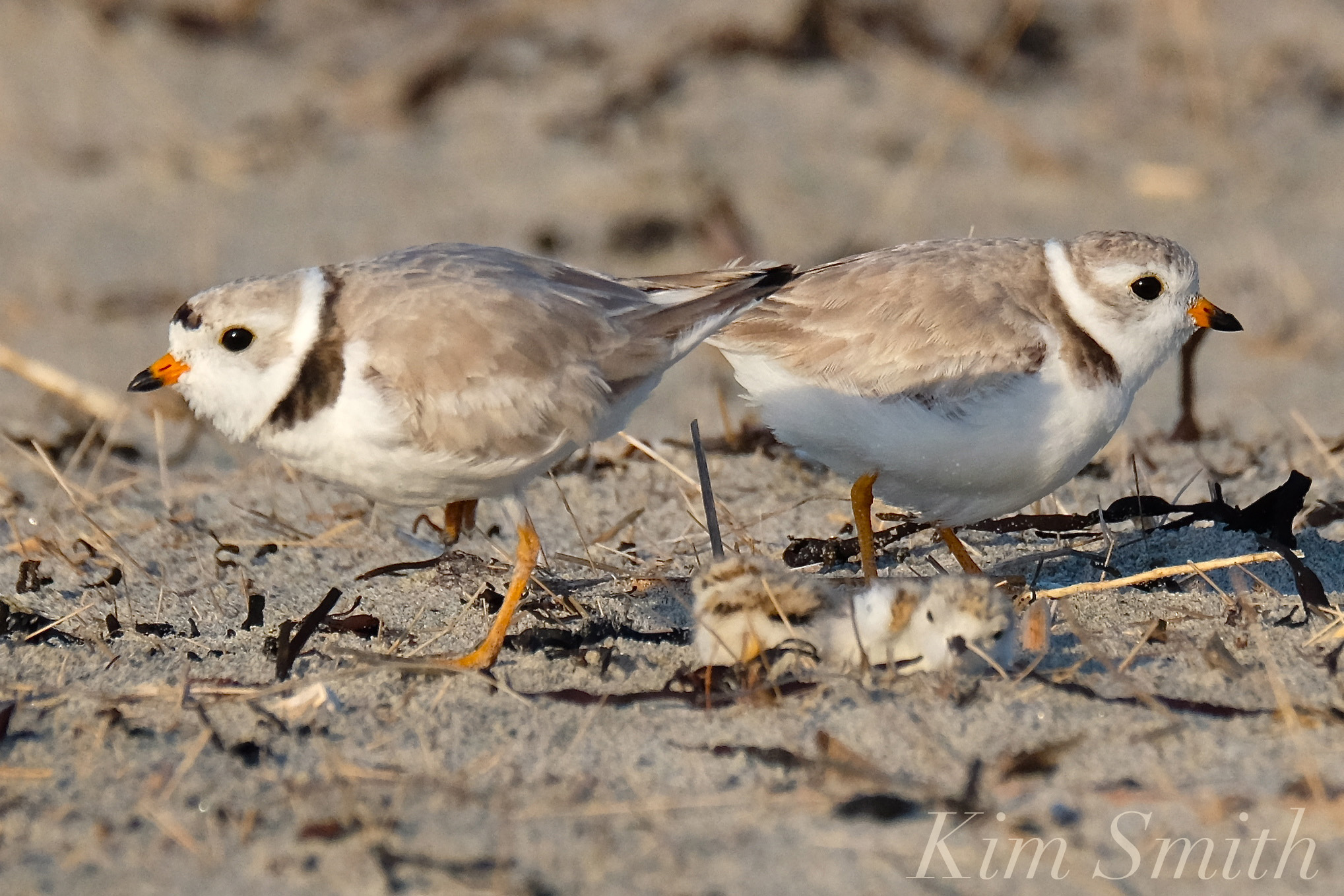
piping-plover-chicks-babies-nestlings-male-female-copyright-kim-smithThe male Piping Plover is on the left, the female, on the right. The male’s little black forehead band makes it easier to distinguish between the two.

THE GOOD HARBOR BEACH PIPING PLOVER UPDATE WITH TIPS ON OBSERVING THE BIRDS

Piping Plover male and chicks copyright Kim SmithWith sadness, but not entirely unexpected, I am sorry to report that only one baby Piping Plover chick remains at Good Harbor. The good news is that the one surviving chick is doing fantastically as of this writing. Don’t worry when I write too that the Mom has left the family. She has begun to migrate southward. This is somewhat normal and I don’t think she would have left had not the chick been doing so well. Dad is minding the baby full time and he is doing a tremendous job.

A week since the Plovers hatched and it sure has been a joy to film, and wonderfully educational. I am very inspired to work on this short film and hope to have it ready for our community this summer.

Piping Plover chick copyright Kim SmithNotice the growing wing buds!

Piping Plover tiny chick copyright Kim SmithThe tiniest

A heartfelt reminder to please, please, please let’s all work together to keep the dogs off the beach. I had a terrible encounter, really frustrating and the owner and his friends very cruel. Ninety nine point nine percent of dog owners are wonderful and respectful and are rooting for the Plovers as much as are non-dog owners. The Plovers are all over the sandy beach, at the water’s edge, and down the creek. Although growing beautifully, the chick is still about the size of a cotton ball, maybe a cotton ball and a half. Up until fourteen days old, they are at their most vulnerable.

As with before, please fee free to share the photos and information on social media. The more people know about the garbage and dog owner trouble (certain dog owners that is), the more likely the chick’s chance of survival. Thank you!

Piping Plover garbage and chick copyright Kim SmithGarbage left on the beach late in the day and overnight continues to be an issue. Bring a bag with you and we can help the DPW by cleaning up after the the folks who don’t know any better. Garbage strewn on the beach attracts gulls, and they, especially Great Black-backed Gulls, eat baby Plovers. 

Piping Plover male and chick copyright Kim Smith

Piping Plovers, like many shore birds, are precocial. That means that within hours after hatching, they are ready to leave the nest and can feed themselves. They cannot however immediately regulate their body temperature and rely on Mom and Dad to warm them under their wings. Although the chick is six days old in the above photo, it still looks to Dad for warmth and protection. Examples of other precocial birds are ducks, geese, and chickens.

If you spot the baby and want to observe, I recommend staying fifteen to twenty feet away at least. Any closer and Dad has to spend a great deal of energy trying to distract you. We don’t want him to get tired out and unable to care for the baby. Also, you’ll appear less threatening if you sit or kneel while observing the chick. No sudden movements and talk quietly and the baby may come right up to you!

DSCF3675

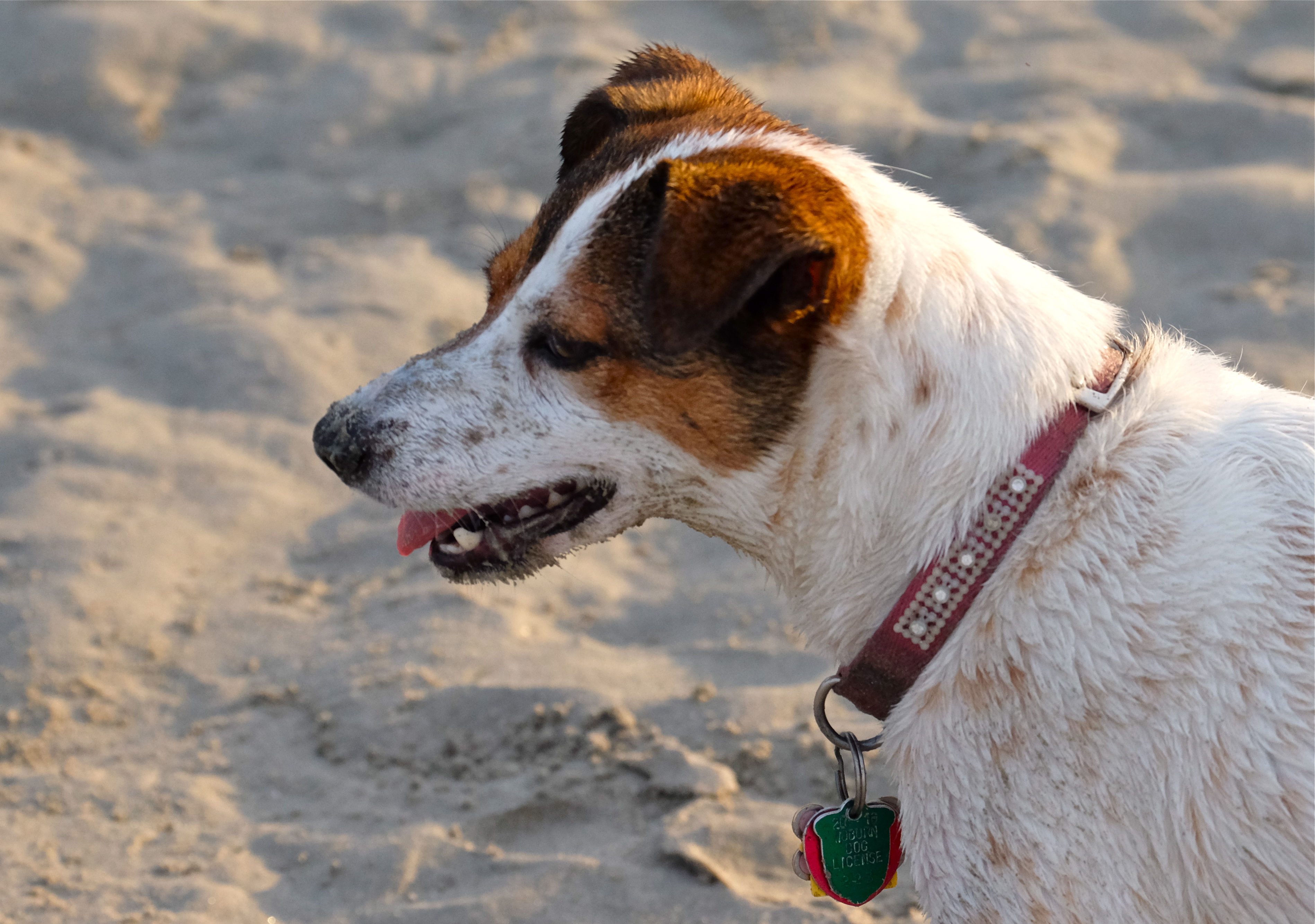
A sweet dog with a very unkind owner.

Around 6pm Saturday evening, this playful dog came bounding down the water’s edge, within inches of the baby. I stood between the owner, dog, and Plovers, with cameras in hand, and cell phone unfortunately back in my bag. After a good twenty minutes of arguing he and his equally unkind friends departed. In the mean time, the Plovers were able to get away from the dog and further down the shore line.

Piping Plover male and chick -2 copyright Kim SmithDad and chick this morning Monday, the 18th, exactly one week old!