At Sotheby’s Modern art auction November 15, 2022, approximately 460 lots were primed to go, minus several pulled ahead of (and announced before) the sessions. Gloucester inspired several works including one that was a deaccession from the Whitney Museum of American Art. Did Stuart Davis and Marsden Hartley sell?
STUART DAVIS


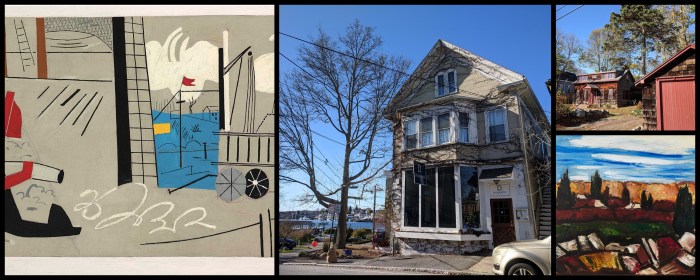
photo captions for above grid: (1)Stuart Davis 1912 w/c. (2)black and white photo, Smithsonian collection, documents a Romany o/c portrait by Robert Winthrop Chanler, circa 1916-1925. (3)Stuart Davis Flags, 1931, Lot 331 had a presale estimate of $300,000-$500,000. Bidding opened at $160,000 and then passed, failing to climb past $190,000. Unsold.
About Stuart Davis Flags, 1931
The letters in the band of green on the black flag spell “Romany Marie”, the name of restaurants owned by Marie Marchand, an immigrant from Romania. Her modest bistros and support were safe harbor for creatives whether serving just one customer or impromptu salons. Many of her habitual customers, like Davis, ascended to the top of their field. Davis painted a watercolor portrait of her in 1912 when he was 20 years old. He painted Flags 19 years later, a full generation spent building into his voice and career, much of it split oscillating between New York City and Gloucester. In 1928-29 he spent a momentous year+ studying abroad in Paris and married his first wife. The trip was made possible thanks to Gertrude Vanderbilt Whitney. The painting hints of memories and impressions of all three cities: Gloucester, Paris, and New York.
Liquor, coffee and conversation can make some taverns and cafes legendary. Romany Marie served strong coffee, no booze. Florent Morellet’s all night diner, Florent, on Gansevoort in the meatpacking district 1985-2008 was a place that I imagine was like Romany Marie’s was a century before. Gloucester has had its fair share; Duckworth’s Bistro is one now and an apt one to mention for its ardent support of the community, French nod, and address at 192 East Main. (Its customer base is more akin to Chanterelle than Florent.)
Helen Davis, artist and Stuart Davis’s mother, operated “Davis Sculpture Studio” from that same building, and resided at the back in later years. She was 96 when she died in Gloucester in 1965, one year after her son. Marie Marchand died in 1961 (obit: La Reine Est Morte, Village Voice March 2, 1961, Vol. VI, No. 19).
Davis’s parents bought a home on 51 Mt. Pleasant in Gloucester in 1930. They were summer renters prior, famously at the Red Cottage on East Main. Davis said John Sloan raved about Gloucester so much that he finally took him up on visiting in 1915.
About Stuart Davis Anchors,
Davis felt Gloucester was the best locale on the Atlantic seaboard, and you can feel his devotion in the second Davis work for sale at this auction, Anchors, illustrated below, on the left, paired with an earlier Davis, Rue Lipp, 1928 on the right, for comparison.
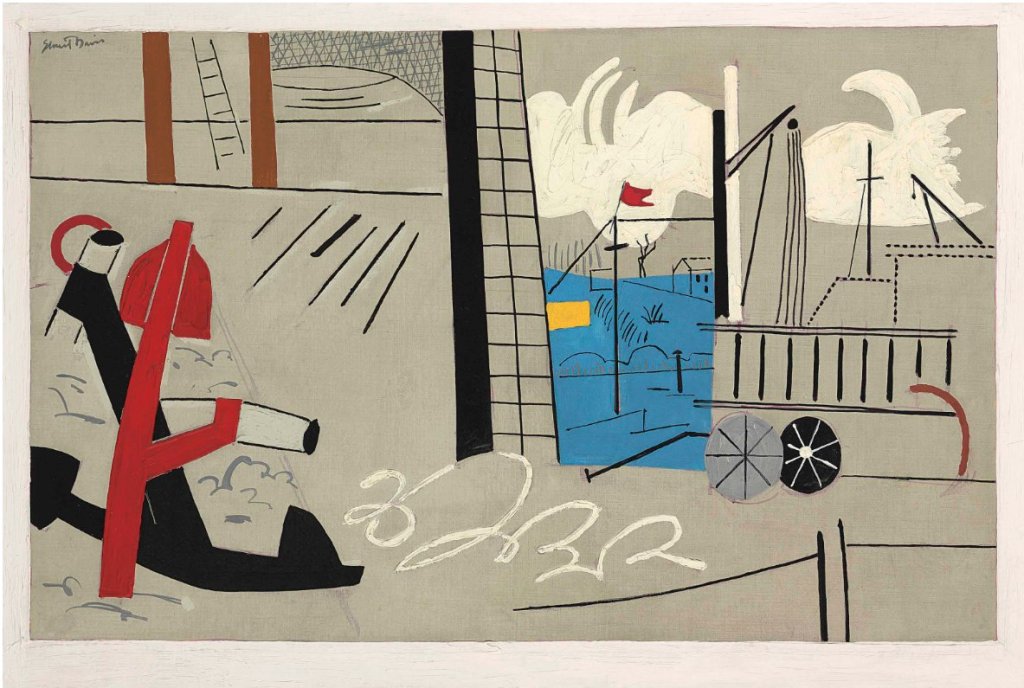

It’s a beauty. Gloucester and Paris are past and present in Anchors, flipping back and forth, shaken and stirring. Anchors’ prominent black and red double anchors look like the siphon on the blue soda bottle in Rue Lipp, 1928, while the delicate fizzy line contained in the carafe branded “La Cressonee” is bold, unbound, and skybound in Anchors.
Anchors is jazzed up with witty pairs. The circle inventions are solid and light–wheels on a cart, parasols, poppies, proto pop inspiration for Thiebaud’s suckers decades later?–no matter. Analogues for Davis and viewers may not be the same, yet land a connection.
Meanwhile at the auction in 2022, Stuart Davis Anchors, Lot 341 failed to find a buyer for less than 1 million despite having reached 1.8 million when it last sold at Christie’s in 2014. Sotheby’s presale estimate was 1.2-1.8 million.
Other highlights from the sale failed to sell including a Cassatt and Avery.


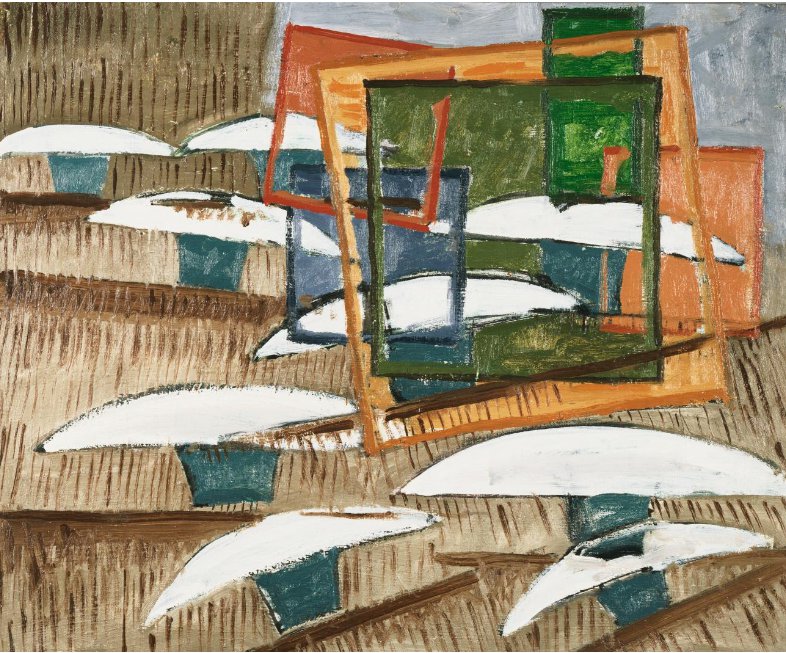

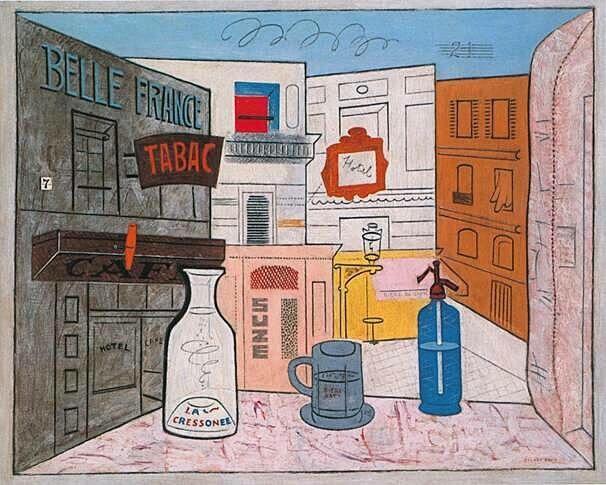

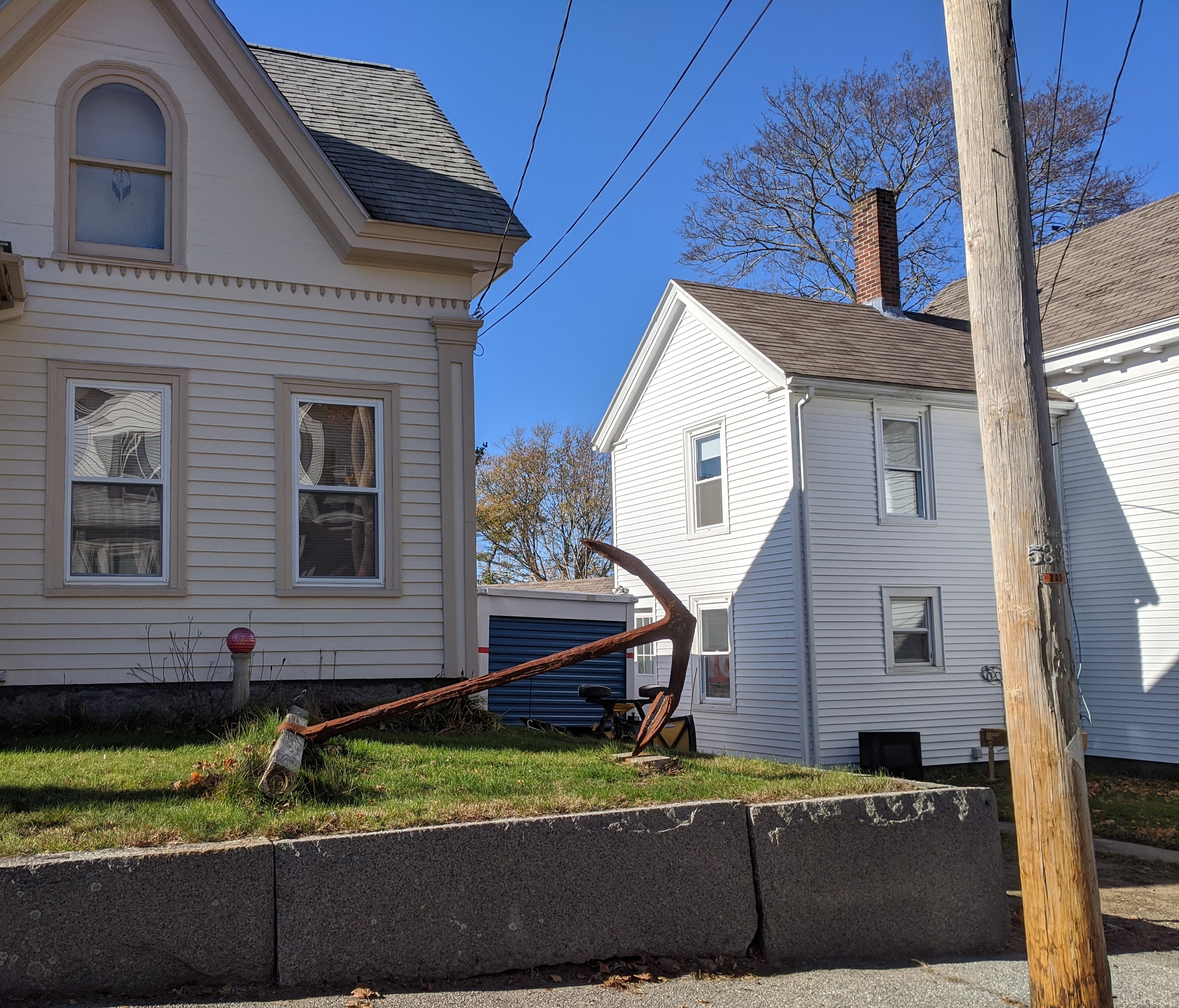

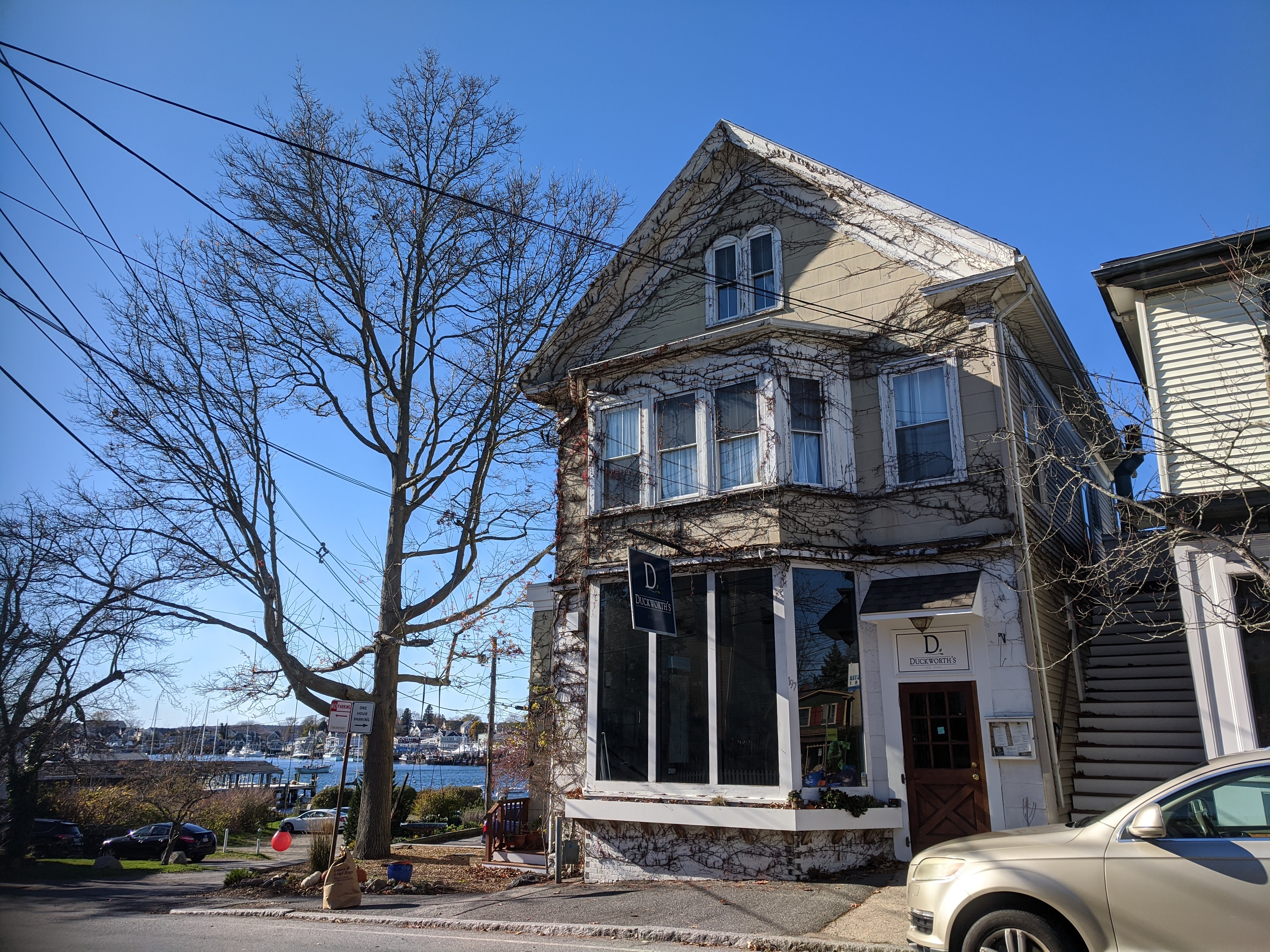
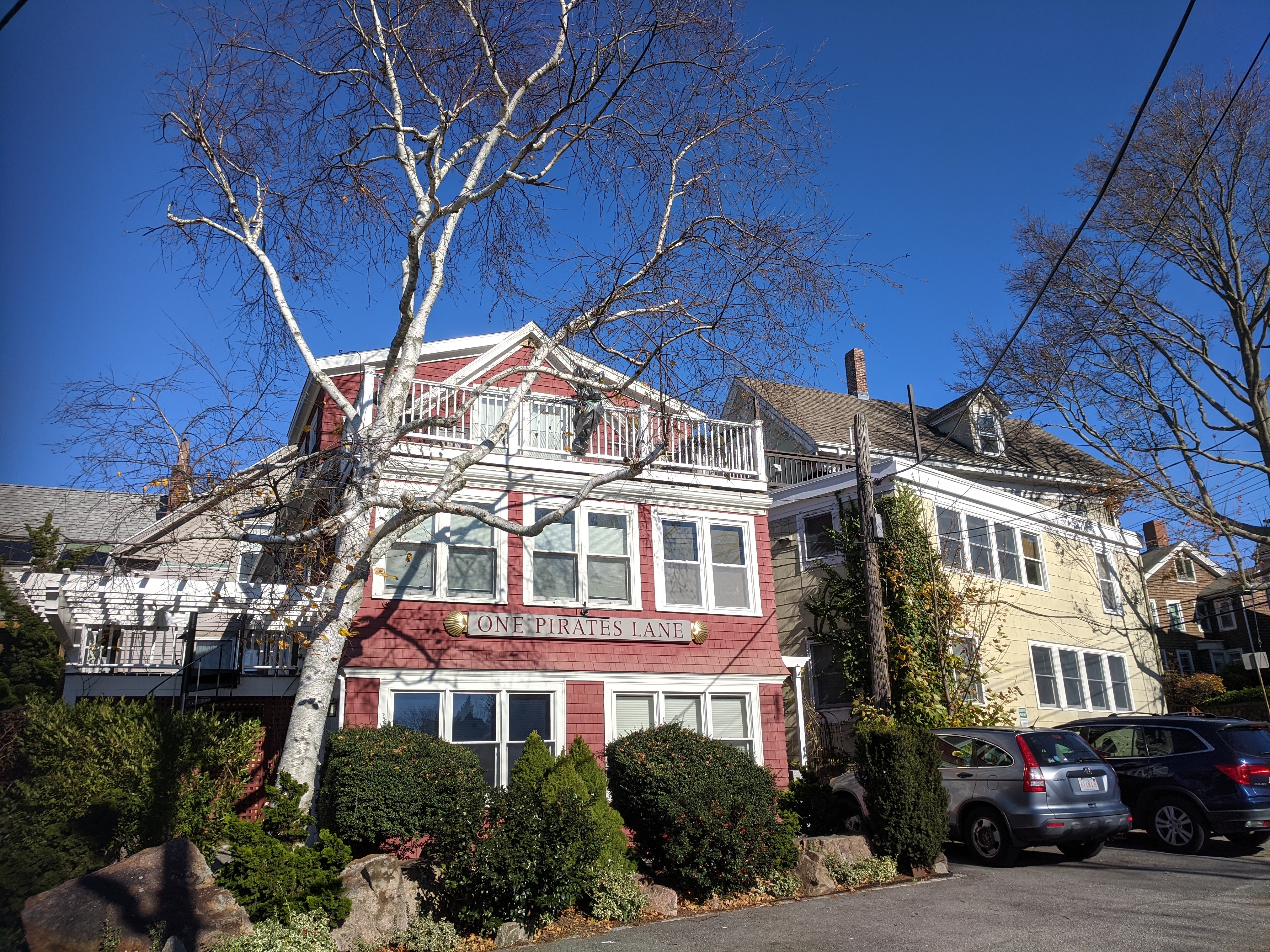
photos above: Private Way, 1915 (Gloucester=blue skies); The Morning Walk, ca.1919 collection Earl Davis; Boats, 1917, Philadelphia Mus. of Art; La Cressonnee ad circa 1914-1920s–which Davis spins in Rue Lipp ,1928; Anchors, 1930; anchor E. Glou. 2022; 51 Mt. Pleasant Ave; Reed’s Wharf; 192 E. Main – Duckworth’s
MARSDEN HARTLEY
Unsold- The bidding for Lot 338 Marsden Hartley Autumn Hillside, circa 1909 (double sided) opened at $110,000, then $120,000, then ‘passed’ at $130,000, failing to meet its reserve. The presale estimate was $150,000-$200,000.
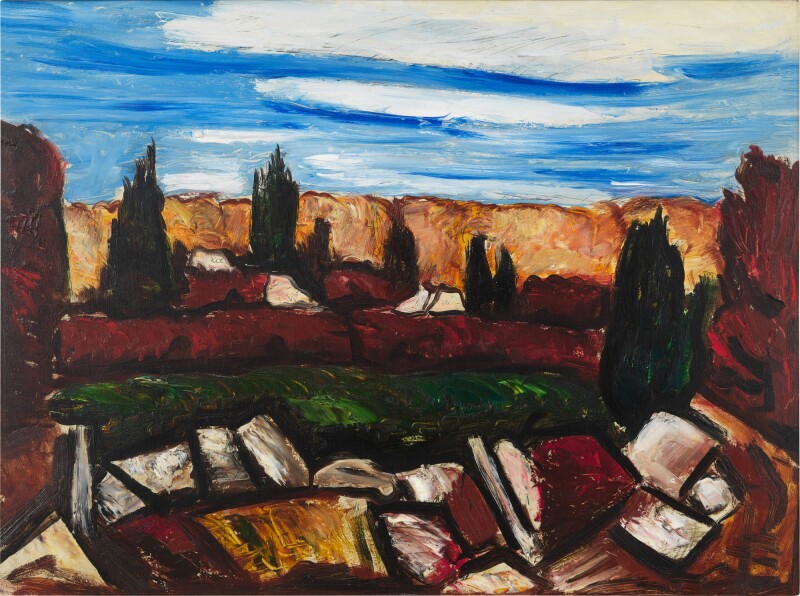
Sold- Lot 340 Marsden Hartley Autumn Dogtown Commons, 1934, was deaccessioned by the Whitney Museum of Art. The bidding started at $130,000 on to $140,000 and $150,000 then stopped at $160,000. Sold. Phone bidder ($201,600 with fees). The presale estimate was $200,000-$300,000. Sounded like the reserve was $150,000. A third Hartley, a still life, fetched $40,000.

The Whitney Museum deaccessioned other works including a vivid Maurice Prendergast. Picnic Grove exceeded its pre sale estimate ($60,000-$80,000). Bidding started below $60,000 and eventually reached $120,000.

Not Gloucester. lovely, too
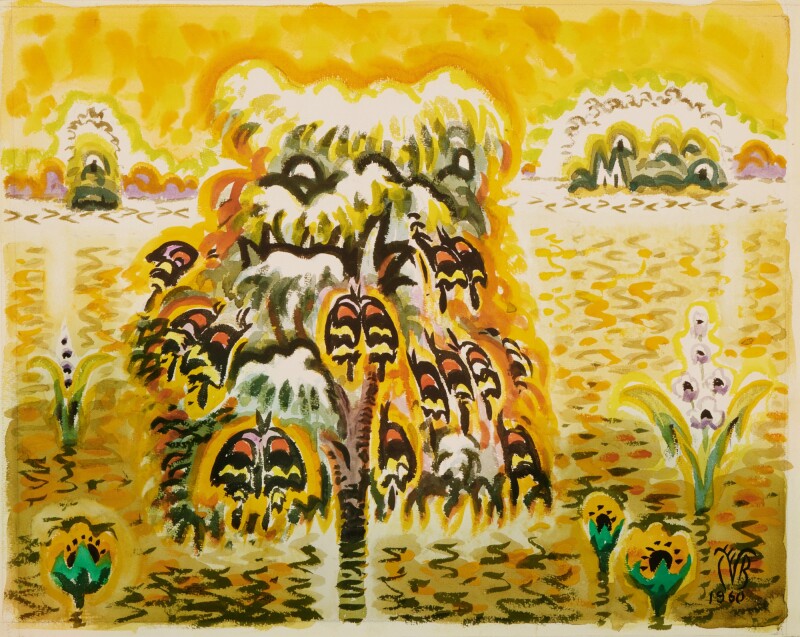
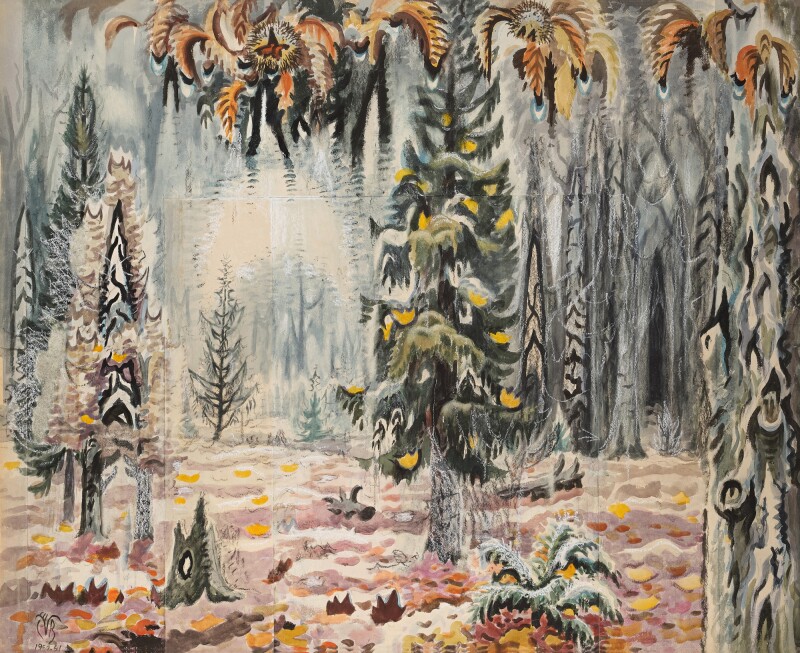
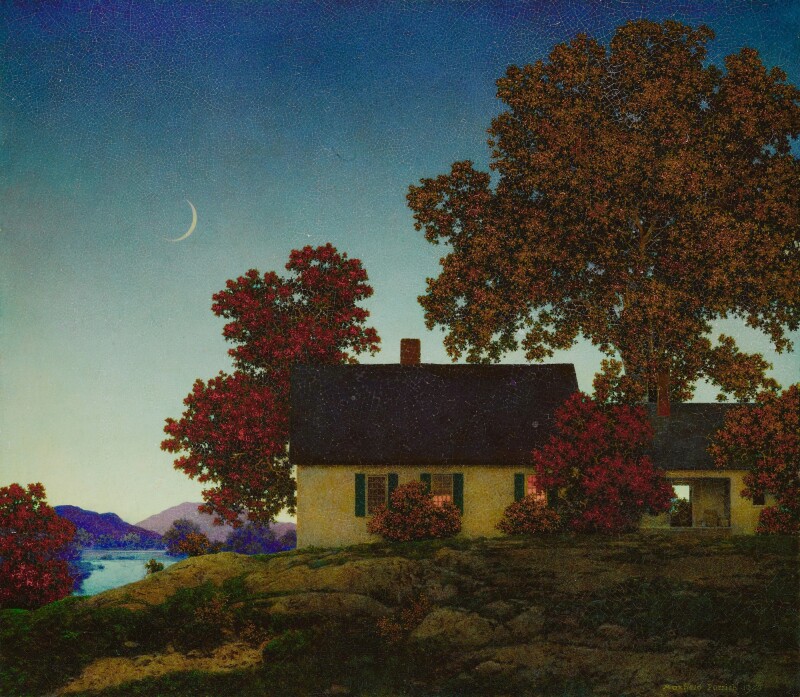
Charles Burchfield watercolor Lot 339 The Butterfly Tree, 1960 opened at $250,000 and soared to $480,000. Burchfield Lot 510 Hemlock in November No. 2 sold for $800,000. Lot 572, Maxfield Parrish New Moon 1943 (presale estimate $500,000-$700,000) sold for $700,000.
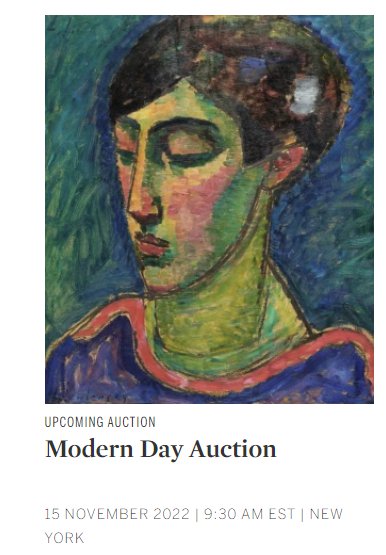
There weren’t strictly American sales this season so this one covered a lot of ground. Consignors assigned the morning sale face a B-side slot. Session 1 began at 9:30 AM, first lot #202 | session 2 began at 11:20AM | session 3 began at 2:30pm with lot 501.
Session 2 offered Stuart Davis and Marsden Hartley works inspired by Gloucester. While helping clients bid at auctions with 20th C material, it’s inevitable that I come across inventory with Gloucester ties.
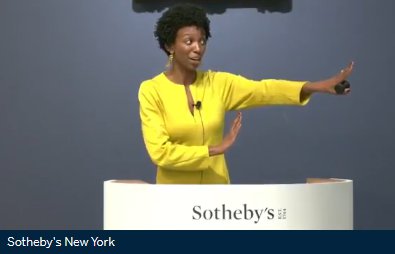

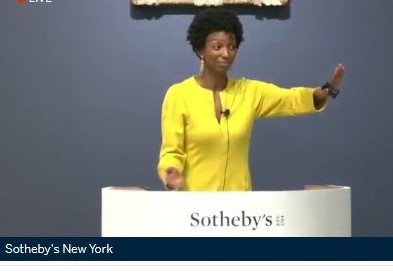
Sotheby’s marquee modern 2022 fall sale was the day before.
Sotheby’s November 14 Modern sale
Aggregate sales from Sotheby’s Modern evening sale (Nov.14, 2022) Part 1 were $116.3m ($137.9m with fees) for the first half comprised of the Solinger collection. Lots sold from Part 2 of the evening sale sold for 220 million (with fees bringing the total press release report north of 250 million, and aggregate to 360 mil). Potential collectors are identified or queued on wait lists ahead of sales. The Piet Mondrian Composition No. II, 1930 sold for 51 million plus fees (a new ‘personal best’ for Mondrian at auction). Last it came up at auction was 1983. 1930 was the same year of the Davis painting. It’s fascinating how parallel ideas evolve.
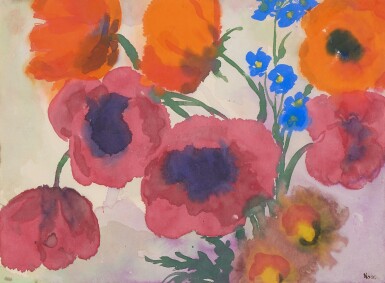
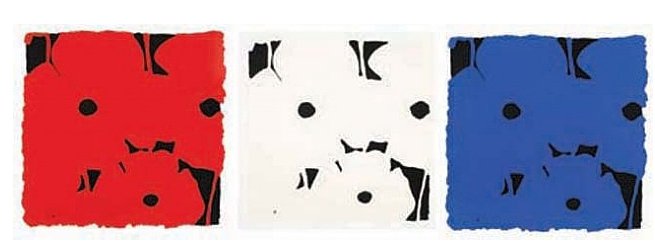
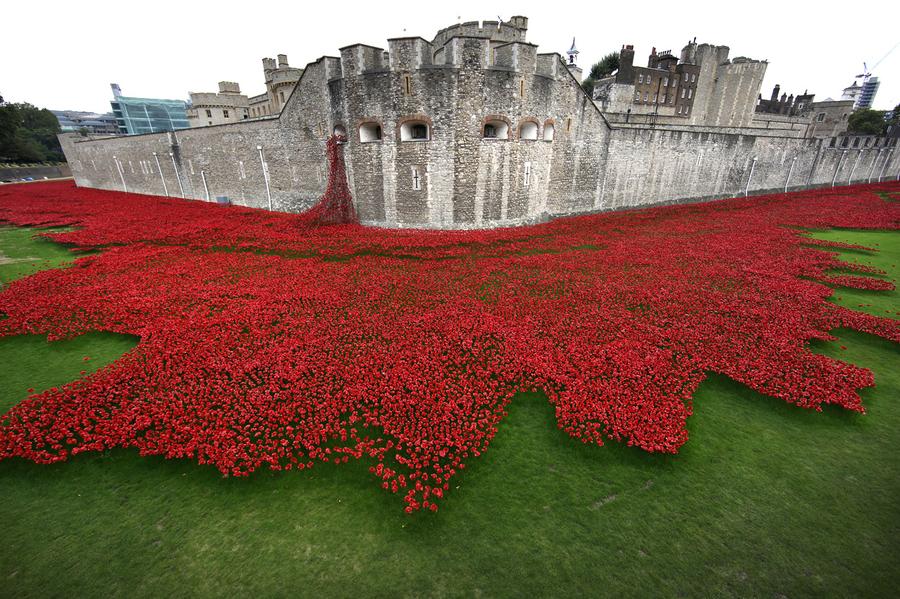
The Nolde poppies circa 1930 sold –with fees– for 151,200 in the morning sale.


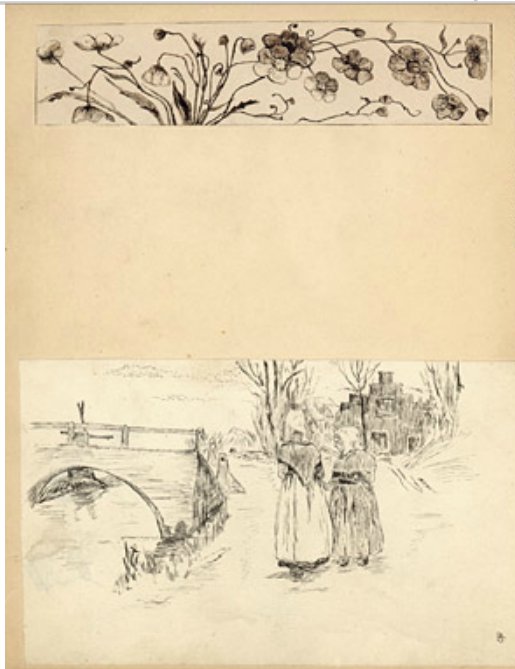



 Good Morning Gloucester