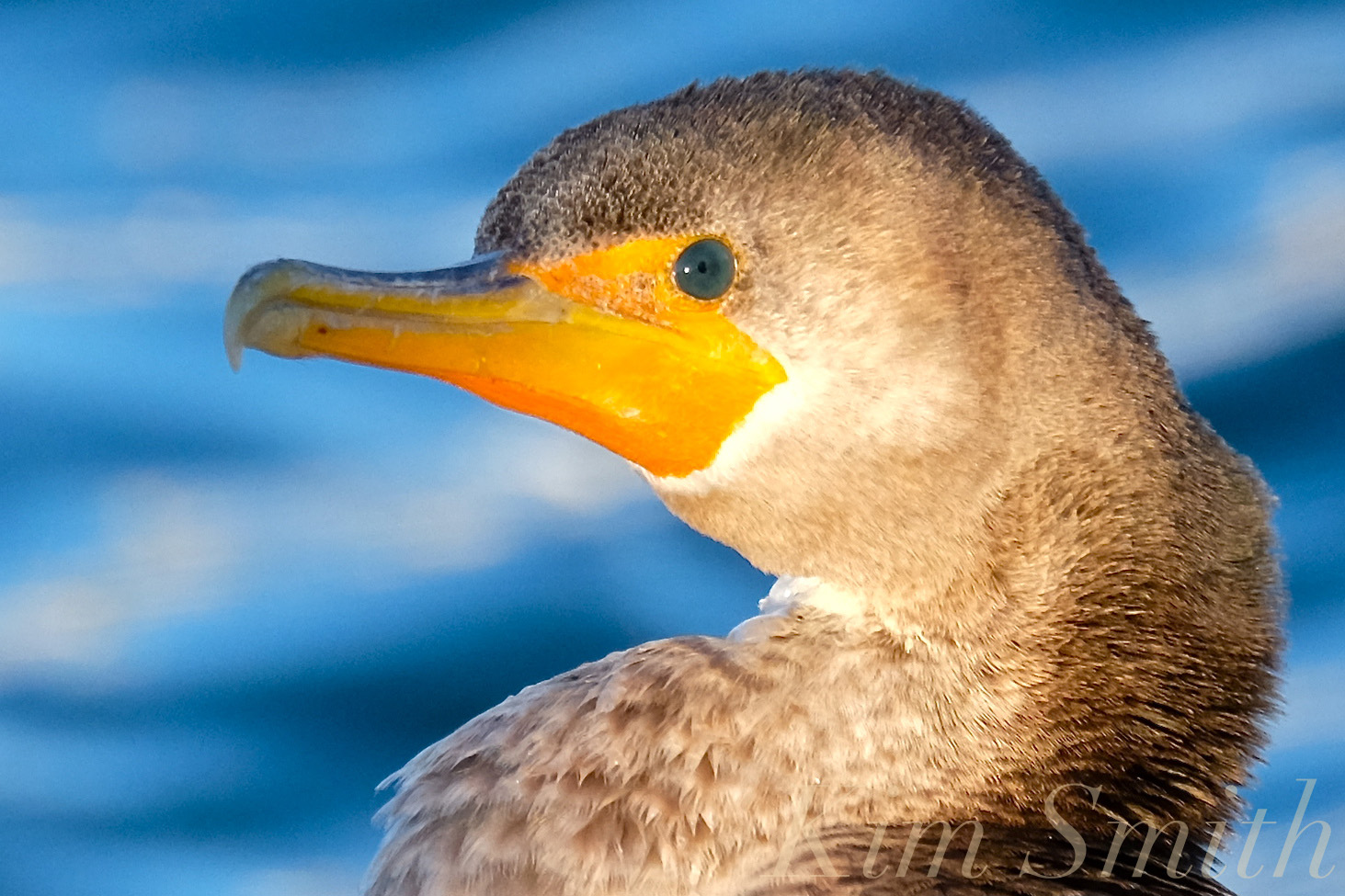
These aquamarine-eyed beauties were very nearly made extinct from the use of the pesticide DDT and from hunting. DDT wreaked havoc on avian creatures nationwide and since its ban, the Double-crested Cormorant has made an extraordinary recovery, so much so, that some communities spend a great deal of time and expense planning how to kill, or cull, these remarkable birds. Read here for a very thoughtful article on the topic, “To Kill a Cormorant.”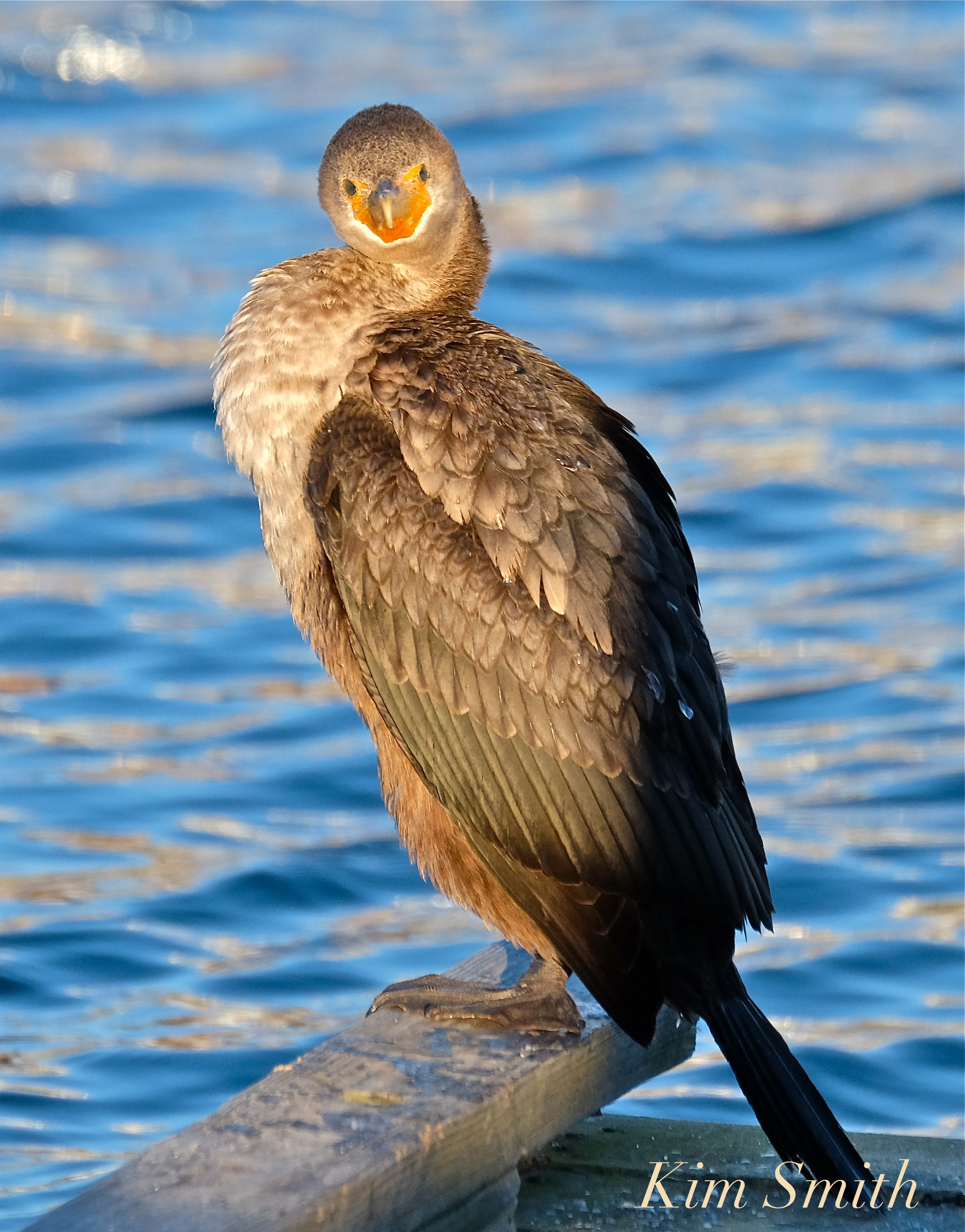
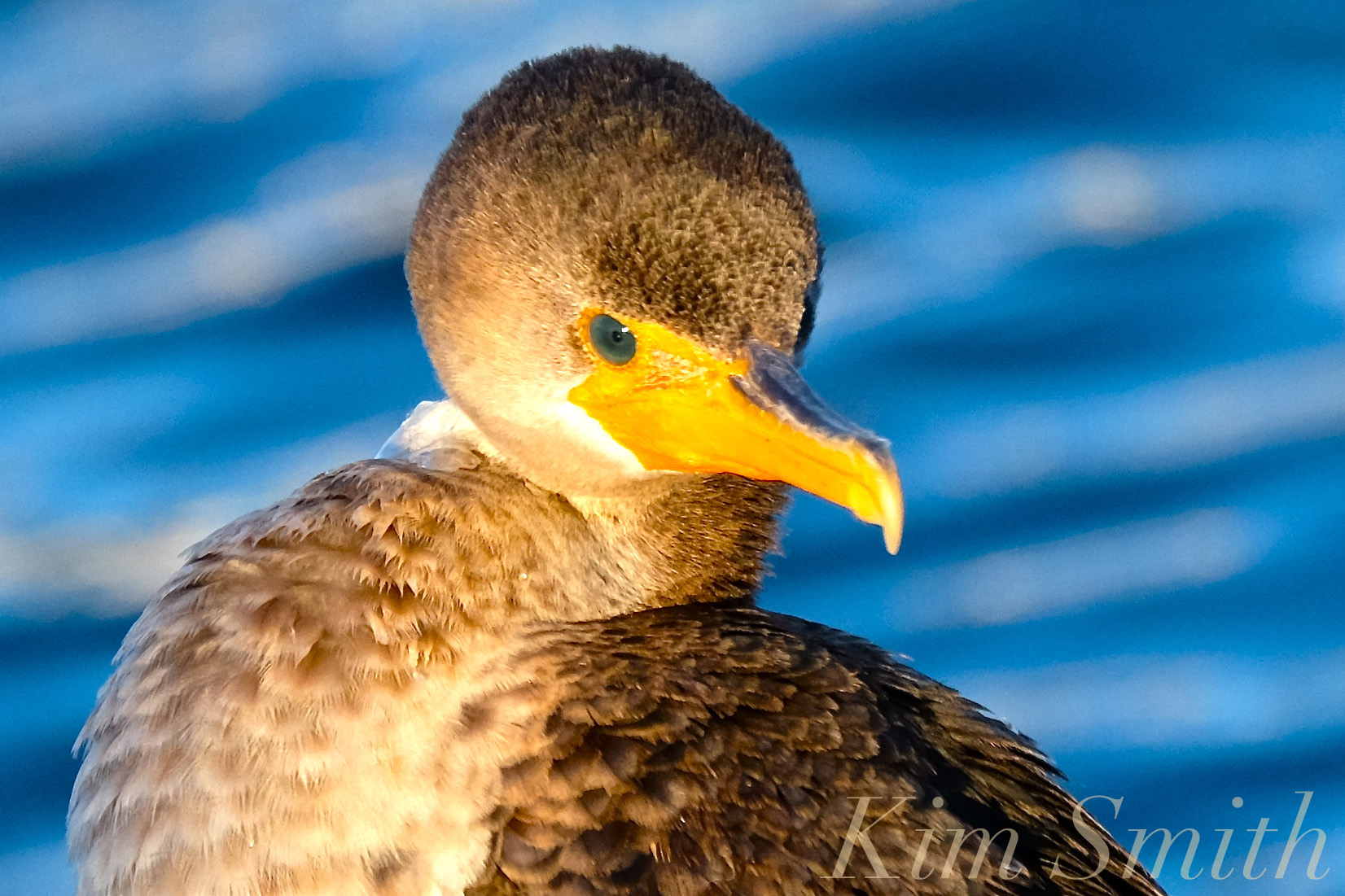
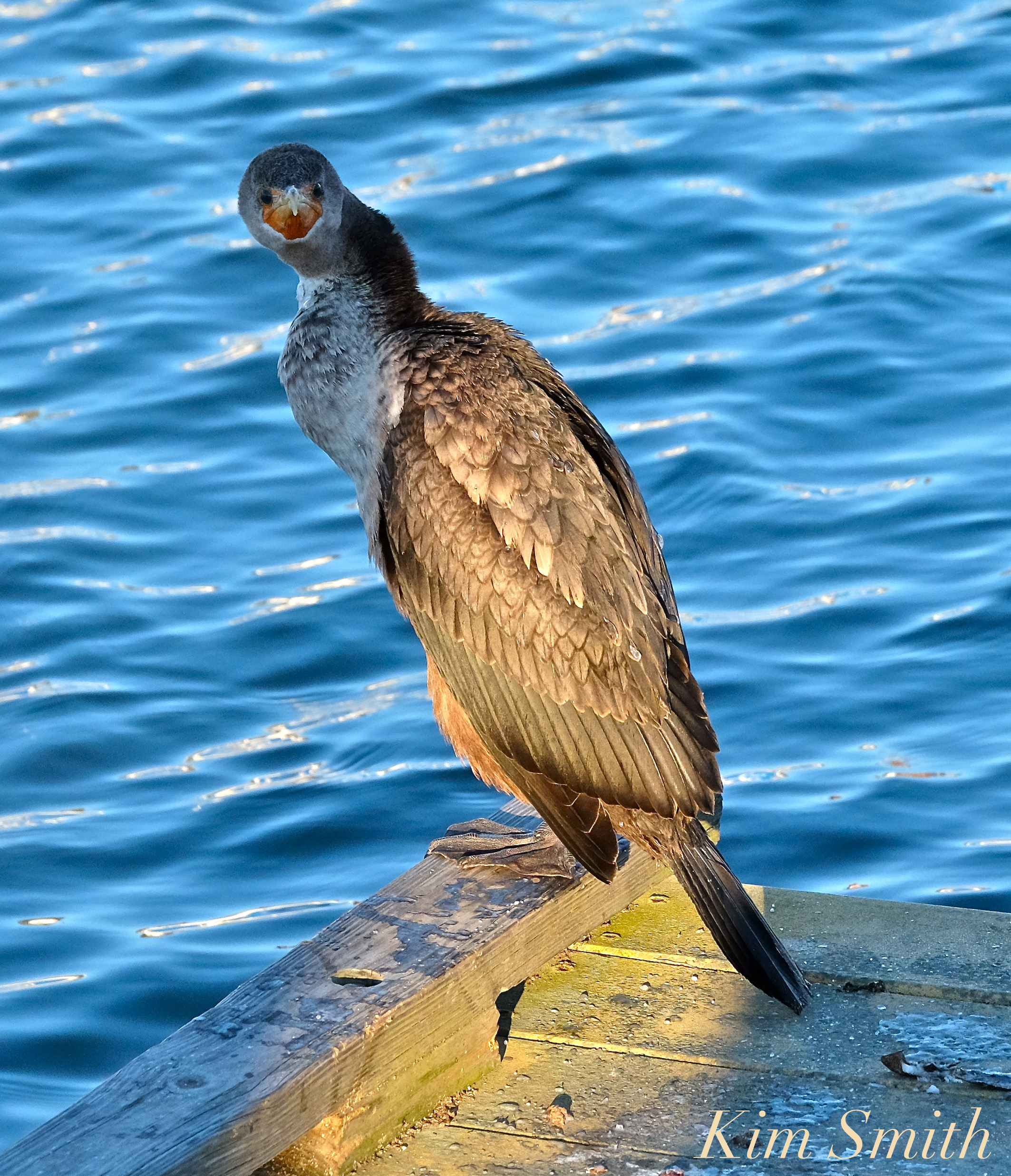
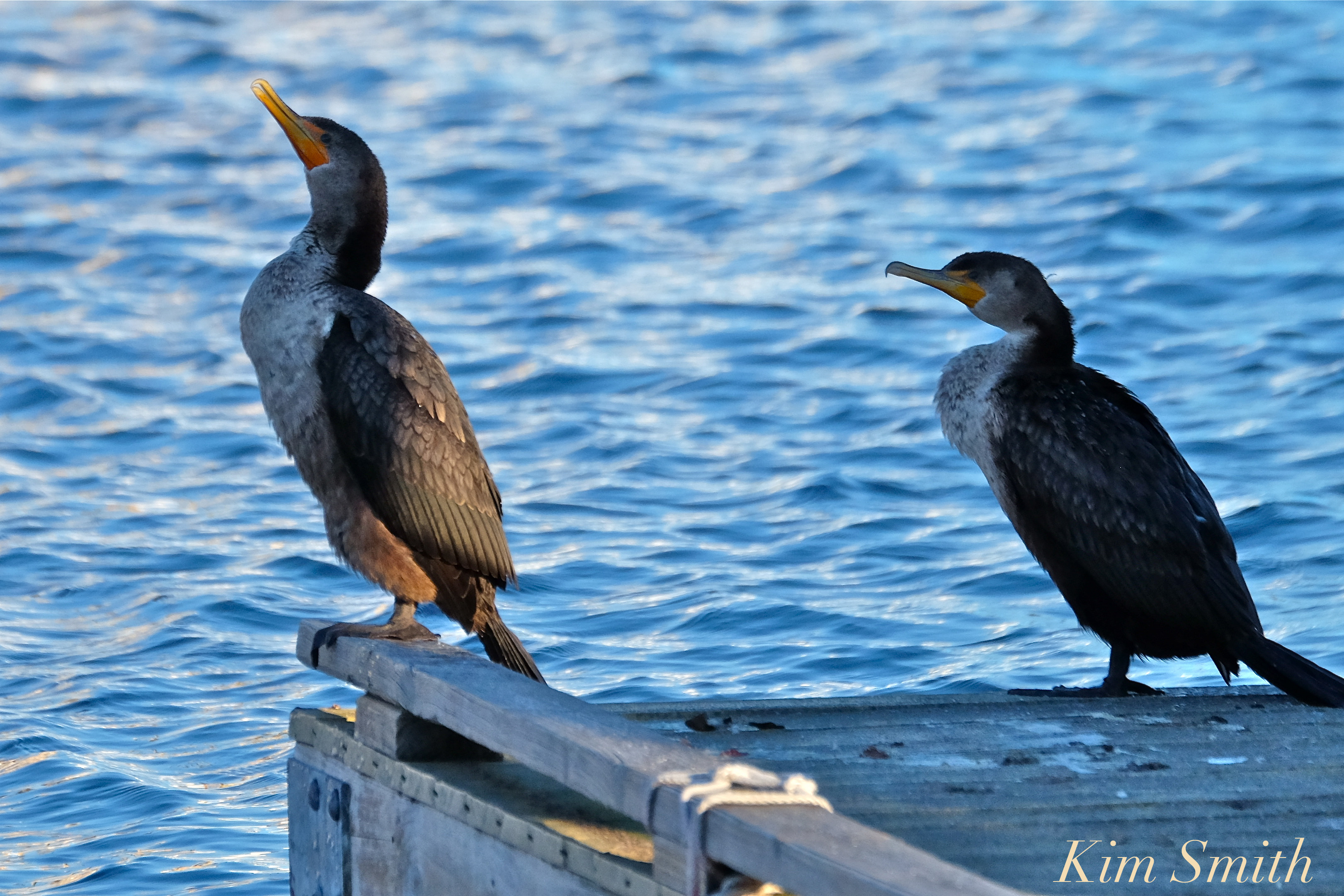 Pair of Juvenile Double-crested Cormorants at Rockport Harbor
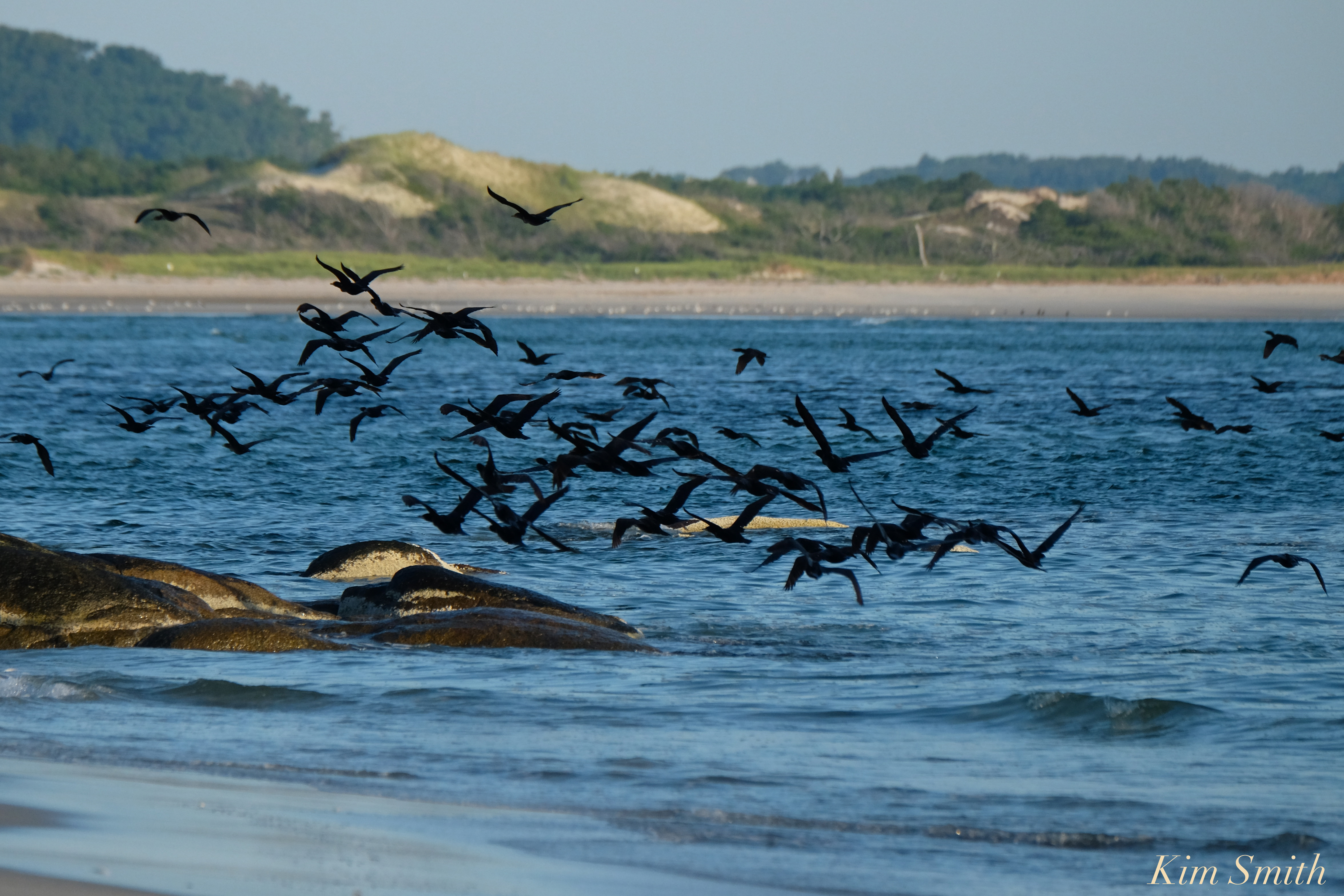 Double-crested Cormorants massing at the mouth of the Essex River in late summer

 The Double-crested Cormorant get its common name from the double tufts of feathers seen on both male and females, showing only during breeding season. The crests can be white, black, or a combination of both. Photo courtesy wiki.

 Good Morning Gloucester