BEAUTIFUL CAPE ANN WINTER WILDLIFE UPDATE

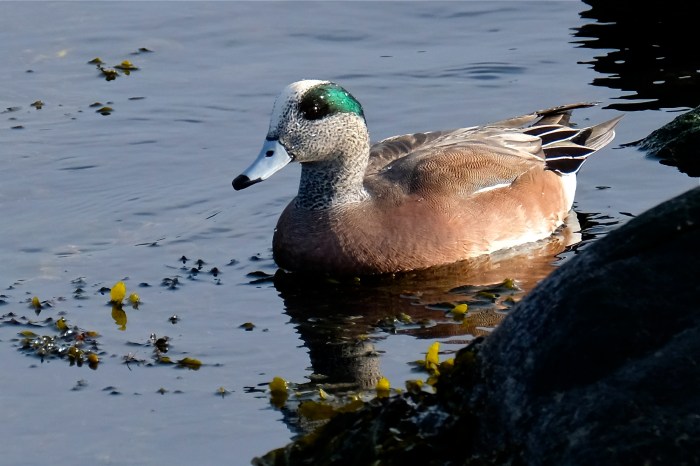
Our shores abound with wonderful wild creatures we more often see in wintertime, and species we can view better because the trees are bare. The duo of male American Wigeons are still here, as are the pair of Pipits. I watched yesterday afternoon as the Pipits flew away from the beach in unison, and then returned together about twenty minutes later to continue to forage in the seaweed and sand.

American Wigeons

American Pipits

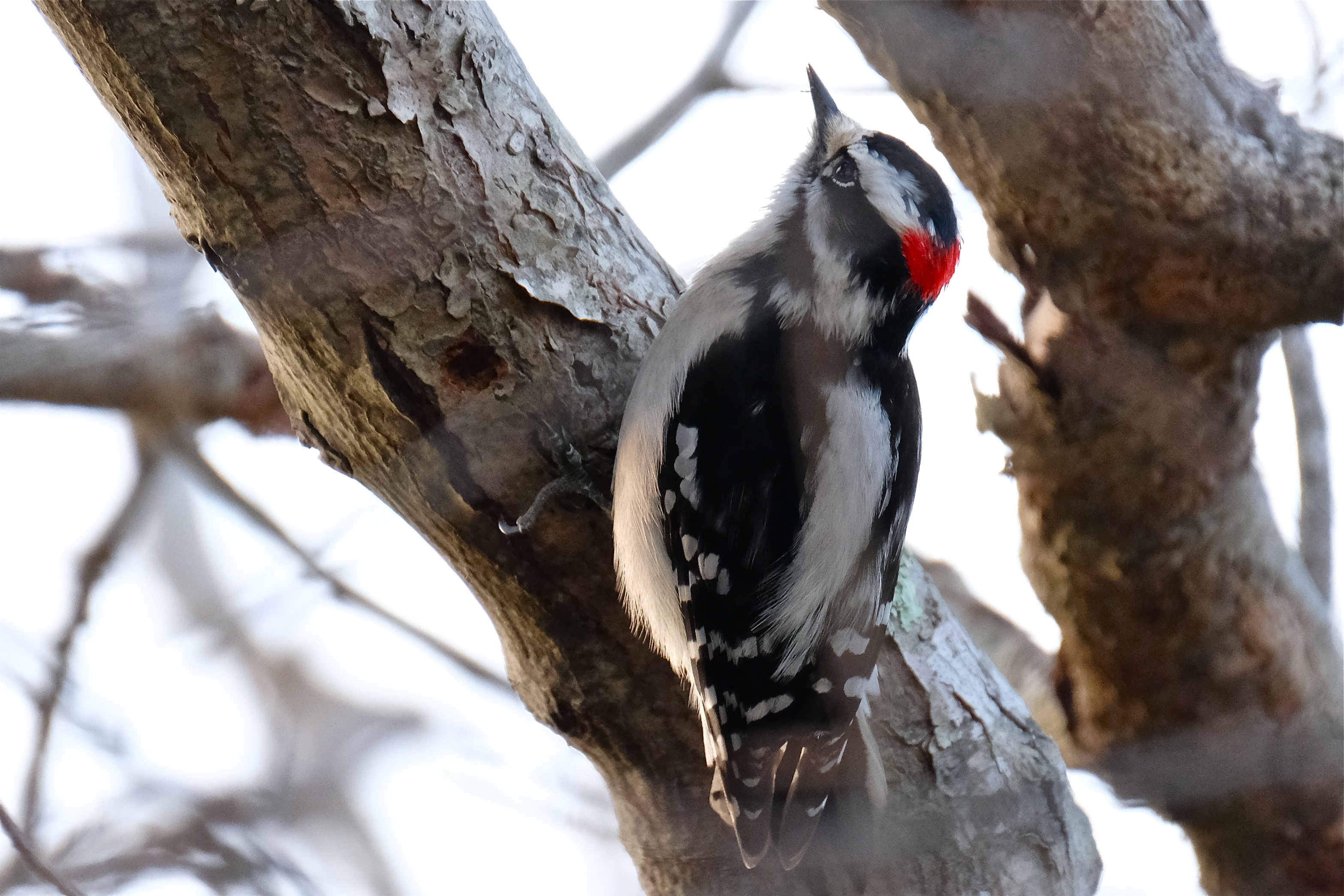
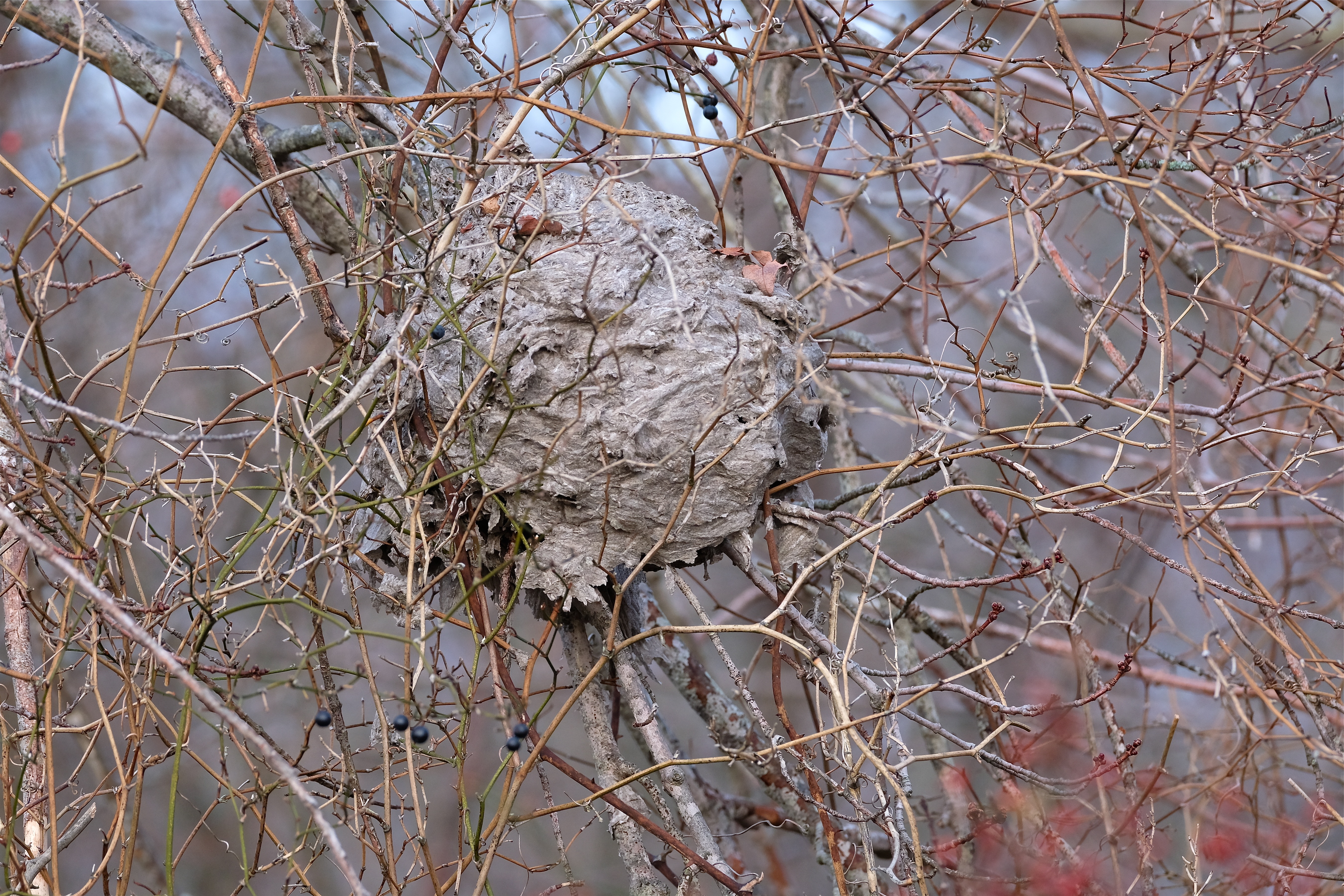
It’s easier to catch a glimpse of a Downy Woodpecker pecking and a wasp nest in the tangle of thickets when viewed through naked limbs and branches.
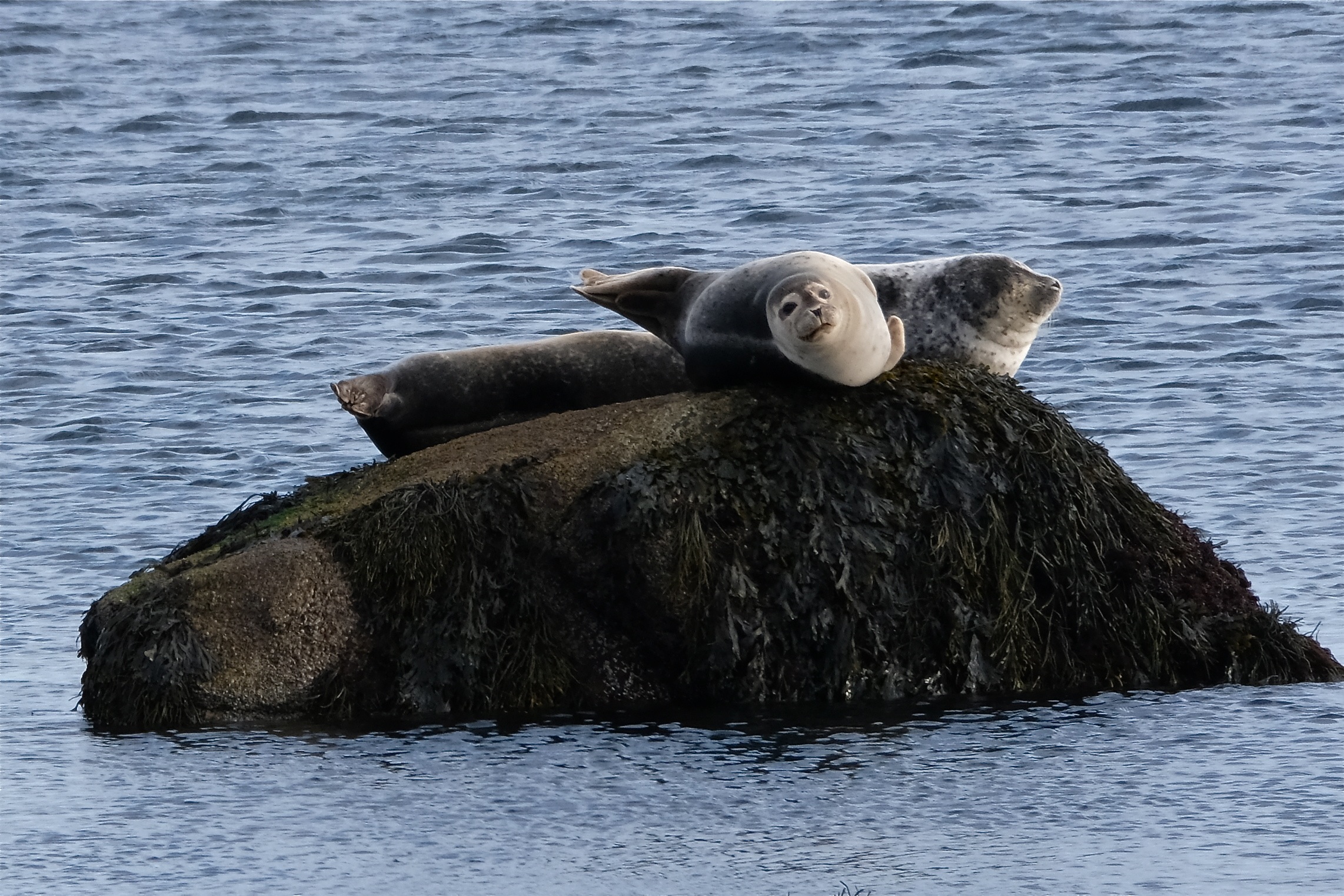
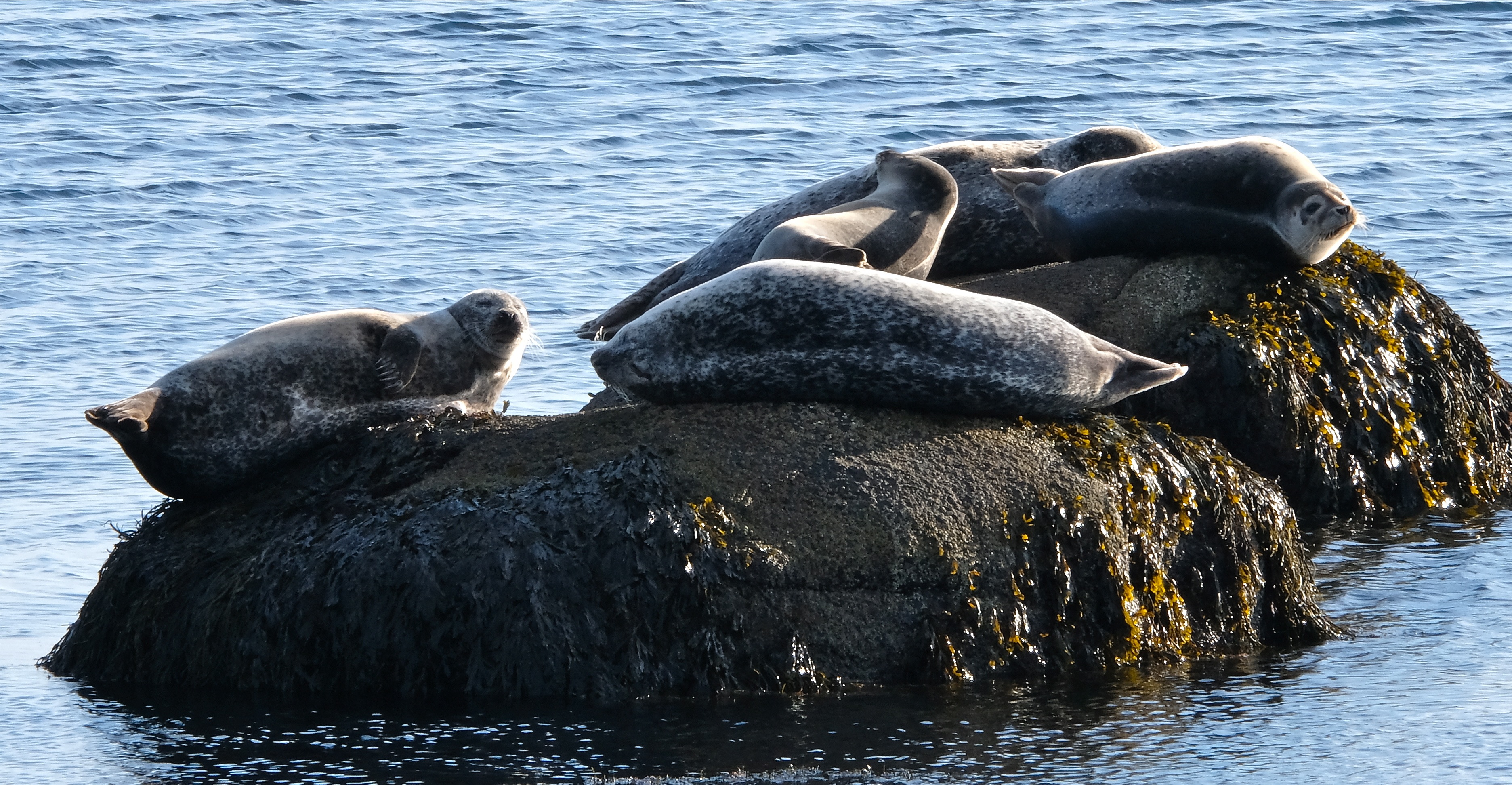
The Harbor Seals are seen almost daily. One day last week 24 were present!
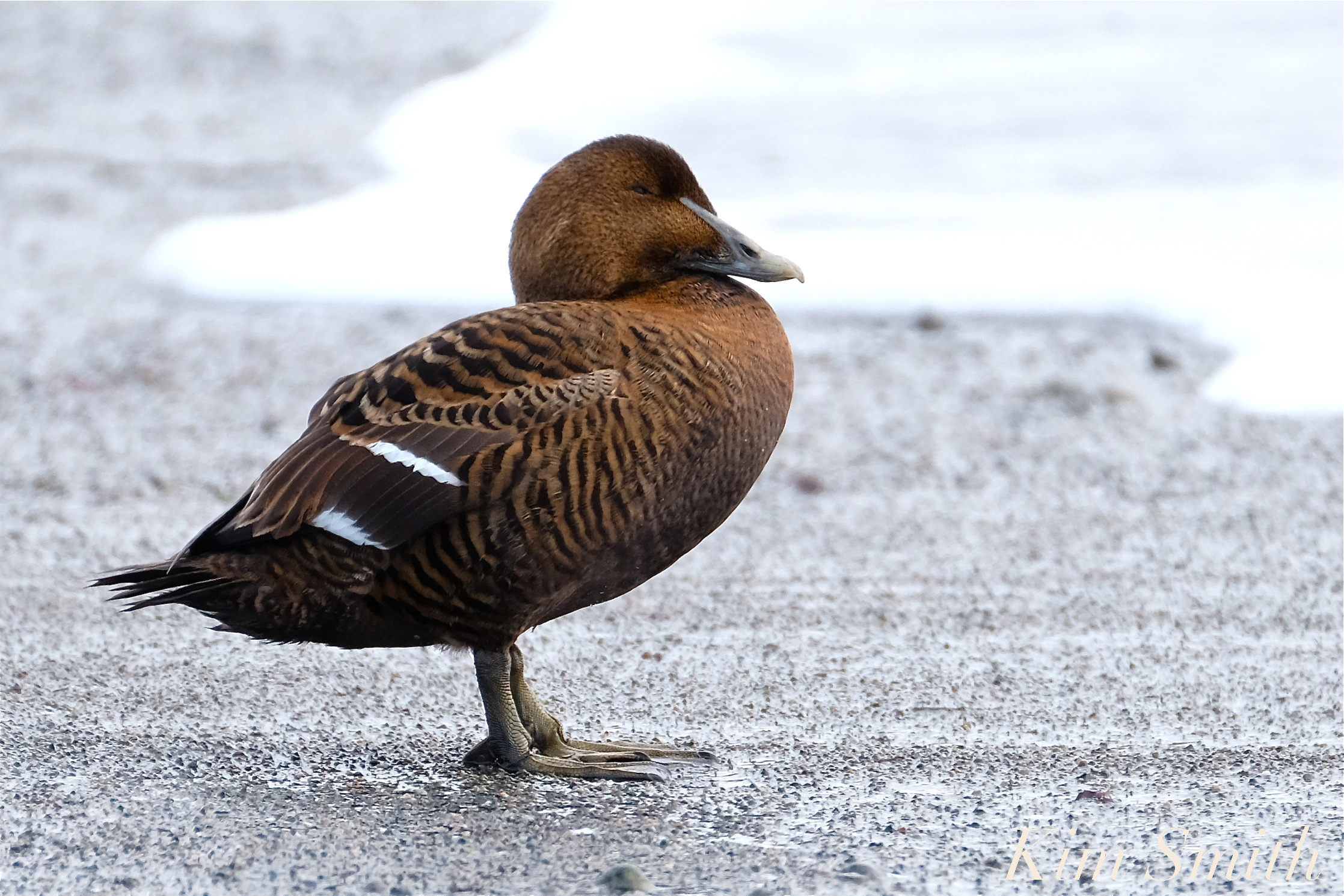
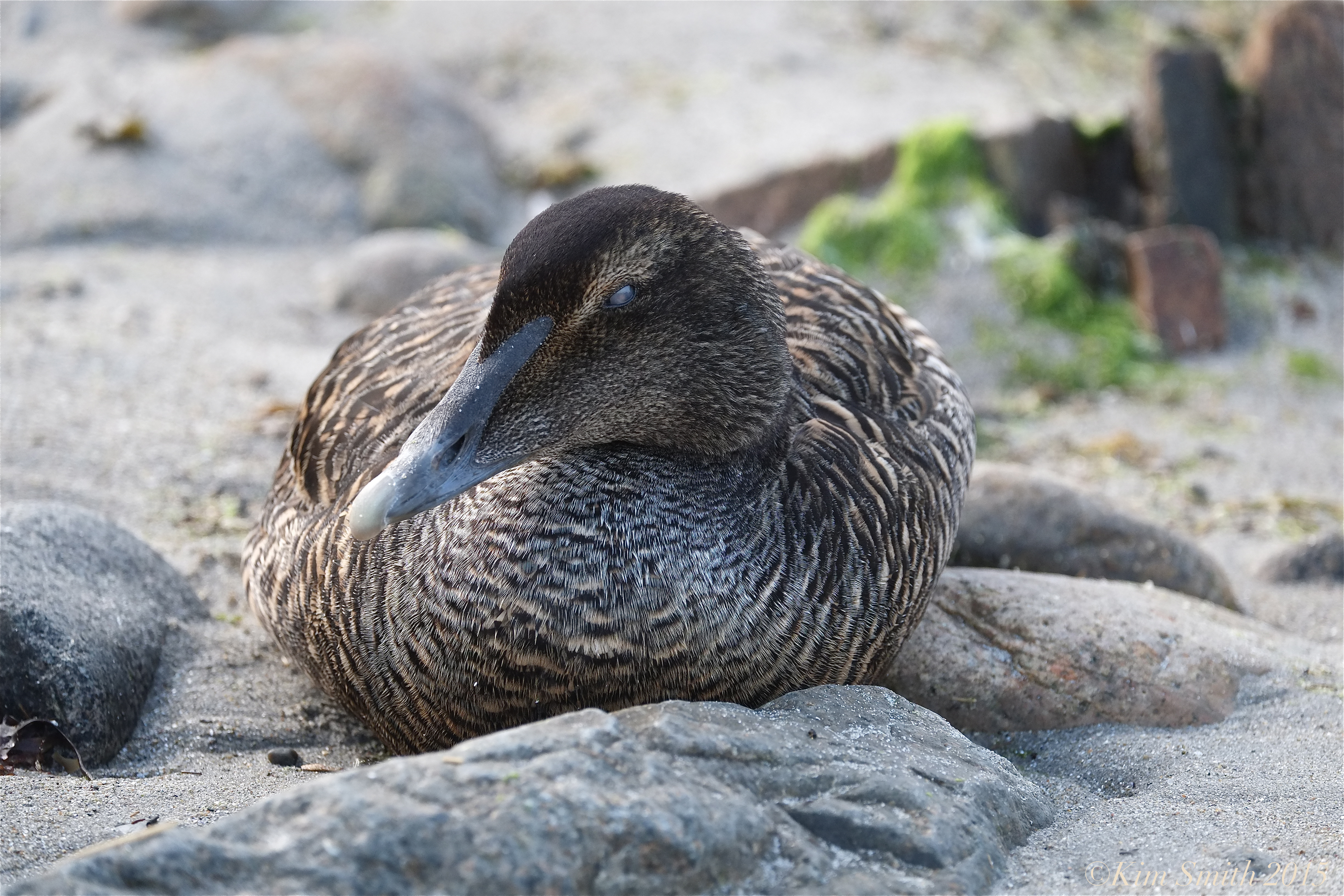
A sleepy-eyed female Common Eider was peacefully resting on the beach. I know she was okay because on our way back she slipped back into the surf.

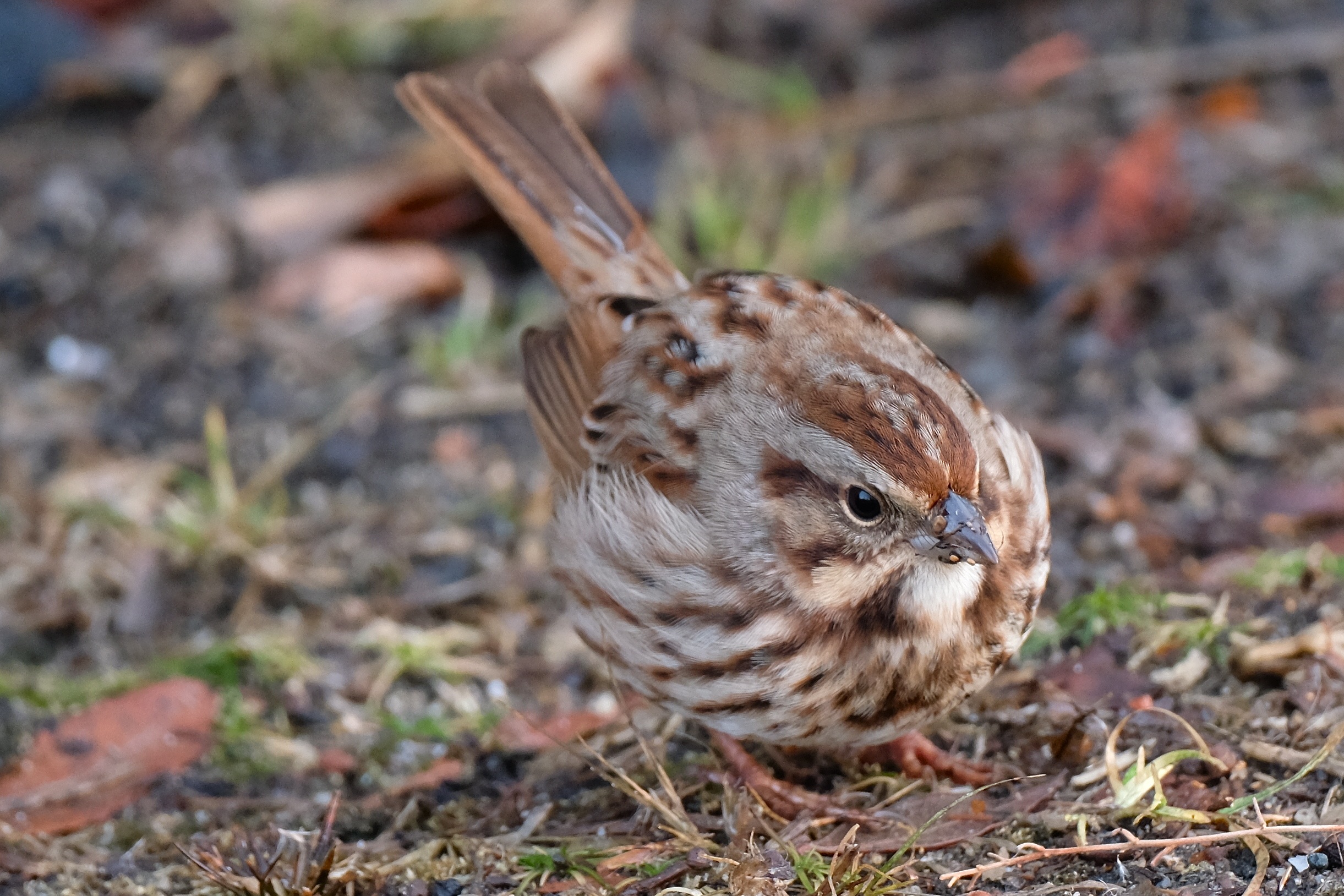
Song Sparrow
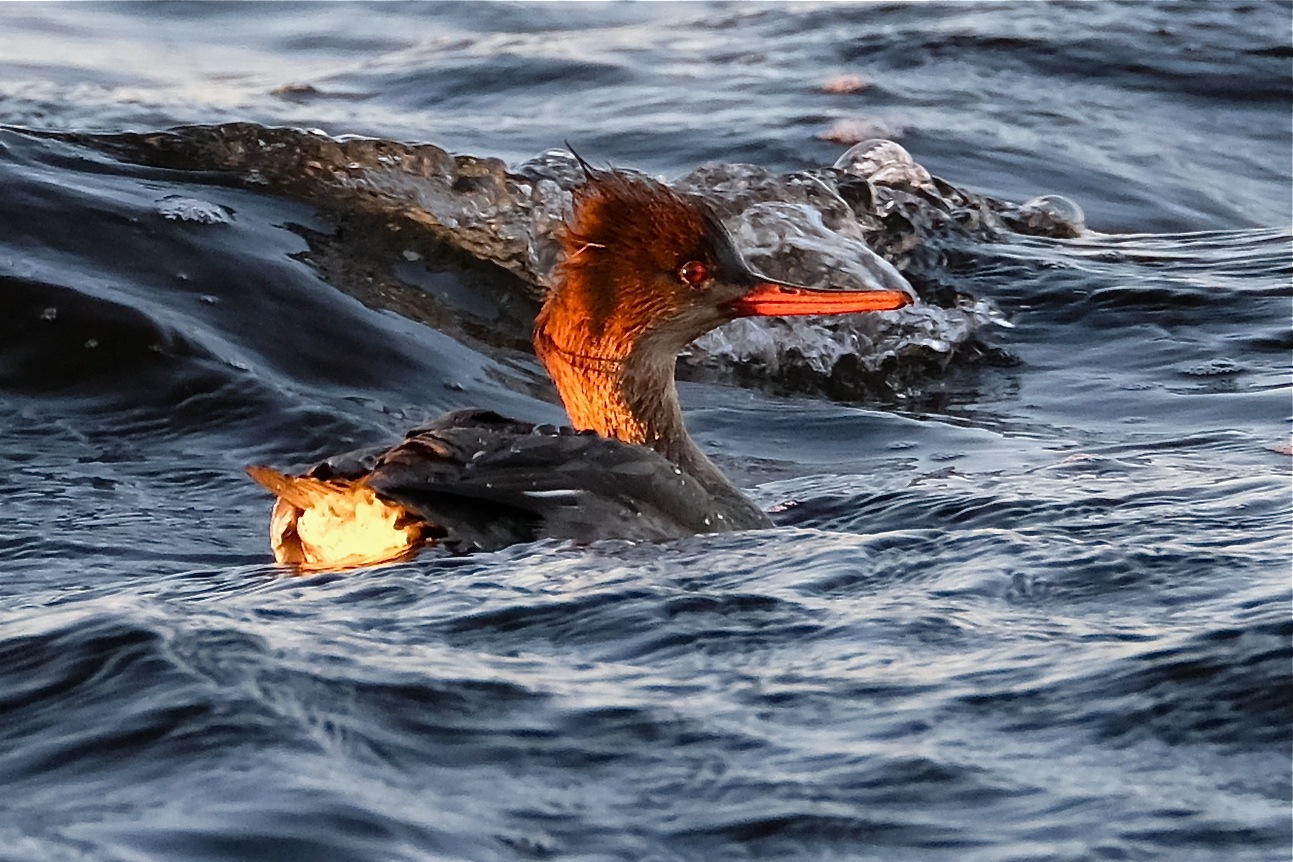
Red-breasted Merganser

And that’s our Charlotte, my favorite wild one, and ever at the ready to go exploring. After we get dressed in the morning she chortles, “Now I’m ready for action Mimi.”


COMMON EIDER DUCKLINGS AT CAPTAIN JOES!

Lobster Boat Arethusa and Crèche of Common Eider Hens and Ducklings

You never know what wonderful glimpses of wild life you may encounter at Captain Joe and Sons. Sunday morning during the podcast, a crèche of fourteen Common Eider ducklings and their mother hens were spotted, bobbing in the waves and foraging at the edge of the dock.

Common Eider Moms, along with non-breeding “aunties,” band together for protection. The individual broods come together to form a crèche, which may include as many as 150 ducklings!

HOW TO TELL THE DIFFERENCE BETWEEN COMMON EIDERS AND BUFFLEHEADS

Common Eider Bufflehead ©Kim Smith 2016Male Common Eider (center) with Male Buffleheads

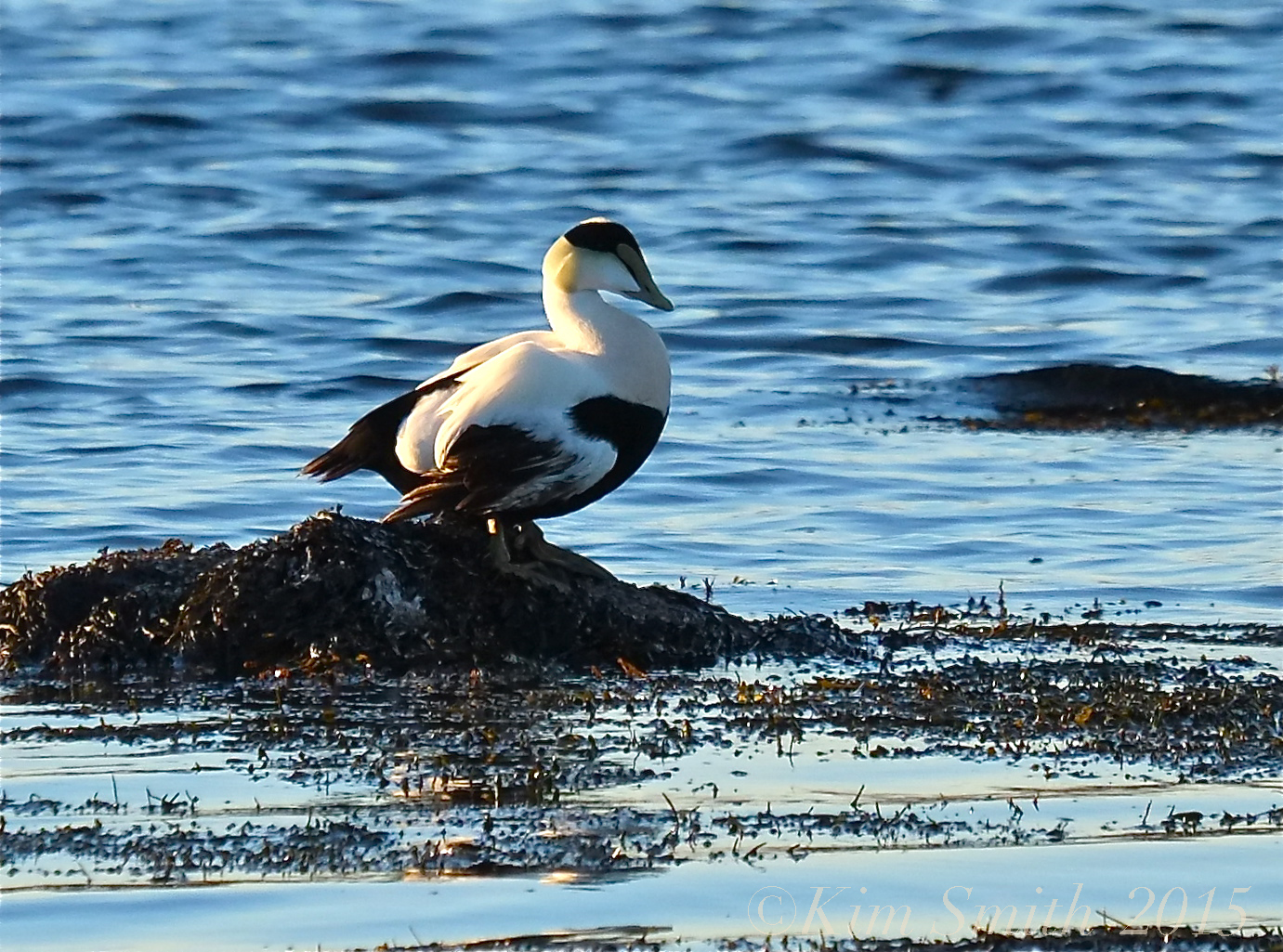
Last week a reader wrote asking how to tell the difference between Buffleheads and Common Eiders. Both males of the species are black and white and both frequent our shores during the winter months. The easiest difference is that the Eiders are much larger, about 25 to 27 inches, while Buffleheads are about half the size of an Eider, only measuring 11-15 inches in length. Common Eiders are the largest diving duck in North America; the Bufflehead the smallest diving duck.

Common Eider Male ©Kim Smith 2015Eiders have a long sloping bill and move rather slowly.

Male female buffleheads ©Kim Smith 2016

Male and Female (right) Buffleheads

Buffleheads are sprightly and butterball shaped. From a distance the male Bufflehead looks striking, appearing black and white. Up close, the head feathers are a stunning iridescent purple and green. Both Eiders and Buffleheads can be seen feeding all along the Massachusetts coastline during the winter months. Buffleheads inhabit fresh water ponds and salt water whereas Common Eiders are sea ducks. During the summer breeding season, Common Eiders are found across Alaska and Canada all the way south to our region, whereas Buffleheads breed in the boreal forests and aspen parklands of Canada and Alaska.

I am sure you’ve heard of eiderdown pillows and quilts. The eiderdown, plucked from the female’s breast to line the nest, can be collected sustainably and safely after the ducklings leave the nest. Eiderdown has been largely replaced by down from farm raised geese.

Common Eider female ©Kim Smith 2015Female Common Eider