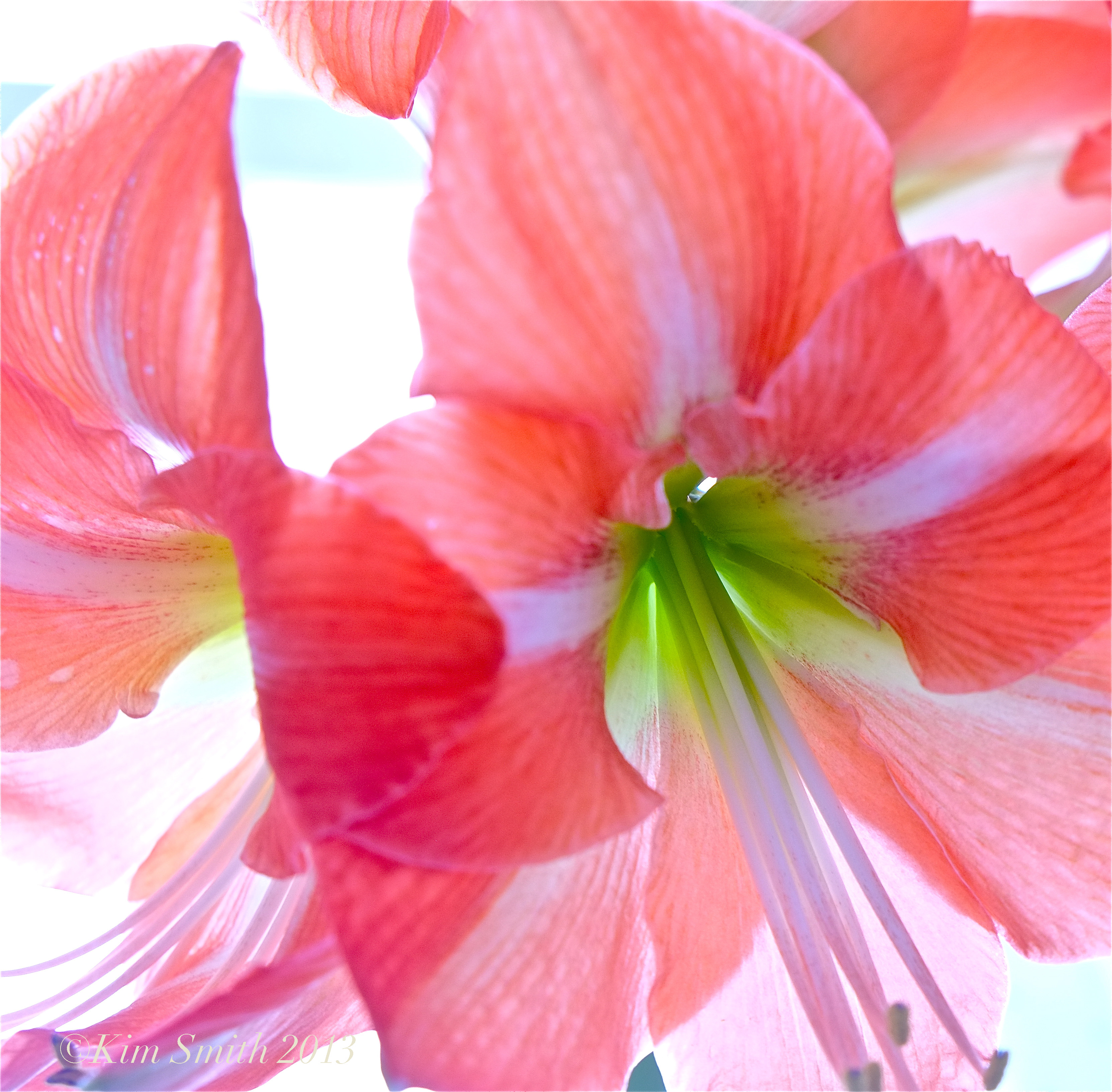
 Readying Home and Garden for the Holidays ~ Its that time of year and with my daughter coming home this weekend for an early Thanksgiving dinner (she has to work on the real Tday), I am scrambling to get the house in holiday mode between work days and final moments of filming, while the warmer temperatures hold.
Liv was so upset when she told me had to work on her very favorite holiday and said she simply could not bear to not be at home for Thanksgiving. The reason she gave was because of the scents permeating throughout the house, that of yummy food cooking combined with the sweet fragrance of the flowering bulbs that we grow during the winter months. After she expressed those sentiments, how could I not promise to cook two turkey dinners, the first to come next week while she is home.
This weekend I’ll be planting the last of the spring ephemeral bulbs outdoors and indoors, potting up the amaryllis bulbs for winter cheer. I love the flowers of amaryllis so much so that they are grown in all the rooms of the house.
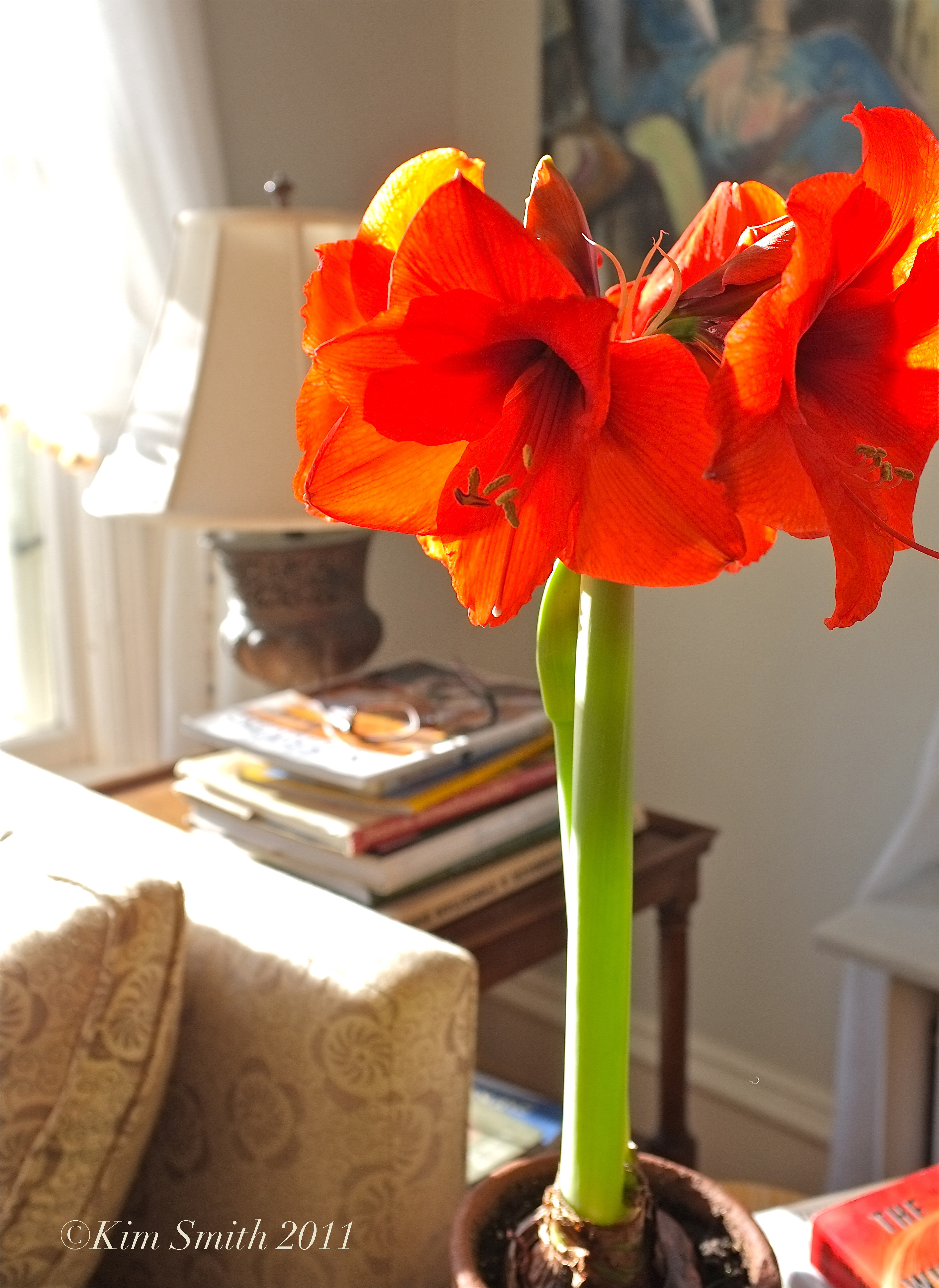 Amaryllis in the living room,
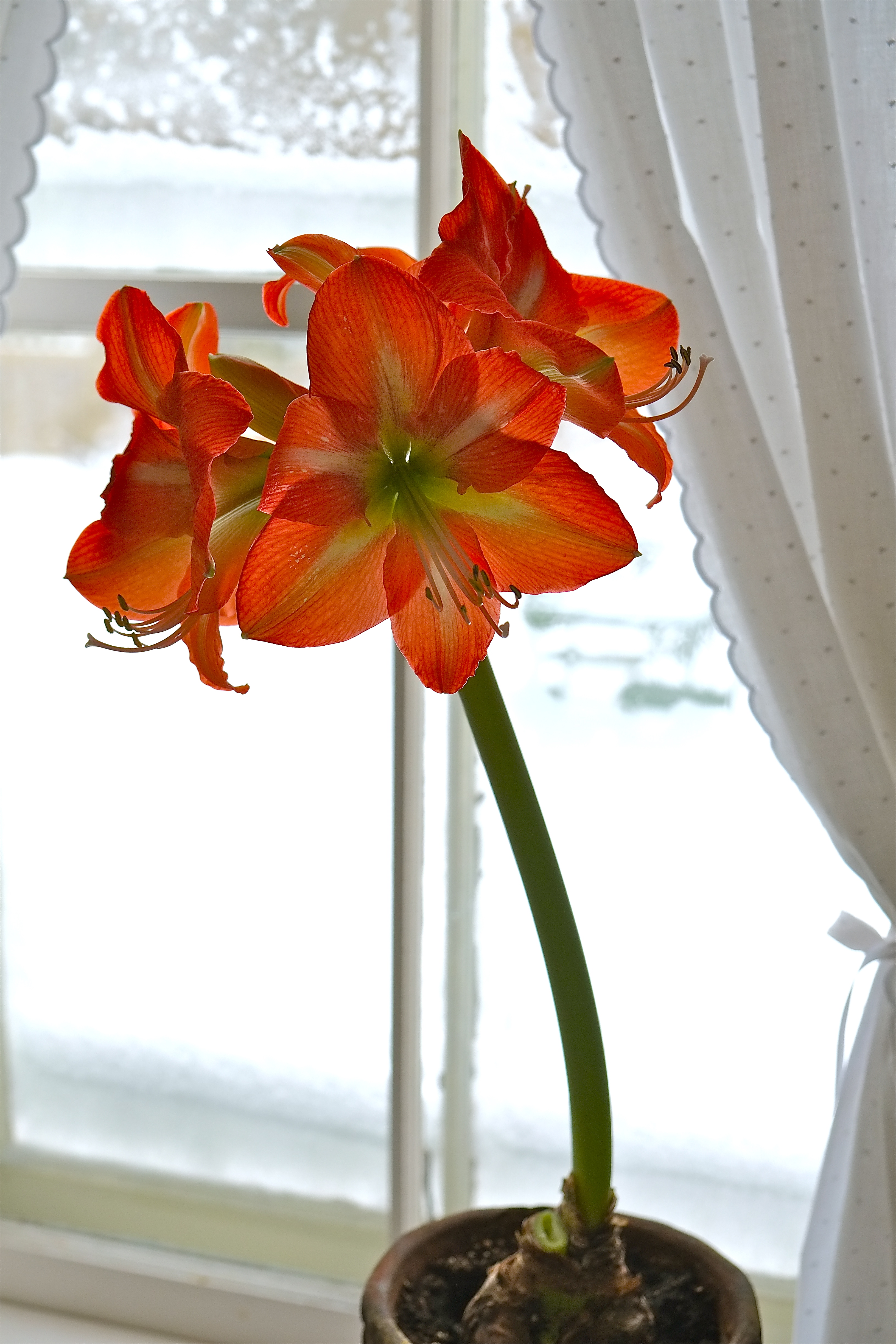 amaryllis in the kitchen,
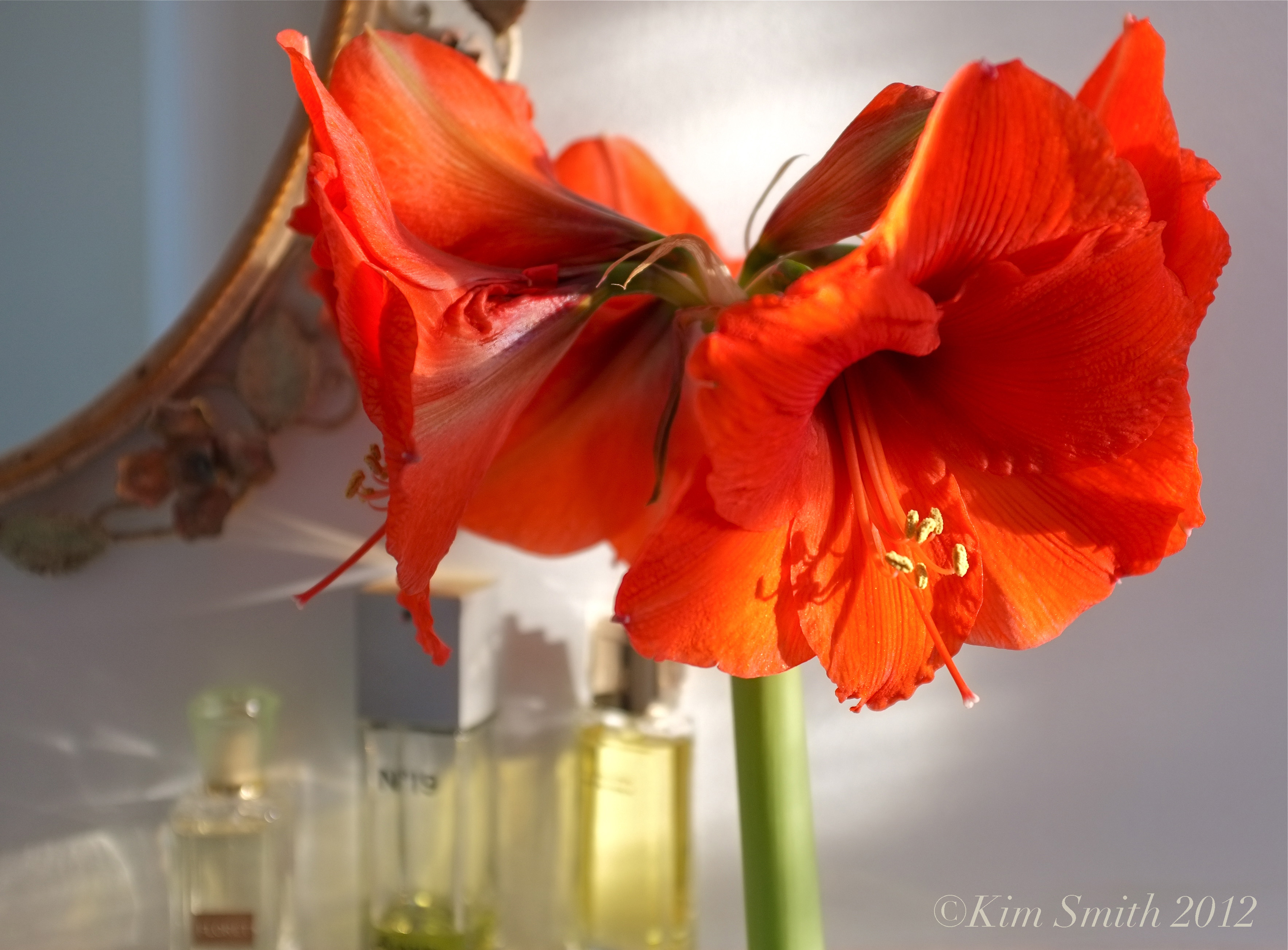 and even in the bathroom, we grow amaryllis!
How to Grow Amaryllis ~ Excerpt from Oh Garden of Fresh Possibilities!
Living in New England the year round, with our tiresomely long winter stretching miles before us, and then a typically late and fugitive, fleeting spring, we can become easily wrapped in those winter-blues. Fortunately for garden-makers, our thoughts give way to winter scapes of bare limbs and berries, Gold Finches and Cardinals, and plant cat- alogues to peruse. If you love to paint and write about flowers as do I, winter is a splendid time of year for both, as there is hardly any time devoted to the garden during colder months. I believe if we cared for a garden very much larger than ours, I would accomplish little of either writing or painting, for maintaining it would require just that much more time and energy.
Coaxing winter blooms is yet another way to circumvent those late winter doldrums. Most of us are familiar with the ease in which amaryllis (Hippeastrum) bulbs will bloom indoors. Placed in a pot with enough soil to come to the halfway point of the bulb, and set on a warm radiator, in several week’s time one will be cheered by the sight of a spring-green, pointed-tipped flower stalk poking through the inner layers of the plump brown bulbs. The emerging scapes provide a welcome promise with their warm-hued blossoms, a striking contrast against the cool light of winter. Perhaps the popularity of the amaryllis is due both to their ease in cultivation and also for their ability to dazzle with colors of sizzling orange, clear reds and apple blossom pink.
Oh Garden of Fresh Possibilities! sells for only $14.00 on Amazon, which is a 21.00 value off the publisher’s price of 35.00.
Click here to purchase a copy of Oh Garden.


 Good Morning Gloucester