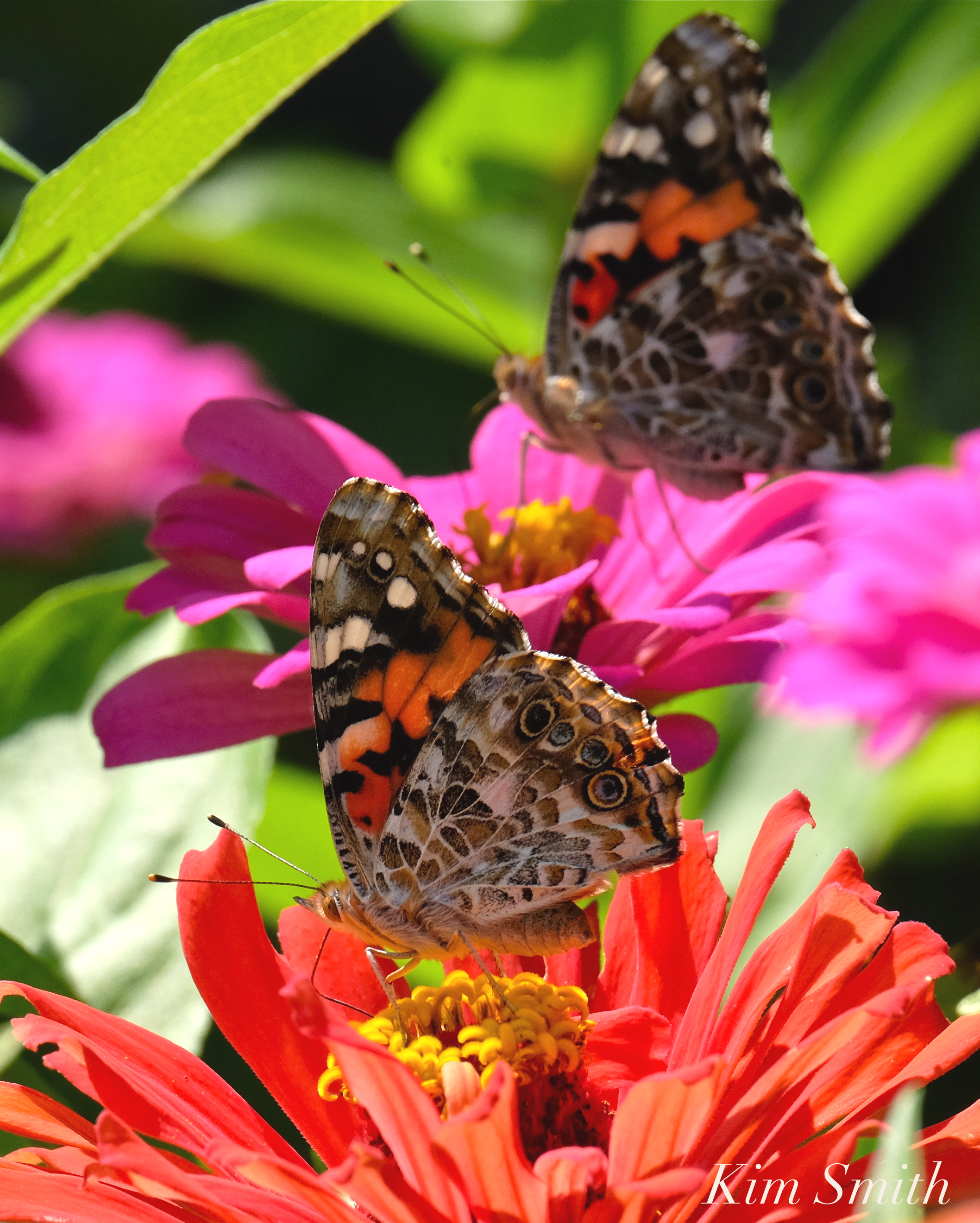
All are welcome at The Mary Prentiss Inn, people and pollinators!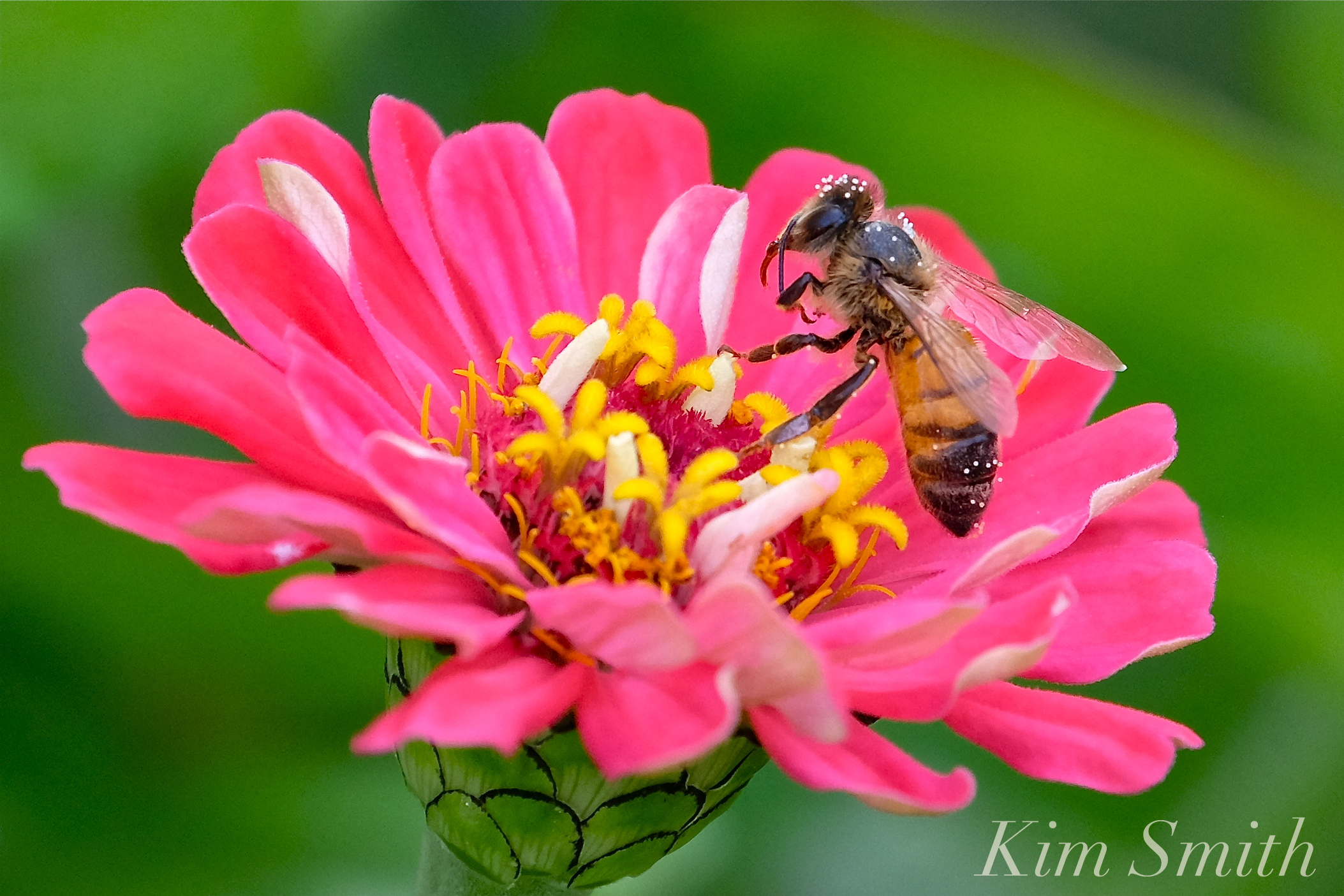
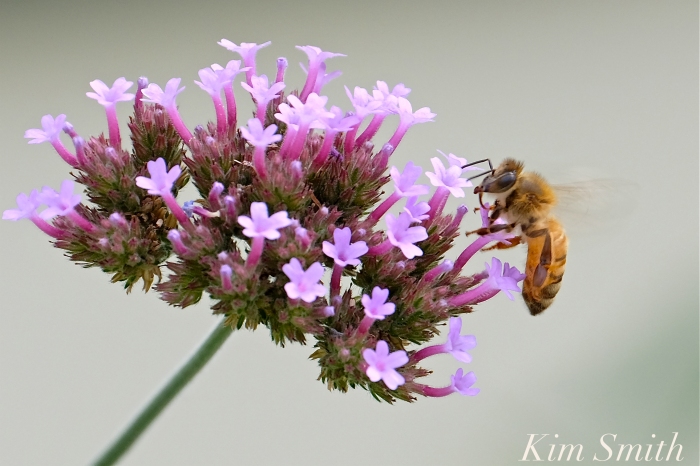
Pollen-dusted Honey Bee
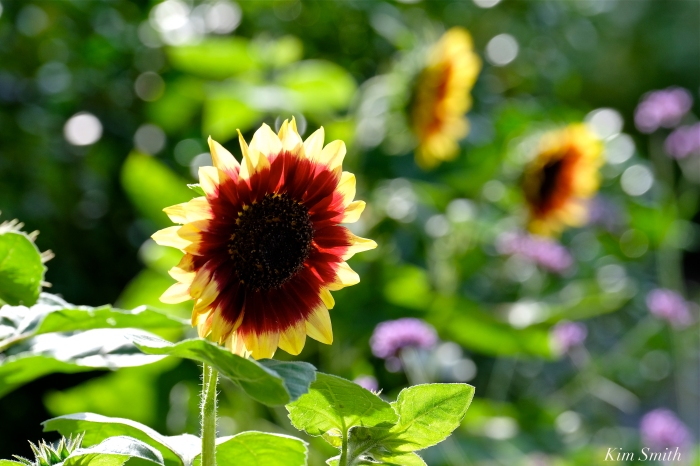
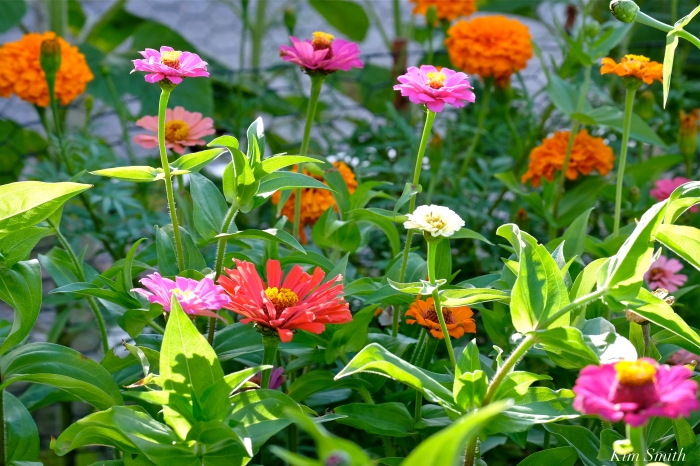
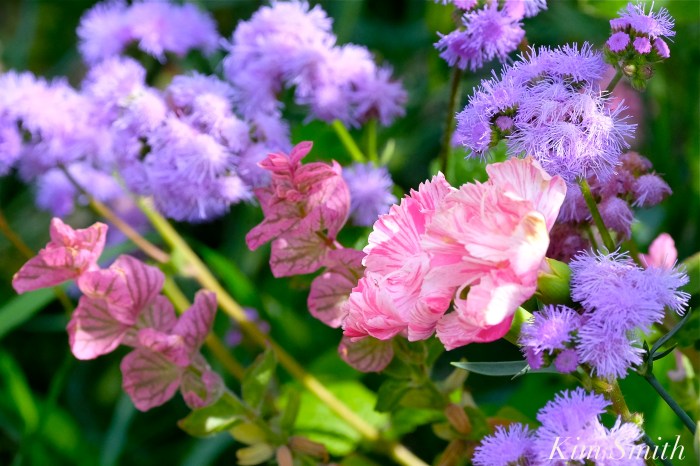
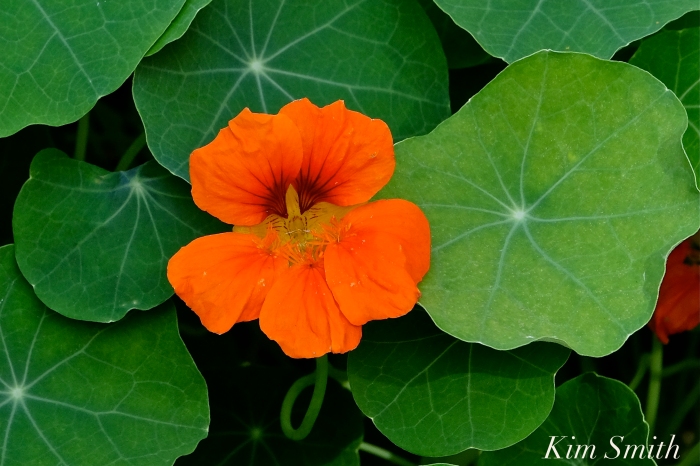
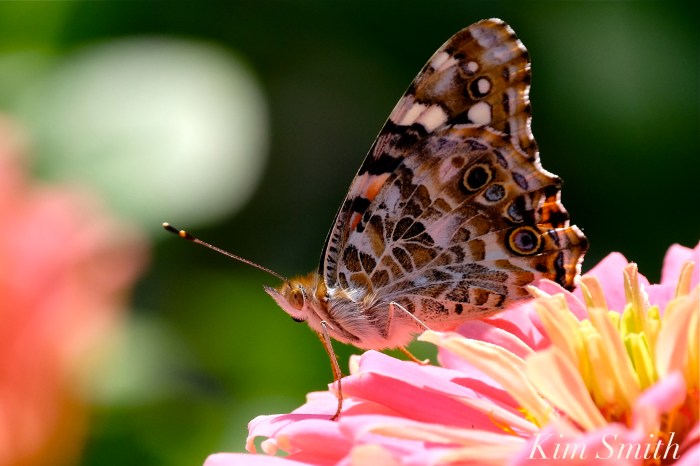
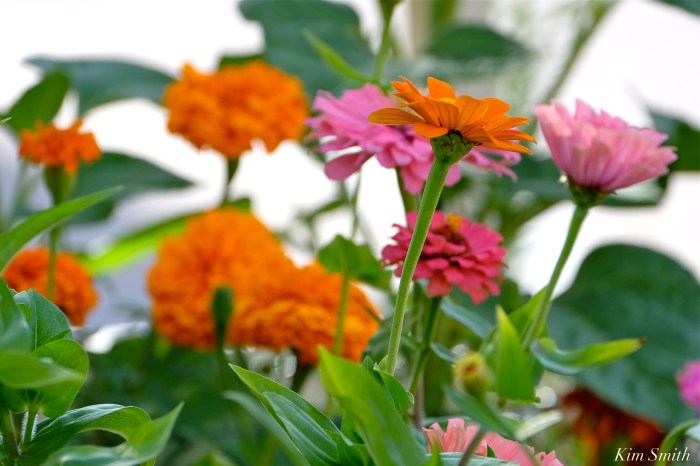
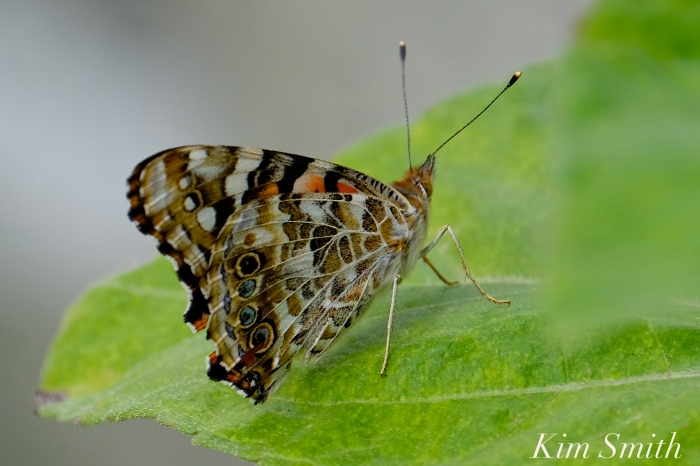
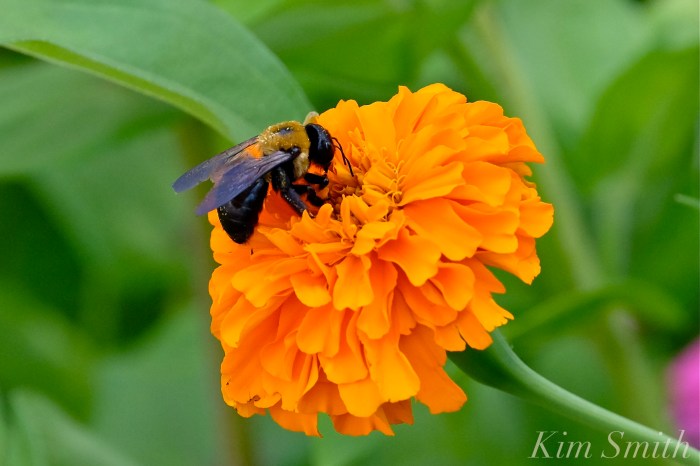
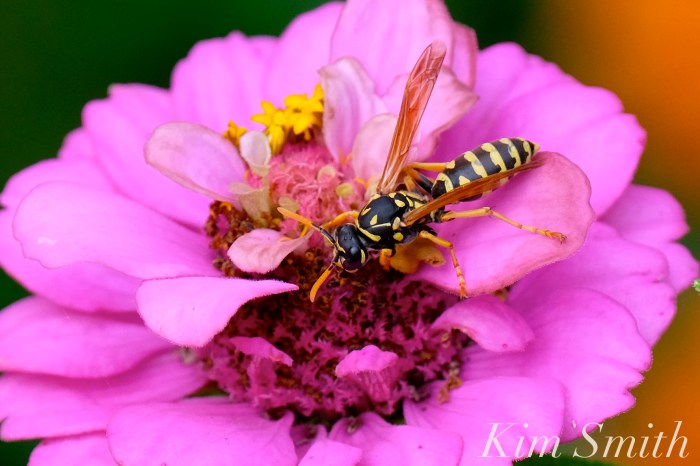
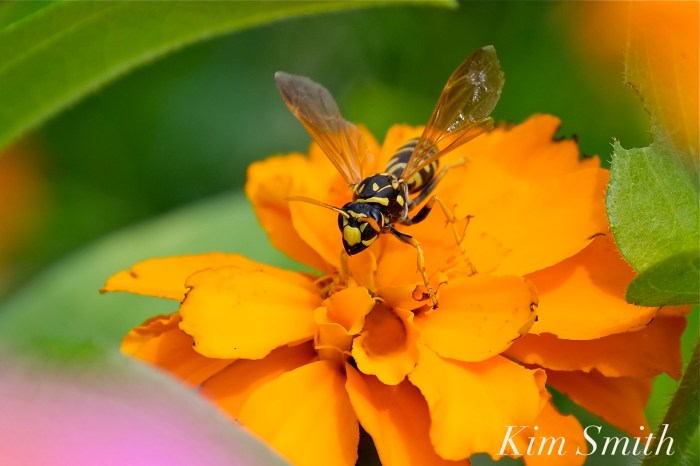
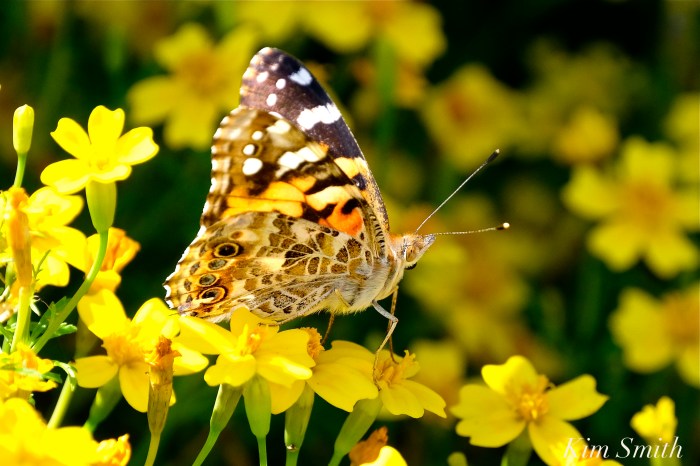
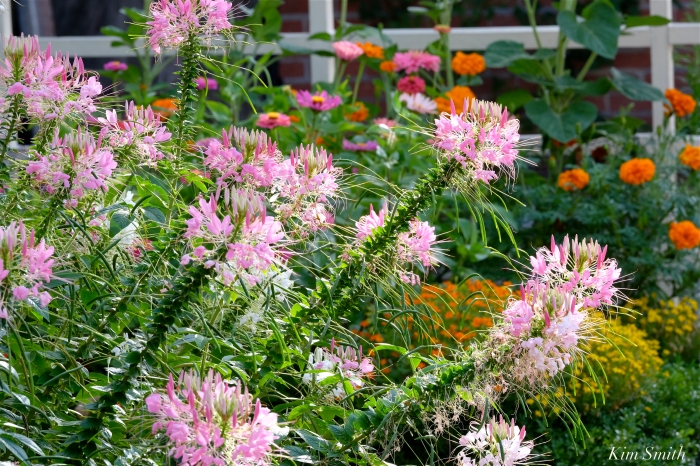
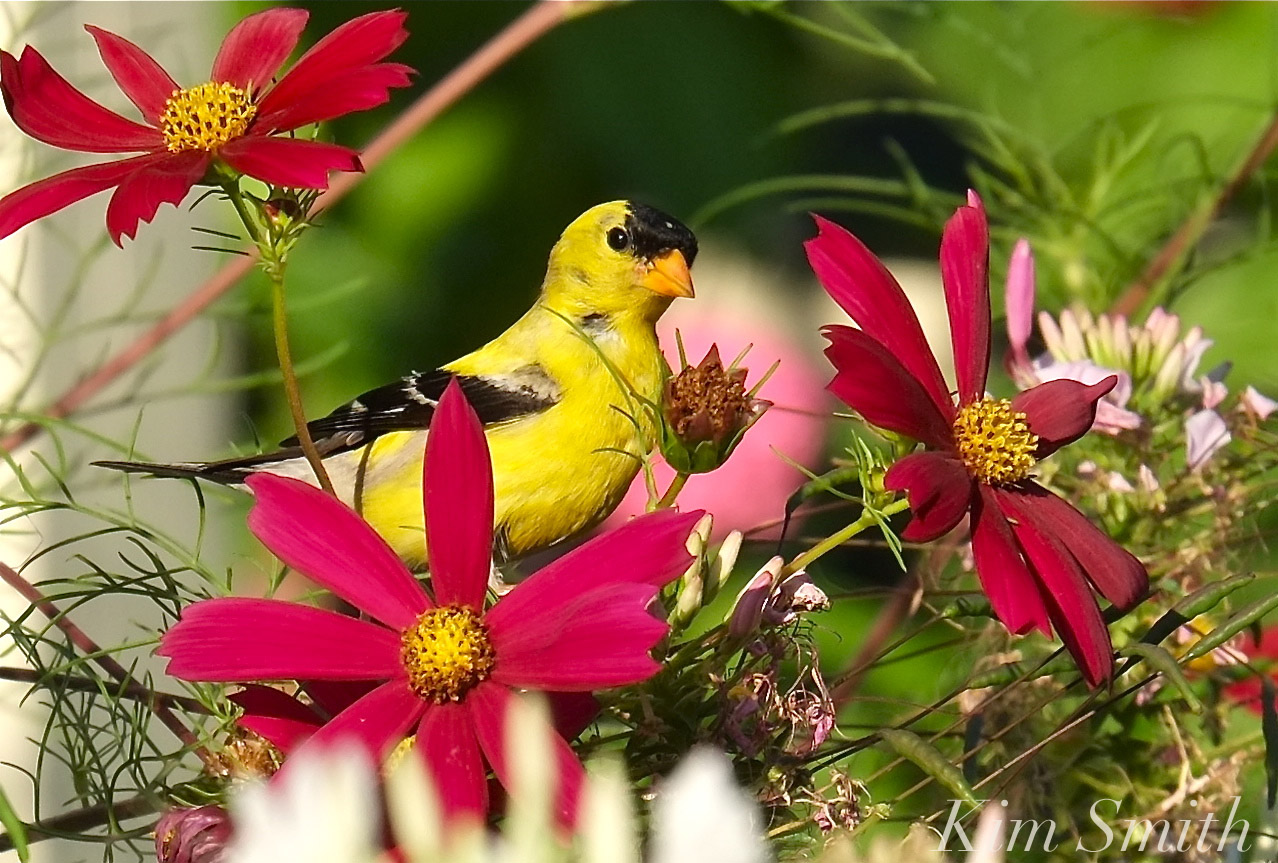
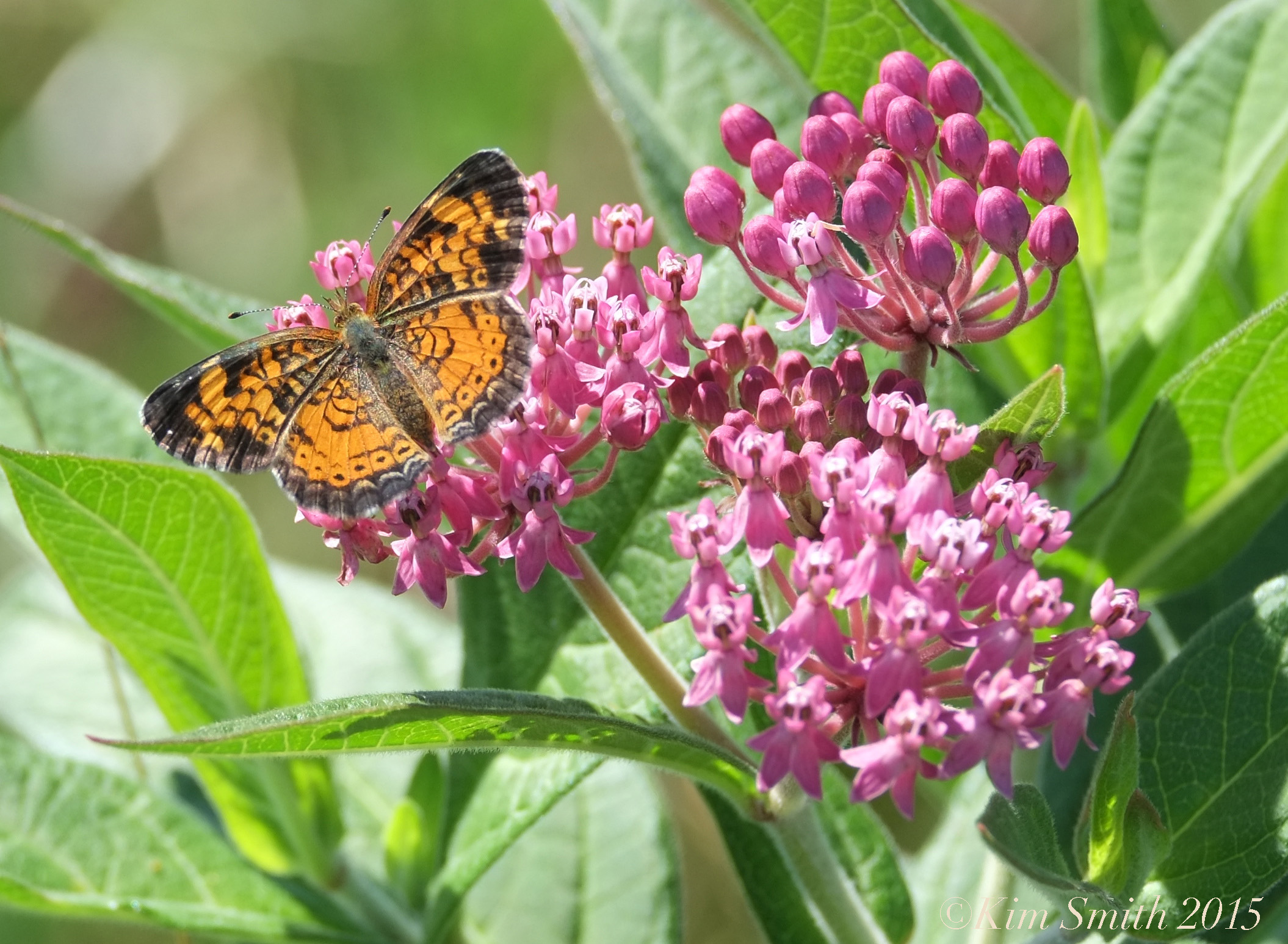
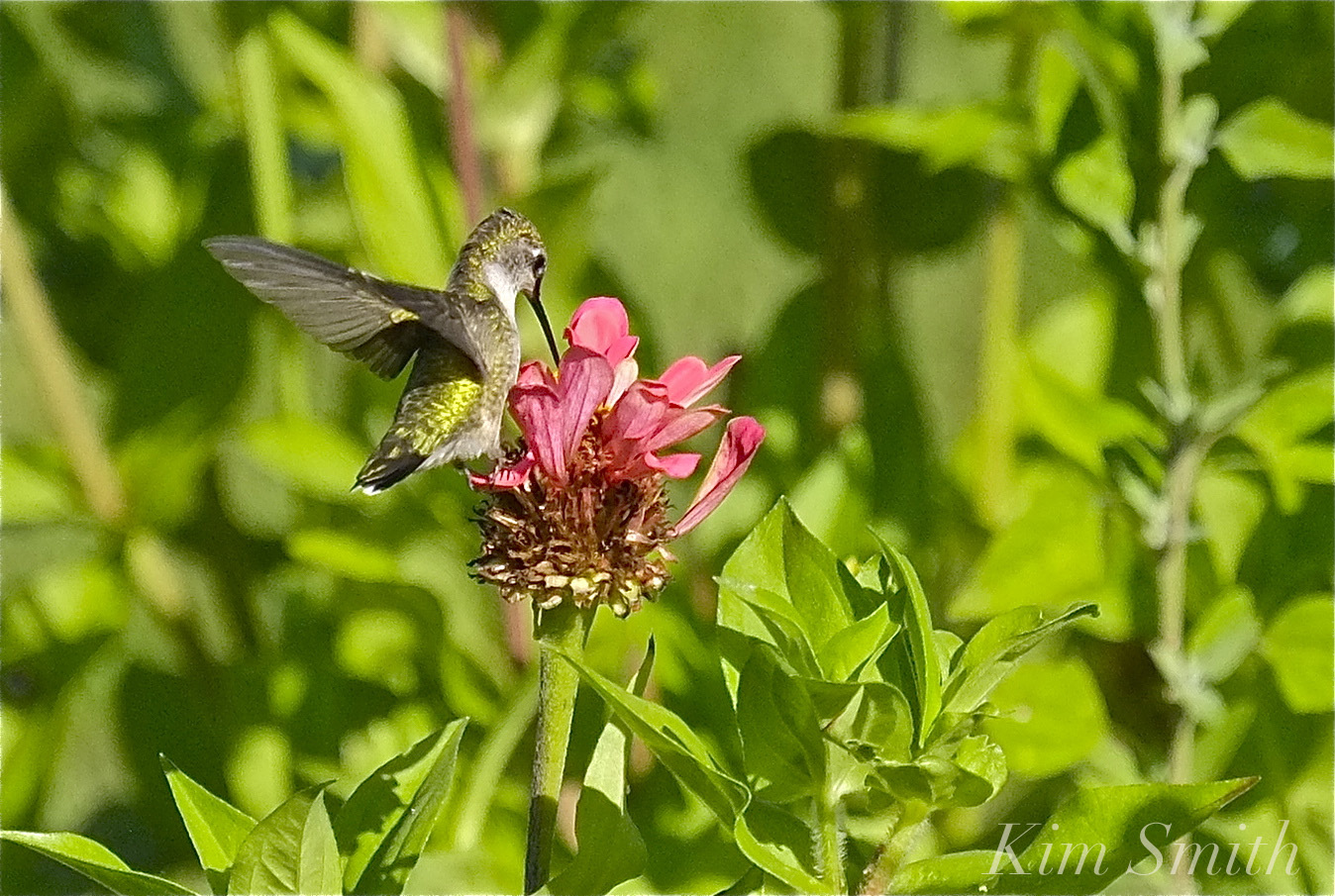
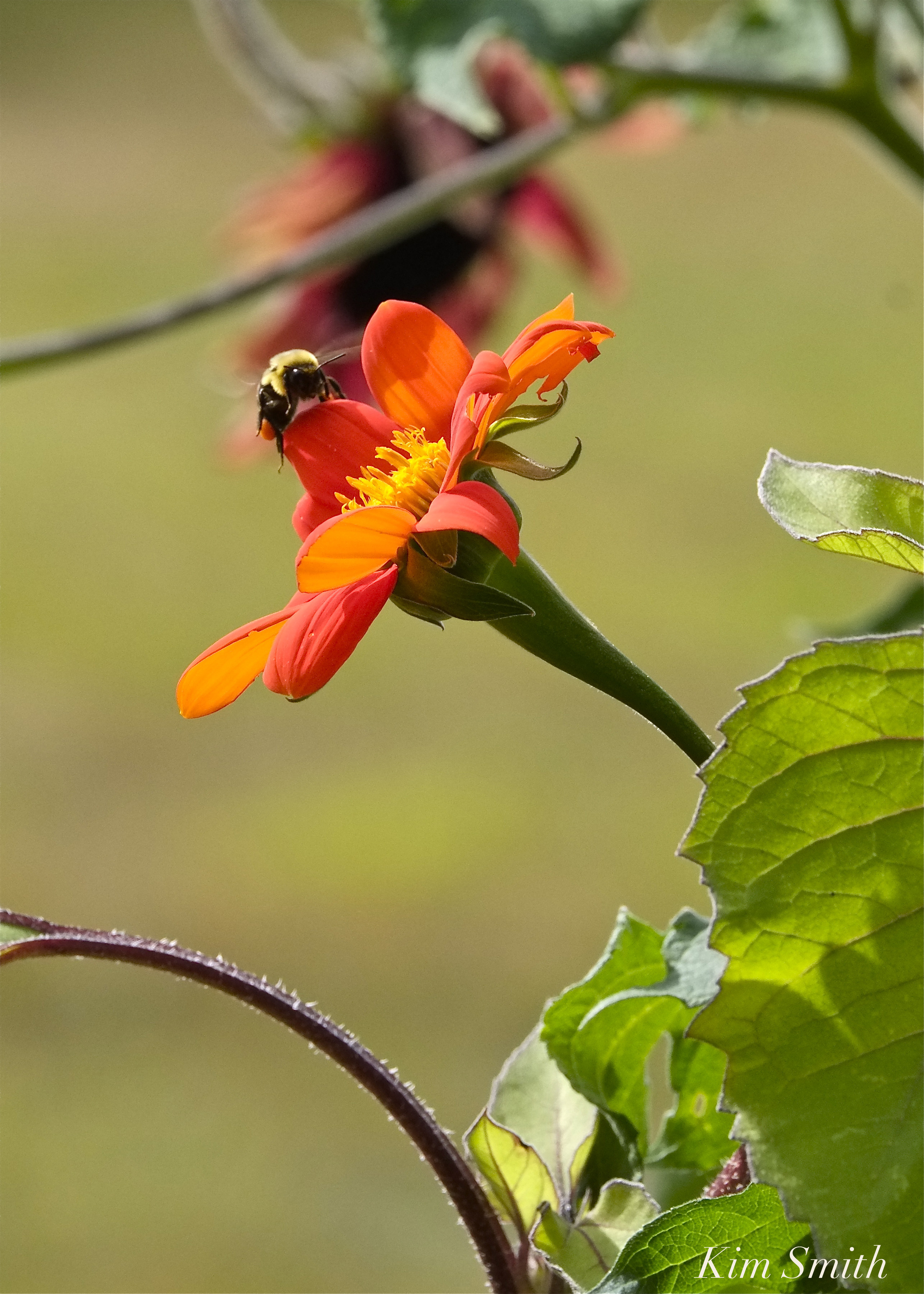
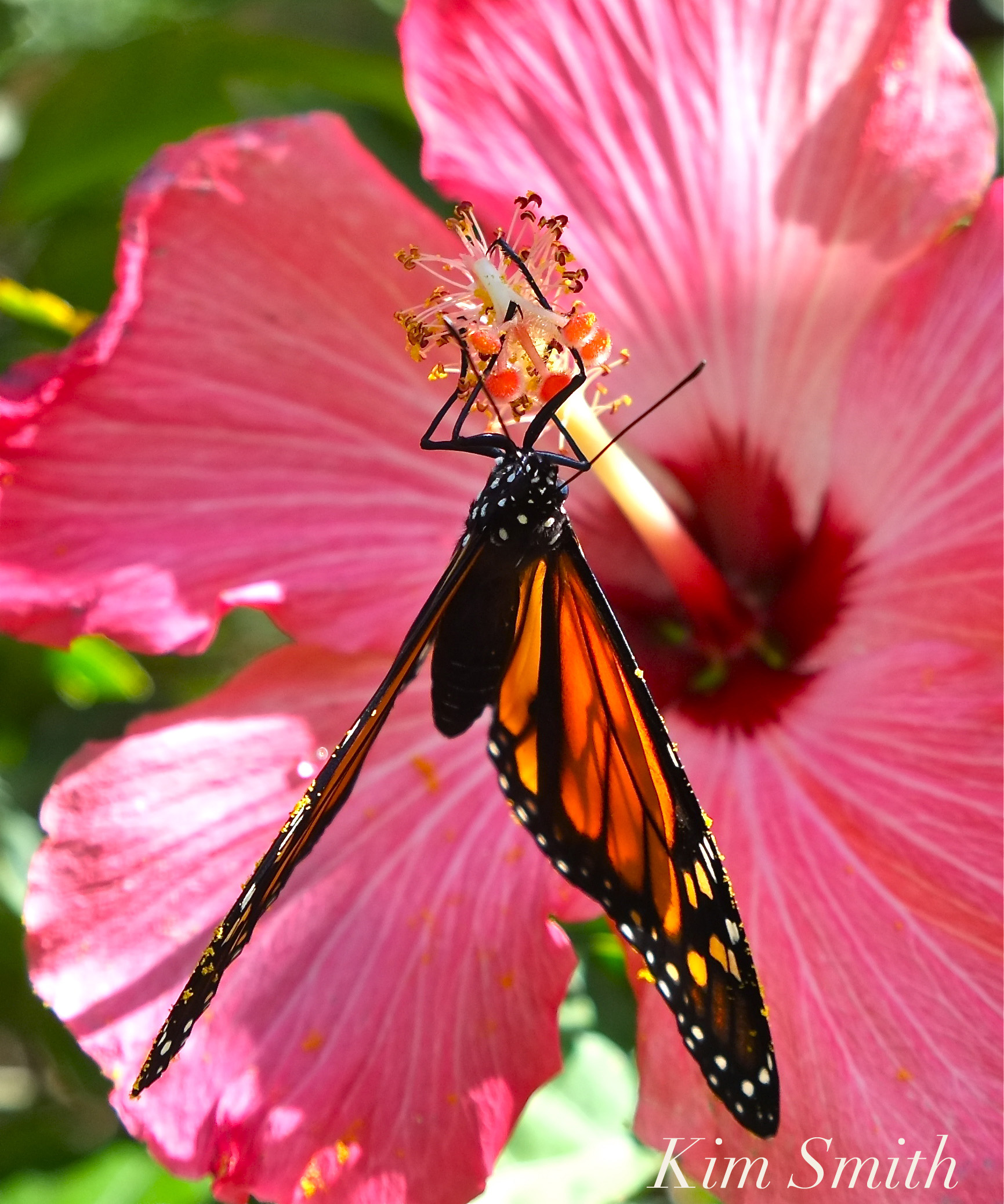
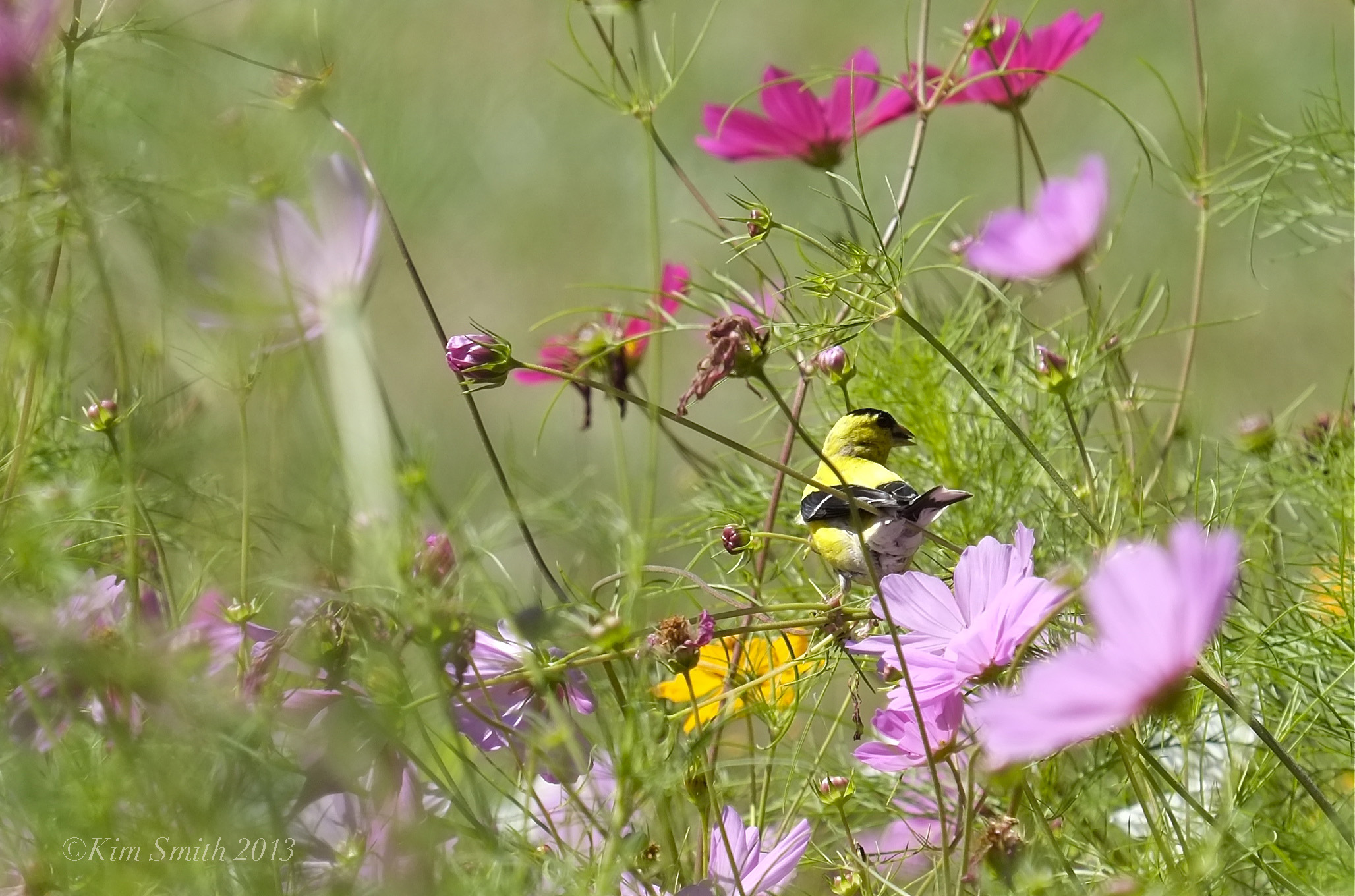
We’ve planted the front dooryard garden with an array of eye-catching, fragrant, and nectar rich flora for both guests and neighbors to enjoy, and to sustain the growing number of bees, butterflies, and songbirds frequenting the garden. 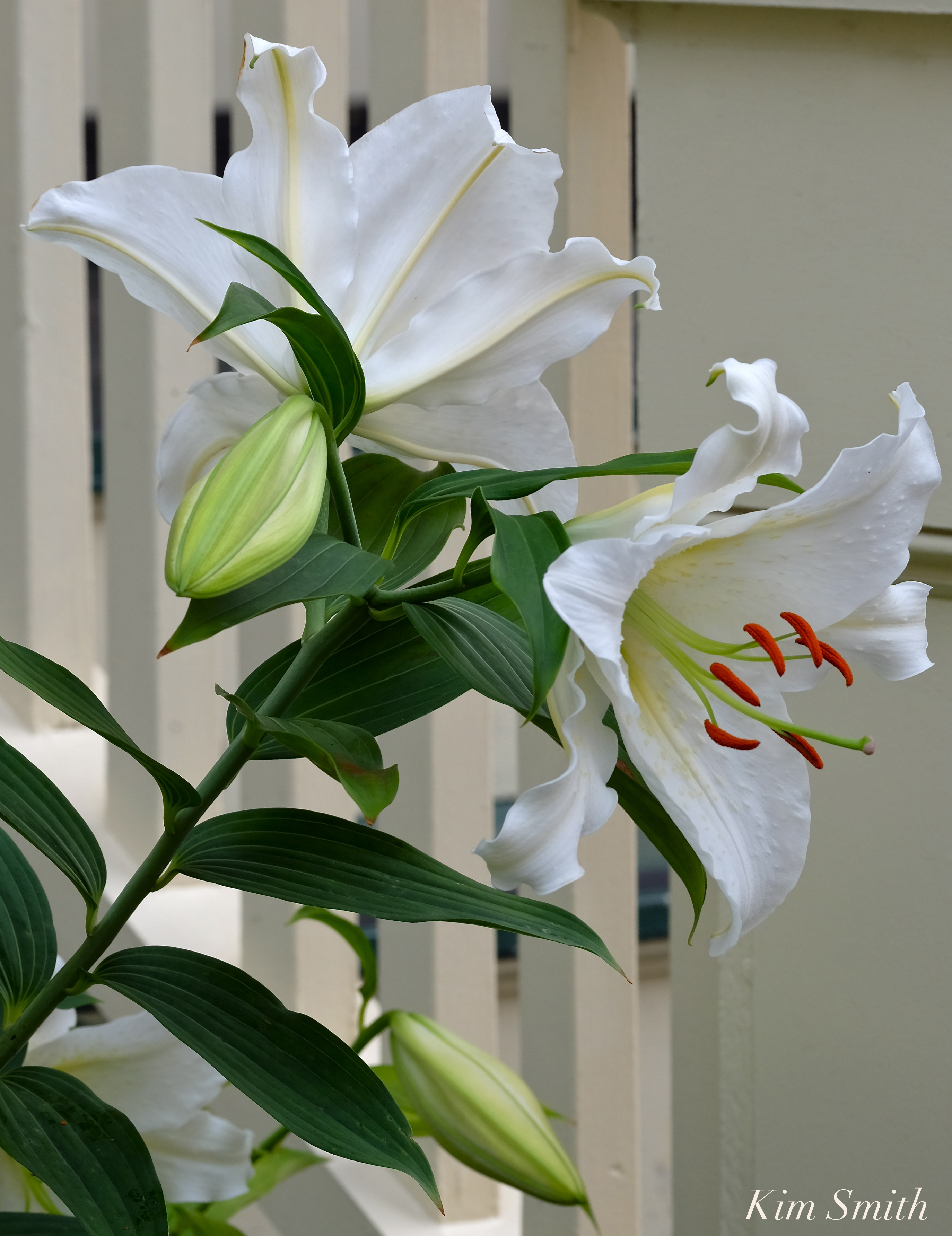
Fabulously fragrant Oriental Lilies are planted adjacent to the front door to welcome visitors as they enter the Inn.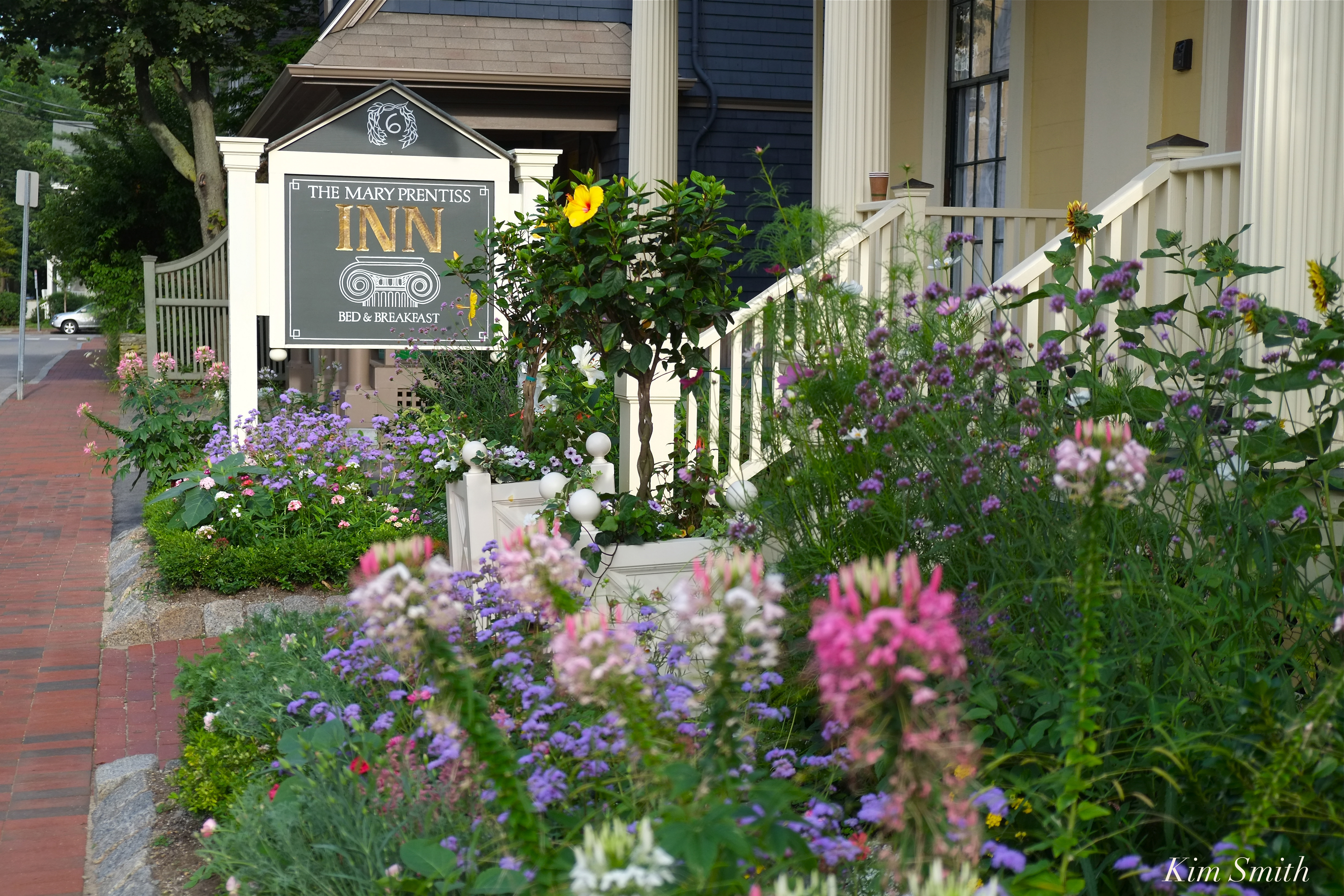
The Mary Prentiss Inn, from the pollinators point of view~







 The Mary Prentiss is a stunning twenty-room Greek-Revival style inn located on a quiet street minutes away from Harvard Square. Elegant, comfortable, and charming, with period architectural detail and decor, the Inn is outfitted with all modern amenities. Visit The Mary Prentiss Inn website for more information.
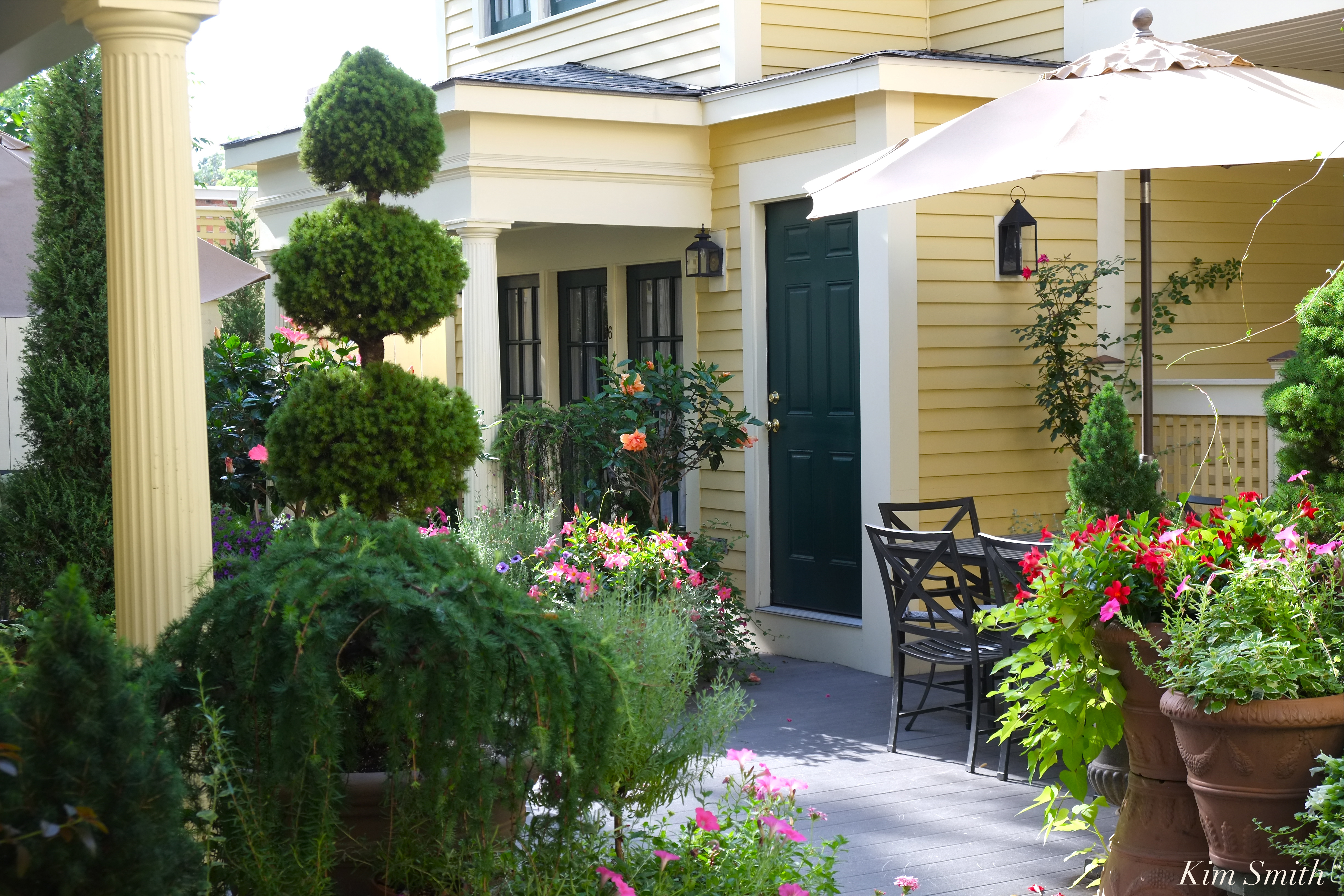 Enjoy a delicious made-to-order breakfast or afternoon tea at the Inn’s secret garden.

 The Mary Prentiss Inn is listed on the National Register of Historic Places and is the proud recipient of the Massachusetts Historical Commission Preservation Award for 1995.
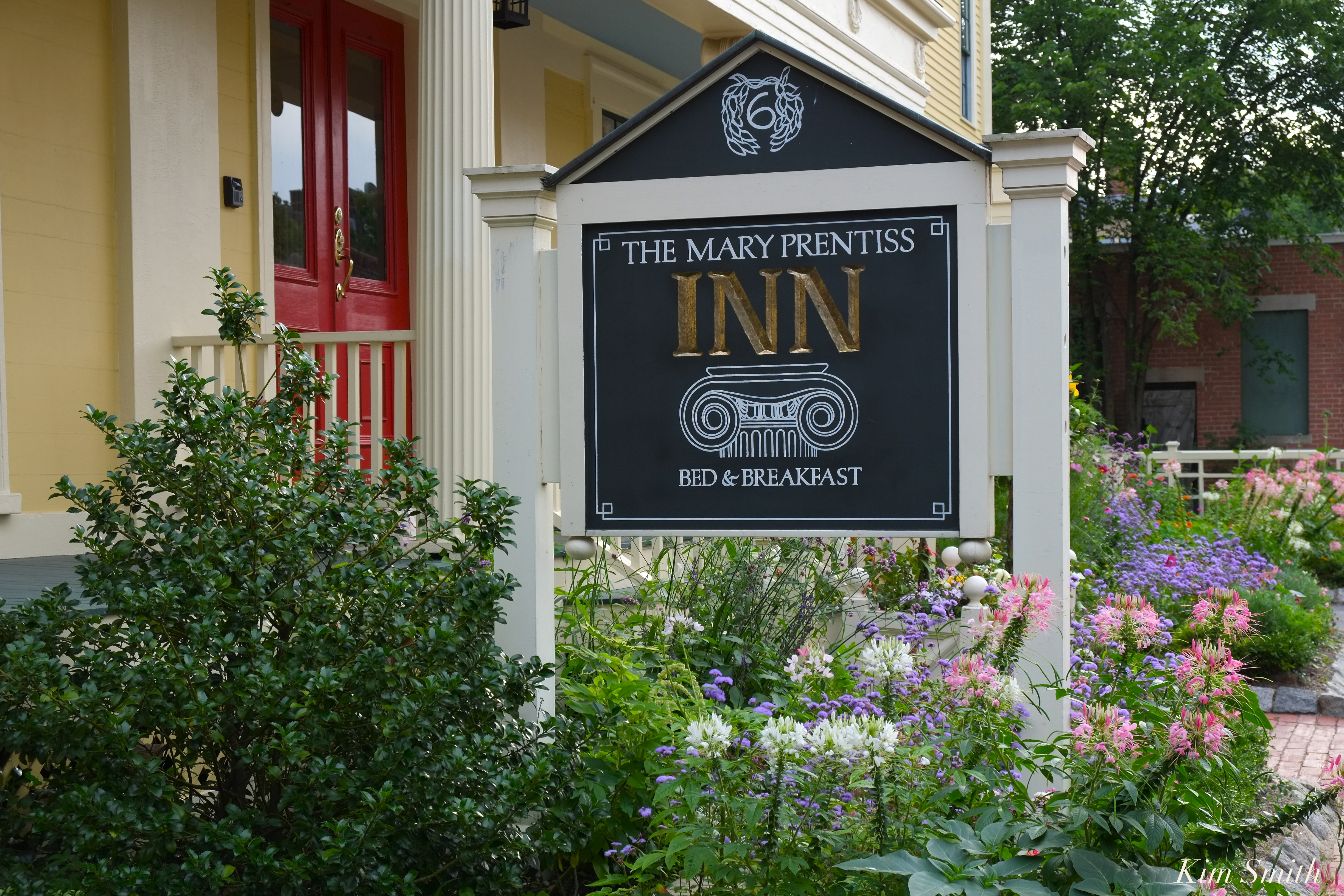 The Mary Prentiss Inn is located at 6 Prentiss Street, Cambridge. Call 617-661-2929 or visit maryprentissinn.com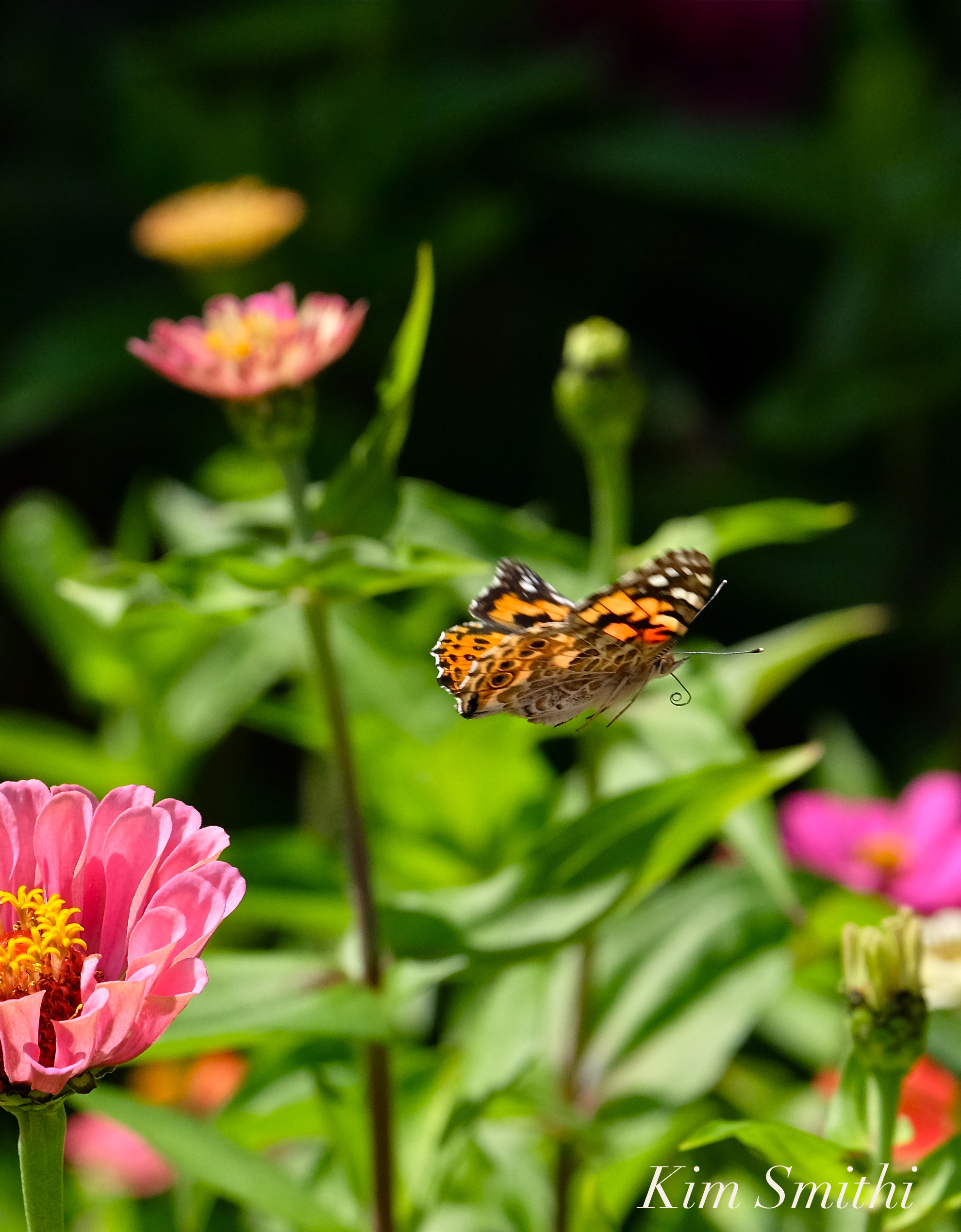




 Good Morning Gloucester