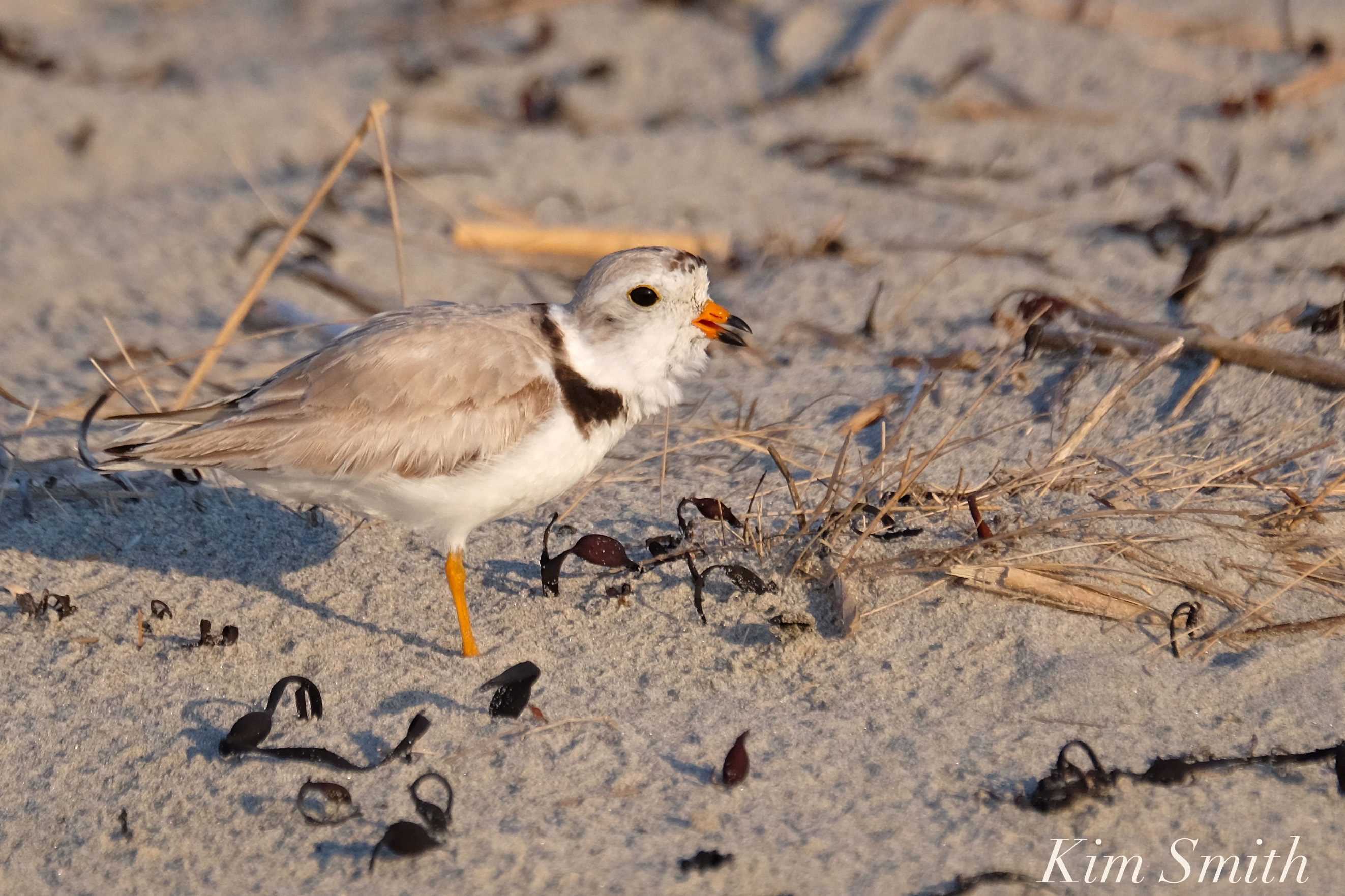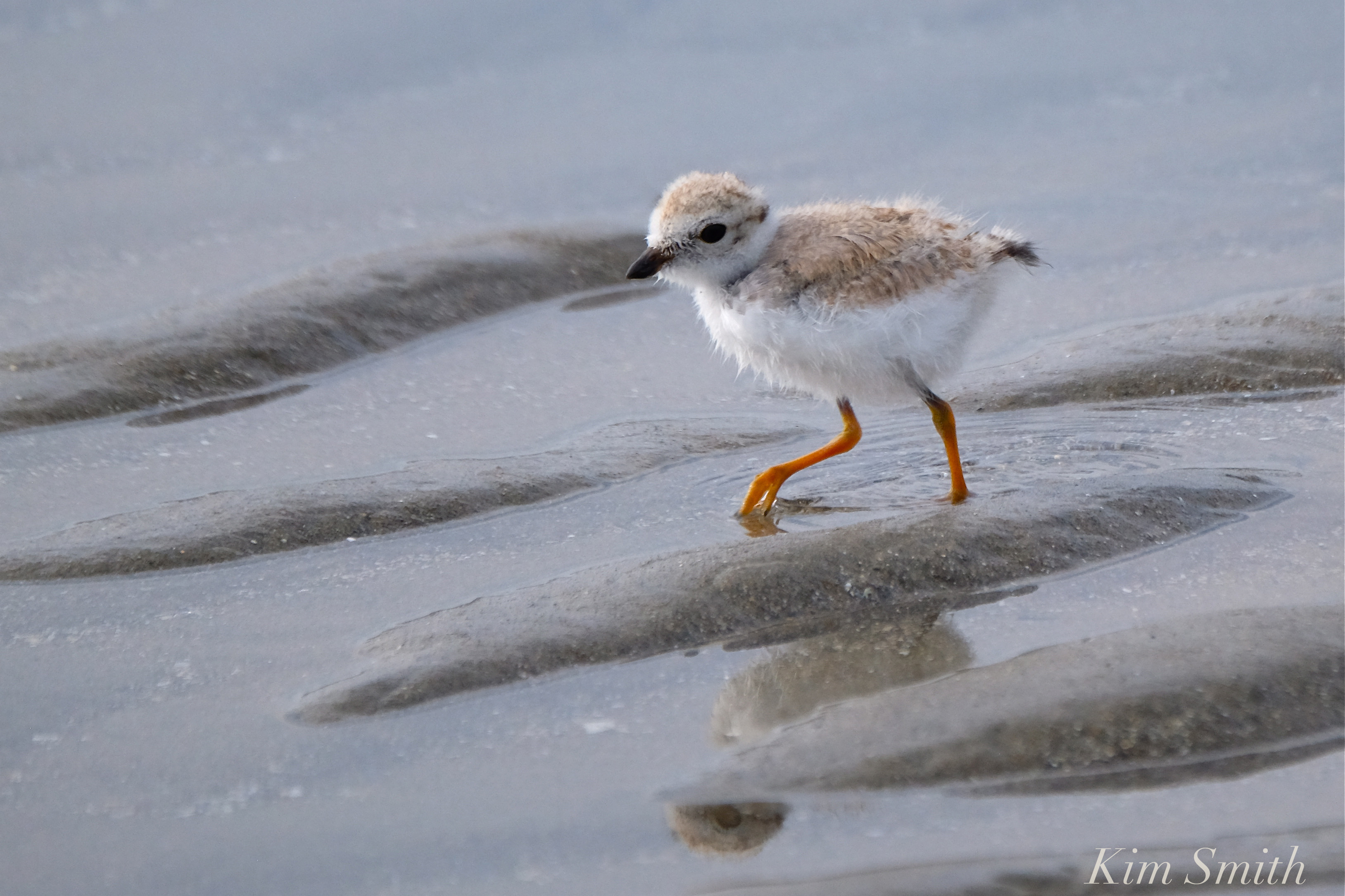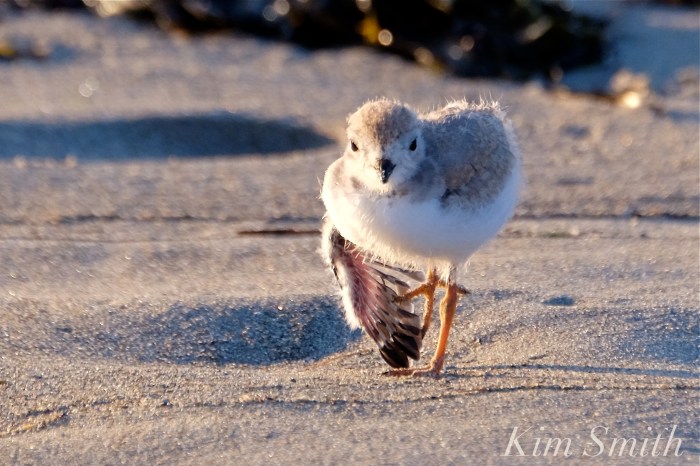
GRATEFUL SHOUT OUT TO GLOUCESTER POLICE CHIEF JOHN MCCARTHY AND ANIMAL CONTROL OFFICER DIANNE CORLISS

Thanks so much to Chief McCarthy and Dianne Corliss for their continued help with monitoring Good Harbor Beach. We so appreciate your interest in seeing to the survival of our Little Chick. We can’t thank you enough!

https://www.instagram.com/p/BWsPEZzFYFU/

SHOUT OUT TO PATTI- GOOD HARBOR BEACH #1 VOLUNTEER TRASH-PICKER-UPPER

Patti is at Good Harbor early, nearly every single morning collecting trash and debris found on the beach. She also lives in sunny southern California and has some great ideas about trash removal on beaches. More on that to come. In the mean time, if you see Patty on the beach please stop and thank her and or lend a hand.

THANK YOU PATTI!

https://www.instagram.com/p/BWsR2wbFCtb/

FOGGY, NO SUNNY, NO FOGGY- BACKSHORE MORNING

This post is for Elizabeth Bish, who jogged past me while I was photographing the fishing boats in the fog. She wanted to be sure I posted the photo for her to paint. Here you go Elizabeth!

PIPING PLOVER PATROL UPDATE FROM DAY TWENTY SIX!

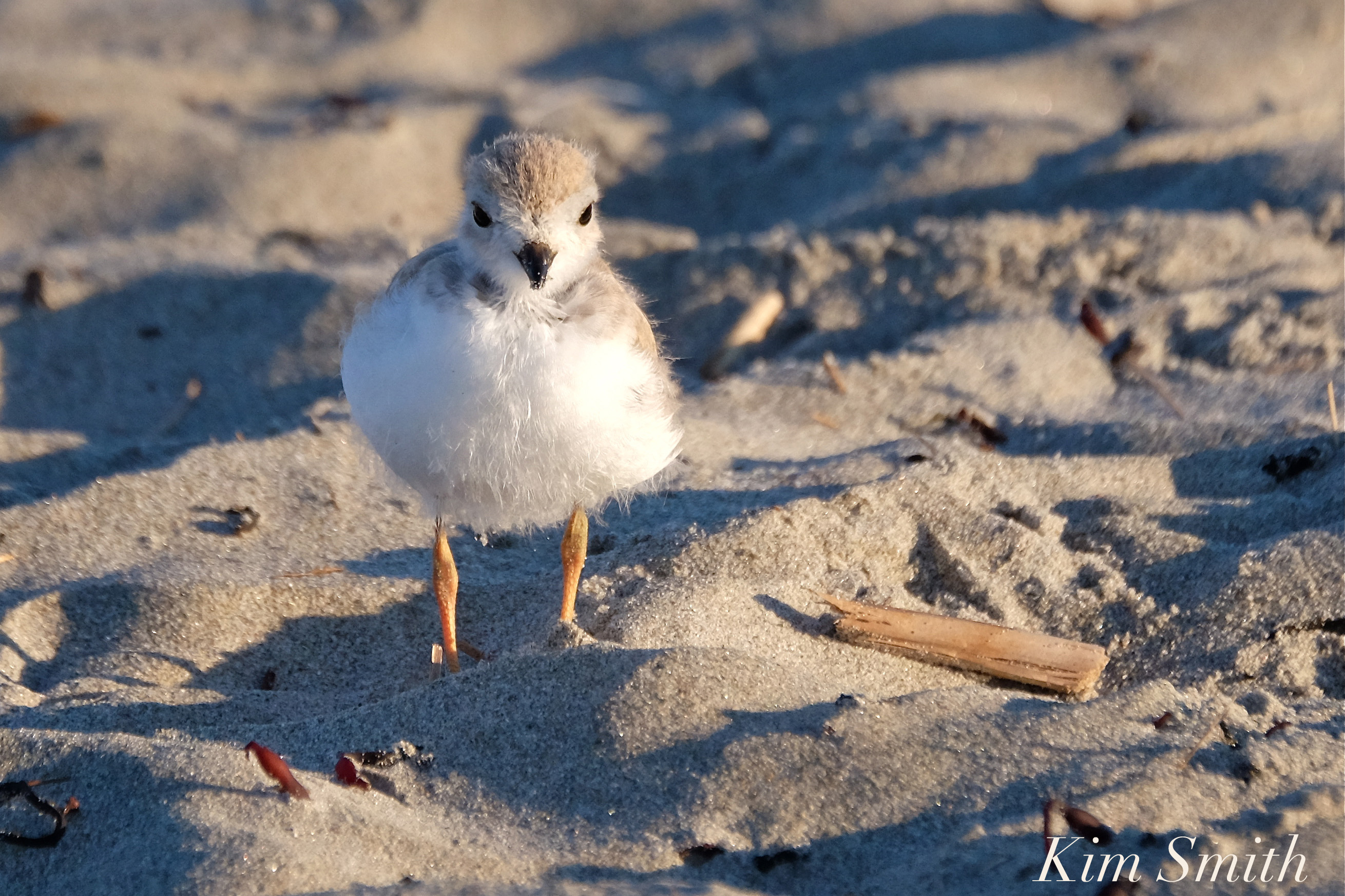
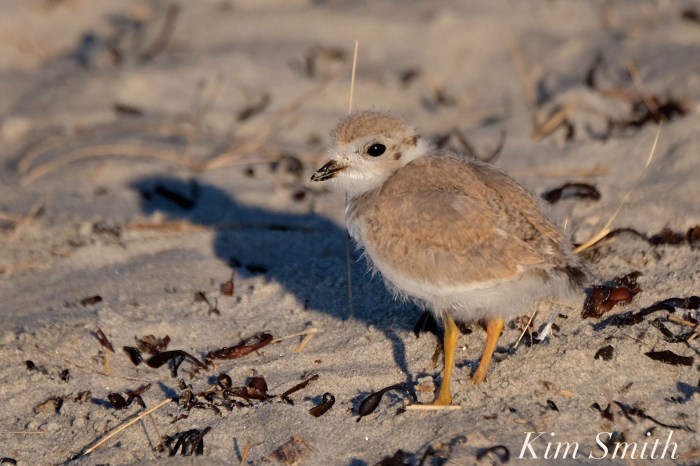
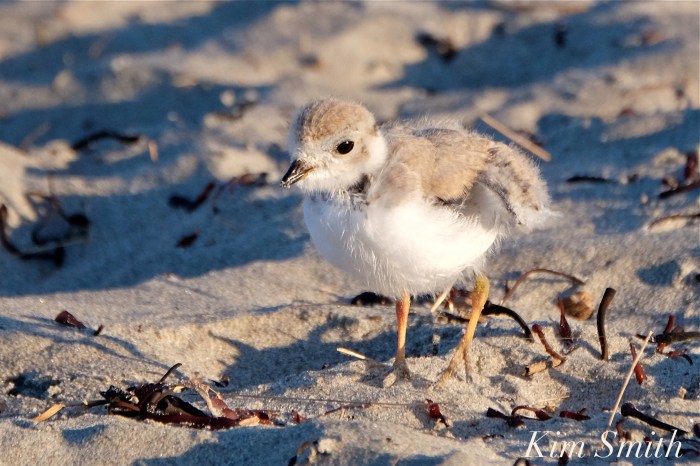
Good Morning from the Good Harbor Beach Piping Plover patrol brigade! Today we were joined by Gloucester Chief of Police John McCarthy and animal control officer Dianne Corliss. Thank you to both for their continued help in monitoring the dog owner situation. They got to see our Little Chick and parents and it was awesome!

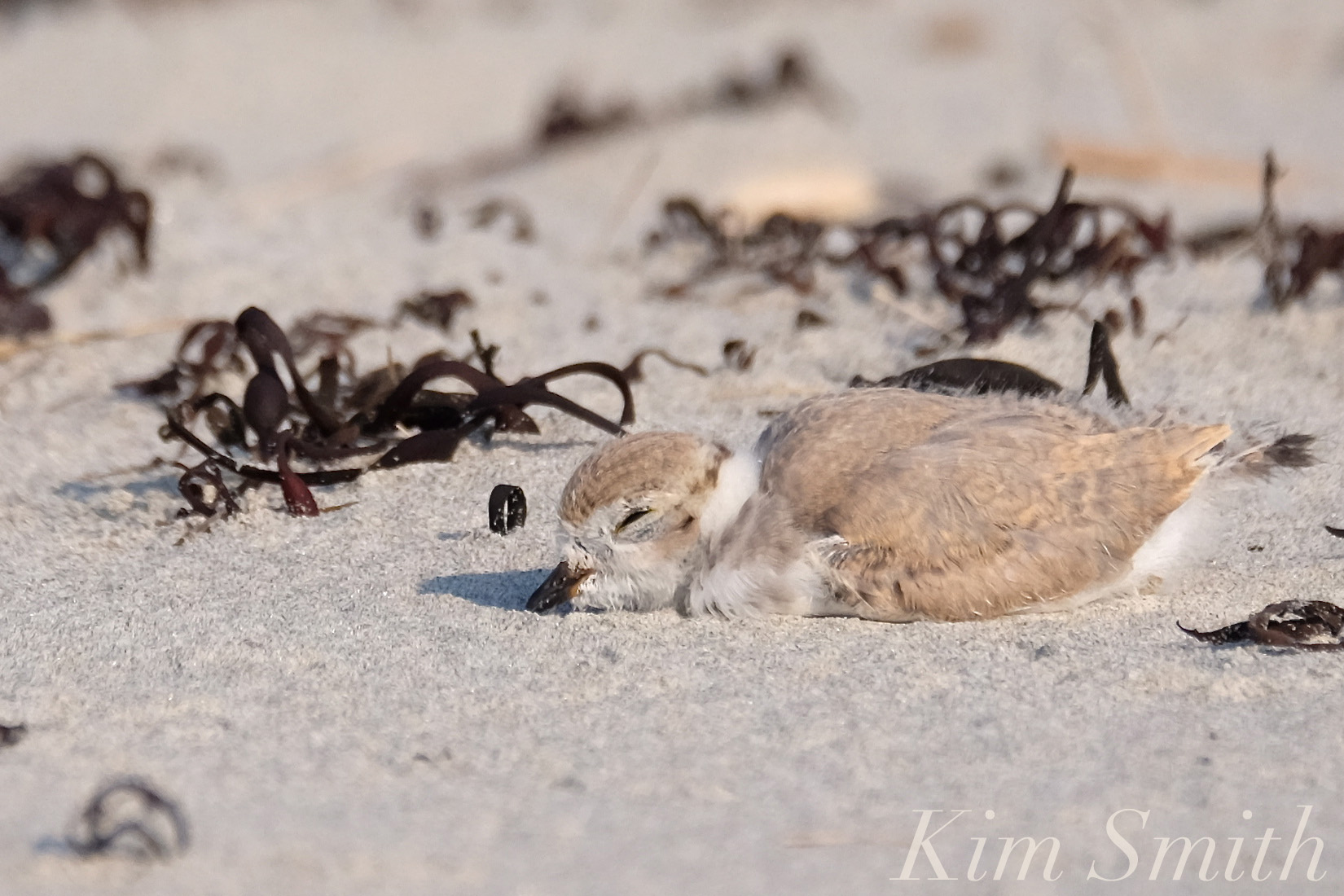
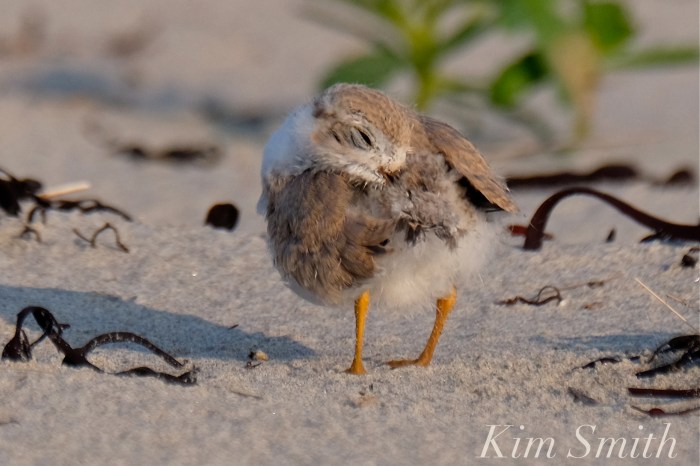
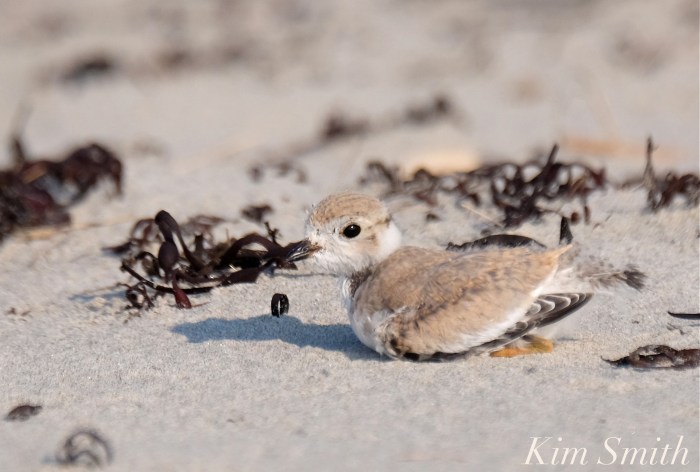
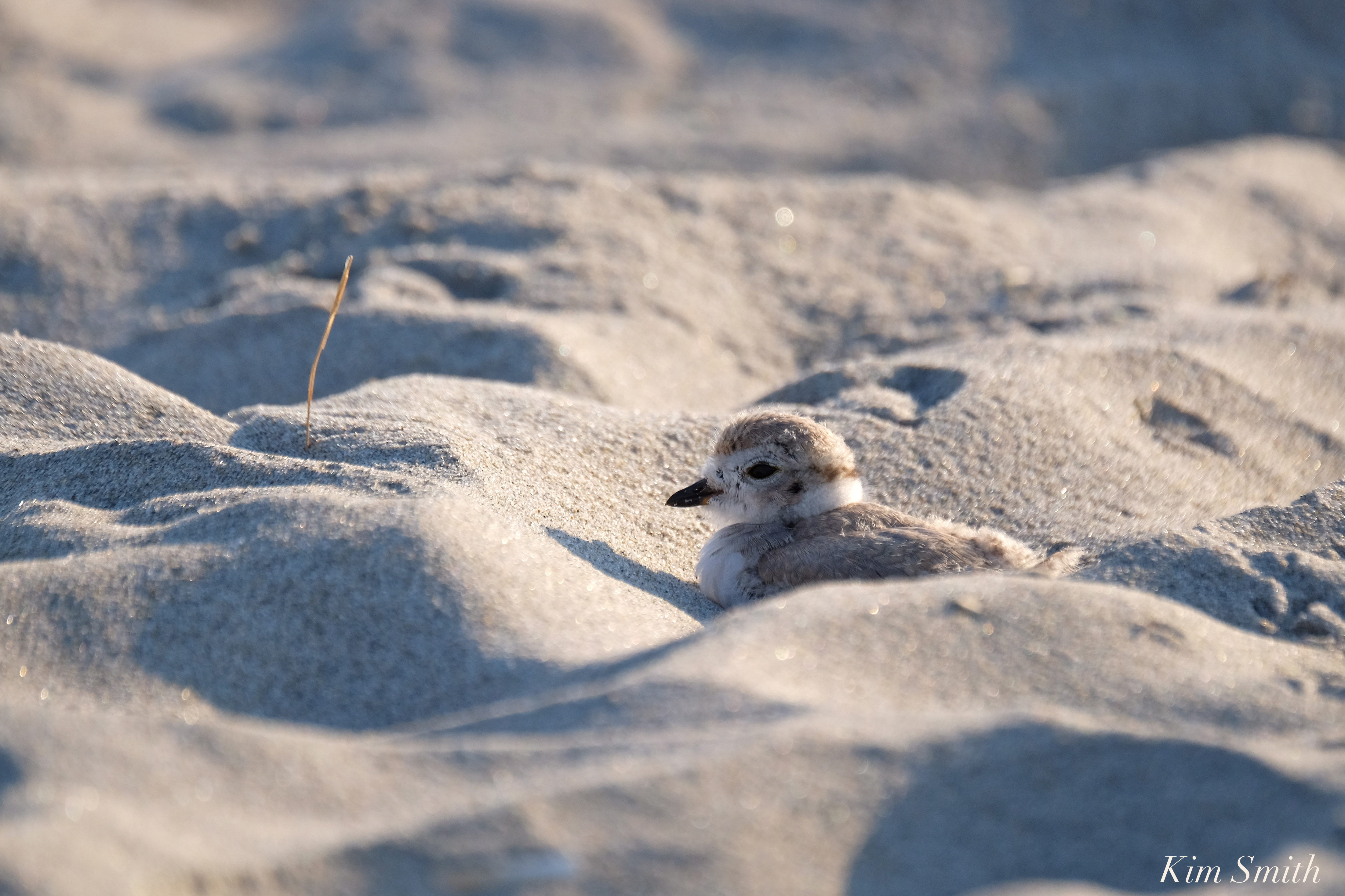
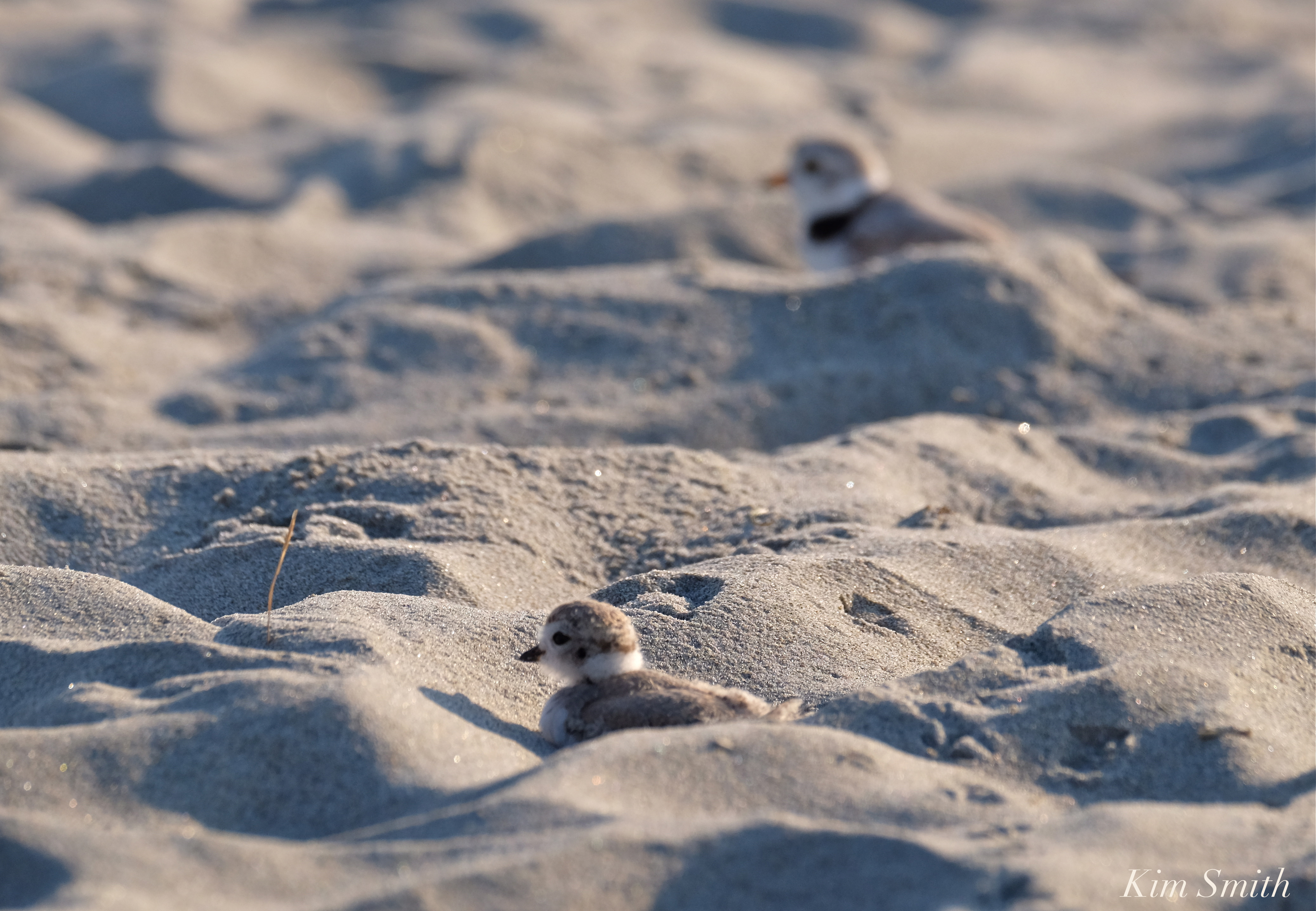
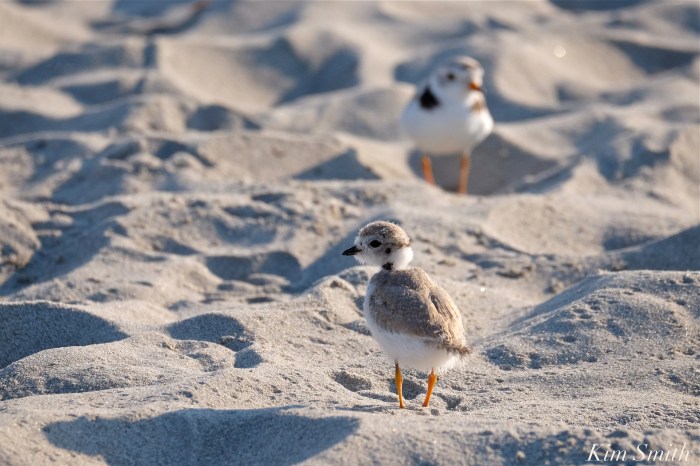
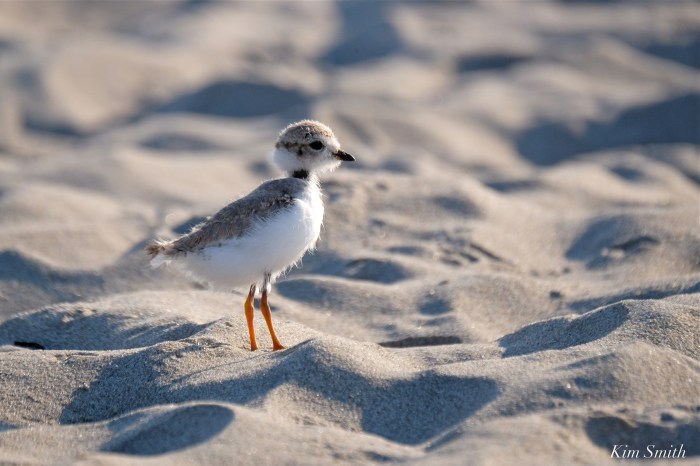
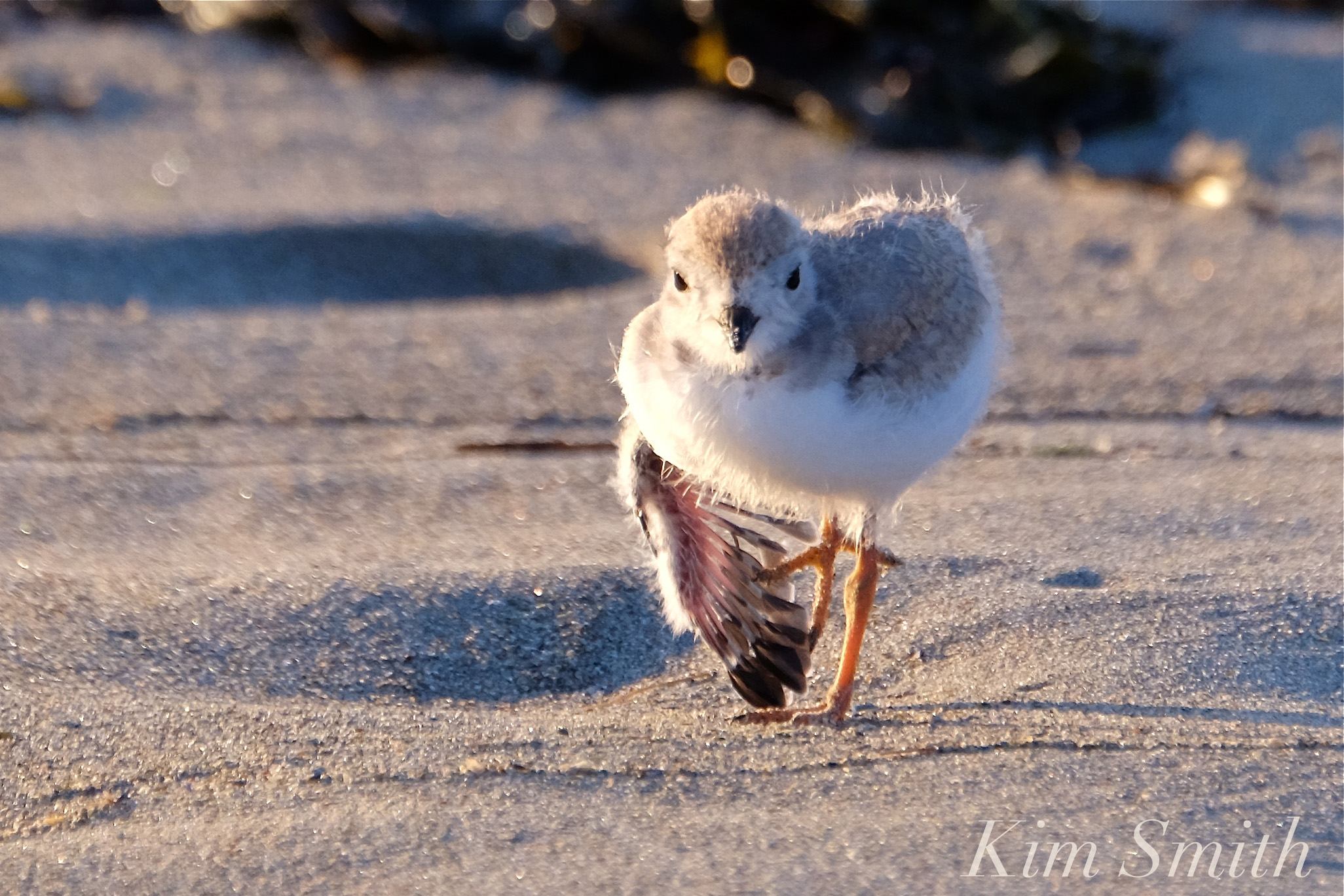
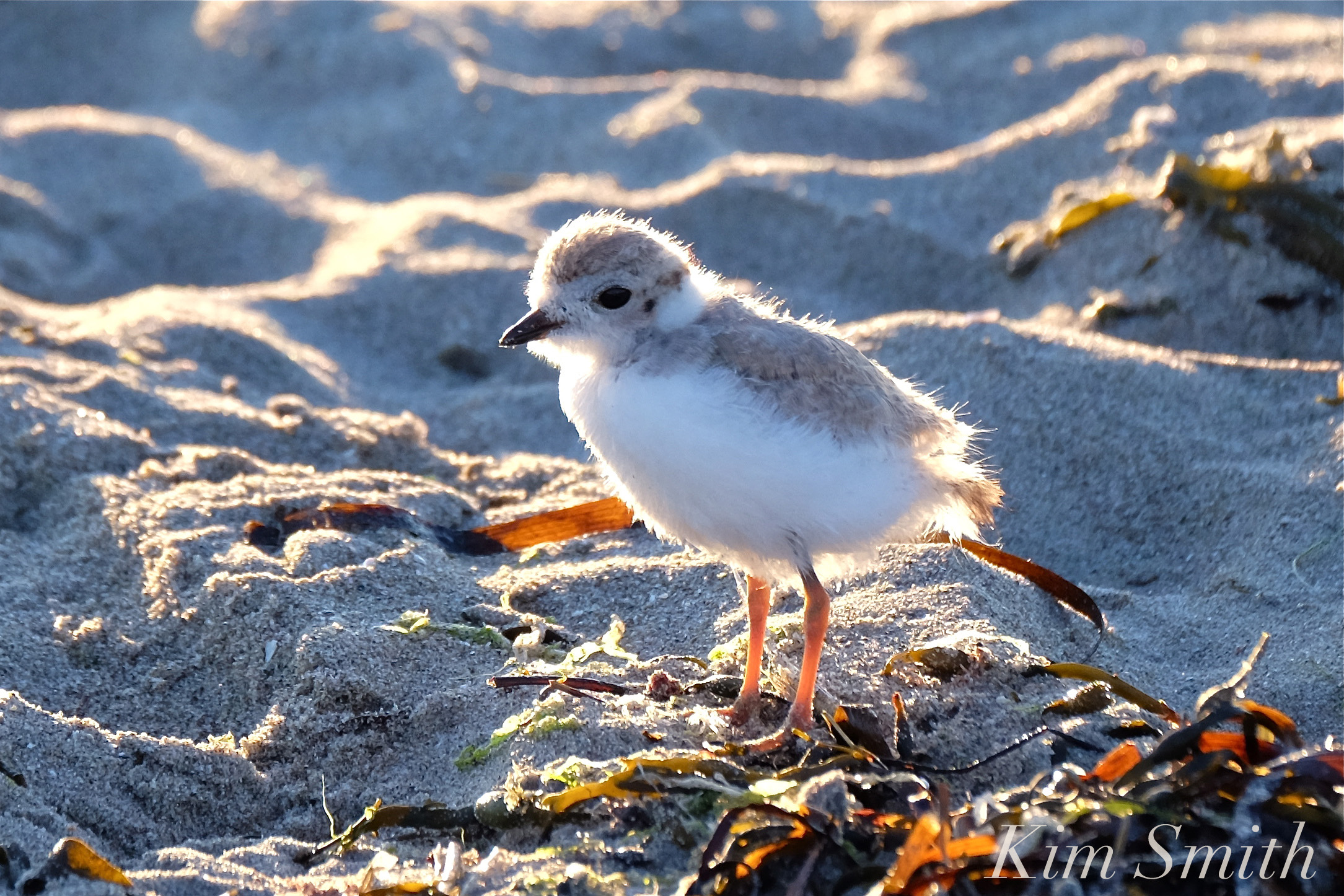
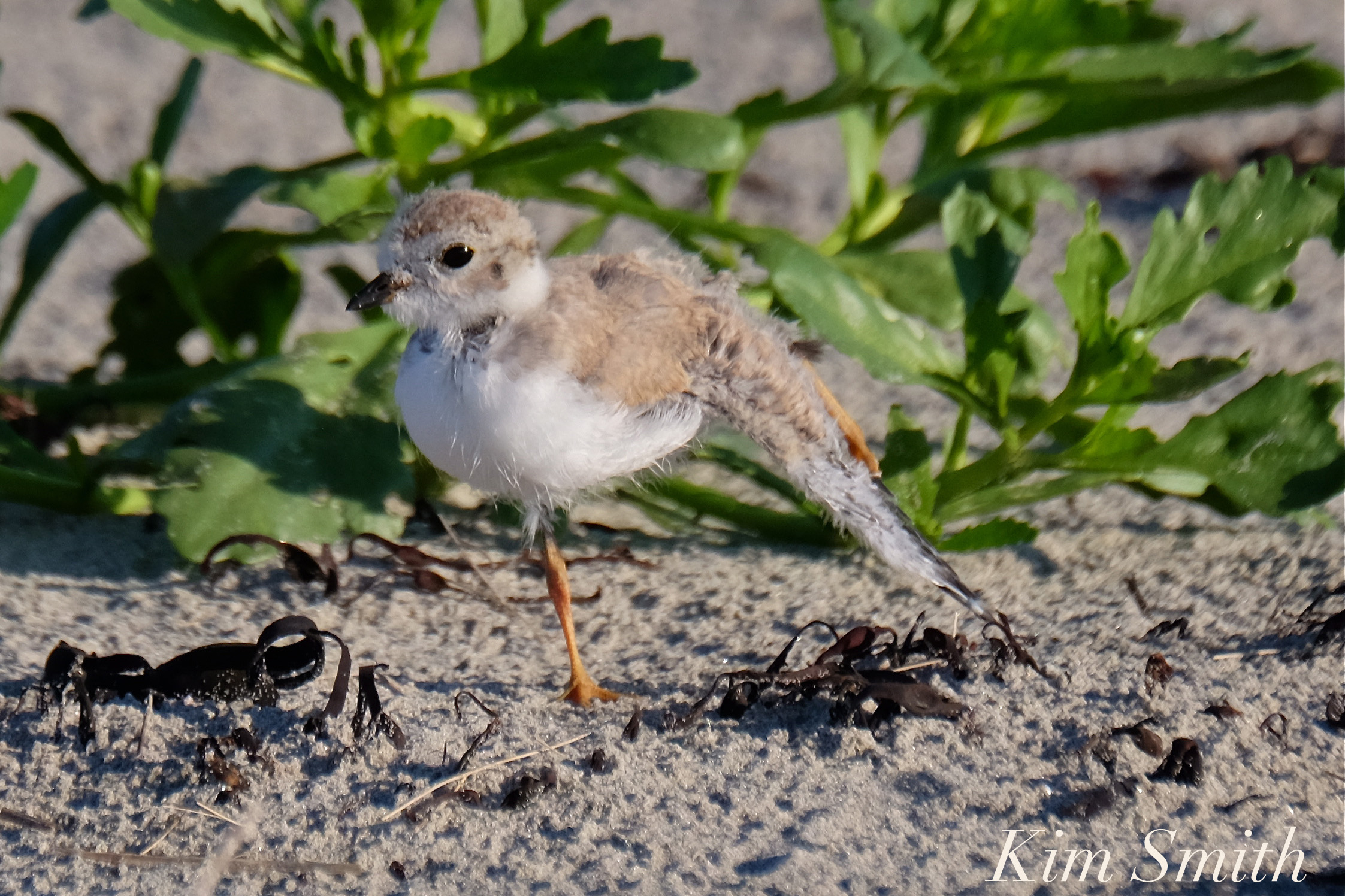
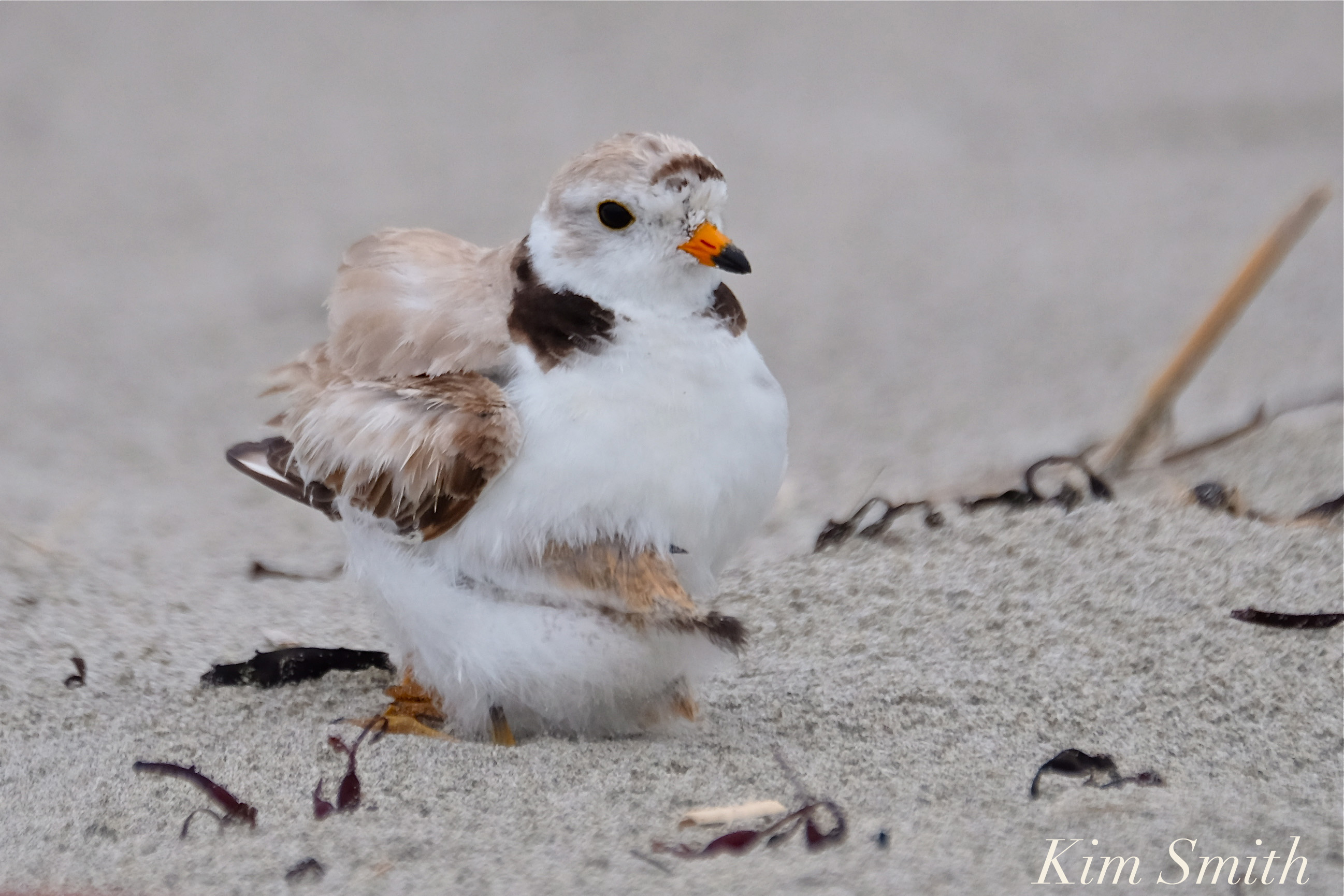
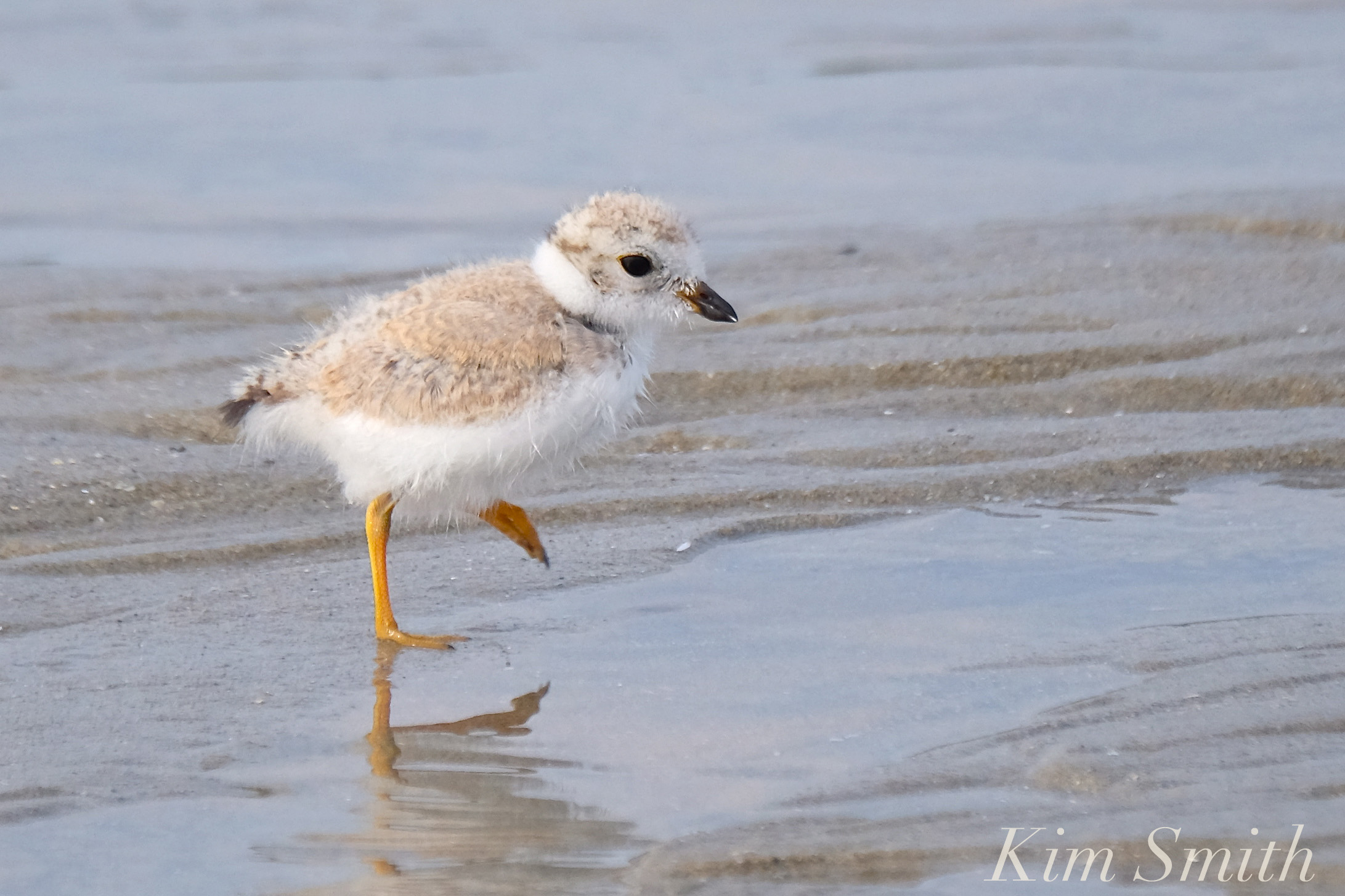
Day by day we see our Little Chick developing new skills. Today he stood on one leg while resting, just as do adult Piping Plovers. When birds stand on one leg, it is a way to conserve heat and energy. For the second day in a row, Little Chick has not needed his parents to regulate his body temperature. He now takes naps on his own in the sand.

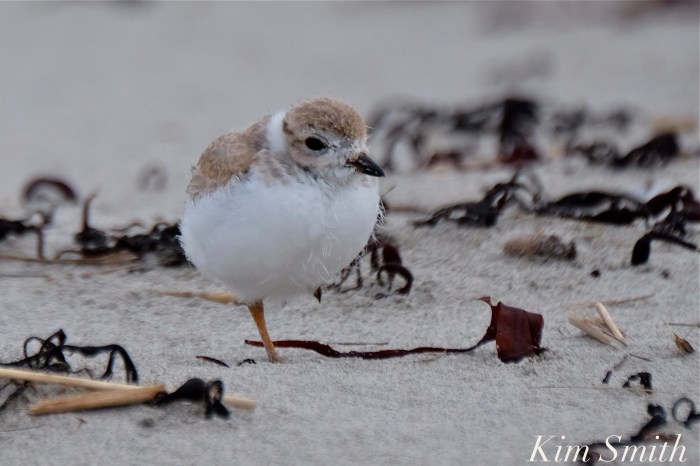
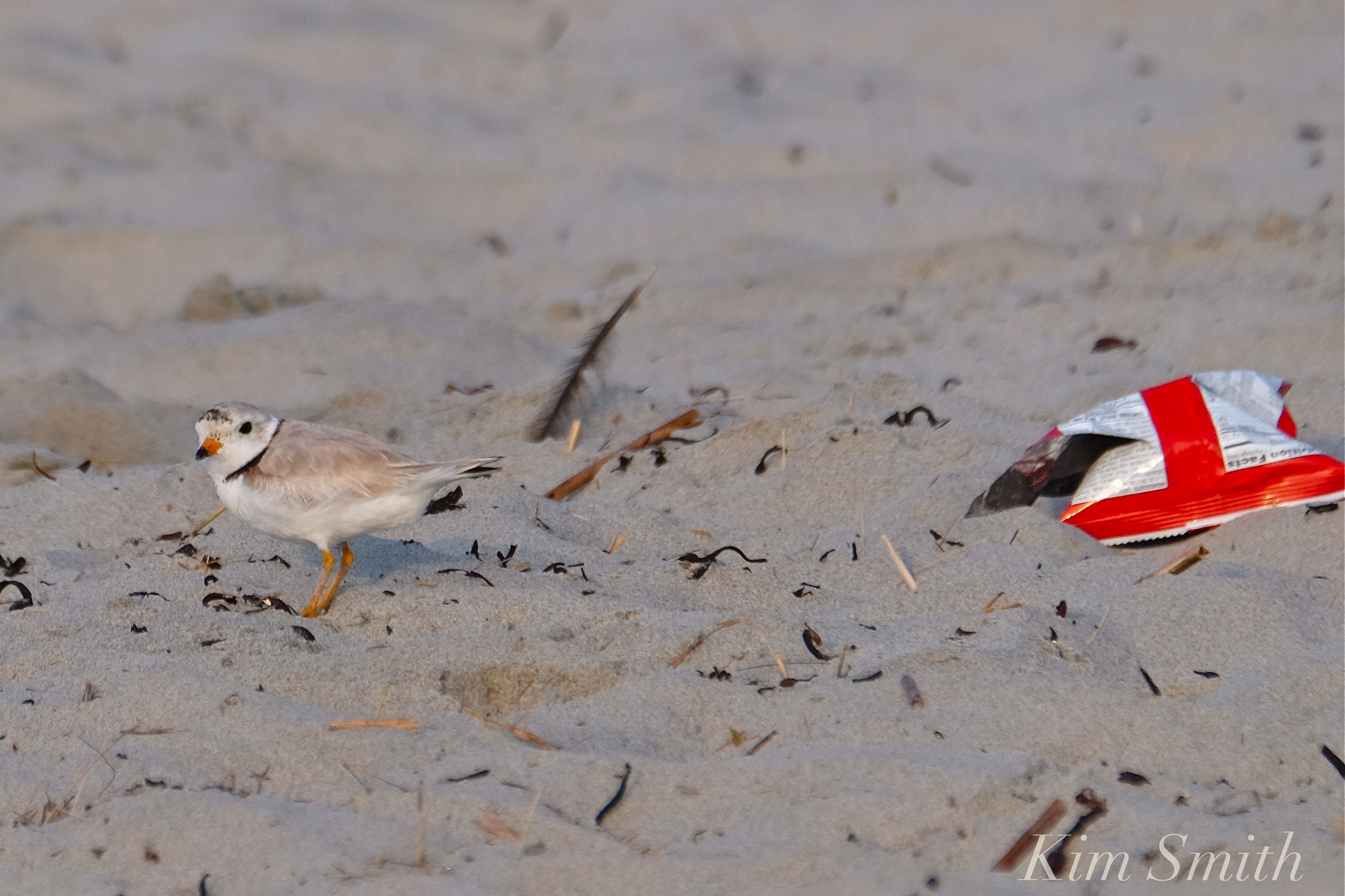
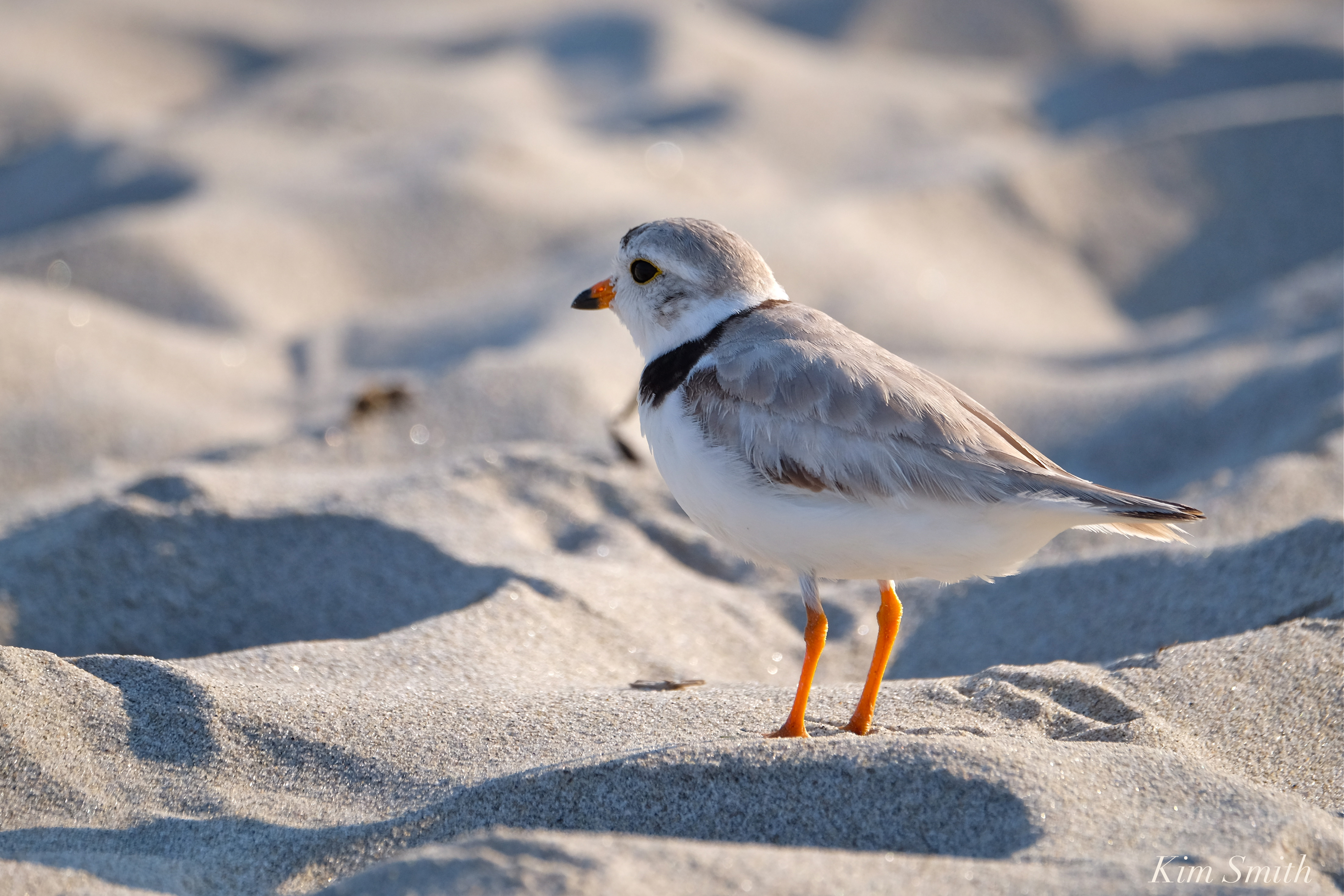
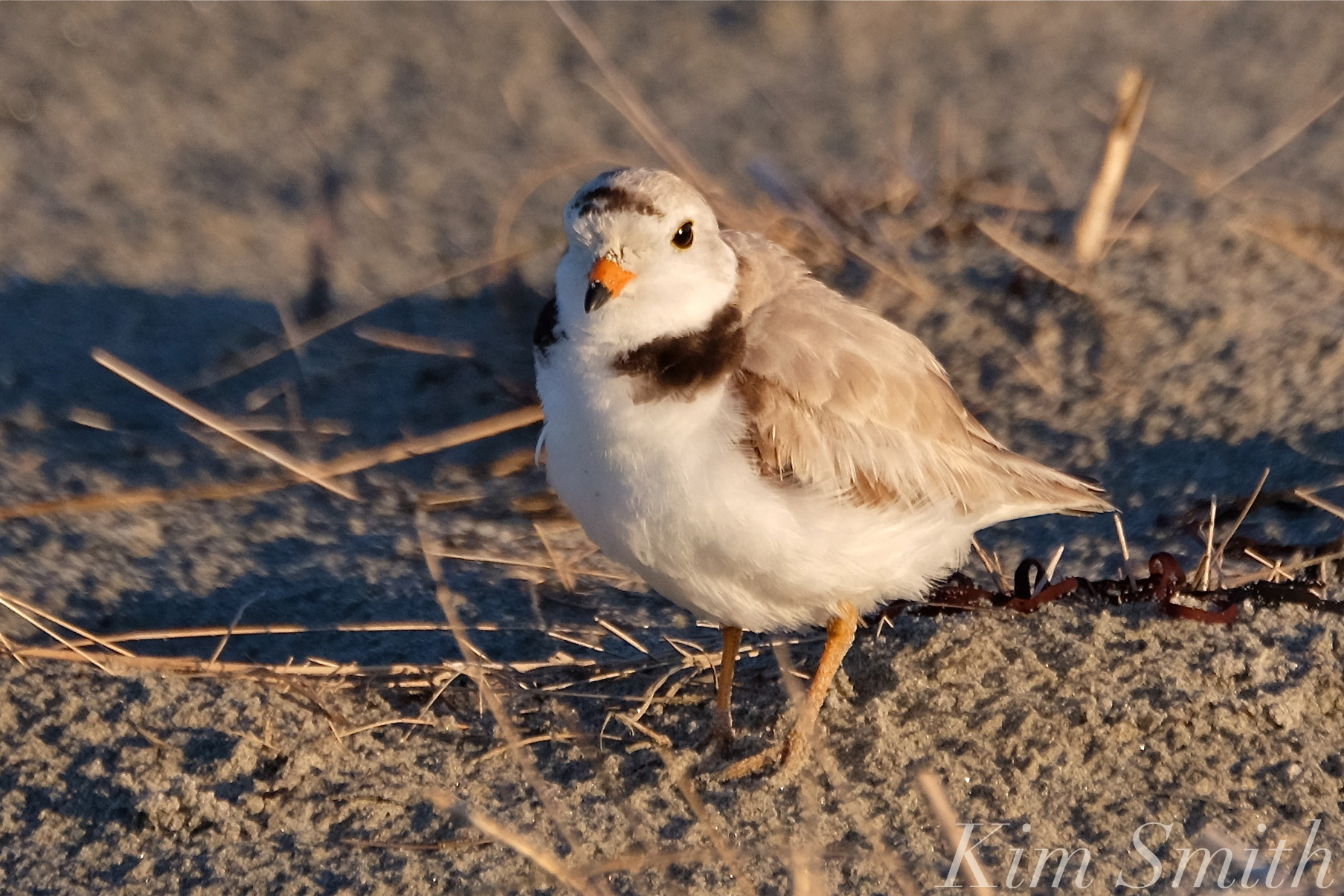
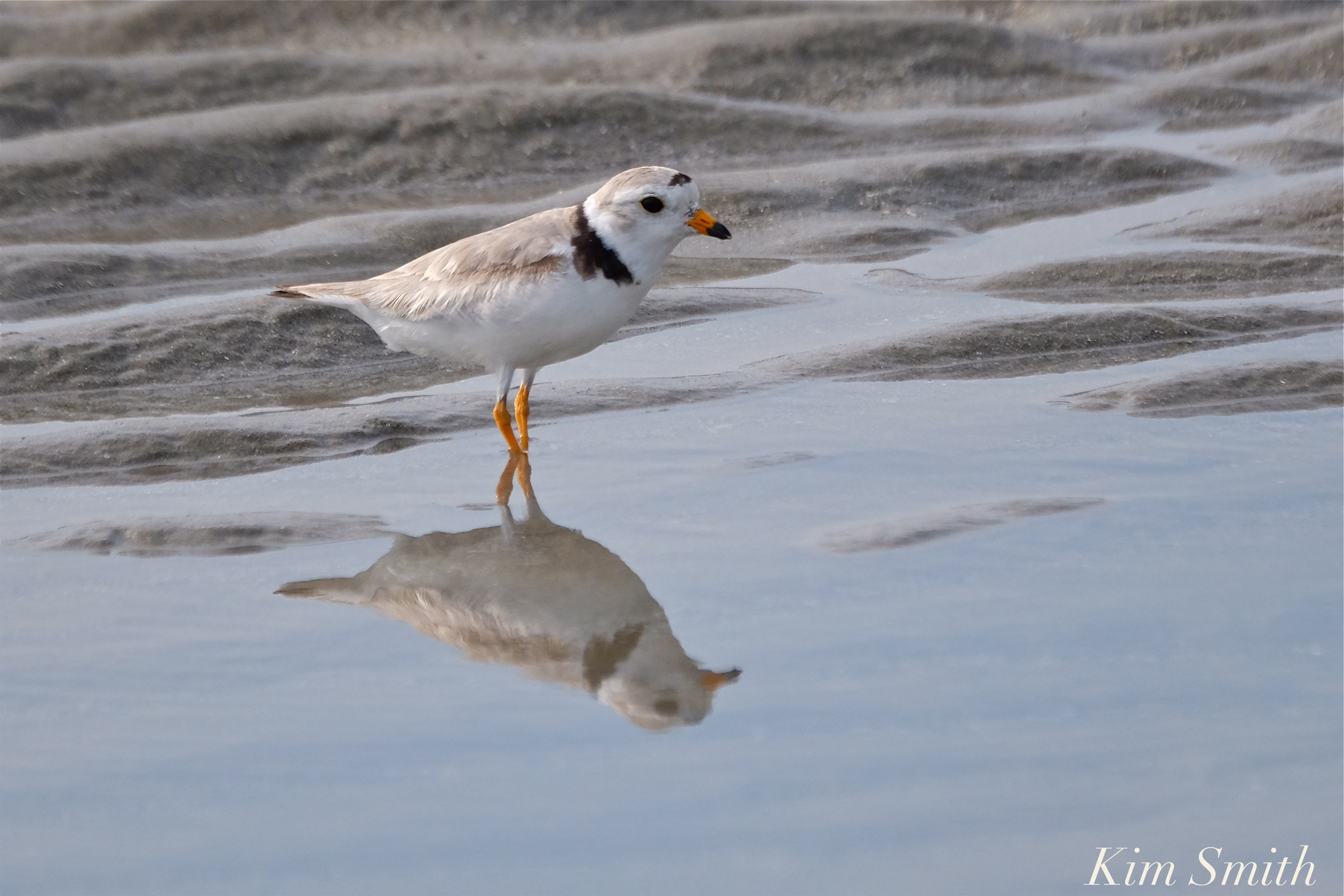
Papa Plover and Little Chick standing on one leg.

Napping in the sand.

Regarding flying, there is misinformation circulating about the chicks flying ability. As of this morning, July 18th, our chick has only been seen by the PIPl monitors doing a run-hop-low-airborne thing for a distance of about five to six feet, not fifty to sixty feet. It’s important to clarify so folks don’t think that the chick can easily fly away from an approaching beach goer or four legged creature.


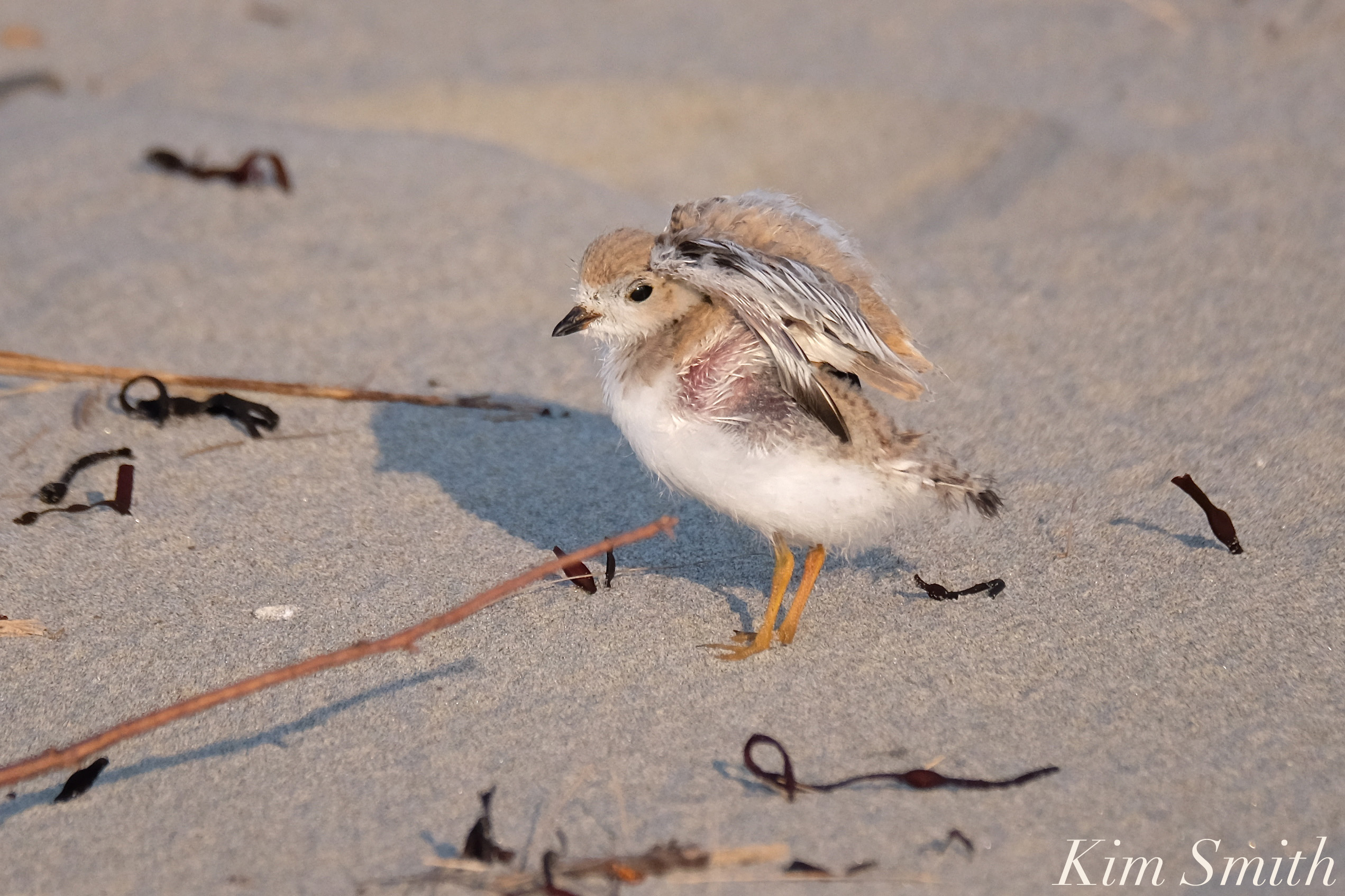
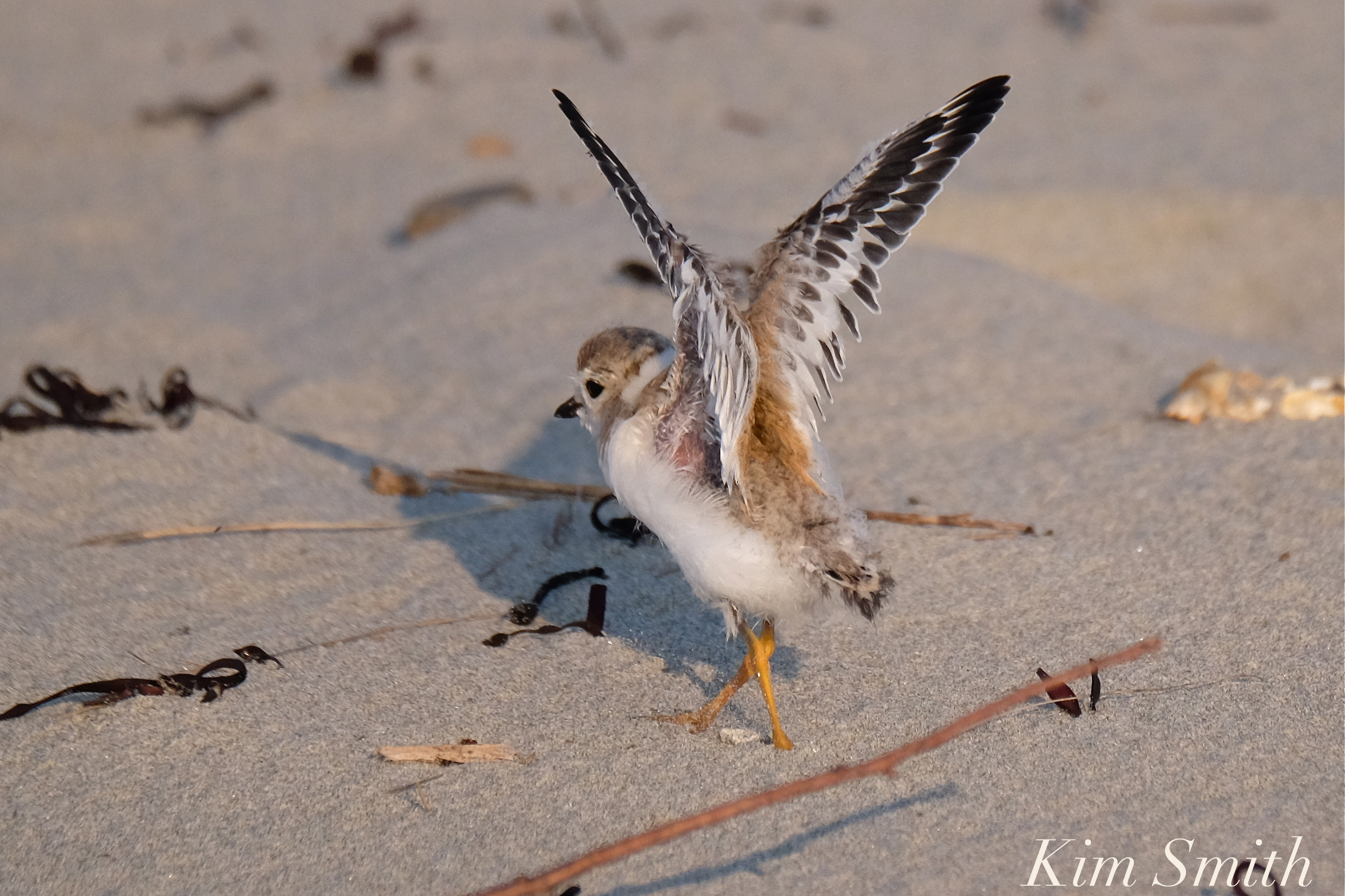
Twenty-six-day-old Piping Plover spreading its wings

Compare the size of the wings of the fifteen-day-old PiPl to the wings of the twenty-six day old chick.

What will happen to the chick after it becomes a fledgling and can sustain flight? From observing and filming nesting PiPl last year, one family that I can attest to stayed together as a unit, in the area of their nest, well into August, until joined at the end of the summer by more PiPl adults and fledglings. The answer is not easily predicted, but it is going to be exciting to learn as much as we can. One thing is certain is that the chick is not yet ready to make the long migration southward and must remain in this region to grow strong and fat. The fledglings that I filmed last year were so tubby by the end of the summer, you wouldn’t believe that they could fly at all!

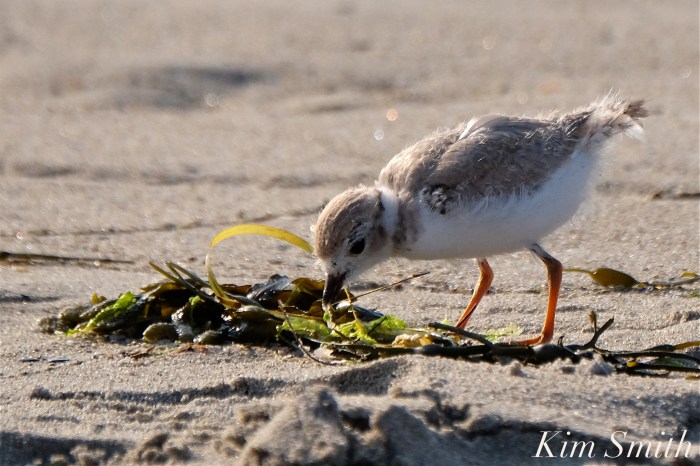
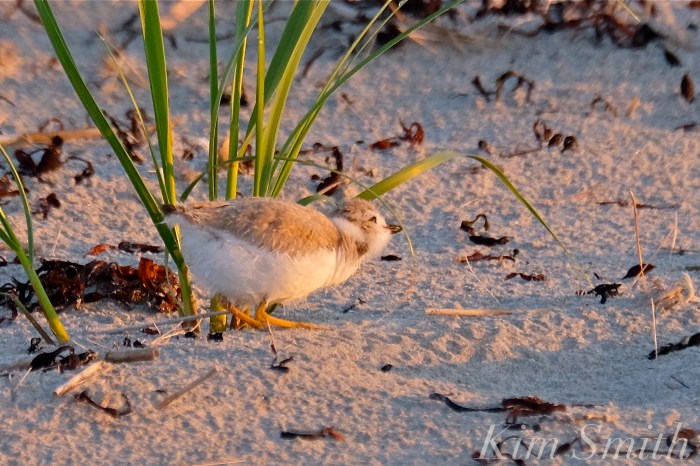
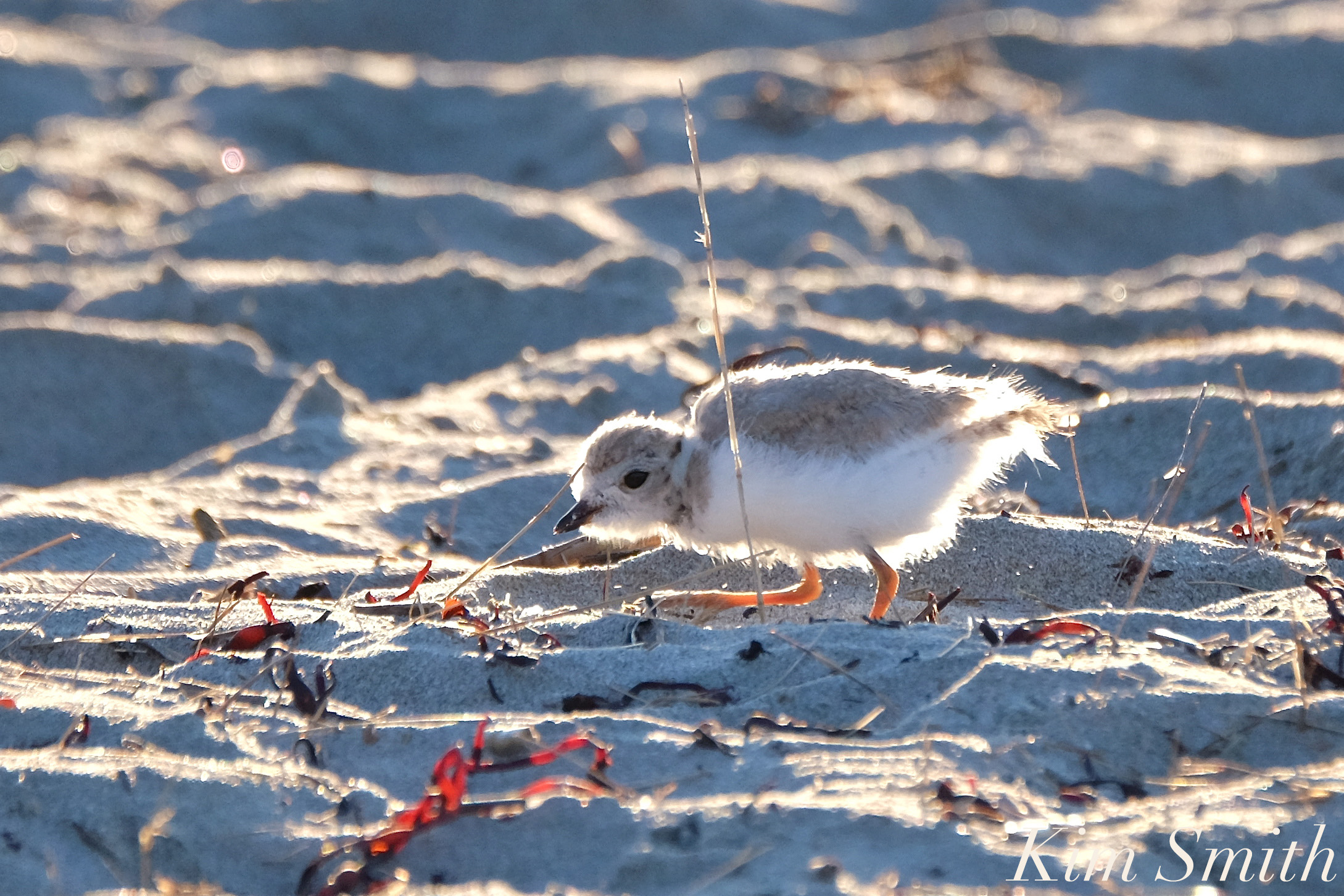
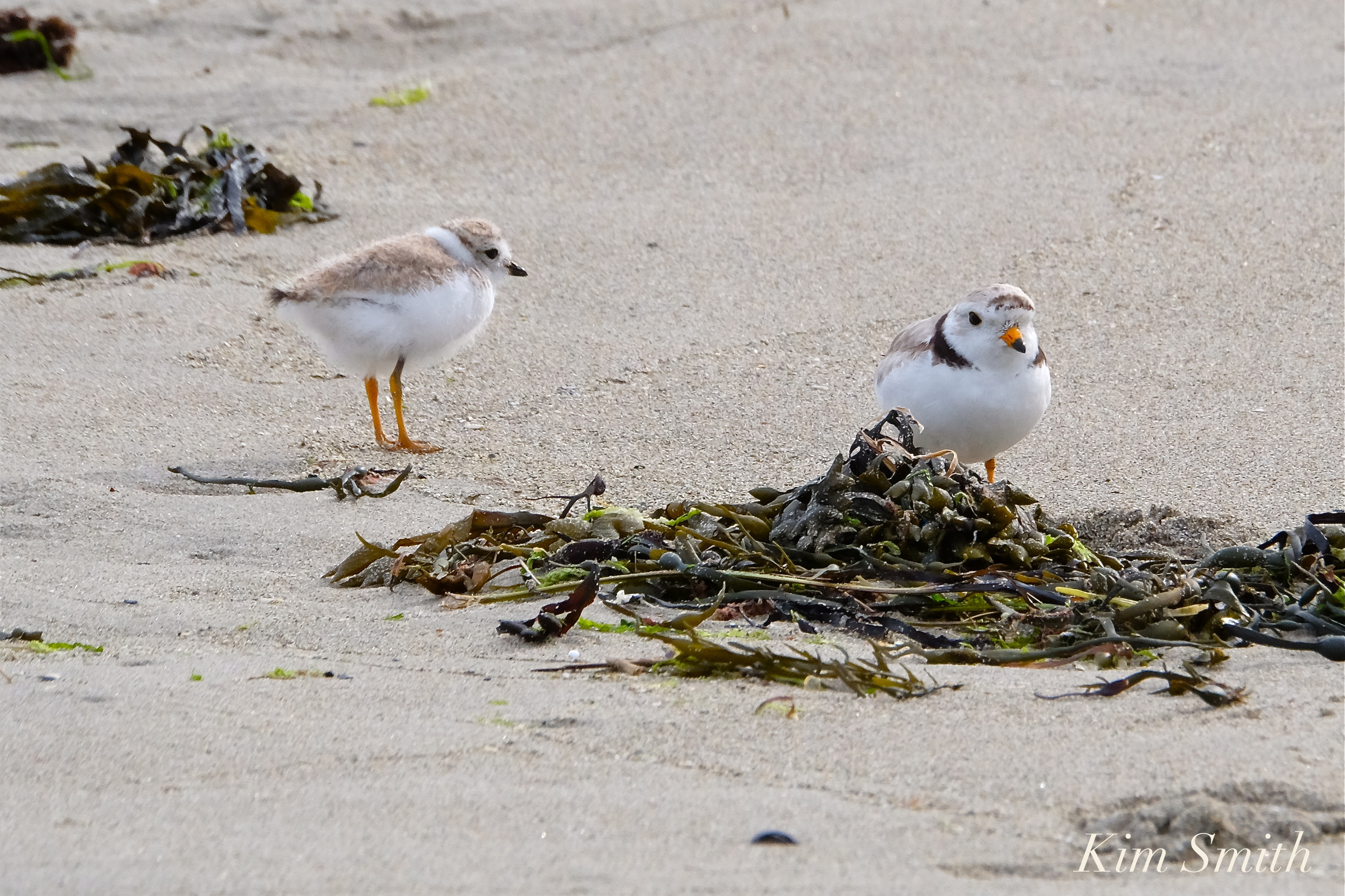
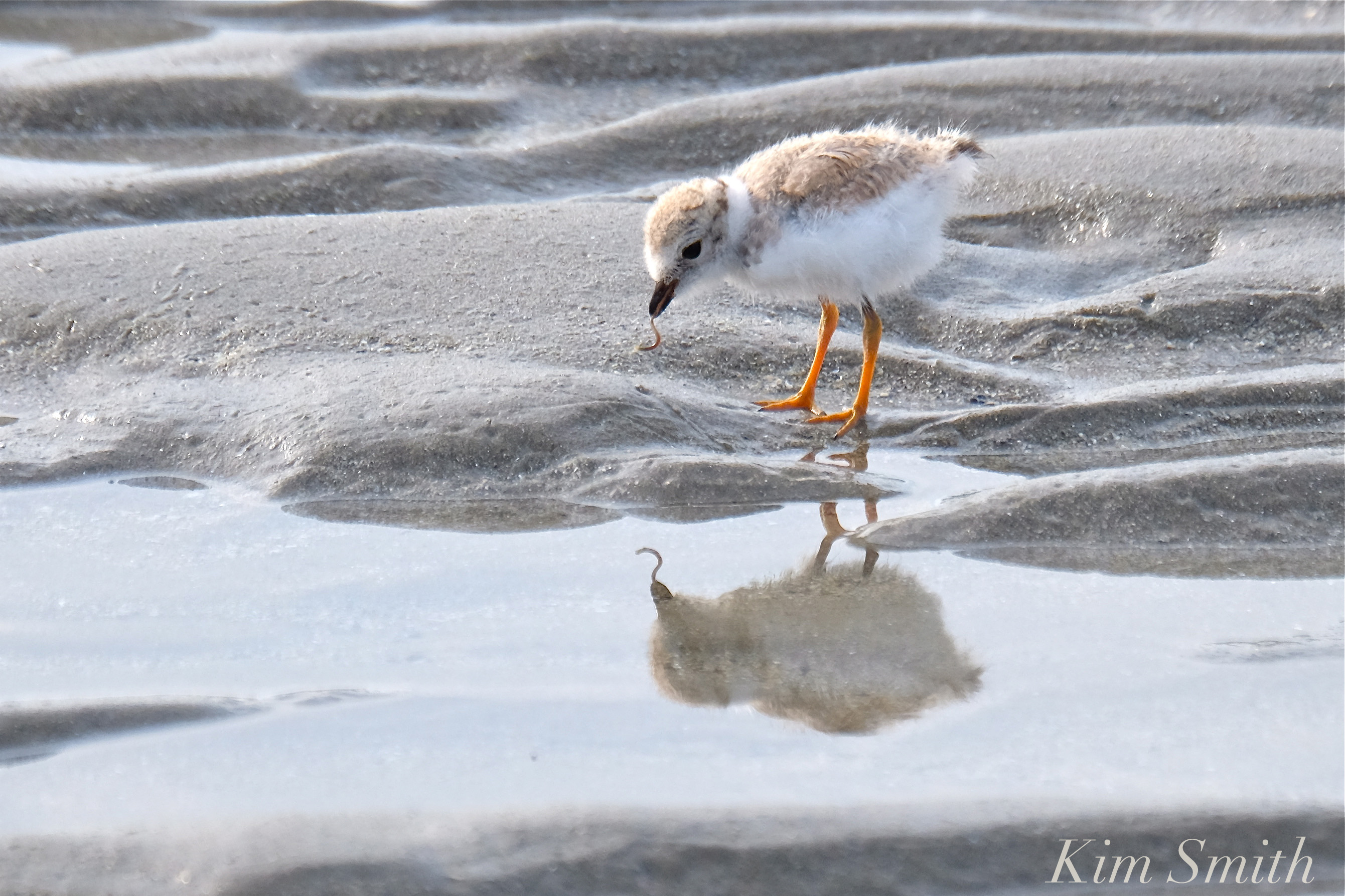
Always a tasty morsel to be found in the dried seaweed on an unraked beach.

VOLUNTEERS NEEDED

The last several mornings I have been covering my usual 5:00 to 6:30am time plus the Ryan/King shift, from 6:30 to 8am, when super volunteer Paul Korn arrives (he’s very punctual). We need volunteer monitors this week to cover that 7:00 to 8am shift and several other times as well. If you would like to volunteer, please email Gloucester’s conservation agent Ken Whittaker at: kwhittaker@gloucester-ma.gov. Thank you!

CATS AND DOGS AND BIRDS ON THE BEACH: A DEADLY COMBINATION

Thank you to Good Morning Gloucester reader Dave Moore, who is stationed in Korea and sent this brochure published by the USFWS. Dogs are not allowed at USFWS sanctuaries such as Parker River National Wildlife Refuge all year round, leashed or unleashed and this brochure explains just one of the reasons why. Thanks to Dave for sharing the following PDF.

Cats and Dogs and Birds on the Beach: A Deadly Combination

A tale of cat or dog versus bird may make an enjoyable cartoon, but the real-life version is deadly serious. When birds encounter cats and dogs, the birds rarely win. Many people believe that cats and dogs should be allowed to roam free. People introduced domesticated cats and dogs to this country, and however much we may appreciate them as part of our lives, those animals are not native wildlife or part of a naturally functioning ecosystem. Along the Atlantic coast, cats and dogs pose a serious threat to the continued survival of beach-nesting birds such as piping plovers, least terns and American oystercatchers.

Two months of living on the edge Piping plovers are vulnerable to wild and domestic animals as well as human interference while they guard their nests on sandy beaches for a month before eggs hatch. Plovers blend with their surroundings, so it can be difficult for you to see them. Adult plovers will stagger and feign a broken wing to distract predators from their nests and chicks. Unfortunately, the plover ploy backfires when they face predators more nimble than predators in their native environment. The plover may be caught and killed or injured.

After plover eggs hatch, the tiny chicks spend most of the next month foraging for the food needed to gain weight and develop flight feathers. The flightless chicks face myriad challenges and are simply no match for an agile cat or dog that instinctively sees the chick as something to hunt or chase. With the plovers’ low population numbers, each tiny chick embodies a precious hope for future recovery of the species.

An unfair fight Cats are natural hunters, and even wellfed cats chase and kill birds. Beach-dwelling birds are not adapted to co-exist with cats. Each year in this country, hundreds of millions of birds meet death in the claws of cats. Cats kill roughly 39 million birds annually in Wisconsin alone, according to a 1996 study. Many dogs are naturally inclined to hunt birds after generations of breeding for that purpose. Unleashed dogs chase birds, destroy nests and kill chicks. Plovers are so difficult to see on beaches that it is extremely easy to miss seeing a bird that your dog is chasing. Even when they are on leashes, dogs can frighten and kill birds. In a 1993 study, researchers found that the mere presence of pets disturbs piping plovers far more than human presence. While we cannot tell birds where we want them to nest, we can control cats and dogs.

Protecting our environment We not only have an obligation to protect birds as an important part of our environment, it is the law. The U.S. Fish and Wildlife Service placed Atlantic coast piping plovers on the List of Endangered and Threatened Wildlife in 1986 with a “threatened” designation, meaning that without care the species could face extinction. The plover future is so tenuous that for more than 20 years, people from local, state and federal agencies along with dozens of private organizations have provided intensive protection for the birds. They have spent countless hours managing predators and posting nesting areas to protect birds from pedestrians and off-road vehicles. By 2005, the piping plover population had grown to more than 1,400 pairs. However, protection is neccesary for the species’ survival because threats, including those from cats and dogs, remain.

Monitoring nests and protecting habitat are only part of the piping plover protection story. Plovers need everyone’s help, and vigilant pet owners play an essential role. We need to take advantage of every means to prevent plover deaths if we are to ensure the survival of this bird.

SCENES FROM BACKYARD GROWERS INCREDIBLE EDIBLE FANTABULOUS GARDEN TOUR!

Although only able to visit just two of the incredible Backyard Growers Gardens, the two that I did attend were fabulous and beautiful and overflowing with deliciousness. Lara Lepionka, founder of Backyard Growers, and Amy Clayton (one half of the Crazy Hat Lady sisters fame) are across-the-street neighbors. As a matter of interest, Amy grew up in what is now Lara and Steve’s home, and Lara’s first Backyard Growers garden customer was Amy!

This was the first ever Backyard Growers garden tour. In case you missed, don’t despair, a second is planned for next summer.

Bea, Lara, and Jen

Amy’s zucchini

Lara’s Beacon Street terraced front border is a series of raised beds. Every spare inch is devoted to growing veggies, herbs, and flowers; no high maintenance lawn here. Lara supplies the fresh greens for three local restaurants, Duckworth’s Bistrot, Short and Main, and the The Market on Lobster Cove. 

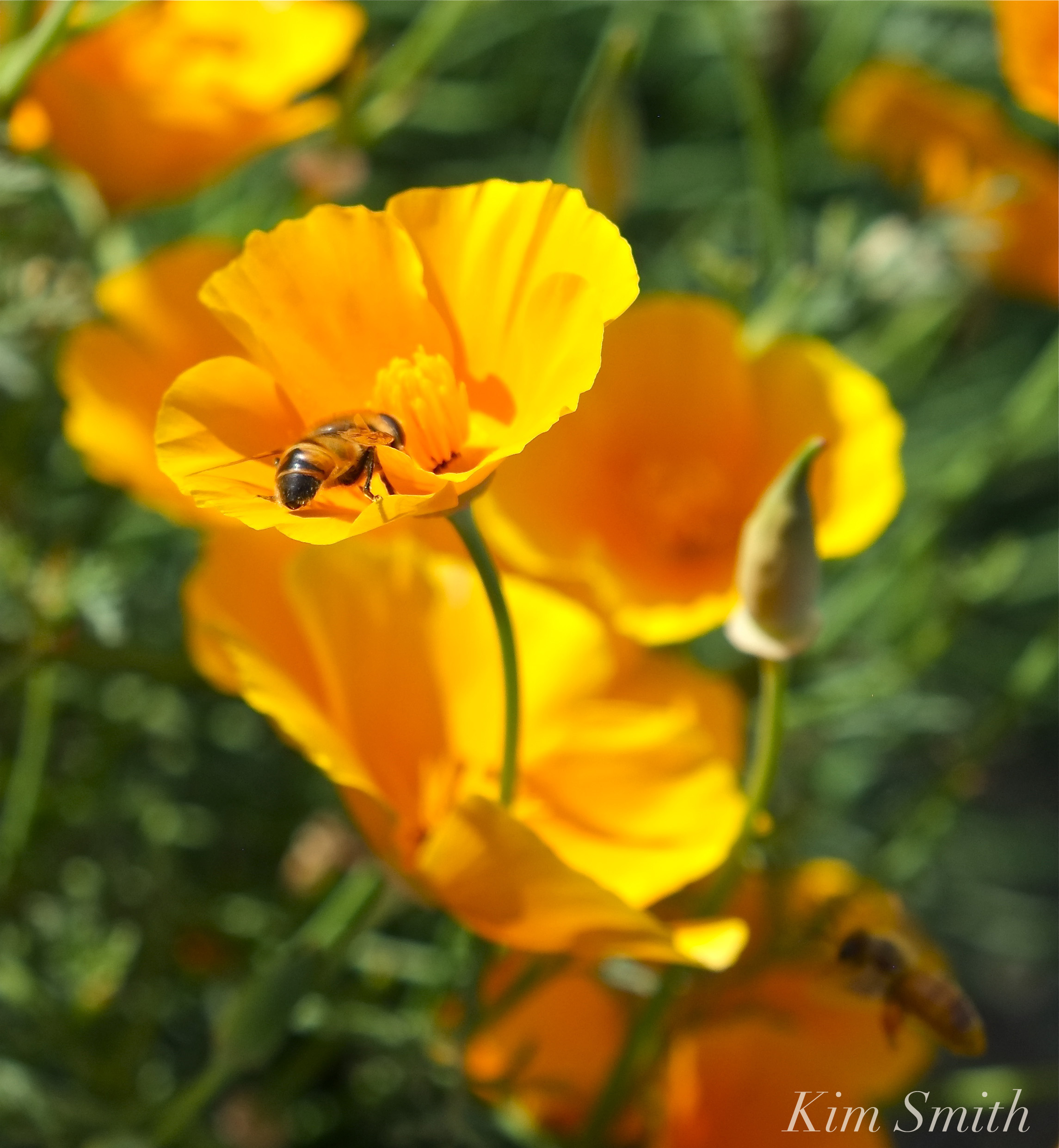
Lara’s California Poppies

Amy’s pumpkin on the vine

Sunflower bud

Amy’s towering sunflowers.

Both Lara and Amy’s gardens were abuzz with pollinators!

https://www.instagram.com/p/BWlEFU0FW-O/

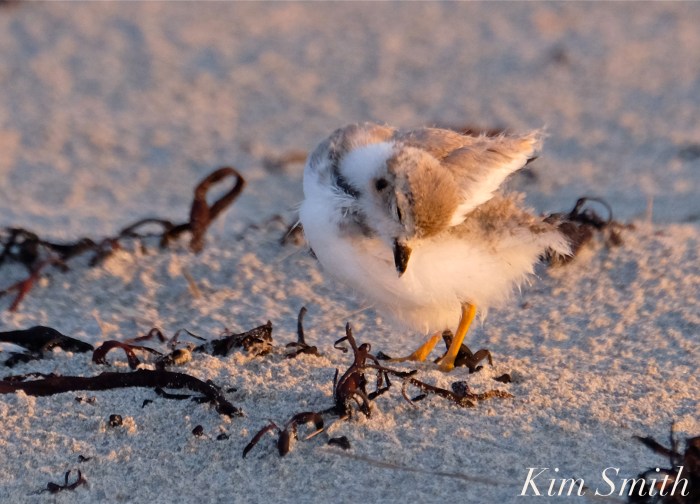
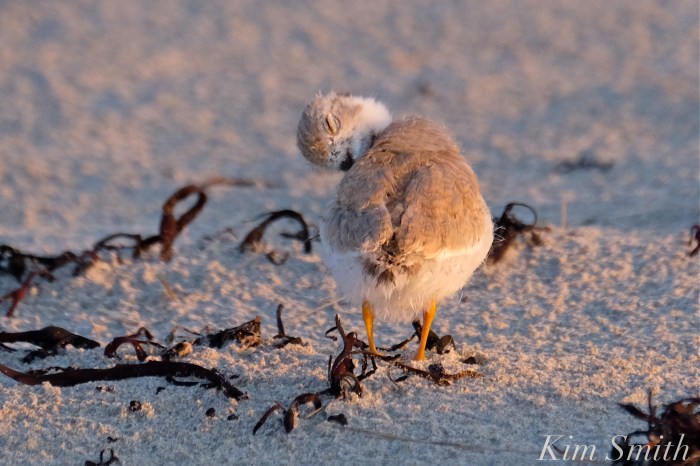
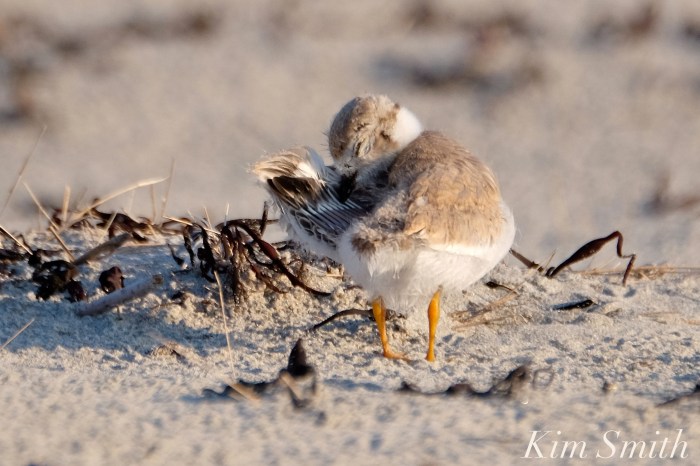
CELEBRATING DAY TWENTY FIVE WITH OUR PIPING PLOVER CHICK, AND WHAT’S WITH THE PENCIL NECK LOOK?

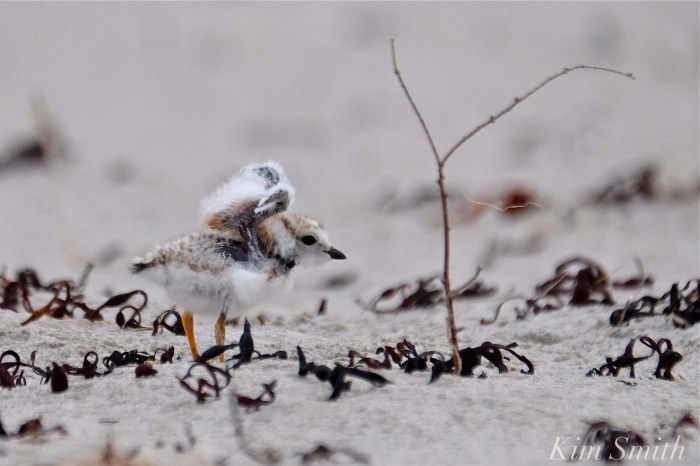
Flapping, hopping, jumping, preening–everything but flying yet with his gorgeous growing wings. Soon little chick, soon!

Little Chick Morning Preen

Papa Plover Piping Commands

Our chick is developing excellent communication skills. Papa Plover commanded him to stay low and still while several crows eating garbage invaded the enclosure. Perfectly camouflaged, he did just that, and for approximately fifteen minutes.

More Pencil Neck Poses

Kicking It Up!

THANK YOU JOE LUCIDO!

Huge shout out to Joe Lucido, Mike Hale, and the entire crew that make up the departments of public works and services for the City of Gloucester. Please thank these gentlemen next time you see them. Hard working guys that they are, they have added plover helpers to their long list of responsibilities, and all have lent a hand in helping Gloucester’s Piping Plovers succeed.

Joe heard about the dog owner trouble yesterday and stopped by early, early this morning to help monitor the situation, as well as check on the new weekend trash barrels.

Thanks so much to Joe and Mike and their crews for all that they are doing to help keep our city looking its best, mostly for people, but their efforts tremendously help the Plovers, too.

I took this snapshot of the trash barrels late yesterday afternoon, Sunday, after one of the busiest beach days of the summer. No trash spilling out! So far so good with the updated Carry In/Carry Out-Trash Barrel Plan.

https://www.instagram.com/p/BWqYidIFX4Y/

THE SUPER-SIZED POLYPHEMUS MOTH

The Polyphemus Moth is a silk moth and one of North America’s largest, with a wing span up to six inches. This beauty was found at my friends Lotus and Colleen’s backyard. Thanks to Lotus and Colleen for sharing!

https://www.instagram.com/p/BWqX5XblErD/


DAY TWENTY FOUR WITH OUR PIPING PLOVER CHICK/ALMOST FLEDGLING AND WHY MORE DOGS???

Beginning early this morning and continuing throughout the day, our Little Chick has almost fledged. He does a tiny run, then sort of hops into the air, flapping his wings for short distances, several feet perhaps. We can’t quite yet call it flying, but he is getting very, very close.
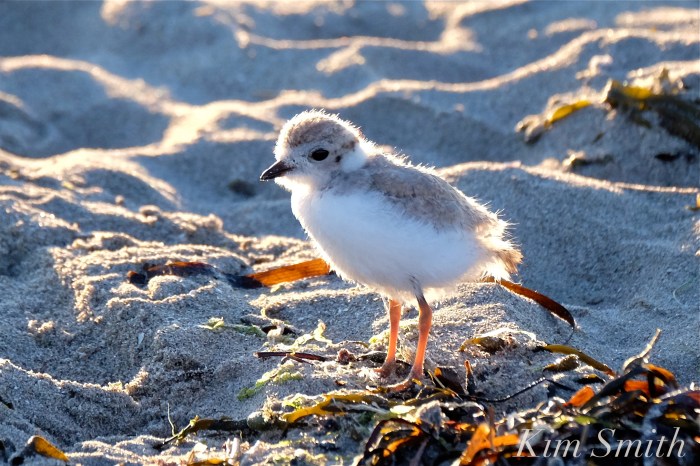
Every little clump of seaweed, dried or fresh, holds the promise of a tasty treat, insect treat that is.

The PiPlover volunteer monitors are amazing. I would like to again thank the following people, the Ryan-King family–Catherine, Cliff, Charles, and George–who divide their morning shift between all four family members, Caroline Haines, Hazel Hewitt, Paul Korn, Chris Martin, Diana Peck, Lucy Merrill-Hills, Cristina Hildebrand, Carol Ferrant, Jeanine Harris, Ruth Peron, Karen Shah, Annie Spike, and conservation agent Ken Whittaker.
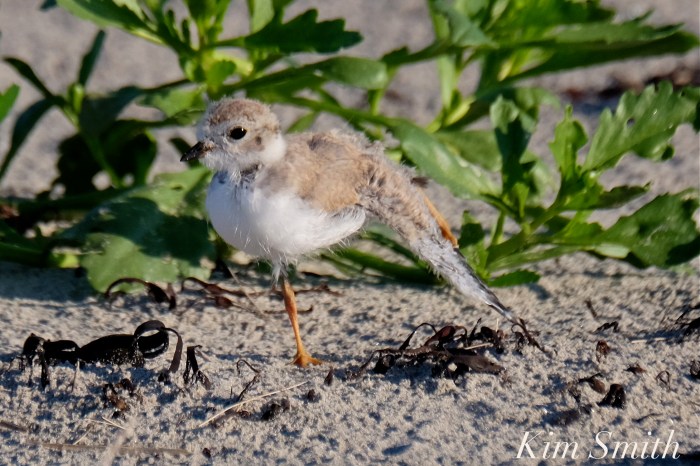
Morning Wing Stretches ~ We hope you can fly soon Little Chick!
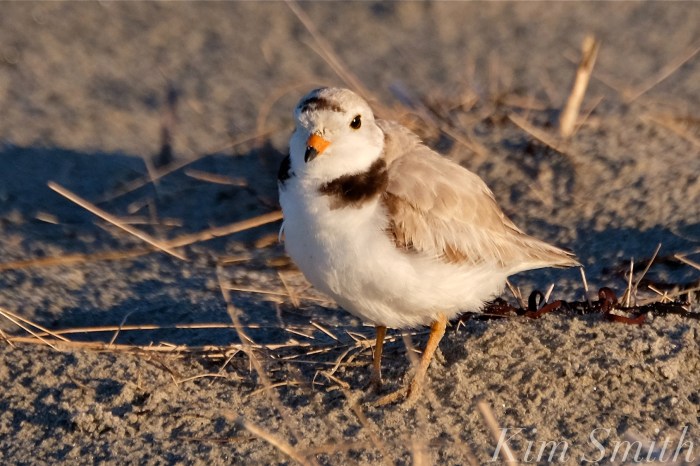
Papa on the job and in full on protective mode this morning.

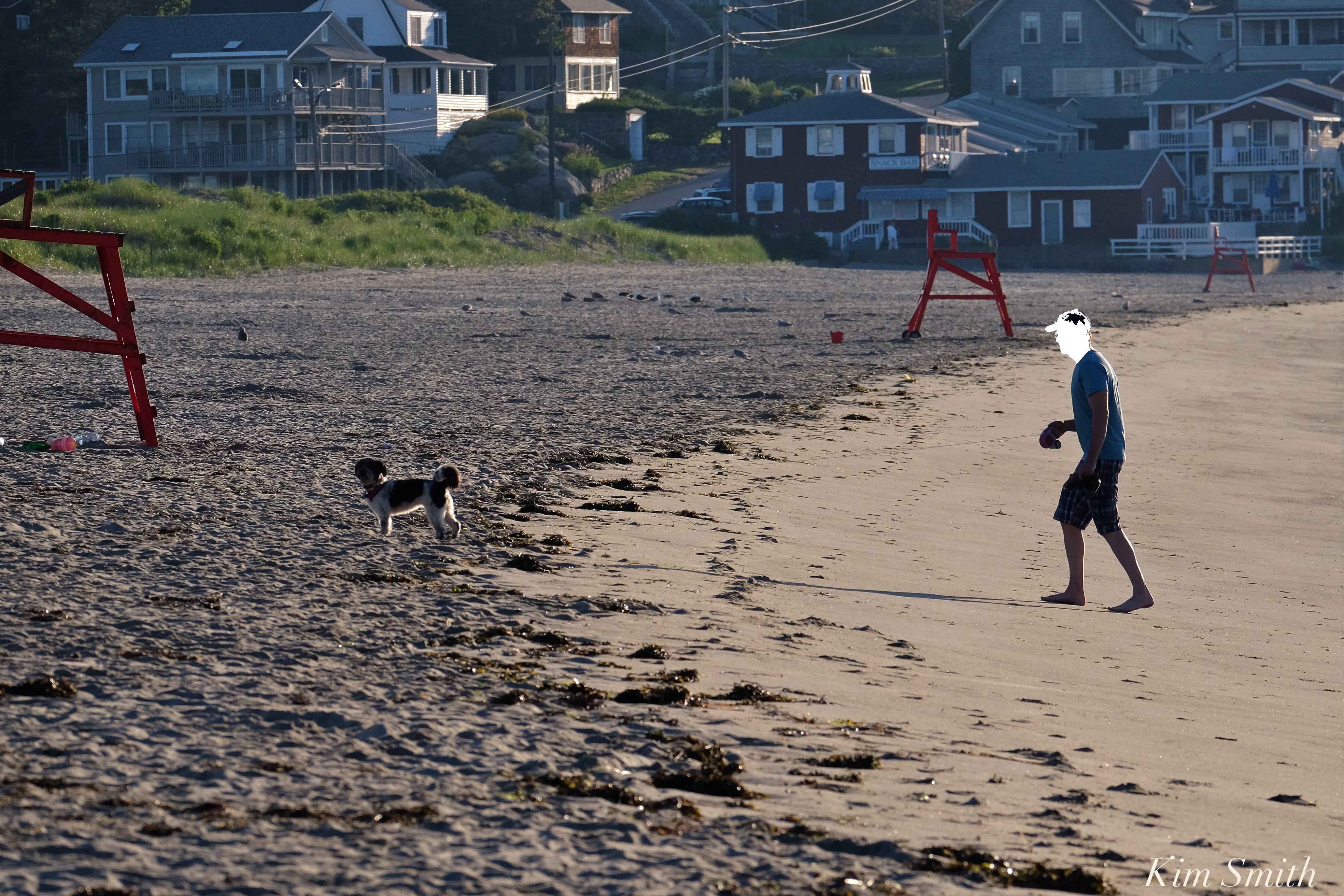
We are pleading with folks to please, please keep your dogs off Good Harbor Beach. This morning I observed a dog owner purposefully and actively encourage his dog to chase Papa Plover. The owner had one of those retractable leashes and over and over again gave the dog more leash and encouragement to go after Papa. I stood between the dog, owner, and Papa with Little Chick on the other side in hopes of keeping him safe. As the owner and pooch came closer and closer, I tried to wave them away but they kept coming. Meanwhile Papa Plover was having a complete meltdown, employing every plover distraction trick imaginable. When I tried to speak with the man he cut me right off and barked that his was a SERVICE DOG and that service dogs are allowed. I again tried to explain but he was having none of it and said that if his dog caught the Plover, he wouldn’t hurt him.

Even if that were true, which it is not, I think the scofflaw dog owners are missing a huge point. To the PiPl, any four legged creature is a threat. It is very unlikely that the Piping Plover parent can ascertain the difference between a coyote, fox, or dog. I hope the following explanation helps people who don’t quite get it, better understand what all the fuss is about.
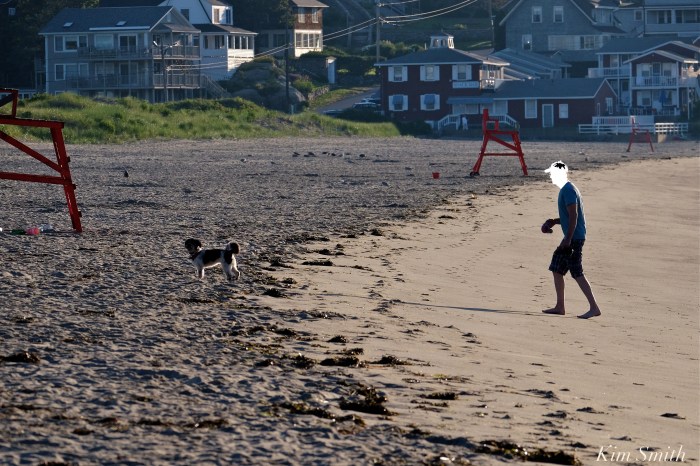
Your cute pooch is trotting down the beach. Even from a distance of several hundred feet away, your activity messages a ten alarm fire bell in the PiPl brain. The PiPl parent has no idea that your dog is the sweetest and most harmless dog that ever lived. Instead of staying nearby to where the chick is foraging or resting, the adult immediately goes on the defense, racing down the beach, flying after the dog/coyote/fox creature, alternating between dive bombing you and your dog and limping along the beach, pretending he has a broken wing.

Meanwhile, back where the chick is foraging, the crafty crows and ravenous gulls sense the golden opportunity they have been awaiting. Crows/Gulls don’t like the nasty defensive bites and pecks the adult Plovers inflict upon them when they get to close to the chicks, especially when tag teamed by both parents. But now there is no Plover parent anywhere within hundreds of feet of the baby because they are too busy defending the chick from the sweetest dog that ever lived. Time to swoop in and carry off the pleasingly plump chick, ripe for a wonderfully satisfying Gull/Crow breakfast.
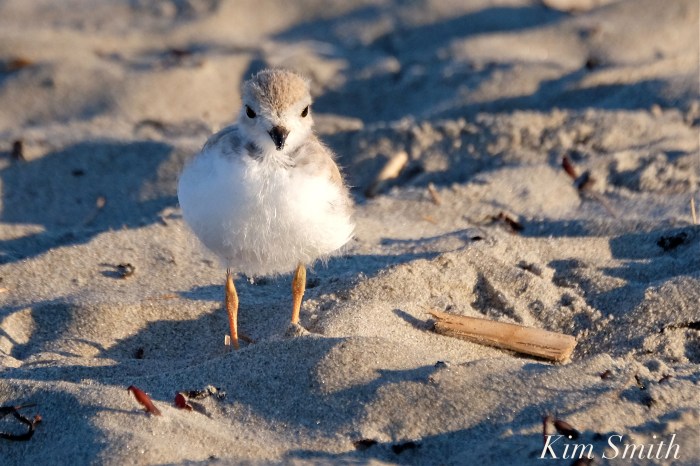
A Tender, Tasty Plumpling

Shortly after the dog owner/service dog departed, and just as Catherine was arriving to take over my shift, coming from the footbridge end was an elderly woman and her adorable husky puppy. They were were walking the beach at the high tide mark, exactly where the chick was feeding. Simultaneously, coming from the private end of the beach were a Mom and her son, and their beautiful golden retriever. After a good deal of explaining to both parties, they all turned and headed toward the direction from where they had come and away from the boardwalk #3 area.

Three dogs in the span of twenty minutes.

Catherine’s photo of me approaching Golden Retriever family.

Please don’t write and tell us to call animal control at 6:00am. We have called and left messages, but their shifts do not begin until later in the morning. I think if we are serious about controlling the dog owner problem on Good Harbor Beach, possibly we could hire a part time person to ticket early in the morning and after the lifeguards leave in the late day. The tickets collected would easily pay the cost, and then some. It wouldn’t be long until the word got out.

I plan to find out if service dogs are allowed on beaches with shorebirds that are listed as a federally threatened or endangered species. If the dog was really a service dog, and service dogs are permitted, perhaps the owner could choose a different beach. And too, hopefully rentors in the area are letting their renters know that dogs are not allowed on the beach, leashed or unleashed, and at all hours of the day and night during the summer months.

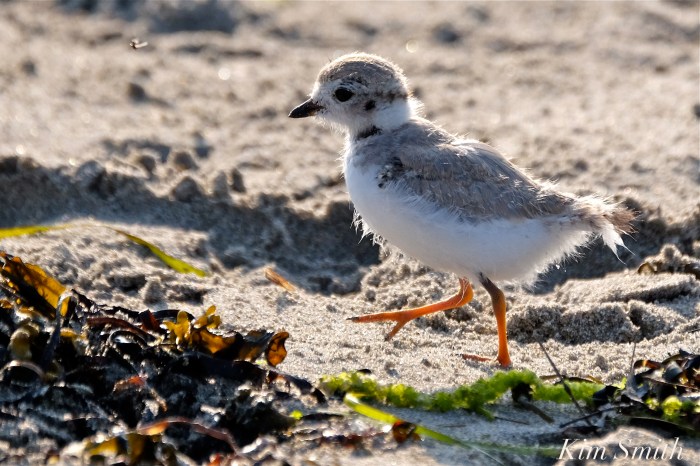
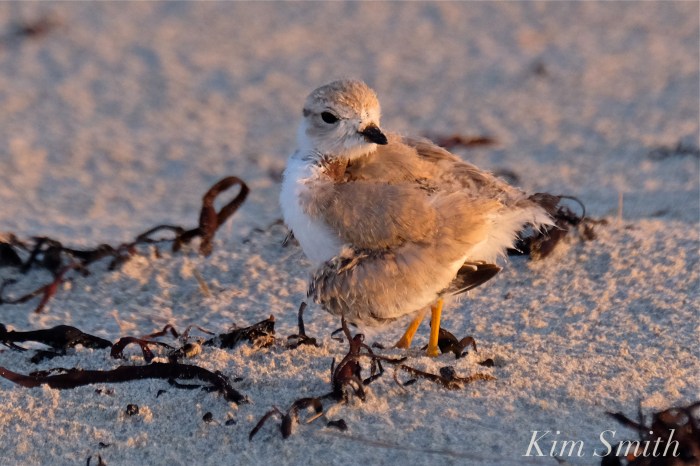
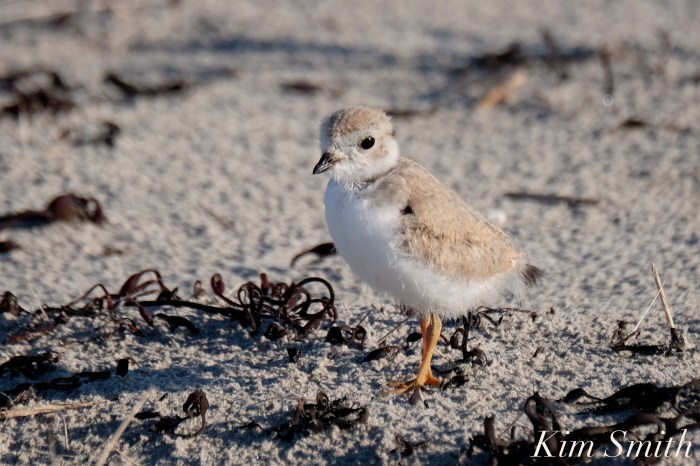
Twenty-four-day-old Piping Plover
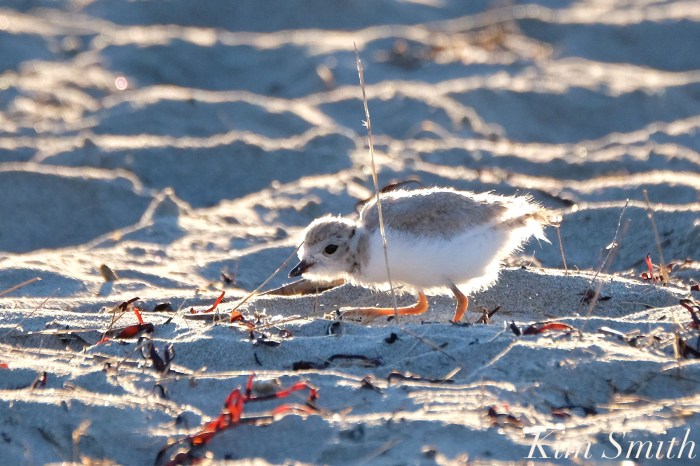
Piping Plover chick assuming the crouch defense posture.
“Alright Mr. DeMille, I’m ready for my closeup.”

HOORAY FOR OUR TWENTY-THREE-DAY-OLD PIPING PLOVER CHICK!

Bravo to our little chick, who this evening, we are celebrating day twenty-three! Thank you to all our volunteers who are working so conscientiously to help the GHB PiPl survive Gloucester’s busiest beach.

Despite the fact that he can’t exactly still fit under Papa and Mama, at twenty-three-days-old, Little Chick still needs snuggles to thermoregulate.

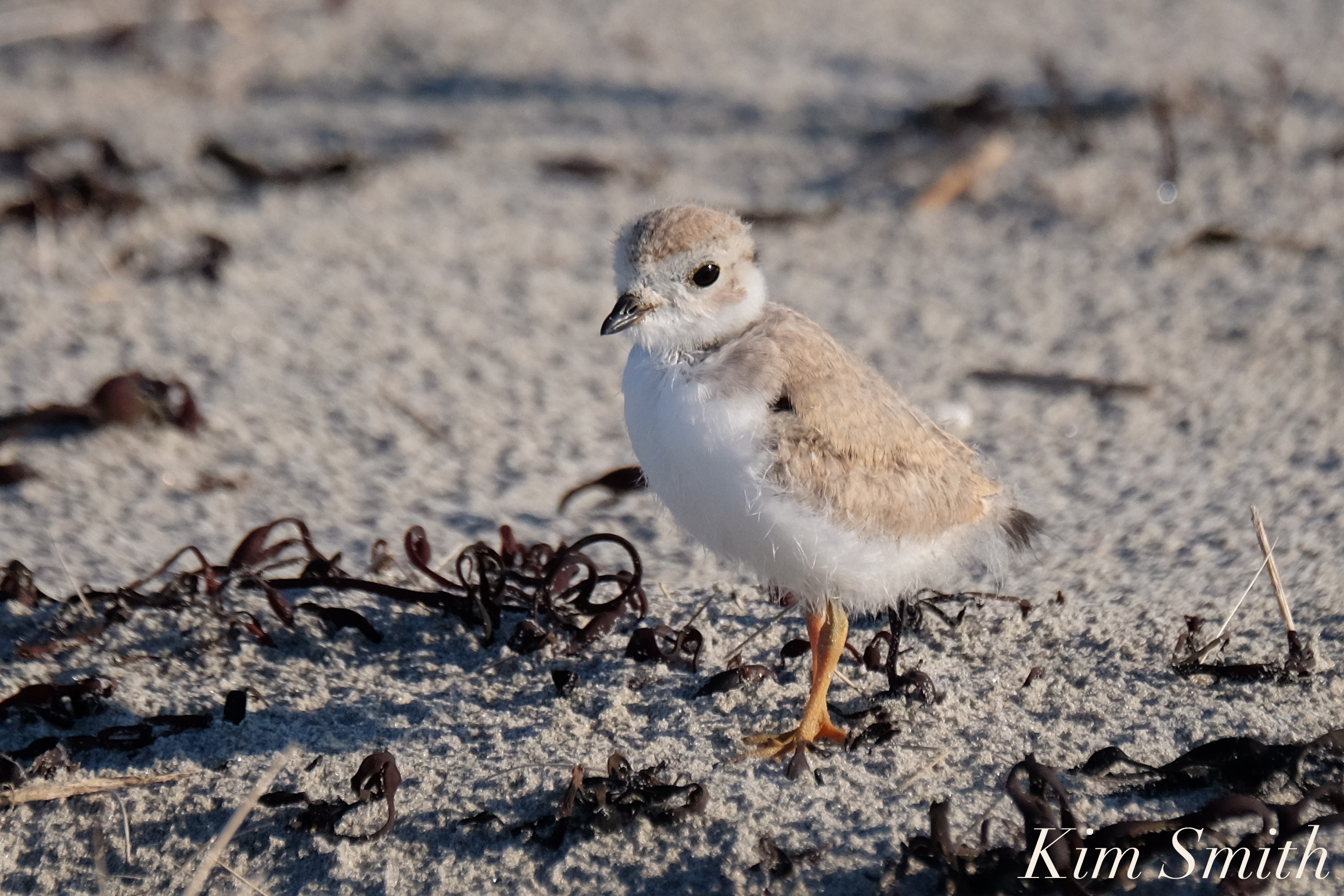
Note how large Little Chick’s beak is growing.

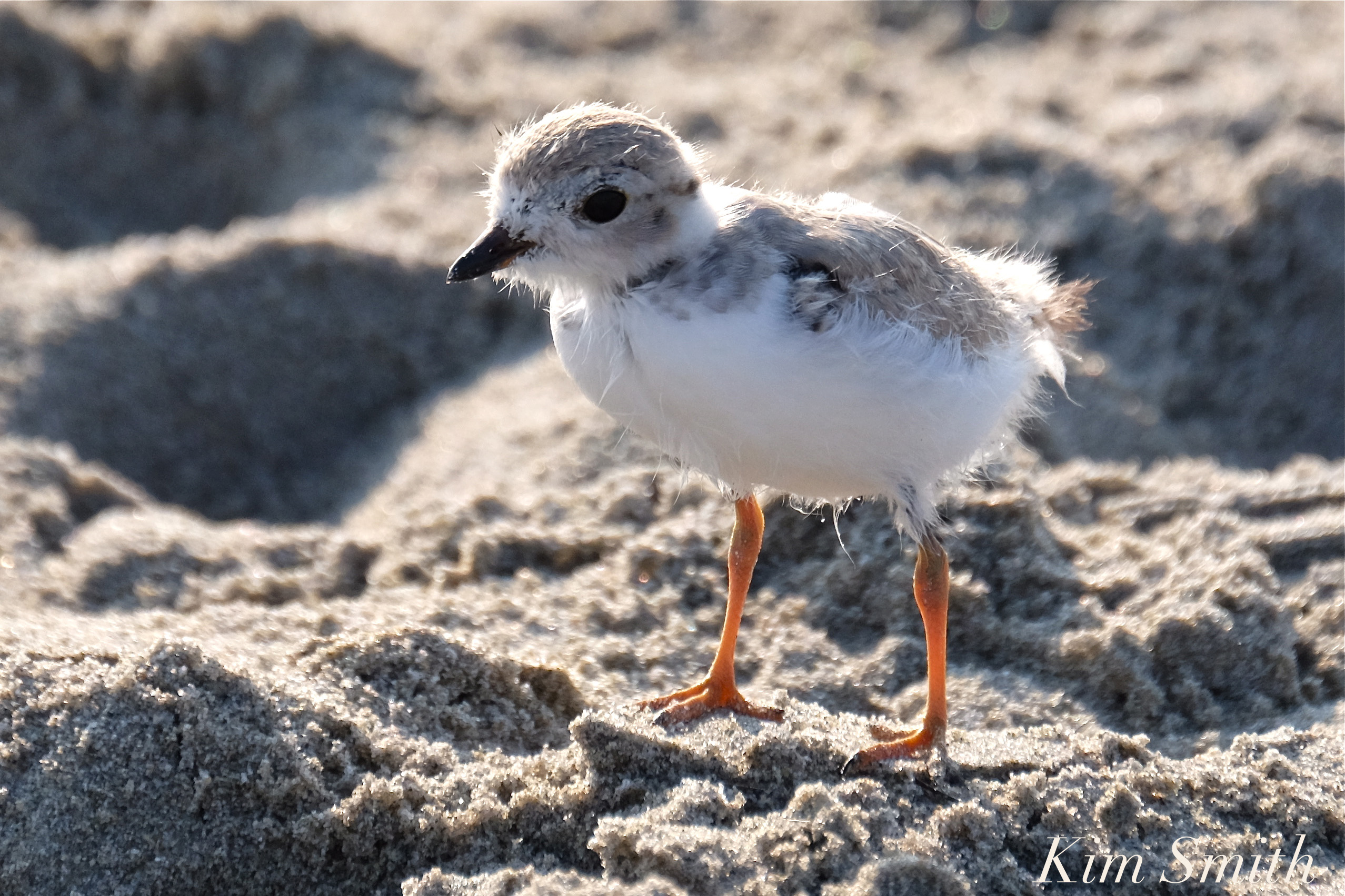
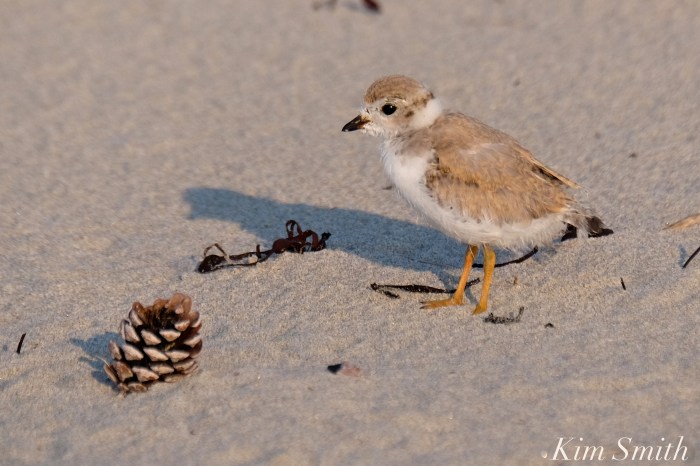
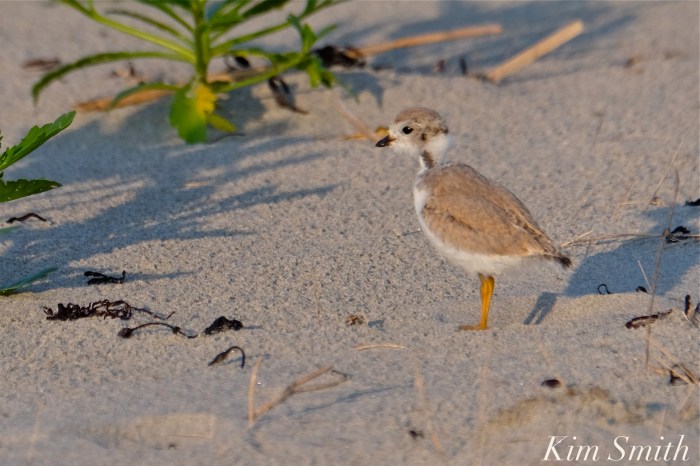
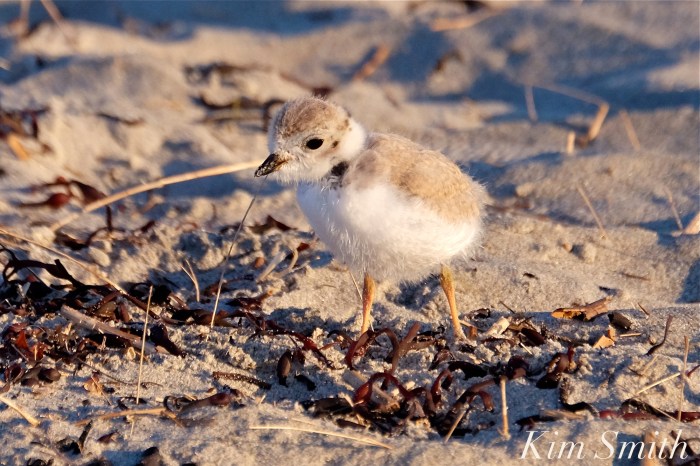
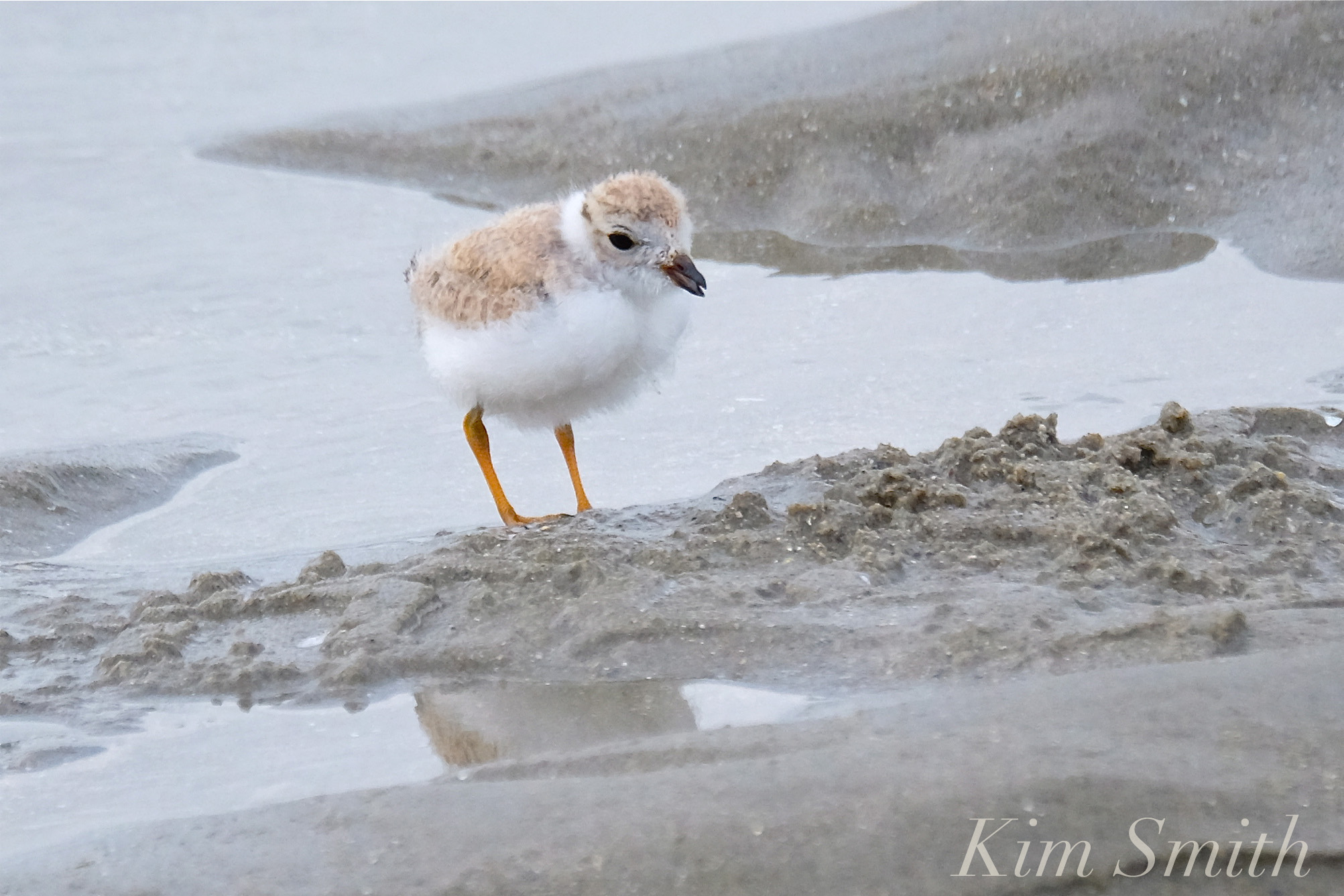
Twenty-three-day-old Piping Plover: Of the four Piping Plover chicks that hatched on the morning of June 22nd (the first hatched at about 6am, and all had hatched by noontime), our little chick is the sole survivor.

At 6:30 this morning another fight with the interloper took place. I was able to capture some of it on film and, surprisingly, a very similar battle took place later this morning between the Coffin’s Beach Piping Plovers.

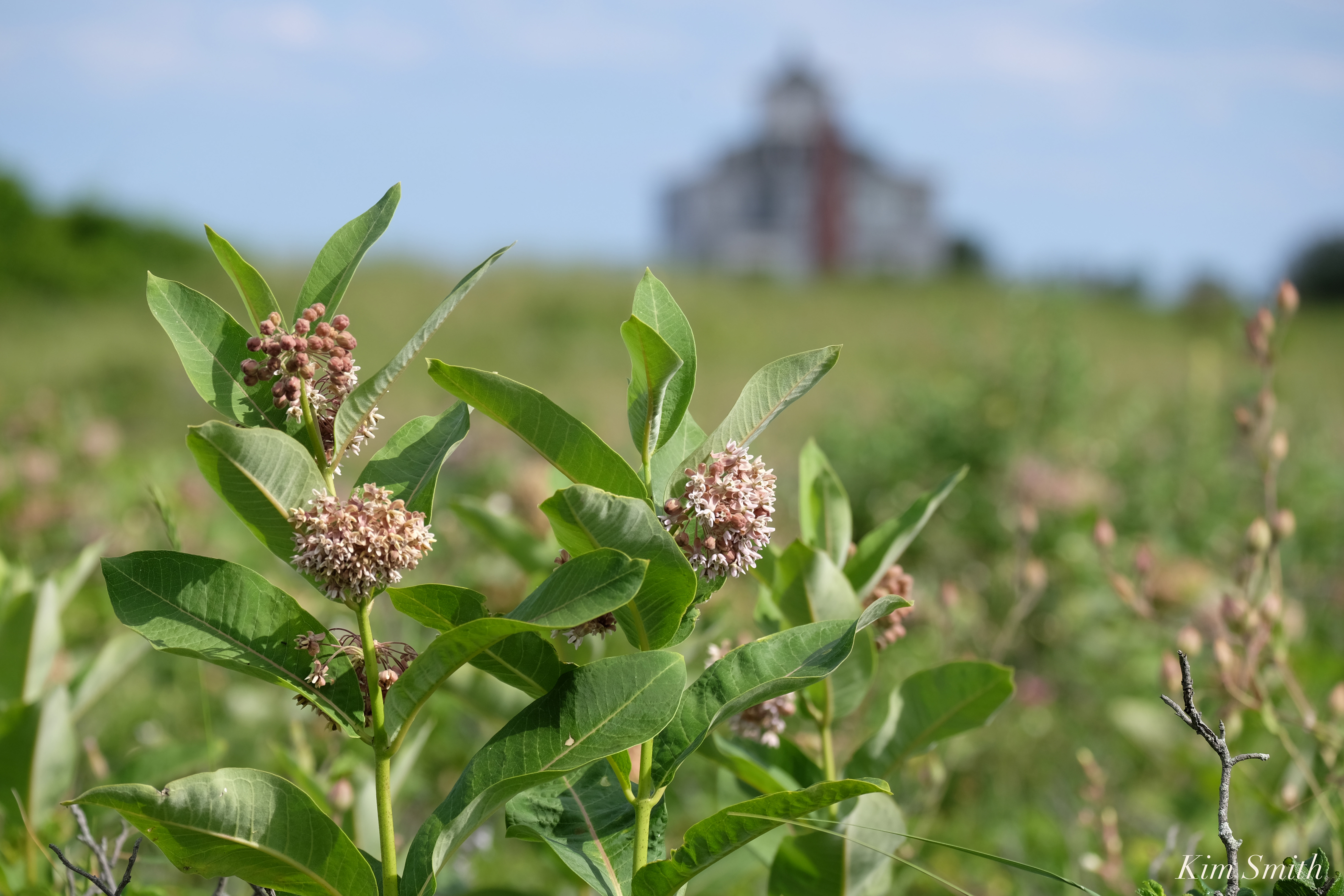
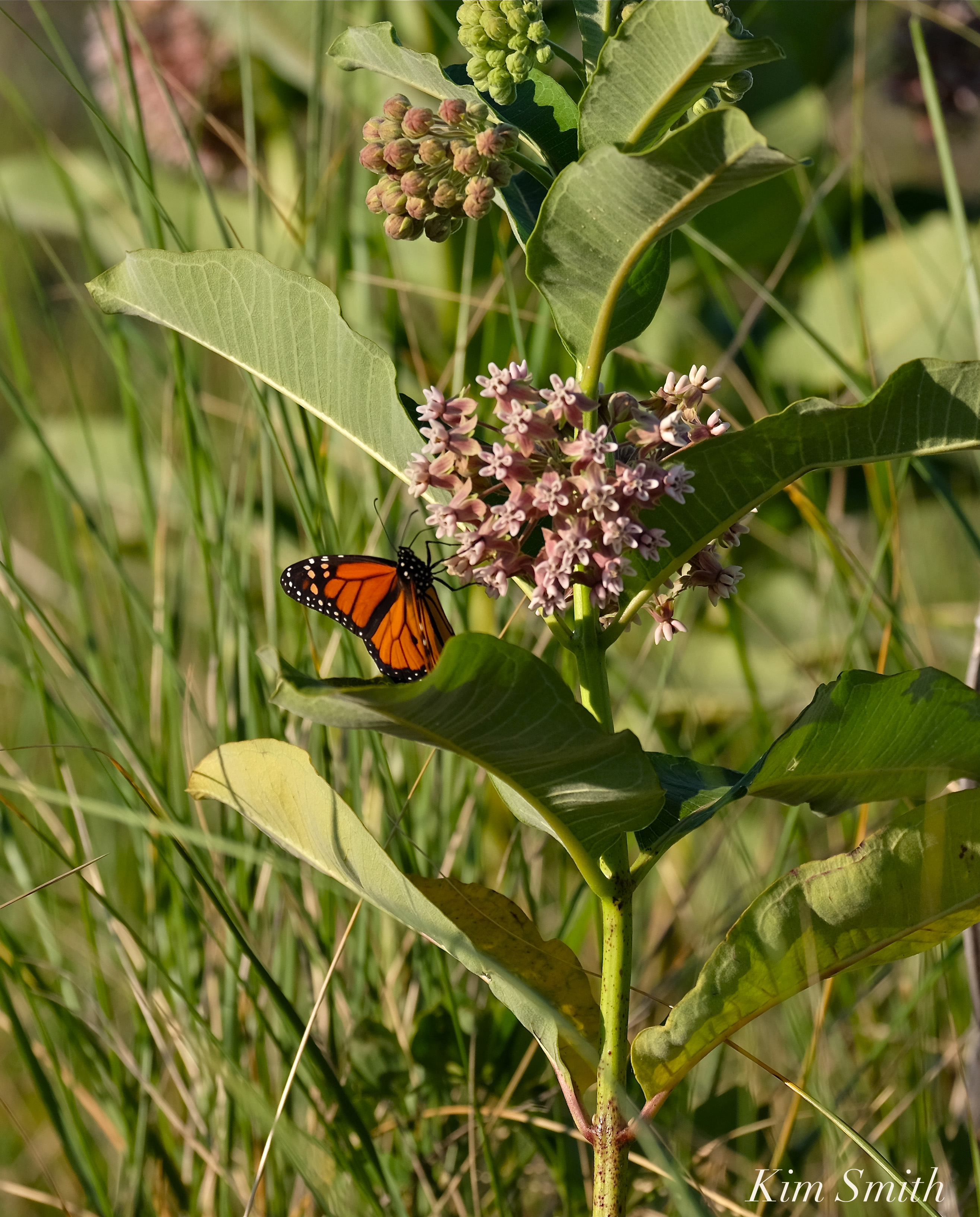
The Good Harbor Beach dunes are teeming with life. I spied five Monarch Butterflies on the Common Milkweed this afternoon, with many reports shared by readers of Monarch sightings all around Cape Ann and Massachusetts. We’ll do a post about Monarchs this coming week, and in the meantime, please share your Monarch sightings.

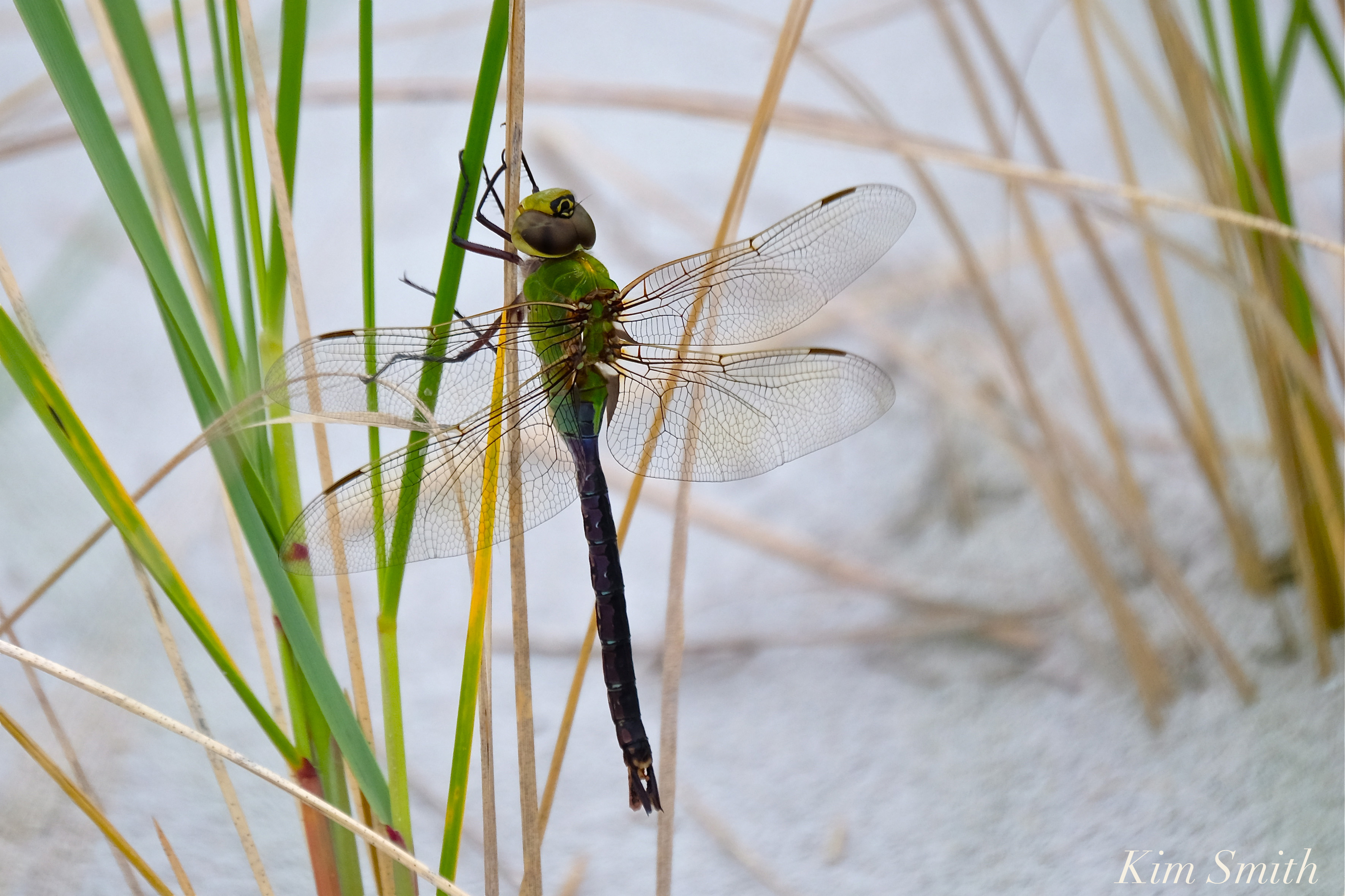
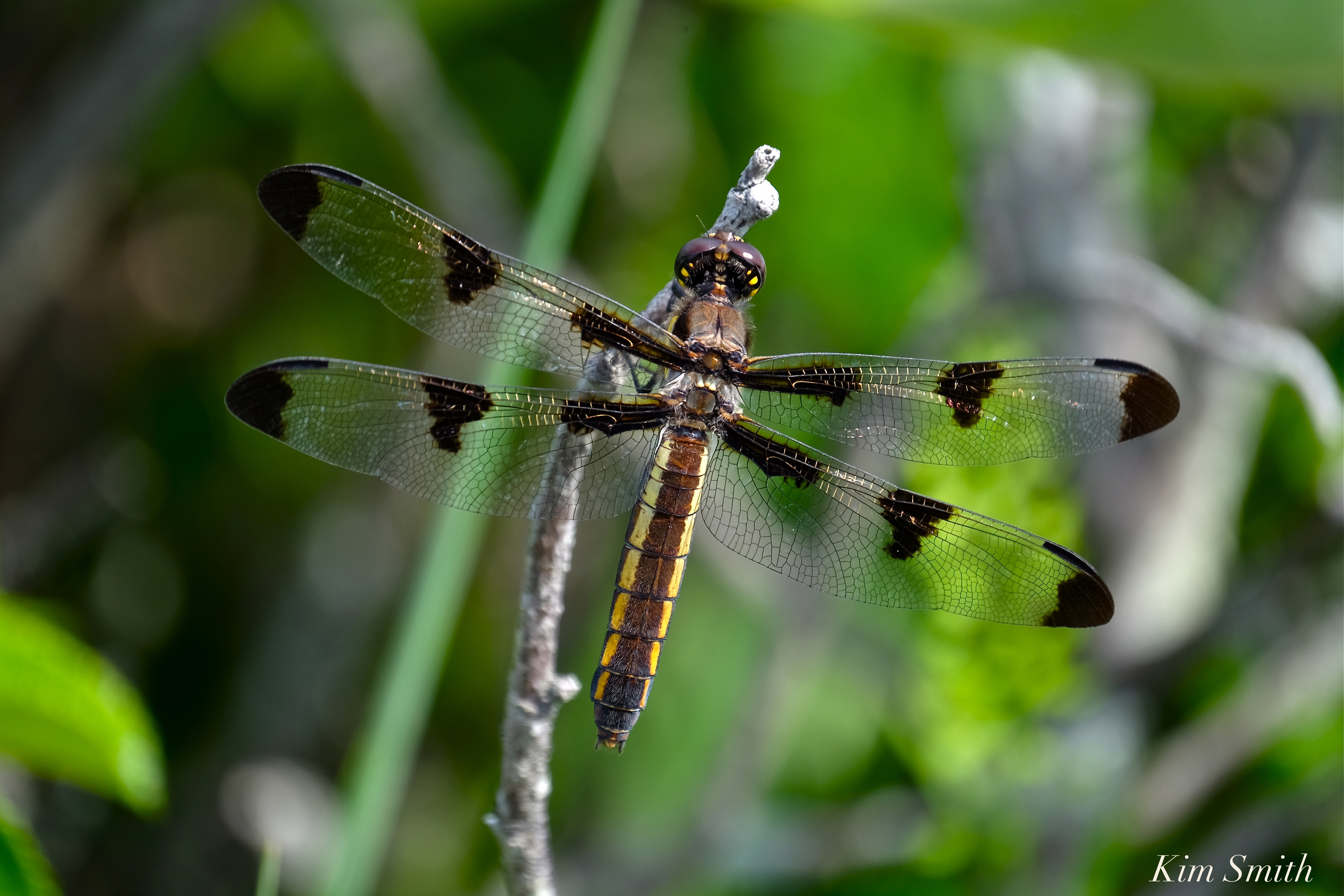
Dragonflies are predacious, and like our Piping Plover chick eat tiny invertebrates.

Green Darner Dragonfly and Twelve-spotted Skimmer lying in wait for insects.

Beach bunny munching wild salad greens for breakfast.

Monarch Butterfly and Common Milkweed, Good Harbor Beach

OUR TWENTY-TWO-DAY-OLD PIPING PLOVER IS AS PLUMP AND PERKY AS A PICKLE

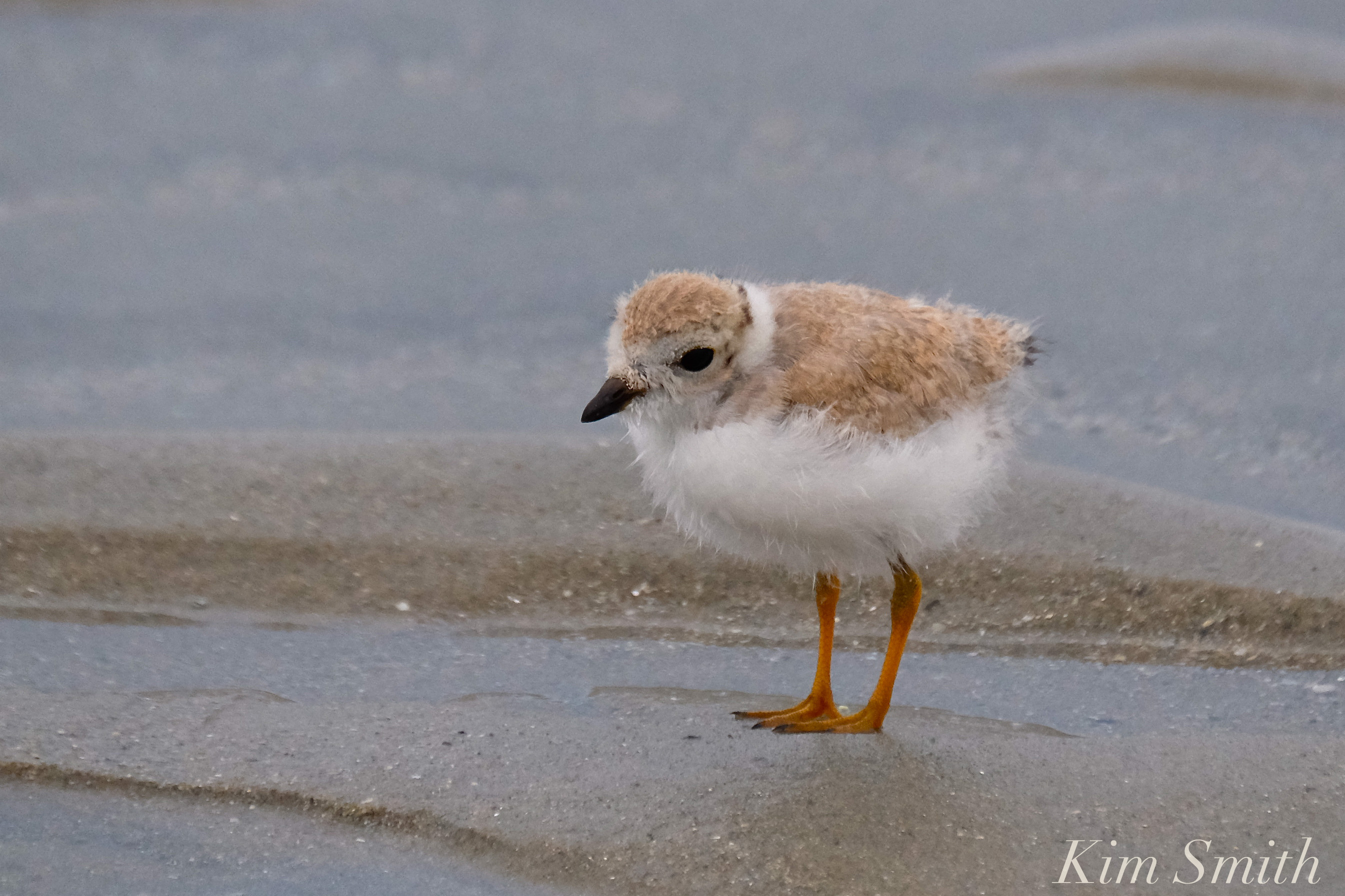
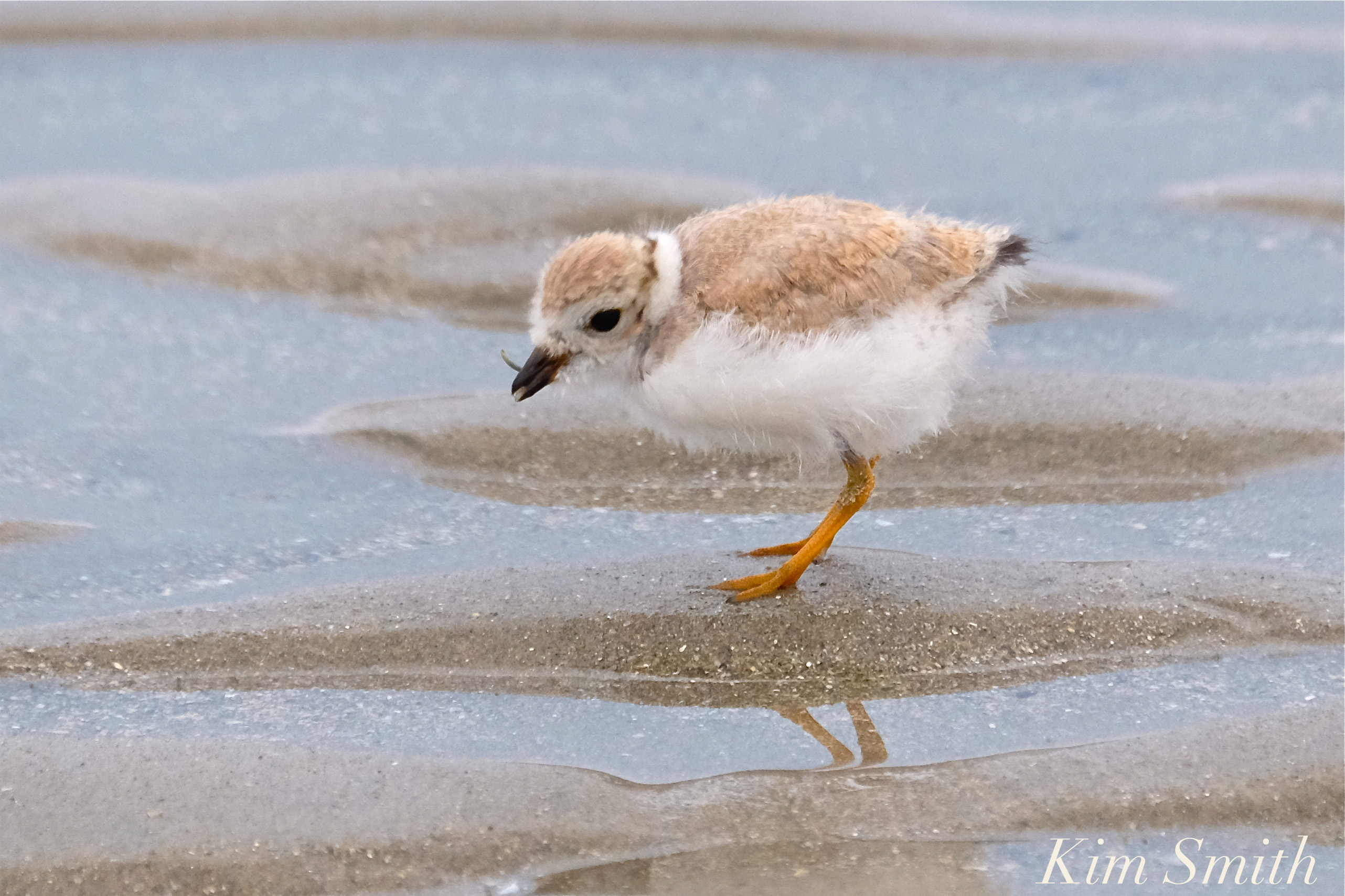
Running pell mell, pecking in the tide pools for tasty morsels, and softly peeping, our perky twenty-two-day-old Piping Plover is becoming quite the little plumpling.

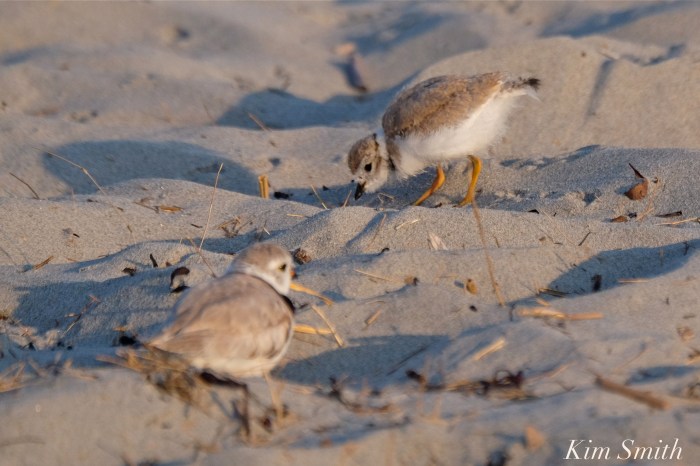
We observed an exciting self-defense development today. While foraging in the sand at the high tide line, Little Chick suddenly crouched down, completely flattening himself level with the sand. Seconds later, a seagull swooshed over him, flying, very, very low. It was tremendous to see this defense mode kick in and wonder whether instinctual, or learned from the parents.Piping Plover chick and Mom foraging at the high water line. Our chick is growing so quickly. Even though he is nearly as large as Mom, he still needs snuggles in the morning to thermoregulate.

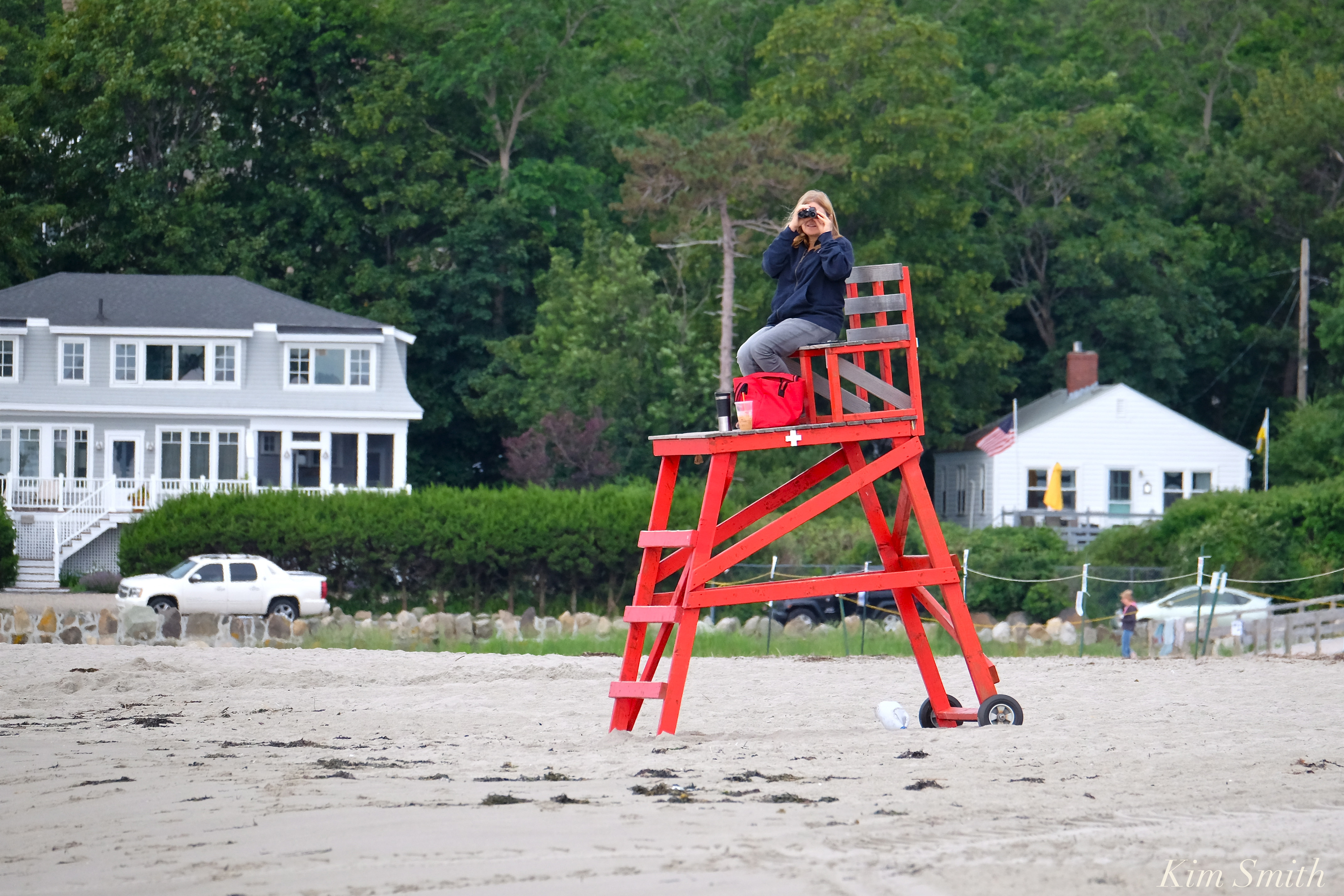
Piping Plover super volunteer Catherine Ryan keeping an eye on the PiPl from her favorite perch.

The cold weather may be dampening beach goers fun, but we lovers of the Piping Plovers like it because GHB has been much quieter than usual.

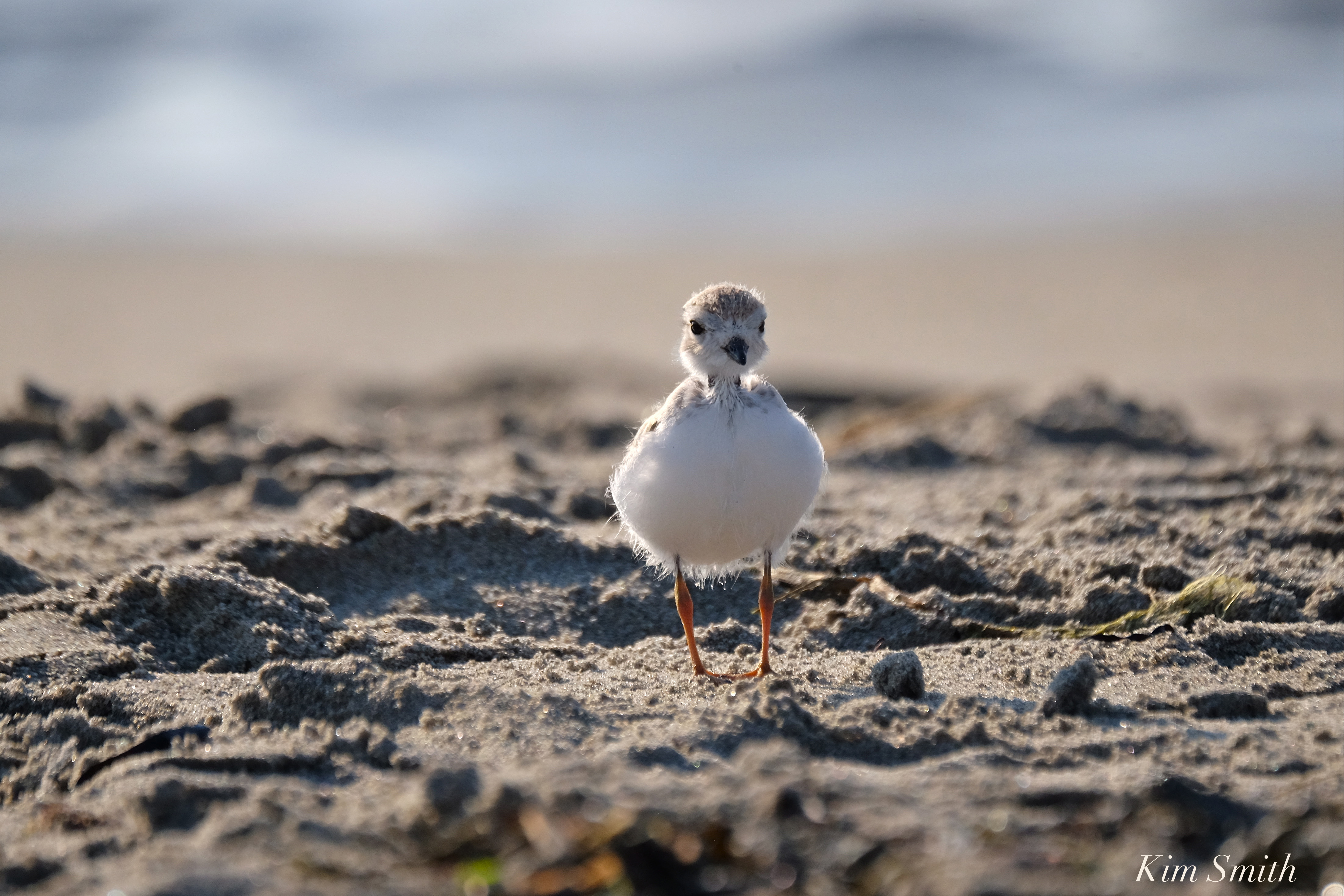
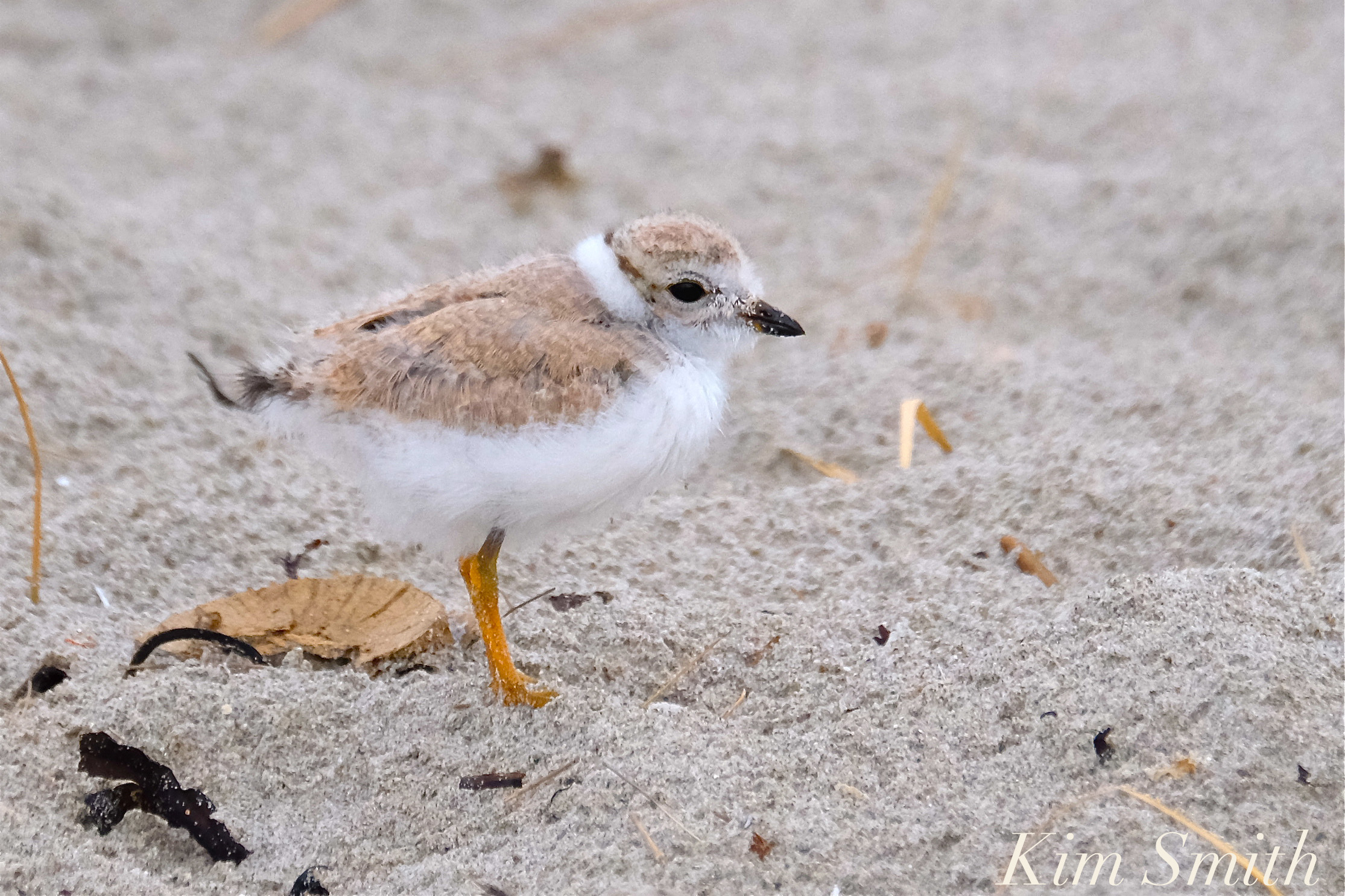
 Twenty-two-day-old Piping Plover

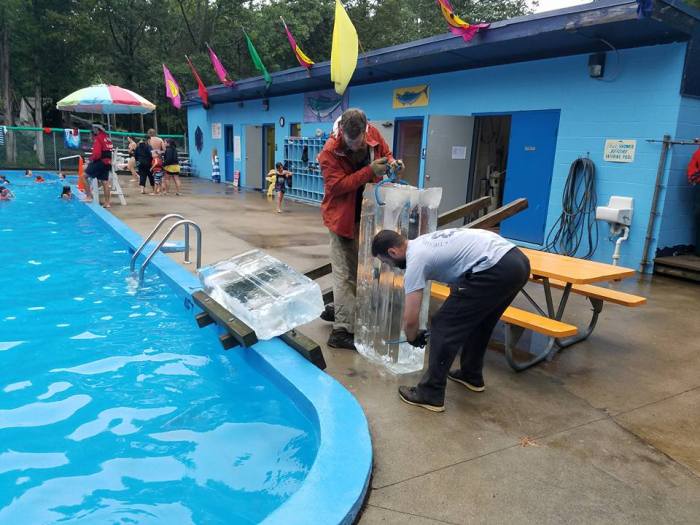
SUPER COOL CAPE POND ICE SLIDE AT CAMP SPINDRIFT

Thanks to Scott Memhard for sharing these photos of the ice slide installed by Cape Pond Ice at Camp Spindrift for their annual carnival. Looks like wonderful fun!

PIPING PLOVER BIRD BANDING DISORDERS

Although bird banding is tremendously helpful to researchers, after seeing the following video, I understand why conservationists have decided not to band in our area. I am puzzled as to why the Plover in this video has to have sooooo many bands.


PUBLIC INVITED TO THE STAGE FORT PARK BEAUTIFICATION PRESENTATION JULY 20TH

Mayor Romeo-Theken and City Councillor Sean Nolan invite interested people to gather, review and discuss updated plans to beautify Stage Fort Park in anticipation of Gloucester’s 400th anniversary. Potential improvements include:

  1. Beautifying the area between the Gentile Bandstand and Visitor’s Center;

  2. Creating a new terrace to better accommodate popular festivals and the farmers’ market; and

  3. Modifying the paved parking area nearest the Visitor’s Center.

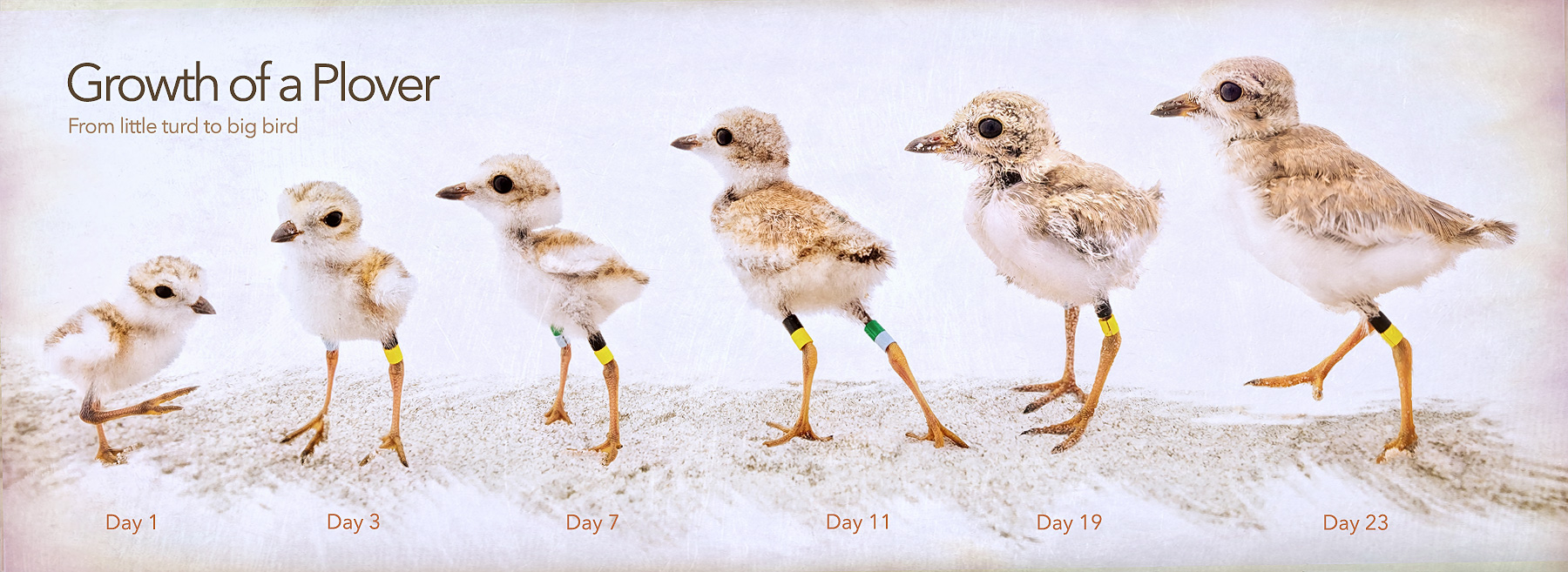
OUTSTANDING PIPING PLOVER GROWTH CHART

Friend Dawn Vesey shared the Piping Plover Growth Chart to my facebook timeline and I thought our plover lovers would enjoy seeing. The chart was made by Jim Verhagen and he has offered a high resolution version, gratis, to anyone who would like it for education/research purposes. Contact Jim via his website “Readings from the Northside.”


PLAYTIME STORIES CELEBRATES VIRGINIA LEE BURTON ON JULY 15

Live Theater Performances at Gloucester Stage for Young Audience Members Age 2 and Older

Gloucester Stage Company proudly announces A Celebration of local author Virginia Lee Burton at Playtime Stories,  on Saturday, July 15 at 10 am at Gloucester Stage, 267, East Main Street, Gloucester. An engaging combination of children’s stories and live performances for ages 2 and older, Playtime Stories offers young children the unique opportunity to experience the fun and magic of live theater as they watch their favorite books come to life onstage. Following the performance audience members will be invited to join the Playtime Stories Company in fun and interactive workshops relating to the story. Each Saturday the Playtime Stories Company, consisting of members of Gloucester Stage’s apprentice company, veteran Youth Acting Workshop students and special guest narrators will perform a children’s story against the backdrop of the story’s illustrations as well as create a dynamic weekly series of interactive events related to the story. Saturday, July 15 the stories are Mike Mulligan and His Steam Shovel The Little House narrated by Danvers native and 2016 Education Apprentice Sarah Vandewalle and performed by Youth Acting Workshop students and members of the 2017 Apprentice Company. According to Youth Acting Workshop Director and Teacher Heidi Dallin, “We had a great response to the Playtime Stories program over the past two summers. It is a terrific way for YAW to reach out to younger audiences to spark their excitement in live performance. Many of the veteran YAW students in the Playtime Stories Company have been involved in the YAW program since they were 5 years old and now they will inspire the next generation of YAW students!” Each week through August 19 Playtime Stories explores different stories ranging from classic fairy tales to new stories to works by local authors.  July 15 is a A Celebration of Cape Ann author Virginia Lee Burton with the books: Mike Mulligan and His Steam Shovel and The Little House

Playtime Stories at Gloucester Stage, 267, East Main Street, Gloucester runs throughSaturday, August 19. Upcoming books to be read and performed by the Playtime StoriesCompany include; July 22: If You Give A Mouse A Cookie, Doctor De Soto, The Little Mouse, the Ripe Red Strawberry and the Big Hungry Bear ; July 29: Where the Wild Things Are andCorduroy ; August 5 Dr. Seuss Celebration: Oh, the Places You’ll Go and Green Eggs and Ham with more stories to be announced for August 12 and August 19. All Playtime Storyperformances are held at 10 am at Gloucester Stage, 267 East Main Street, Gloucester, MA. Admission is $5. For more information or tickets, call the Gloucester Stage Box Office at 978-281-4433 or visit www.gloucesterstage.com

Old Sloop Fair at The First Congregational Church of Rockport

The Old Sloop Fair at the handicap-accessible First Congregational Church of Rockport, 12 School Street, continues Friday, July 21 and Saturday, July 22, 8:00 a.m. to 3:00 p.m., with many traditional events:  White Elephants, Art Mart, Jewelry, Hand-knits, Ken’s Collection, and Snack Bar.  This year, the fair introduces its Boutique of antique, vintage and selected special items, priced for immediate sale.  The Boutique replaces the silent auction of several prior years.  The “Indoor Yard Sale” will offer tools, lamps, rugs, garden supplies, etc., and “Kids’ Corner”, staffed by the church youth, will have items aimed for the younger crowd.

The Old Sloop Fair is one of the oldest and largest church fairs on the Massachusetts North Shore, a true Rockport tradition.  It originated in 1957 under the guidance of Pastor Ed Nutting, and is an important fund-raising activity for the church.

The First Congregational Church was organized in 1755.  The sanctuary building was constructed in 1804 as the local meetinghouse.  The tall steeple and white façade close to the shoreline resembled a ship’s sail when seen from the sea, inspiring the local fishermen to call it “The Old Sloop”.  Currently, the steeple is being restored, and much of it is sitting on the church’s front lawn.  The church is displaying regular updates on the restoration project and the opportunity to contribute to the project.

For more information, please go to http://oldsloopfair.org, send email to info@oldsloopfair.org or call 978-546-6638.


CELEBRATING DAY TWENTY WITH OUR PIPING PLOVER CHICK–ALMOST FLEDGLING

Confident Little Chick

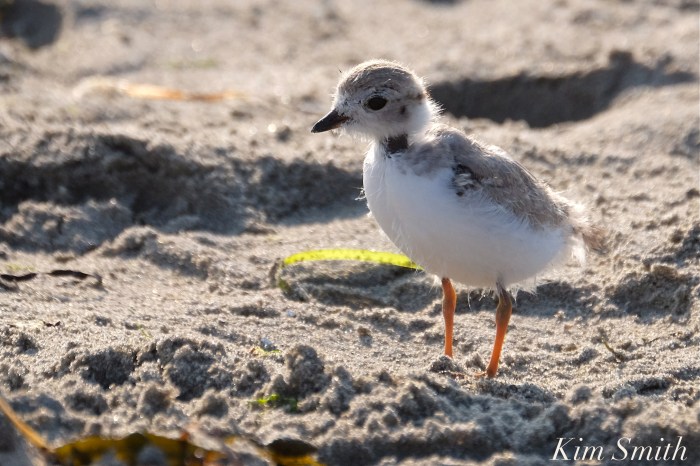
With each passing day, our Little Chick looks less and less like a chick and more and more like a fledgling. As with all Piping Plover new fledglings, the pretty stripe of brown feathers across the back of the head is becoming less pronounced, while flight feathers are rapidly growing and replacing the baby’s downy fluff. It won’t be long before we see sustained flying.

Little Chick spent a good part of the morning at the intertidal zone finding lots of yummy worms and mini crustaceans.

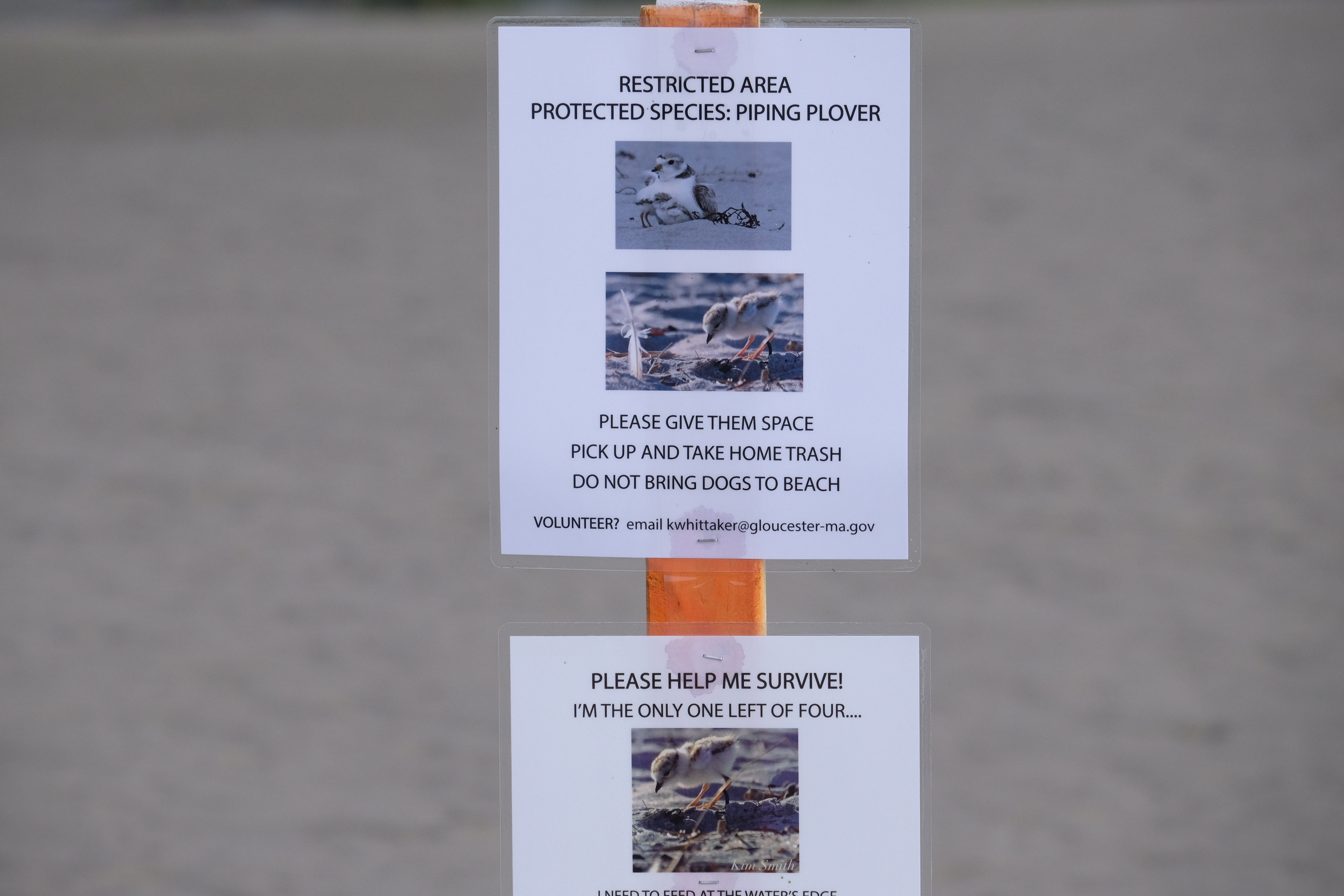
Thanks to all our volunteers for their continued work in monitoring the Good Harbor Beach Piping Plovers. Volunteer Hazel Hewitt has created a series of informative signs, placing them all around the beach and at every entrance. 

Thanks to GLoucester High School Coach Mike Latoff and the players for keeping an eye on the Plovers.

Papa Plover, sometimes feeding in close proximity to Little Chick, but more often, now watching from a distance. Twenty-day-old Piping Plover Chick