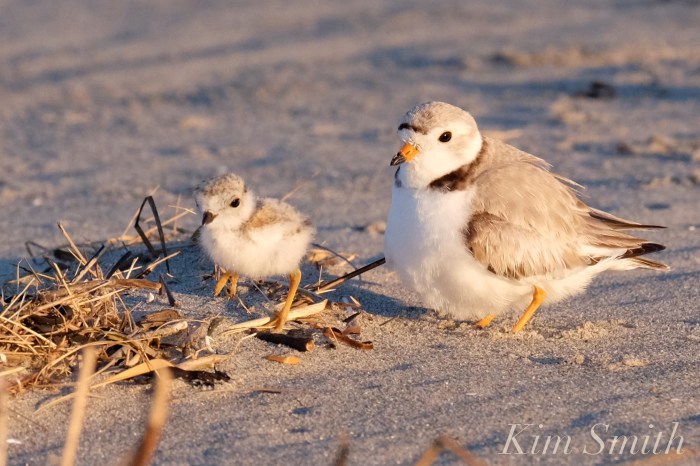
COMMON EIDER DUCKLINGS AT CAPTAIN JOES!

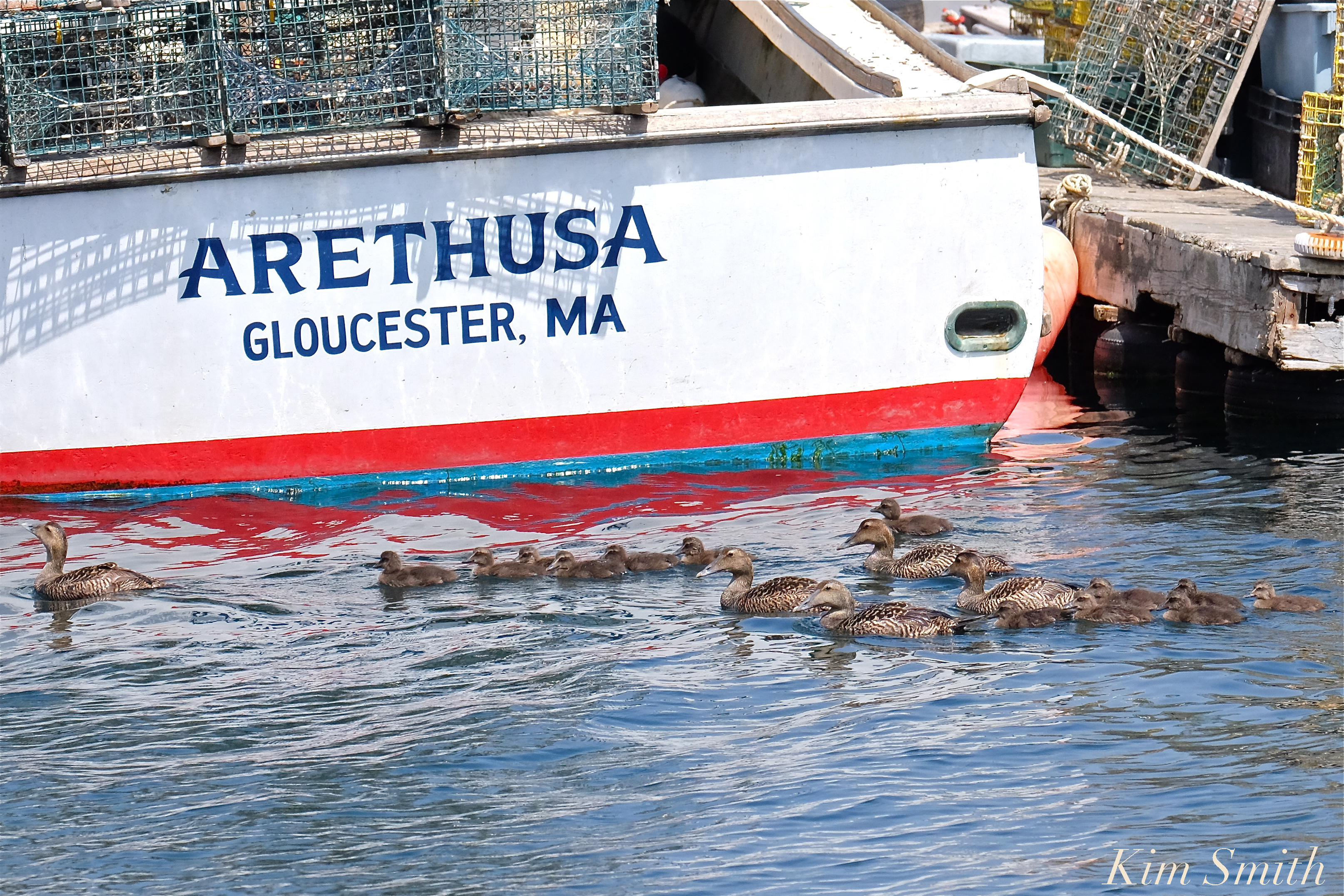
Lobster Boat Arethusa and Crèche of Common Eider Hens and Ducklings

You never know what wonderful glimpses of wild life you may encounter at Captain Joe and Sons. Sunday morning during the podcast, a crèche of fourteen Common Eider ducklings and their mother hens were spotted, bobbing in the waves and foraging at the edge of the dock.

Common Eider Moms, along with non-breeding “aunties,” band together for protection. The individual broods come together to form a crèche, which may include as many as 150 ducklings!

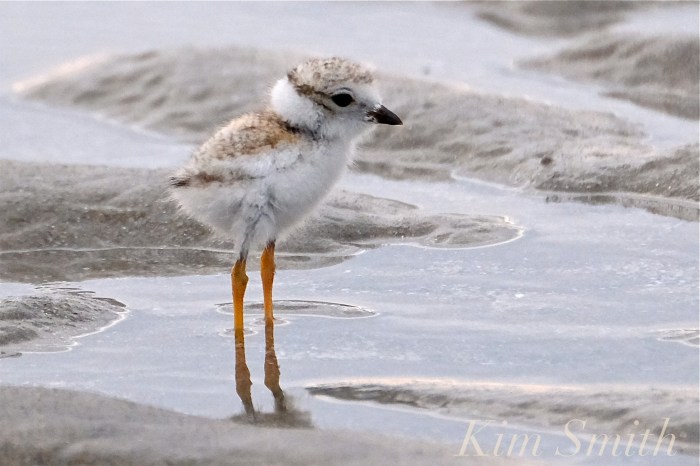
HAPPY TWO-WEEK-OLD BIRTHDAY TO OUR LITTLE PIP!

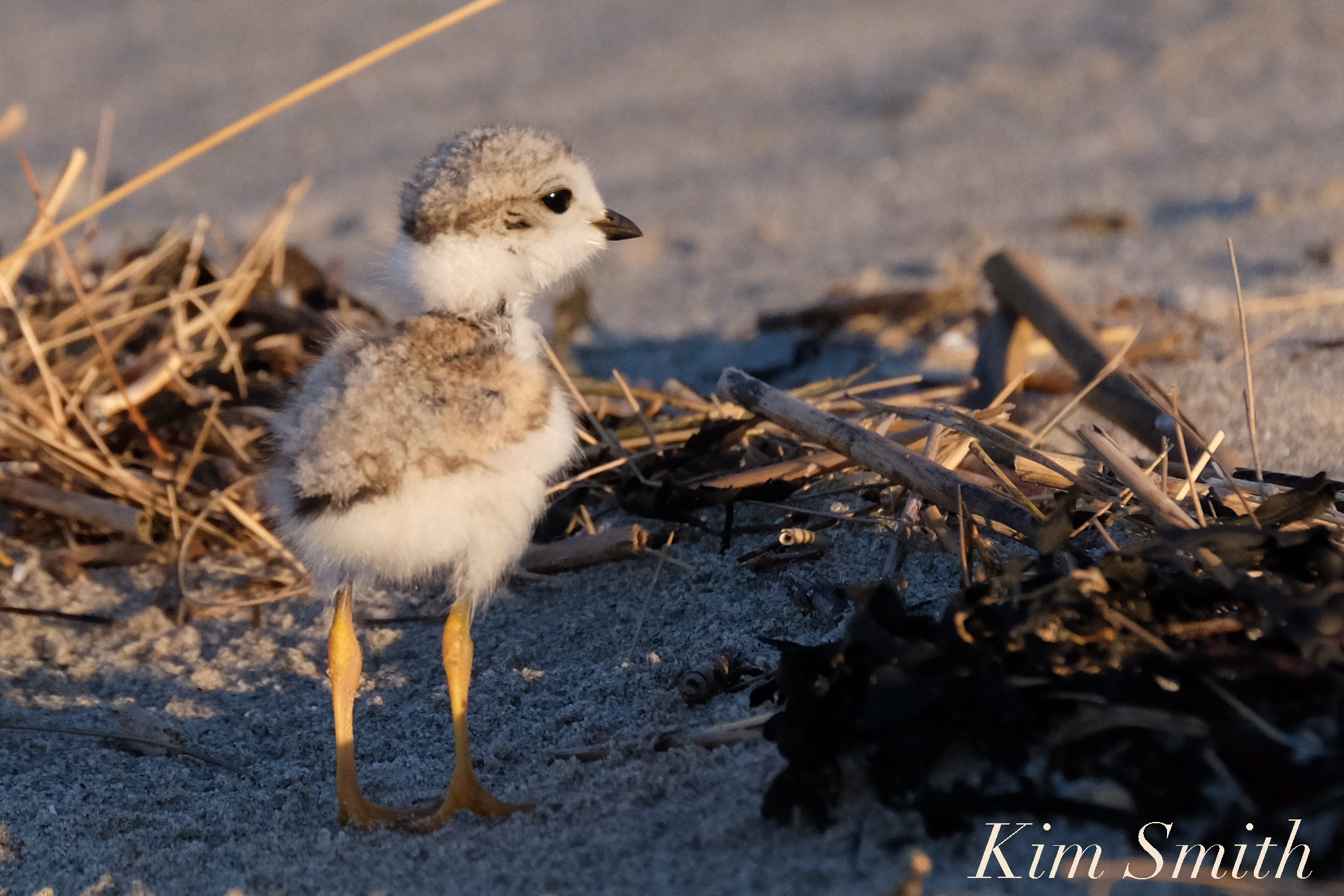
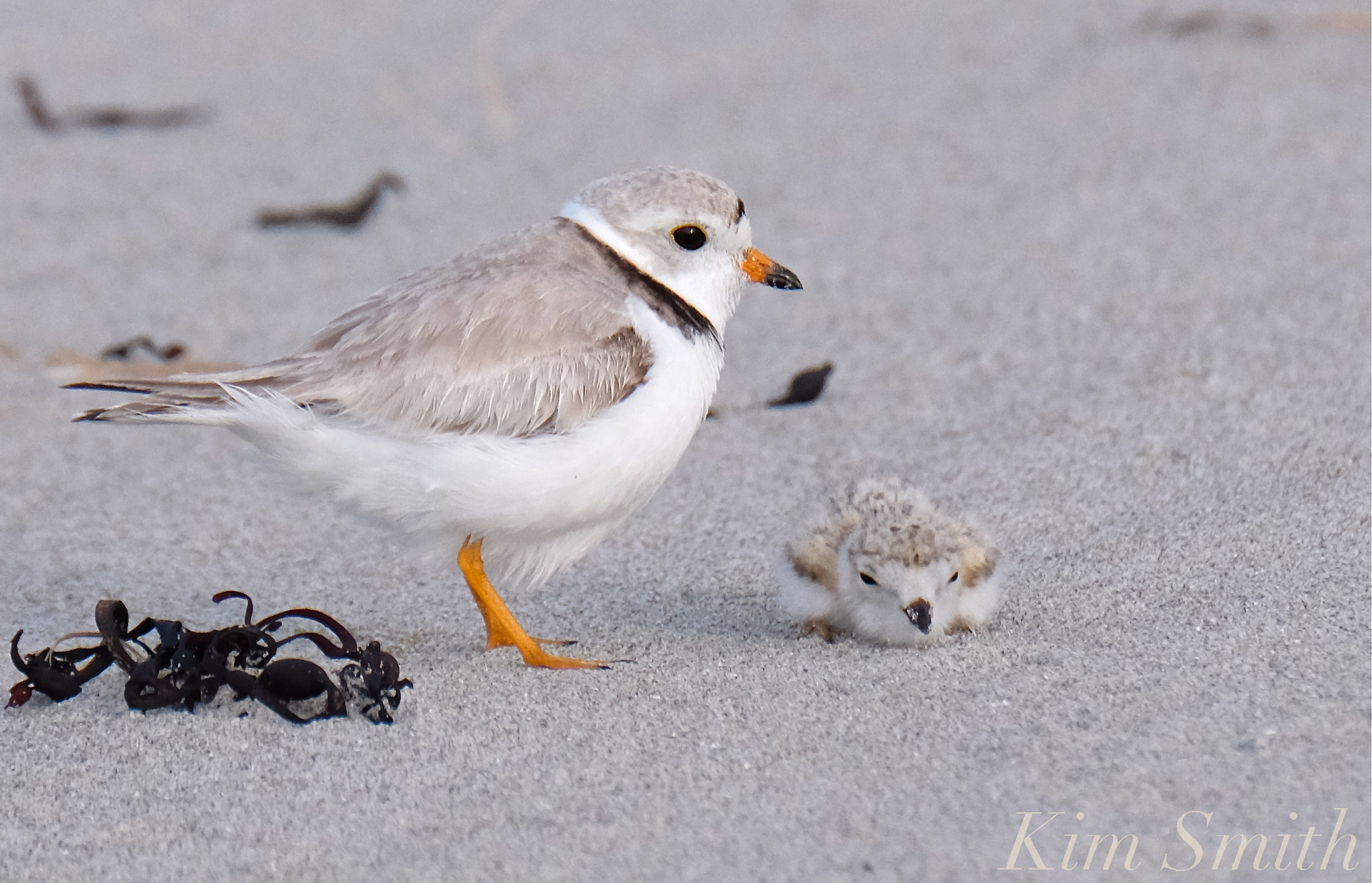
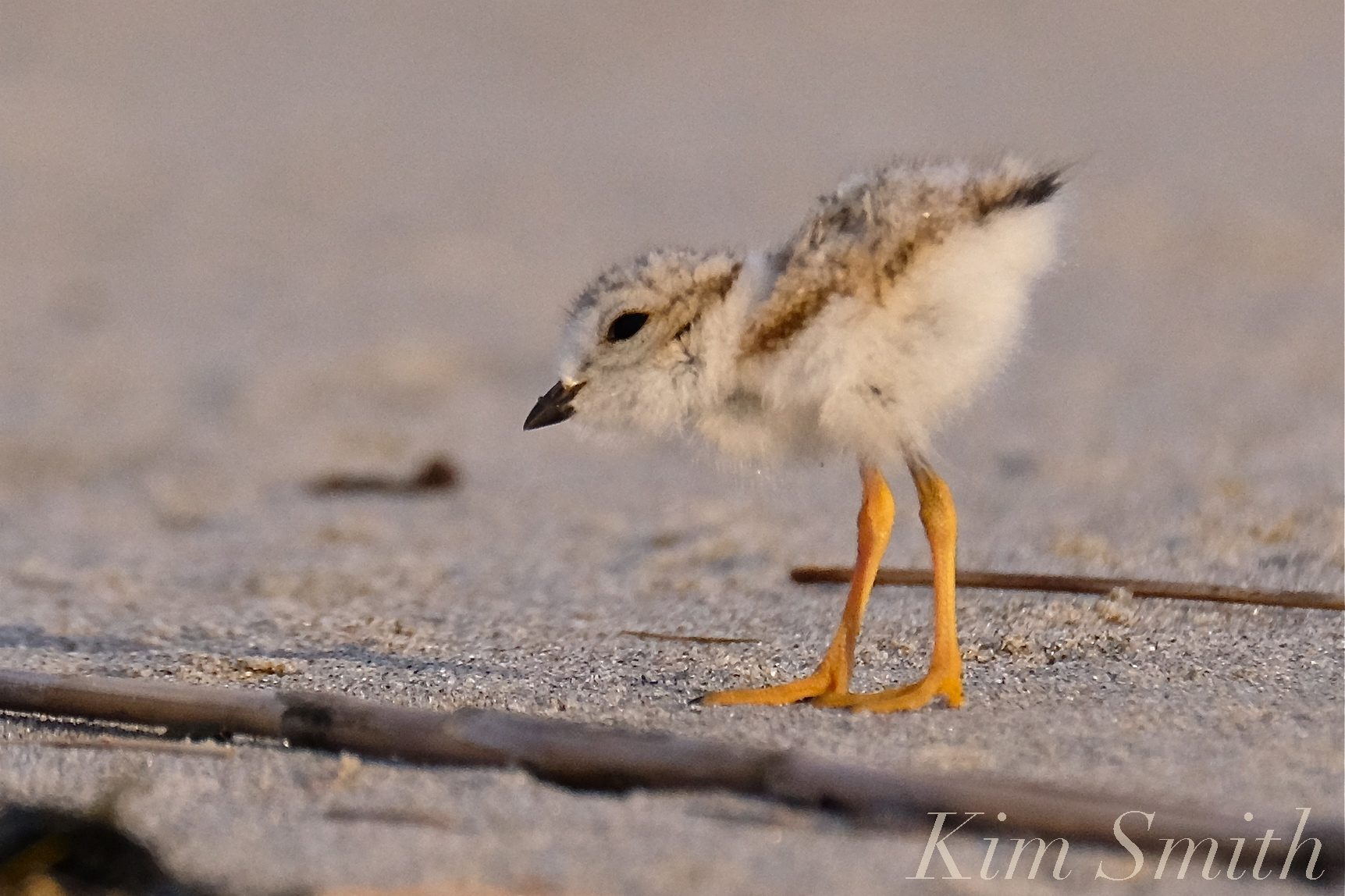
Our Good Harbor Beach Piping Plover Little Pip made the two-week-old milestone on Saturday!!!

To survive two whole weeks is an important date for a Piping Plover chick. Pip’s chance of fledging has improved exponentially.
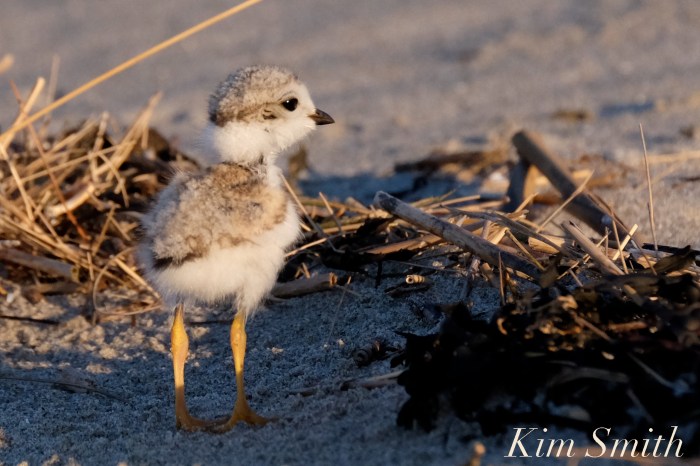
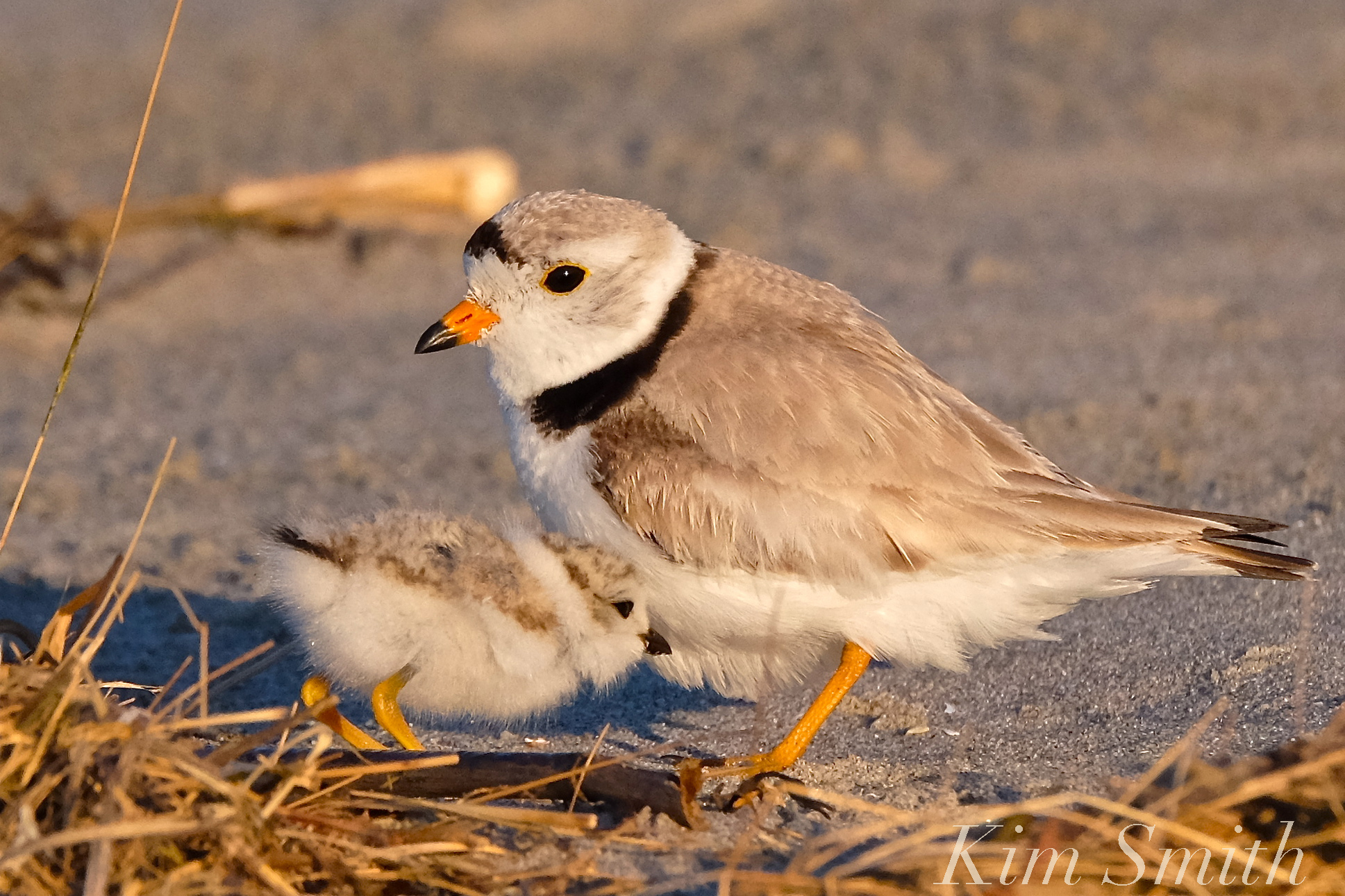
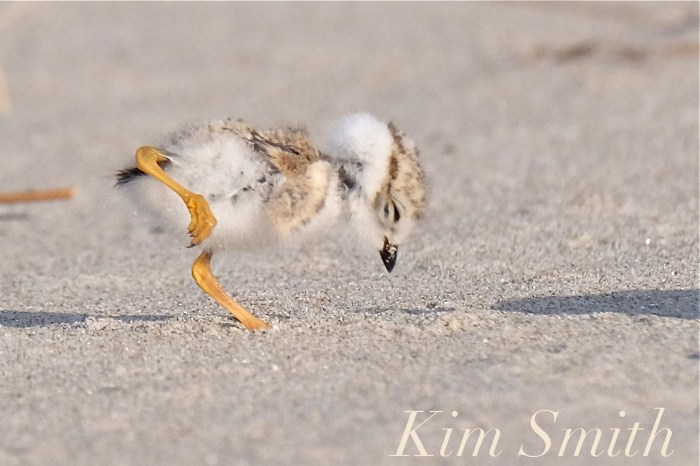
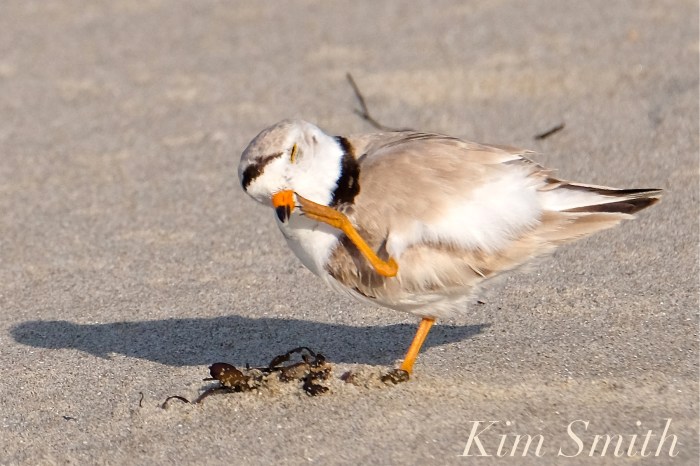
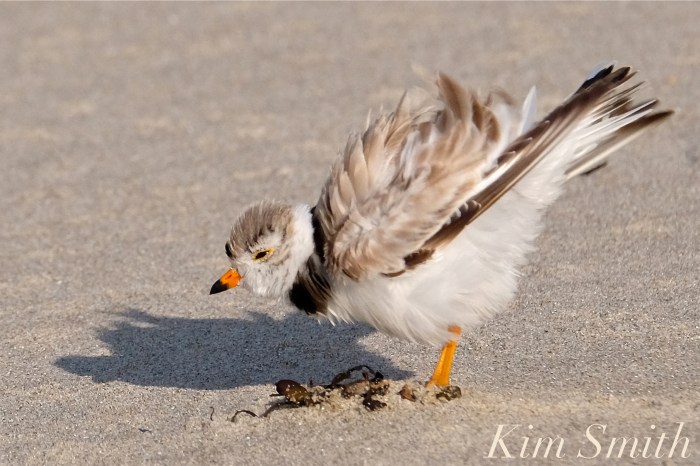
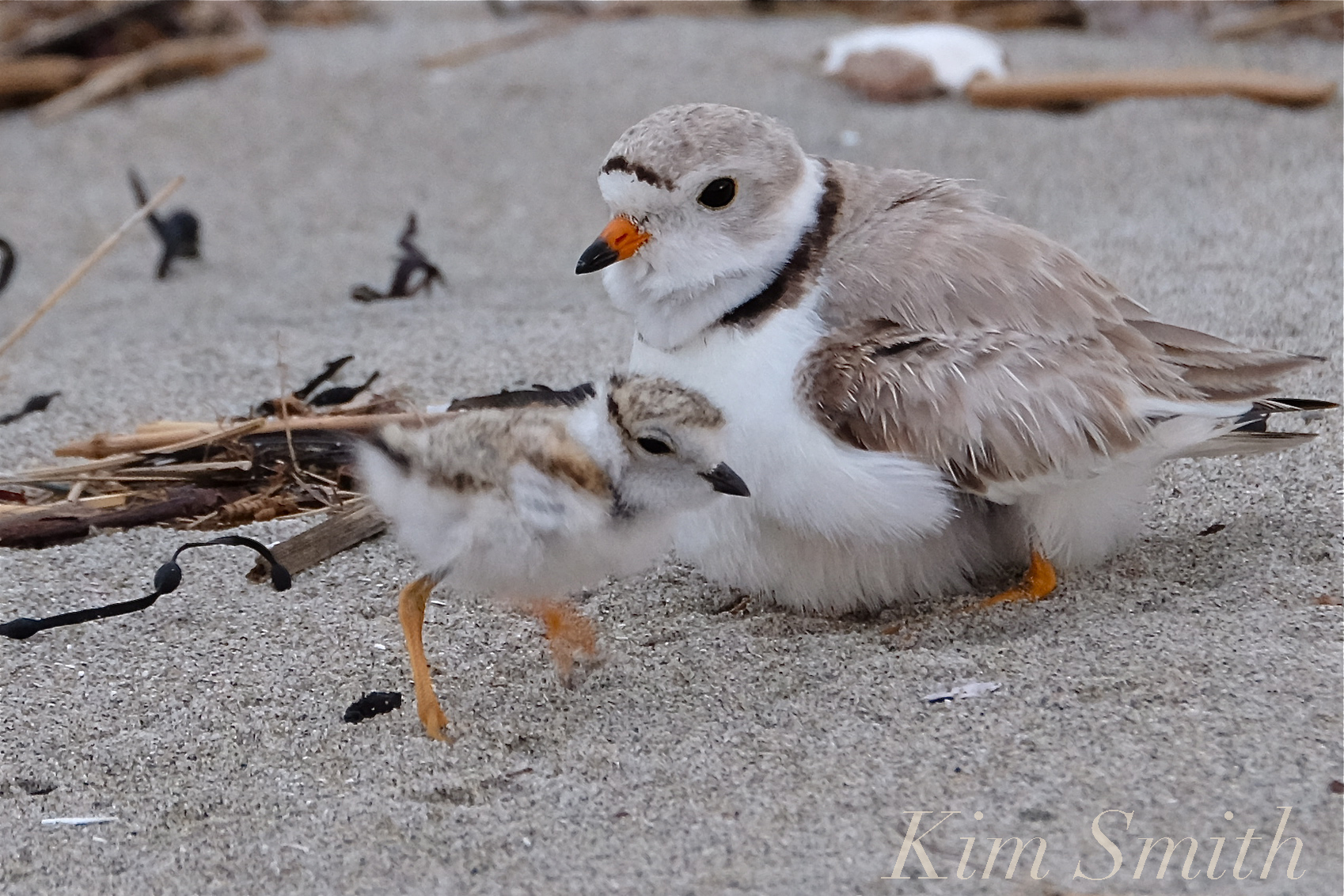
Every day he grows a little stronger, a bit taller and rounder, and noticeably faster. Less sleepy-eyed when waking up from snuggling under Mom or Dad, out he zooms from the warm wing of the parents like a jet-propelled rocket. And now he does this fascinating thing with his wings. Just as did Little Chick last year, at top speed, he zings and zangs with wings aflutter and aflap, seeming airborne for a few seconds. He won’t be able to sustain flight for another several weeks, but won’t it be marvelous when he does!
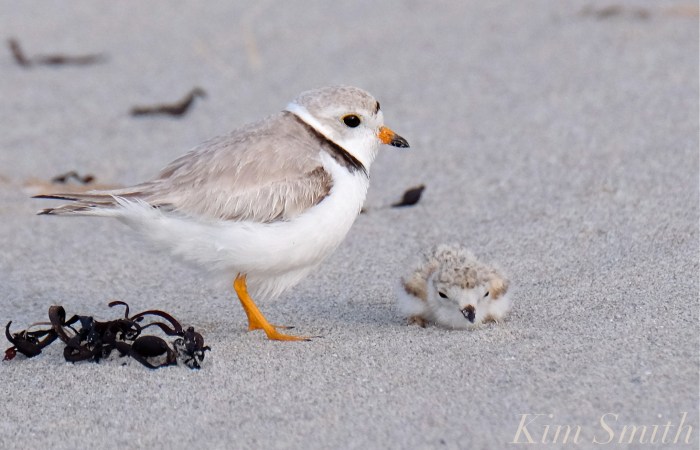
Piping Plover chicks and parents communicate with a wide range of piping calls. We are more likely to hear Mama and Papa’s shrill, urgent notes warning of pending danger. But more often, both chicks and parents communicate in soft, barely audible gentle notes. At about twelve days old, our Little Pip appeared to understand, and respond more quickly, to the piping calls of the parent’s commands. He now flattens level with the sand when Mama and Papa pipe danger notes, or when a predatory bird flies overhead.  

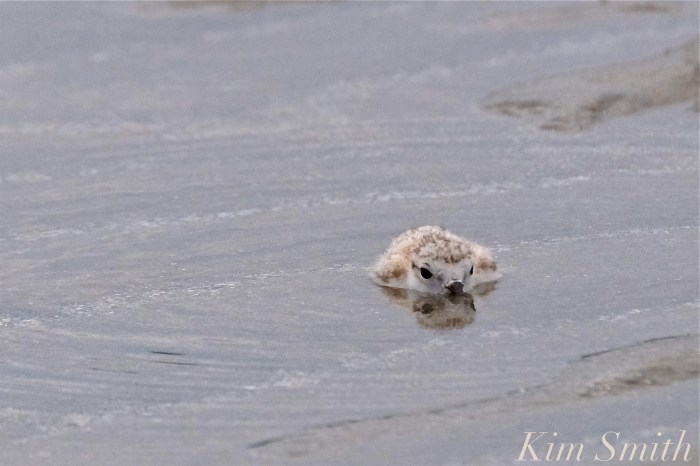
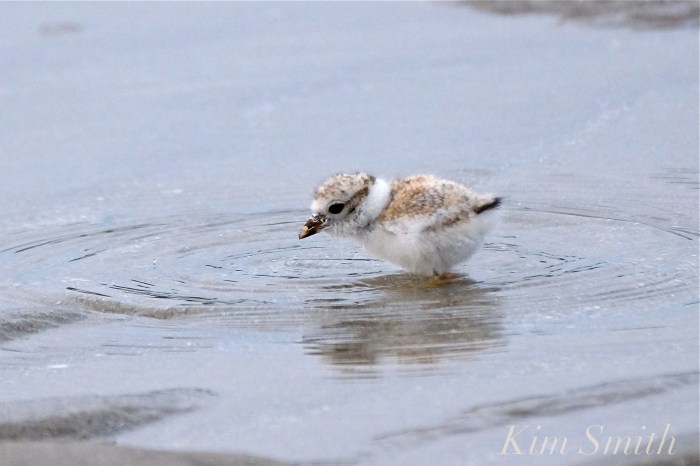
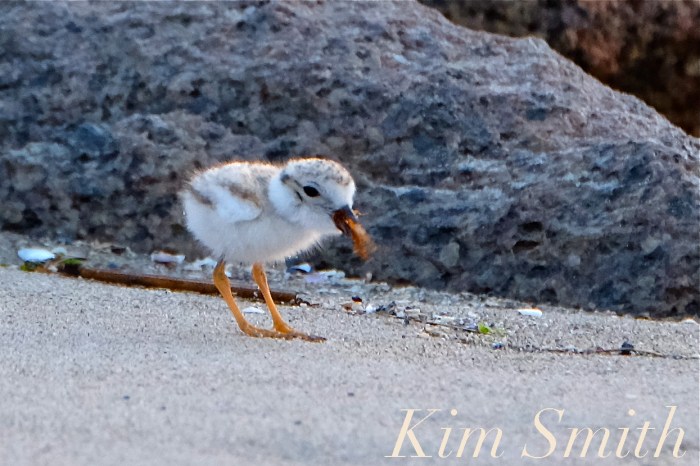
Dip-diving in the tide pools for breakfast!

This insect was so large, from a distance I at first thought Pip was eating seaweed. He swallowed the bug in one gulp!

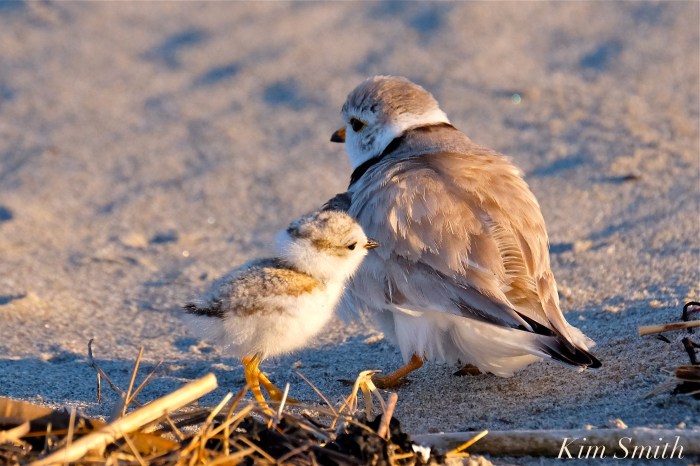
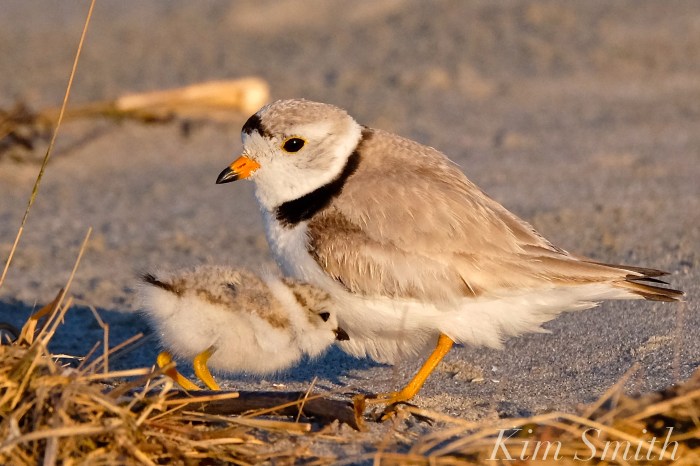
Pip continues to snuggle under wing, but will do so less and less frequently as he develops and is better able to thermoregulate. I recall our Little Chick last summer attempting to snuggle under Papa Plover even at thirty-days-old, which by the way, looked terribly silly, but sweet, to see a chick nearly as large as the parent try to snuggle under its wing.
*   *   *

Two weeks ago Saturday, our lone surviving chick hatched in the parking lot at Good Harbor Beach. Despite being driven off the beach by dogs running through the nesting area (sadly finding the lot to be the least dangerous place to nest), Mama and Papa PiPl successfully hatched four chicks from four eggs. This would not have been possible without a whole lot of help from Gloucester’s DPW, Essex County Greenbelt’s Dave Rimmer, Gloucester’s conservation agent Ken Whittaker, and a core group of super dedicated volunteers.

After spending the first day in the parking lot, the family of six–Mama, Papa, and four one-day-old chicks made the epic journey across the width of the parking lot, through the landscape of tall dune grass, tumbling down the steep slope of the dune, and into the roped off nesting area. Had Papa and Mama pre-planned this route? I think yes.

Life for a Piping Plover chick, especially at Gloucester’s most well-loved and highly trafficked of beaches, is impossibly tough. The first chick to perish was eaten by a gull, the second was taken out by a dog off leash in the nesting area, and the third, by a crow. In one way or another, the trail as to why these tender little shorebirds perished leads to the heavy footprint left by people.

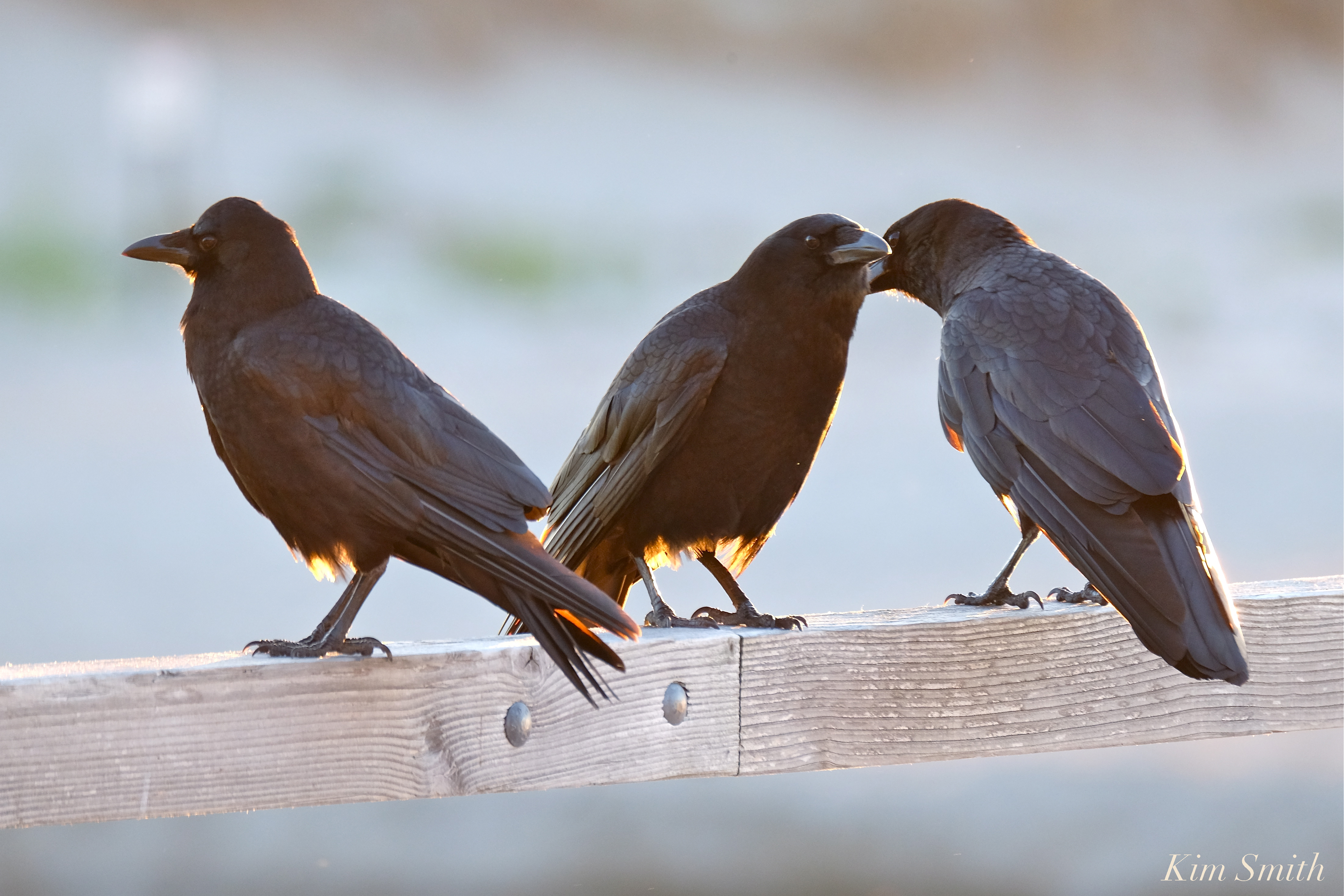
Morning meet and greet of the Crow Breakfast Club, held every day on Nautilus Road following a warm sunny beach day.

Same for the Seagull Breakfast Club

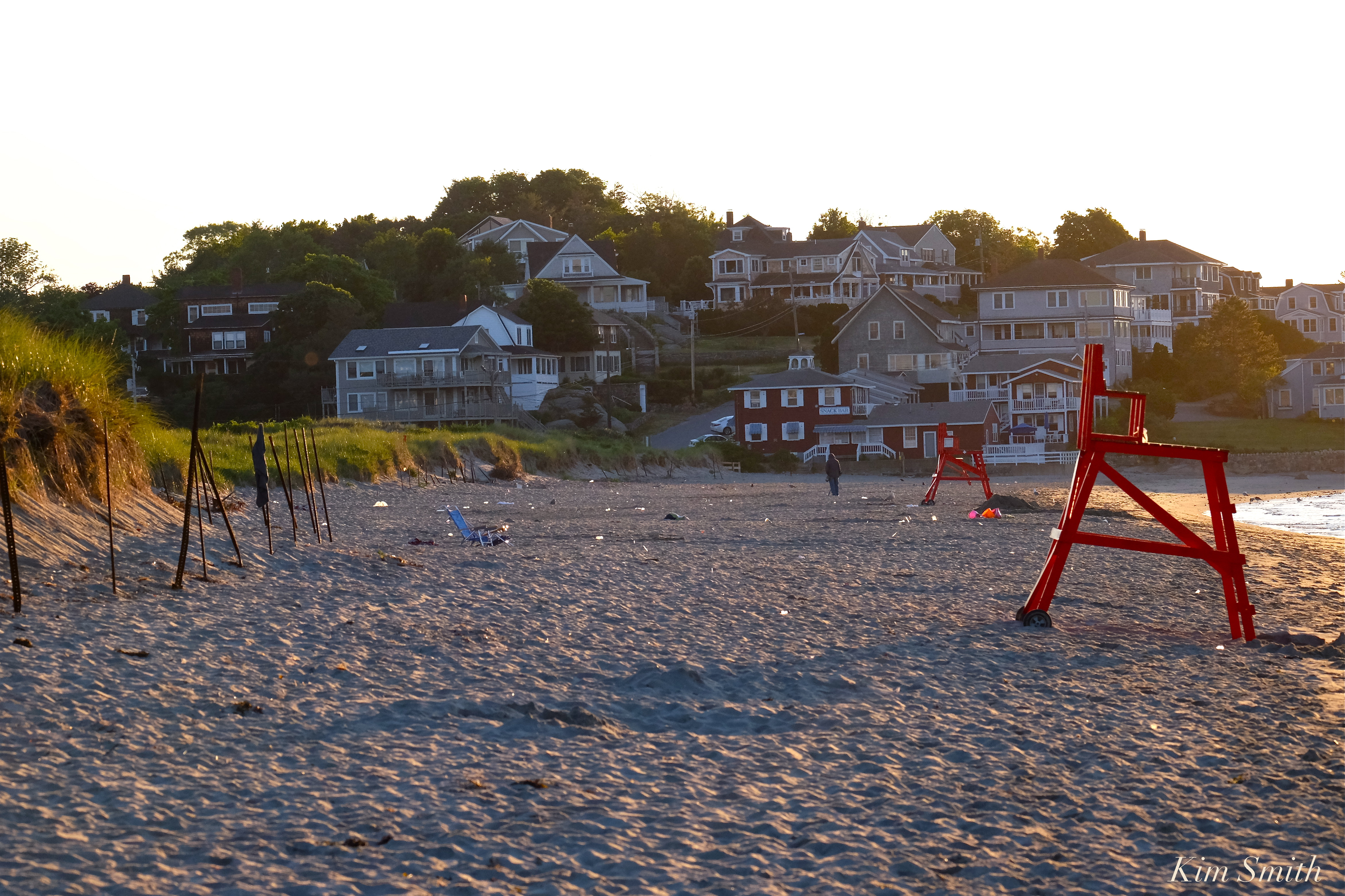
Gloucester does not have a seagull and crow problem, but we do have a littering, as well as a lack of trash barrels problem. If the crows and gulls were not finding the mounds of trash littering the beach, and piled at the entryways to the beach, each and every single morning, they would simply find somewhere else to forage. Bright and early, every morning the DPW crews arrive to clean the beach, but what happens before they arrive? For the first three hours of daylight, the crows and gulls devour a smorgasbord of tantalizing treats, feasting on loose garbage strewn the entire length of the beach, in the parking lot, and at all the entrances to the beach. Forget placing the garbage in bags if the bags are not contained in barrels; the birds, rats, and coyotes knowingly rip right through them. The plastic cups, bottles, to-go containers, and accoutrements blow freely through the dunes and marsh and eventually, all is carried into the ocean.

The trash problem holds true throughout the city. If folks stopped feeding the crows and gulls, and we solve the garbage problem, we will rid ourselves of ninety percent of the issues surrounding gulls, crows, coyotes, and rats. Carry in, carry out works to a degree, but barrels are sorely needed at locations such as the entrance to the footbridge. Additionally, residents would ideally place their garbage, in barrels, the morning of trash collection (as opposed the the night before), dumpsters always kept tightly covered, and littering laws strictly enforced.

A friend from North Carolina shared that the beaches in her community are pristine. How do you do it I asked? Two simple solutions. Number one is barrels and number two is enforcing littering laws. Every few weeks, police patrol the beaches and hand out fines for littering. After a few weeks or so, people become lax about littering, and out come the police handing out another round of fines. Would this be a money-maker for the City of Gloucester I wonder?

Plastic glistening in the morning sun – Good Harbor Beach, before the DPW arrives.

Dogs off leash at Good Harbor Beach continue to frustrate us all. Despite stepped up enforcement, local residents and out-of-towners continue to flaunt the rules and the No Dogs signs. Every single day, we monitors see dog owners with their dogs, and dog tracks, at Good Harbor Beach.

Dune fencing, which is slated to be replaced after the Piping Plovers leave, is going to help to keep the dogs (and people) out of the dunes. I hope well placed signs that speak to the fragility of the dunes will also accompany the new fencing. If you can imagine, people allow their dogs to run freely through the dunes and also use the dunes as their personal bathroom. Sometimes the scofflaws don’t even bother to climb the dunes, but run right through the nesting area and stand in broad daylight at the base of the dunes, in full view of all, to relieve themselves.
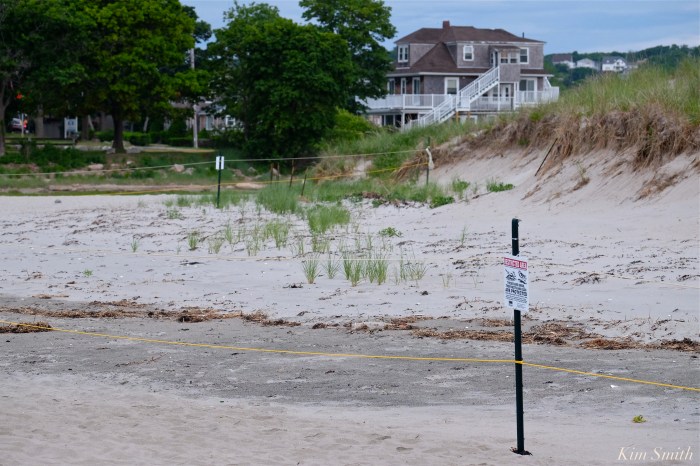
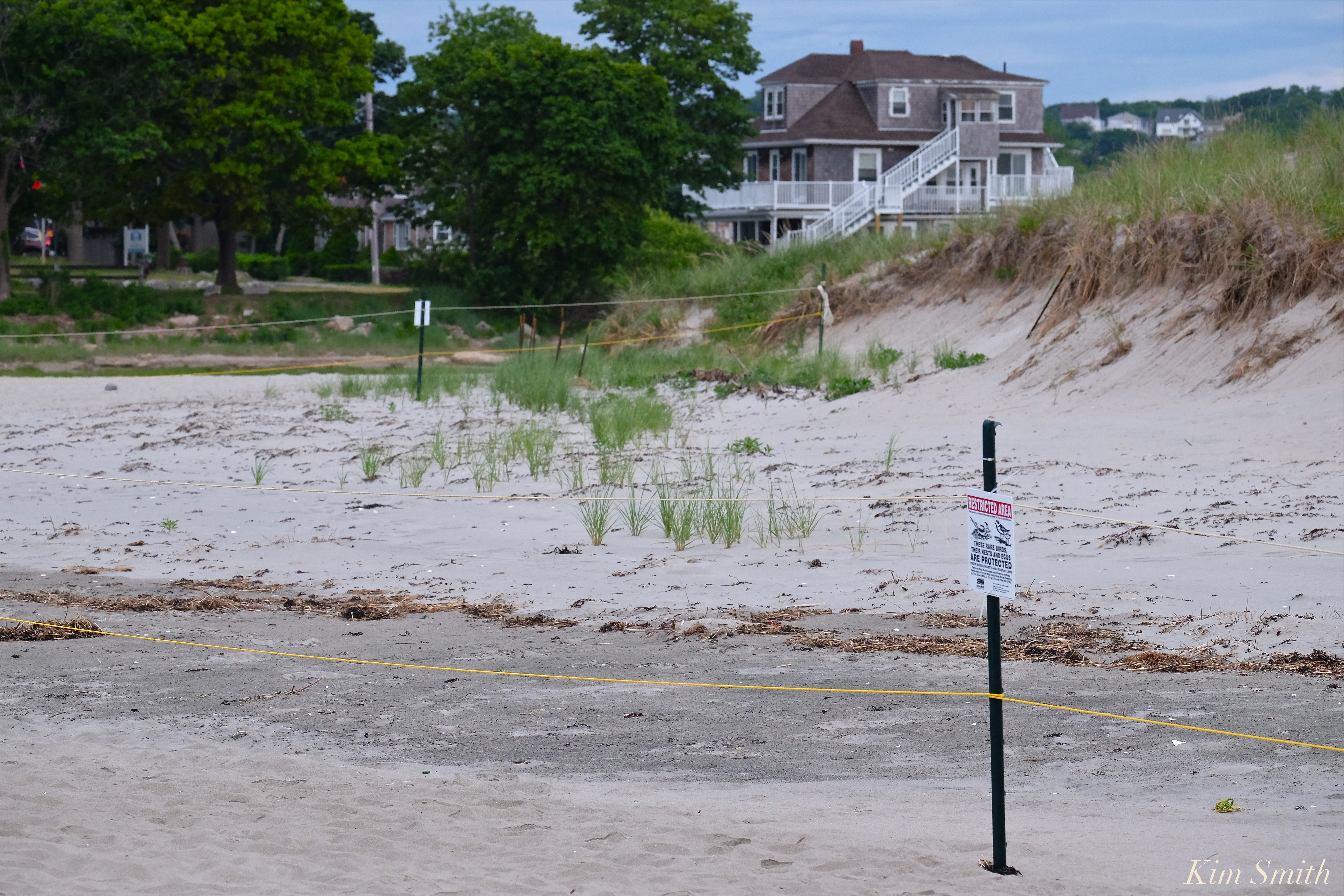
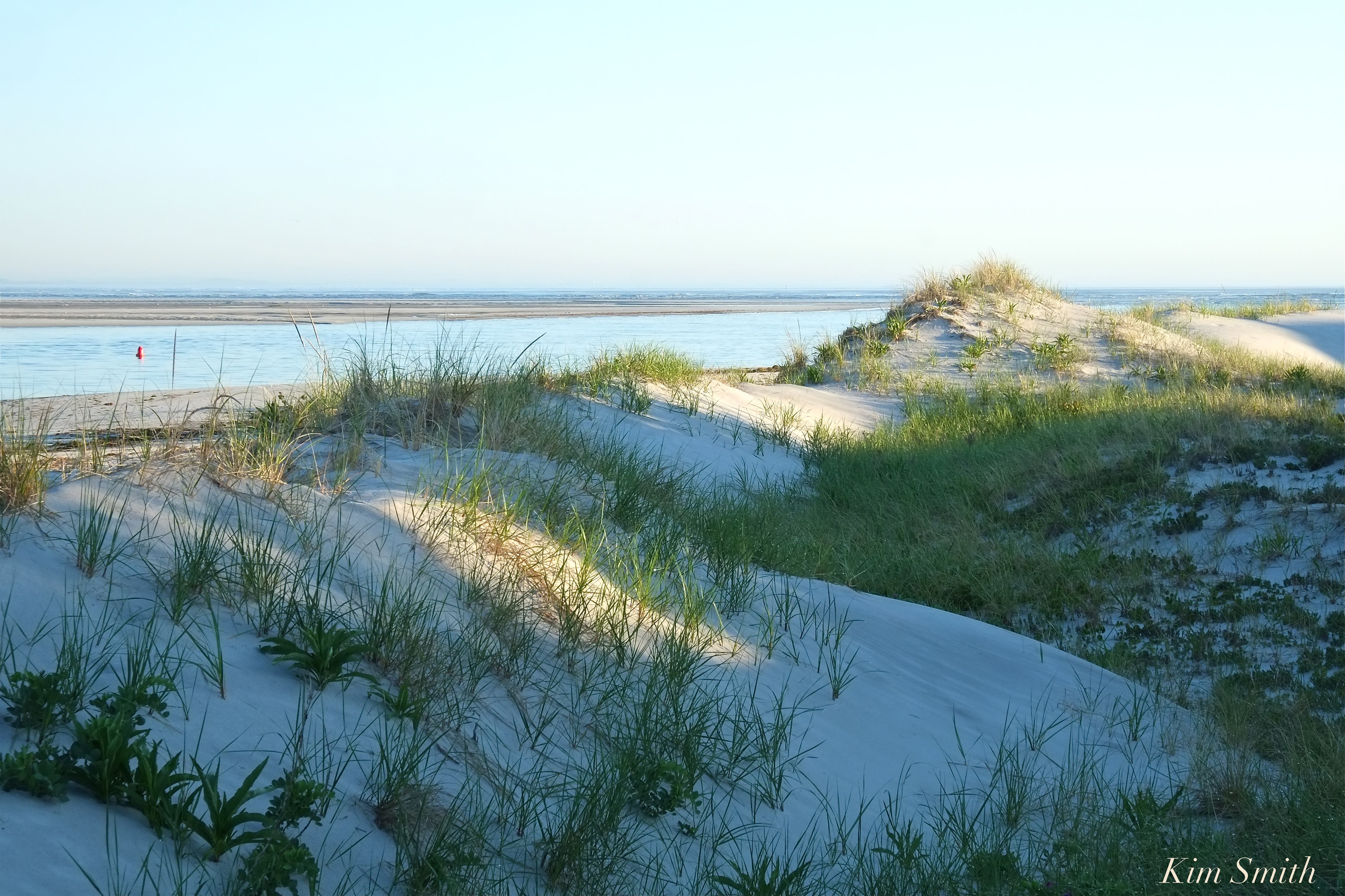
Note the beach grass growing at the base of the dunes where the roping has been in place since mid-April. I hope this area continues to be roped off, even after the PiPls depart. Growing sturdy patches of dune grass will help tremendously with the ever increasing problem of beach erosion.
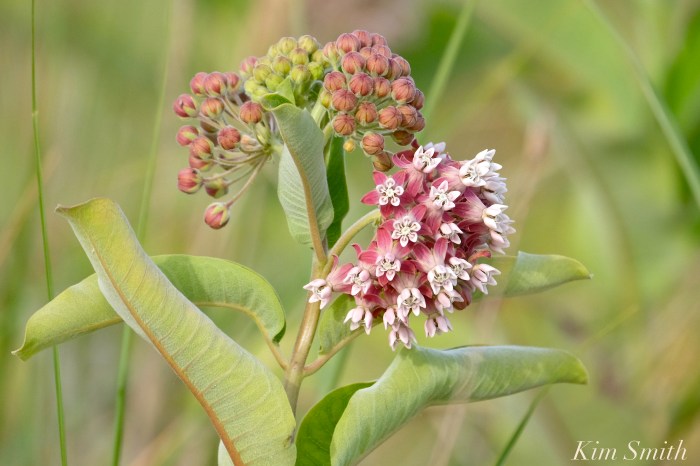
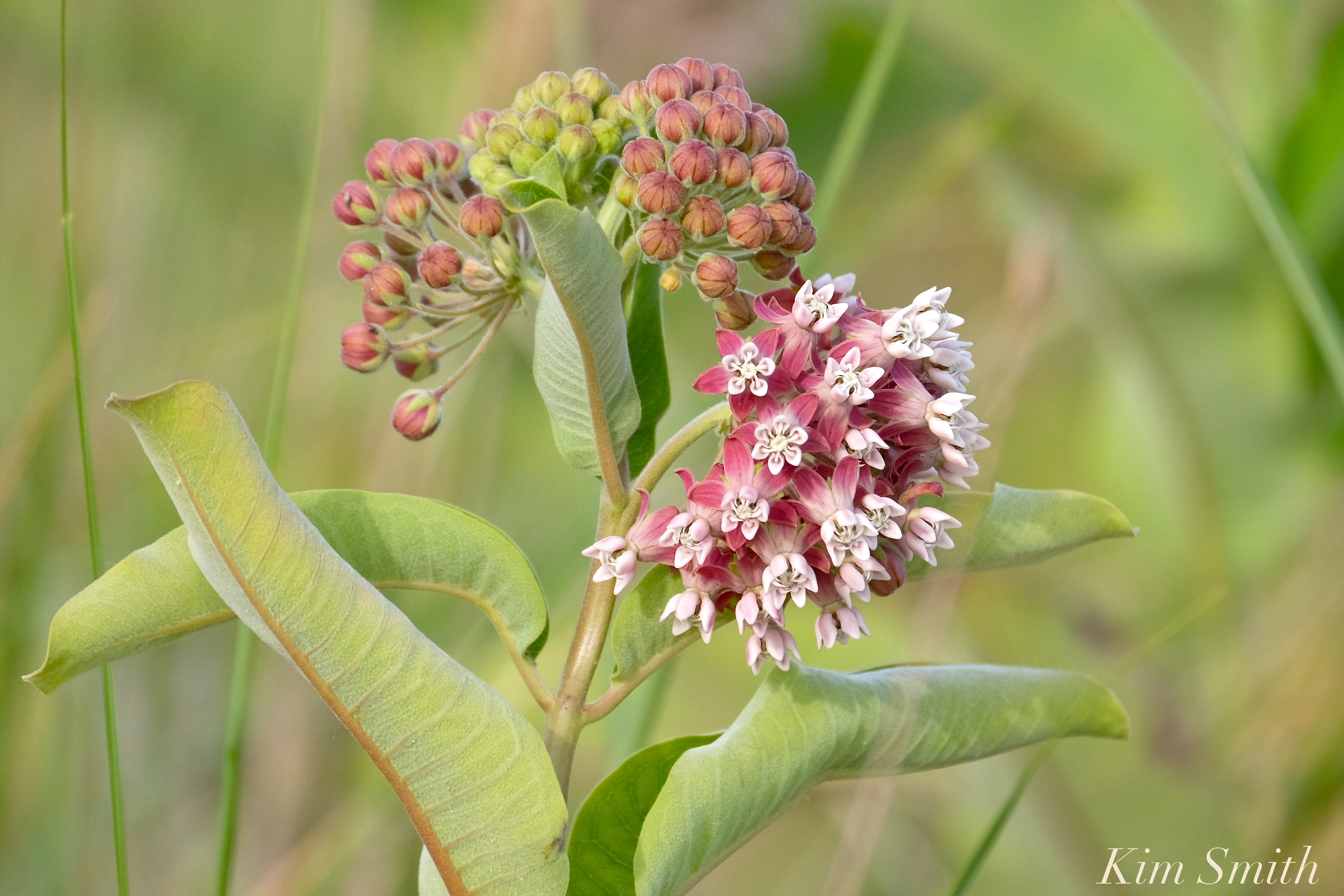
Common Milkweed (Asclepias syriaca) is coming into bloom at the Good Harbor Beach dunes. The many species of wildflowers found growing in the dunes provides myriad species of wildlife with both food and shelter.
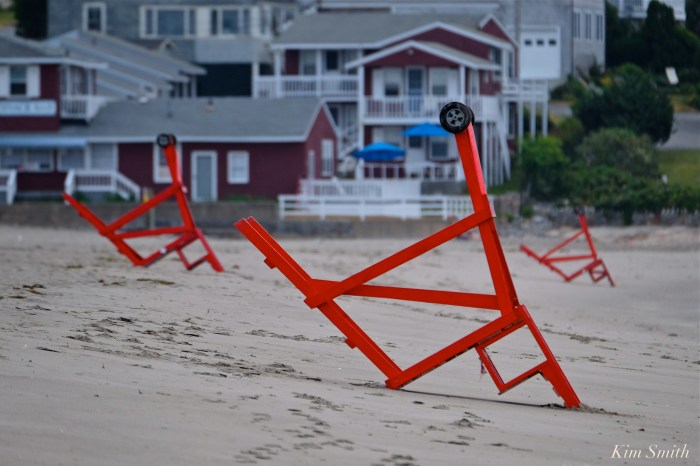
Why?

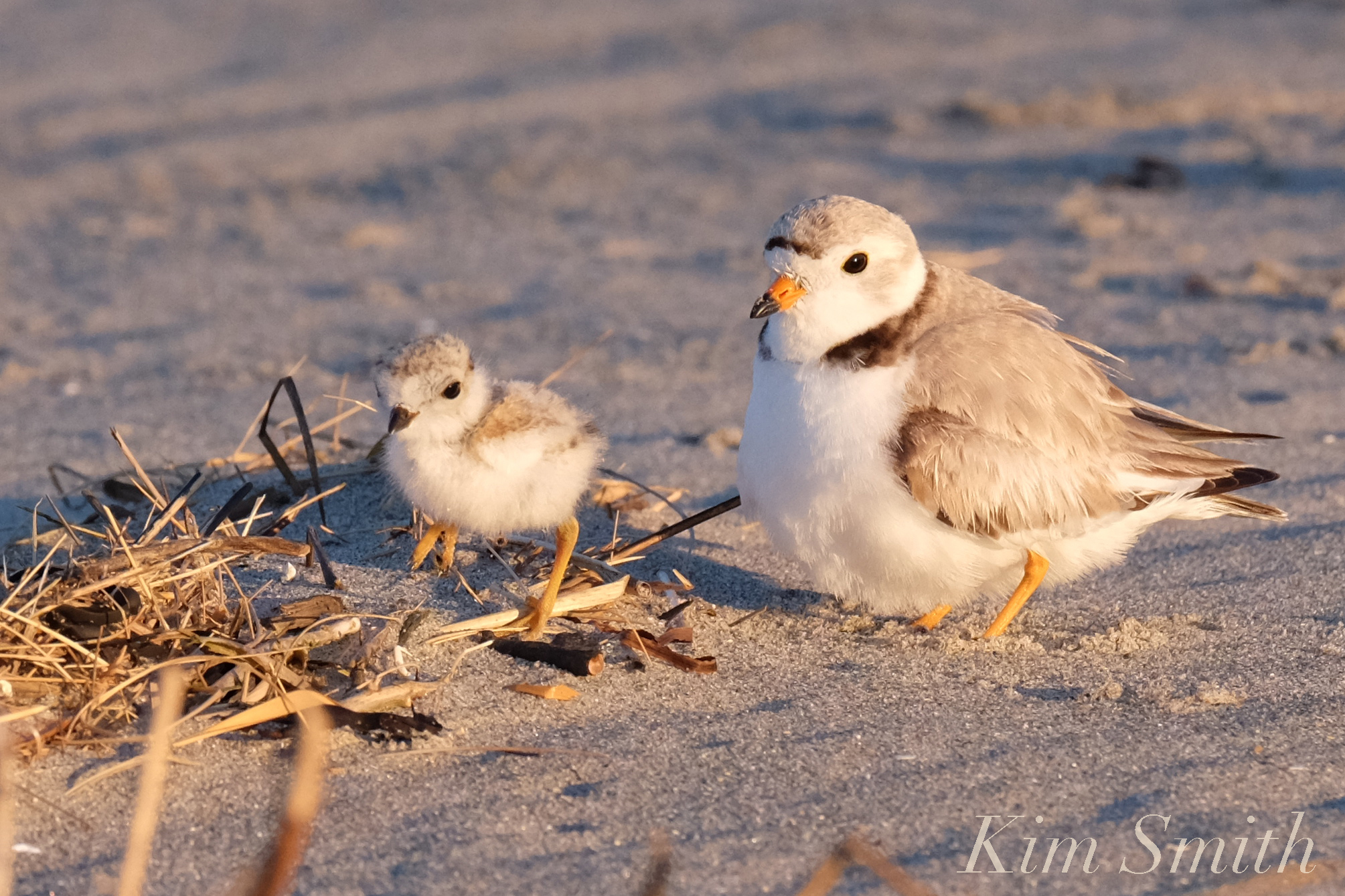
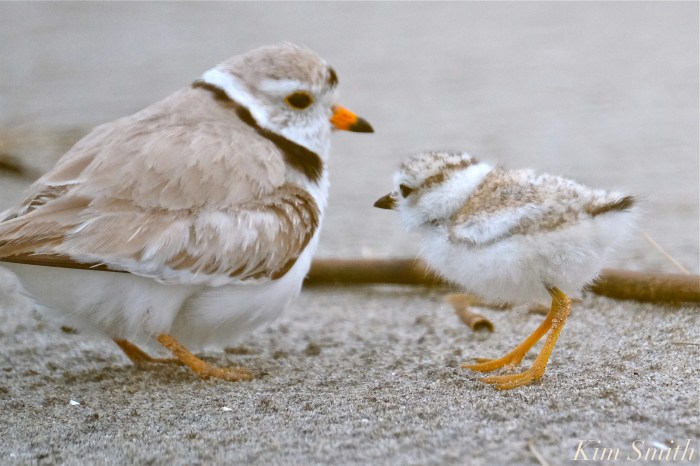
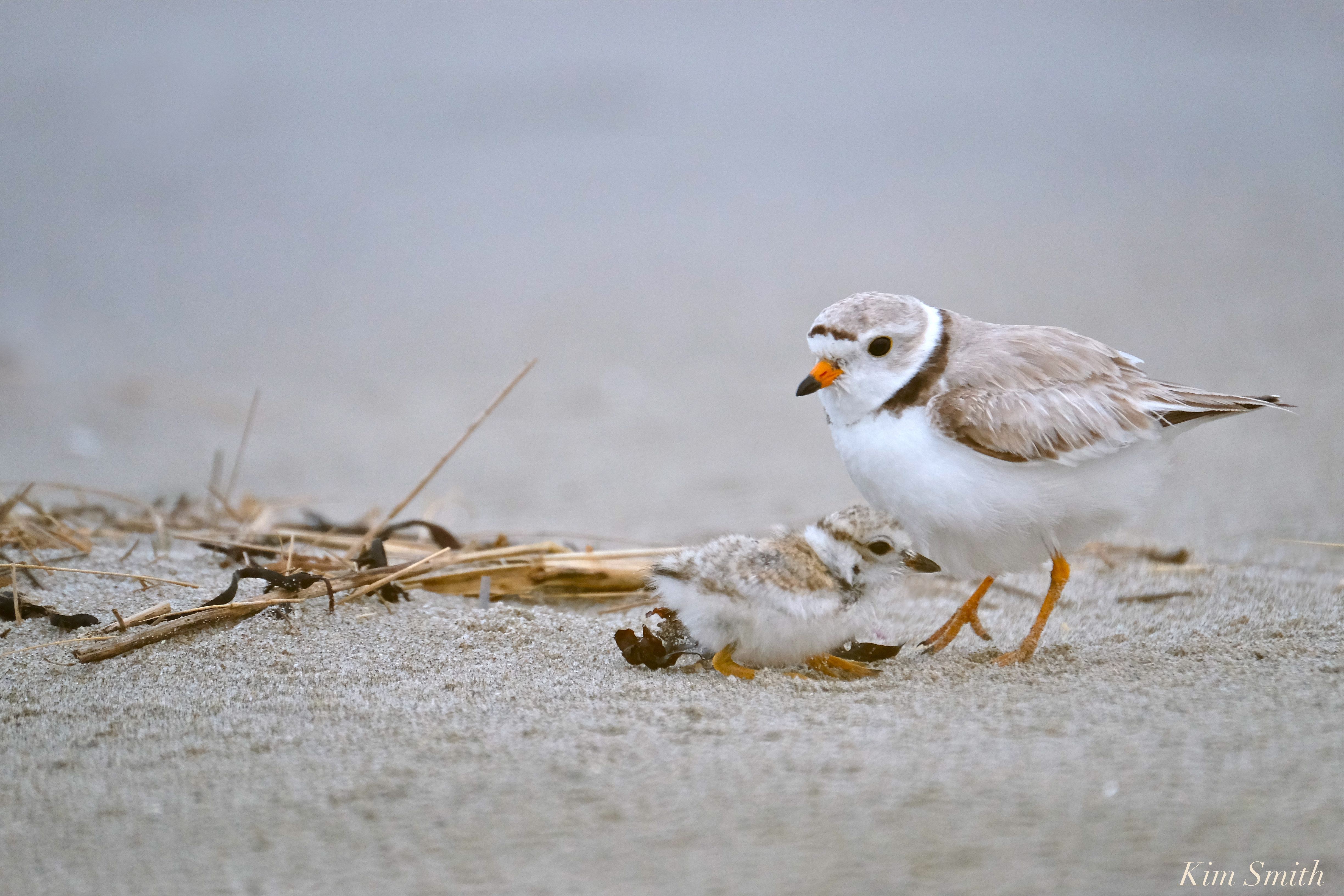
Fifteen-Day-Old Piping Plover Chick and Mama 


JAZZ and BERNSTEIN:  Two “Starry Nights” in Annisquam July Series

JAZZ and BERNSTEIN:  Two “Starry Nights” in Annisquam July Series


The Sun, the Moon, but Mostly the Stars,”  a unique program of jazz standards and original compositions created to celebrate the Japanese Star festival, Tanabata, headlines the first of two concerts at the Annisquam Village Church in July.  Slated for 7/7 at 8 pm (July 7th is the date of the Tanabata festival), the Billy Novick Trio incorporates the cosmic atmospherics with celestial jazz: Billy Novick on clarinet and keyboards, Swiss-born Gabriela Martina on vocals, and Dave Clark on Bass.

Projections of the summer sky will serve as background with a lively intermission ‘pageant’; a reception follows, with ‘star bites’ and punch for all.

A Centennial Tribute to Leonard Bernstein” on July 22 at 8 PM shines more starlight on this celebrated American composer in a review of Bernstein’s best-loved works. Pianists Beverly and Andrew Soll back up vocalists Tiffany Baxter, Angel Jajko, and Mark Morgan, covering everything from “West Side Story” to the “Kol Nidre” on this 100th anniversary of Bernstein’s birth.  A reception follows.

Settled as the Third Parish of Cape Ann, the historic Annisquam Village Church offers ideal acoustics in an intimate, New England setting. The church is located at the head of Lobster Cove, 820 Washington Street (corner of Leonard and Washington Streets), in Gloucester 01930.  Handicap accessible.

Performances are at 8 PM.

Admission: $20 at the door or in advance with Brown Paper Tickets

Students $15. at the door

The Sun, the Moon, but Mostly the Stars

Buy advance tickets at:

https://www.brownpapertickets. com/event/3504288

A Centennial Tribute to Leonard Bernstein

Buy advance tickets at:

https://www.brownpapertickets.com/event/3511898

Darwin’s Basement, a New Dark Comedy by JoeAnn Hart


Dear Friends,

As part of Gloucester Stage Company’s Never Dark series, my play, Darwin’s Basement, a dark comedy about hoarding with environmental undertones, will have a staged reading July 1st, 7:30 pm. Please come!

The reading is directed by the superlative Ron Wyman, founder of ZeroGravity Films, who creates documentaries about politics, world culture, and the arts. The amazing cast includes Marya Lowry, Jessica Webb, Alex Jacobs, Trisha Zembruski, and Michael Kelly. They have all generously donated their time and talent to put on this production, and I look forward to seeing my work come to life through them.

This event is free and open to the public, but if you want to be sure you get a seat you can reserve one here: http://gloucesterstage.com/darwins-basement/

Hope to see you there! 

JoeAnn

GOOD HARBOR BEACH WEDDING – CONGRATULATIONS TO THE HAPPY COUPLE!

Sweet Good Harbor Beach wedding scene – do any of our readers know who is the happy couple? Did they meet at #3 boardwalk?

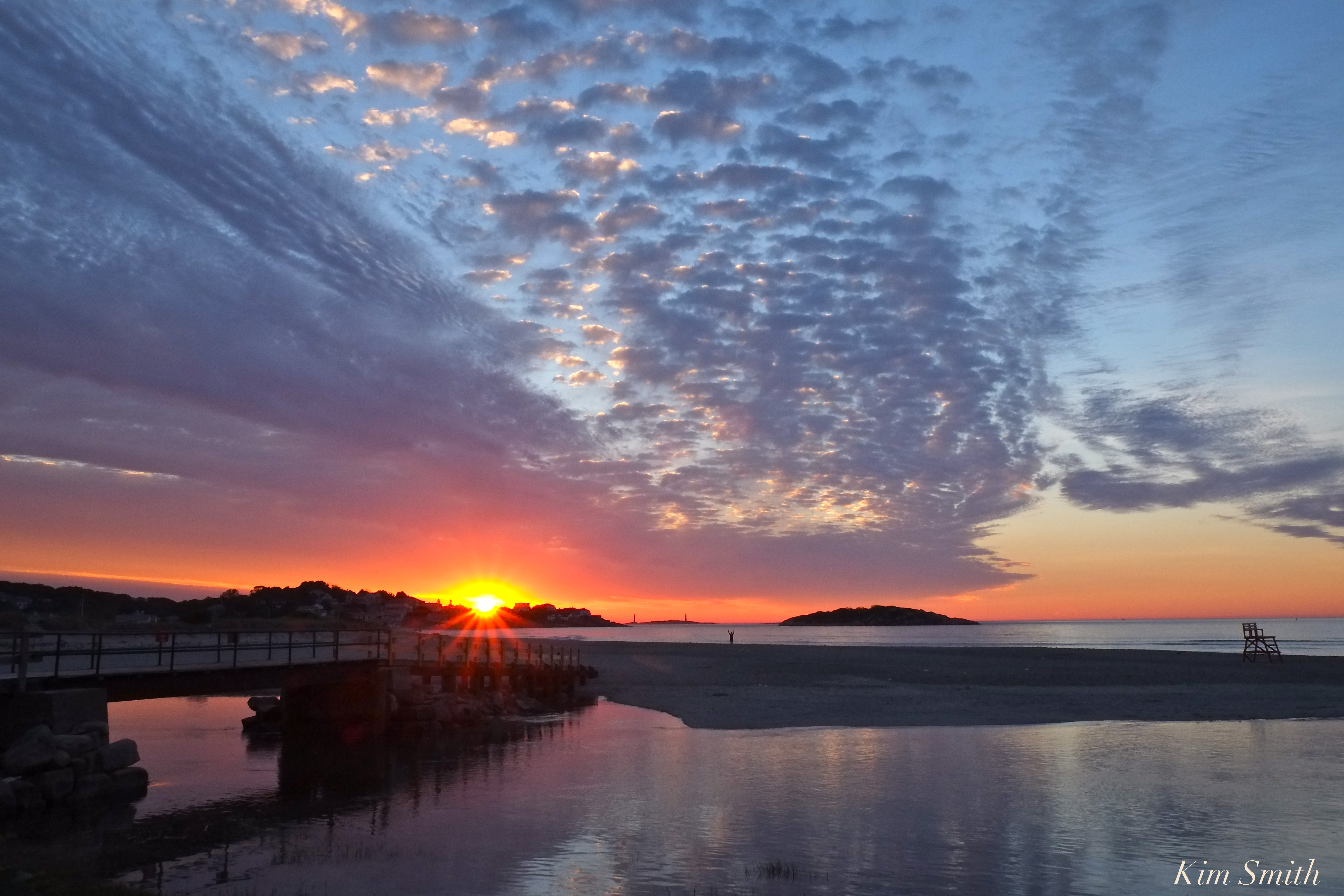
JUST ANOTHER GLORIOUS GOOD HARBOR BEACH SUNRISE SCENE

Turning violet to orange, within moments, a glorious Good Harbor Beach third day of summer sunrise.

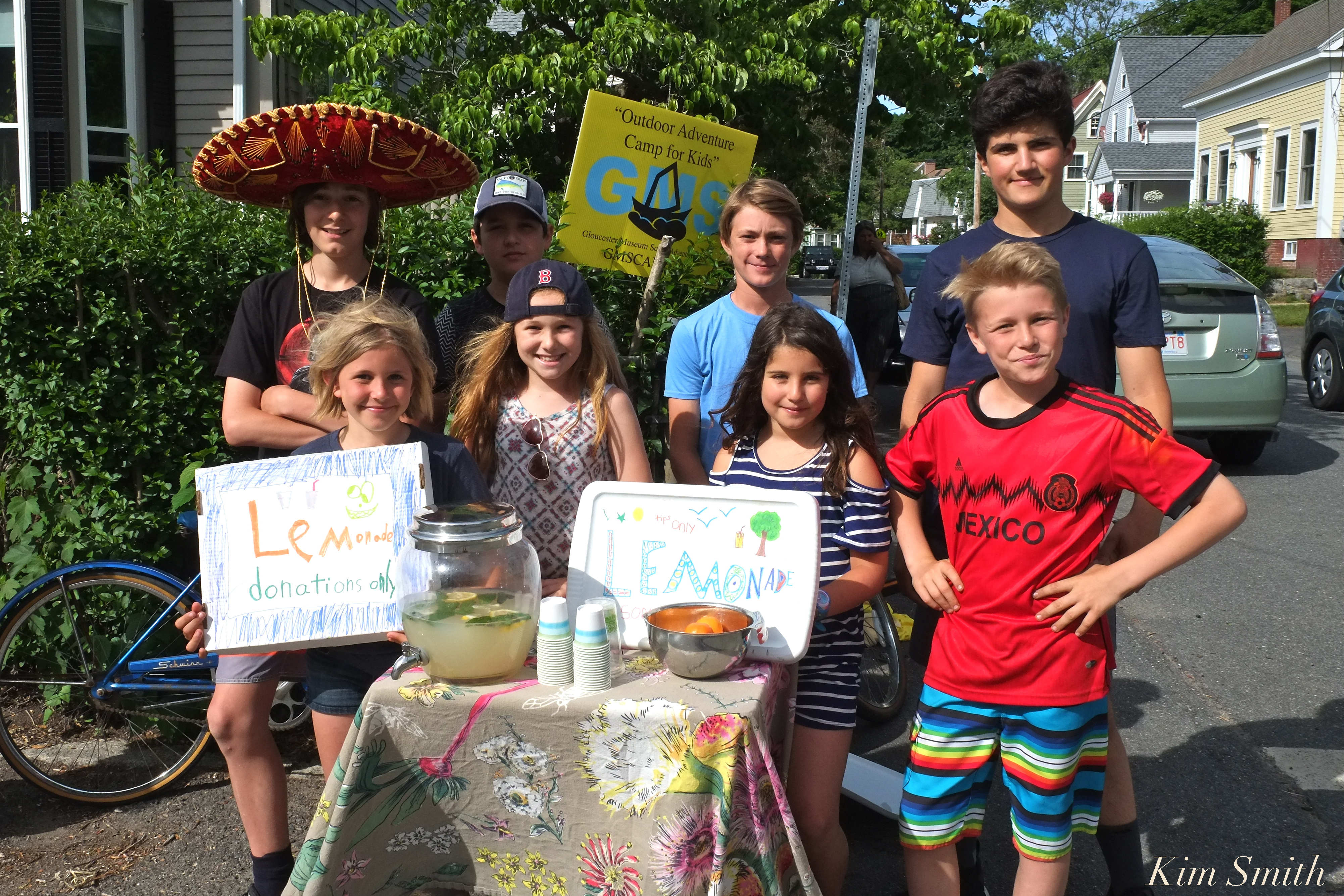
“PLASTIC PICK IT UP” AWESOME EAST GLOUCESTER NEIGHBORHOOD KID’S LEMOMADE STANDS FOR A CAUSE

Back row: Elijah, Ben, Jackson, Luca; front row: Meadow, Sophia, Sabine, Atticus

The East Gloucester “Plastic Pick it Up” club is kicking off the summer with neighborhood lemonade stands. All the proceeds go towards initiatives to help rid Gloucester of plastic pollution. Last year they donated the amazing sum of $540.00 to the Cape Ann Maritime Partnership (CAMP) to help purchase a Seabin and Marine Skimmer, marine technologies designed to clean up oil and plastic garbage.

When you see one of their pop up lemonade stands, stop for a delicious glass of homemade lemonade and donate what you can. Thank you!

GREENBELT PRESIDENT ED BECKER PRESENTS FREE TALK AT SANDY BAY YACHT CLUB

THURSDAY TALK KICKOFF
with
Ed Becker, President and Executive Director 
Essex County Greenbelt Association 
 
Thurs., June 28th at 7 p.m.
at Sandy Bay Yacht Club
 
“A Journey through Cape Ann’s Geologic History to its Present Day Landscape”
 
The talk will describe how our geologic history over millions of years shaped the Cape Ann landscape we know today. It will also show how human history has influenced the landscape, from colonial times to the current impacts of climate change and sea level rise. The talk will conclude with a brief overview of land conservation in the U.S, which has been described as one of America’s greatest ideas.  
Ed Becker is president of Essex County Greenbelt, a regional land trust, where he’s been involved in several hundred projects saving over 17,000 acres of land. 
Ed has been at the heart of Greenbelt’s growth and land conservation success for over thirty years.  During this time, he has led the transformation of Greenbelt from a small three-person operation to its current position as one of the most effective and highly-respected land conservation trusts in the country.  Ed’s exceptional abilities, integrity and passion for conserving land and nature define him.West Gloucester Sand Dunes

SAVE THE DATE: KIM SMITH PRESENTATION AT THE ROCKPORT ART ASSOCIATION

MARY FAINO AND SARAH KELLY BOOK LAUNCH PARTY FOR THEIR LATEST COLLABORATION “ROME A DAY!”

Friends Sarah Kelly and Mary Faino are launching their second book collaboration, Rome a day. You may recall their previous charming and beautiful collaborative book, a day in Rockport.

Congratulations and best wishes to Sarah and Mary for their new book!

ST. PETER’S FIESTA FAMILY ART FUN AT THE SAWYER FREE LIBRARY

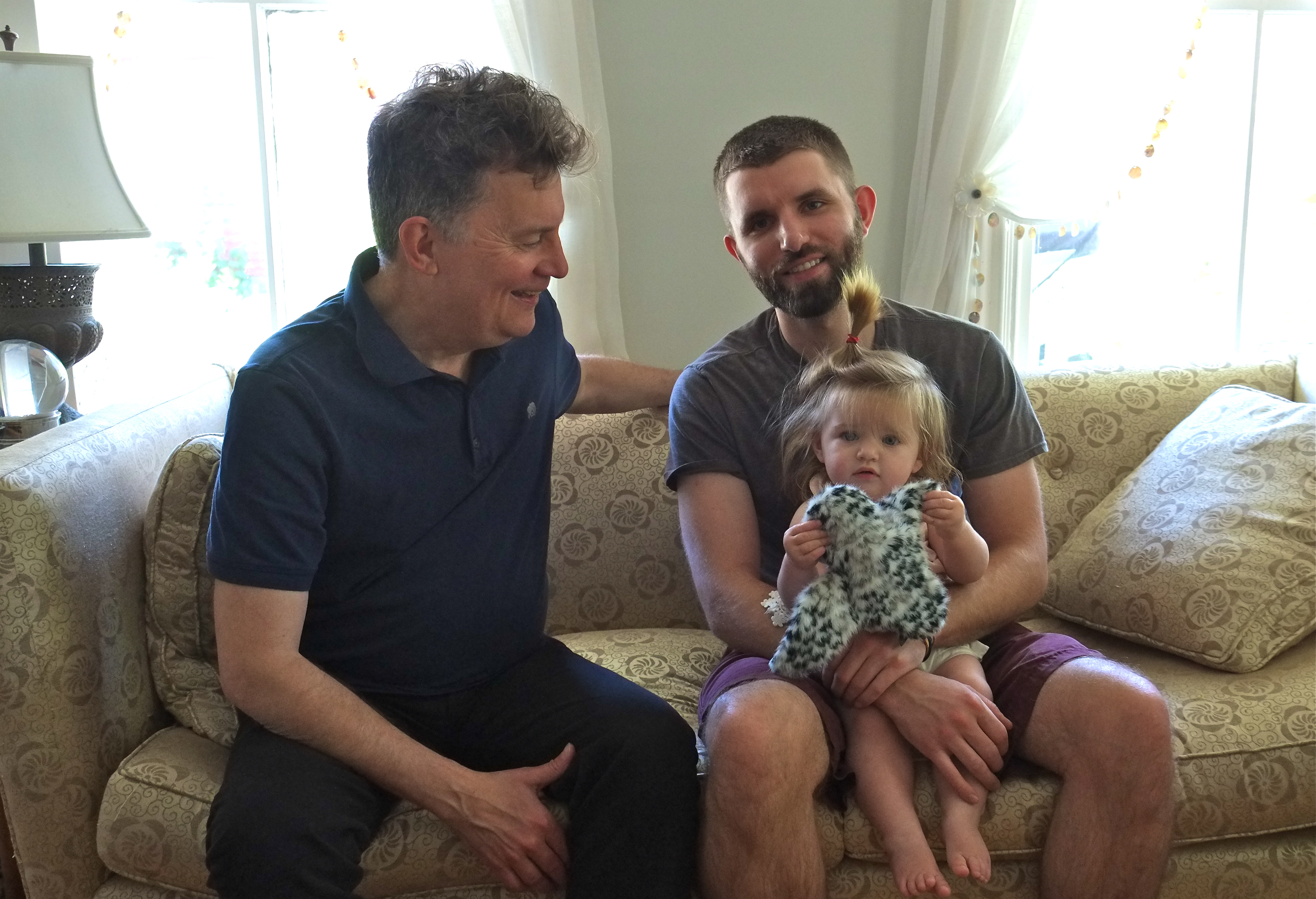
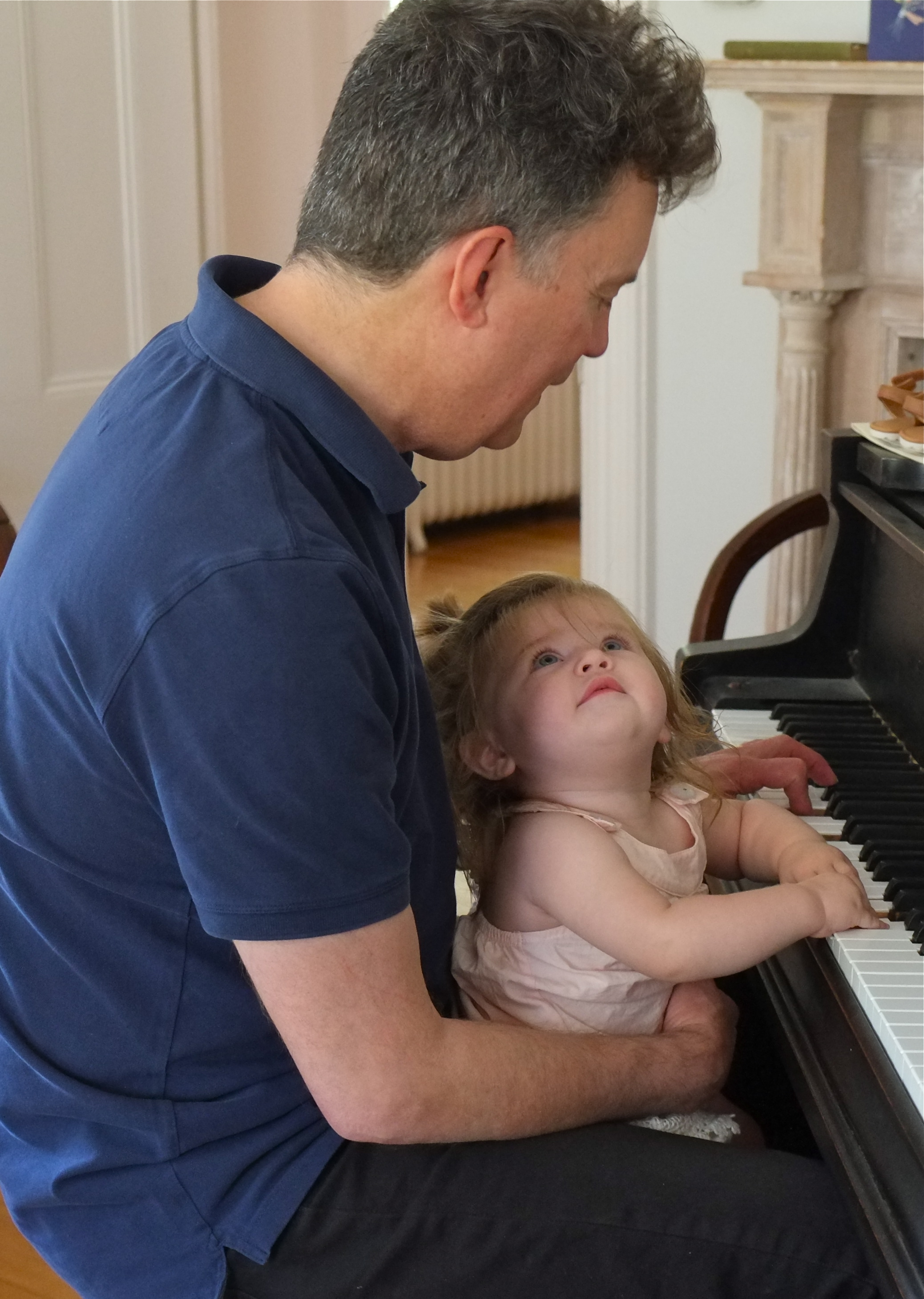
Snapshots from last Saturday’s wonderful St. Peter’s Fiesta Family Art Fun event, hosted by children’s book authors Laura Ventimiglia, Alice Gardner, and the Sawyer Free Library. We treasure our copies of Laura’s and Alice’s books and I am looking forward to reading them to our granddaughter. Pick up your copies of both books at the Bookstore of Gloucester!

WHAT DO PIPING PLOVERS EAT?

“What do Piping Plovers eat, especially the chicks?” is one of the questions most frequently asked of our volunteer monitors. 

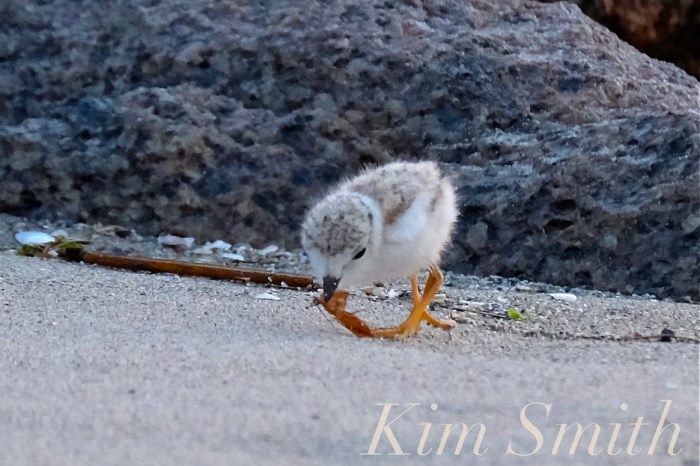
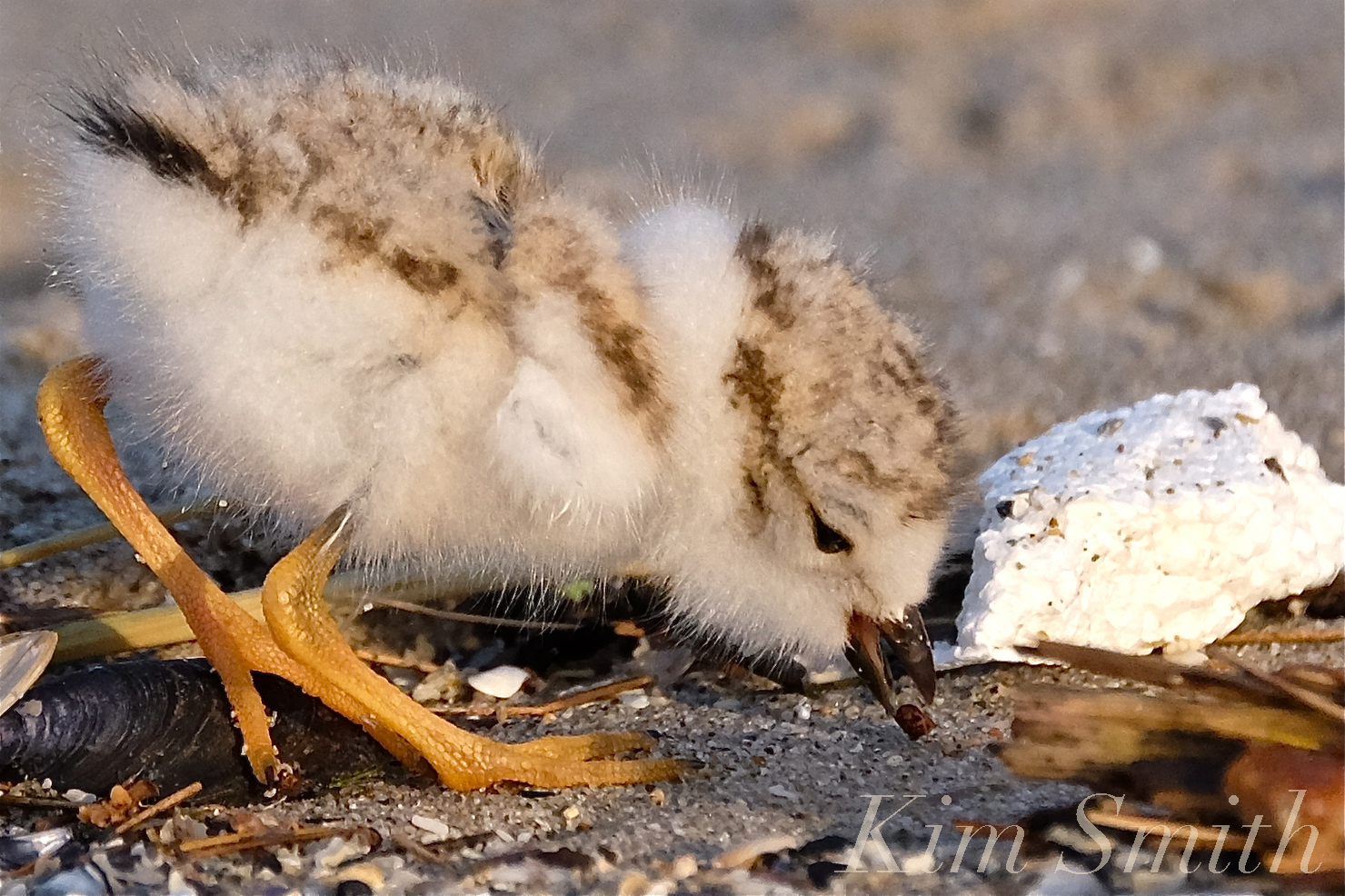
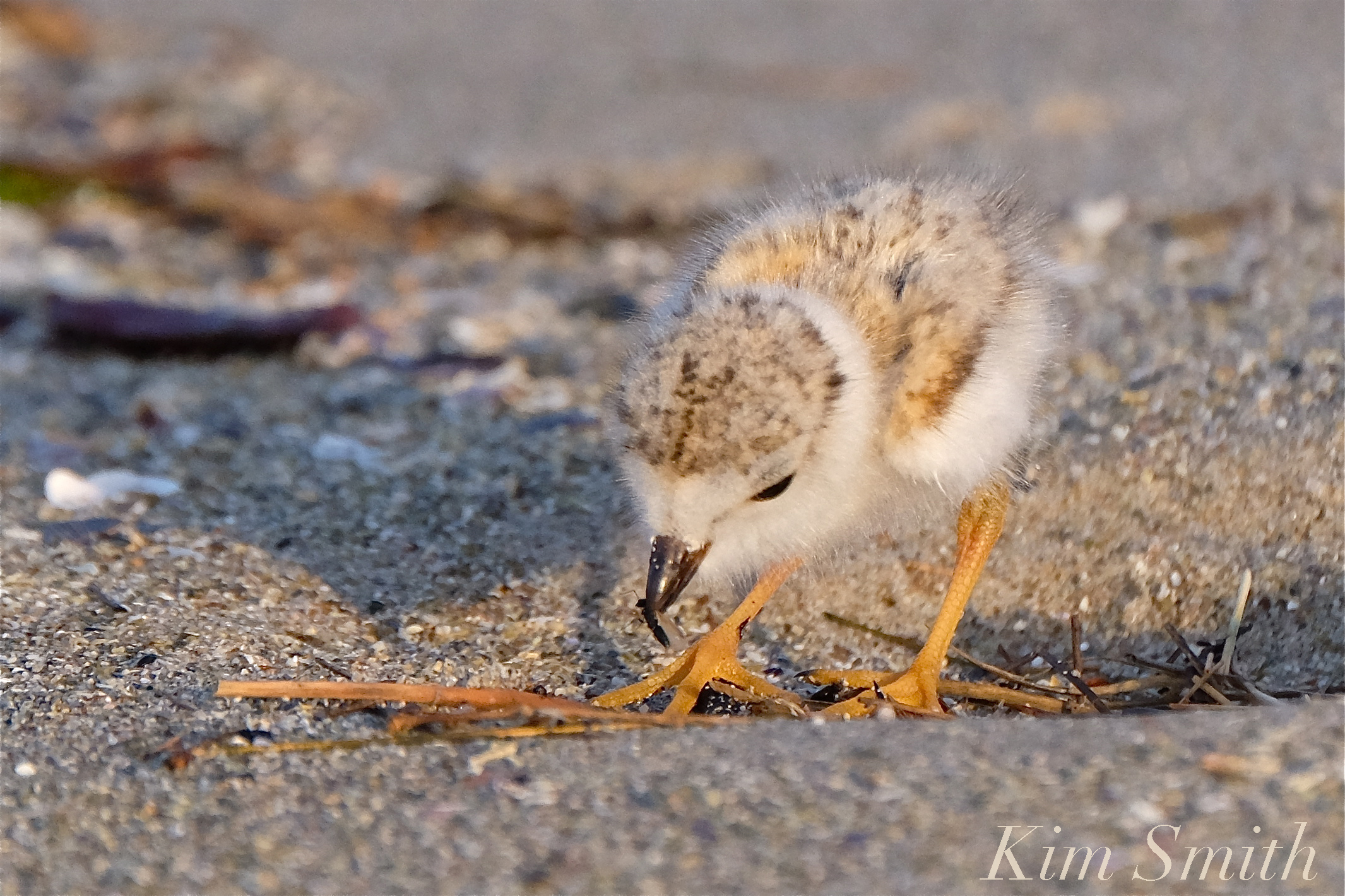
Piping Plover chicks eat everything the adults eat, only in smaller bites, and pretty much anything they can catch. We’ll often see the chicks pecking repeatedly in one spot. Unlike Mama and Papa PiPl, they don’t always eat the insect in one swallow. The chick will chase after the insect and eat it in several beakfulls.

Piping Plovers forage at the shoreline, in the intertidal zone, and at mud and sand flats. While running, they scan the immediate area, and then peck at the prey it locates. When by the water’s edge and in the sand flats, they eat sea worms, tiny crustaceans, and mollusks. When around the wrack line, they find teeny insects including spiders, beetles, ants, and insect larvae.

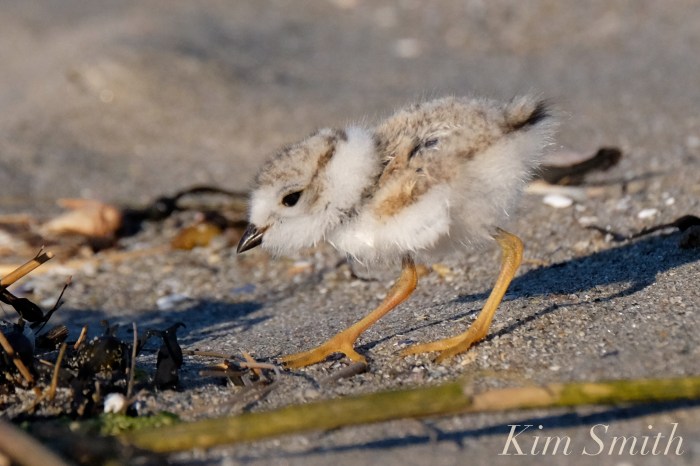
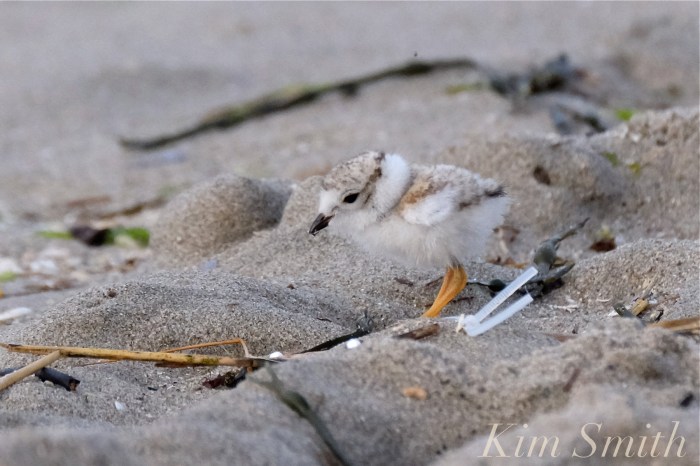
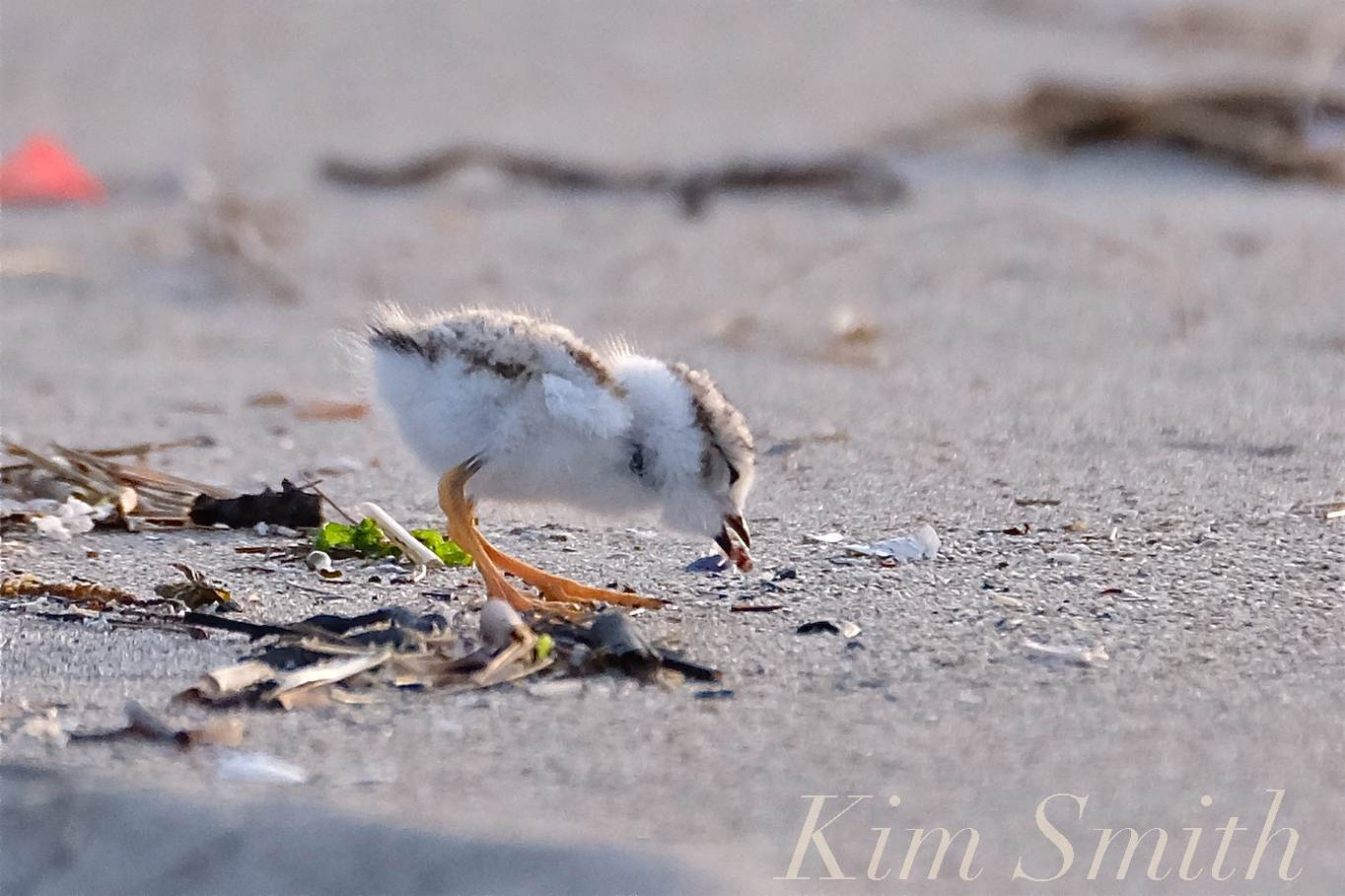
Here’s our little Pip at eight days old feeding on a winged insect. Piping Plover chicks begin pecking and looking for food within hours after hatching.

If you would like to be a Piping Plover volunteer monitor, please contact kwhittaker@gloucester-ma.gov. Thank you, and the PiPl thank you, too 🙂

SHOUT OUT TO GLOUCESTER’S ANIMAL CONTROL OFFICER JAMIE LEVIE

How terrific to see Officer Jamie Levie at Good Harbor Beach bright and early this morning- and a quiet peaceful morning it was. Officer Teagan Dolan was at GHB yesterday morning, too. Our sincerest thanks to ACOs Jamie and Teagan, and to Chief John McCarthy for the stepped up patrols at Good Harbor Beach and for all their kind assistance with our GHB PiPl family.


GOOD MORNING GLOUCESTER! BROUGHT TO YOU BY GLOSTA ROCKS

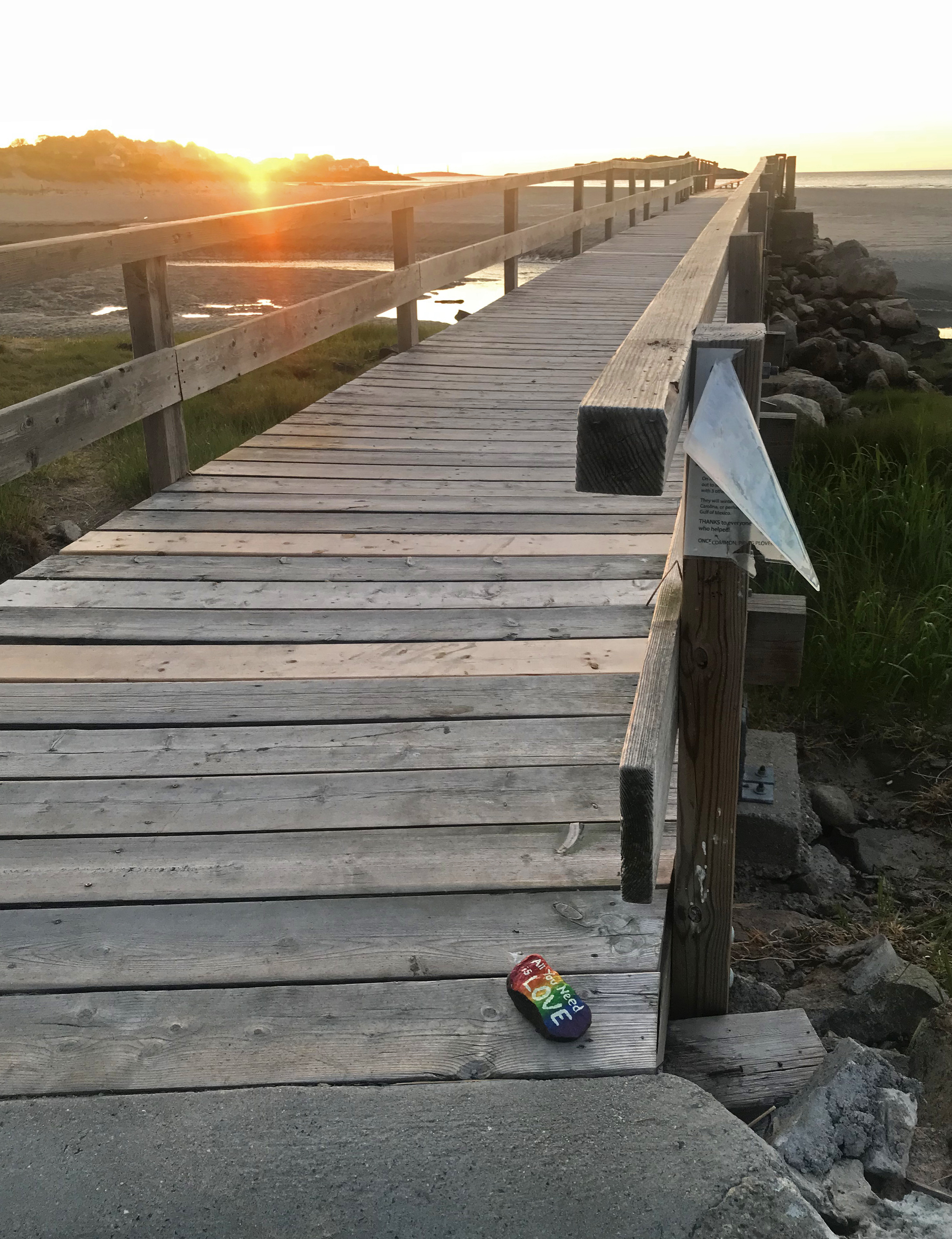
Finding a Glosta Rocks with the kind message “All You Need is Love” sure put a smile on my face last week on the way to PiPl monitoring. I left the rock there for the next person crossing the footbridge to see, but after reading the article in the Gloucester Times, I know now to send the photo to the Glosta Rocks facebook page.

Glosta Rocks! Facebook group promotes kindness, community with hidden, painted popples

Like messages in a bottle, they travel. You can find one on Stacy Boulevard, and if you happen to be going to L.A., leave it for someone else to find on Sunset Boulevard.

And like Easter egg hunts, they tend to elicit puns. So here goes the first one. Unless you’ve been hiding under a rock, you probably know that “kindness rocks” — the finding of, painting of, hiding of, hunting of, and, importantly, posting of — have gone viral, online and offline, and not just in grass-roots America, but all around the world.

If, while strolling on Stacy Boulevard this spring you’ve spotted kids tip-toeing tenuously through the tulips staring intently down at the ground and wondered what they were up to, it wasn’t “Pokemon Go.”

It was rock hunting. Kindness rock hunting.

What are kindness rocks? They are rocks —small, smooth, flat surfaced stones or popples, the kind you’d find on the beach or in a garden — brightly painted, often with positive messages of good cheer, encouragement, inspiration — “Be kind,” “Let a smile be your umbrella,” “Share!” “Shine!” “Joy!” Just as often, they’re just painted: sometimes quite cleverly, even brilliantly.

In Gloucester, there’s nothing new about using rocks to send messages of hope and encouragement. Art Haven director Traci Corbett says that rock painting in one form or another has long been a popular activity at the Main Street studio, and it’ll be offering it at its new summer extension space on the lower level of 76 Roger St. as well as at its Cape Ann Farmers Market table.

Then there are Dogtown’s great inscribed boulders. They’ve been around since the Great Depression when local entrepreneur Roger Babson saw in their smooth stone faces an opportunity to provide work for local unemployed stone masons, having them inscribe in the stones the kind of words and messages of encouragement the American Dream is built on. “Industry! Ideas! Integrity! Courage! Spiritual Power! Never try, never win!” the stones tell passing strangers.

READ THE COMPLETE ARTICLE HERE

JUNE 20TH IS NATIVE PLANTS DAY AT CEDAR ROCK GARDENS!

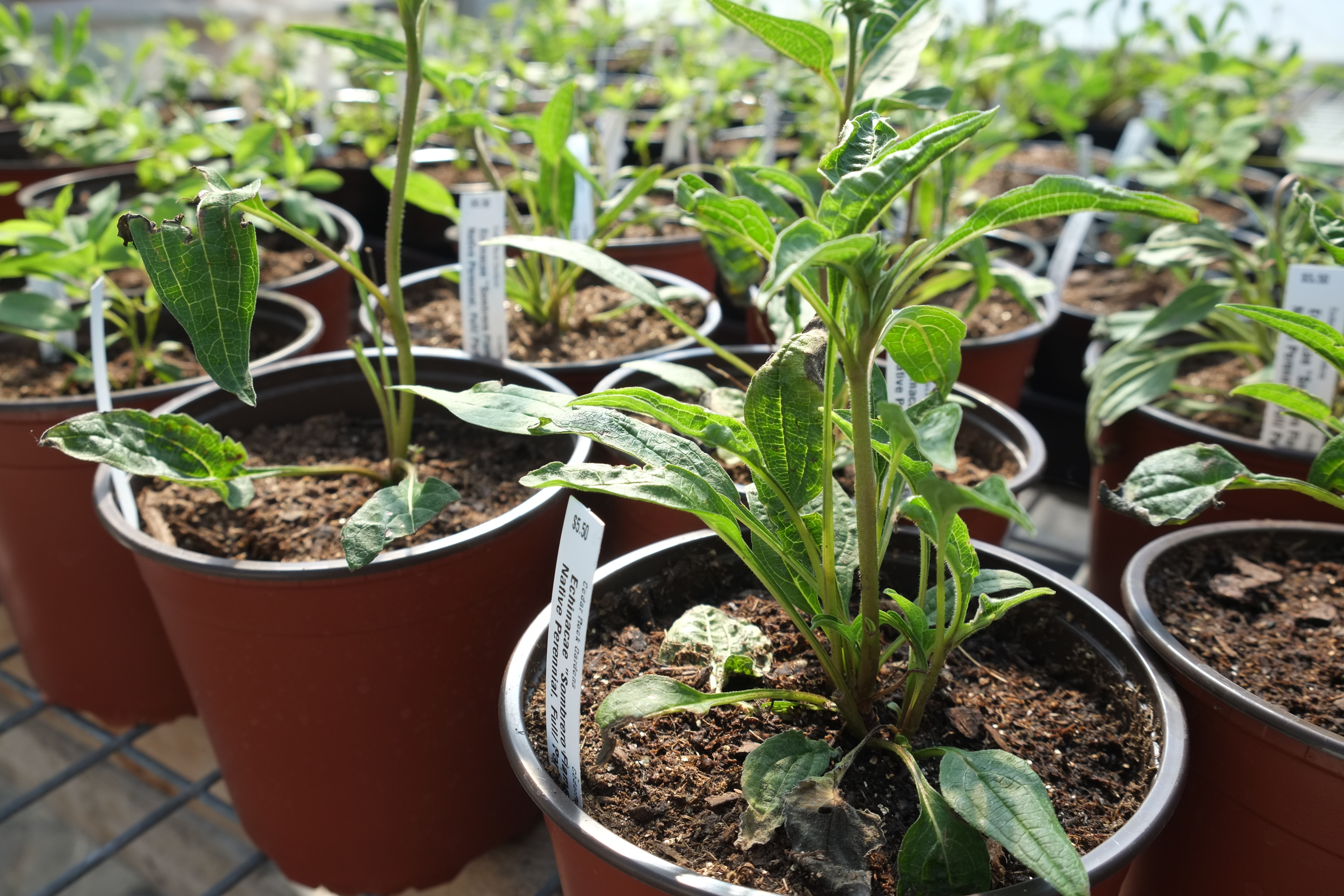
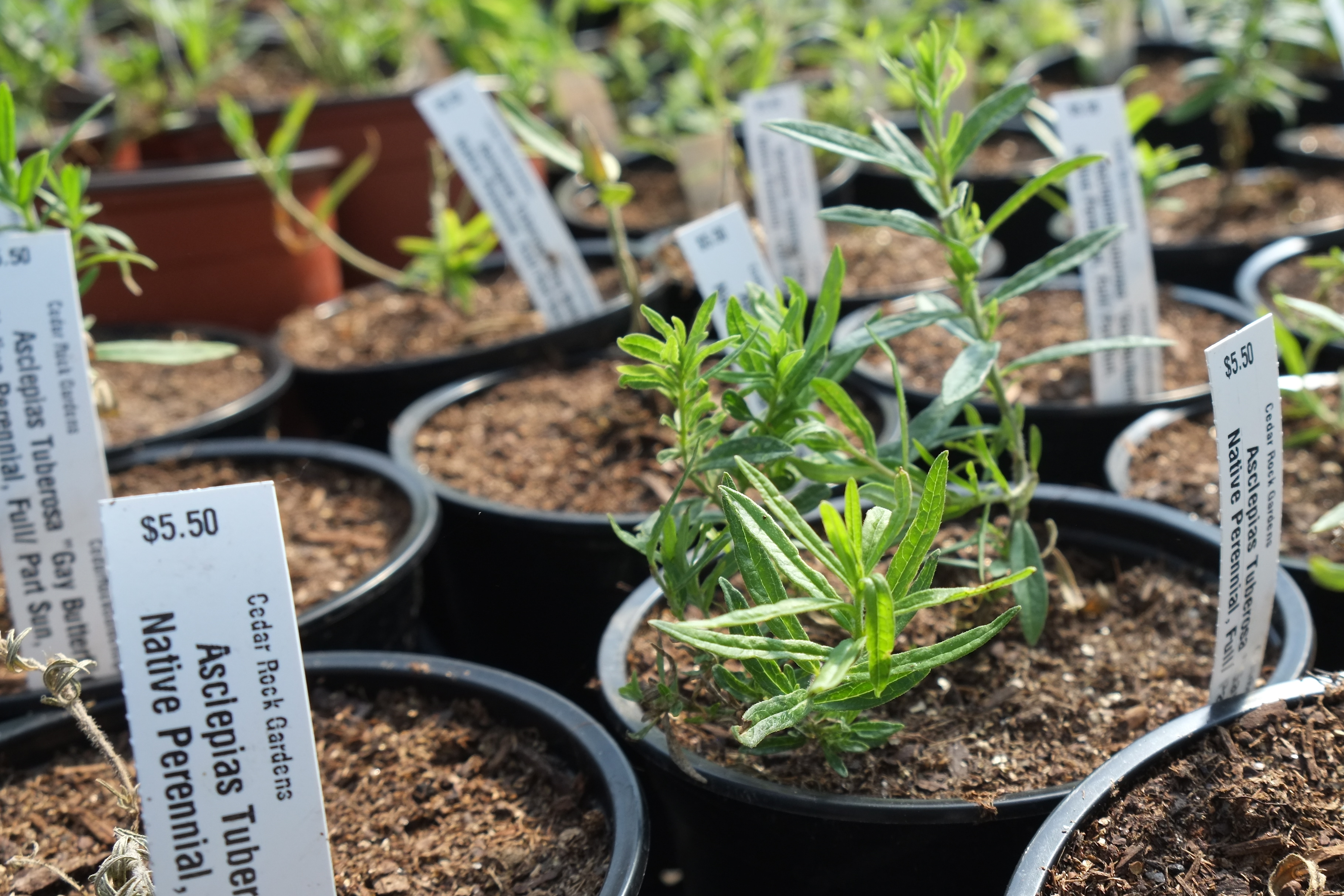
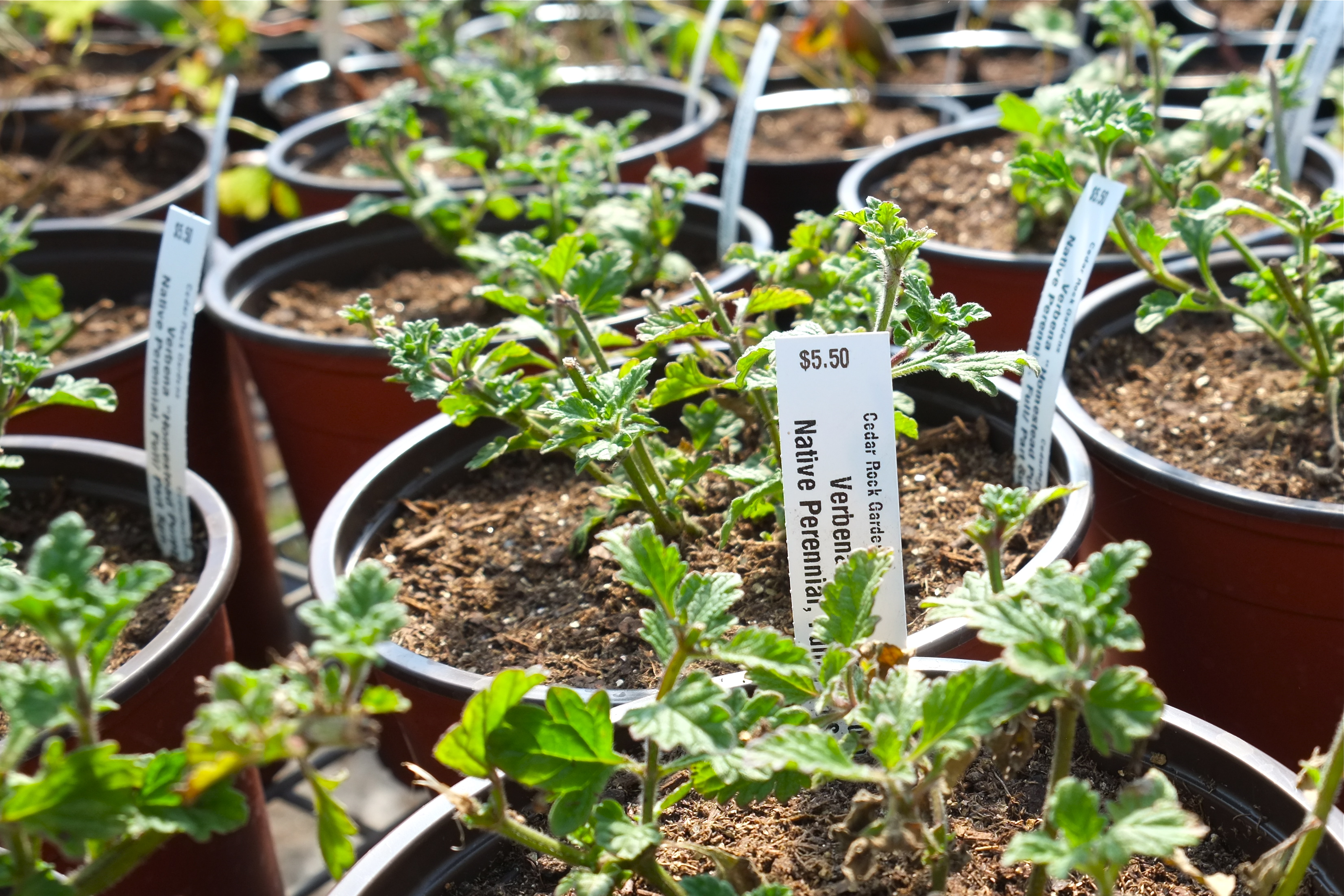
Elise and Tucker are releasing a batch of native perennial plants this week on Wednesday, June 20th. The young plants are home grown and are only $5.50 each. Baptisia, Echinacea, Verbena, and Ascleipias tuberosa (orange milkweed) are just some of the fine beauties you’ll find there.  Elise is planning to grow an expanded collection of natives in the future. Supplies are limited so come on over to Cedar Rock Gardens before they are all sold out.

Cedar Rock Gardens is located at 299 Concord Street in West Gloucester and they are open every day of the week.

GLOUCESTER STAGE COMPANY CELEBRATES SAINT PETER’S FIESTA AND LOCAL CHILDREN’S BOOK AUTHOR LAURA VENTIMIGLIA

BEHIND THE SCENES WITH LINDSAY CROUSE, BOSTON PUBLIC RADIO JARED BOWAN AND MARGERY EAGAN FOR GLOUCESTER STAGE COMPANY’S “DANCING WITH LUGHNASA”

Heidi Dallin shares the following –

On Wednesday, June 13th, Lindsay Crouse and Jennie Israel, stars of the Gloucester Stage Company’s current production “Dancing with Lughnasa” were guests of the Margery Eagan and Jared Bowen BPR show, recorded at the WGBH Boston Public Library studio. “We had a great time on BPR on Wednesday! The interview is in the 1pm-2pm hour of the show. Lindsay’s husband Rick took some terrific behind the scenes photos. The link to the broadcast is below.”

Enjoy!

Heidi


Here is the link to the show: https://www.wgbh.org/news/local-news/2018/06/13/bpr-full-show-6-13-2018

DEBUNKING PIPING PLOVER MYTH #5: PIPING PLOVER HELPERS ARE NOT CALLING FOR AN OUTRIGHT BAN OF DOGS ON THE BEACH

Despite the extremely inflammatory posts you may have been reading elsewhere, the Piping Plover volunteer monitors and local wildlife experts are not in any way, shape, or form promoting the permanent ban of dogs from Good Harbor Beach.

Currently, dogs are not allowed on the beach from May 1st to September 30th. The PiPl volunteer monitor core group, Dave Rimmer from Greenbelt, Ken Whittaker, who is Gloucester’s conservation agent, and Mass Wildlife’s John Regosin all agree that dogs should not be allowed on Good Harbor Beach beginning April 1st, but that it would be safe for Piping Plover fledglings and other migrating shorebirds for dogs to return after September 15th.

This new suggested time frame will allow birds to nest with far less interruption, shorebirds will nest earlier in the season (which will help with the chicks survival rate), and the chicks will be stronger by the time Good Harbor fills with summer crowds. This is a very logical and simple solution. Disallowing dogs on Massachusetts coastal beaches where shorebirds are nesting, beginning April 1st, is quite common. Allowing them to return after September 15, and in many cases after September 30th, is also very common. For Piping Plovers and other nesting shorebirds, protecting their habitat and sharing the shore is a matter of life and death.

To be very, very clear, we Piping Plover volunteers do not wish to permanently and forever ban dogs off Good Harbor Beach, or any Gloucester beaches.

Please email or call Mayor Sefatia’s office and your City Councilors and let them know your thoughts about Piping Plovers, dogs, and all the wildlife that finds a home at Good Harbor Beach. We hope you agree that making this simple change in the ordinance from April 1st to September 15th is the best solution for all our wild and domestic creatures. This modification to the dog ordinance will also show the federal agents that the Gloucester community recognizes our responsibility and takes very seriously our commitment to protecting endangered and threatened species.

Thank you.

Mayor Sefatia Romeo Theken: sromeotheken@gloucester-ma.gov, 978-281-9700

Councillors At Large

Paul Lundberg, President: plundberg@gloucester-ma.gov, 978-282-8871

Melissa Cox: mcox@gloucester-ma.gov, 978-631-9015

Jamie O’Hara: johara@gloucester-ma.gov, 978-979-7533

Jen Holmgren: jholmgren@gloucester-ma.gov, 978-335-4748

Ward 1 Councilor Scott Memhard: smemhard@gloucester-ma.gov, 978-283-1955

Ward II Councillor Ken Hecht: khecht@gloucester-ma.gov, 617,755-9400

Ward III Councillor and Vice-president Steven LeBlanc: sleblanc@gloucester-ma.gov, 978-283-3360

Ward IV Valerie Gilman: vgilman@gloucester-ma.gov, 978-621-4682

Ward V Councillor Sean Nolan: snolan@gloucester-ma.gov, 978-375-8381

If you would like to be a Piping Plover volunteer monitor, please contact Ken Whittaker at kwhittaker@gloucester-ma.gov.

  *   *   *

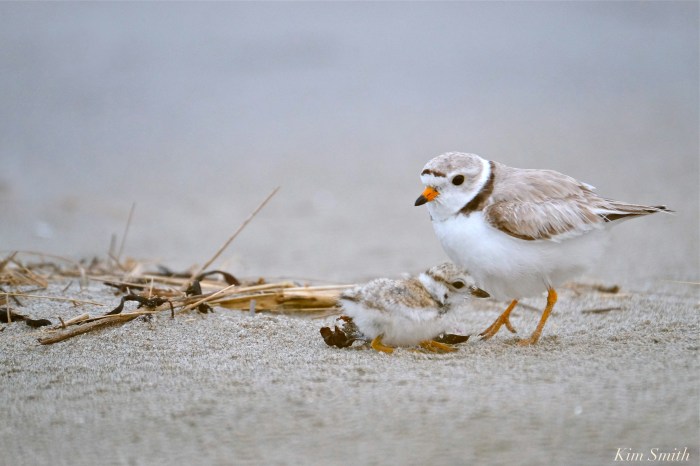
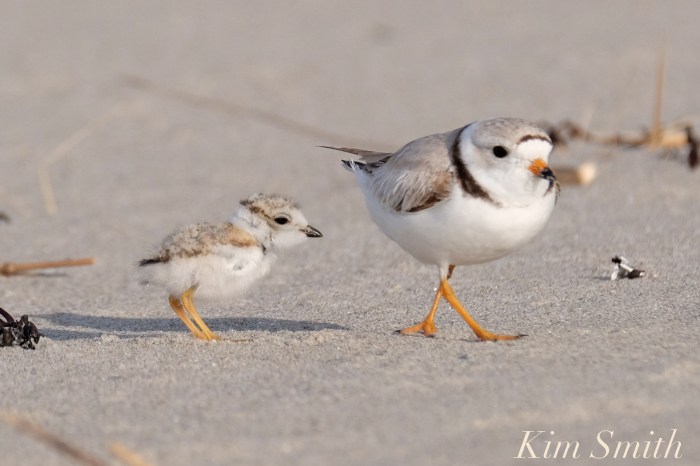
Our Nine-day-old Piping Plover Little Pip and Mama