Author: Marty Luster
I'm Marty Luster, a retired attorney and politician. In 2010 my wife, mother-in-law, dog and I relocated from Central NY to Gloucester. I hope my photographs and poetry(?) reflect my love for this place and her people.
My picture-poem posts can be seen at http://matchedpairs.wordpress.com and selected black and white images can be found at http://slicesoflifeimages.wordpress.com

Texture
Spread The GMG Love By Sharing With These Buttons:

Below The Waxing Gibbous Moon
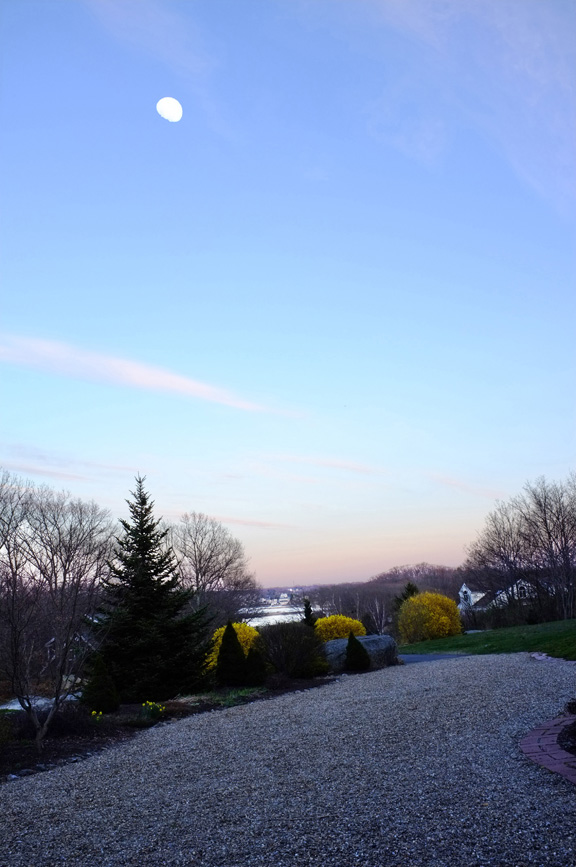
Below the Waxing Gibbous Moon
At twilight I was watching the waxing
gibbous moon when a plane appeared to fly
high above that bulging disk. It happened quickly,
and it left no contrails, so I missed the plane
when I clicked the shutter to capture the scene.
I don’t know where that plane came from or where
it was going – perhaps on a great circle to Europe.
Nor do I know if anyone on board looked out
their windows and noticed our tiny Cape Ann
nearly six miles below and if anyone wondered
if there were people down there looking up at them,
or, if they did, could they imagine who we are
and could they see our backshore, our beaches,
our city with its shops, piers, boats and fishermen,
our granite bed, our salt marshes, our grand
tidal river and our artists and performers,
our craftspeople and caregivers and youngsters
who breathe nearly four hundred years of Gloucester
history. Could they imagine the surf’s sound
at night, the feel of a cool sea breeze during the
dog days of August and the magic of Autumn’s
golden light and spring’s seductive and subtle color?
I wish them safe travels and a hardy adventure and
I hope they remember passing over tiny Cape Ann,
and all that we are, far below the waxing gibbous moon.
Marty Luster
Spread The GMG Love By Sharing With These Buttons:

4 Year Old Femme Fatale
 Granddaughter Shanti
Spread The GMG Love By Sharing With These Buttons:

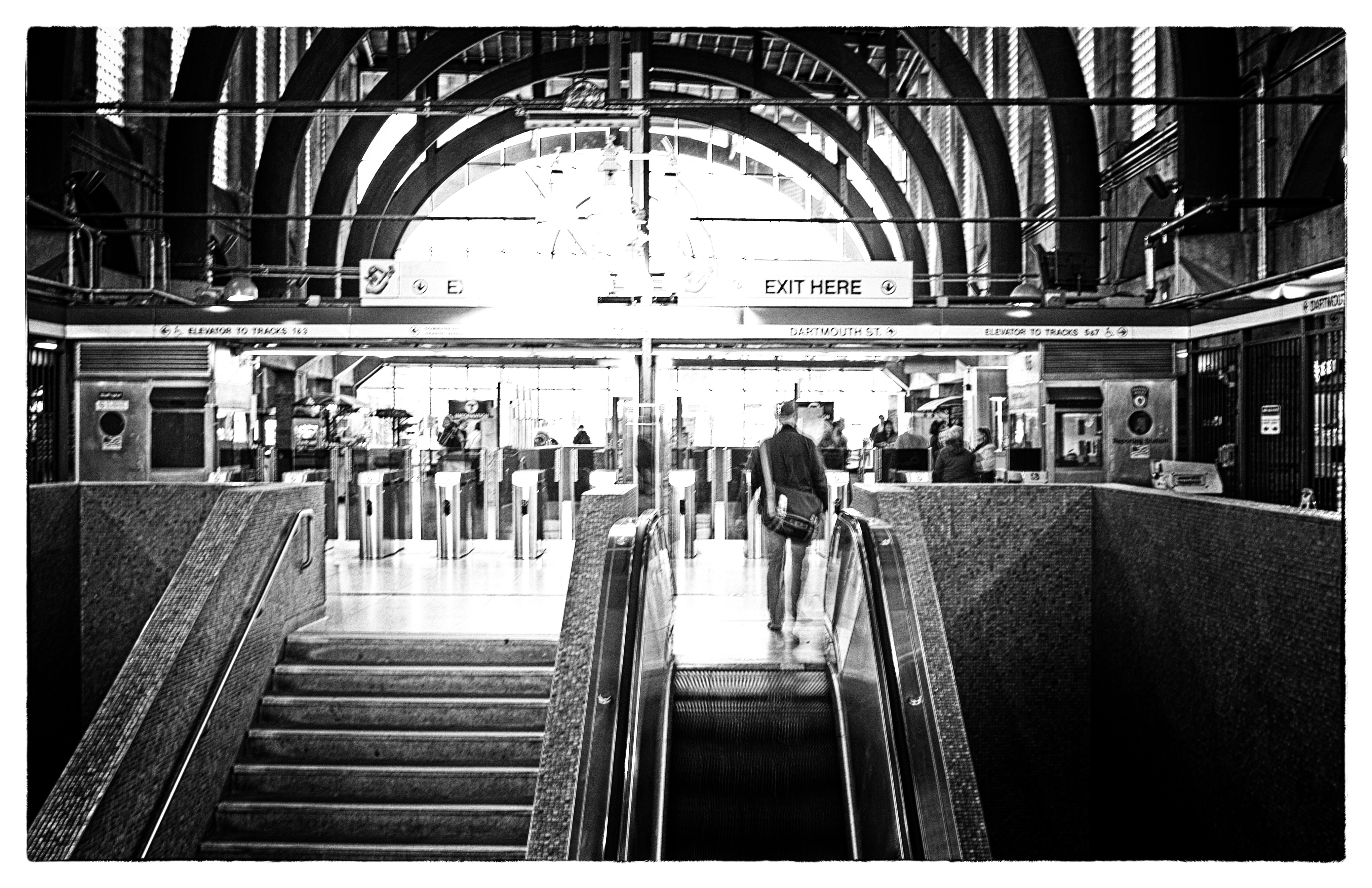
Exit Here
Spread The GMG Love By Sharing With These Buttons:

Crossing the Bar

Crossing The Bar
Sunset and evening star
And one clear call for me!
And may there be no moaning of the bar,
When I put out to sea,
But such a tide as moving seems asleep,
Too full for sound and foam,
When that which drew from out the boundless deep
Turns again home.
Twilight and evening bell,
And after that the dark!
And may there be no sadness of farewell,
When I embark;
For though from out our bourne of Time and Place
The flood may bear me far,
I hope to see my Pilot face to face
When I have crossed the bar.
Alfred Lord Tennyson (1809-1892)
Spread The GMG Love By Sharing With These Buttons:

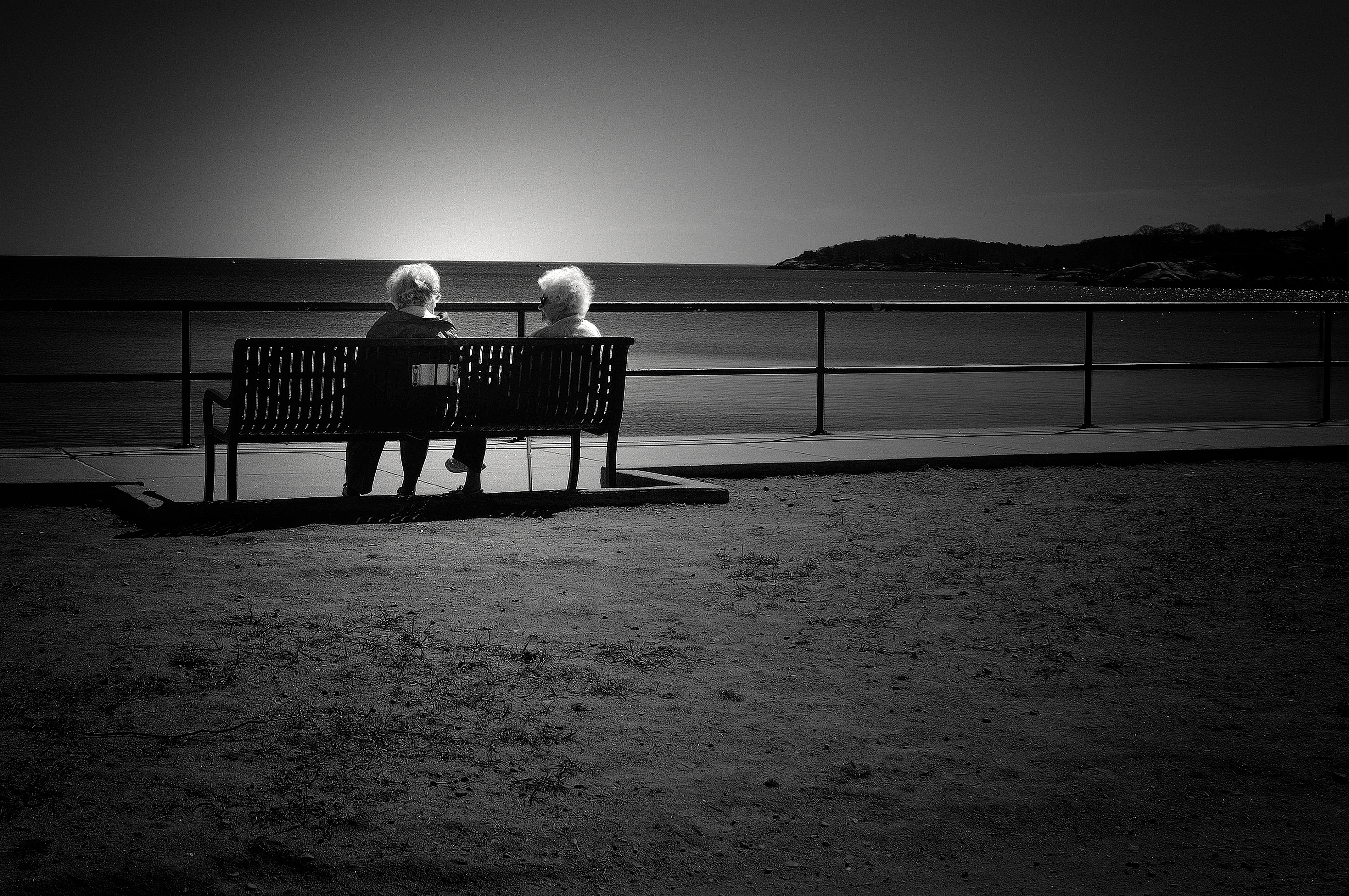
Shades of Gray
Spread The GMG Love By Sharing With These Buttons:

Through The Looking Glass?
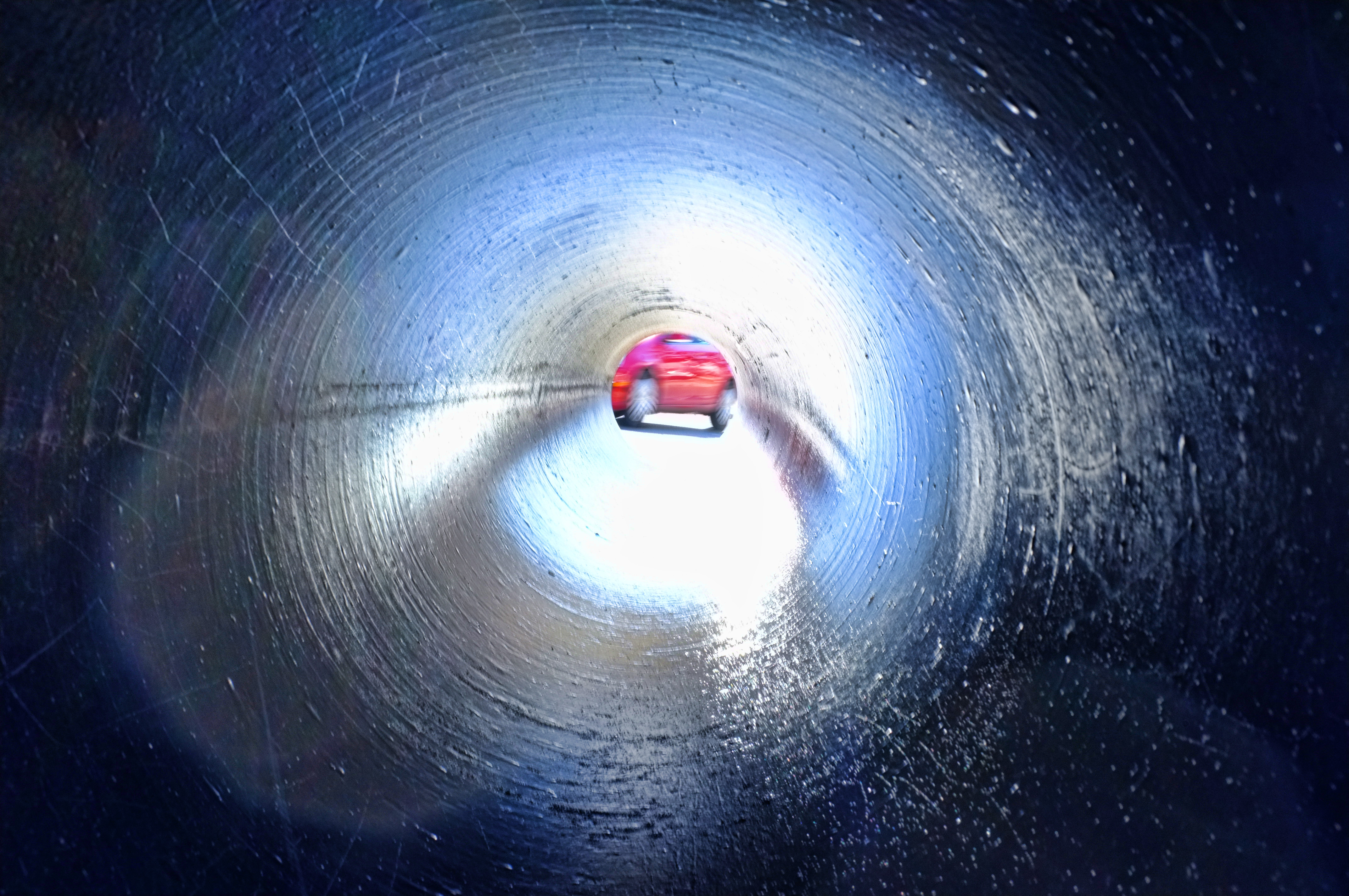 Actually it’s through one of the water mains awaiting installation on the Boulevard.
Spread The GMG Love By Sharing With These Buttons:

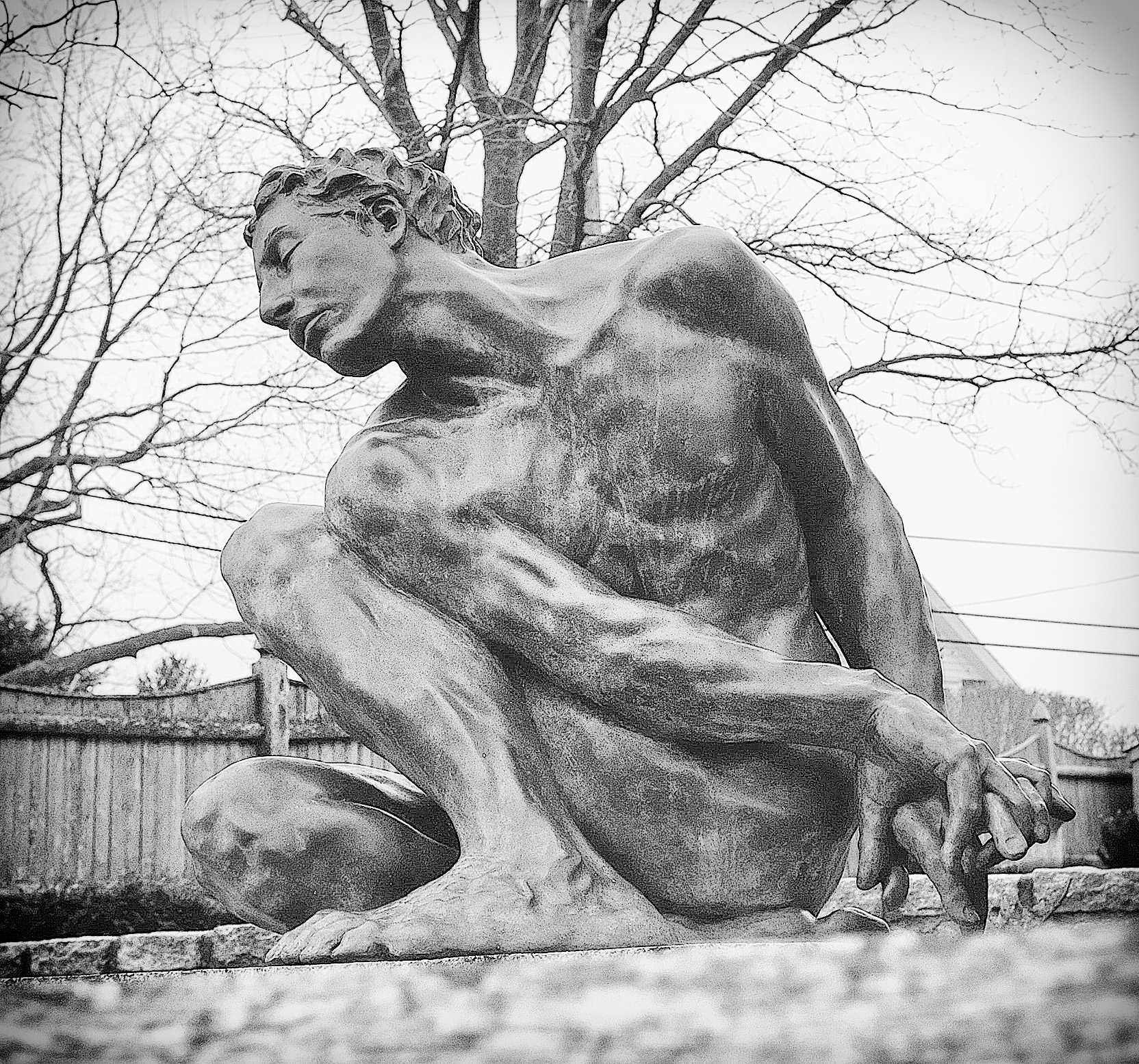
Where’s Zat?
Spread The GMG Love By Sharing With These Buttons:

Ron Gilson’s Talk
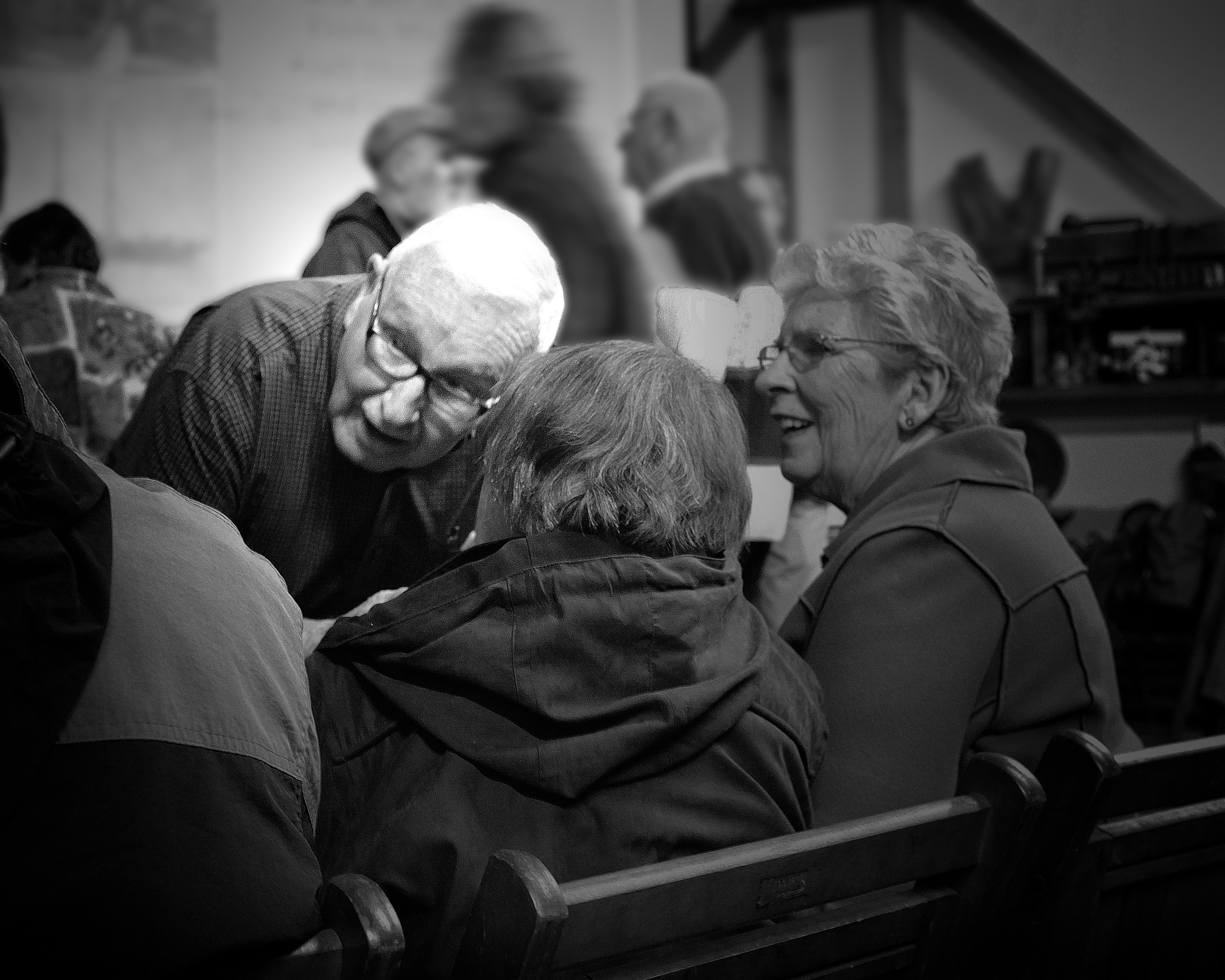
Ron Gilson’s Talk
The other night I went to hear Ron Gilson
speak about his youth on the docks of Gloucester.
Each moment he recalled burst with the excitement
and awe of more than 60 years before.
It was clear that those years were not now just
pleasant recollections; they were the anchor
to which his life was made fast, and around which
all events circled as the tide flowed and ebbed.
At one point, as Ron searched for the precise way
to describe the mood, sights and sounds of those days,
his voice got tight, he hesitated and tears came.
At last, he declared: “Moving. That’s what it was. Moving.”
Those who were lucky enough to have had
happy, adventurous and exciting childhoods
were brought back to our own dear early years,
as if by the pull of an anchor taking hold.
Some of us took long hikes in the dark woods,
sidestepped copperheads, climbed nearby mountains,
swam unsupervised in unpolluted creeks,
helped out mornings on our grandparents’ farm,
went on long bike rides to unexplored places,
held secret meetings at the old train station,
built soapbox cars to race wildly down the steepest
hill and carefully walked across the railroad tressle
thirty feet above the jagged rocks on our way
to the rope swing high above the Rondout
where, later, we went fishing and gave the eels to
Mr. Annapple and brought home the sunfish, bass and perch.
We spent the nights around the fire, roasted corn
borrowed from the nearby field, told scary stories,
discovered the planets, and galaxies
and discussed things you would not believe.
Ron Gilson spoke to the universal child.
He opened wide the doors we had peeked through,
but had not entered and implored us to visit.
Moving. That’s what it was. Moving.
Marty Luster
Spread The GMG Love By Sharing With These Buttons:

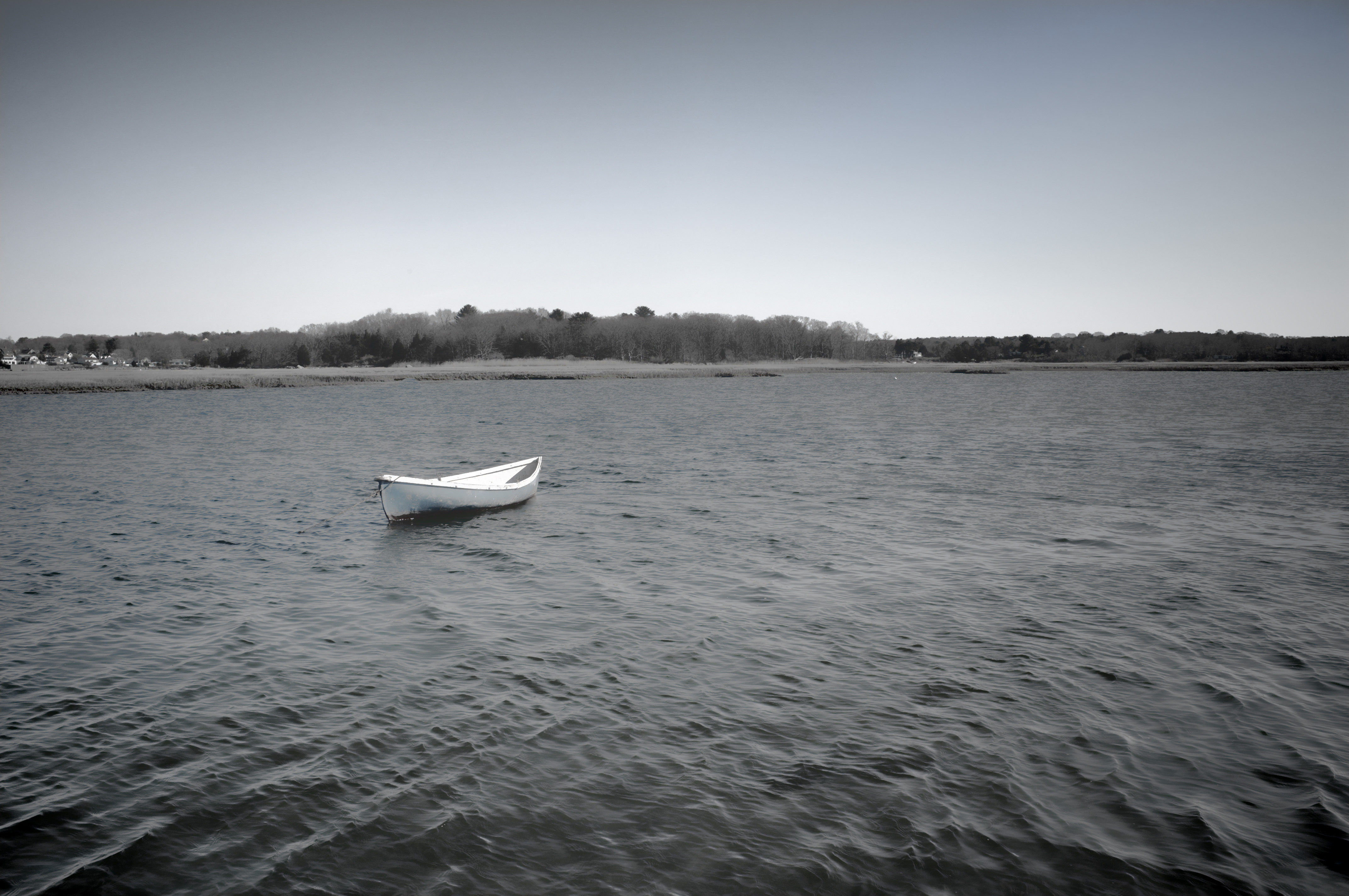
Simplicity
Spread The GMG Love By Sharing With These Buttons:

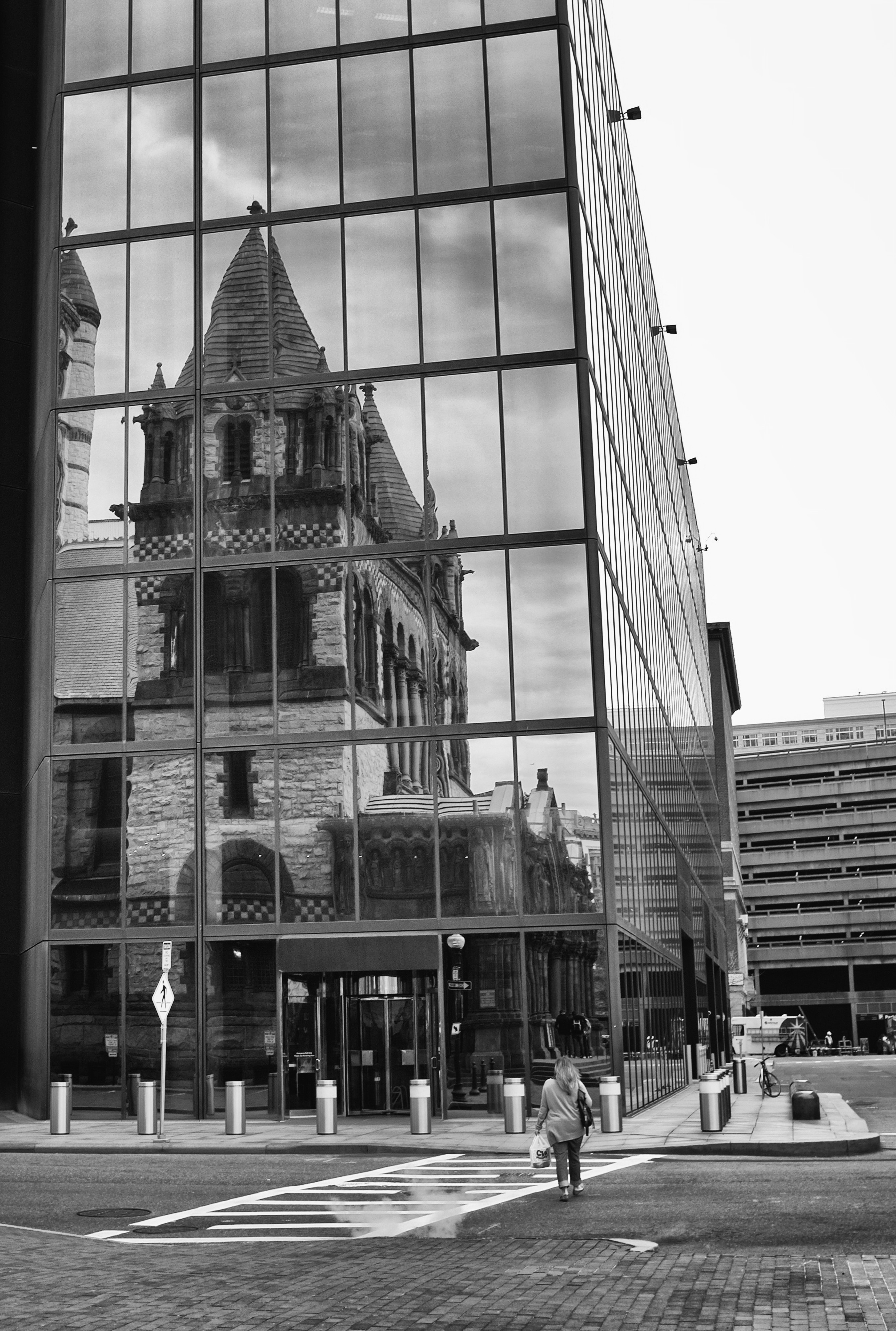
Reflection: Trinity Church, Boston
Spread The GMG Love By Sharing With These Buttons:

Dory Fishing on Schooner ADVENTURE
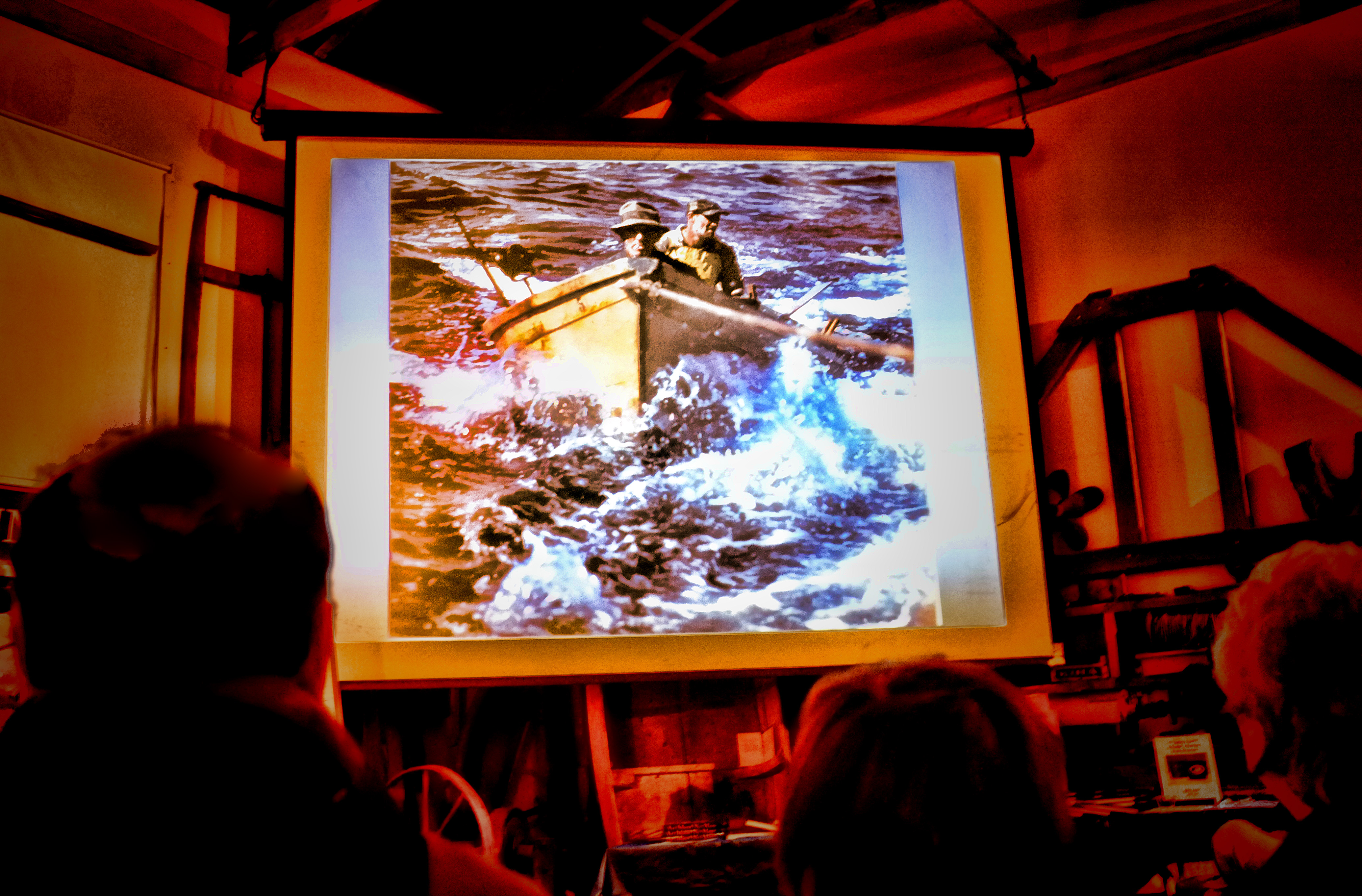
A large crowd was treated to an outstanding talk by Ron Gilson, author of An Island No More, at the Essex Shipbuilding Museum on Wednesday evening. Ron introduced his slide illustrated reminiscence of an eight day trip on Adventure when he was 17 years old in 1951 with random vignettes of his youth on the wharves of Gloucester Harbor.
Someone once said something like, “We experience life only once–as a child. All the rest is memory.” At age 79, Ron brought us back to the days of his youth. With some emotion, he evoked all of the excitement, adventure and sense of awe that many of us feel when we search our own memories of growing up. His respect and love for an era now gone by enveloped the audience and made us all feel privileged to share his experience and memories.
Spread The GMG Love By Sharing With These Buttons:

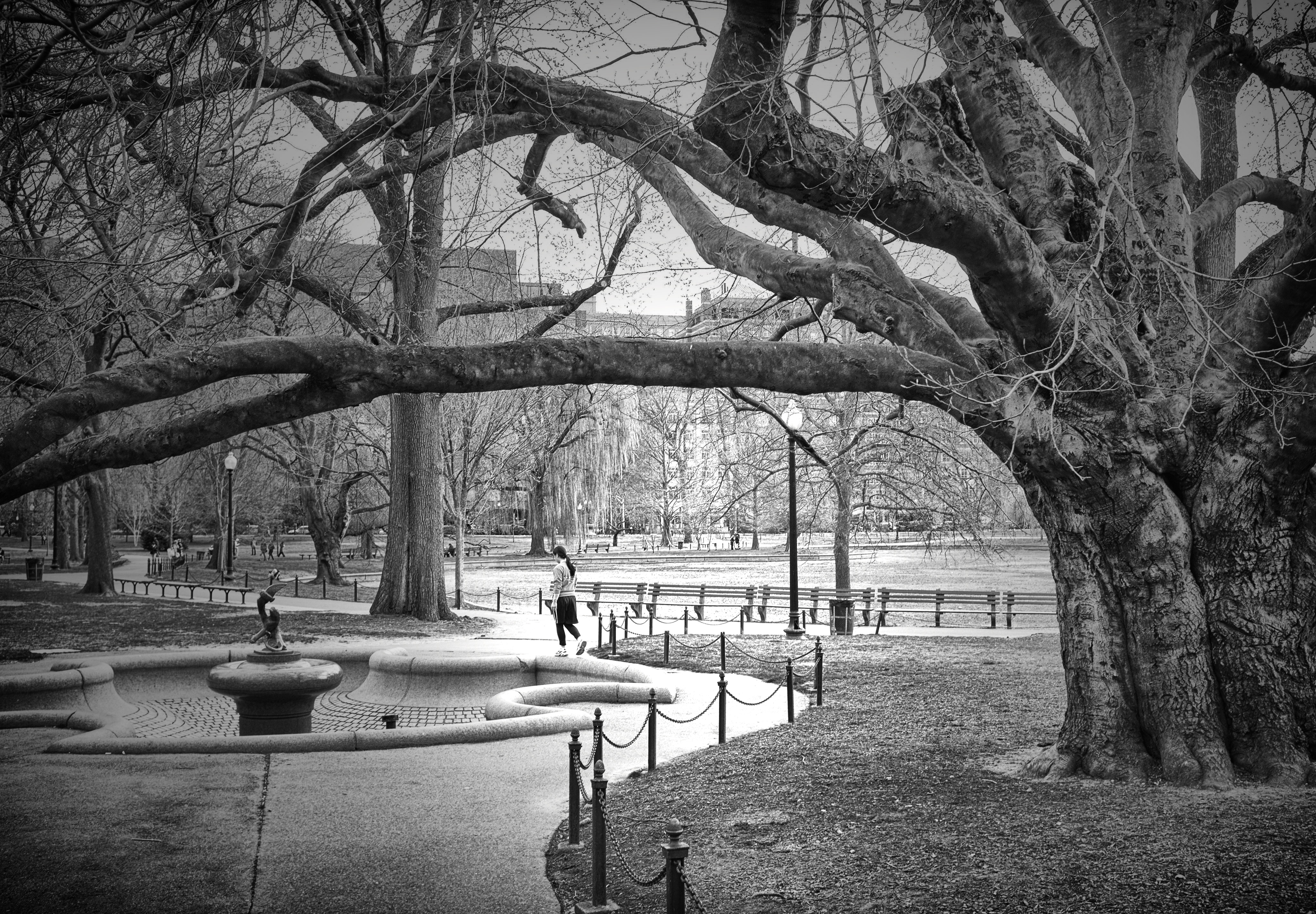
Walking Meditation
Spread The GMG Love By Sharing With These Buttons:

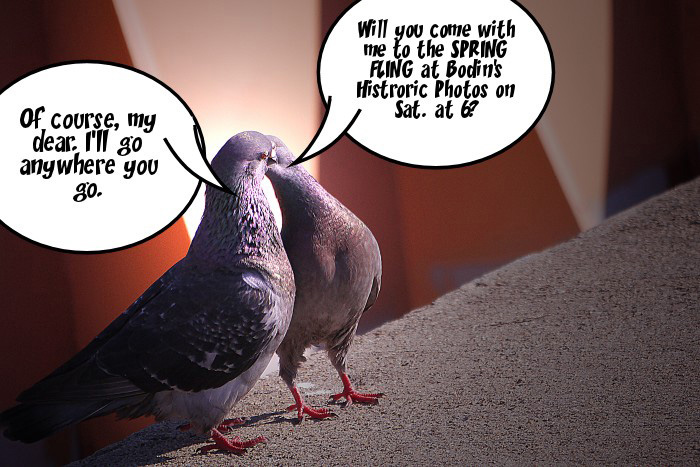
Spring Fling
Spread The GMG Love By Sharing With These Buttons:

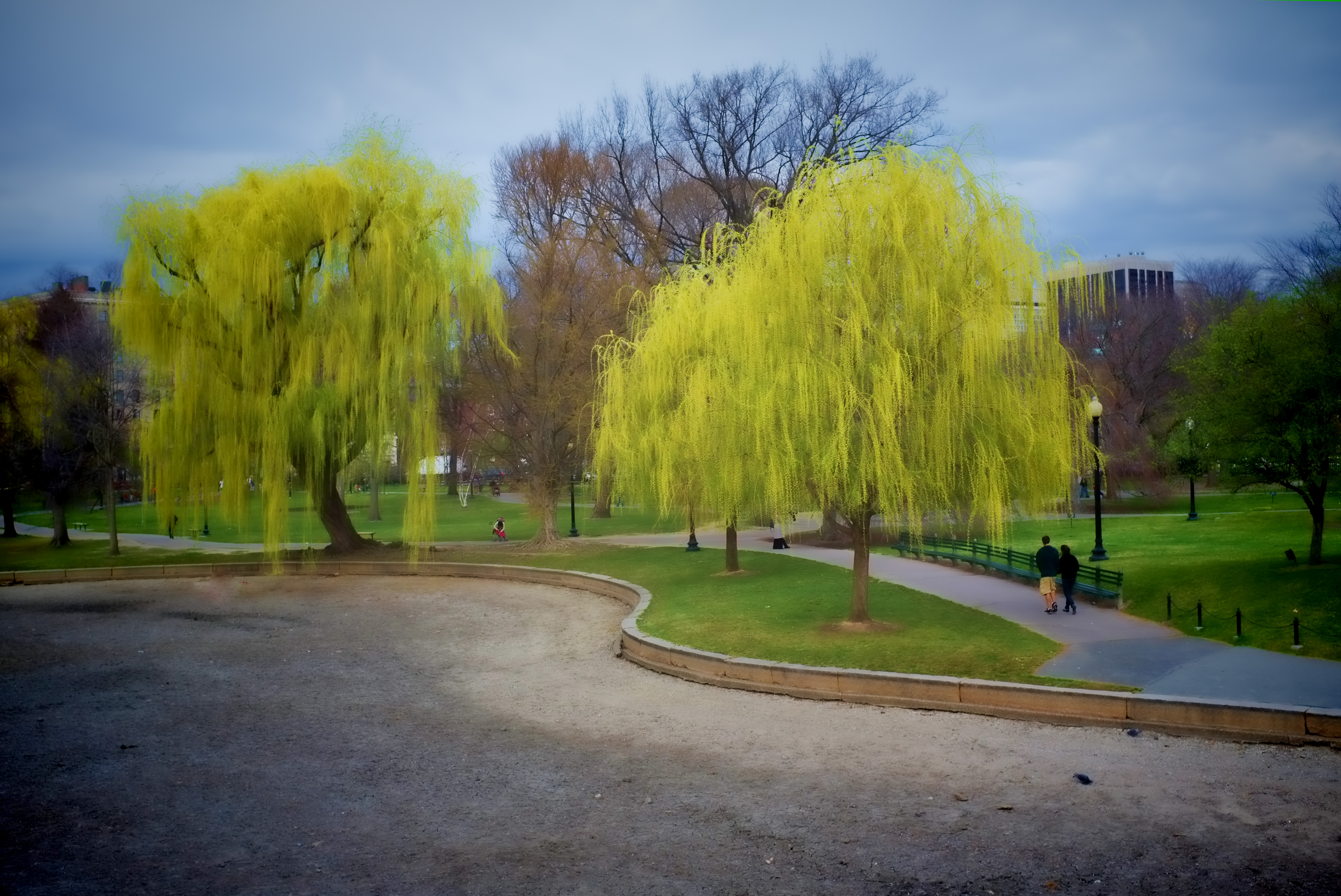
Off Island: Boston Common
Spread The GMG Love By Sharing With These Buttons:

Treasure

Treasure
A man walks on the narrow beach
up to the wall that blocks his path.
He turns, head bowed, to search some more
along the shore for bits of glass.
Above him on the Boulevard,
the walkers and the runners move
without a thought of searching for
a smooth and gleaming artifact.
But soon the man will climb the stairs
and place his treasure in the jar
high on the shelf up in his room
that overlooks the Boulevard.
Marty Luster
Spread The GMG Love By Sharing With These Buttons:

Color Blast

Spread The GMG Love By Sharing With These Buttons:

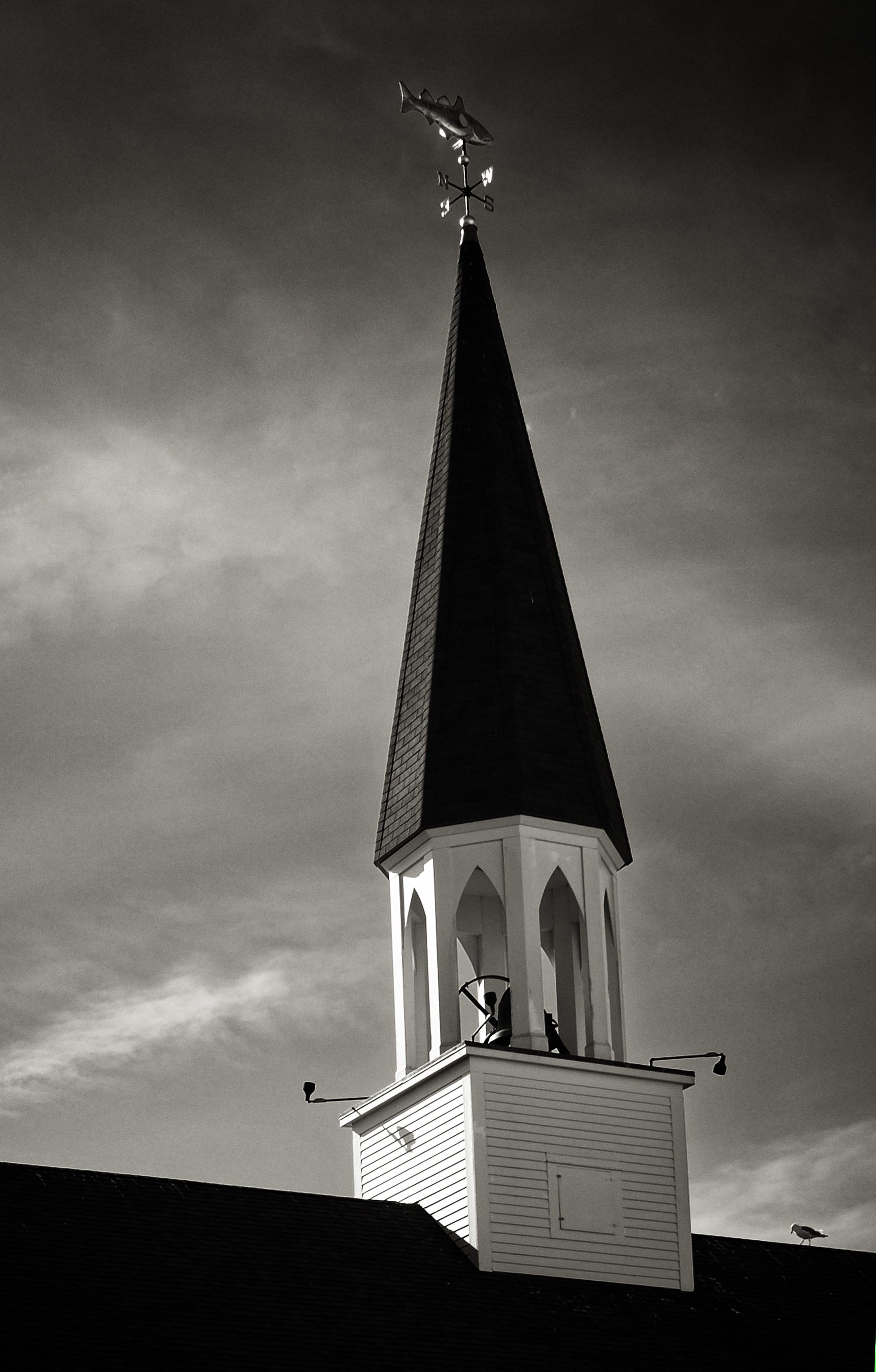
Stately Steeple
Spread The GMG Love By Sharing With These Buttons:

The Doctor is IN

FREEMANTLE DOCTOR, Rockport


