Author: Marty Luster
I'm Marty Luster, a retired attorney and politician. In 2010 my wife, mother-in-law, dog and I relocated from Central NY to Gloucester. I hope my photographs and poetry(?) reflect my love for this place and her people.
My picture-poem posts can be seen at http://matchedpairs.wordpress.com and selected black and white images can be found at http://slicesoflifeimages.wordpress.com

New Photo Adventure
When I was about eight years old I began to help my dad develop film in our basement darkroom. My job was to separate the paper backing from the film rolls before immersing them in the developer tank.It wasn’t long until I had my own camera and, with help, started processing my own film. Cameras have not been far from my reach ever since.
But things change. Although I had a home wet darkroom for many years, the digital photography sirens’ seductive call entranced me and I fell under its spell. In around 2003 I bought my first digital single lens reflex (Nikon D100)and have been shooting digital ever since.
Until now. There is something about film photography that still attracts me. Yes, you give up the instant gratification of viewing your images immediately, but you gain the ability to be patient while the film sits undeveloped in your camera. And since film can be expensive, I believe the photographer learns to be more discerning when deciding composition and camera settings. I also believe, despite the wonderful quality of digital cameras and editing programs, that an image caught on film is somehow more “real” than a bunch of dots arranged, not by the picture taker, but by a computer scientist who can’t know what meaning or feeling you hope your photo captures.
Anyway, I recently bought a wonderful compact 35mm rangefinder film camera. For those who are interested in such things, it is a Voigtlander Bessa r2m. It is fully mechanical and manual and can shoot without a battery, although they are needed to power the in camera meter, if you choose to use it.
This does not mean that I am giving up digital photography. First of all, with the volume of photos I take, I would go broke very quickly paying for film and processing.Secondly, digital photography often yields beautiful results. Its convenience cannot be ignored and the variety of digital gear that is available to the enthusiast is mind boggling. I see the two,digital and film,as being complementary; each for its own purpose and use.
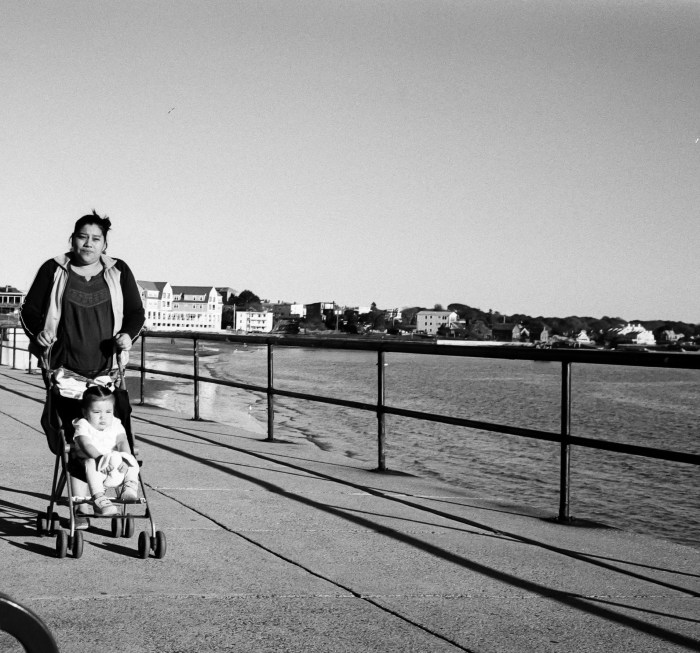
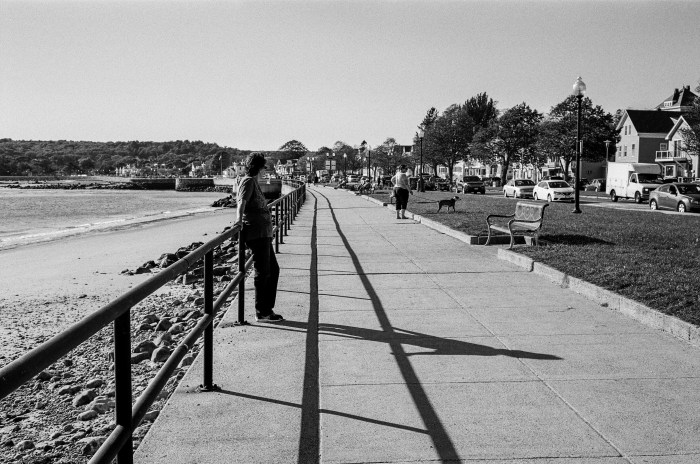
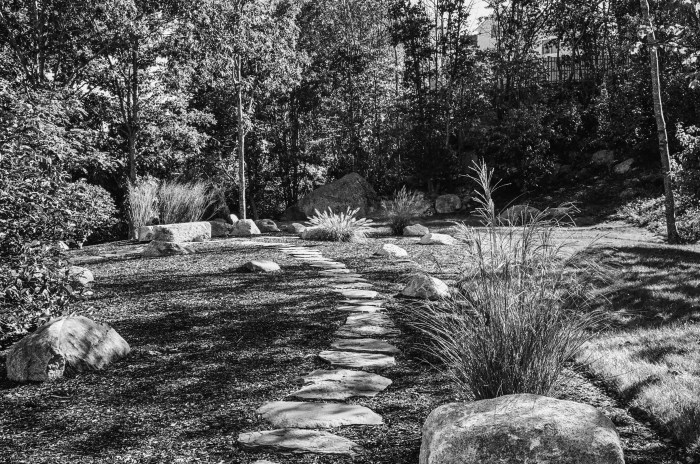
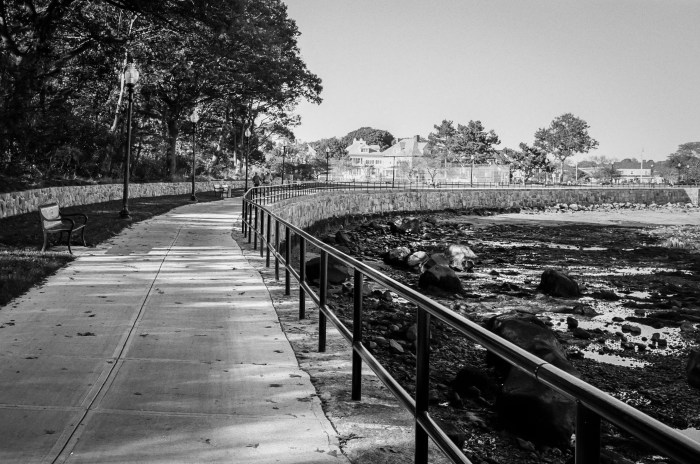
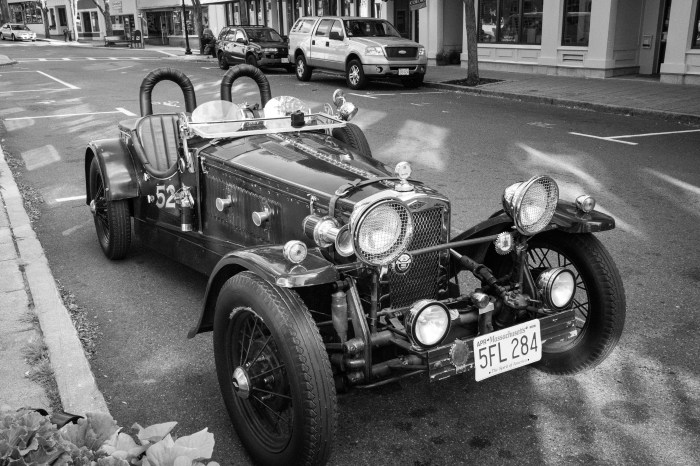
So here are a few shots from the first roll of film shot with the R2M. These are not masterpieces, but simply a starting point for me to get reacquainted with an old friend.
(All shot on Kodak 400 T-max film.)
src=”https://goodmorninggloucester.com/wp-content/uploads/2017/10/untitled-81.jpg” alt=”untitled-8″ width=”3130″ height=”2075″ class=”alignnone size-full wp-image-449260″ />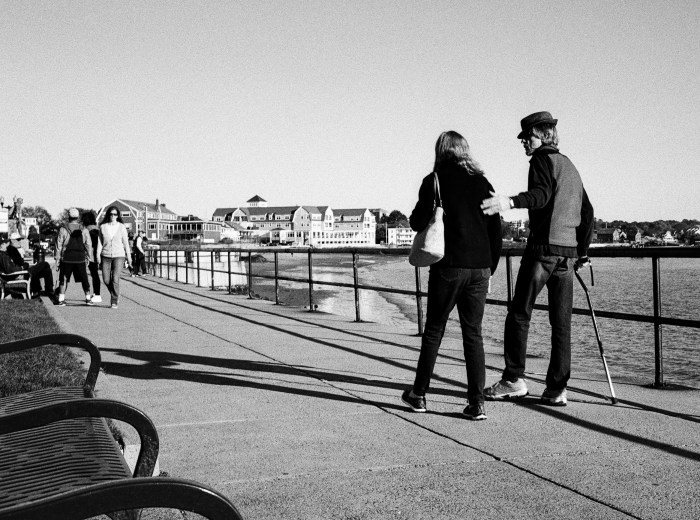
Spread The GMG Love By Sharing With These Buttons:

Police Officers Remembered
Local historian Jude Seminara has authored this reminiscence of two fallen GPD officers. Thanks Jude for your scholarship and your time.
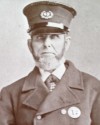
Officer John Blake
In both 1876 and 1918, the Gloucester Police Department lost officers in the line of duty. Officer John Blake died of a heart attack while making his way to a disturbance in East Gloucester in 1876 and Officer George Garland died of pneumonia after contracting the flu while stationed at a hospital during the 1918 influenza pandemic. While researching unrelated Gloucester history, I came across news articles referencing both men and submitted them to the Officer Down Memorial Page, an online database of police officers from around the nation who died in the line of duty.
John Blake was born in Maine in 1816. He moved to Gloucester sometime before 1865 where he worked at Dennis’ Wharf as a master carpenter. He was also a police officer with his beat in East Gloucester. In the evening of August 24, 1876, about 8 o’clock, while walking his beat in East Gloucester Square, he was alerted to a disturbance in “Happy Valley,” somewhat of a “red light district” in East Gloucester in the vicinity of Bass Ave. “Happy Valley,” often reported in the papers of the time as the setting for drunkenness and disorder in that part of the city, was half a mile from his post. Officer Blake made his way on foot at a quick pace to the scene of the disturbance — a fight between two women. He remarked to two girls whom he encountered on his way that he wasn’t feeling well and presumably tried to make his way to his nearby home on Hammond St. through Sayward’s pasture where he collapsed and died in a grove of trees known as Sayward’s Oaks. The girls had set out for help and two East Gloucester residents, Fred Hillier and William Merchant, found Officer Blake’s body about an hour later. Doctor A.S. Garland determined that Officer Blake died of a heart attack. He was 60 years old, and a well respected member of the police force and of the community.
Officer George A. Garland of West Gloucester began his career with the Gloucester Police as a summer constable. In 1915, at age 33, he became a reserve officer and was made a full time patrolman in 1917. He was assigned to mounted duty in the Bass Rocks and Eastern Point area.
In 1918, with the First World War coming to a close, America was ravaged by the Spanish Influenza epidemic caused by a strain of the H1N1 virus. This flu was unusual however in that, unlike many diseases which disproportionately kill children and elderly and infirm people, it was particularly deadly to adults with healthy immune systems. Some scientists believe that the virus’ rapid onset caused a storm of an immune response which was fatal to individuals with strong immune systems. Because of the deadliness of this particular strain of virus, cities across the nation took precautions to minimize the spread. Gloucester had established an emergency hospital at the old armory on Duncan Street, near the present day police station, to supplement the Addison Gilbert Hospital. Officer Garland was assigned to the hospital detail in 1918. During his time at the hospital, he inevitably contracted the virus around the spring of 1919. While he recovered sufficiently to return to duty, due to his compromised state, he contracted pneumonia — commonly associated with this particular flu — from which he was unable to recover. On May 15, 1919, Officer Garland died of pneumonia. He was a widower, and he left behind his mother, two brothers, a sister, and four children.
The Gloucester Times of May 16, 1919 remembered Officer Garland as a quiet, kind, and friendly man who was well liked by his fellow officers and the citizens he served. He was laid to rest at Beechbrook Cemetery in West Gloucester.
Below are links to both officers’ memorial pages on the Officer Down Memorial Page. One can also find biographical vignettes in Mark Foote and Larry Ingersoll’s “Behind The Badge,” the definitive history of the Gloucester Police Department, as well as in historical Gloucester newspapers.
https://www.odmp.org/officer/22548-police-officer-john-m-blake
https://www.odmp.org/officer/23422-police-officer-george-a-garland
Are there any descendants of either Officer Blake or Officer Garland now in the Gloucester area? Let us know.
Marty
Spread The GMG Love By Sharing With These Buttons:

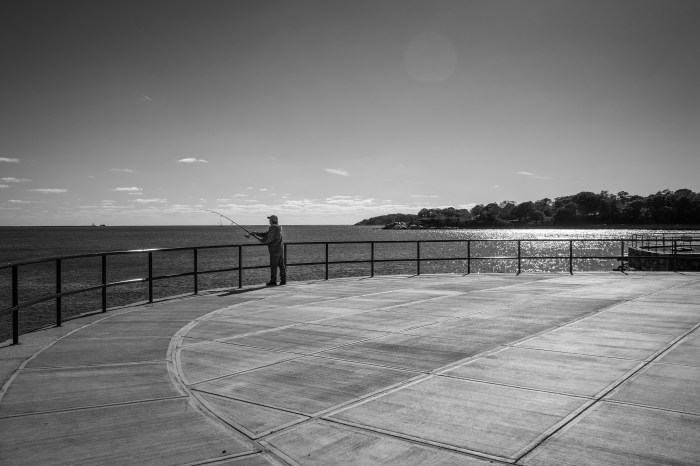
There Are Worse Ways To Spend Time
Spread The GMG Love By Sharing With These Buttons:

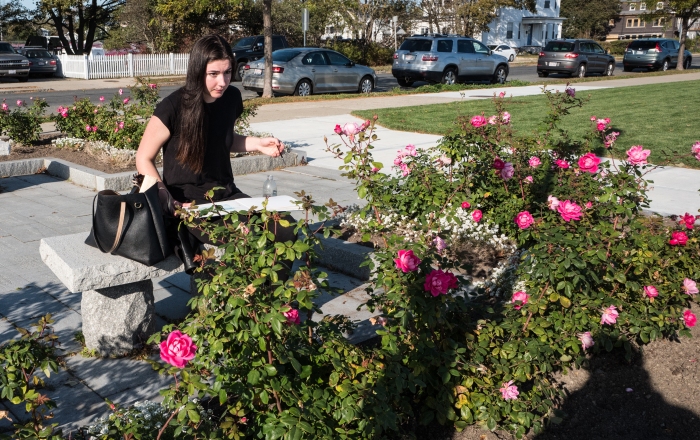
The Eye of the Beholder
Spread The GMG Love By Sharing With These Buttons:

O Captain, My Captain

Spread The GMG Love By Sharing With These Buttons:

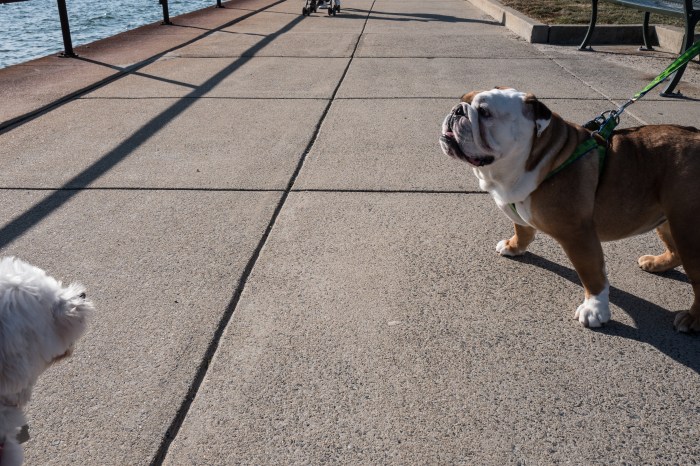
Discretion Is The Better Part of Valor
Spread The GMG Love By Sharing With These Buttons:

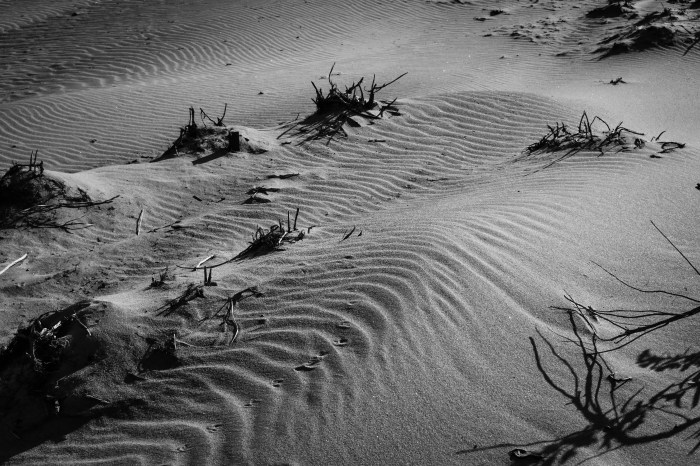
Sand Ripples
Spread The GMG Love By Sharing With These Buttons:

Welcome A New American
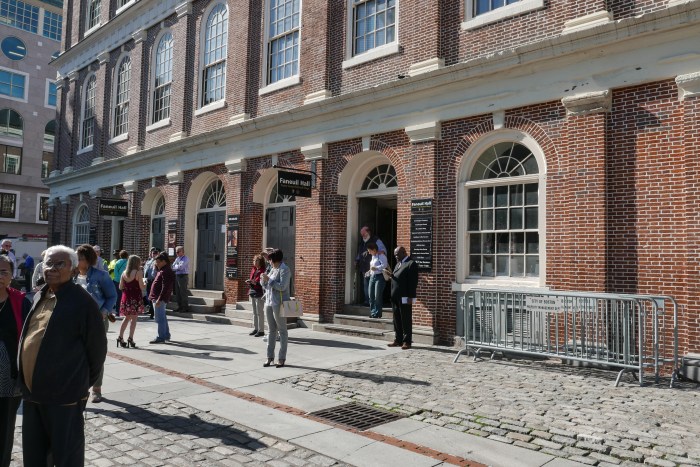
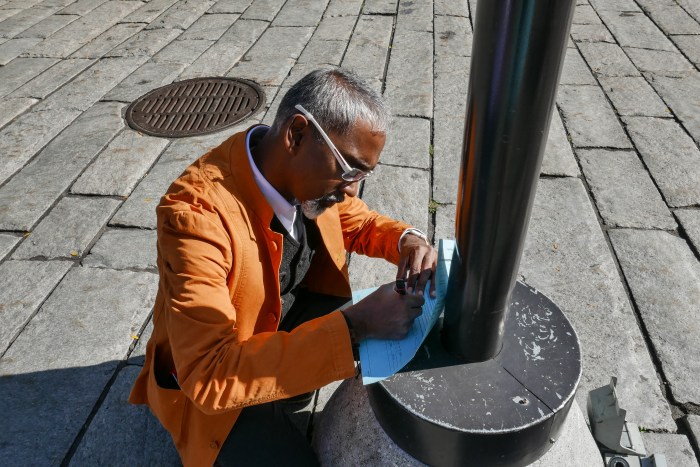
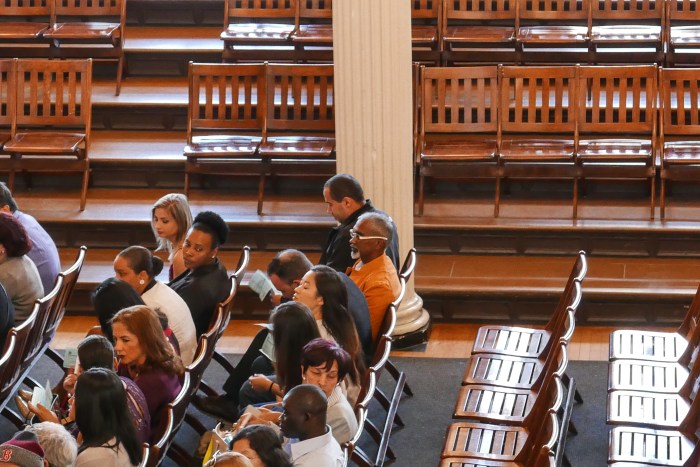
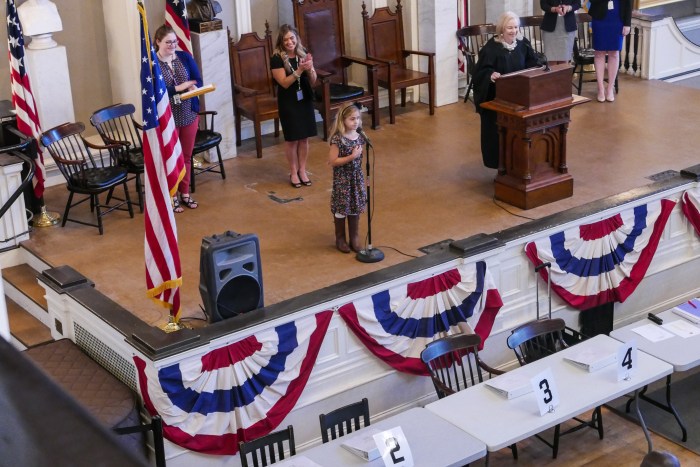
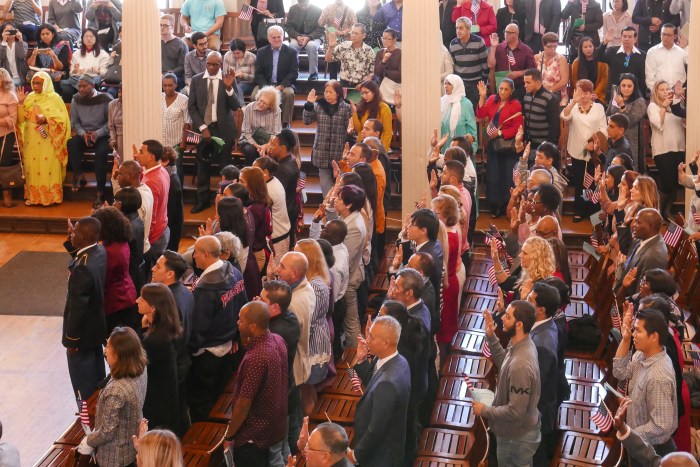
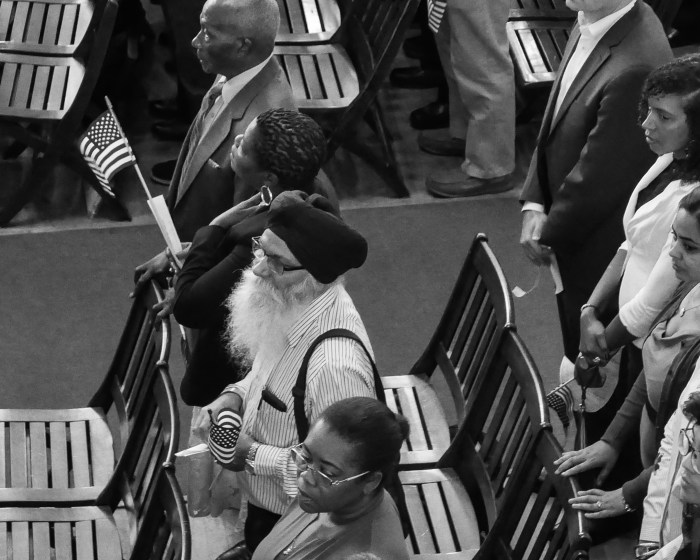
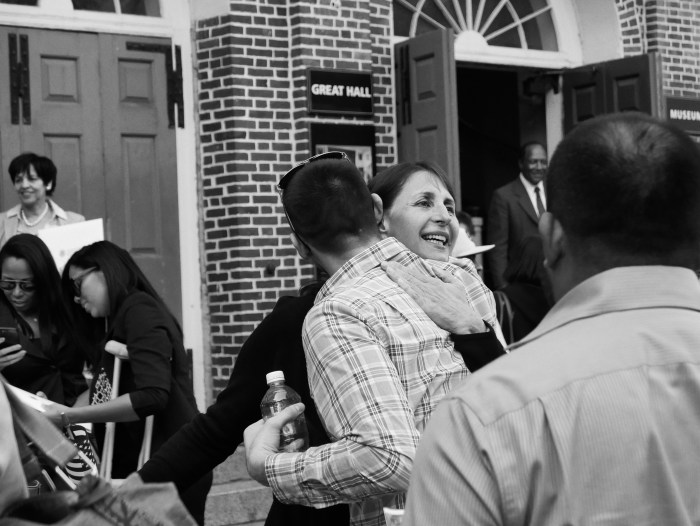
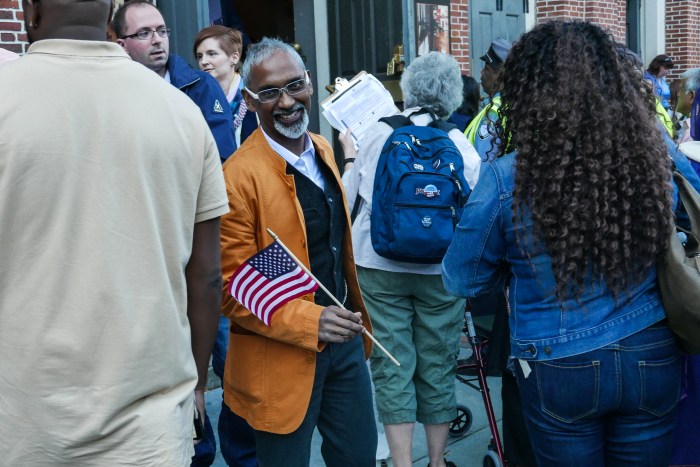
On October 19, Barbara and I had the honor and pleasure of attending the Naturalization Ceremony for about 350 new American citizens in Faneuil Hall in Boston. Our son-in-law, Jonathan Appavoo, was among those who took the historic oath of citizenship. Jonathan is married to our daughter Ann and is father of our youngest grandchildren, Shanti and Raj. Jonathan, a computer scientist and professor at Boston University, and family are currently living in Bangalore (Bengaluru)in southern India during Jonathan’s sabbatic leave from B.U. He is helping Microsoft discover ways in which technology can be best developed and used to improve the well-being of Indians of lower socio-economic status in that class conscious nation.
The Naturalization ceremony was moving. Hundreds of immigrants from every corner of the world raised their right hands and swore, not only allegiance to the United States, but also implicitly,their resolve to become active, thoughtful and informed citizens. Taking the oath in Faneuil Hall placed Jonathan and his fellow new citizens in a direct line of those seeking freedom and liberty, from our founding ancestors to all those others who have not yet been able to fulfill their dreams of becoming new Americans.
Having just made the 24 hour flight from Boston to Bangalore with his family a few weeks ago, Jonathan flew back for the swearing-in and, he hopes, will be in the air, brand new American Passport in hand, heading east very shortly.
Here are some photos. Jonathan is wearing an orange jacket and white-framed glasses.
 <img
<img

Spread The GMG Love By Sharing With These Buttons:

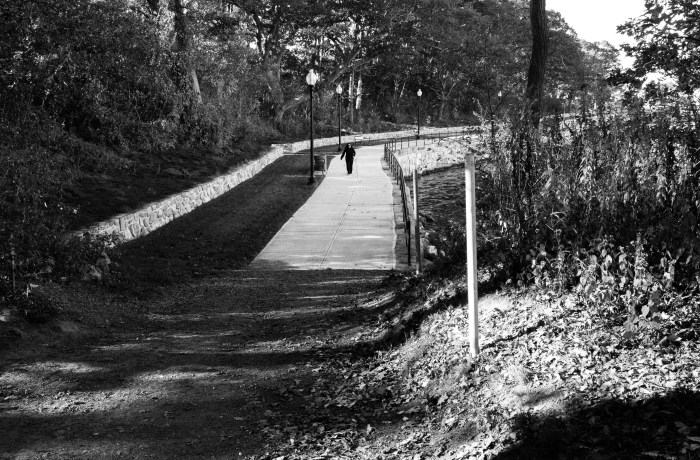
Walking Meditation
Spread The GMG Love By Sharing With These Buttons:

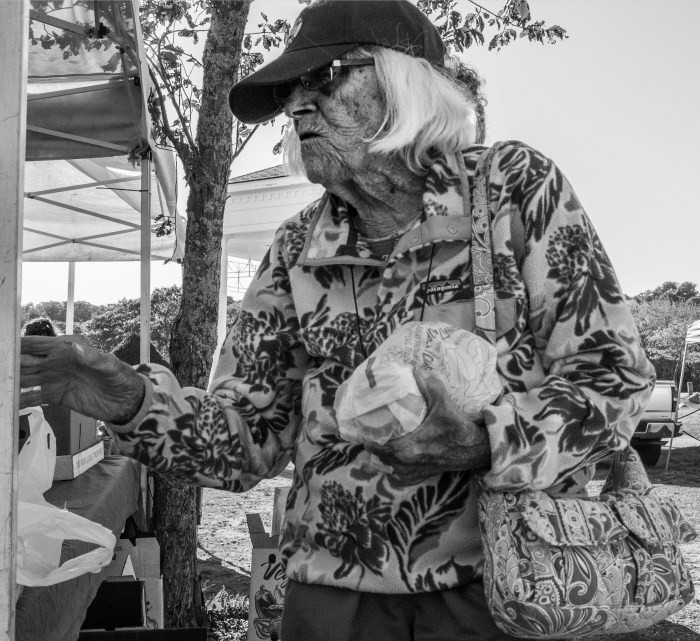
Beautiful Patterns
Spread The GMG Love By Sharing With These Buttons:

“Puffy- Lion Dog”

From Wikipedia:The Chow Chow (sometimes simply Chow[1]:7–8) is a dog breed originally from northern China,[3] where it is referred to as Songshi Quan (Pinyin: sōngshī quǎn 鬆獅犬), which means “puffy-lion dog”. The breed has also been called the Tang Quan, “Dog of the Tang Empire.” It is believed [4][5] that the Chow Chow is one of the native dogs used as the model for the Foo dog, the traditional stone guardians found in front of Buddhist temples and palaces. It is one of the few ancient dog breeds still in existence in the world today.[6]
Spread The GMG Love By Sharing With These Buttons:

Video: Gloucester Gran Prix 2017, Sat. Morning
Spread The GMG Love By Sharing With These Buttons:

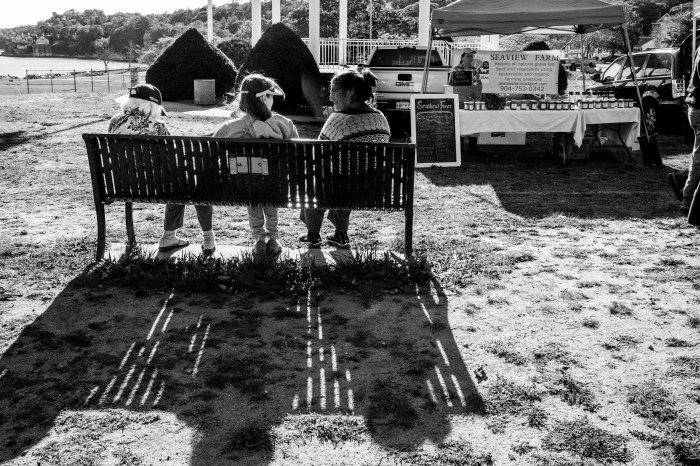
Last Thursday Farmer’s Market of the Season
Spread The GMG Love By Sharing With These Buttons:

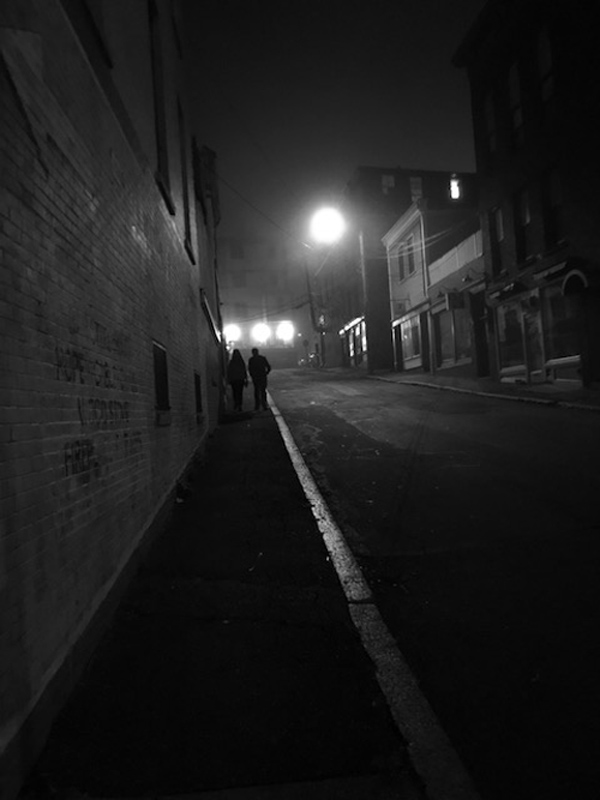
Out Late
Spread The GMG Love By Sharing With These Buttons:

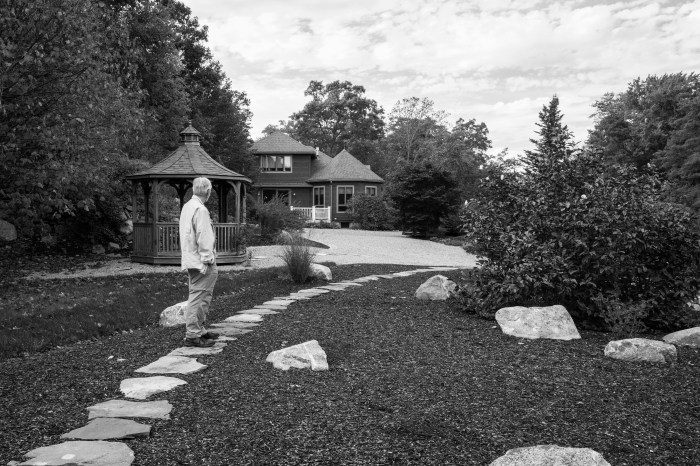
Down The Garden Path
Spread The GMG Love By Sharing With These Buttons:

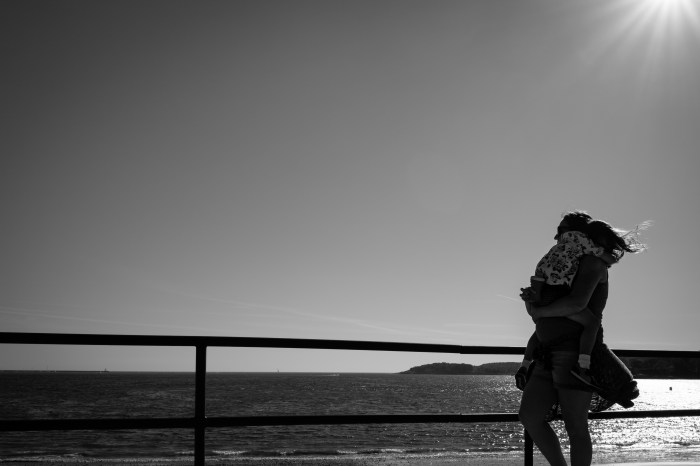
WHEEE!
Spread The GMG Love By Sharing With These Buttons:

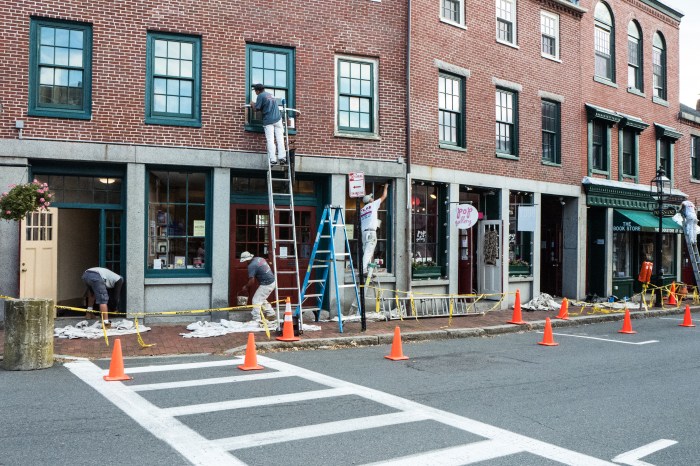
Busy, Busy, Busy…
Spread The GMG Love By Sharing With These Buttons:

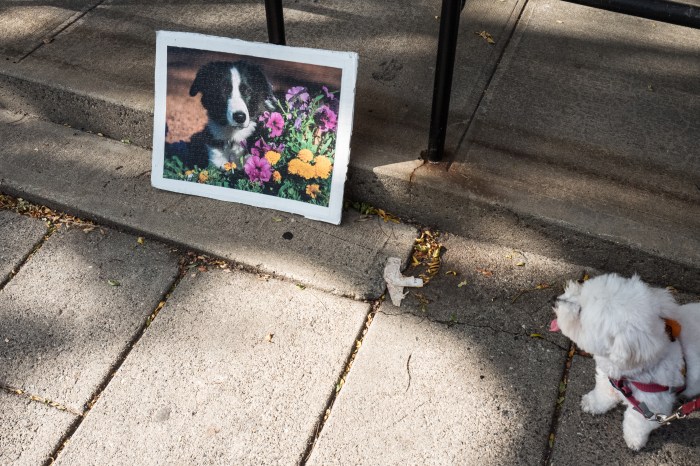
Here’s Looking At You, Kid.
Spread The GMG Love By Sharing With These Buttons:

NIFTY

 Good Morning Gloucester
