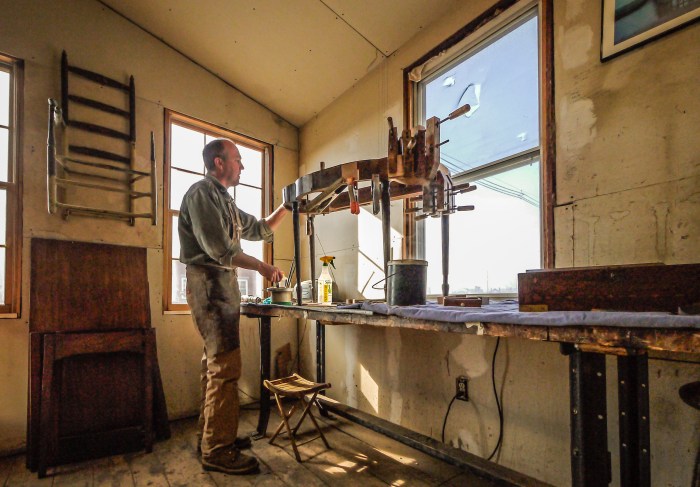
Dean Snell, owner of The Restoration Works, at work in his Rogers Street shop.
Author: Marty Luster
I'm Marty Luster, a retired attorney and politician. In 2010 my wife, mother-in-law, dog and I relocated from Central NY to Gloucester. I hope my photographs and poetry(?) reflect my love for this place and her people.
My picture-poem posts can be seen at http://matchedpairs.wordpress.com and selected black and white images can be found at http://slicesoflifeimages.wordpress.com

November 27, 2010: Our Boy Joey
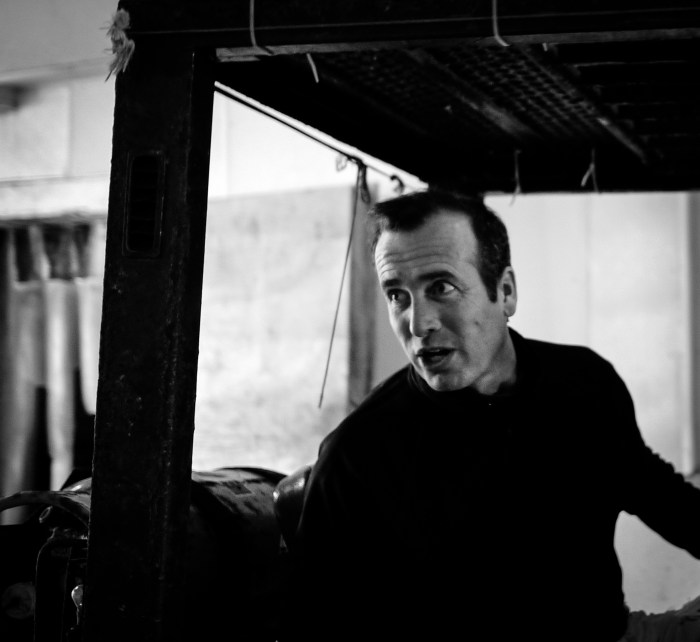
Happy Thanksgiving to Joey and Kate and the entire GMG community. GMG is certainly high on the list of the many things that I am grateful for.
Spread The GMG Love By Sharing With These Buttons:

August 31, 2010:The Harvey Gamage
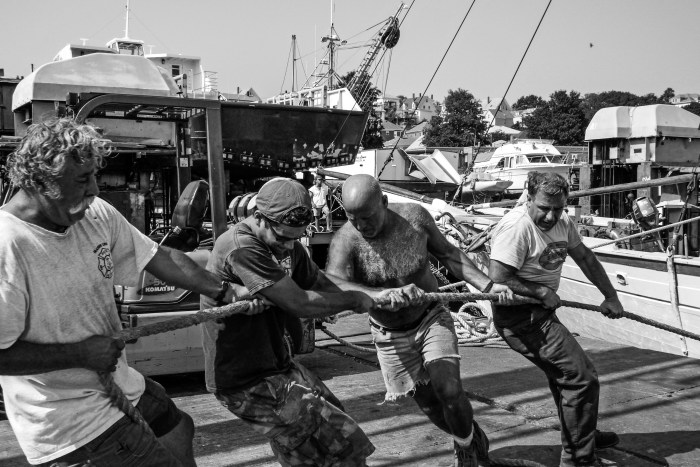
Maneuvering The Harvey Gamage into position on elevating dry-dock.
Spread The GMG Love By Sharing With These Buttons:

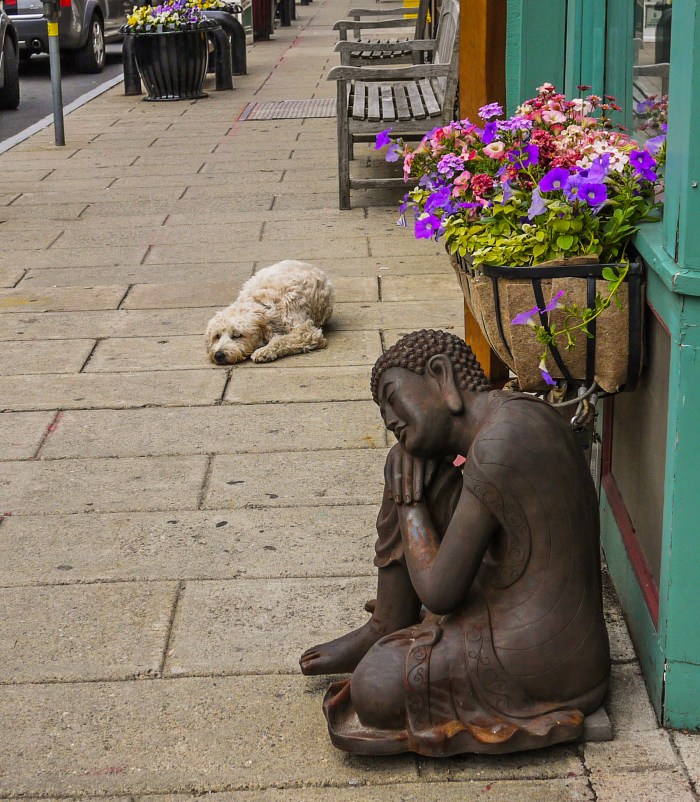
June 13, 2011: Nap Time on Main St.
Spread The GMG Love By Sharing With These Buttons:

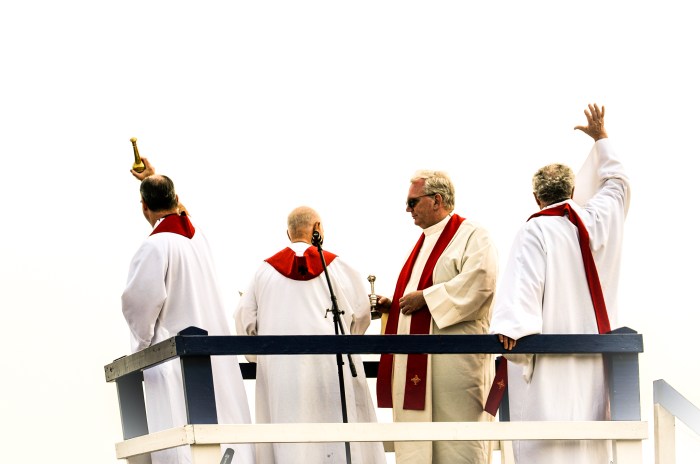
June 27, 2010: Blessing The Fleet
Spread The GMG Love By Sharing With These Buttons:

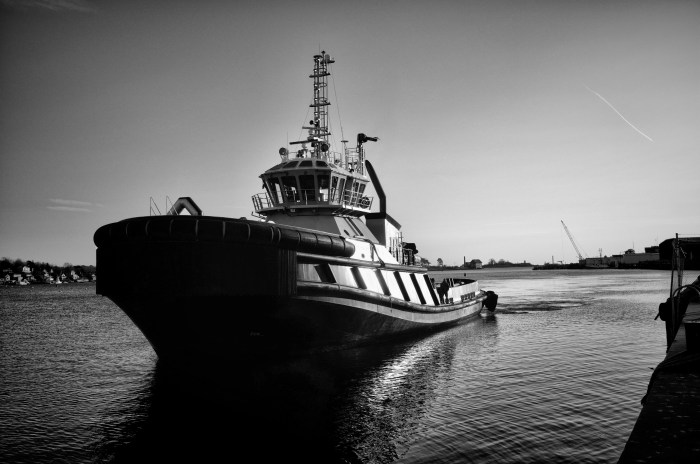
February 28, 2012: Tug Independence Docks at Cruiseport
Spread The GMG Love By Sharing With These Buttons:

May 24, 2011: Geno Mondello At Work in The Dory Shop

Spread The GMG Love By Sharing With These Buttons:

June, 2011: African Elephants
Thank you Kim Smith for posting the BBC videos of African elephants. They brought to mind Barbara’s and my trip to Zimbabwe, Zambia and Botswana in 2011. Of all the wildlife we were privileged to see and study, the elephants were the most endearing and fascinating. Their numbers were plentiful and we had ample opportunity to observe herd life, family structure and bonding within the herd and learn about the elephant habitat. These amazing animals must be among the most intelligent, compassionate and loving in all creation.
In the few short years since our visit, the number of African elephants in the wild has decreased dramatically,(about 6% in Zimbabwe) due largely to habitat destruction and ivory poaching.Despite that, legal hunting of elephants is permitted in many African countries. While it may be true that well managed hunting can serve to conserve habitat and strengthen the herds, some countries, and Zimbabwe in particular, have failed to demonstrate a commitment to that goal. Instead, the hefty fees collected from trophy hunters have been diverted from conservation efforts to unrelated purposes.
That’s why, in 2014,in an effort to discourage Americans from engaging in elephant trophy hunting in parts of Africa, President Obama banned the import into the U.S. of elephant body parts from animals killed in Zimbabwe and Zambia.
President Trump has now reversed that order, thereby creating incentives for the trophy hunting of these magnificent creatures and accelerating the decline of African elephants which have been on the Endangered Species list since 1979.
All photos © Marty Luster 2011
UPDATE 9:15 PM
President Trump, in a tweet, has reversed the order that allowed animal trophies from Zimbabwe to be brought into the US, pending further study. This is a temporary measure, but it allows time to have a public discussion about this issue.
MORE HERE
Spread The GMG Love By Sharing With These Buttons:

From The Archives: June 28, 2011
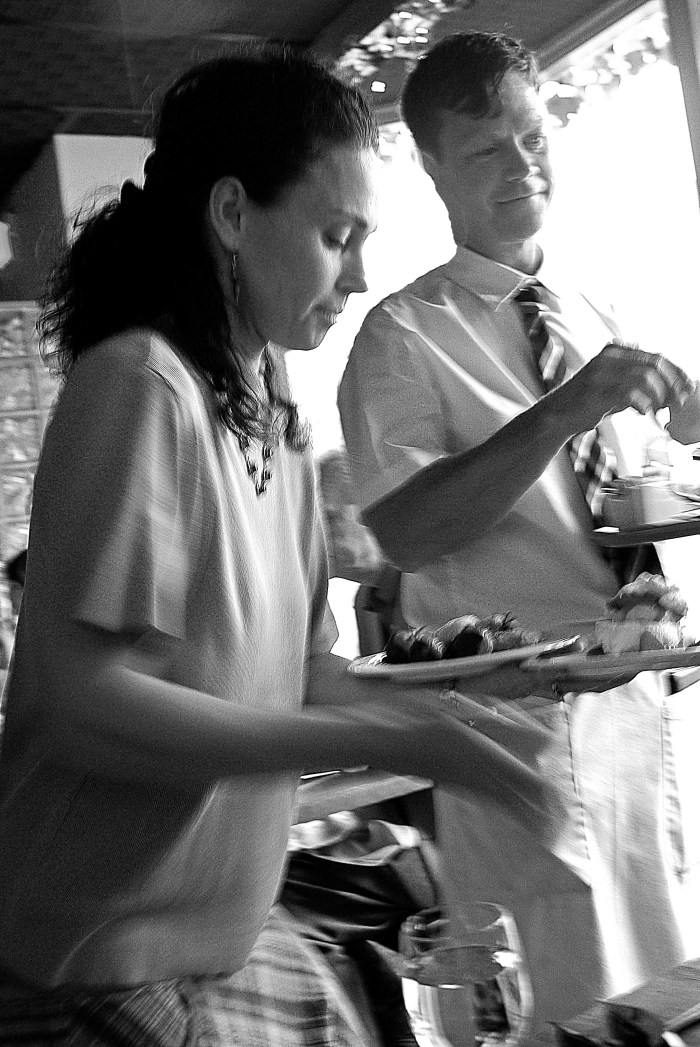
First of many great meals at Duckworths.
Spread The GMG Love By Sharing With These Buttons:

From The Archives: December 7, 2010
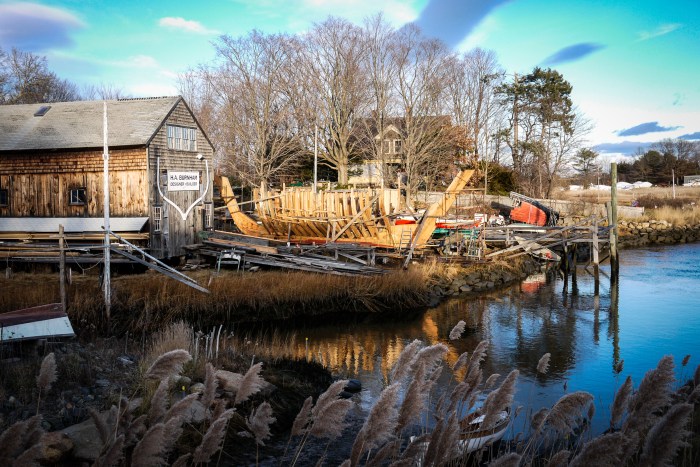
Since I’m housebound for a while, this is a good opportunity to take another look at some of the thousands of photos I’ve shot for GMG (not all were posted) over the past 7 1/2 years.
This is the Pinky Schooner Ardelle in its 15th week of construction at the Harold Burnham boatyard in Essex.
Spread The GMG Love By Sharing With These Buttons:

A Walk In The Park
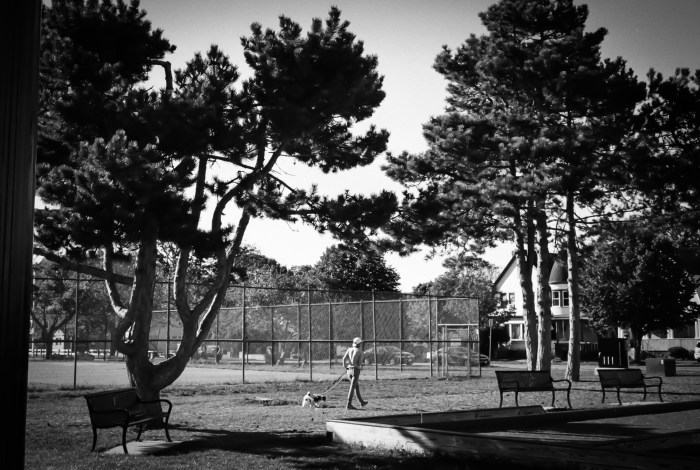
Spread The GMG Love By Sharing With These Buttons:

Table For Two
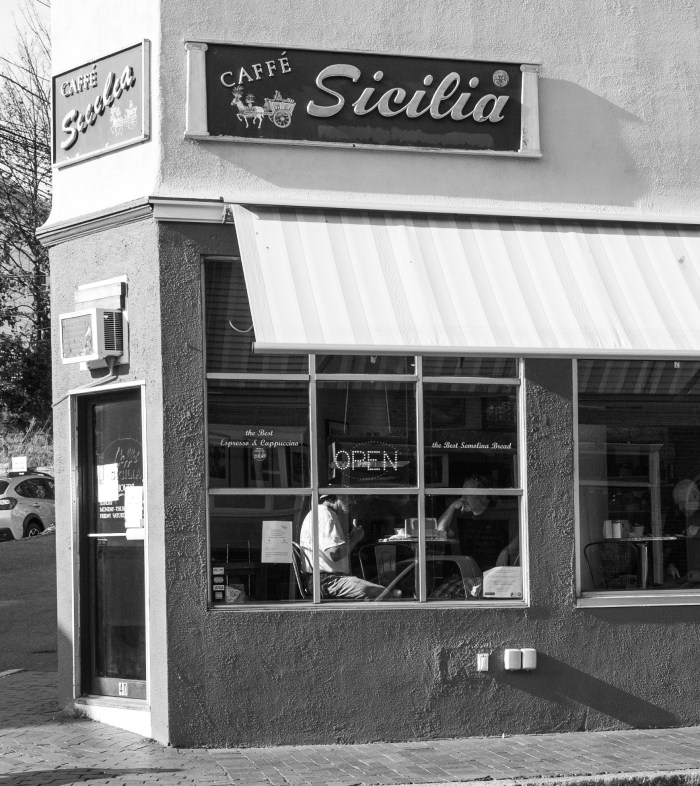
Spread The GMG Love By Sharing With These Buttons:

Back Against The Wall
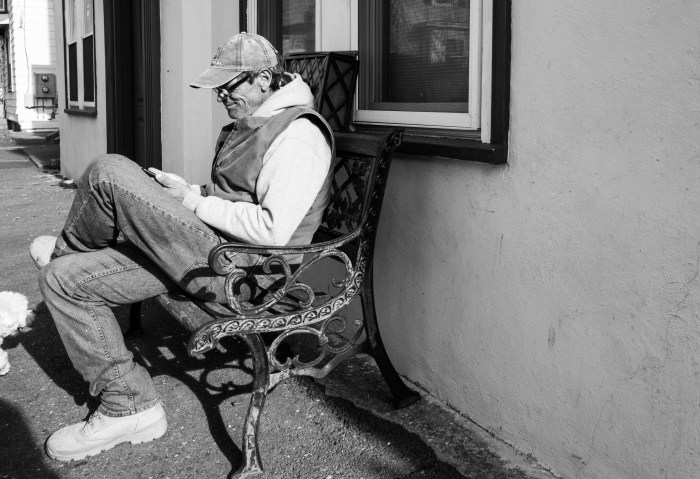
Spread The GMG Love By Sharing With These Buttons:

Table For One
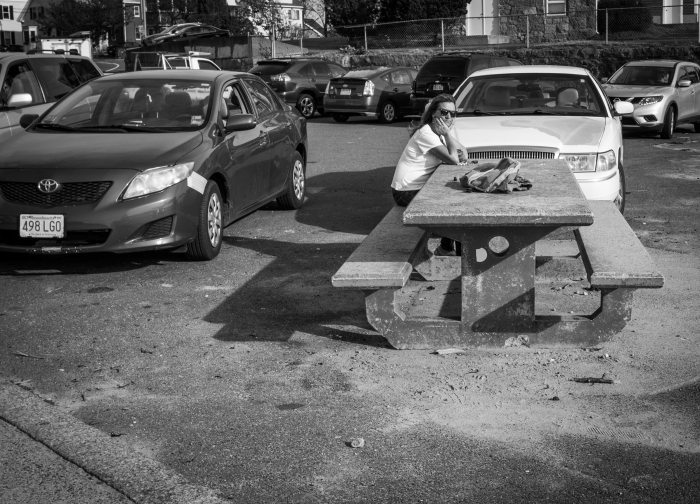
Spread The GMG Love By Sharing With These Buttons:

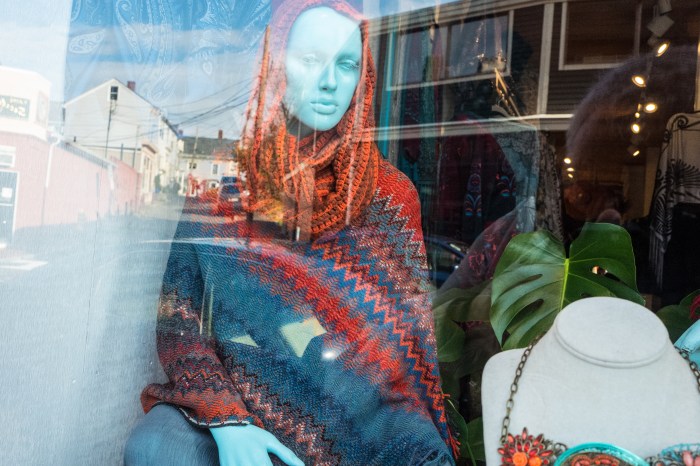
Apparition
Spread The GMG Love By Sharing With These Buttons:

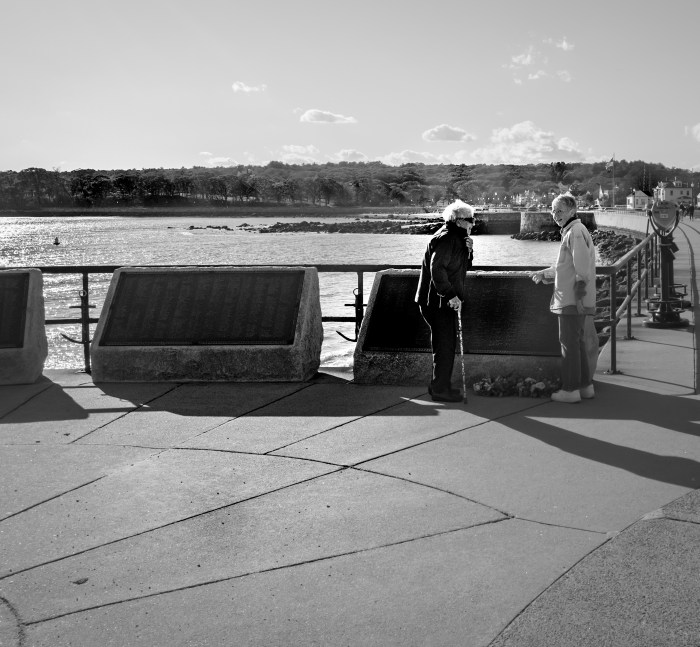
Nip In The Air
Spread The GMG Love By Sharing With These Buttons:

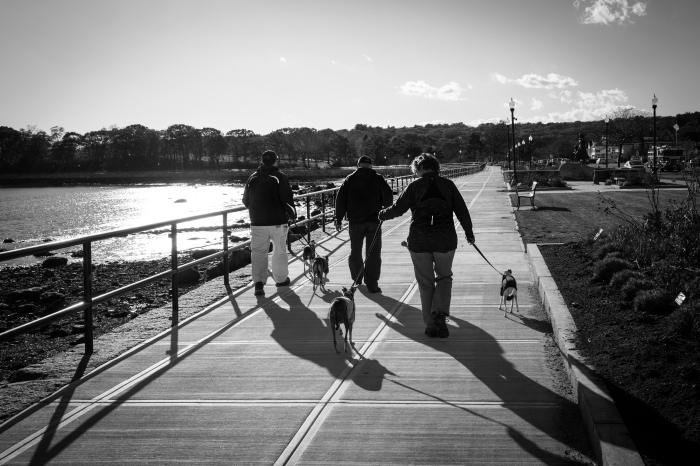
Git Along Li’l Doggies
Spread The GMG Love By Sharing With These Buttons:

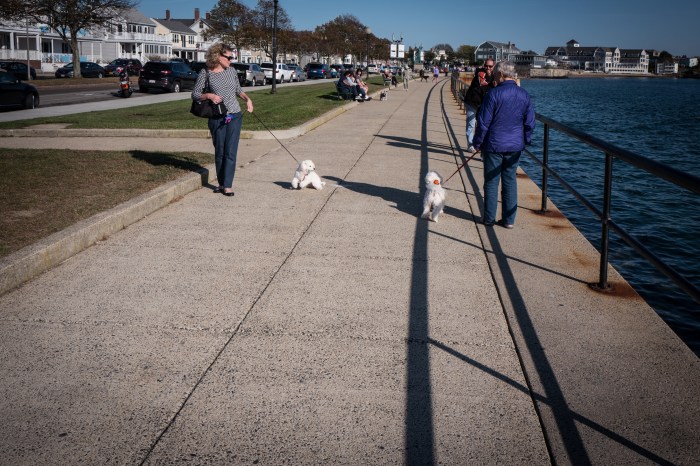
Hi Cousin
Spread The GMG Love By Sharing With These Buttons:

A Not So Merry Tale
Jude Seminara has provided us with his perspective of the oft told James Merry – Dogtown tale.
The Matador of Gloucester
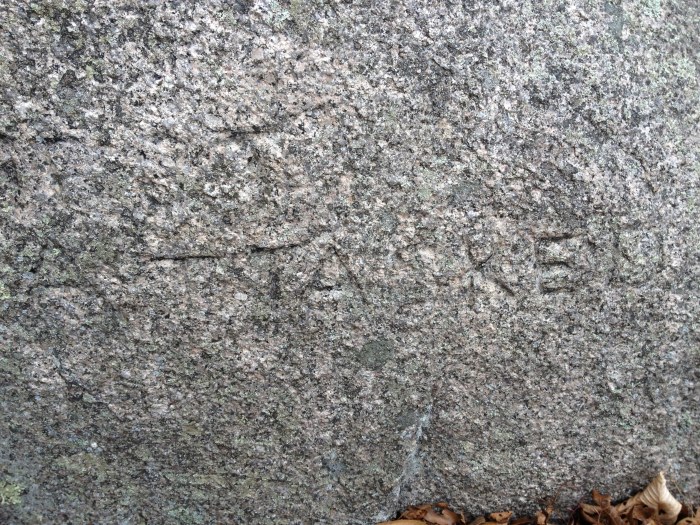
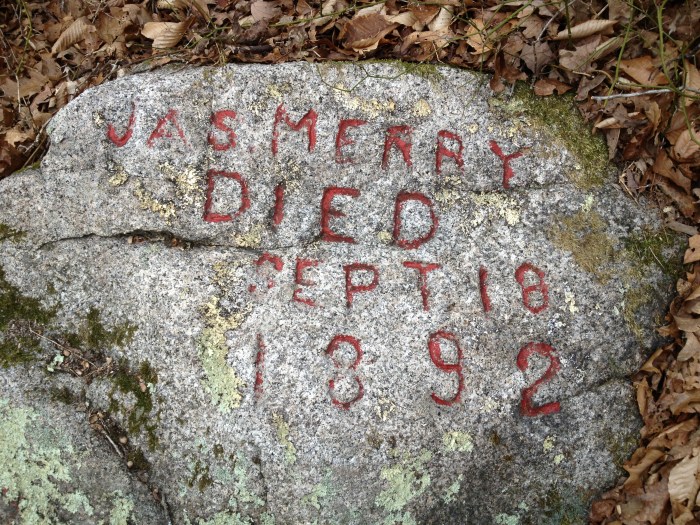
In the mid-morning of Sunday, September 18, 1892, three local men, Henry and Chester Norwood and Isaac Day discovered the bloody and battered body of 60 year old James Merry wedged between two boulders near the Dogtown Road. His abdomen had been ripped open. Nearby, Patrick Nugent’s Jersey bull was in an agitated condition, bellowing and stomping his hooves, his horns stained with blood. Mr. Day left immediately to summon the police, and Officer Ropper, accompanied by the Undertaker Lloyd and medical examiner Quimby came to investigate.
Tradition holds that Merry had, while a sailor, visited Spain and became interested in bull fighting. When he returned to Gloucester, he raised a bull from a calf and practiced wrestling it in Dogtown. The night before he was killed, the story goes, he was drinking up in town and was challenged to wrestle the bull. The bull won, goring Merry with its horns. While a romantic story, it is simply untrue.
James Merry was born in Edgecomb, Maine, one of three sons, in 1832 to Heram and Betsey Merry. He was in Gloucester sometime prior to 1850, at which time he was recorded as James Murray, fisherman in the census. According to the vital records of Gloucester, he married Catherine Witty in 1856. The Merrys had three children: James Howard, Frank, and Carrie. Carrie died of typhoid fever at the age of 14 in 1878. Merry’s brother David Murray was lost at sea in 1859 and is memorialized in the cenotaph at the Fisherman at the Wheel statue. His other brother Jonathan left Gloucester shortly after David’s death to returned to Maine.
Continue reading “A Not So Merry Tale”
Spread The GMG Love By Sharing With These Buttons:

Socked In

 Good Morning Gloucester