Cool science at Good Harbor Beach | sign up for Piping plover watch

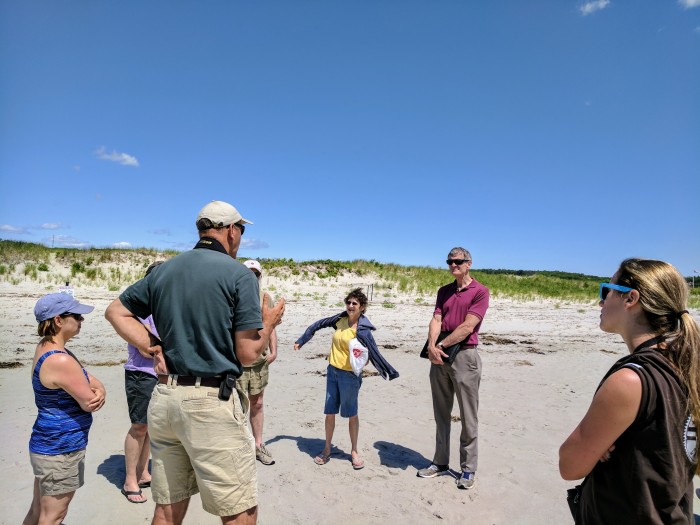
IMG_20170626_113221

photo caption: Dave Rimmer, Director of Land Stewardship, Essex County Greenbelt (Left) with Ken Whittaker, City of Gloucester Conservation Agent (Right)

Contact: Ken Whittaker kwhittaker@gloucester-ma.gov

Ken Whittaker, City of Gloucester Conservation agent, put the word out seeking volunteers to help monitor the piping plovers (Gloucester Daily Times). Today was the first organizational meeting and informational session with Dave Rimmer, Essex County Greenbelt. Ken is coordinating the schedule, and there are plenty of open slots available. “We will take this a day at a time until I have the opportunity to put together a formal schedule.”  More than one volunteer is welcome on any shift, so please email if you’re interested in helping. Ken, Dave and other officials monitor the birds. When Kim Smith is there, she’s working on critical filming.

For those of you who could not make it, Ken Whittaker is holding a second meeting tomorrow evening about 4:30; Ken will be at Good Harbor Beach from about 3:30 to 5.

Piping Plover volunteers can receive free parking!

Planning on a beach day and can devote an hour of your time for observation? Email Ken to sign up for a shift and to learn more.

Volunteers are asked to bring binoculars and feel free to jot down some observations about the parents and the 2017 brood of 4. It’s simple. The birds need to be left alone and given wide berth when they’re on the move.  Don’t follow after them. Look but don’t touch. Maybe intercept trash tumbleweeds. What gets tricky is when the birds are going back and forth from the water to the enclosed area.

Thanks to the enclosure, it’s obvious to stay away from inside the protected area. What’s less obvious is where to put your towel outside the fence.  If you know your beach visit wouldn’t be complete without a vigorous paddle ball, can jam or football game, lining up your towels right outside the fencing is a little dicey. It happened today and the group was happy to move when Ken explained the situation. However, if you’re not one for major games and are happy to sit in your chaise for a long read and full day, you might want to think about doubling up as a piping plover volunteer for one hour. You’re there anyway. They are super cute and you’ll feel good helping out! Midday is low on sign ups.

You could make it a first class retreat: Good Harbor Beach rents umbrellas and cushy recliners. See “Good Harbor Beach Day: How To Pack Light”

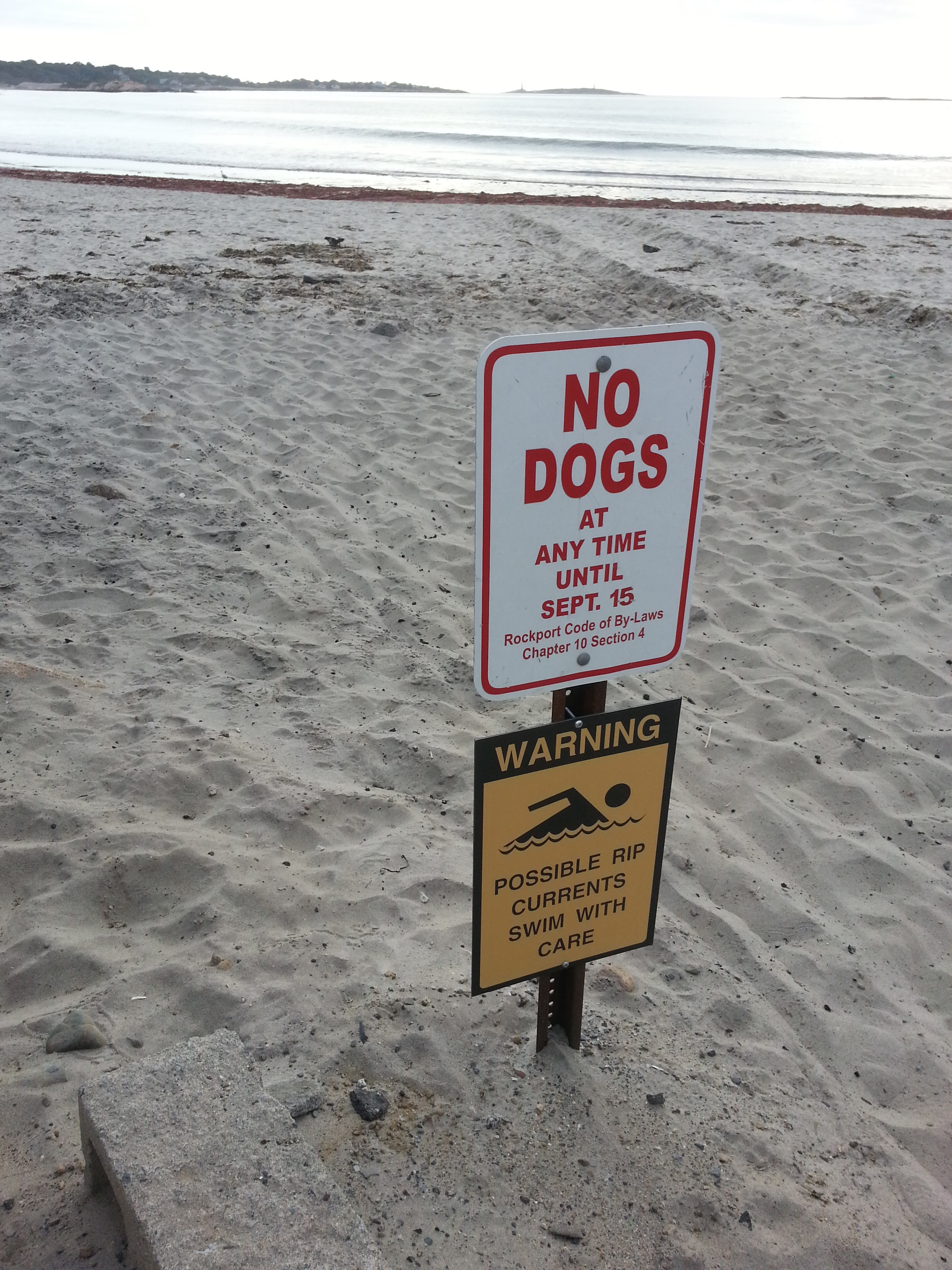
Ken writes:

“I have been in contact with the animal control officer who says she has been monitoring the situation but will kick it up a notch.  Dogs are not allowed on the beach and you can remind scofflaws of this.  If this becomes an issue I suggest people immediately call 978-281-9746 – Diana Corliss is the animal control officer and she can guide you from there. (Note, three essentials for monitoring include cell phone, binoculars …. and sun screen!)”
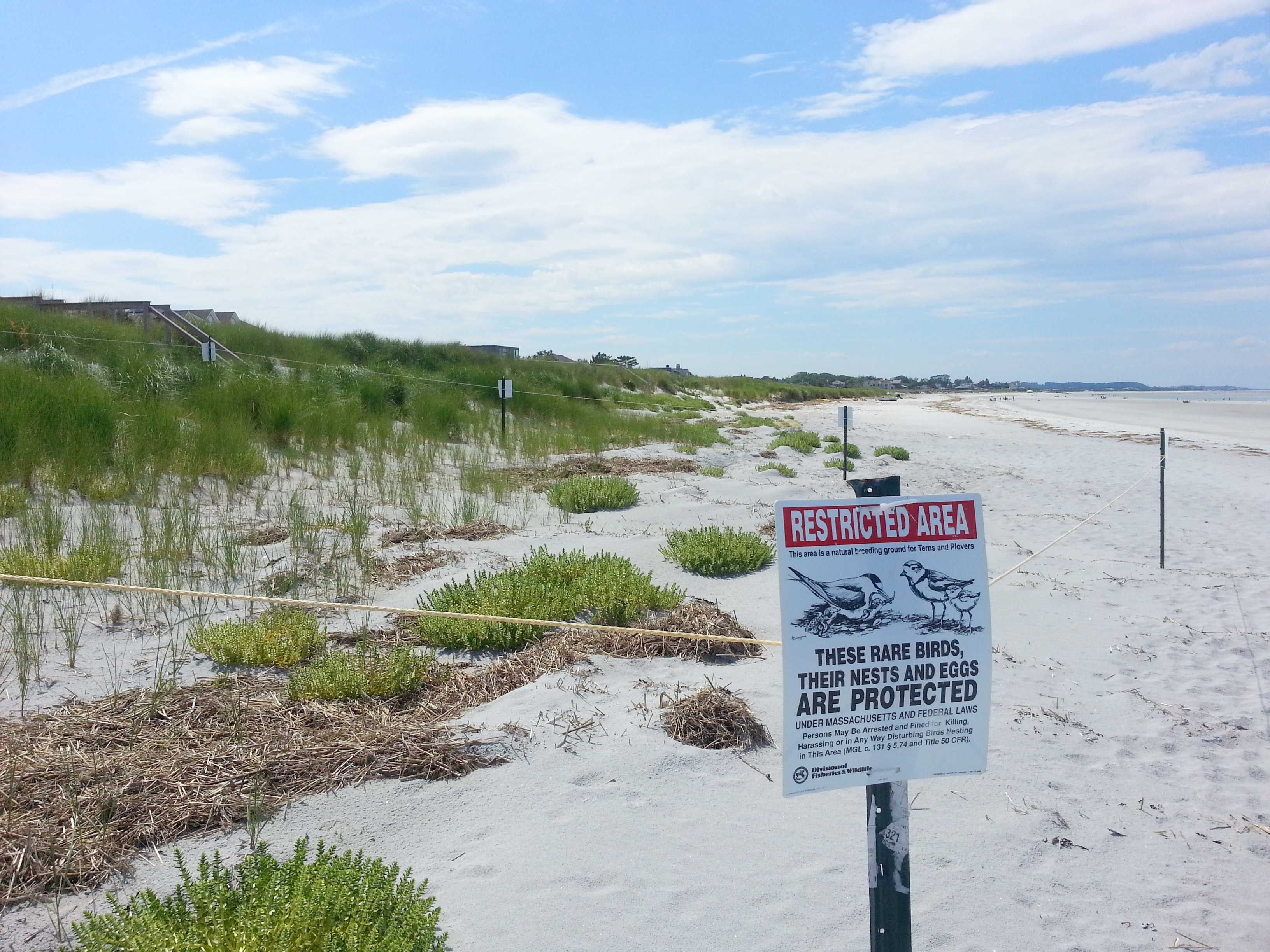
IMG_20170626_111859

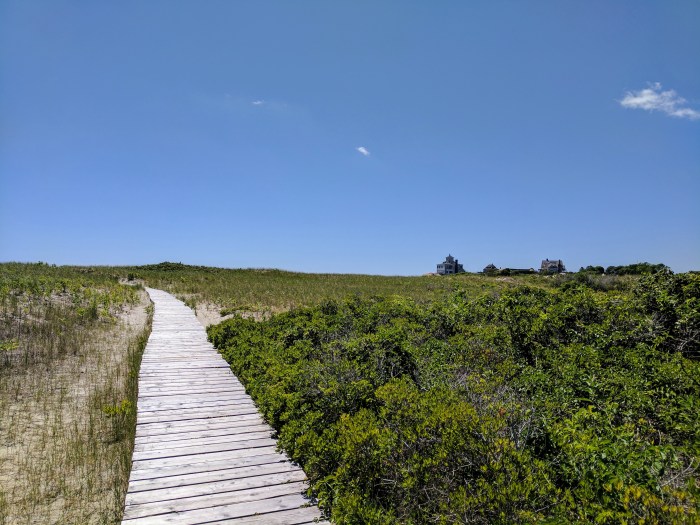
Essex County Greenbelt is responsible for the fencing of the protected area which is to the right of the boardwalk #3. They’ll tweak the fencing as needed. This year’s nest is within a close distance to last year’s nest.
 

IMG_20170626_111058
The piping plovers nested on the beach by the dune’s edge to the right of boardwalk 3 


FIESTA BABY PLOVERS!

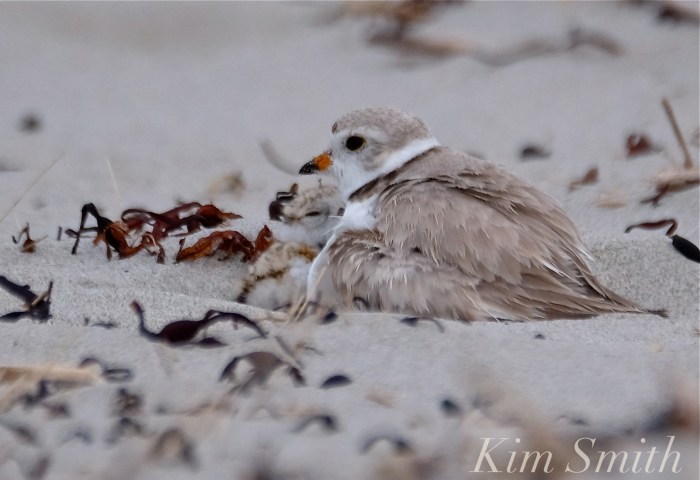
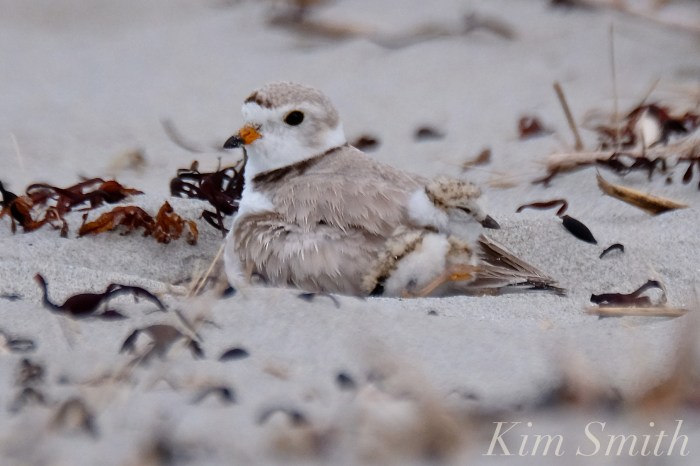
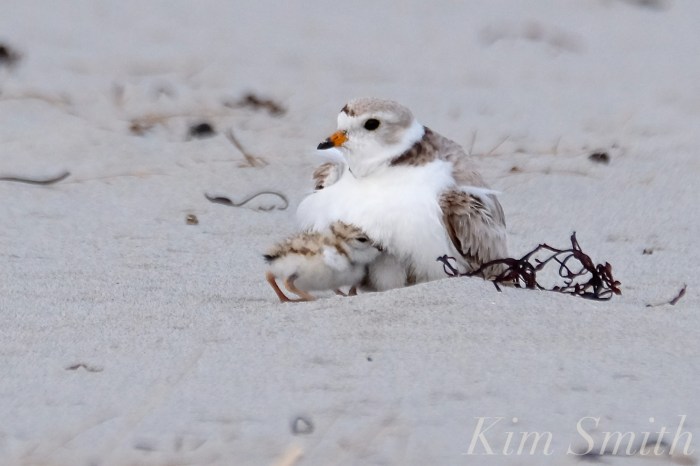
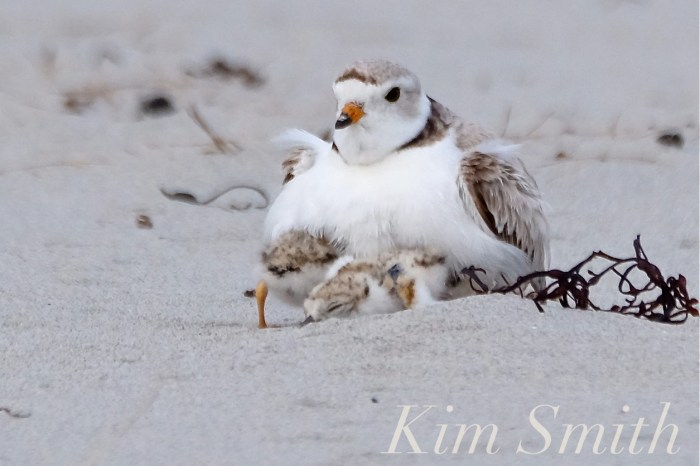
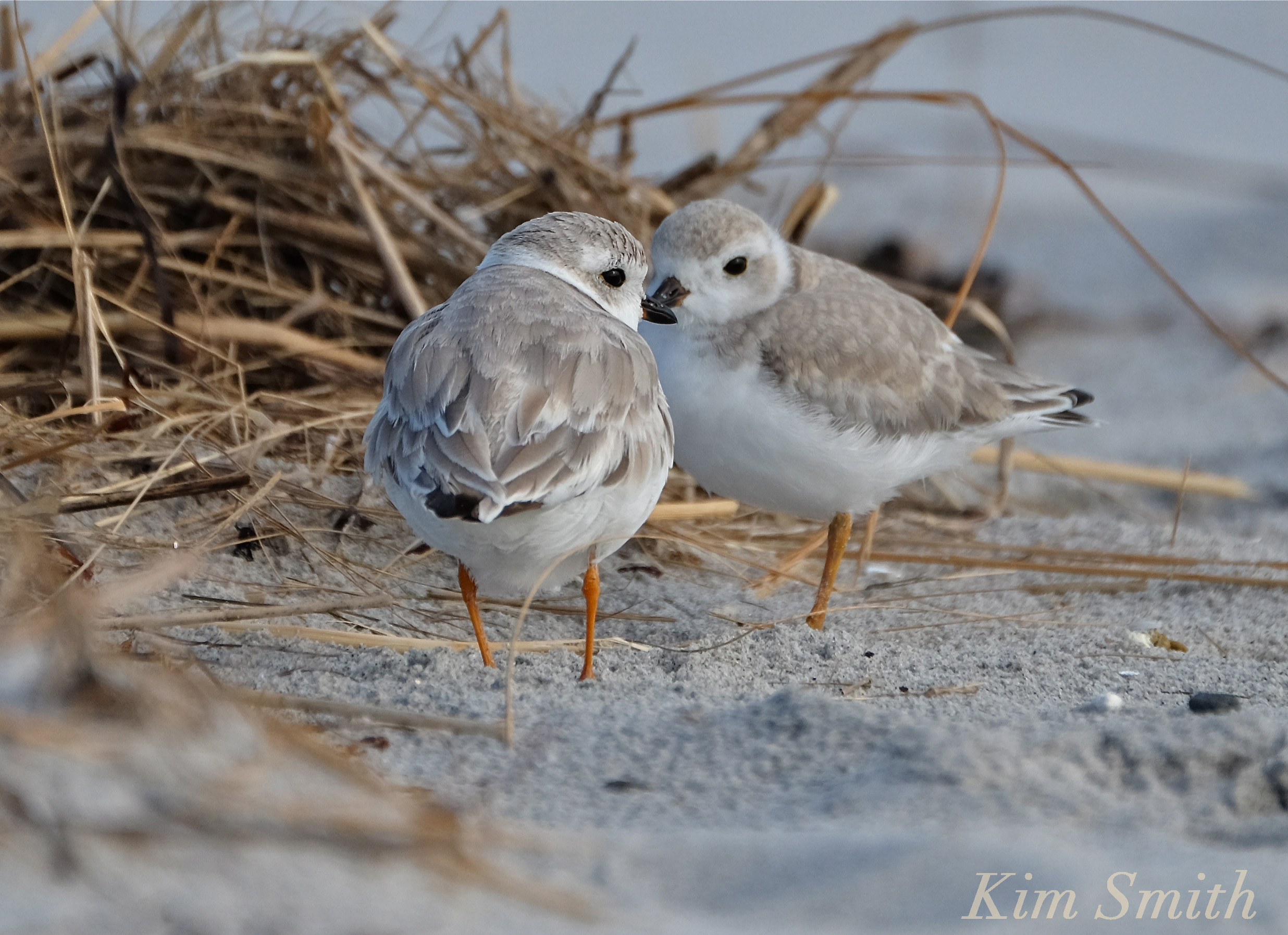
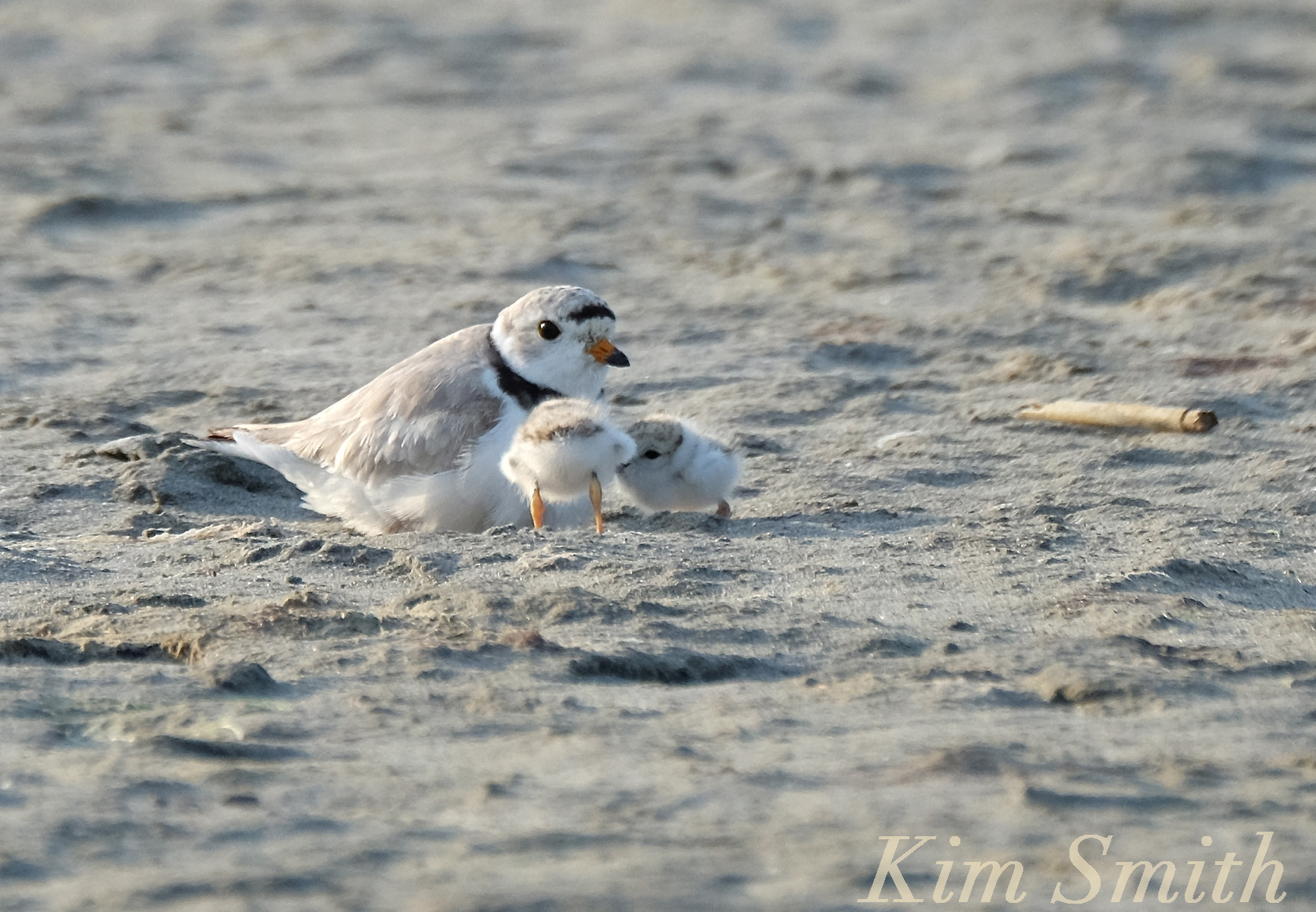
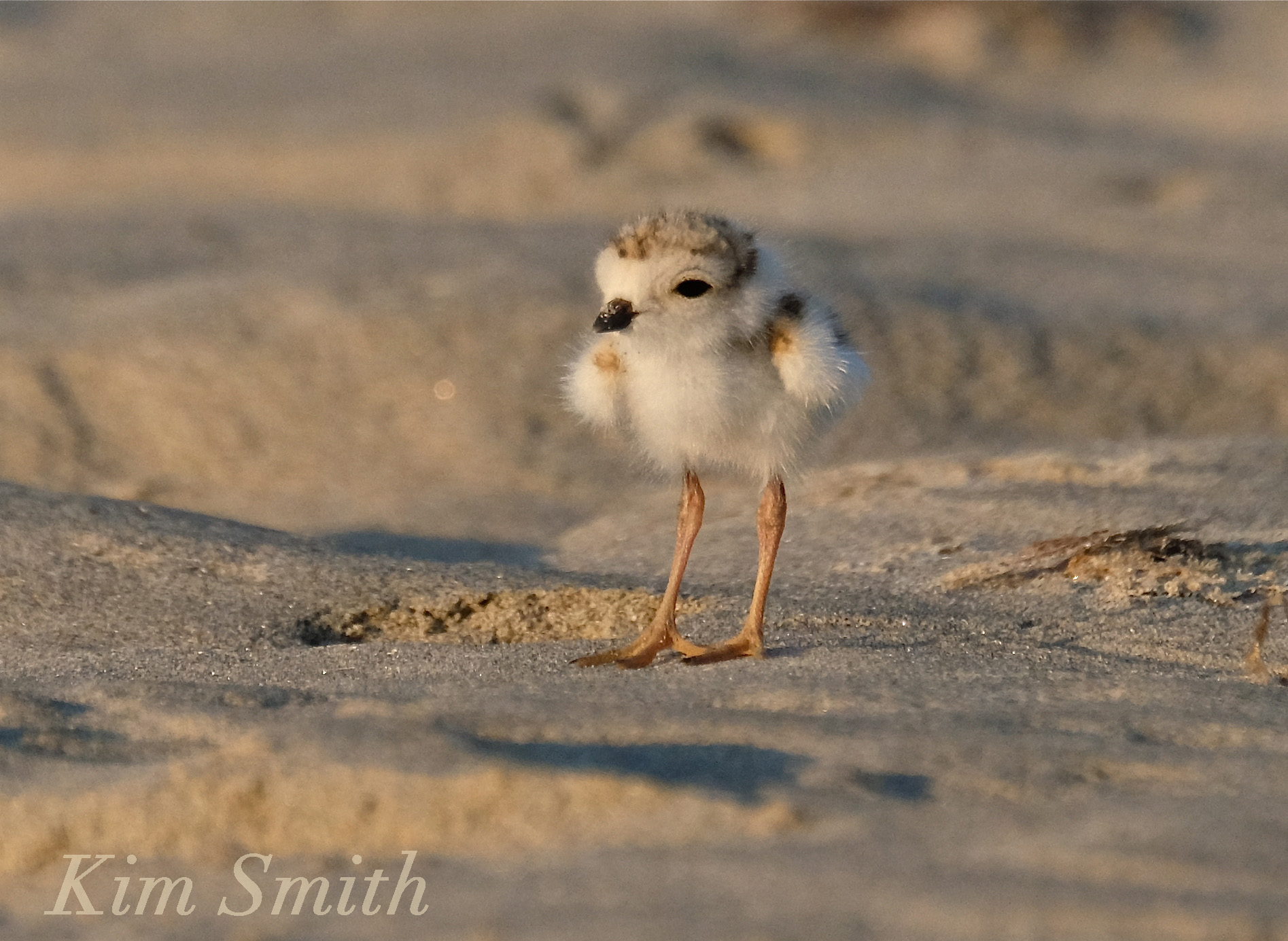
Four of the sweetest little Piping Plover chicks hatched Thursday morning, June 22, at Good Harbor Beach. They are all beautiful and perfectly formed and healthy. Within hours of hatching, the mini-marshmallow-rockets were zooming and tumbling about the shore. Mom Joy and Dad Joe are in full on protective mode, doing their best to chase seagulls and people out of their territory.

Don’t mess with Mama Joy!

Last year the East Gloucester neighborhood kids named the parents, Joy and Joe; and chicks PuffPuff, FluffFluff, and Tootsie Pop. The parents are most likely the same pair as they have nested in nearly the exact same spot as last year. Comment in the comment section for name suggestions if you would like. Wouldn’t it be great if the four names were somehow Fiesta inspired 🙂

Good Harbor Beach is going to be very crowded this weekend. If the chicks manage to survive the first ten days, their odds of surviving increase dramatically.

How we can all help the Piping Plover chicks survive:

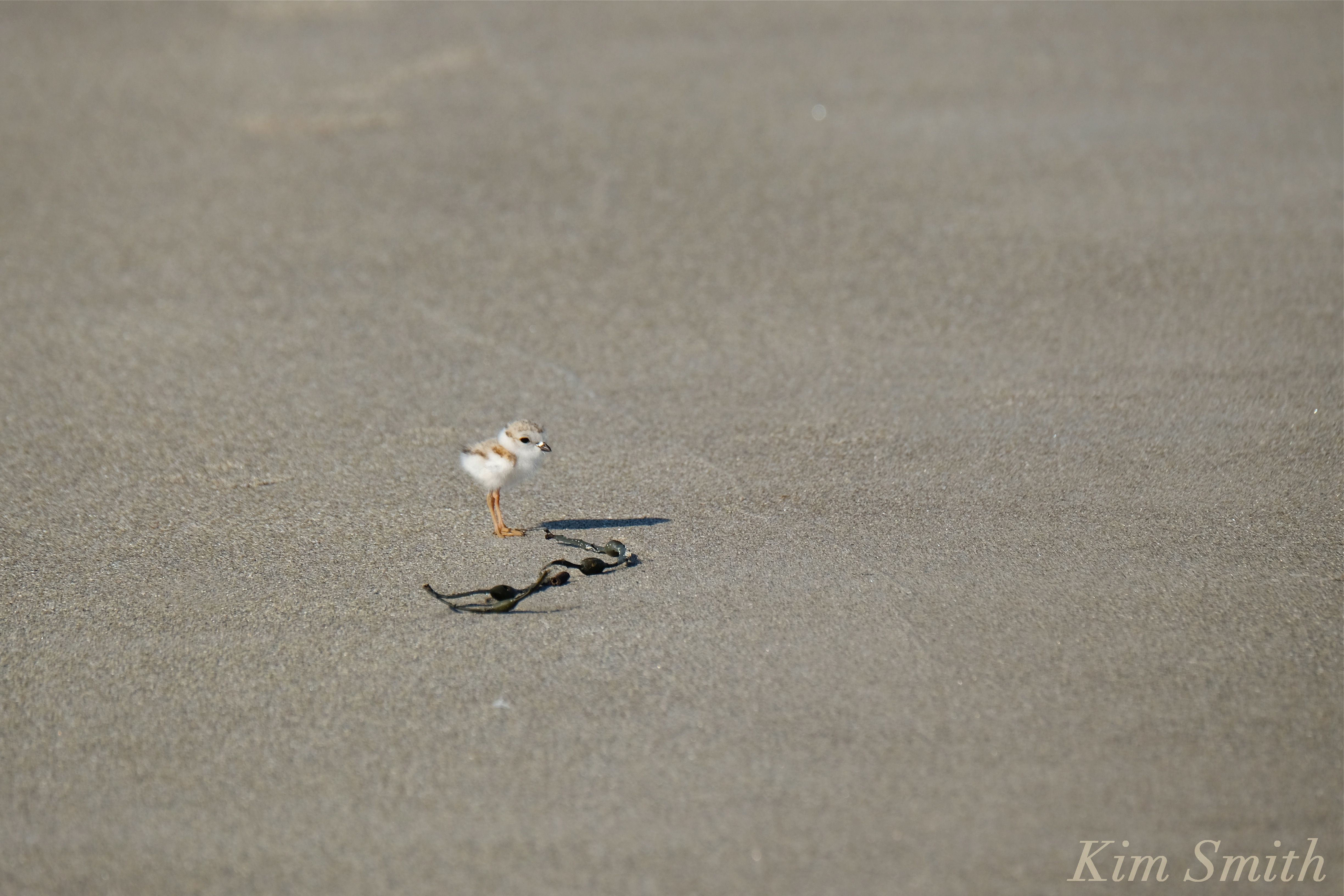
1) Perhaps the most important point to understand is that within hours of hatching, Piping Plover chicks are on the move. They soon begin to explore outside the symbolically roped off area. Keep an eye out for the chicks. Educate friends and family that they may see these tiny vulnerable creatures on the beach. Do not approach the chicks or adults, but observe quietly from a distance. Mom and Dad Plover will let you know if you are too close.

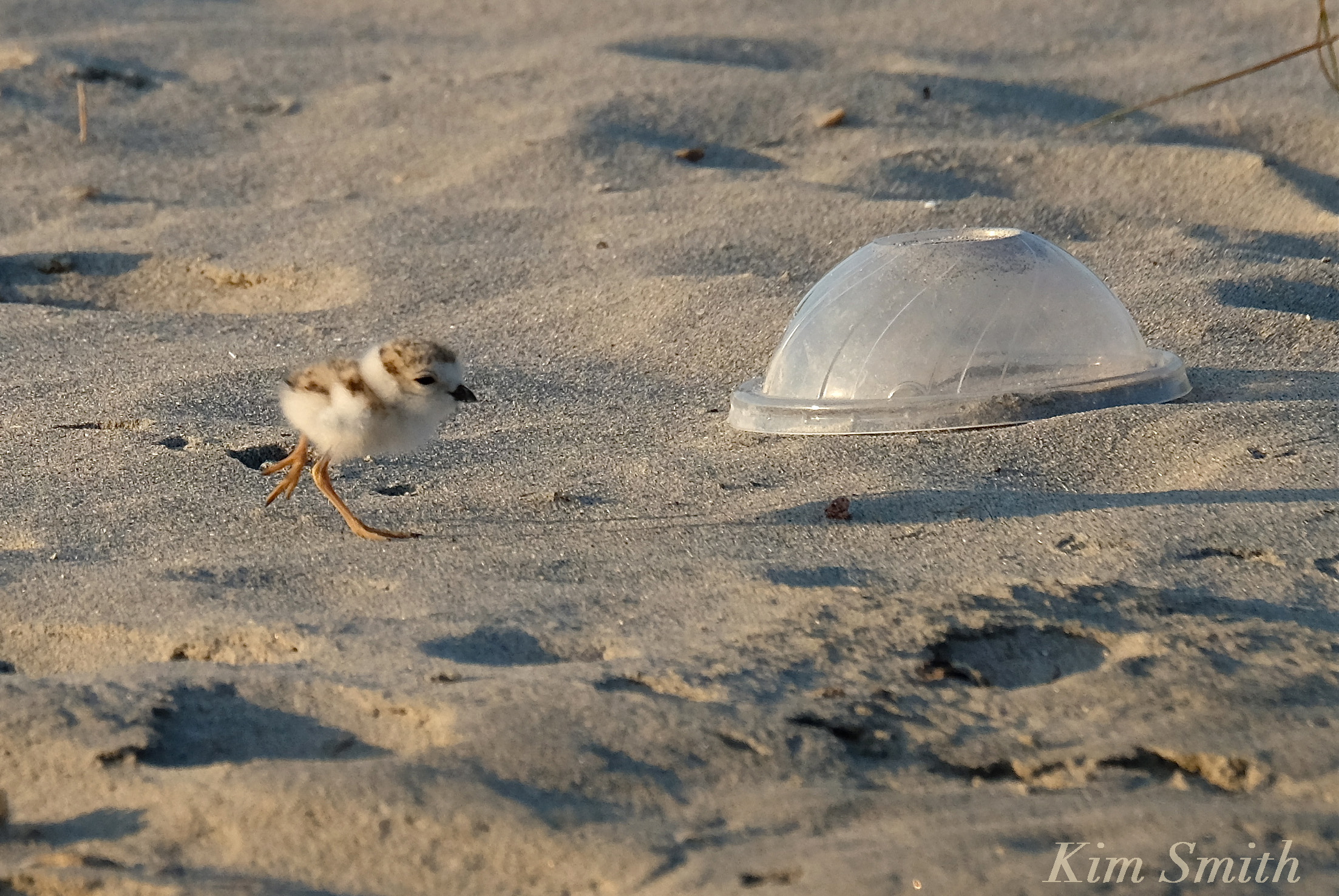
2) Don’t leave behind or bury trash or food on the beach. All garbage attracts predators such as crows, seagulls, foxes, and coyotes, and all four of these creatures EAT plover eggs and chicks.

3) Do not linger near the Piping Plovers or their nests. Activity around the Plovers also attracts gulls and crows.

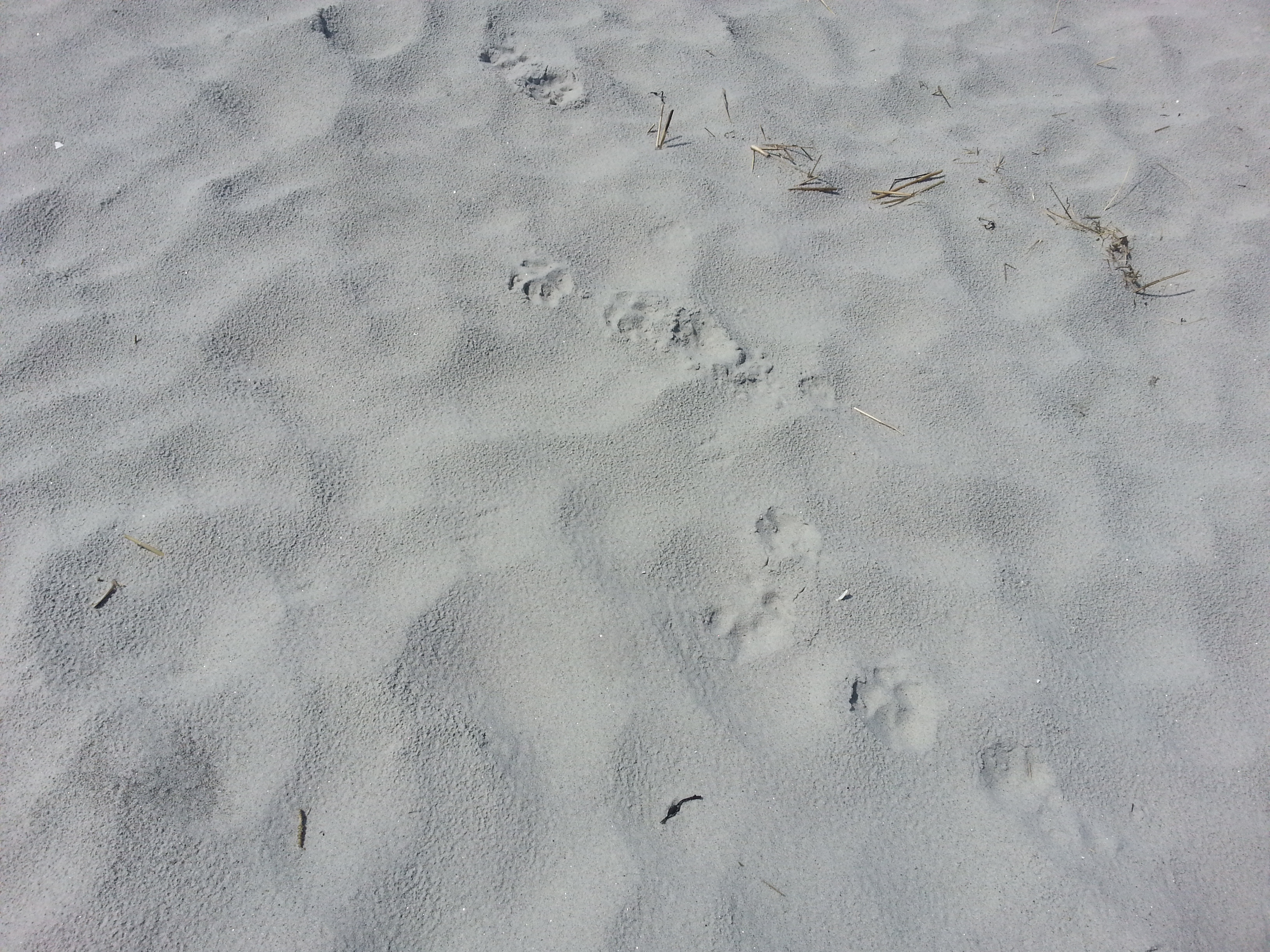
4) Keep dogs off the beach at all times of the day and evening.


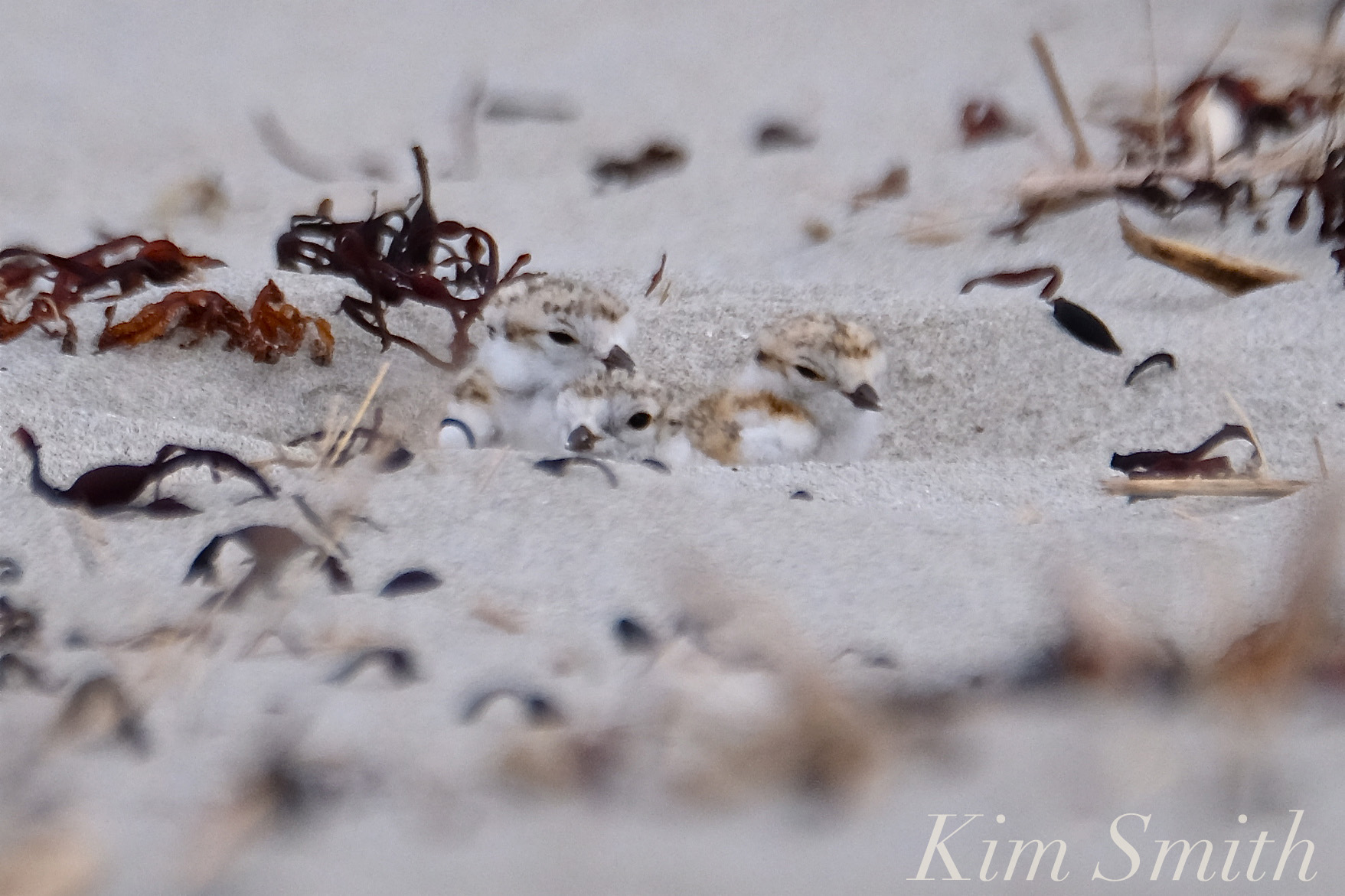
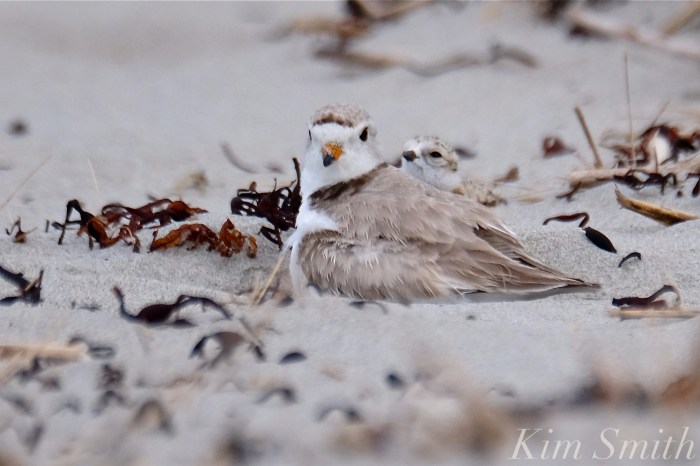
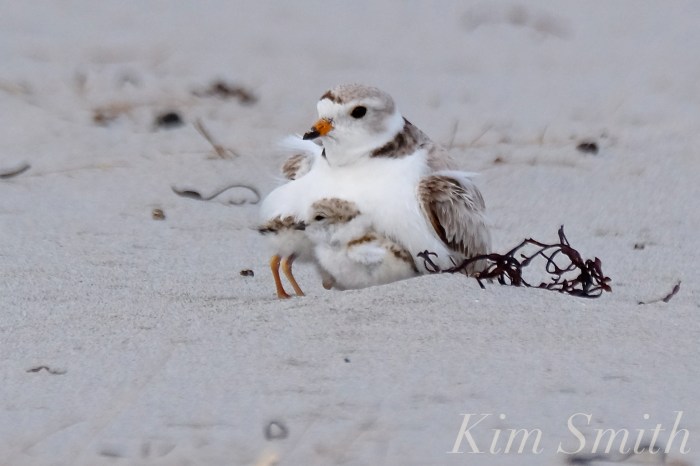
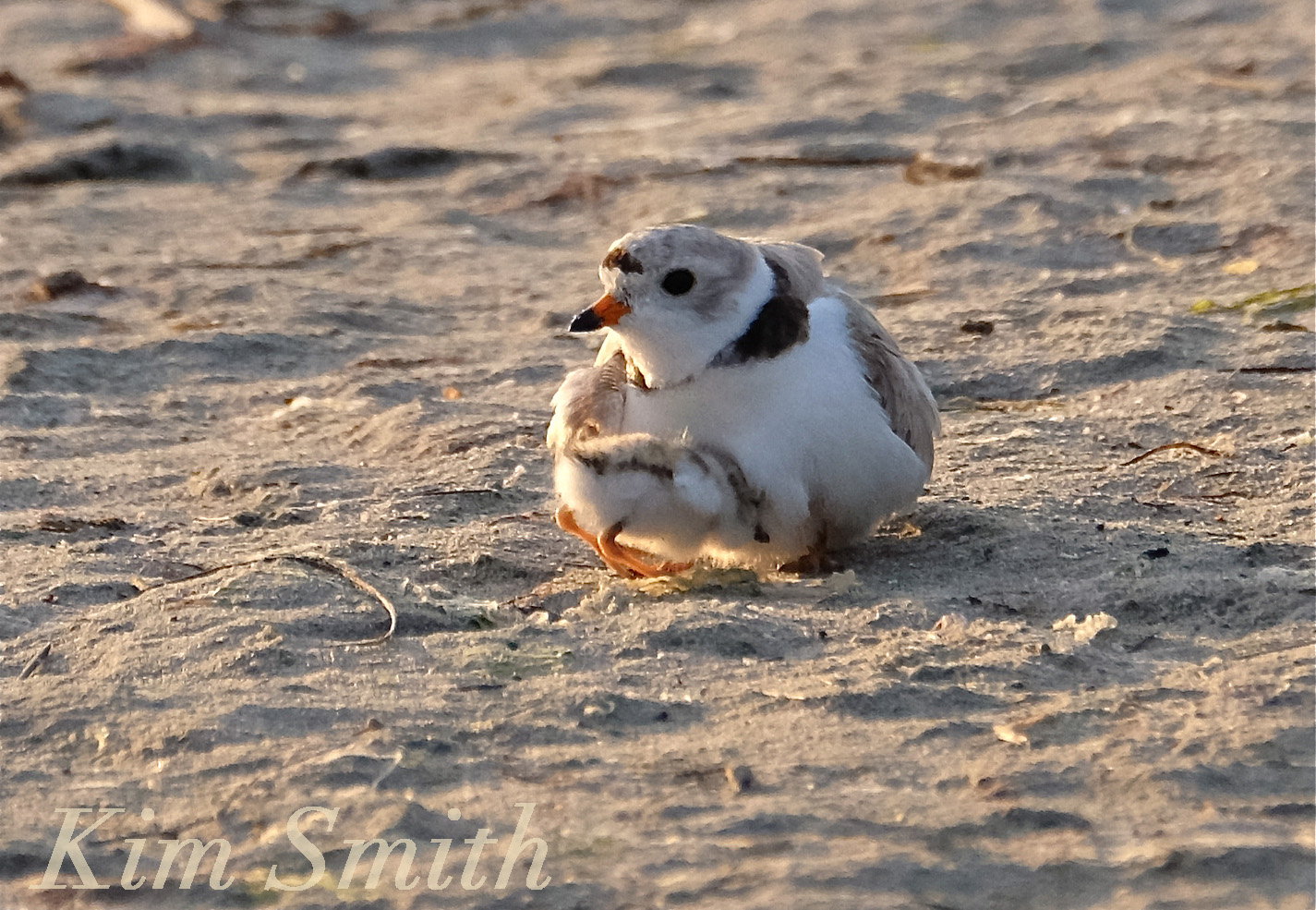
Snuggling next to Mom for warmth.


Clip from last year’s year Piping Plover Family —

GloucesterCast 228 with Alice Gardner, Damaris Curran Herlihy, Jimmy and Pat Dalpiaz, Ed Collard, Kim Smith and Joey Ciaramitaro Taped 6/11/17


GloucesterCast 228 with Alice Gardner, Damaris Curran Herlihy, Jimmy and Pat Dalpiaz, Ed Collard, Kim Smith and Joey Ciaramitaro Taped 6/11/17

When you subscribe you need to verify your email address so they know we’re not sending you spam and that you want to receive the podcast.  So once you subscribe check your email for that verification.  if you don’t see it, check your spam folder in your email acct.

Topics Include:

Please like Daughter Madeline’s #Pier23Kitchen Burger Challenge entry here
Alice Gardner  St. Peter’s Fiesta Book – Go To The Bookstore of Gloucester to Purchase
Damaris Curran Herlihy- Editor and Publisher www.curranpress.com
CPAP machine hell
The St Peter’s Club has been painted.  It’s not exactly subtle but I love it.
Tick Prevention Remedy
American Yellowwood
Minor League Baseball Mascot Logo Contest- Vote Rumble Ponies!
Monday Night First Night Of St Peter’s Novena
Tuesday The Greasy Pole Shrine Goes Up
Shoutout To Maggie Rosa, Cat Ryan, George and Charles King For Harborwalk Cleanup

Way cool NE Beach Soccer Cup at Good Harbor Beach June10 also benefits GHS soccer and FYS

“The New England Beach Soccer Cup tournament is not just about crowning a champion, but more importantly giving back to the community.

This year, all of the proceeds from the event will be donated to Fishermen Youth Soccer as well as the Gloucester High School Soccer Boosters.

These two organizations have been instrumental in the development of thousands of young student-athletes and soccer players and have played a vital part in the community for several decades. We’re so happy to be able to give back to these deserving organizations and re-invest in our youth and community!”

We can’t be there because of a Fishermen Youth Soccer game this Saturday–AWAY AWAY as in Haverhill– but we’ll check out that this cool new add-on: LIVE streaming the event!

NE 2017 beach soccer cup

Video from 2016

THE MAGICAL MONTH OF MAY FOR MIGRATION IN MASSACHUSETTS

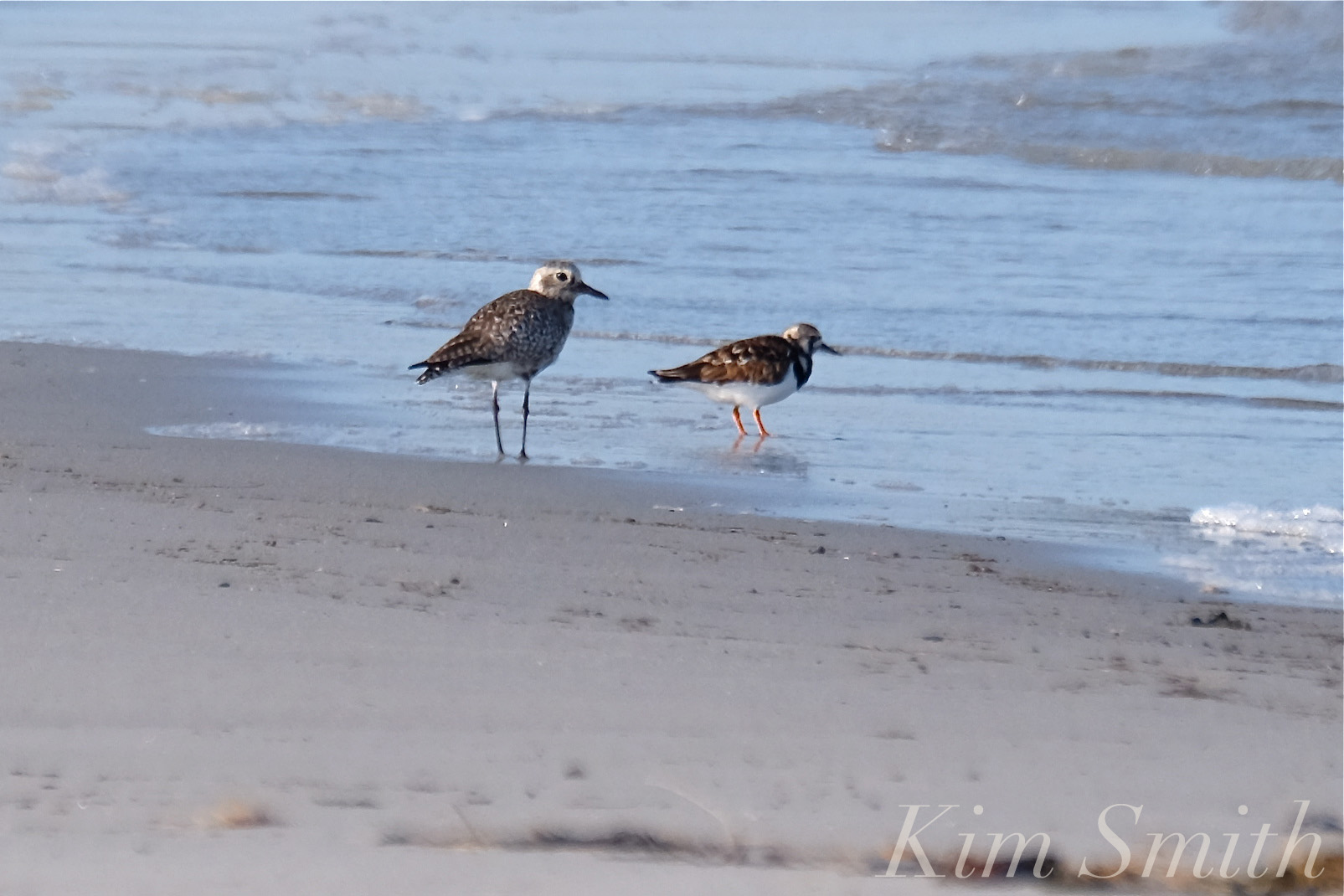
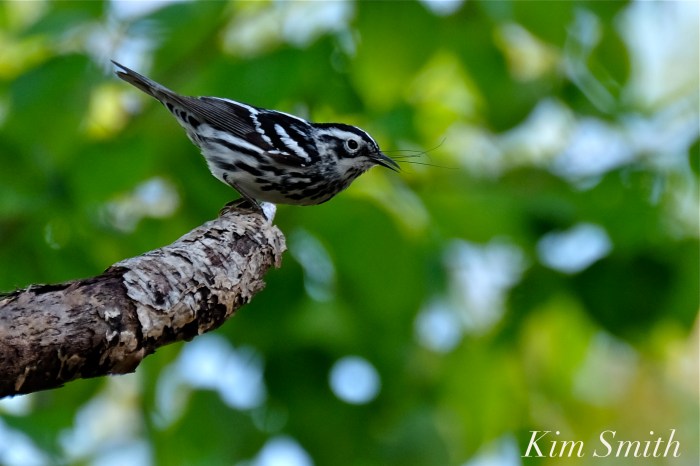
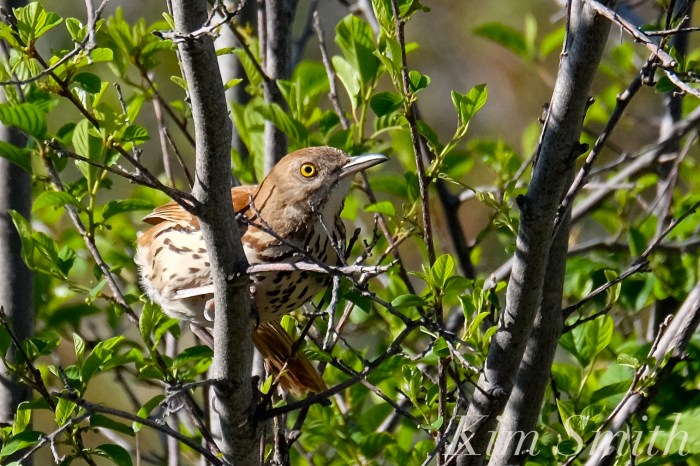
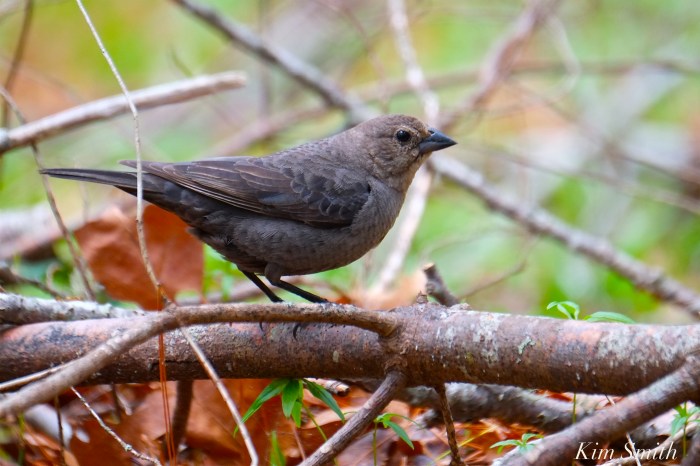
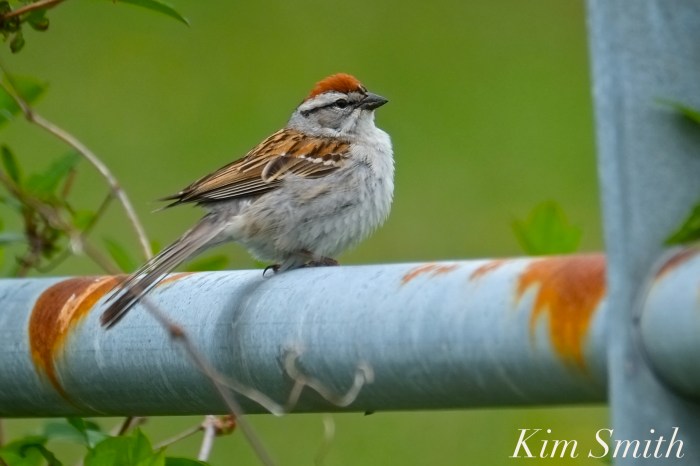
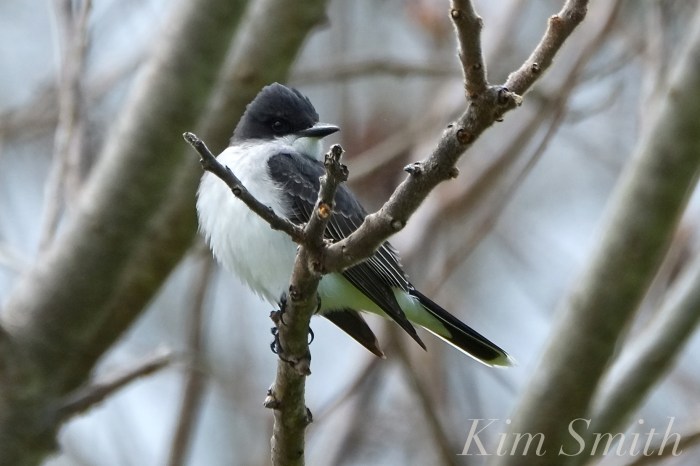
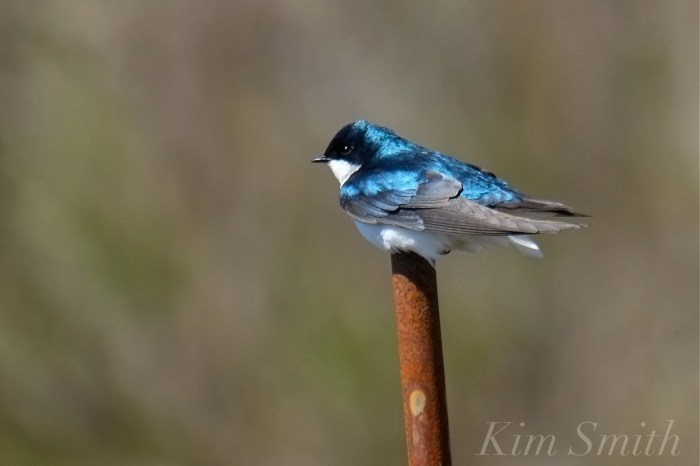
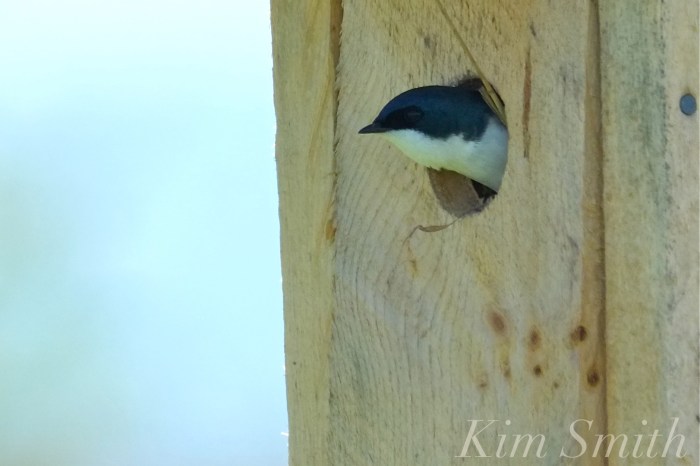
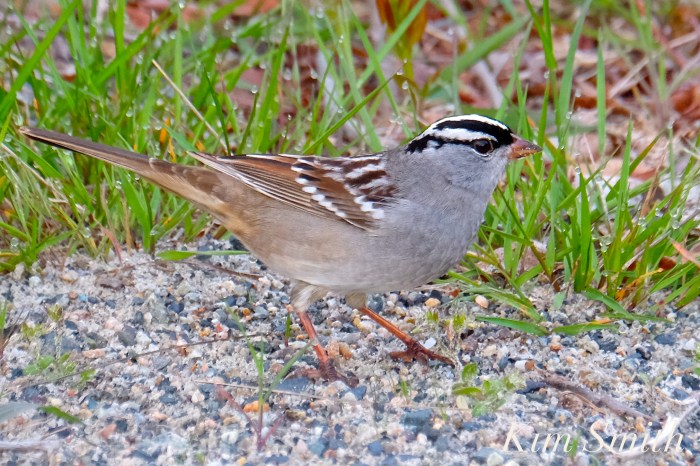
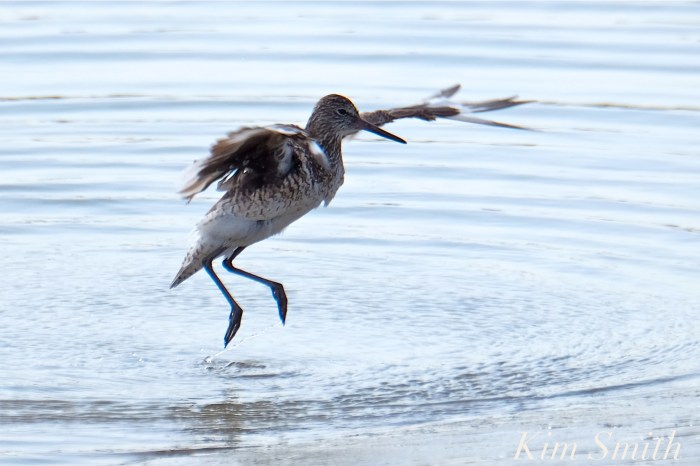
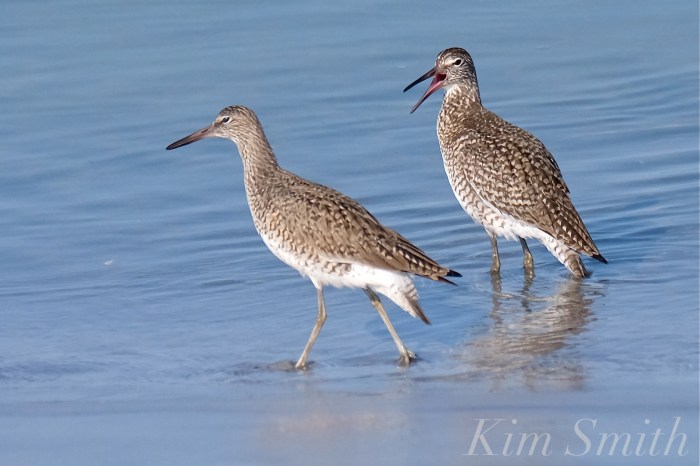
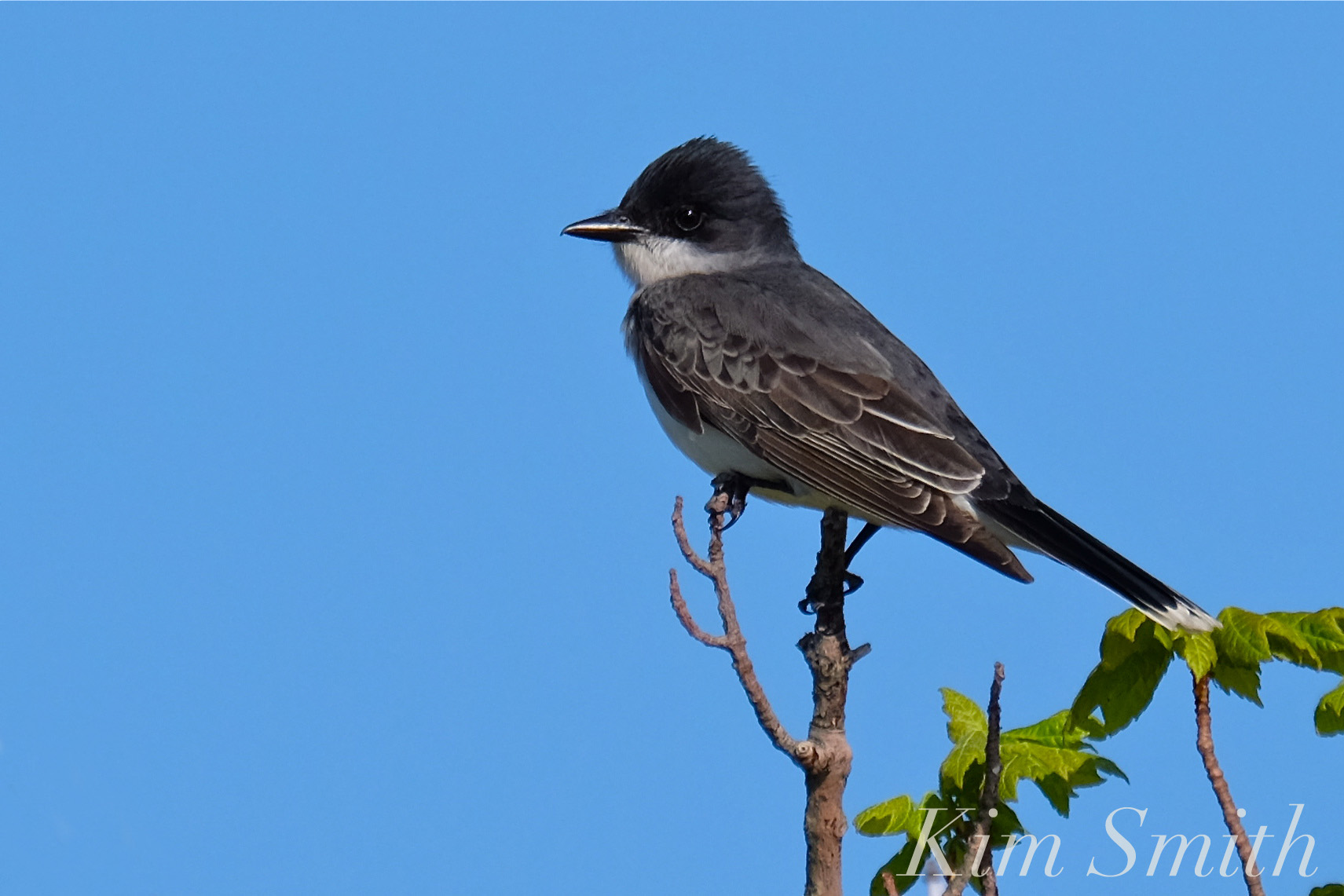
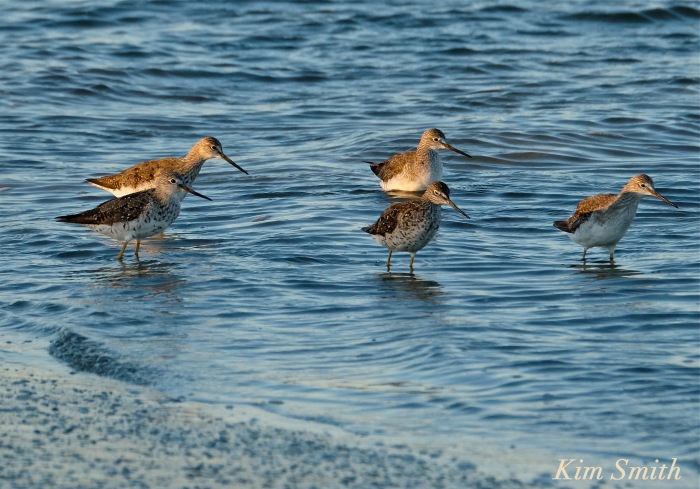
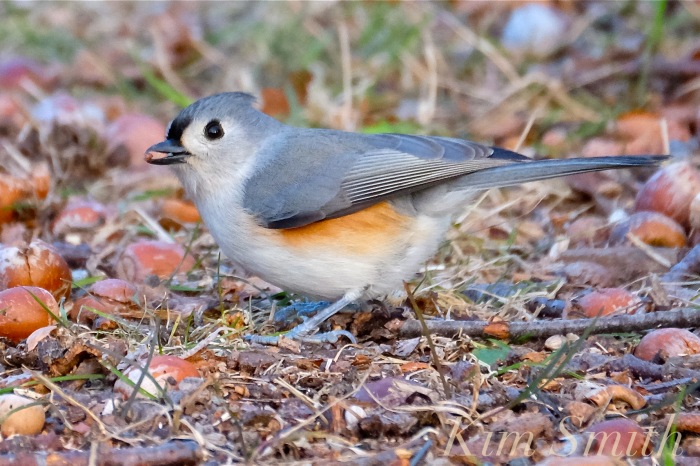
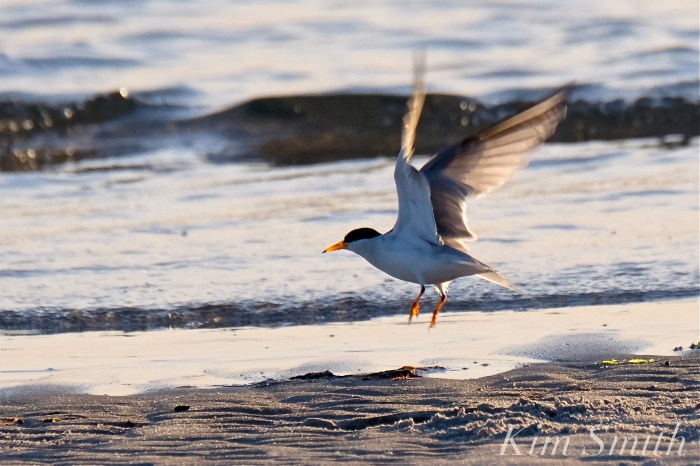
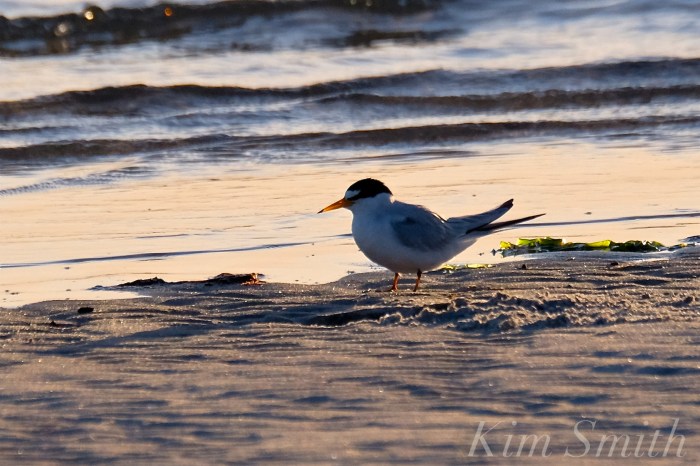
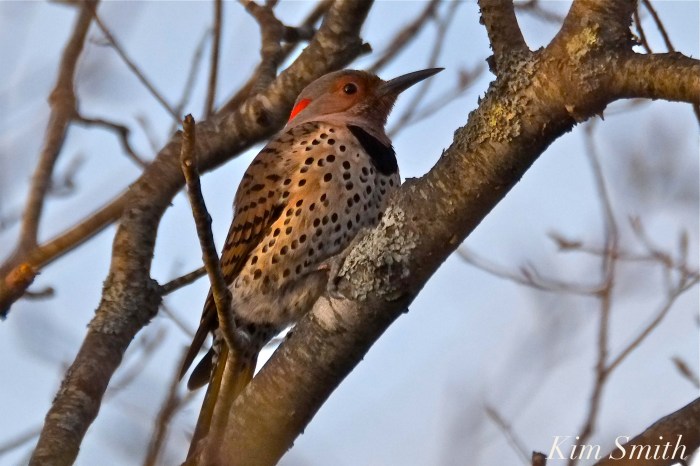
Featuring Dowitchers, Ruddy Turnstone, Least Tern, Eastern Kingbird, Eastern Towhee, Northern Flicker, Black-bellied Plovers, Brown Thrasher, Black-and-white Warbler, Chipping Sparrow, White-crowned Sparrow, Female Red-winged Blackbird, Tree Swallow, Willets, and Piping Plovers.

May is a magical month in Massachusetts for observing migrants traveling to our shores, wooded glens, meadows, and shrubby uplands. They come either to mate and to nest, or are passing through on their way to the Arctic tundra and forests of Canada and Alaska.

I am so excited to share about the many beautiful species of shorebirds, songbirds, and butterflies I have been recently filming and photographing for several projects. Mostly I shoot early in the morning, before setting off to work with my landscape design clients. I love, love my work, but sometimes it’s really hard to tear away from the beauty that surrounds here on Cape Ann. I feel so blessed that there is time to do both. If you, too, would like to see these beautiful creatures, the earliest hours of daylight are perhaps the best time of day to capture wildlife, I assume because they are very hungry first thing in the morning and less likely to be bothered by the presence of a human. Be very quiet and still, and observe from a distance far enough away so as not to disturb the animal’s activity.

Some species, like Great Blue Herons, Snowy Egrets, Black-crowned Night Herons, Great Egrets, Brant Geese, and Osprey, as well as Greater and Lesser Yellow Legs, are not included here because this post is about May’s migration and these species were seen in April.

Please note that several photos are not super great by photo skill standards, but are included so you can at least see the bird in a Cape Ann setting. I am often shooting something faraway, at dawn, or dusk, or along a shady tree-lined lane. As so often happens, I’ll get a better capture in better light, and will switch that out, for the purpose of record keeping, at a later date.

Happy Magical May Migration!

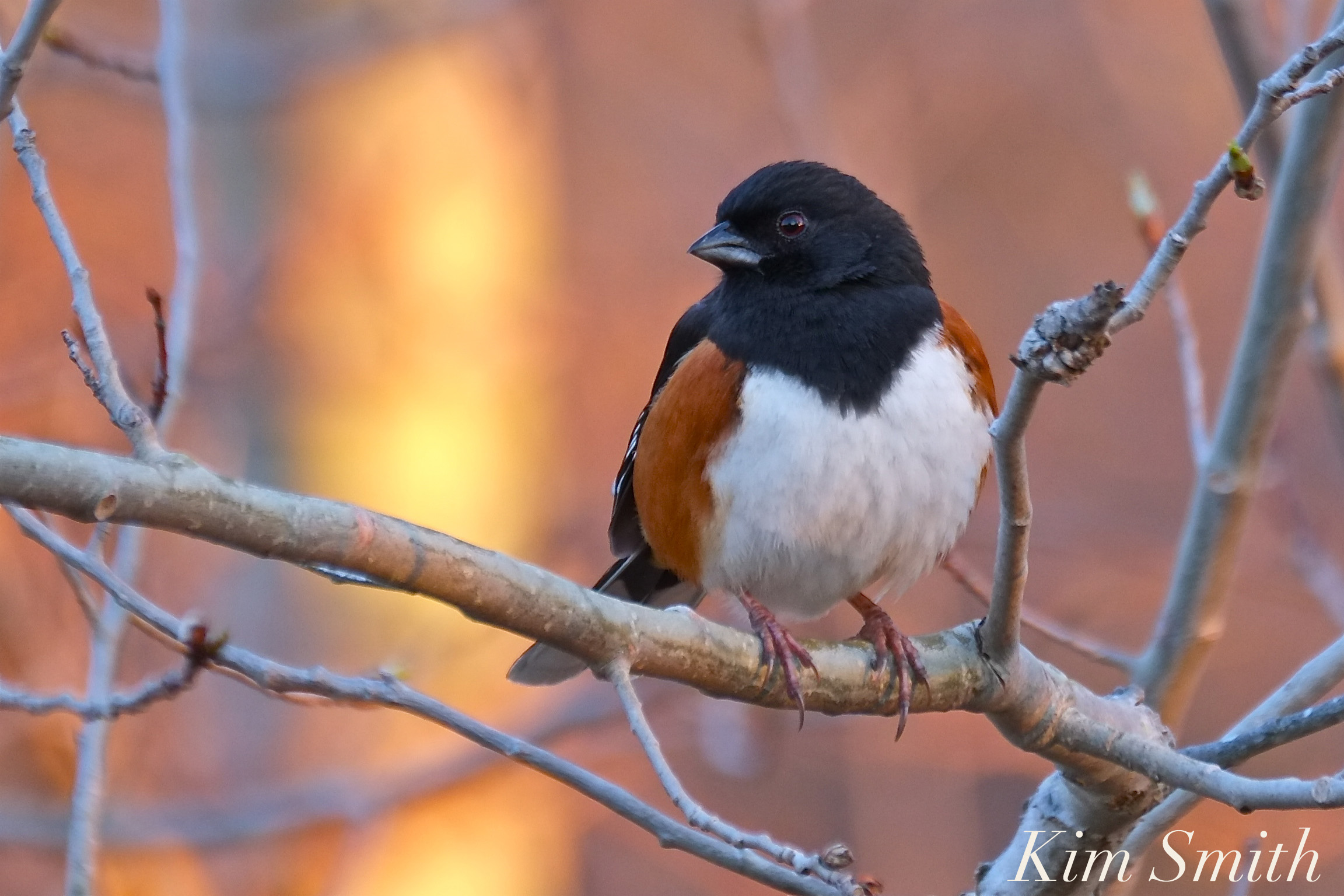
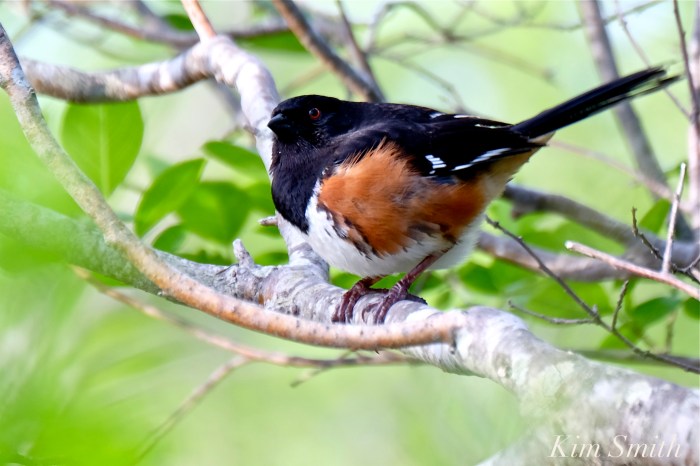
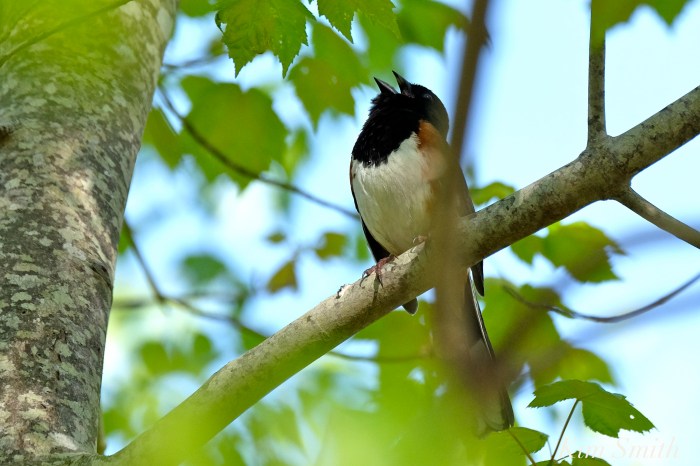
The male Eastern Towhee perches atop branches at daybreak and sings the sweetest ta-weet, ta-weet, while the female rustles about building a nest in the undergrowth. Some live year round in the southern part of the US, and others migrate to Massachusetts and parts further north to nest.
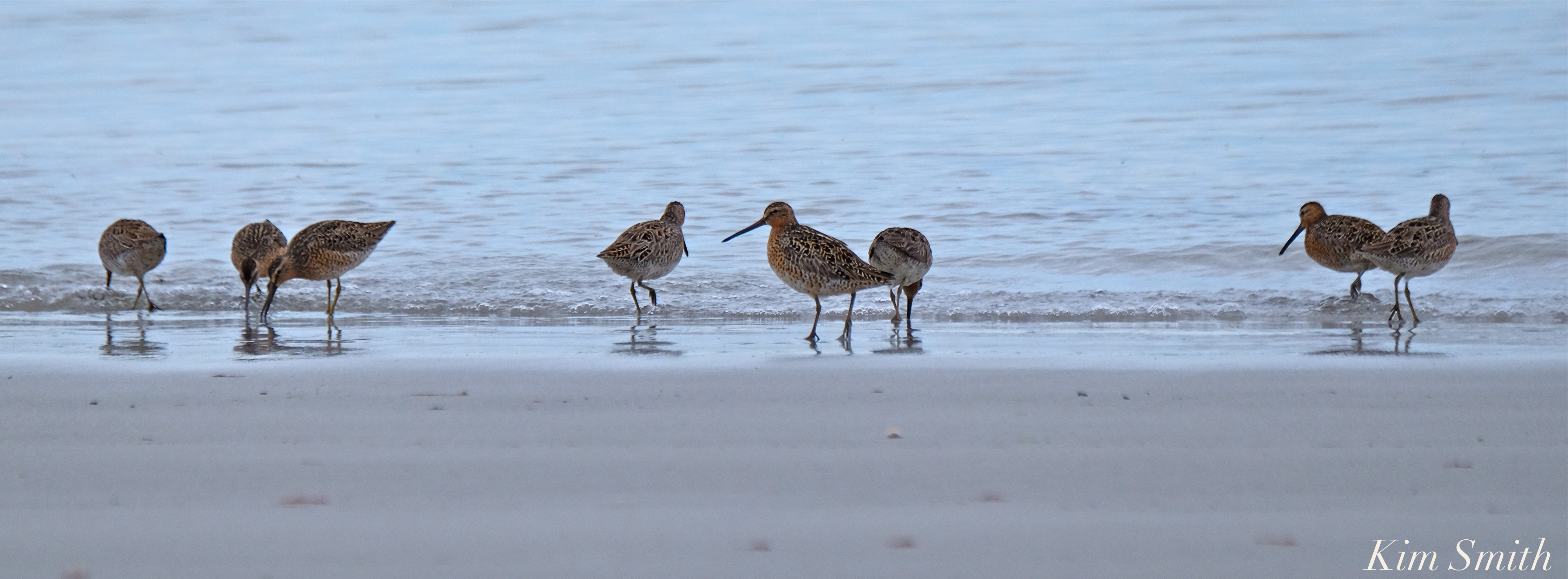
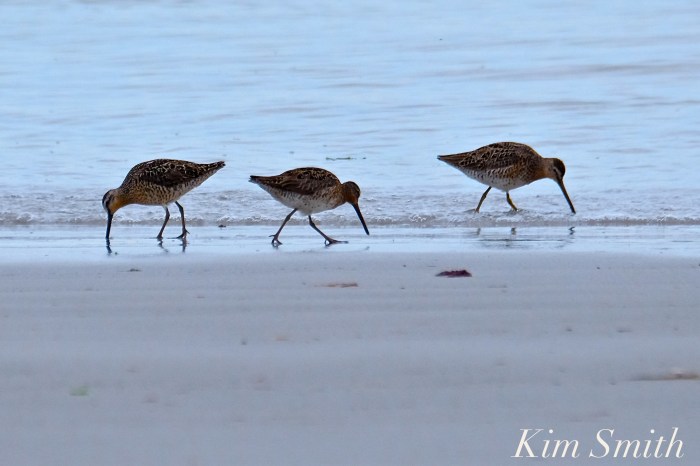
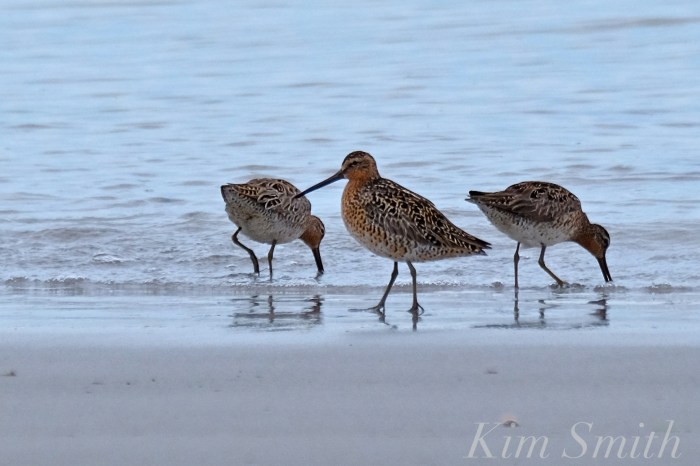
If these are Short-billed Dowitchers, I’d love to see a Long-billed Dowitcher! They are heading to swampy pine forests of high northern latitudes.

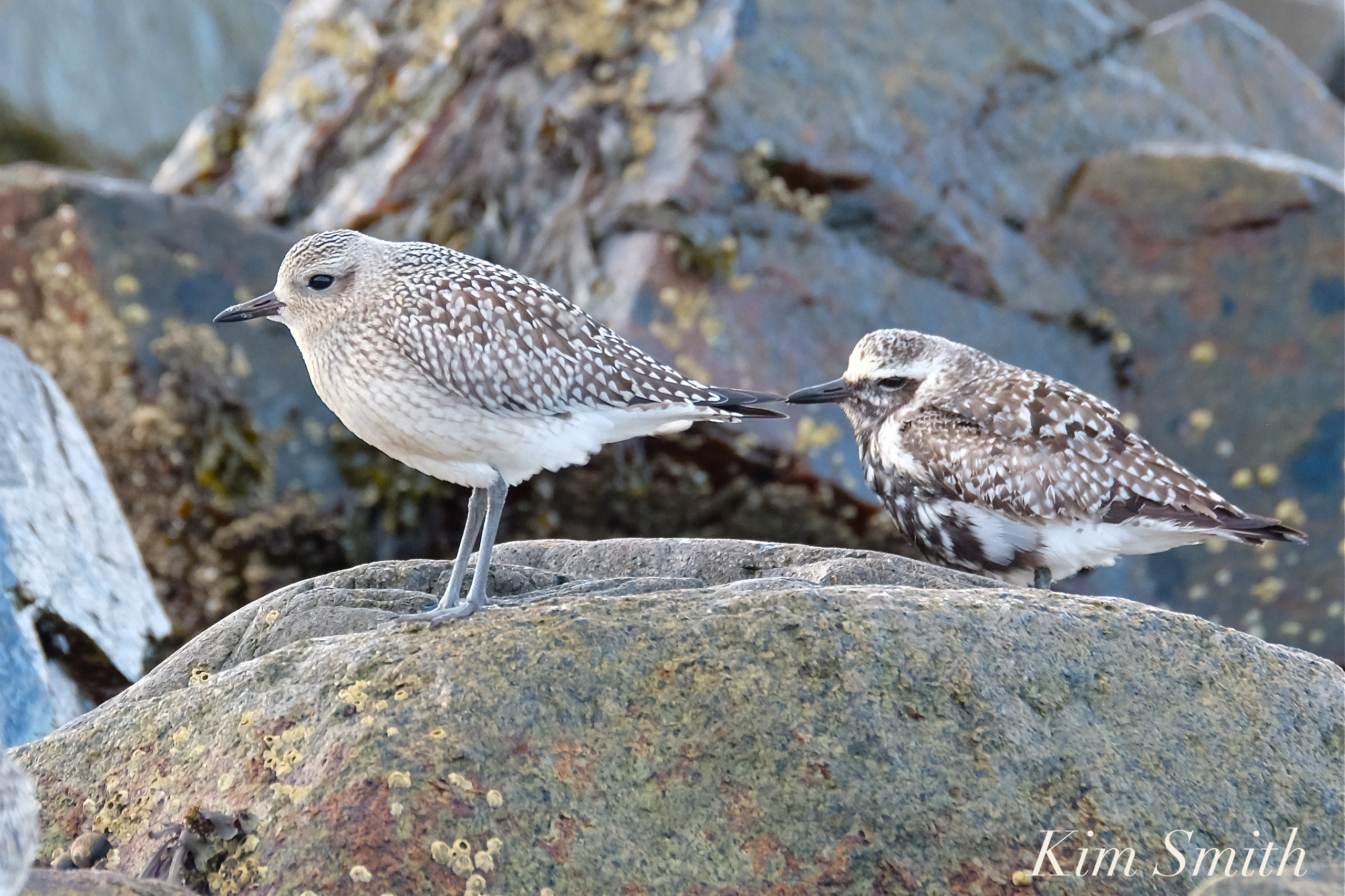
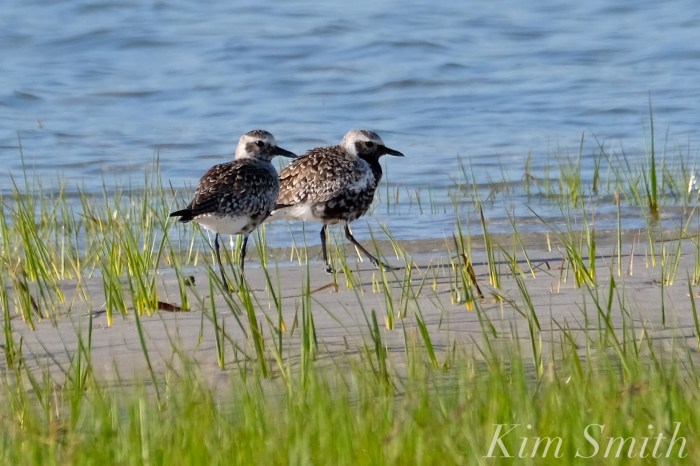
Black-bellied Plovers, much larger relatives of Piping Plovers, look like Plain Janes when we see them in the fall (see above).

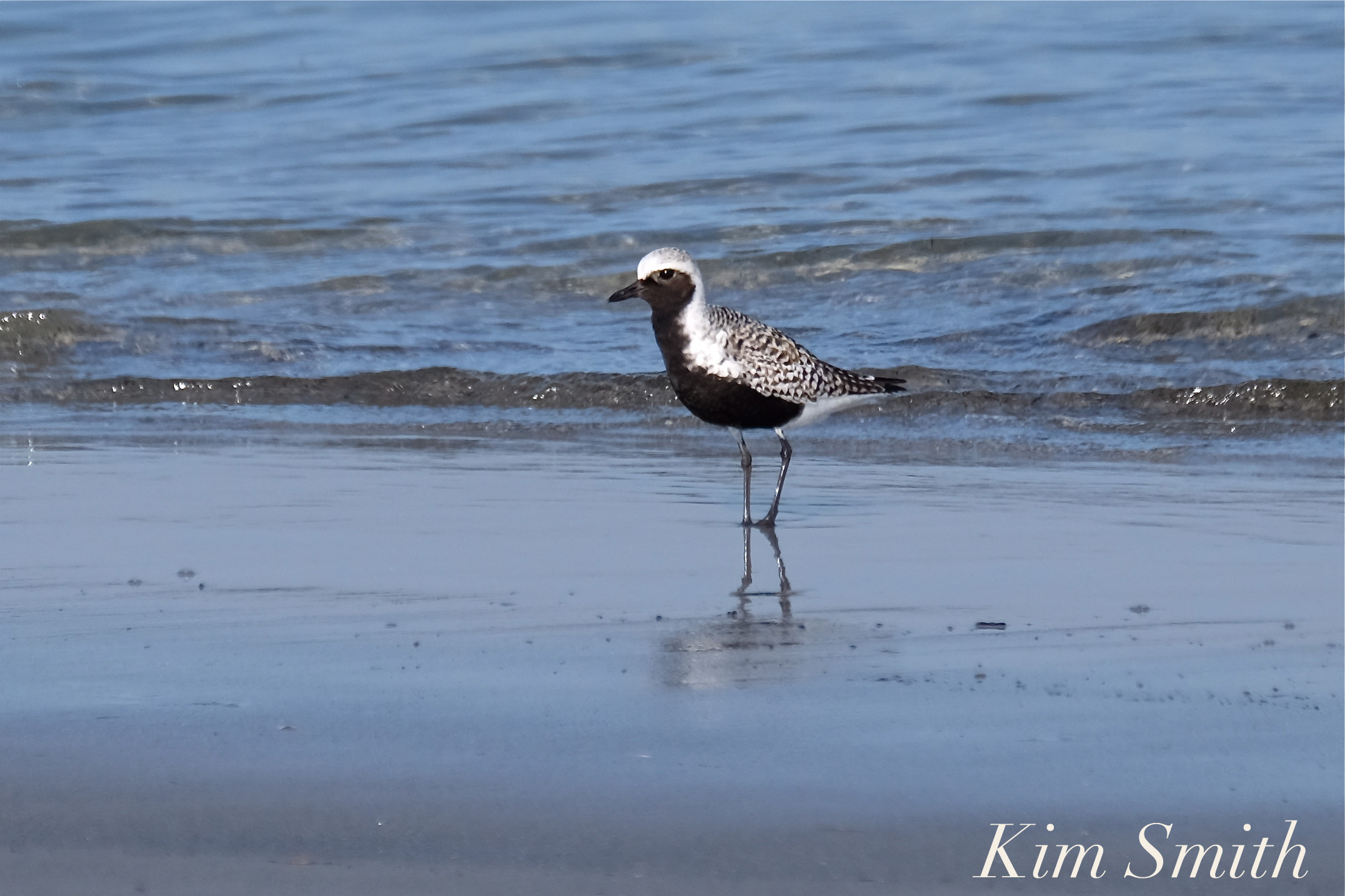
Now look at his handsome crisp black and white breeding plumage; its hard to believe we are looking at the same bird! He is headed to nest in the Arctic tundra in his fancy new suit.

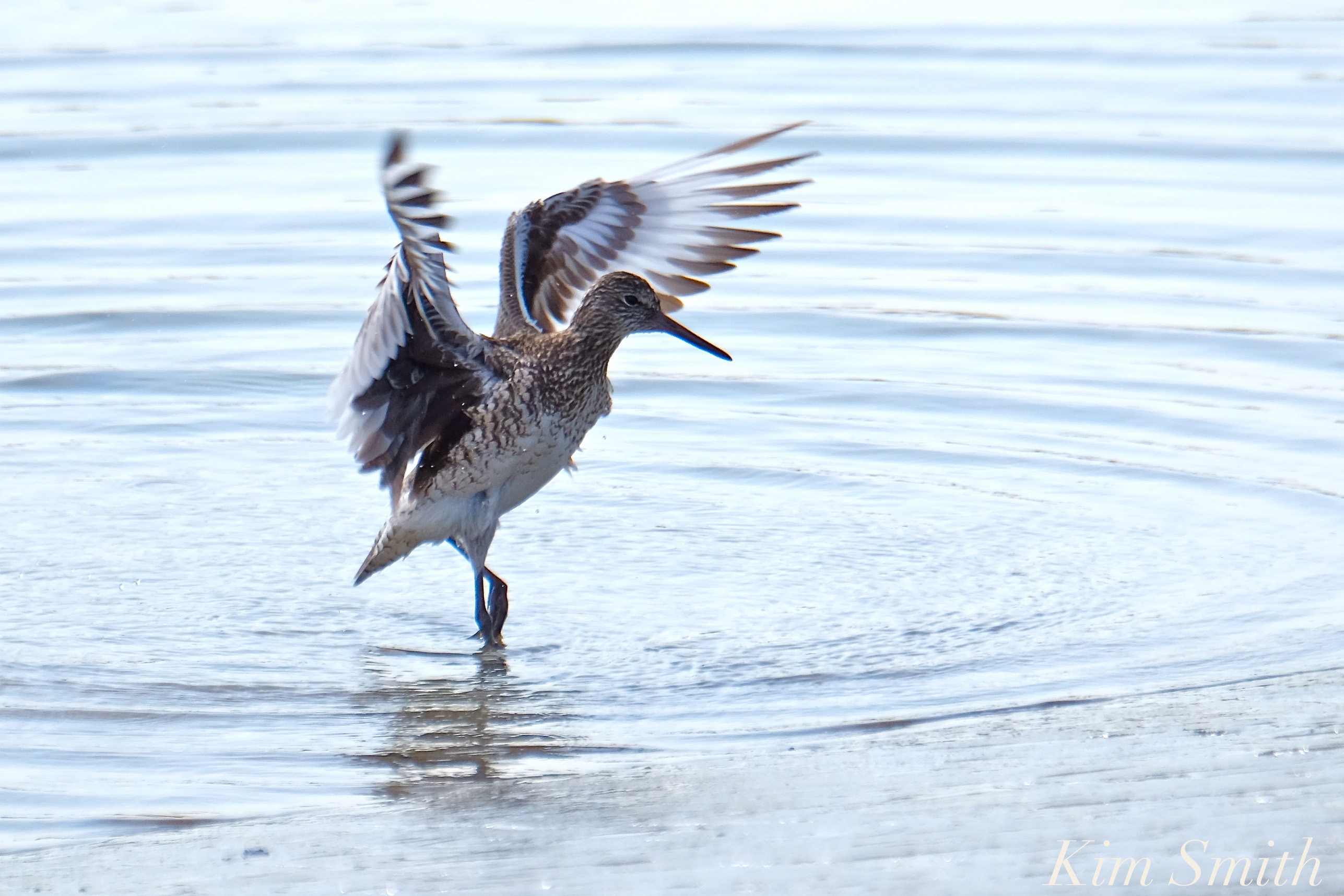
This one is for Joey. Sorry its a crummy photo–they were far in the distance–but it’s a record nonetheless. The bird on the right is his favorite, the calico-colored Ruddy Turnstone. They also nest in the high Arctic.

The Eastern Kingbird is a small yet feisty songbird; he’ll chase after much larger raptors and herons that dare to pass through his territory. Kingbirds spend the winter in the South American forests and nest in North America.

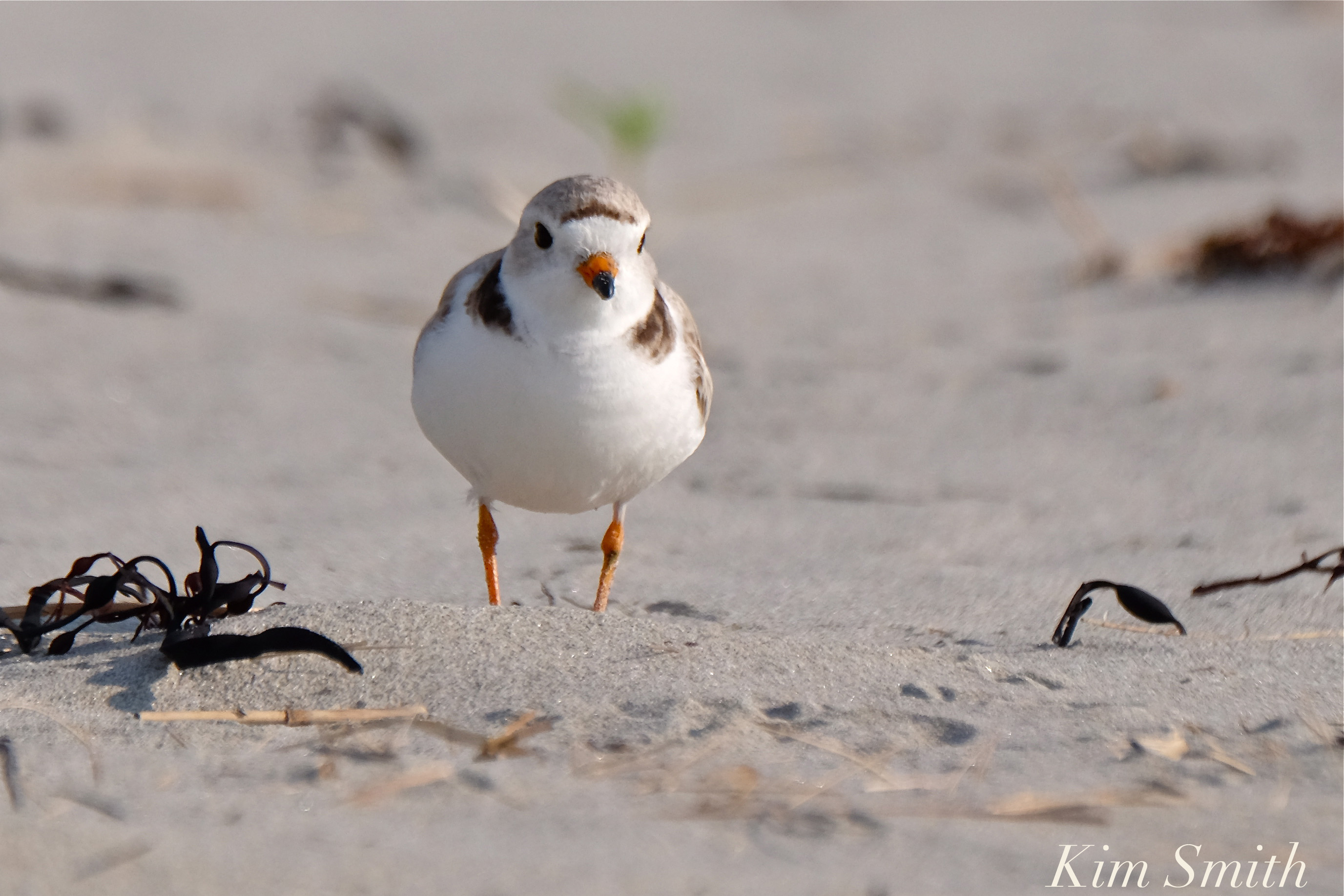
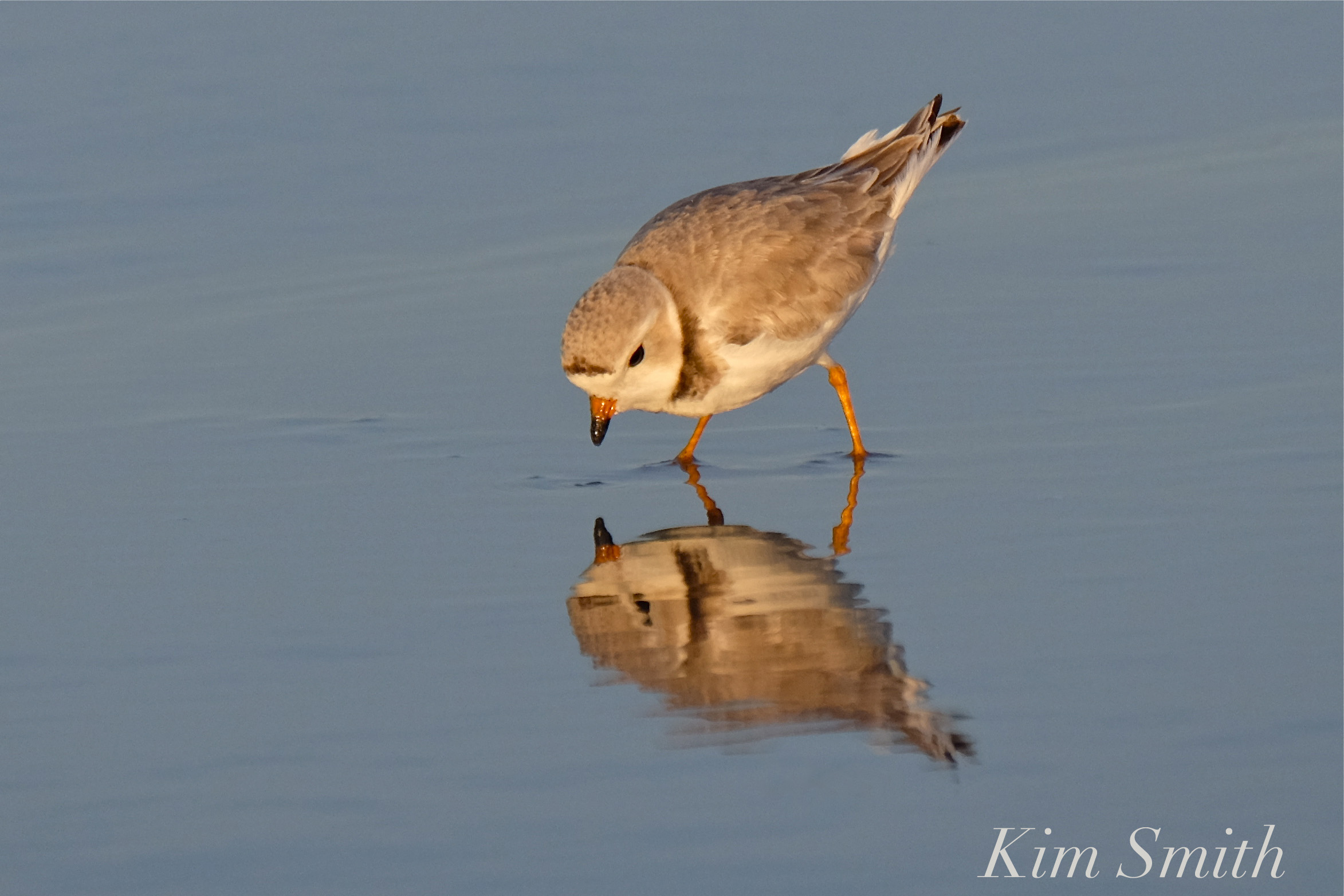
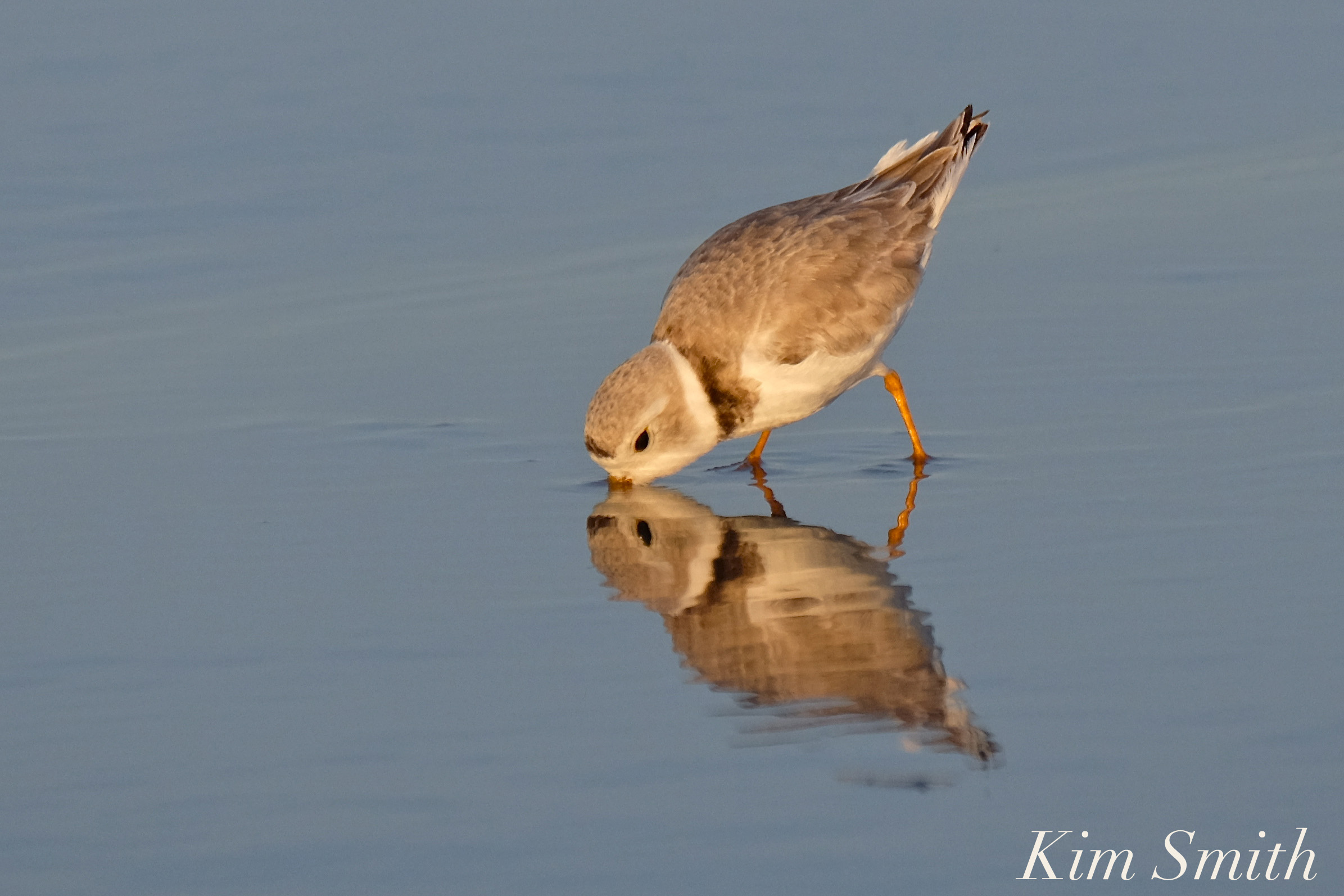
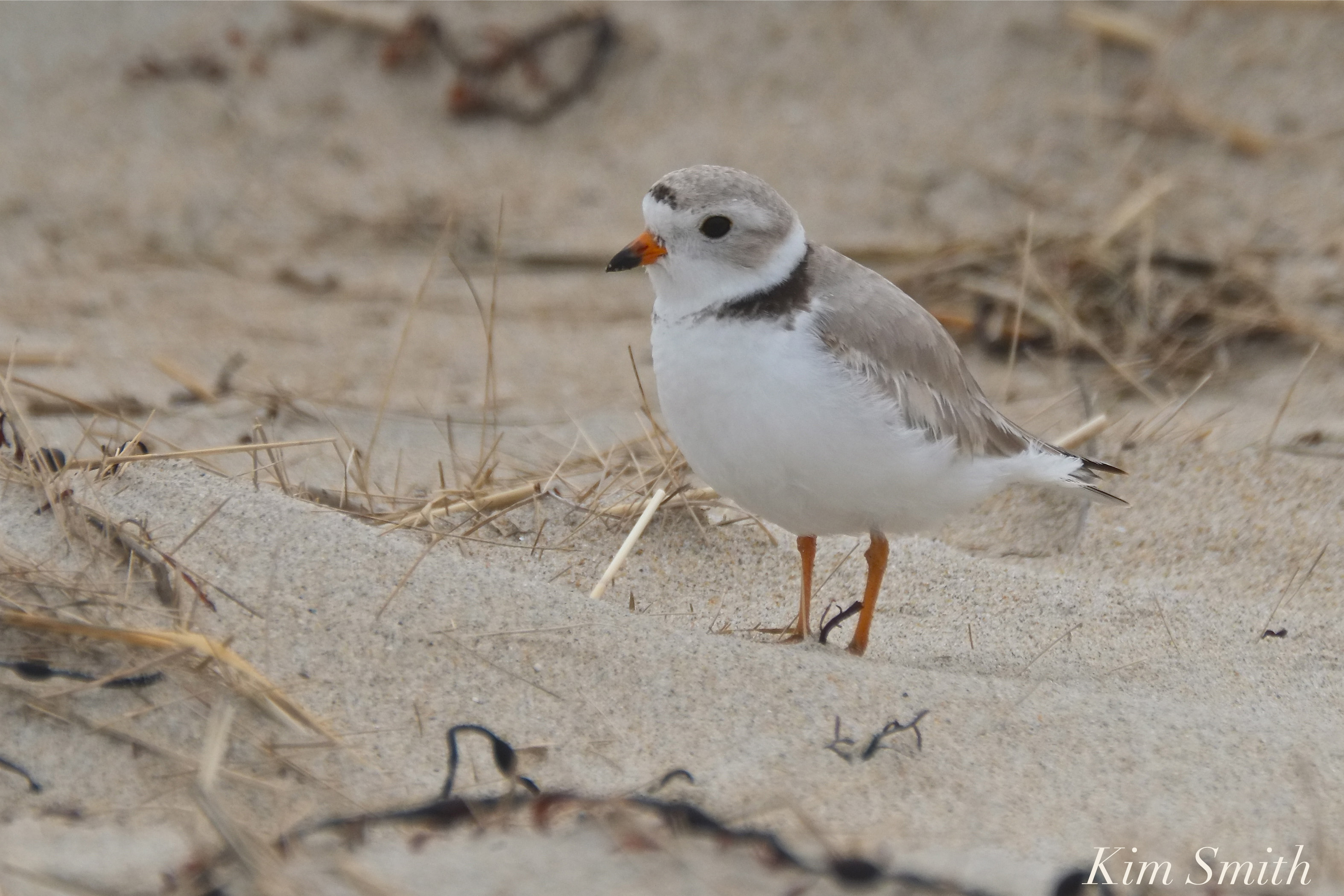
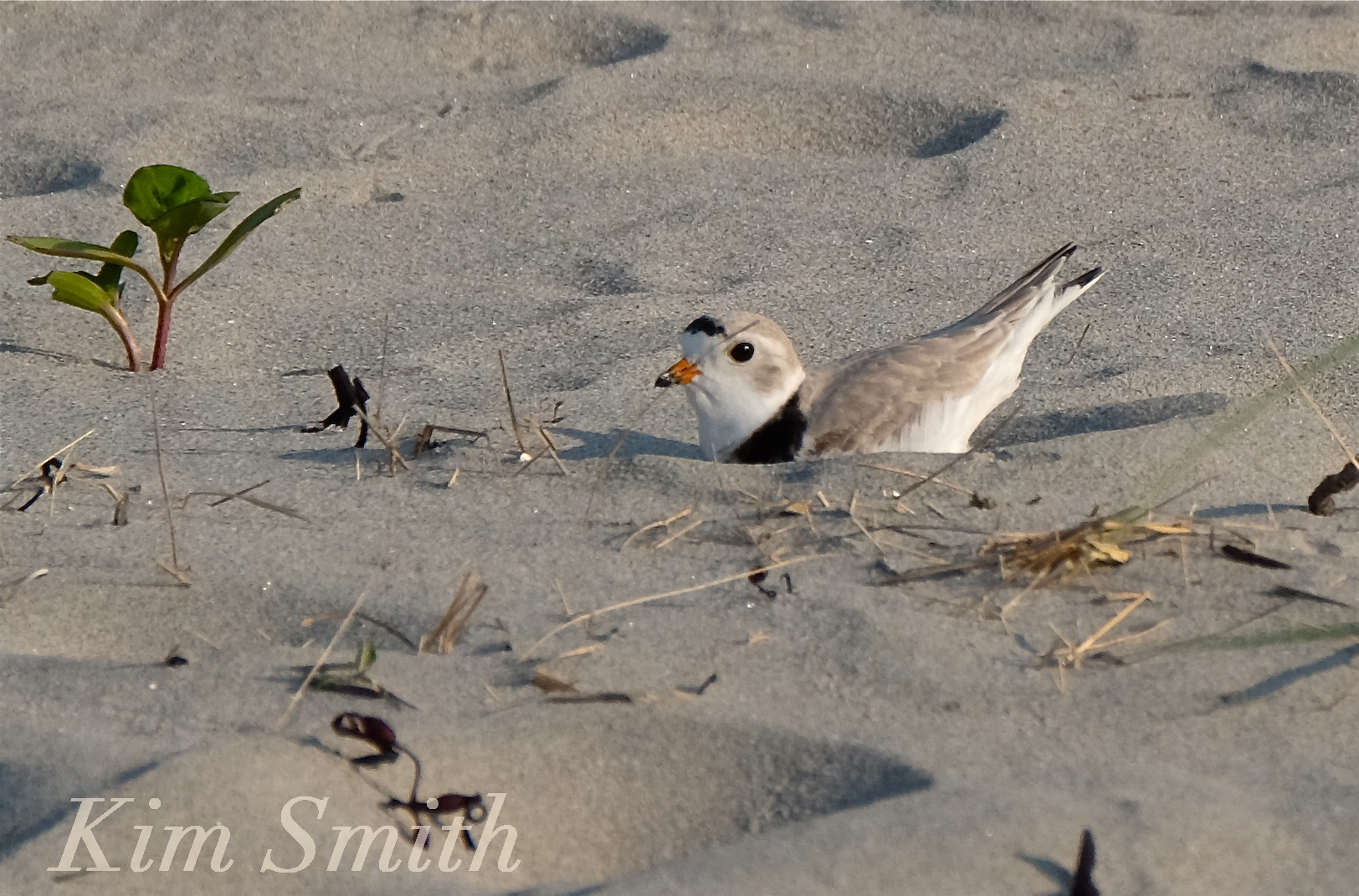
With our record of the state with the greatest Piping Plover recovery rate, no post about the magical Massachusetts May migration would be complete without including these tiniest of shorebirds. Female Piping Plover, Good Harbor Beach.


THE GOOD HARBOR BEACH PIPING PLOVER PAIR ARE STRUGGLING AND NEED OUR HELP

Good Morning Papa Plover!

Over the past several weeks, five Piping Plovers battling over nesting turf have been observed at Good Harbor Beach, from the creek end of the beach, all the way to the entrance by the Good Harbor Beach Inn. In the past three days, there hasn’t been activity in the roped off area nearer the GHB Inn. It appears only one pair has decided to call GHB their home for the summer and they seem to be zeroing in on the cordoned off area by boardwalk #3, same as last year.

Unfortunately, the “Party Rock,” the large exposed rock up by the wrack line, is this year not in the roped off area; the roping comes just short of enclosing the “Rock.” The past few evenings, even before the heat wave, folks have been setting up their hibachis, behind the rock, abutting the restricted area. This morning there were a group of six sleeping next to the rock. Needless to say, our Plover pair was super stressed. Early morning is when they typically mate and lay eggs, and neither are happening under duress.

Papa wants to mate with Mama, but she is too stressed.

Here are just a few things we can do to help the Plovers. Please write and let us know your ideas and suggestions, they are so very much appreciated. It would be terrific to put together all the suggestions to present to Mayor Sefatia and Chirs. Thank you!

  1. Post a No Dog sign at the footbridge. I think this is critically important.
  2. Post signs at entrances to the beach to help educate folks about the Piping Plovers, why respecting the restricted area is so important, and why removing trash is equally as vital to the survival of the plovers.
  3. Additionally, I would love to make a brochure about the Piping Plover life cycle that we could hand out to visitors at the parking entrance. Though when I suggested that idea to a friend, he thought the brochures may end up littering the beach. What do you think?
  4. Fix the fencing around the dunes. As it stands now, the rusty old fencing is nearly buried in the sand and actually dangerously invites tripping. If the fences were mended and signs posted about the fragility of the dunes, folks would stop cutting through the dunes to go to and from the parking lot. Right now, they are walking through the restricted area to access the dune trail. Visitors may also want to know that the grass and shrubby growth on that trail is teeming with ticks, another reason to keep off the dunes.
  5. If folks are setting up a cookout or planning a sleepover next to the nesting area (especially near the party rock), gently explain why it would be best to move further down the beach, away from the restricted area.

Mama Plover fishing for worms

I would be happy to meet anyone at Good Harbor Beach to show exactly what are the issues. Dave Rimmer from Essex Greenbelt mentioned that in other communities where Piping Plovers have nested on very busy beaches, a network of Piping Plover babysitters was established to help the chicks survive on the busiest of beach days. If we are so fortunate as to have chicks, I would love to get together a group of “Piping Plover Babysitters.”Good Harbor Beach sunrise

YOU DIDN’T THINK I’D ACTUALLY WANT TO LIVE IN THAT DUMP DID YOU?

YOU DIDN’T THINK I’D ACTUALLY WANT TO LIVE IN THAT DUMP DID YOU?
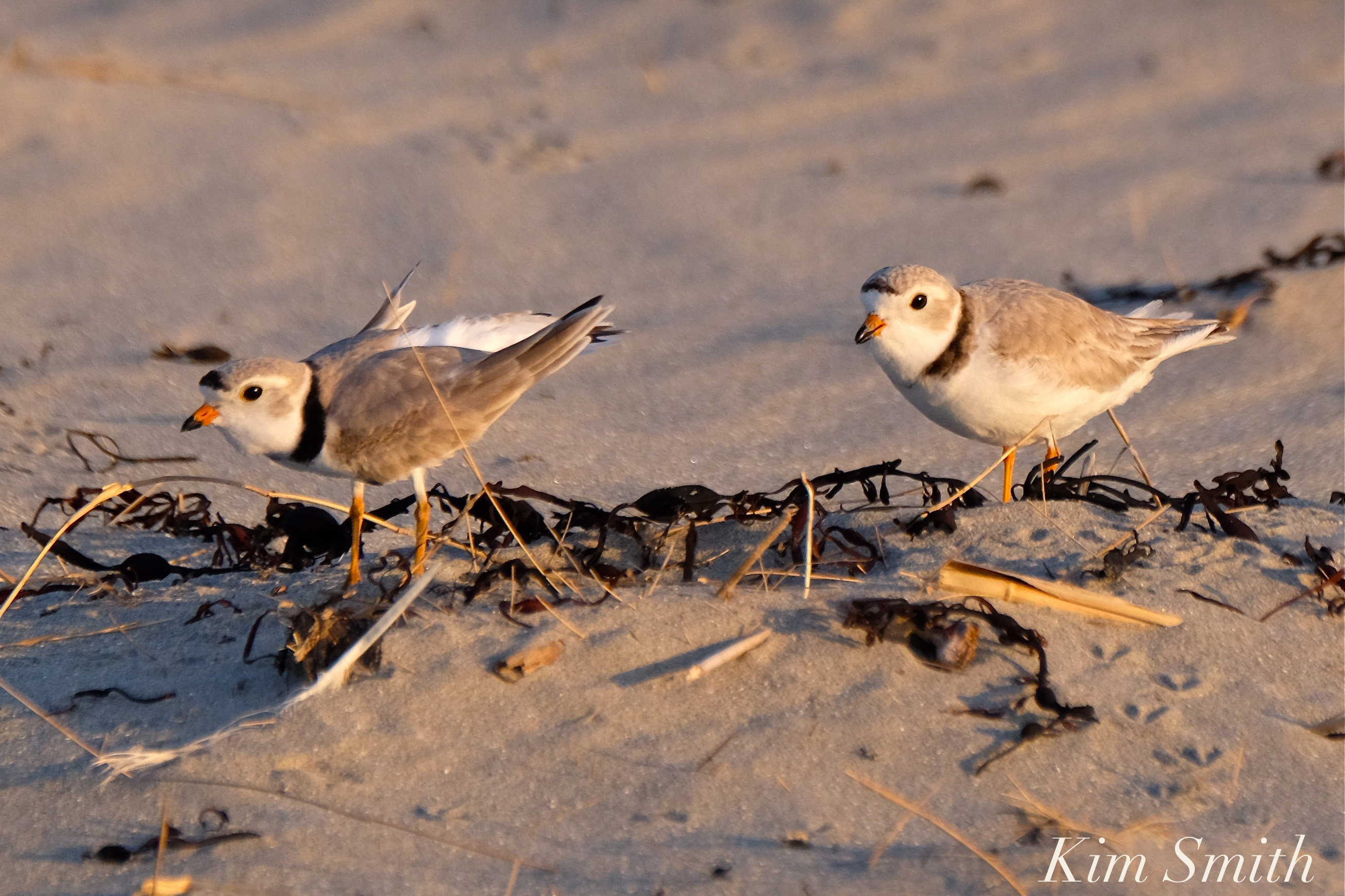
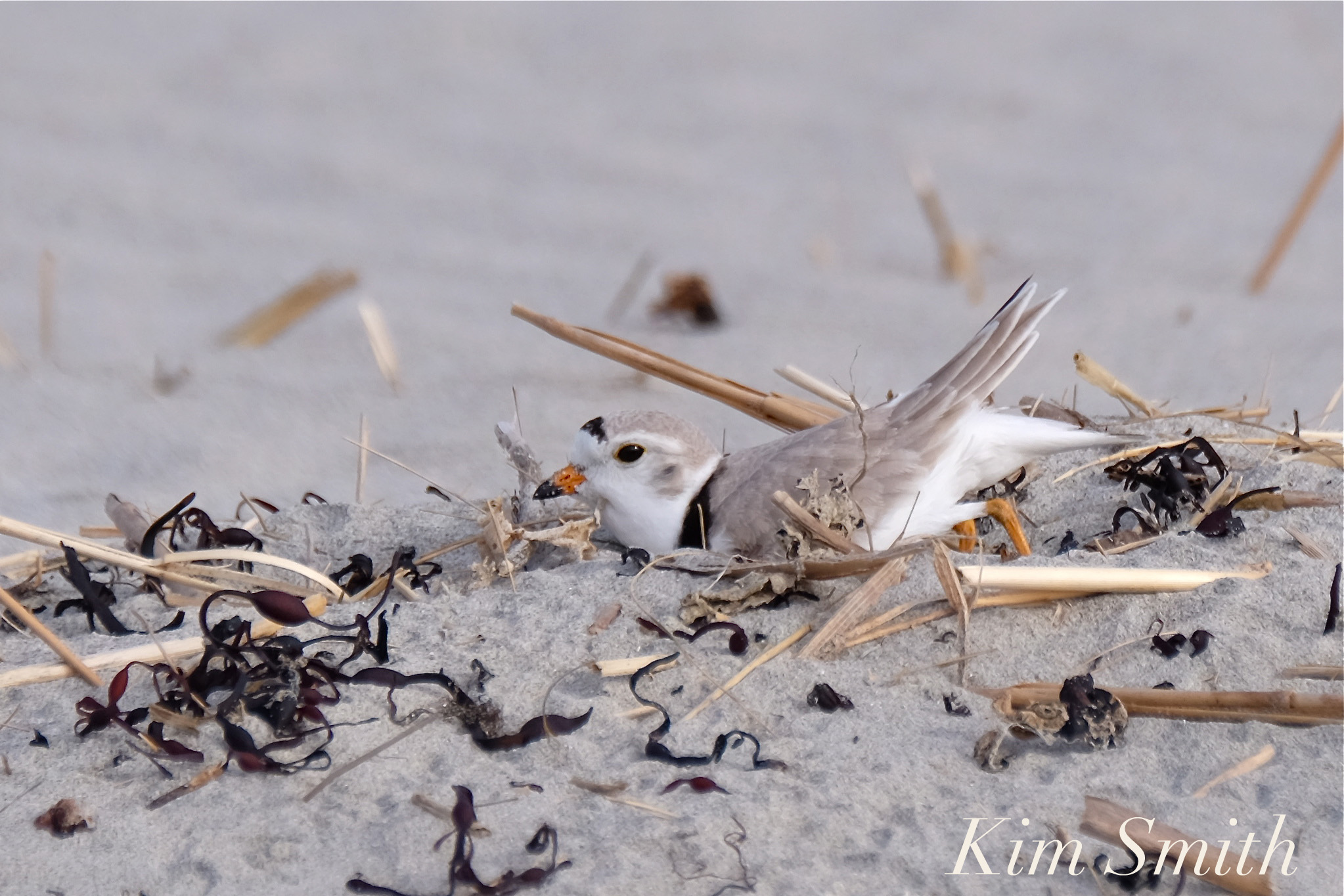
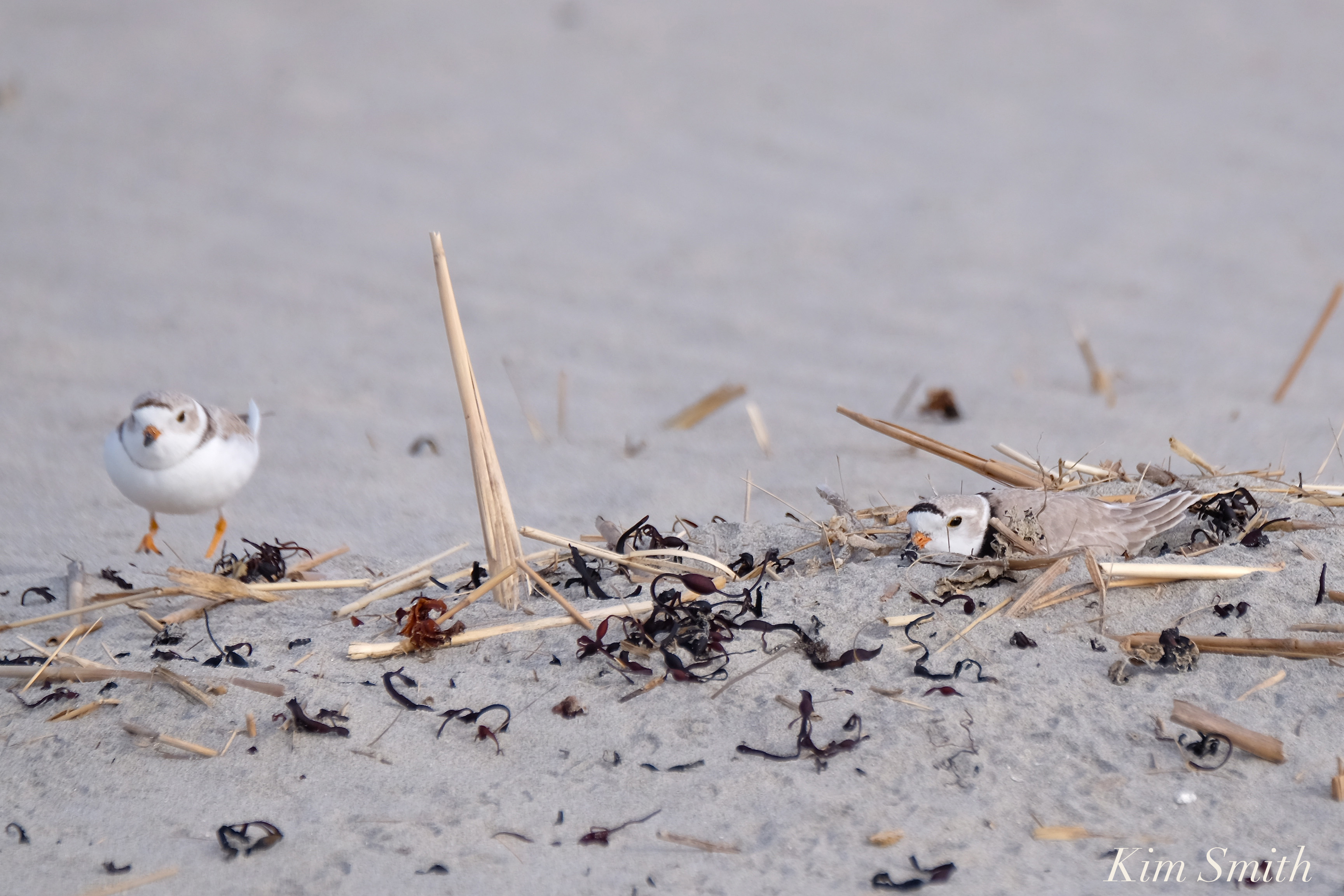
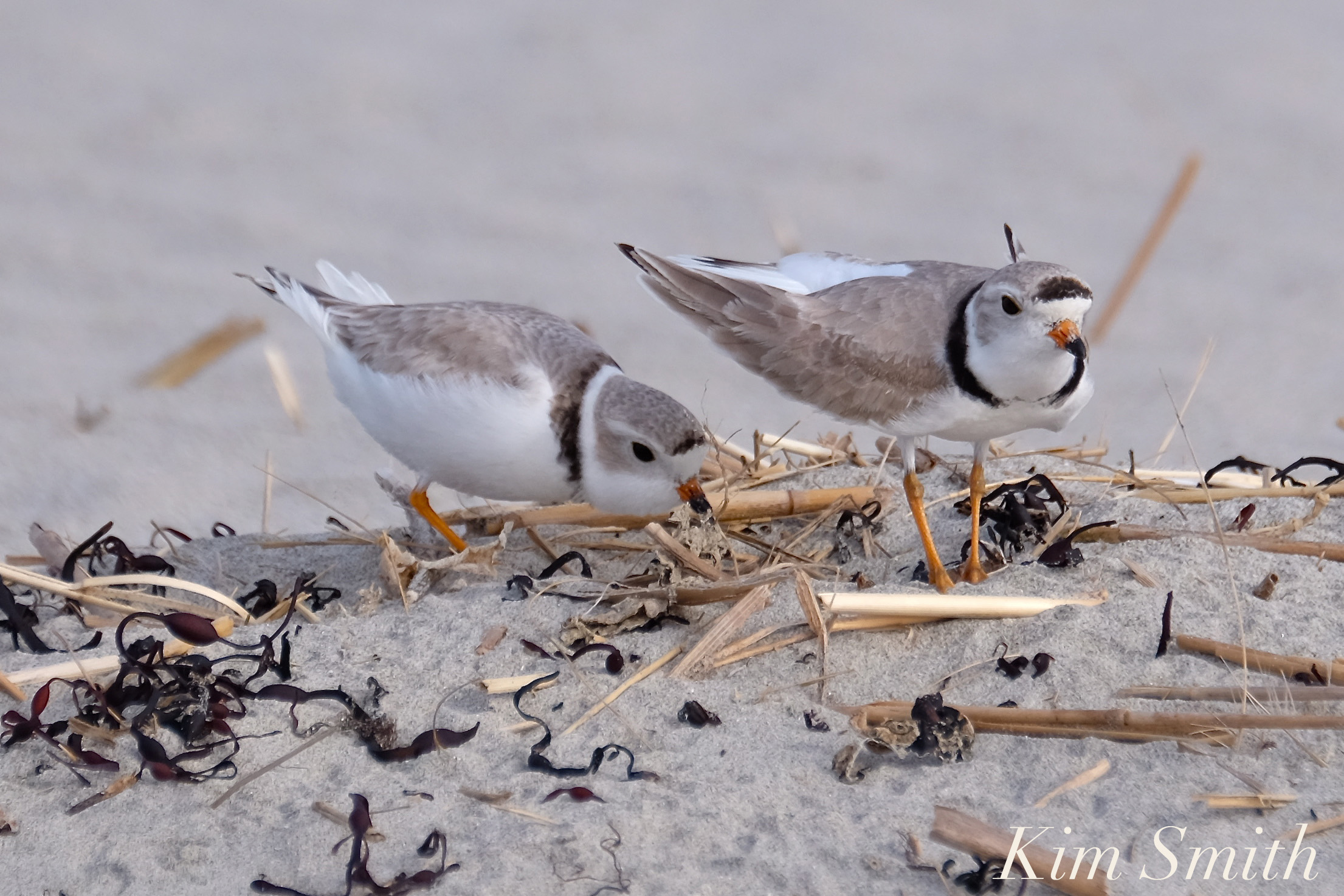
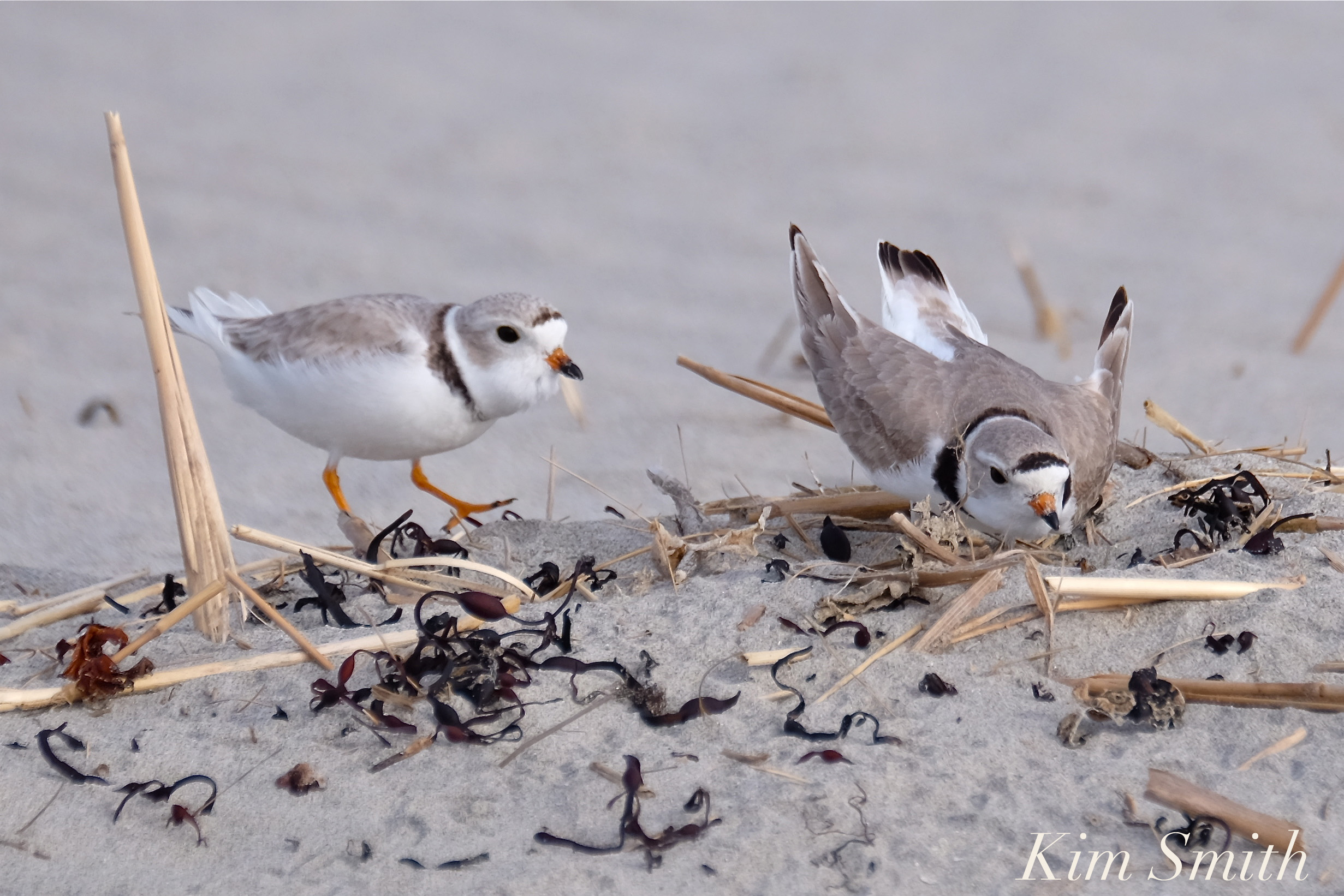
Dad Piping Plover spends considerable time showing Mom how good he is at nest-building.

Mom nonchalantly makes her way over to the nest scrape.

She thoroughly inspects the potential nest.
Dad again rearranges the sand. Mom pipes in, “Honey, I think I’d prefer that mound of dried seaweed over there, nearer the blades of seagrass. And can you please add a few seashells to the next one, rather than bits of old kelp.”

Rejected!
Here we go again!

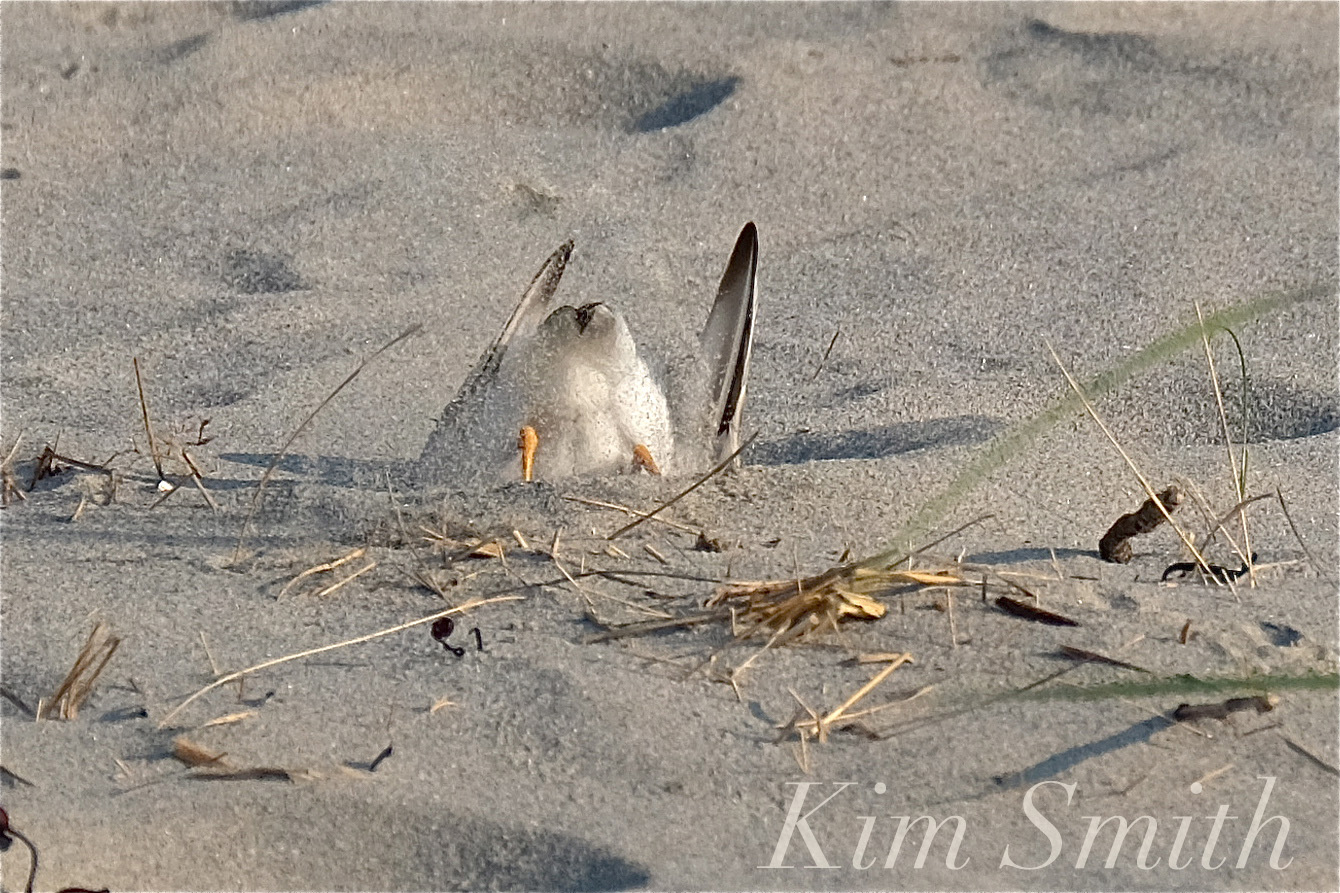
Five Piping Plovers have been observed at Good Harbor Beach. They are battling over territory and beginning to pair up. The male builds perhaps a dozen nests scrapes in a single day–all in hopes of impressing the female. Hopefully, within the next week, they will establish a nest; the earlier in the season Plovers begin nesting, the greater the chance of survival for the chicks.

Dave Rimmer from Essex County Greenbelt reports that although many nest scrapes have been seen, no nests with an egg on any of Gloucester’s beaches have yet been discovered. He suggests that perhaps the cooler than usual spring temperatures are slowing progress.

https://www.instagram.com/p/BUCcXh0FaWp/

Not one, but two, potential nesting sites have been roped off for the Piping Plovers. The second site is near the Good Harbor Beach Inn.

BEAUTIFUL CAPE ANN FOGGY DAYS

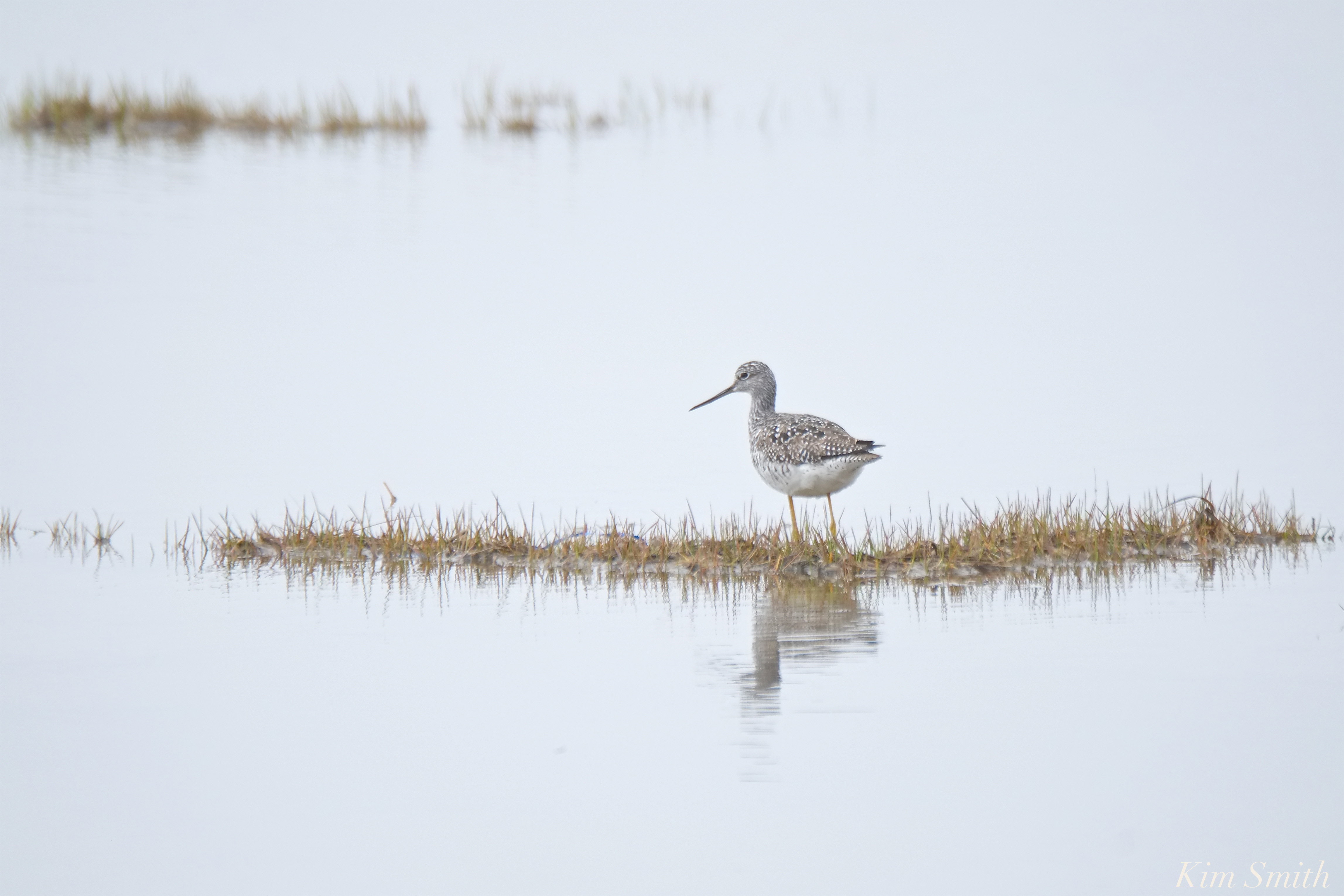
Greater Yellowlegs foraging in the marsh.

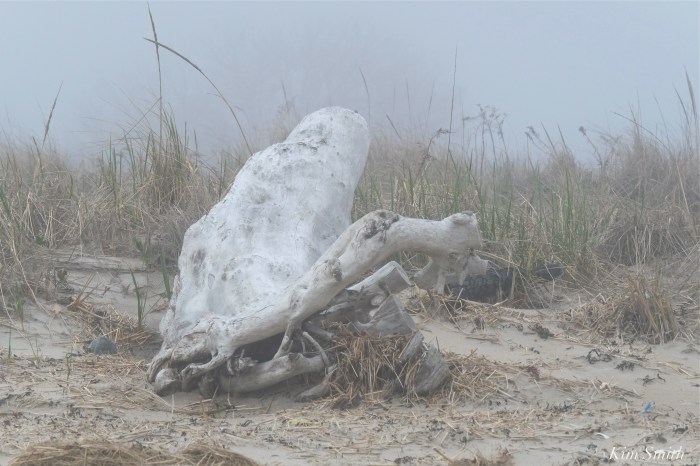
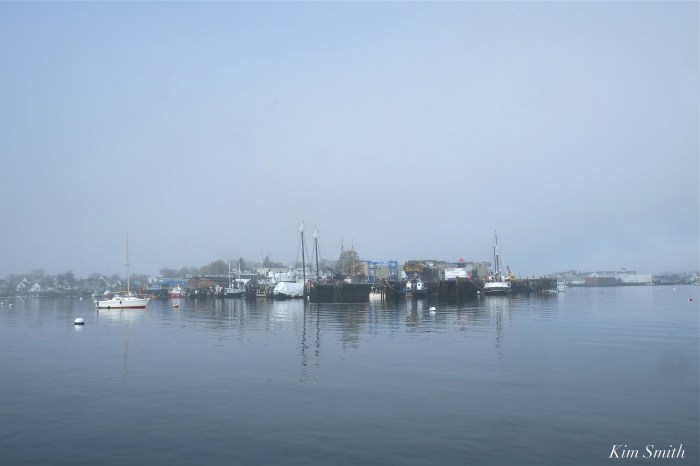
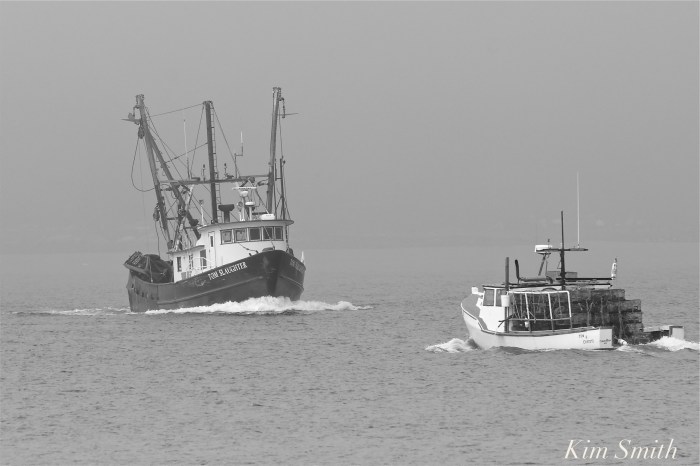
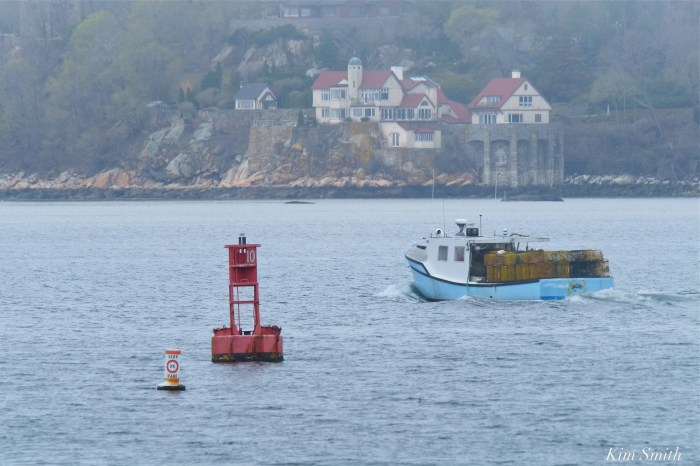
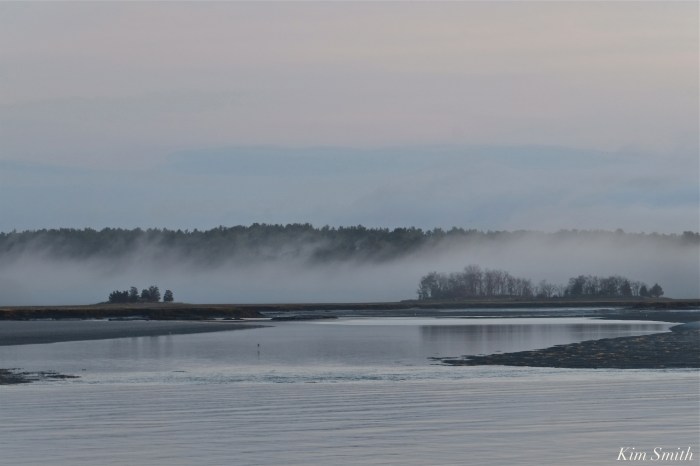
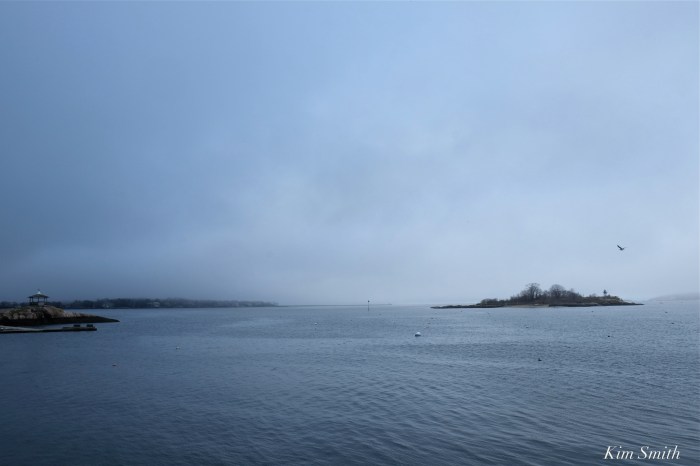
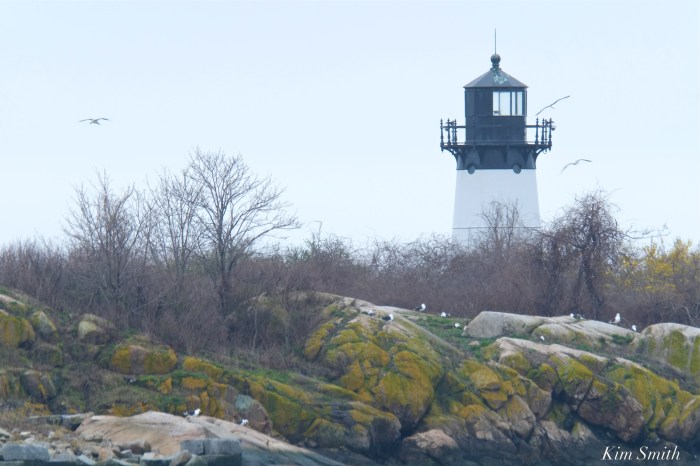
I have loved this past month’s atmospheric and textured, misty April weather. Do you recall an April as foggy? I don’t. Whenever out and about and a spare moment was mine, I grabbed my camera and had a go at capturing beautiful fog-shrouded Cape Ann.

Piping Plover

Trying out the new teleconverter–note the little tiny figure fishing on the breakwater in the photo on the left, which was shot at 18mm, and then with the 400mm lens plus tele.

Same focal lengths with Ten Pound Island.

And then the sun came out.

PIPING PLOVERS HAVE RETURNED TO CAPE ANN BEACHES!

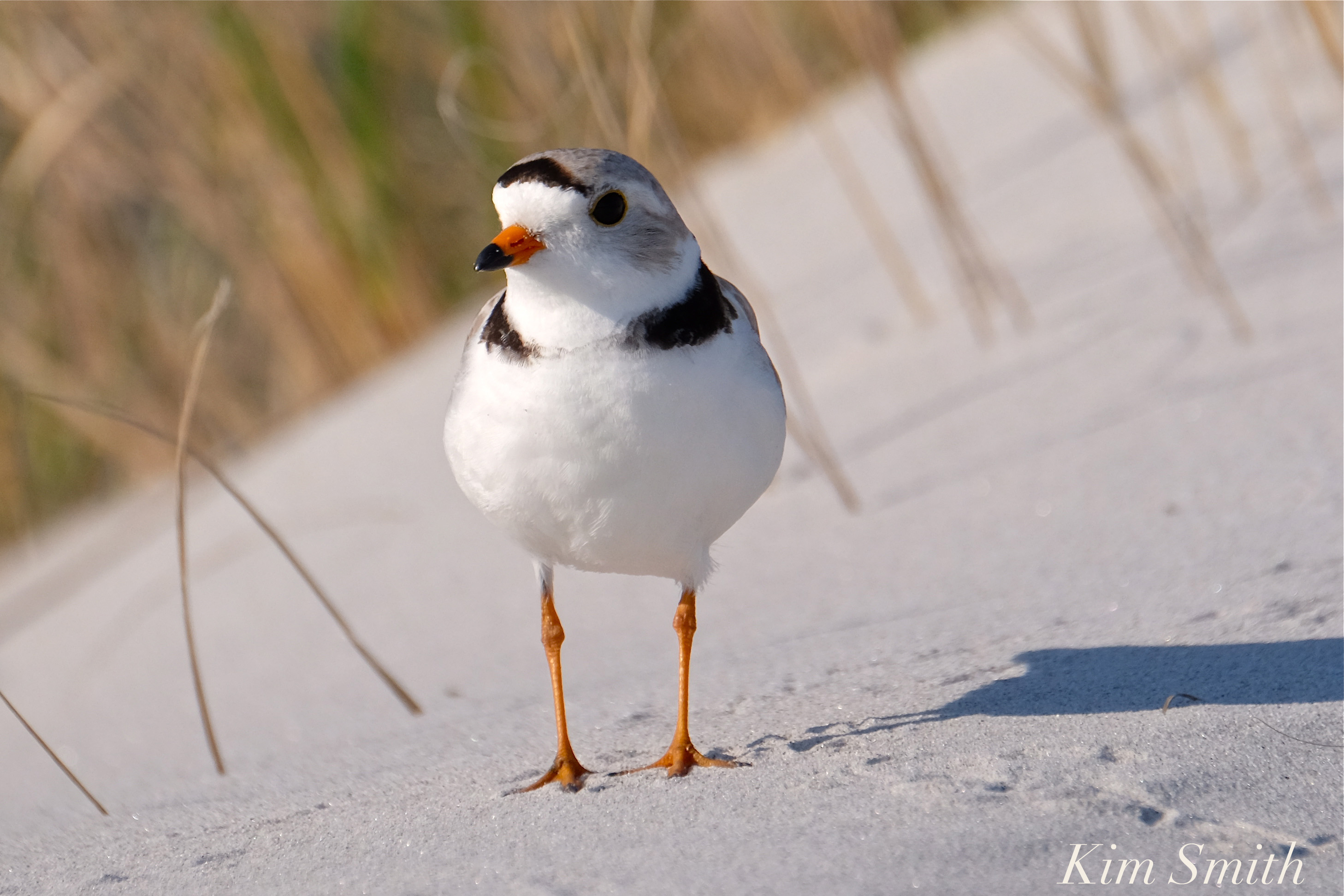
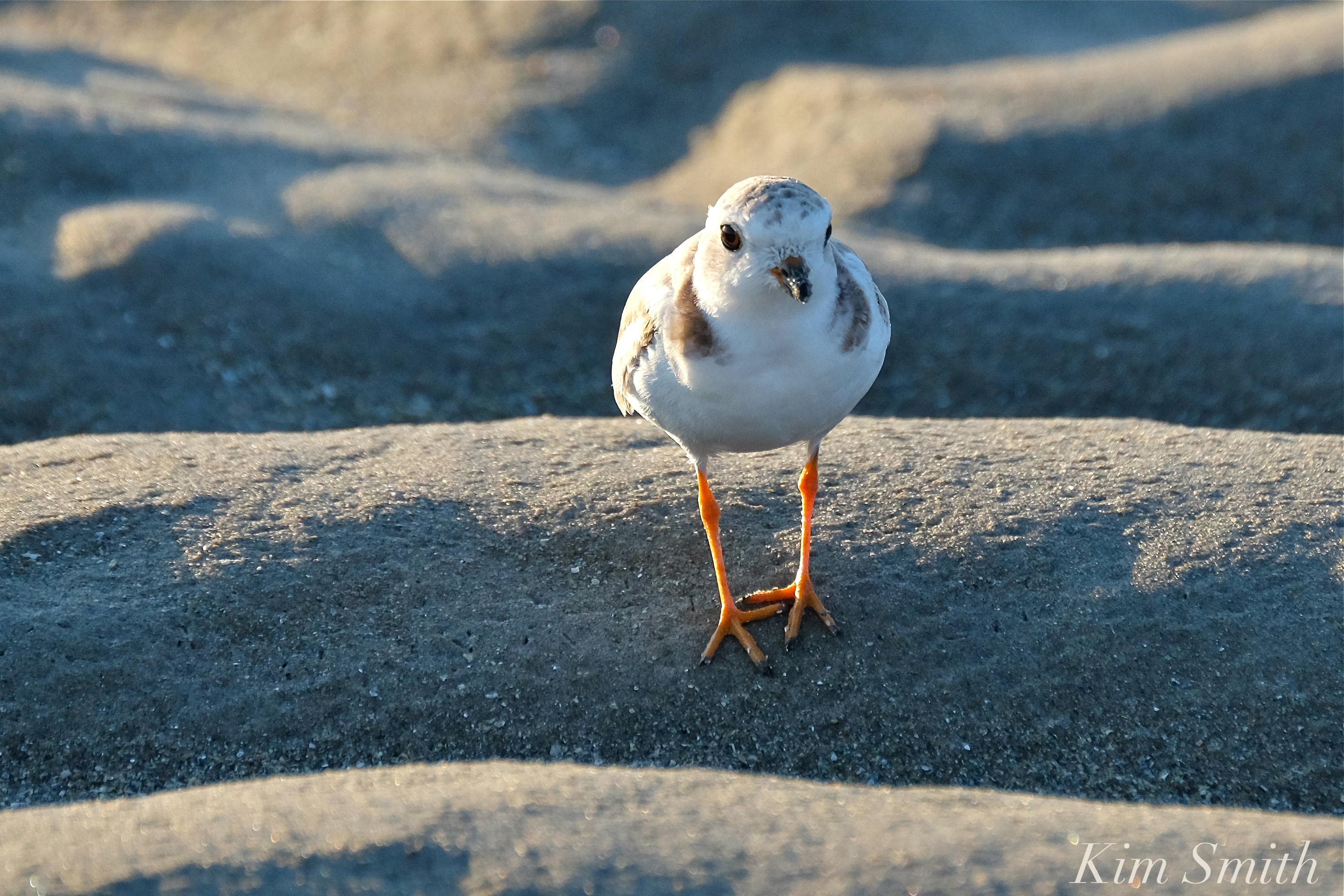
Male Piping Plover

The sweetest and tiniest of shorebirds has been spotted at several of our local beaches, including Wingaersheek and Good Harbor Beach. They have also been seen at Plum Island, as well as other Massachusetts barrier beaches, for several weeks. The Plovers have traveled many thousands of miles to reach our shores and are both weary from traveling and eager to establish nesting sites.

What can you do to help the Piping Plovers? Here are four simple things we can all do to protect the Plovers.

  1. Don’t leave behind or bury trash or food on the beach. All garbage attracts predators such as crows, seagulls, foxes, and coyotes, and all four of these creatures EAT plover eggs and chicks.
  2. Do not linger near the Piping Plovers or their nests. Activity around the Plovers also attracts gulls and crows.
  3. Respect the fenced off areas that are created to protect the Plovers.
  4. If pets are permitted, keep dogs leashed.


The last is the most difficult for folks to understand. Dogs threaten Piping Plovers in many ways and at every stage of their life cycle during breeding season, even the most adorable and well-behaved of pooches.

Dogs love to chase Piping Plovers (and other shorebirds) at the water’s edge. After traveling all those thousand of miles, the birds need sustenance. They are at the shoreline to feed to regain their strength.

Dogs love to chase piping Plovers at the wrack line. Here the birds are establishing where to nest. Plovers are skittish at this stage of breeding and will depart the area when disturbed.
Dogs love to chase Piping Plover chicks, which not only terrifies the adult Plovers and distracts them from minding the babies, but the chicks are easily squished by a dog on the run.

Please keep dogs leashed when at the beach. Thank you!

Female Piping Plover

*   *   *

Dave Rimmer, Greenbelt’s director of land stewardship, is giving a lecture about the Piping Plovers at Parker River National Wildlife Refuge on Thursday, April 27th, from 2:00 to 4pm. Preregister by email at: Andrew@ecga.org.


GREAT NEWS FROM THE MAYOR FOR GLOUCESTER’S PIPING PLOVERS!!!

PIPING PLOVER UPDATE FROM THE MAYOR’S OFFICE

PIPING PLOVERS NESTING AT GOOD HARBOR BEACH

The City of Gloucester and Mayor Sefatia Romeo Theken will be working closely during the 2017 beach season at Good Harbor Beach with the Essex County Greenbelt Association and the MA Division of Fisheries and Wildlife to manage Piping Plovers if they return again to nest on the beach.

“For generations, Gloucester’s citizens have existed in a delicate balance with our coastal ecosystem, from the open ocean, to the rocky shorelines and of course to our beaches,” Mayor Romeo Theken said. “We are committed to making every effort possible to protect nesting Piping Plovers at our beaches but we will do so while maintaining public access to these amazing areas. Please help me and the City by cooperating with any short-term restrictions imposed at our beaches in 2017.”

In 2016, Piping Plovers, a small shorebird, were observed nesting for the first time at GHB, and the City acted quickly and responsibly along with Greenbelt and MADFW to protect the birds and their nesting areas. The City is preparing more proactively now for the 2017 beach season.

BACKGROUND:
Piping Plovers are a small shorebird that was placed on the US Endangered Species List in 1986 as a threatened species. Piping Plovers nest directly on the sand at beaches throughout MA, typically on the upper beach just below the outer dune edge. Statewide the Piping Plover population has been increasing over the past 20 years and the population reached about 650 pairs in MA in 2016.

In Gloucester in 2016, 4 pairs of Piping Plovers nested at Coffins Beach and fledged 10 young. A single pair of Piping Plovers nested at GHB, hatching 3 chicks but none survived to fledge. The Piping Plovers at GHB nested later than normal in the season which may have contributed to the lack of chick survival. Better early season protections could help eliminate this problem in 2017.

Good Harbor Beach Piping Plover making a nest scrape for his lady love to inspect

The US Endangered Species Act requires public and private landowners to take necessary measures to protect listed species like Piping Plovers. MA also has guidelines and laws for beach nesting bird management. The city is making every effort to be compliant with all regulatory guidelines.

Piping Plovers typically arrive from their southern wintering areas to our local beaches in late March or early April. Males and females quickly form breeding pairs that begin the process of courtship and nest site select throughout April and May. During April and May, it is important to limit disturbance to the birds and their habitats. Chicks can hatch from nests in late May and are immediately mobile and move out of the nest in search of food. As chicks grow older and larger, they will roam from the dunes to the water’s edge in search of food. Chicks are very vulnerable to human disturbance and are susceptible to predators like gulls and foxes.

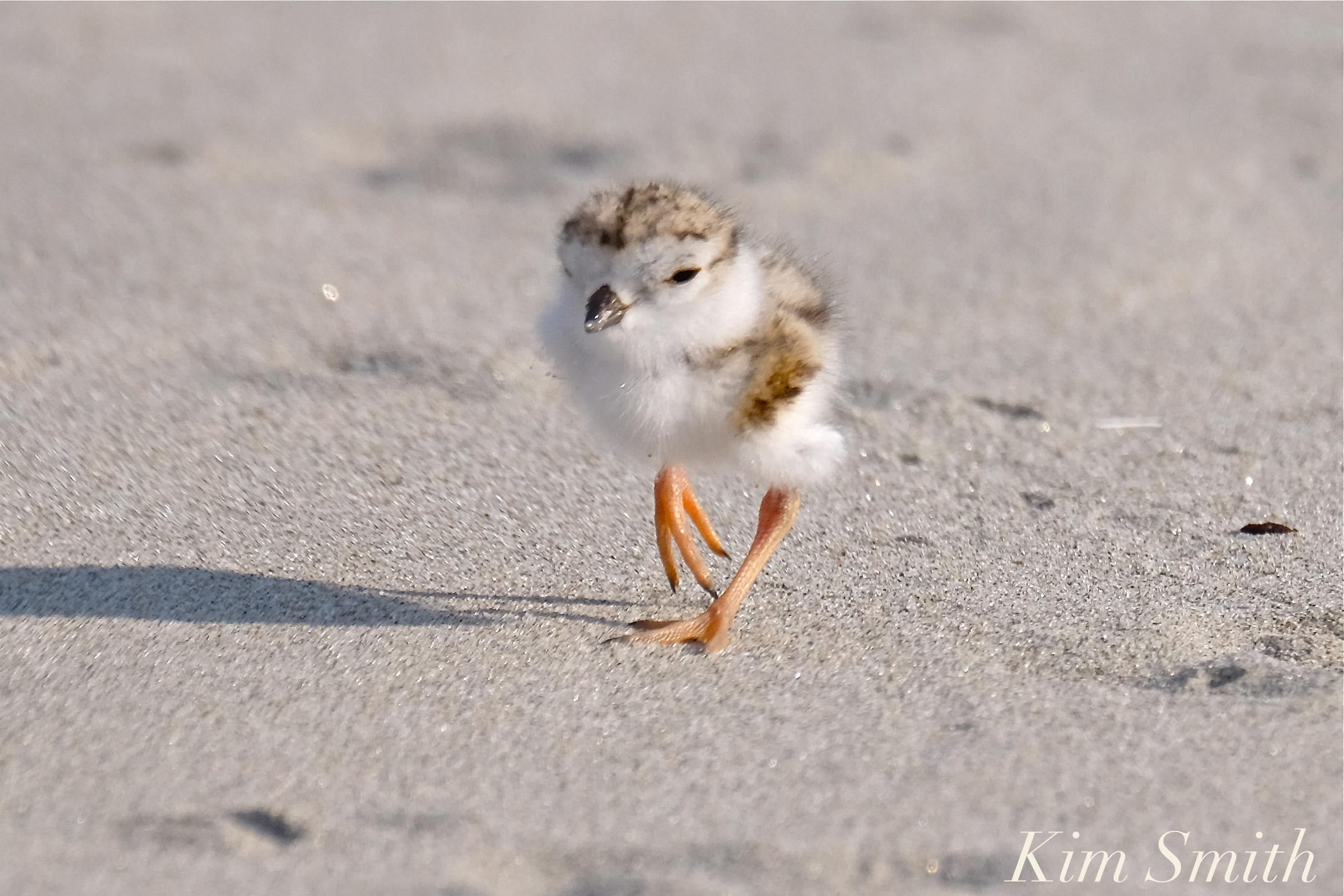
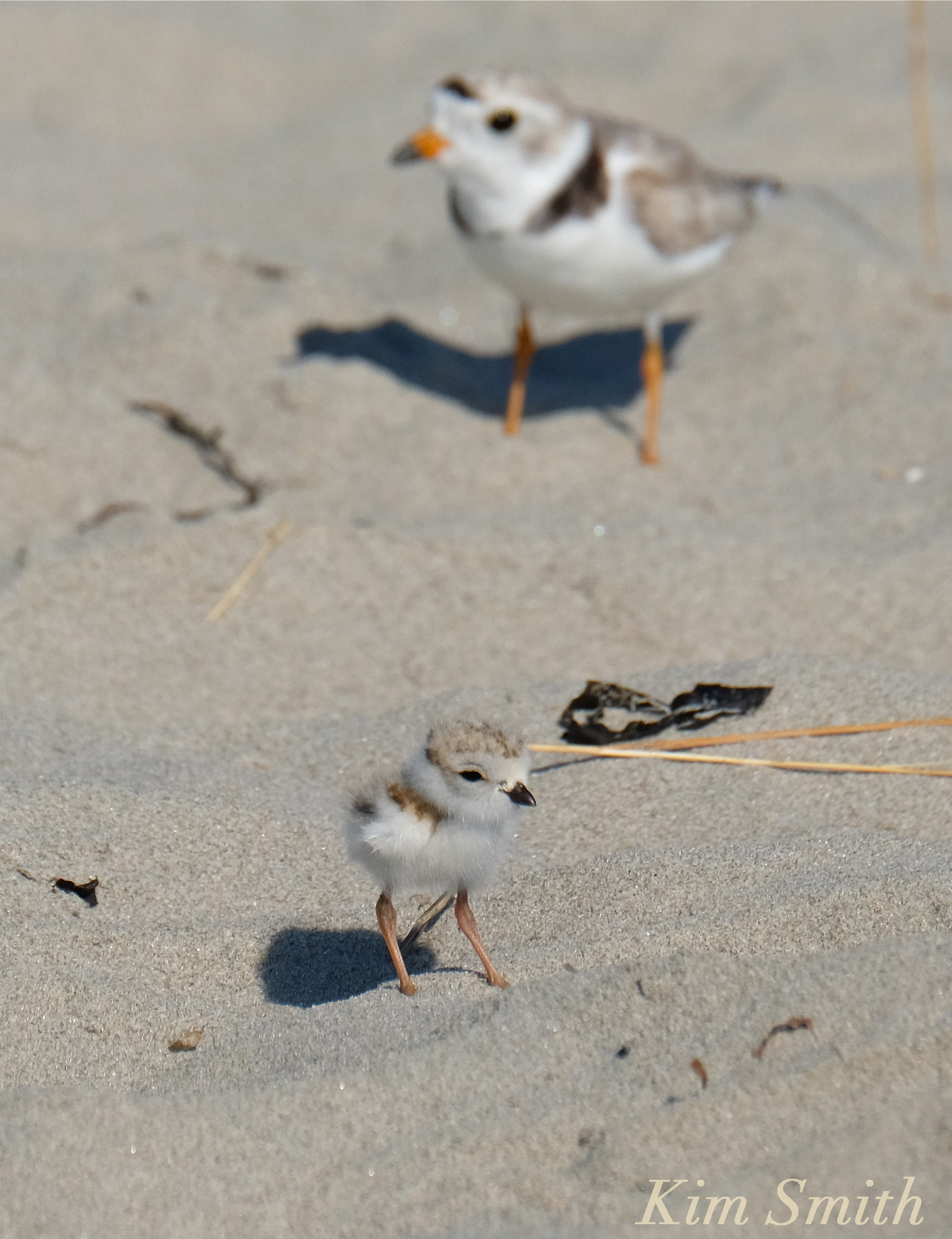
One day old Piping Plover chick

PLAN OF ACTION FOR 2017:

Gloucester officials have directed City staff to collaborate with Greenbelt and MADFW to development management strategies to protect Piping Plovers found nesting on any Gloucester beaches.

Beach Scraping – Limiting beach cleaning activities like beach scraping with a tractor and mechanical rake is very important once Piping Plovers arrive at GHB. This could start in April and last though June in certain areas at GHB.

Fencing – It is also important to strategically select areas for temporary closure with single strand fencing and signs. These fenced areas allow a refuge for Piping Plovers to begin their nesting season normally in May, before the busy beach season. fences could be installed in April and be in place through June in certain areas at GHB.

Monitoring – Regular monitors from Greenbelt, MADFW and theCity will visit GHB in March/April to determine if PipingPlovers are present and to ensure that any nesting Piping Plovers are well protected. Monitoring will continue as long as Piping Plovers are present at the site.

Public Access – GHB will remain open to the public during the beach season. Only selected small areas may be closed to the public to protect Piping Plovers. Mayor Theken encourages all beachgoers to respect the closed areas and to consider Piping Plovers as an important part of Gloucester’s rich and healthy coastal ecosystem.

Dogs – Unleashed dogs can pose a very real threat to Piping Plover adults and chicks. Dogs owners are responsible for controlling their dogs and may be legally responsible for any adverse impacts to Piping Plovers and their habitats.

For more information, please contact Greenbelt Essex County Trust at dwr@ecga.org or (978) 768-7241 x14

NEW SHORT FILM: THE UNCOMMON COMMON TERN

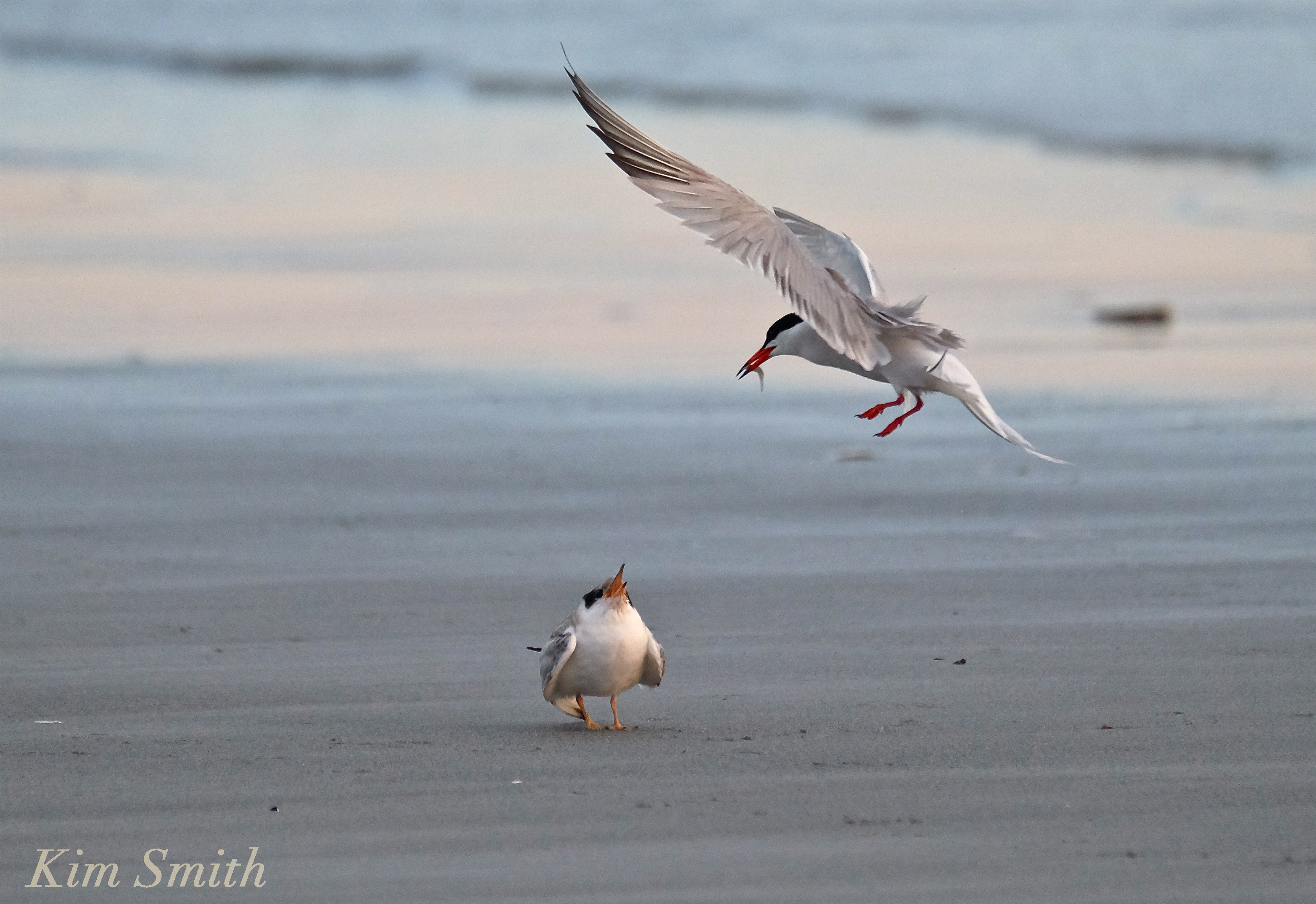
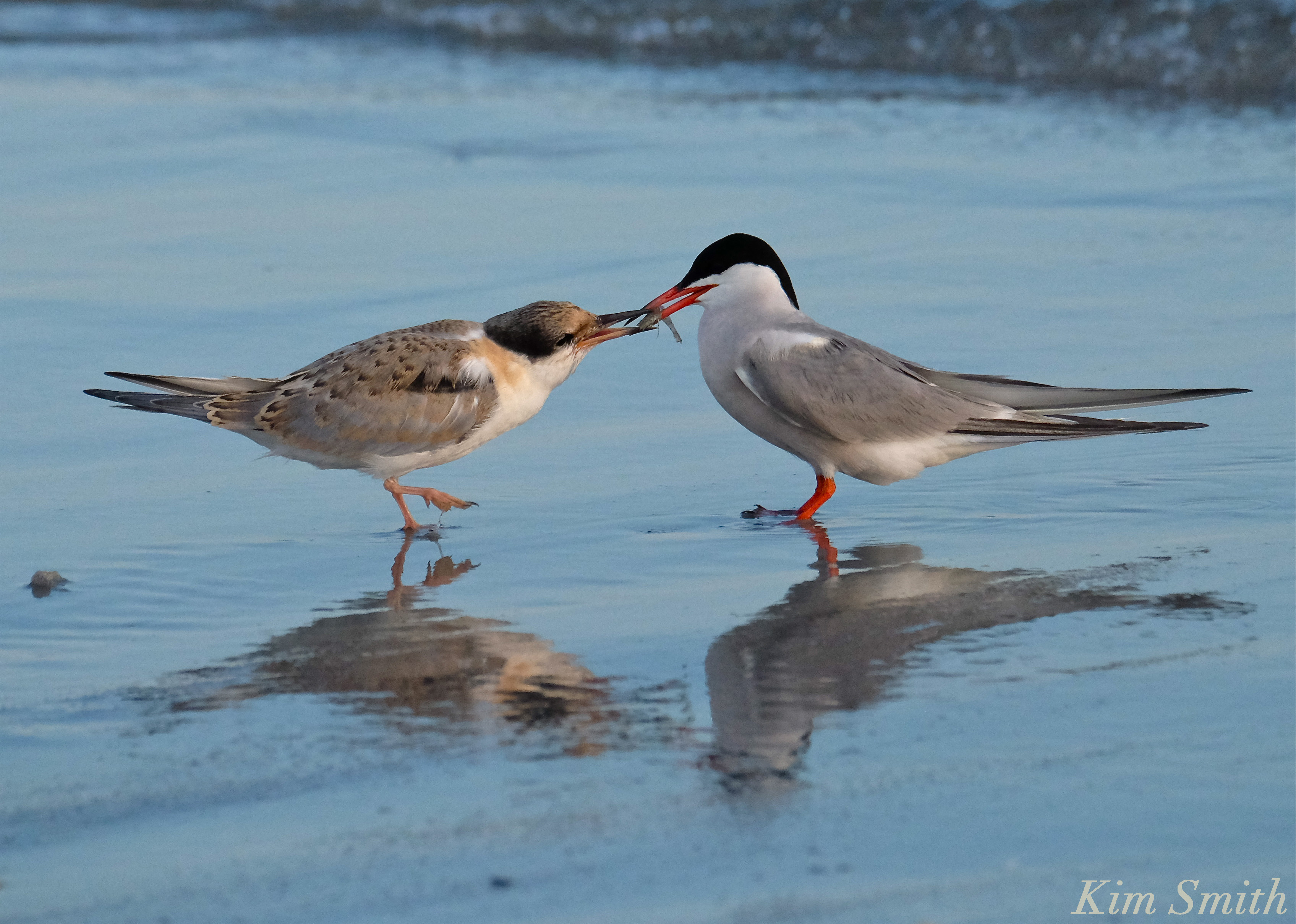
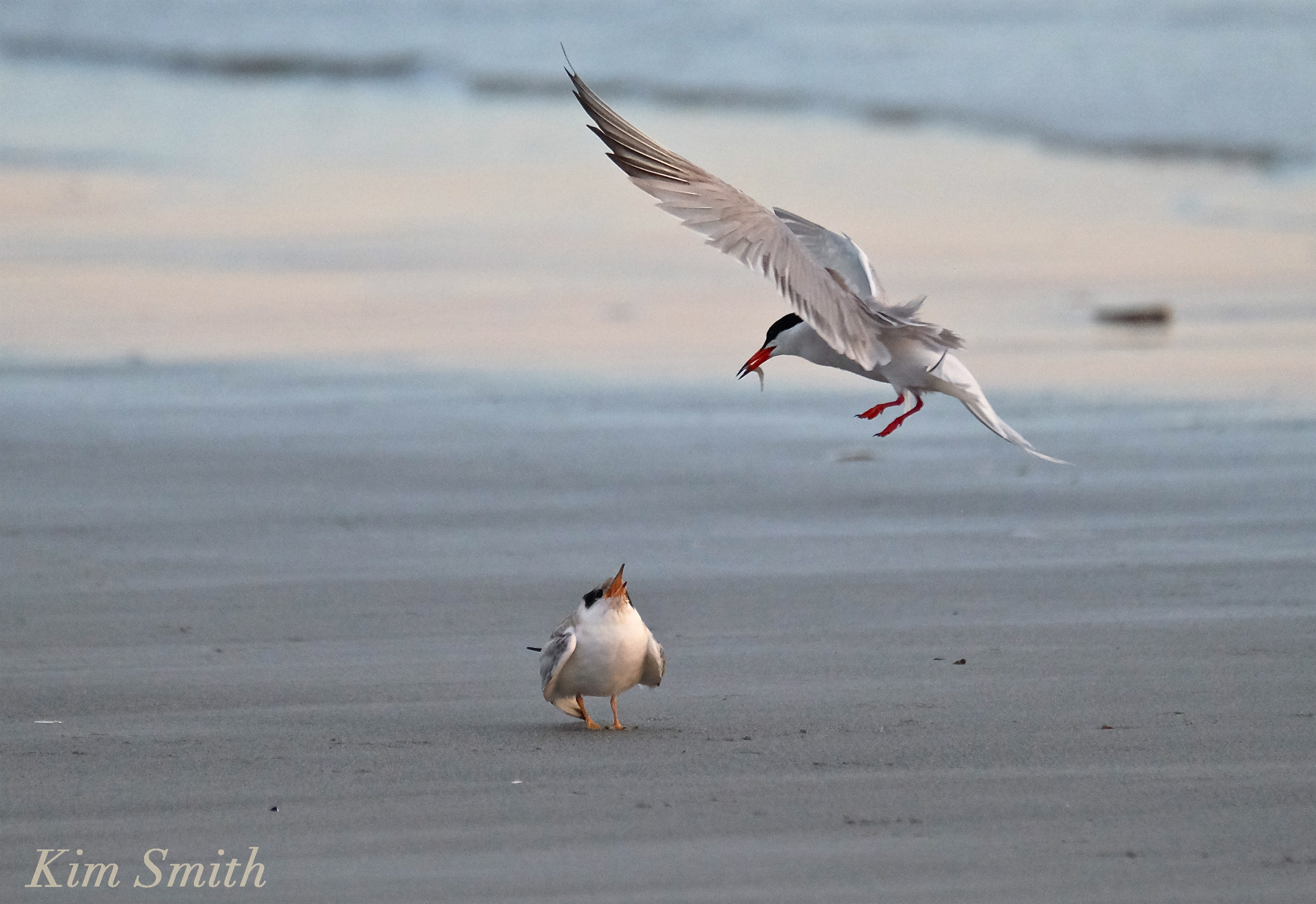
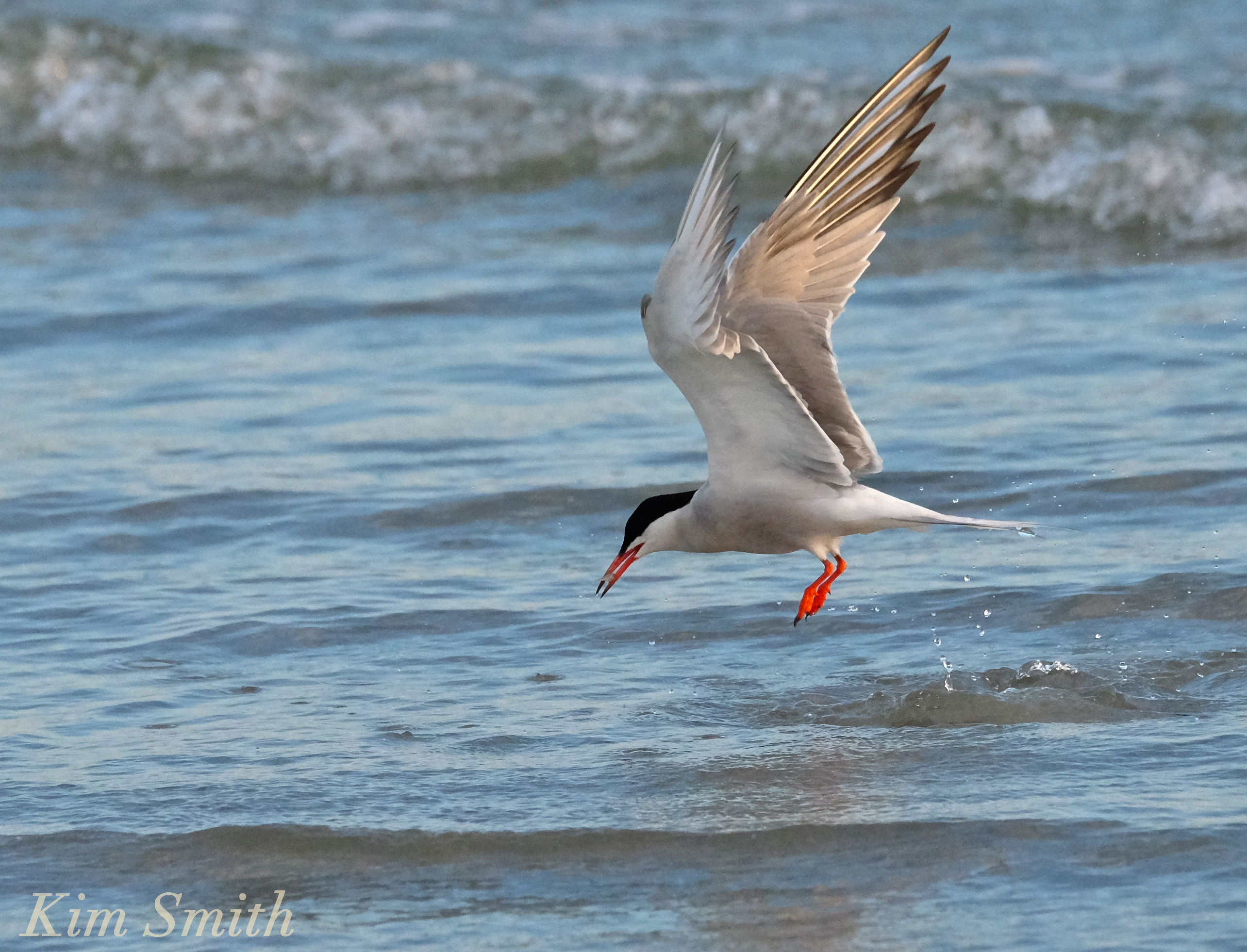
What fun to encounter a small flock of terns teaching its young to fish. Nearly as large as the adults, the tubby terns cheekily squawk and demand food (shrimp I think in this case). Watch as the fledglings try to master fishing skills while the adults tirelessly guide the young on how to feed themselves.

With thanks to Paul St. Germain, president of the Thacher Island Association, for information about the ongoing restoration of shorebirds on Thacher Island.

common-tern-fledgling-feeding-copyright-kim-smith

Continue reading “NEW SHORT FILM: THE UNCOMMON COMMON TERN”

NEW SHORT FILM: TREE SWALLOWS MASSING

This short film is dedicated a dear friend who recently lost a beloved family member. Along with the tender melody by Jules Massenet, especially the last bits of footage (before the credits) made me think of angels and of hope.

  *   *   *

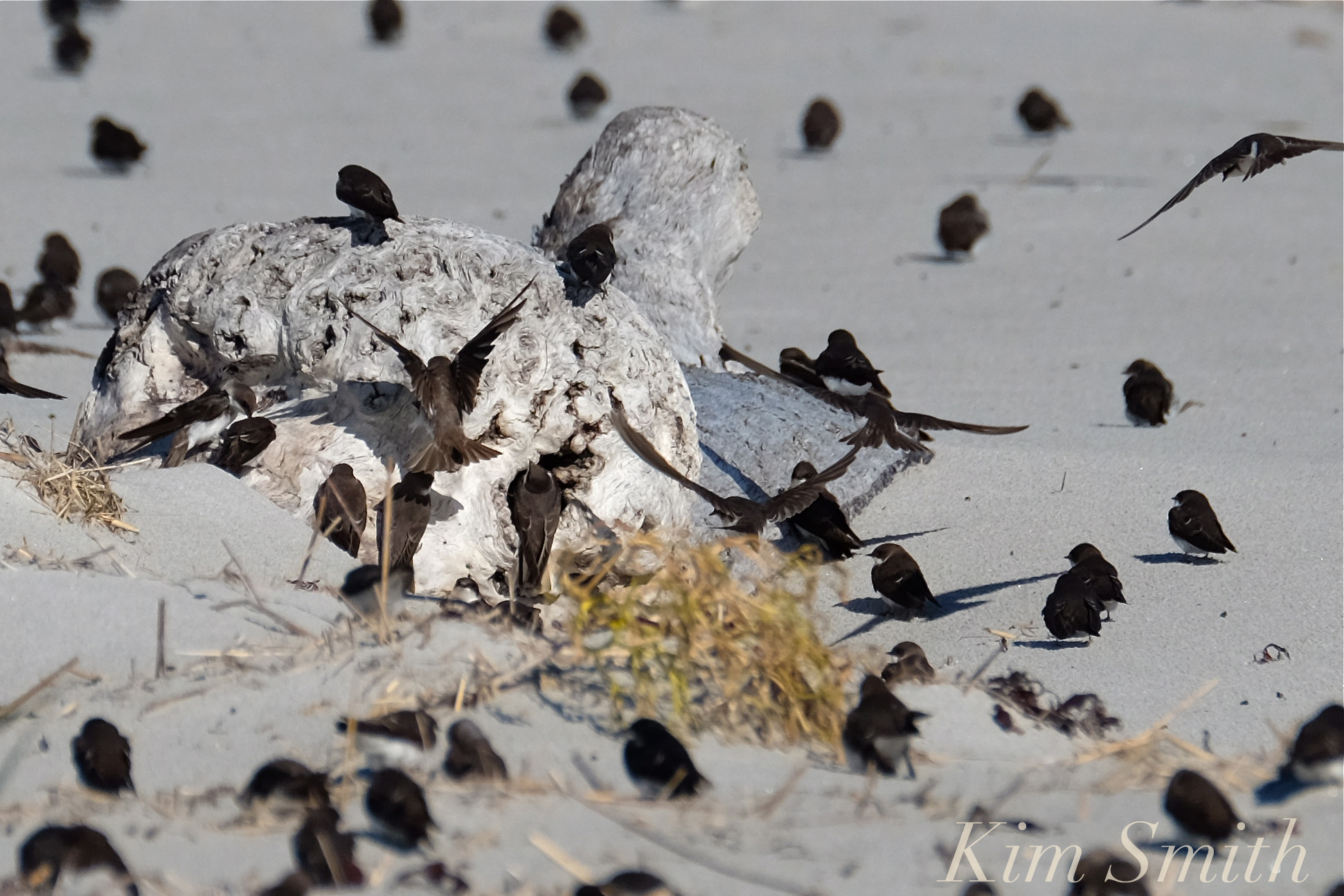
Over the course of the summer while filming the Piping Plover Family at Wingaersheek Beach, Tree Swallows began flocking in ever increasing numbers. They became part of the Piping Plover story not only because a Tree Swallow will occasionally dive bomb a Piping Plover, for whatever reason I am not entirely sure, but also because they are beautiful to observe, and occasionally, seemingly playful, too.

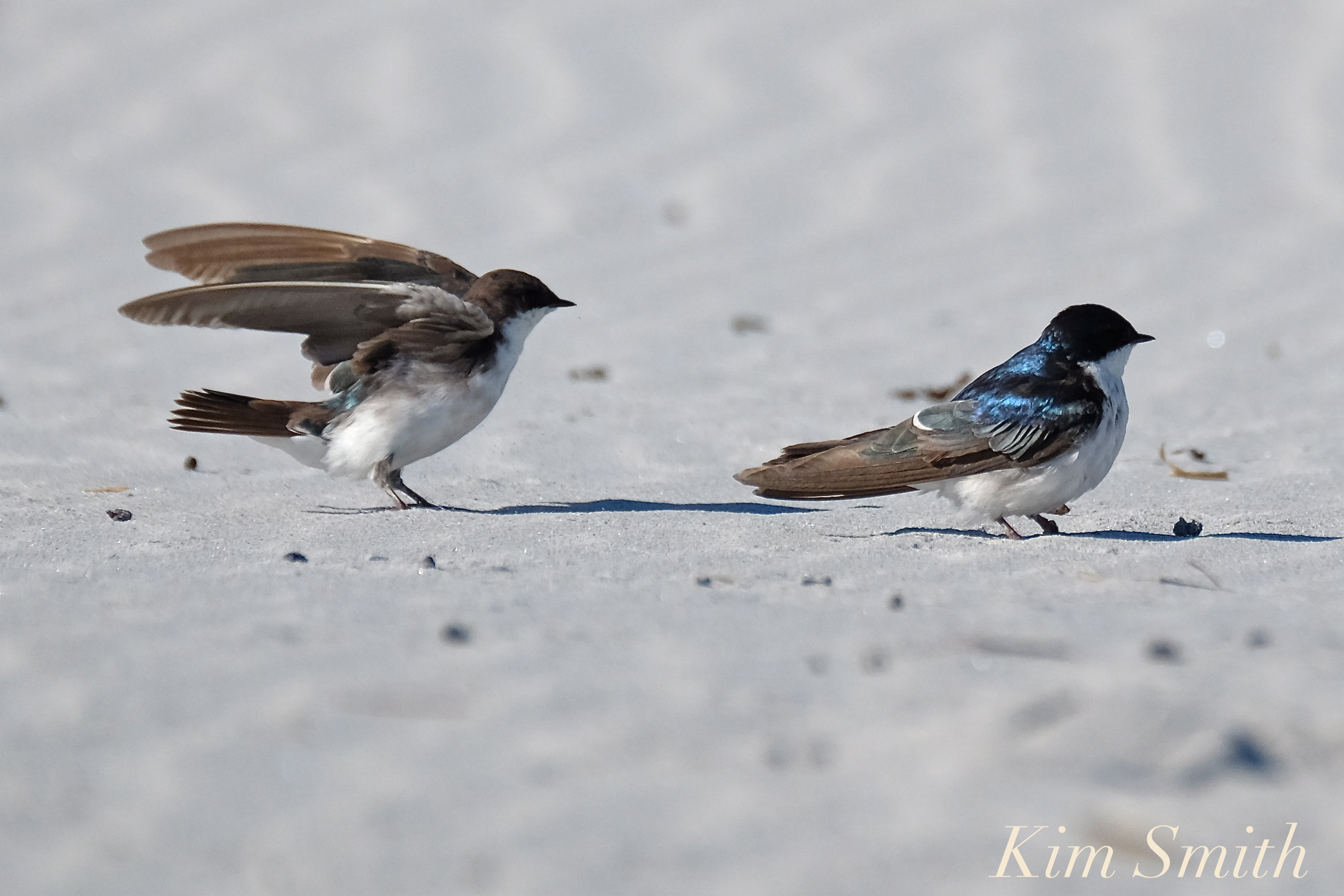
Songbirds that they are, Tree Swallows make a cheery chirping chatter. They have long narrow forked tails, all the better for gliding and for their signature aerial acrobatics. The male’s upper parts are a brilliant iridescent blue-green, the female’s somewhat duller, and both female and male have white underparts. The migrating juveniles are almost entirely brown with either white or pale grayish underparts.tree-swallows-gloucester-massachusetts-11-copyright-kim-smith

Tree Swallows breed in the wetlands and fields of Cape Ann. Their name comes from the species habit of nesting in tree cavities. Tree Swallows have benefited tremendously from efforts to help save the Eastern Bluebird because they also nest in the nest boxes built specifically for the Bluebirds.

Acrobatic aerialists, they twist and turn mid-flight to capture a wide variety of insects including butterflies, dragonflies, greenheads, bees, beetles, and wasps.tree-swallows-gloucester-massachusetts-copyright-kim-smith

Tree Swallows eating insects on the beach and from the crevasses in the driftwood.

Utilizing both fresh and saltwater to bathe, Tree Swallows have a unique habit of quickly dipping and then shaking off the excess water while flying straight upwards.

Tree Swallows begin migrating southward in July and August. The flocks that we see gathering on Cape Ann migrate along the Atlantic Flyway. They overwinter in the southern states of the U.S., Mexico, the Caribbean, and Central America. Unlike migrating species of butterflies, several generations of Tree Swallows migrate together, the older birds showing the younger birds the way.
Music composed by Jules Massenet: “Méditation” from Thaïs

CAPE ANN WILDLIFE: A YEAR IN PICTURES

snowy-owl-gloucester-massachusetts-c2a9kim-smith-2015My husband Tom suggested that I write a year-end post about the wildlife that I had photographed around Cape Ann. Super idea I thought, that will be fun and easy. Many hours later (not realizing how daunting) the following is a collection of some favorite images from this past year, beginning with the male Snowy Owl photographed at Captain Joe’s last winter, to December’s Red-tailed Hawk huntress.

red-tailed-hawk-gloucester-massachusetts-copyright-kim-smith

Living along the great Atlantic Flyway, we have been graced with a bevy of birds. Perhaps the most exciting arrival of all occurred when early summer brought several pairs of nesting Piping Plovers to Gloucester’s most beloved (and most highly trafficked) of beaches, Good Harbor Beach. Their story is being documented on film.

piping-plovers-chicks-nestlings-babies-kim-smith

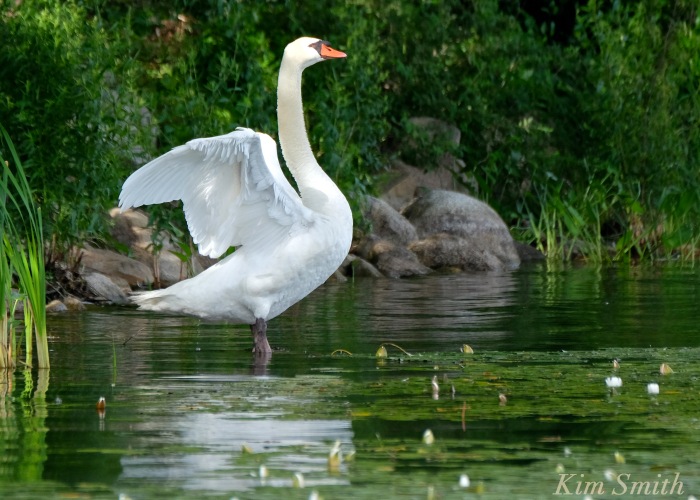
Work on Mr. Swan’s film will also resume this January—the winters are simply not long enough for all I have planned!

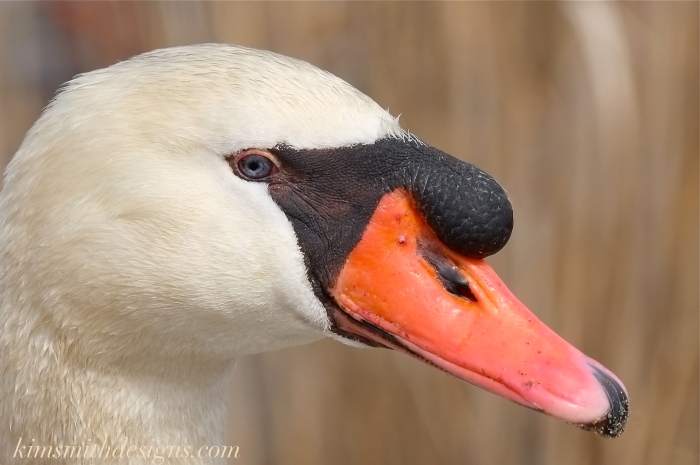
swan-outstretched-wings-niles-pond-coyright-kim-smith

While photographing and filming Red-winged Blackbirds this past spring, there was a face-to-face encounter with a hungry coyote, as well as several River Otter sightings.

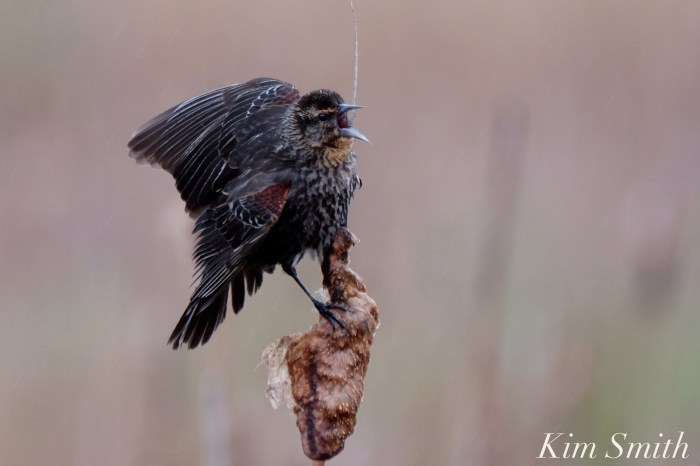
female-red-winged-blackbird-copyright-kim-smitrhFemale Red-winged Blackbird

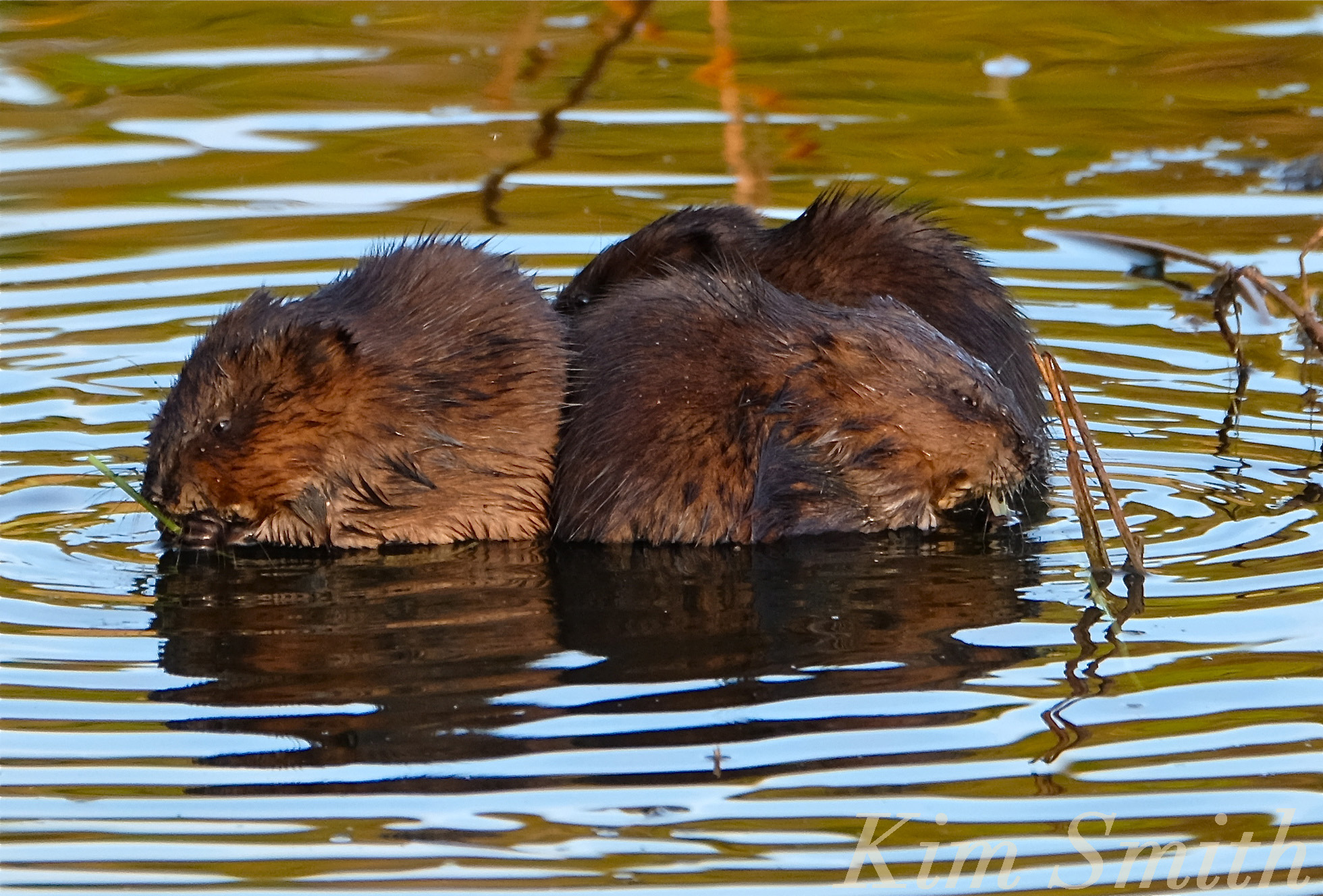
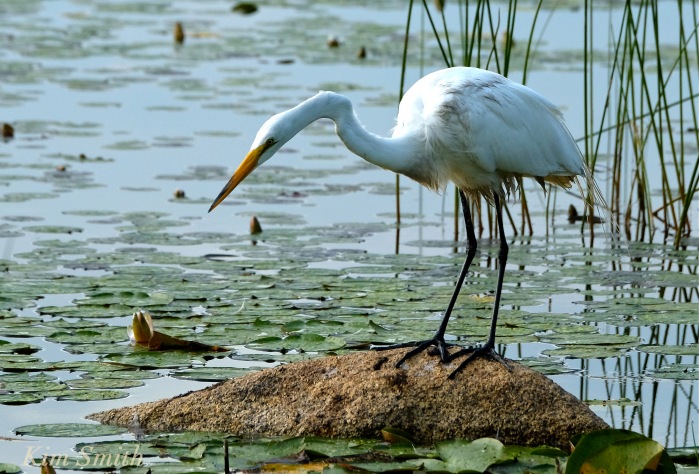
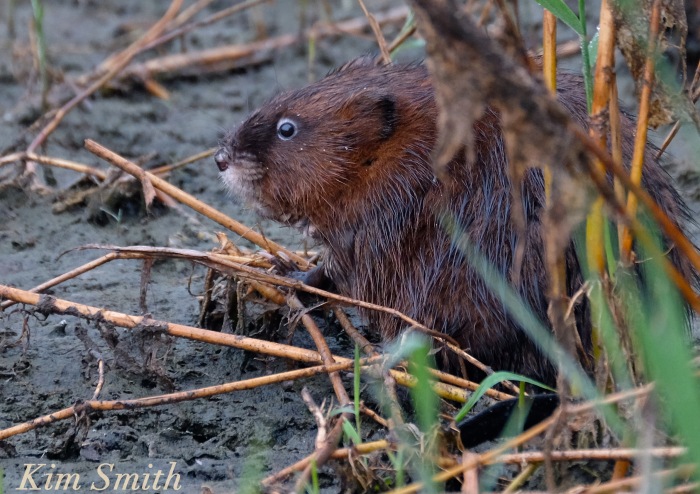
eastern-coyote-massachusetts-kim-smithThe summer’s drought brought Muskrats out from the reeds and into full view at a very dry Henry’s Pond, and a short film about a North American Beaver encounter at Langsford Pond. Numerous stories were heard from folks who have lived on Cape Ann far longer than I about the extraordinary number of egrets, both Snowy and Great, dwelling on our shores.three-muskrat-family-massachusetts-copyright-kim-smith

Three Muskrateersfemale-monarch-depositing-eggs-1-copyright-kim-smithnewly-emerged-monarch-butterfly-copyright-kim-smith-jpg

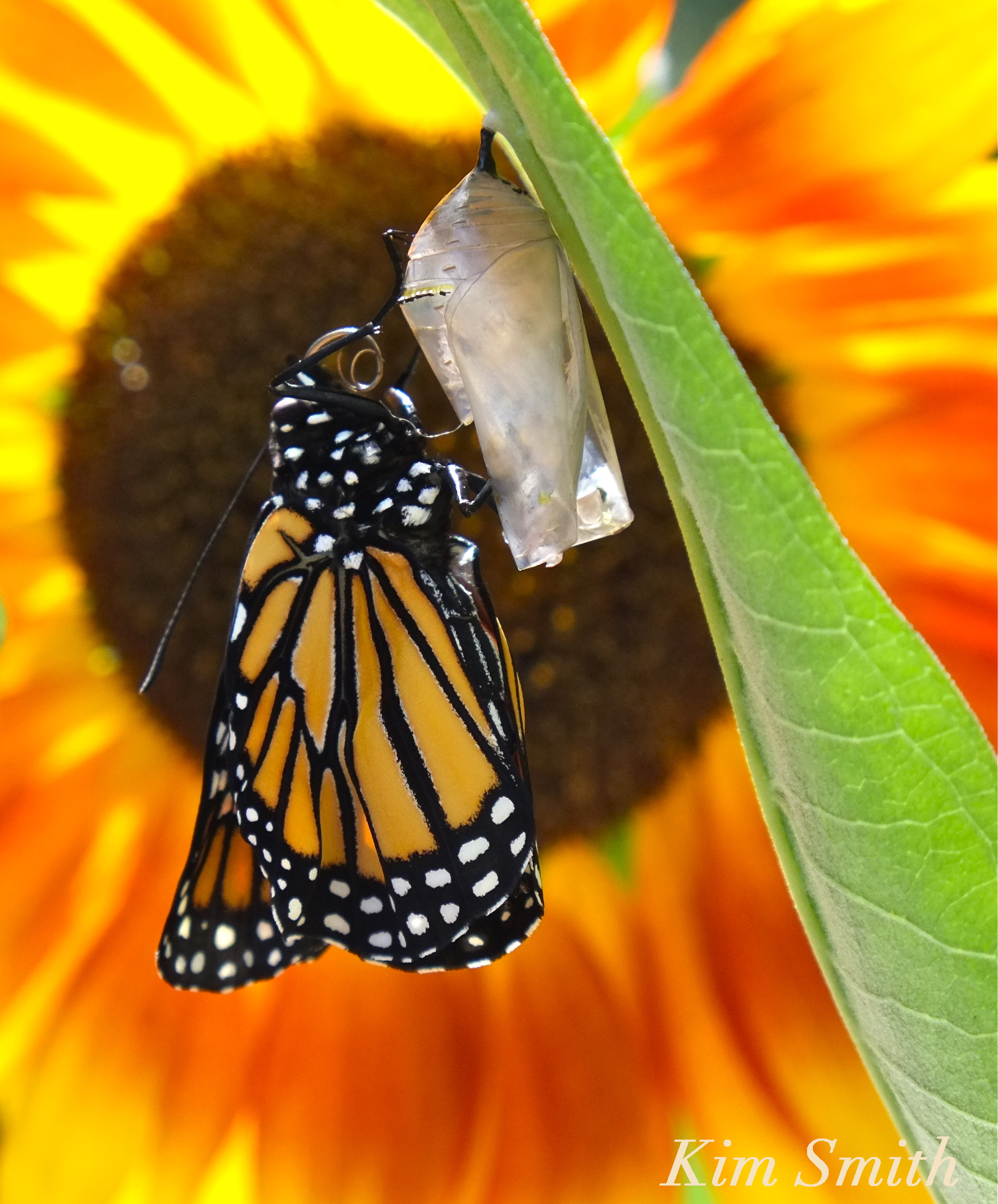
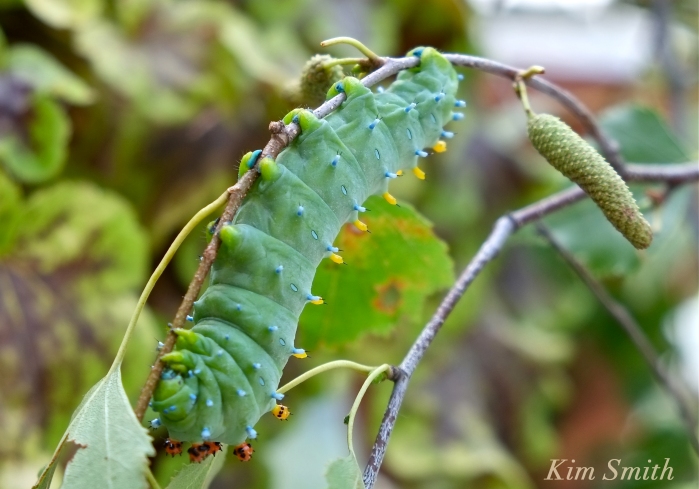
There were few Monarch sightings, but the ones seen thankfully deposited eggs in our garden. Thank you to my new friend Christine who shared her Cecropia Silkmoth eggs with me and thank you to the countless readers who have extended an invitation to come by and photograph an exciting creature in their yard.

cecropia-moth-caterpillar-copyright-kim-smithPristine beaches, bodies of fresh water, and great swathes of protected marsh and woodland make for ideal wildlife habitat, and Cape Ann has it all. With global climate change pushing species further away from the Equator, I imagine we’ll be seeing even more creatures along our shores. Butterfly and bee populations are overall in decline, not only because of climate change and the use of pesticides, but also because of loss of habitat. As Massachusetts has become less agrarian and more greatly forested, fields of wildflowers are becoming increasingly rare. And too fields often make the best house lots. Farmers and property owners developing an awareness of the insects’ life cycle and planting and maintaining fields and gardens accordingly will truly help the butterflies and bees.
female-mallard-nine-ducklings-kim-smithThank you to all our readers for your kind comments of appreciation throughout the year for the beautiful wild creatures with which we share this gorgeous peninsula called Cape Ann.

The images are not arranged in any particular order. If you would like to read more about a particular animal, type the name of the animal in the search box and the original post should come up.

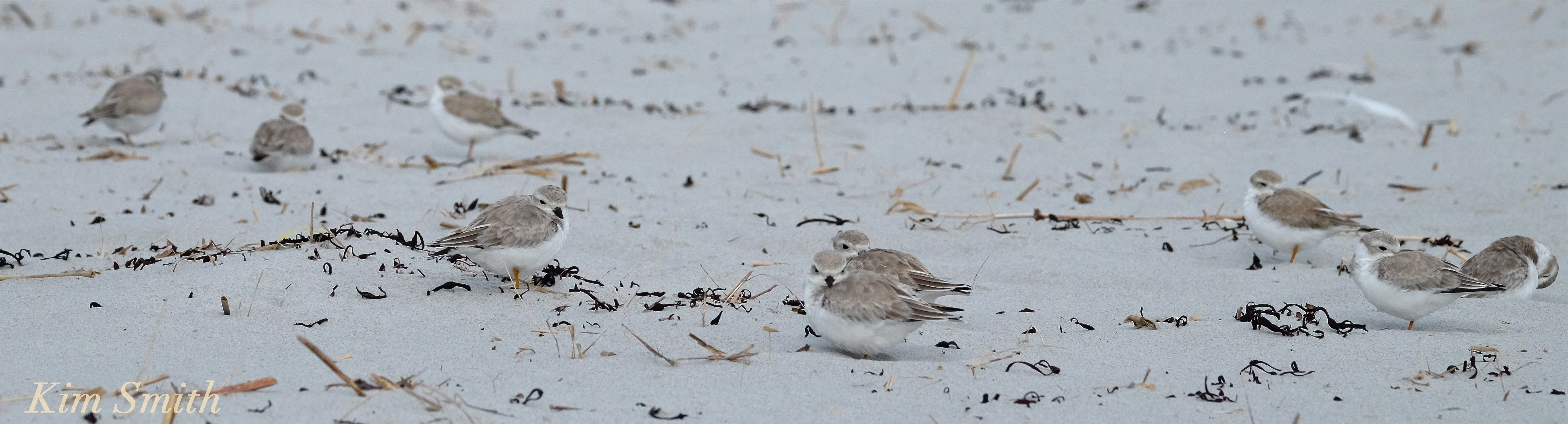
I wonder what 2017 will bring?nine-piping-plovers-napping-gloucester-copyright-kim-smith

sandpipers-copyright-kim-smith

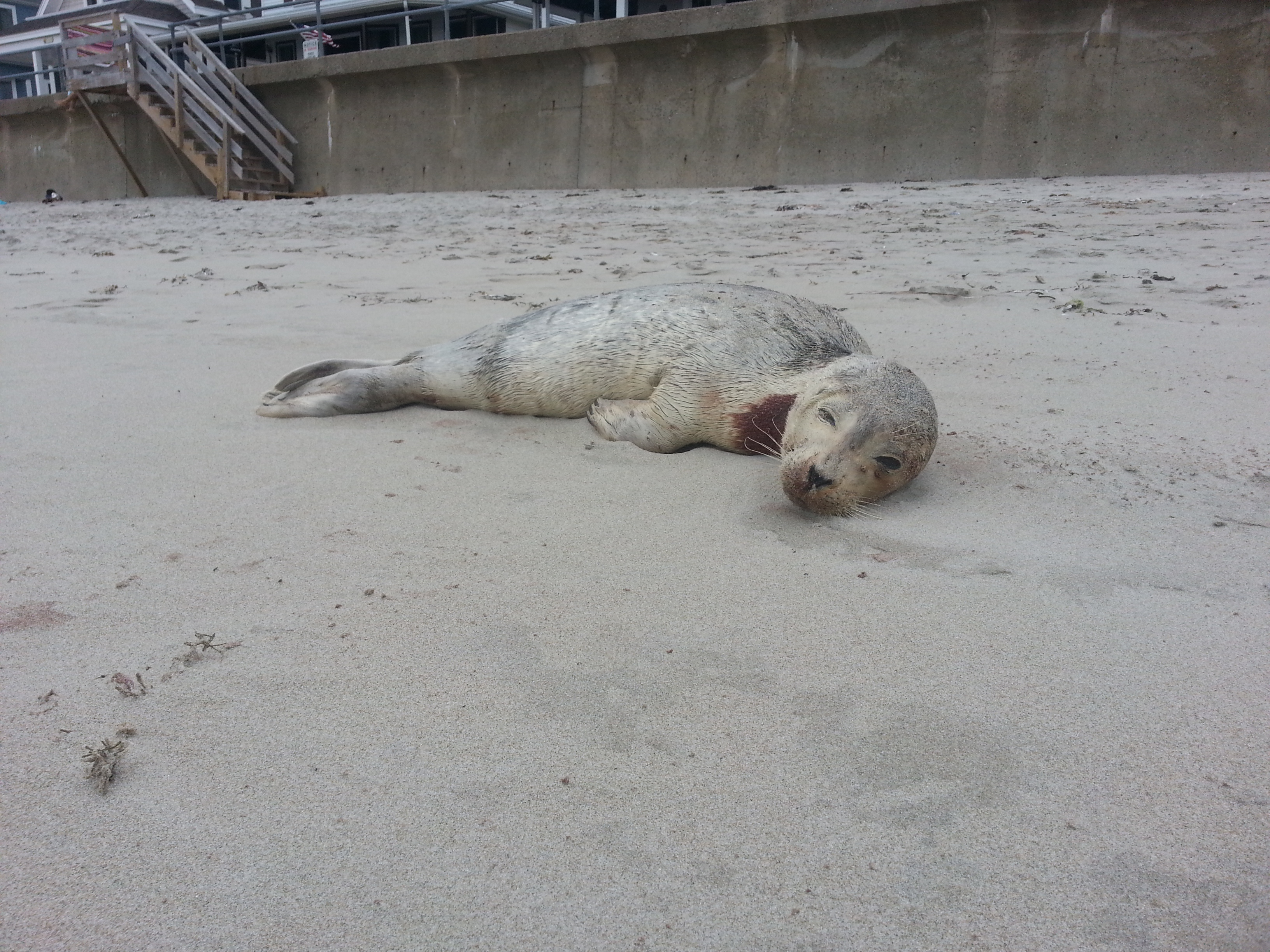
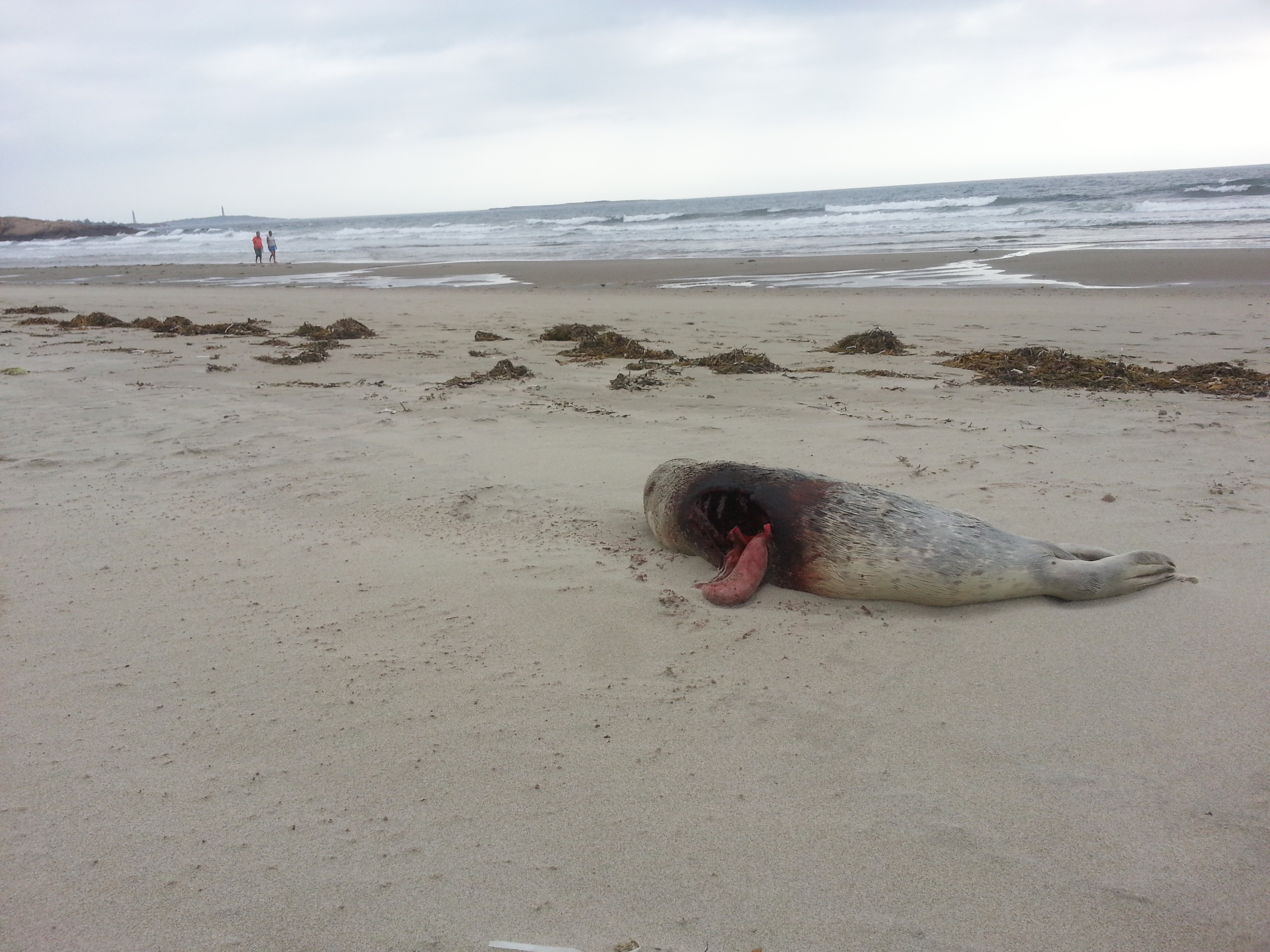
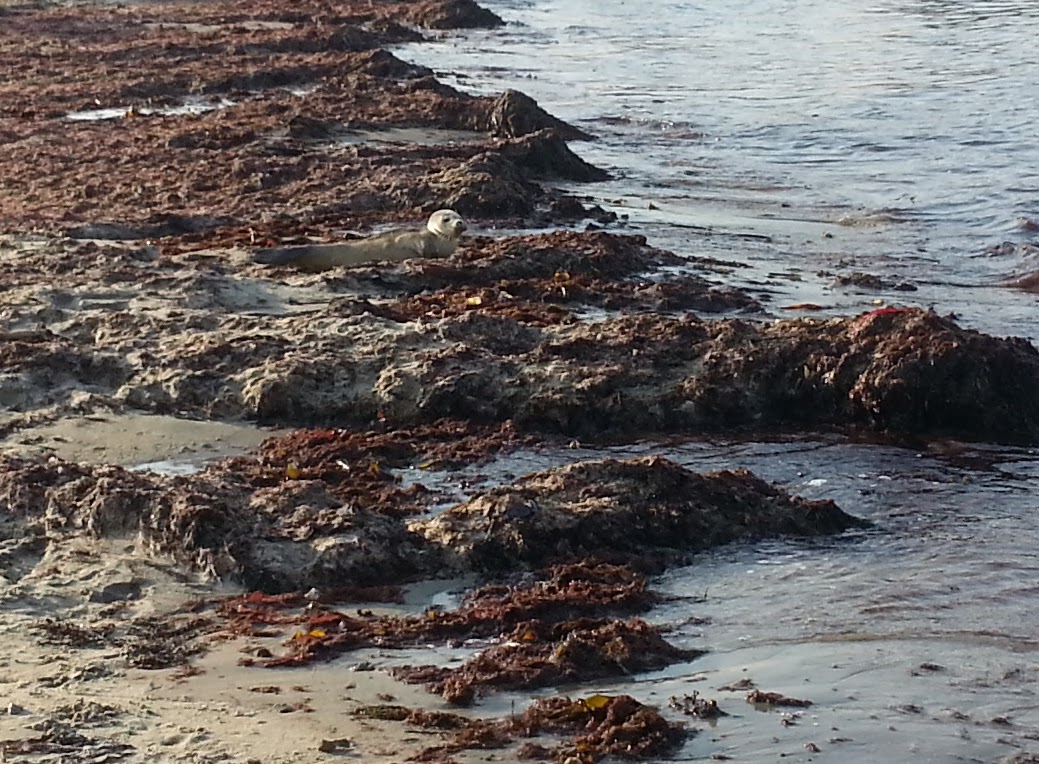
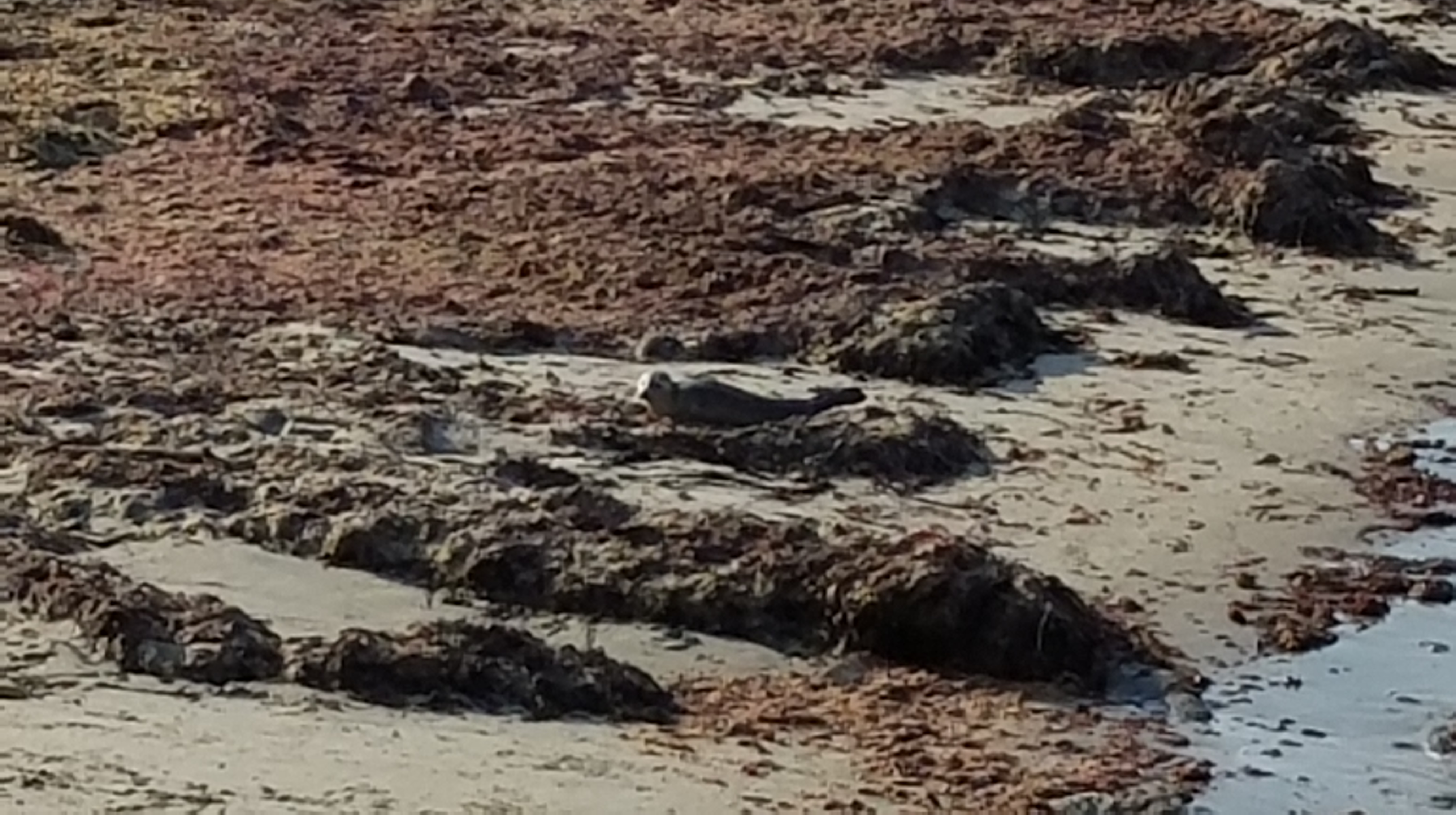
Dead seal on Long Beach

20160903_133439

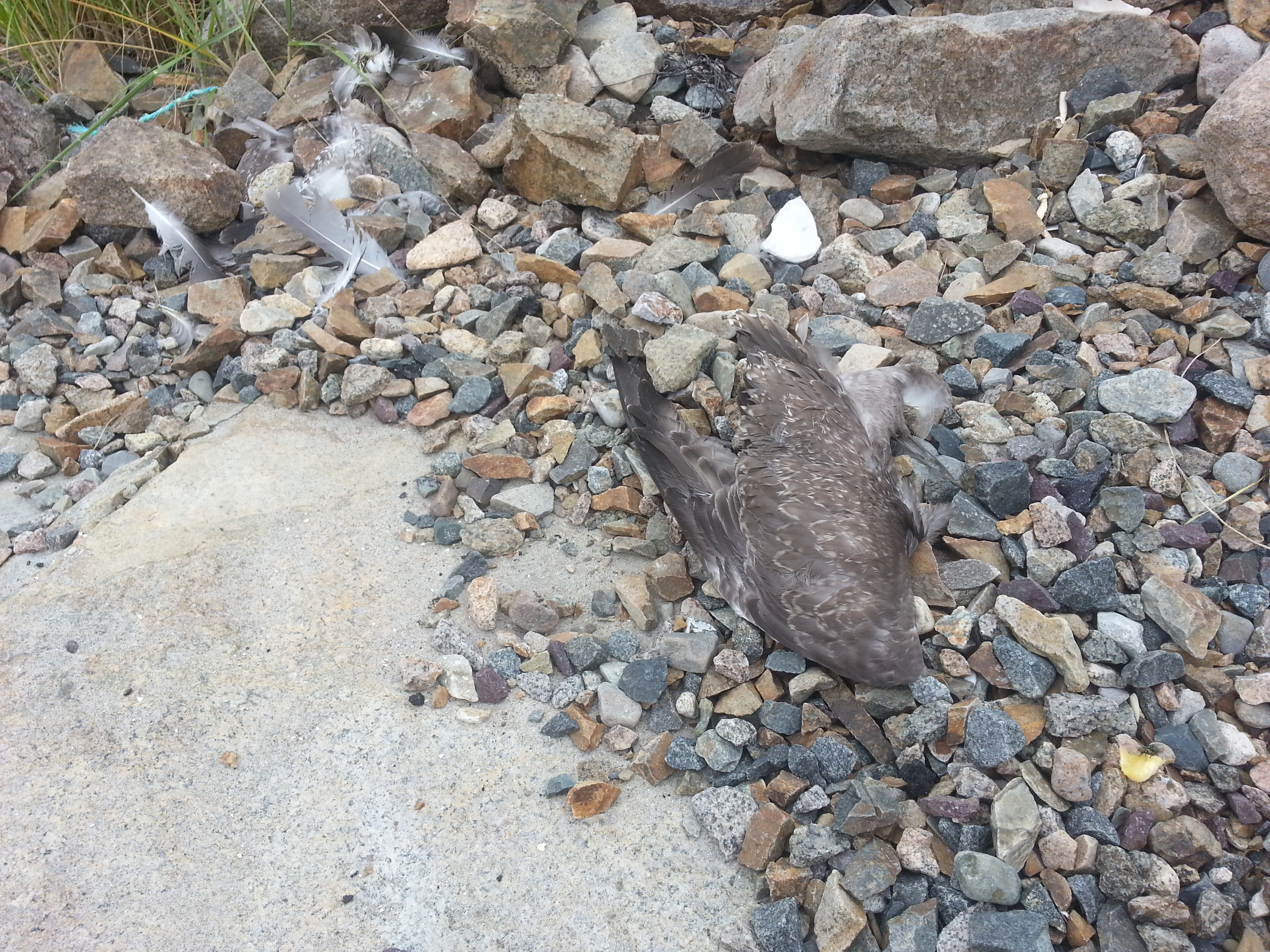
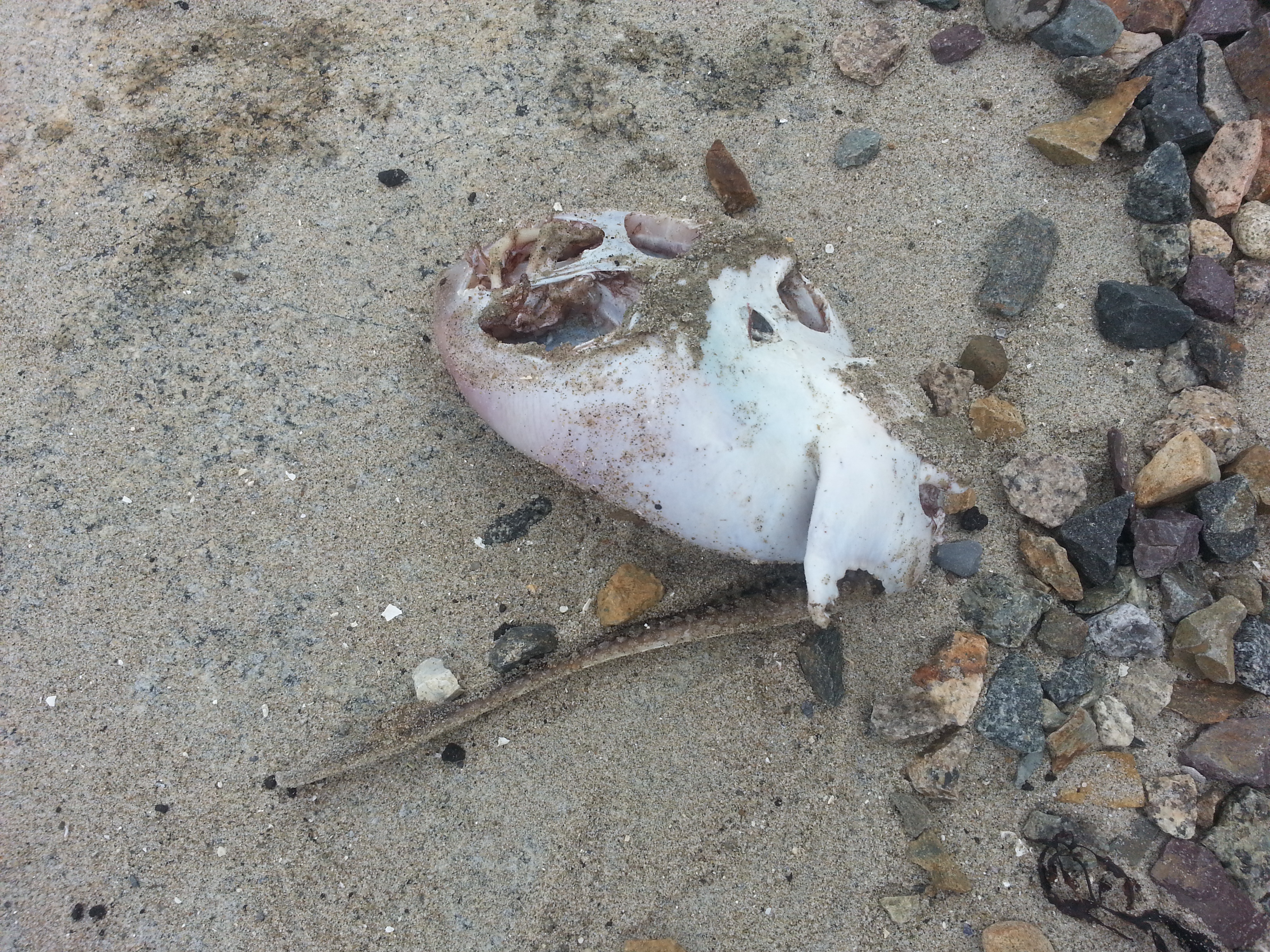
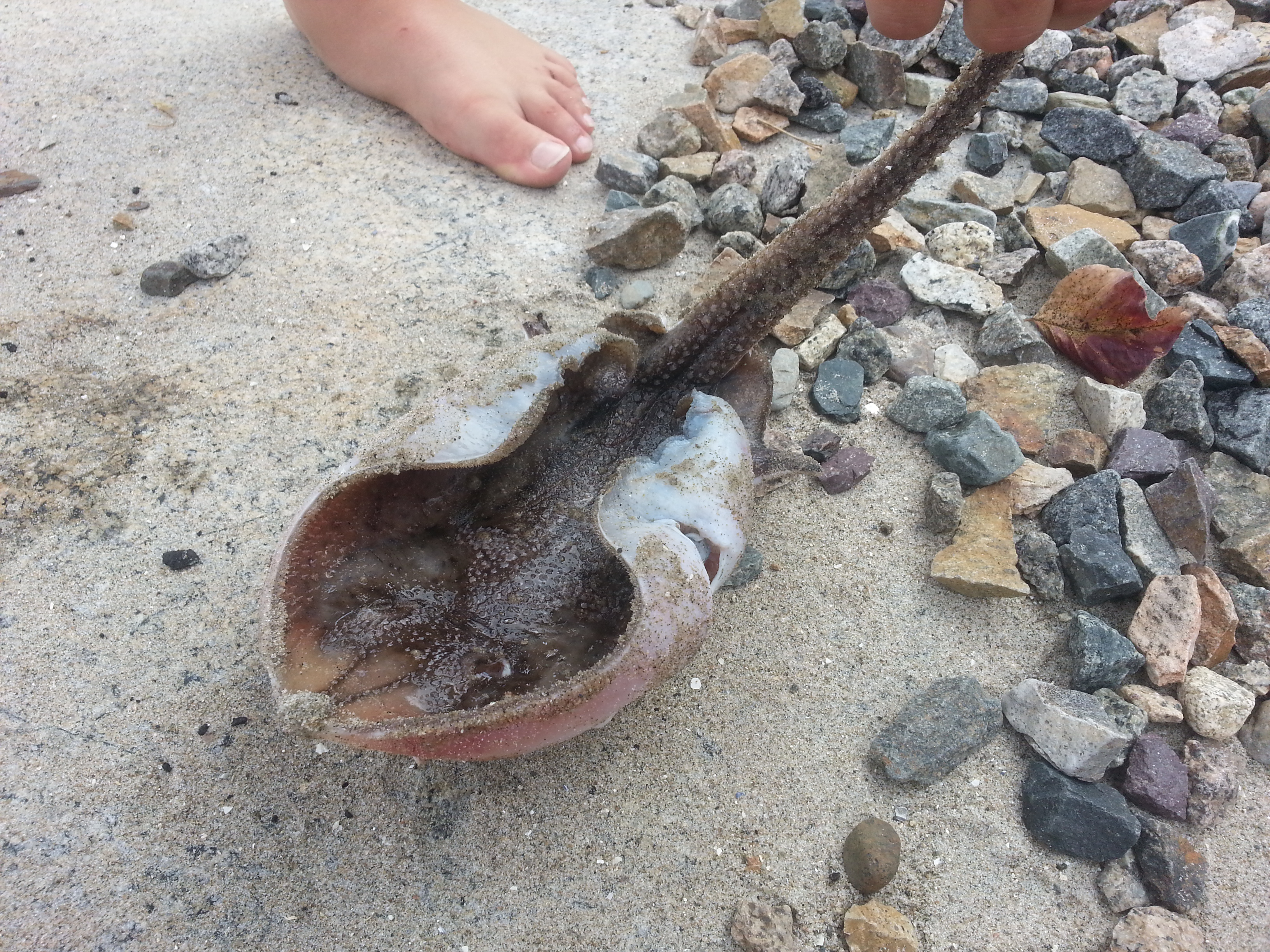
Gray vistas spanned the beat of life and death in nature and prompted basic questions about shelter and what do you think happened here?  We stepped over a seagull’s still and headless body and a fury of feathers. Seagulls were fighting over the remains of a sting ray we thought was a horseshoe crab. They didn’t want to see the dead seal. Was it the same seal we saw resting yesterday, the seal my son was relieved to report he saw dip back into the sea? Maybe, I said. A passerby asked if I reported it to a wildlife agency. Enough nature for one morning, my sons turned home to shoot hoops. We heard the sweet sounds from piping plovers, someone raking seaweed, and joyous chatter from a family of 4 swimming before the coming storm.

20160903_133408
20160903_133416
20160903_132332
20160903_132327
20160903_132305
20160903_133530
20160903_133320

tired seal at Long Beach this afternoon and sandpipers all day

Everyone is staying far away from the seal and it blends in with the sand from a distance.

This morning there were scores of busy shore birds. (And more bounding dogs off leash.)

20160910_172825

20160910_165011

20160910_074051

HOW DO YOU SAY PLOVER?

Piping Plover Fledglings copyright Kim Smith .Sweetly beautiful birds and full of personality, whether called ploh-ver or pluh-ver. This pair of fledgling siblings was photographed at Wingaersheek Beach.

How do you pronounce plover? Do you say ploh-ver, like clover, or do you say pluh-ver, like lover? I was convinced the clover pronunciation was correct until having dinner with friends recently who were equally as convinced that the lover pronunciation was accurate. The conversation reminded me of that old film, Shall We Dance and the potato song, or “Let’s Call the Whole Thing Off.” A quick Google search offers both pronunciations!

https://youtu.be/zZ3fjQa5Hls

THE BABY HUEY OF FLEDGLINGS: THE COMMON TERN

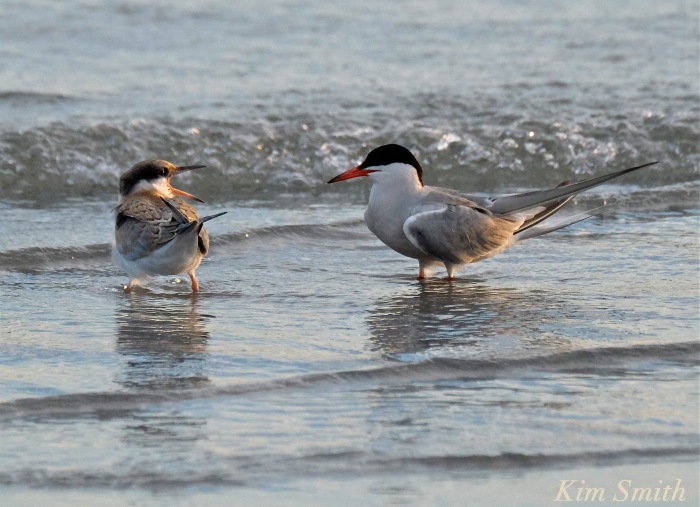
Common Tern Fledgling feeding -1 copyright Kim SmithAfter spending the past eight weeks filming the sparrow-sized Piping Plovers, it was fun to unexpectedly encounter these tubby Common Tern fledglings. Although able to fly, they stood at the water’s edge, unrelentingly demanding to be fed. The adults willingly obliged.

Common Tern Fledgling feeding -6 copyright Kim SmithUnlike plovers, which can feed themselves within hours after hatching (the term is precocial), tern fledglings are semi-precocial, which means they are somewhat mobile at hatching but remain and are fed by their parents. Terns and gulls are semi-precocial.

Common Tern Fledgling feeding copyright Kim SmithThe fledglings appear larger than the adults and are very well fed. Both parents feed their young. The terns are building fat reserves for the long migration to the South American tropical coasts, some traveling as far as Peru and Argentina.

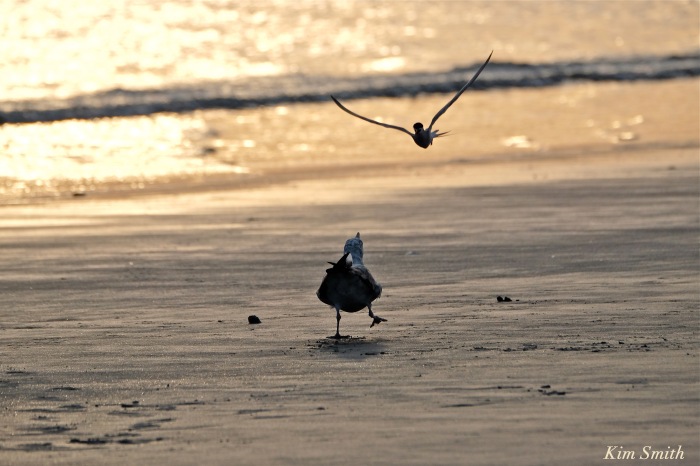
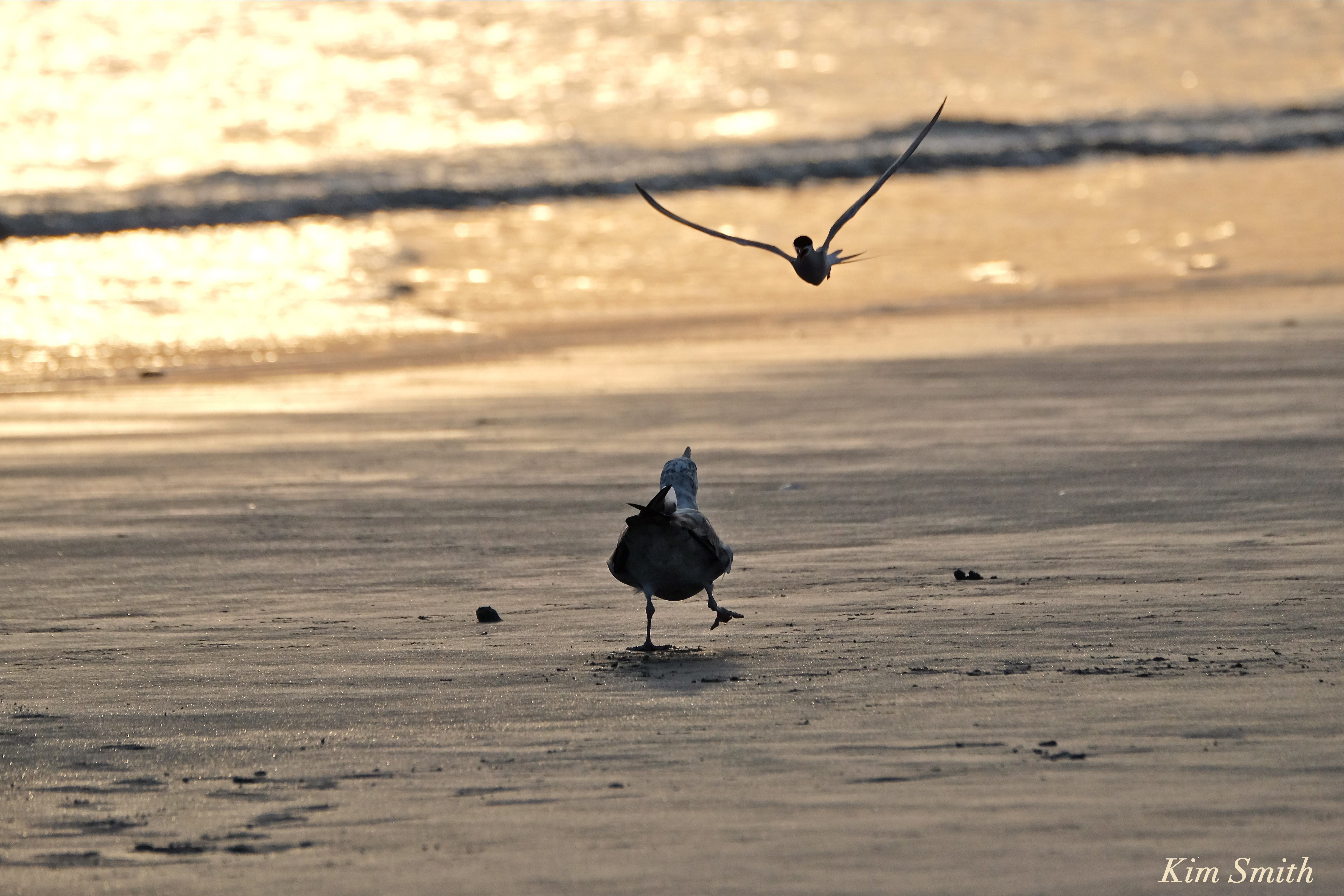
Common Tern feeding copyright Kim SmithCommon Tern attacking gull copyright Kim SmithCommon Tern dive bombing gull

Although unperturbed by my presence, they sure did not like the seagulls. Any that ventured near the fledglings feeding were told in the most cheekiest of terms to buzz off–dive bombing, nipping, and nonstop loudly squawking–the intruder did not stick around for very long.

Common Tern populations are in decline, most probably because of pesticide poisoning and habitat loss.

https://www.instagram.com/p/BICx5djD0G4/

THE GOOD HARBOR BEACH PIPING PLOVER UPDATE WITH TIPS ON OBSERVING THE BIRDS

Piping Plover male and chicks copyright Kim SmithWith sadness, but not entirely unexpected, I am sorry to report that only one baby Piping Plover chick remains at Good Harbor. The good news is that the one surviving chick is doing fantastically as of this writing. Don’t worry when I write too that the Mom has left the family. She has begun to migrate southward. This is somewhat normal and I don’t think she would have left had not the chick been doing so well. Dad is minding the baby full time and he is doing a tremendous job.

A week since the Plovers hatched and it sure has been a joy to film, and wonderfully educational. I am very inspired to work on this short film and hope to have it ready for our community this summer.

Piping Plover chick copyright Kim SmithNotice the growing wing buds!

Piping Plover tiny chick copyright Kim SmithThe tiniest

A heartfelt reminder to please, please, please let’s all work together to keep the dogs off the beach. I had a terrible encounter, really frustrating and the owner and his friends very cruel. Ninety nine point nine percent of dog owners are wonderful and respectful and are rooting for the Plovers as much as are non-dog owners. The Plovers are all over the sandy beach, at the water’s edge, and down the creek. Although growing beautifully, the chick is still about the size of a cotton ball, maybe a cotton ball and a half. Up until fourteen days old, they are at their most vulnerable.

As with before, please fee free to share the photos and information on social media. The more people know about the garbage and dog owner trouble (certain dog owners that is), the more likely the chick’s chance of survival. Thank you!

Piping Plover garbage and chick copyright Kim SmithGarbage left on the beach late in the day and overnight continues to be an issue. Bring a bag with you and we can help the DPW by cleaning up after the the folks who don’t know any better. Garbage strewn on the beach attracts gulls, and they, especially Great Black-backed Gulls, eat baby Plovers. 

Piping Plover male and chick copyright Kim Smith

Piping Plovers, like many shore birds, are precocial. That means that within hours after hatching, they are ready to leave the nest and can feed themselves. They cannot however immediately regulate their body temperature and rely on Mom and Dad to warm them under their wings. Although the chick is six days old in the above photo, it still looks to Dad for warmth and protection. Examples of other precocial birds are ducks, geese, and chickens.

If you spot the baby and want to observe, I recommend staying fifteen to twenty feet away at least. Any closer and Dad has to spend a great deal of energy trying to distract you. We don’t want him to get tired out and unable to care for the baby. Also, you’ll appear less threatening if you sit or kneel while observing the chick. No sudden movements and talk quietly and the baby may come right up to you!
DSCF3675

A sweet dog with a very unkind owner.

Around 6pm Saturday evening, this playful dog came bounding down the water’s edge, within inches of the baby. I stood between the owner, dog, and Plovers, with cameras in hand, and cell phone unfortunately back in my bag. After a good twenty minutes of arguing he and his equally unkind friends departed. In the mean time, the Plovers were able to get away from the dog and further down the shore line.

Piping Plover male and chick -2 copyright Kim SmithDad and chick this morning Monday, the 18th, exactly one week old!

4 Pairs of piping plovers and 9 chicks on Coffin’s Beach reports Greenbelt. And osprey project
20160715_143617-001

David Rimmer wrote a big thank you for all the GMG attention. He explained that Mass Wildlife and the Greenbelt Association are working with the City of Gloucester and sends this update:

  • “There are 4 pairs of piping plovers at Coffins Beach – 2 pairs on the front beach and 2 pairs on the inside beach.


  • 3 pairs are on private land and 1 pair is on Greenbelt land. Mass Wildlife and Greenbelt have been monitoring and managing this area, too, (as with Good Harbor)


  • at Coffins Beach, one pair has 4 chicks; one pair has 3 chicks; one pair has 2 chicks; and one pair has no chicks.

Greenbelt also has an Osprey Program, which focuses on managing and monitoring nesting Osprey from East Boston to Salisbury.”  Greenbelt has set up webcams and platforms. Learn more http://www.ecga.org/what_we_do/osprey_program.  Chris Leahy and Marion Larson from Ma Wildlife also mentioned Greenbelt’s fantastic Osprey program.

Coffins/Coffin’s Beach has a community Facebook page, Wingaersheek and Coffin’s Beach Past and Present. There are historic and contemporary photographs. Check out the incredible photo series of deer frolicking by Timmothy Burke Manlee.

20160715_142035


piping plovers on Coffins Beach: intertidal mile and they’re holdin’ on in Massachusetts

July 2016

Piping plovers have quite a story. In Massachusetts, the vast majority are south, Cape Cod and the islands. By the close of the 19th century, these birds were near extinction. They rebounded successfully by the 1950’s.

I spoke with Dave Rimmer of Essex County Greenbelt, Marion Larson with Ma Wildlife, Deborah Cramer and Chris Leahy. All of them have updates for GMG which I’ll add next. First,

Chris Leahy, MA Audubon, explained that a second age of precipitous piping plover decline occurred in the 1960s and 70s. What do you think it was?

Read on to find out.

Mass Audubon grabbed on and worked closely with many to solve the problem early. It turns out the population plummet correlated highly to a steep increase in vehicles driving on beaches. The baby fledglings could not climb out of wheel ruts and perished, or were squished by the next roaring set of wheels.

Not the only vehicles, but I do recall dune buggys everywhere,especially down the Cape. They were cool and celebrated in TV and film: Steve McQueen driving on Crane’s Beach (just past Coffins) in the Thomas Crown Affair,  Elvis through waves, Adam 12, Monkees, Bionic Woman, Speed Buggy /Scooby Doo, the list goes on and on.

“That was big!” said Leahy. “Once that connection was figured out, the goal was how to restrict vehicles.” Massachusetts is far and away a leader in piping plover conservation and decades later a nesting pair on Good Harbor Beach is a major insight into just how well Massachusetts has done. Piping plovers have nested on Coffins Beach before; Good Harbor, Lynn and Revere are relatively new.

Speed Buggy 1973

Photos Gloucester, Mass.:

Coffins Beach is a long, long stretch of wide open sandy seashore framed by dunes, sea and sky. Growing up, we called it the private side of Wingaersheek. I could hear piping plovers and saw two ‘in the zone’– the intertidal bit that is still wet at low tide and well under water at high tide. I didn’t see birds in the safe retreats by the upper part of the beach, but heard the melodious chirps that inspired their nickname.

Listen to the piping plover


20160715_144311

20160715_144131
Essex County Greenbelt protective measures in concert with  MA Wildlife

20160715_144153
dog prints by the rope fence

20160715_144704
saw 5 dogs on the beach

FHL coffins beach mfa
Fitz Hugh Lane, Coffins Beach, MFA

news from Greenbelt: 2016: 9 piping plover chicks on coffins beach