WHAT EXACTLY ARE THE CHANGES TO THE ANIMAL ORDINANCE CITY COUNCIL VOTED ON LAST NIGHT?

Thank you to Val Gilman for sharing this on facebook.

Highlights of City Council 2/26/19 votes on Amendments on GCO Chapter 4 “Animals”.

Dogs shall be prohibited from Good Harbor Beach from 4/1 -9/30. Off leash remains on even days of month during season.

Dogs prohibited from Wingarsheek from 5/1 – 9/30 (no amendments to this) Off leash remains on odd days during season.

Sunset clause unless renewed or made permanent by the CC and signed by the Mayor, the provisions of this section shall expire on 12/31/19

Fines of $300 per violation will be double in season for beaches and other off leash areas as determined

Feeding or disturbing wildlife violation shall be subject to a $300 fine per incident/violation

Feeding coyotes directly or indirectly on any public or private property violations shall be subject a $300 fine per incident/violation

Endangered/threatened wildlife buffer zone- buffer zone of 50 feet around an area will be established around an area designated for wildlife. Prohibited activities in the buffer zone include whiffle ball, frisbee, soccer, volleyball, paddle ball, kites, inflatable balls, and any other activities that involve objects that can fly or roll into the restricted area. Violation shall be subject to a $300 fine per incident/violation.

No person shall throw, drop, release or otherwise dispose of directly or indirectly into any Harbor, River, or pond or on any beach or any public property garbage, refuse, rubbish, bottles, cans, containers, paper, cigarette butts, balloons, wrapping material, glass, filth or any noxious or dangerous liquid or solid. Violation shall be subject to a $300 fine per incident/violation.

This ordinance becomes effective 31 days from passage.

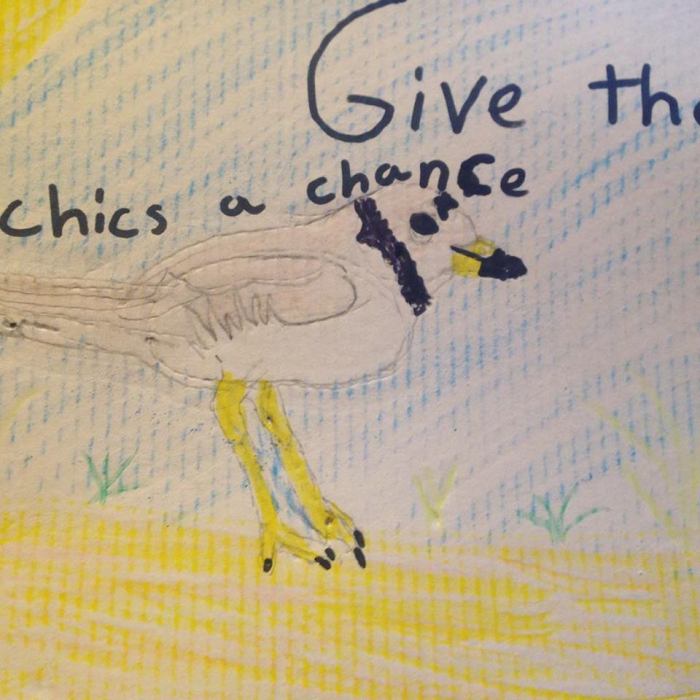
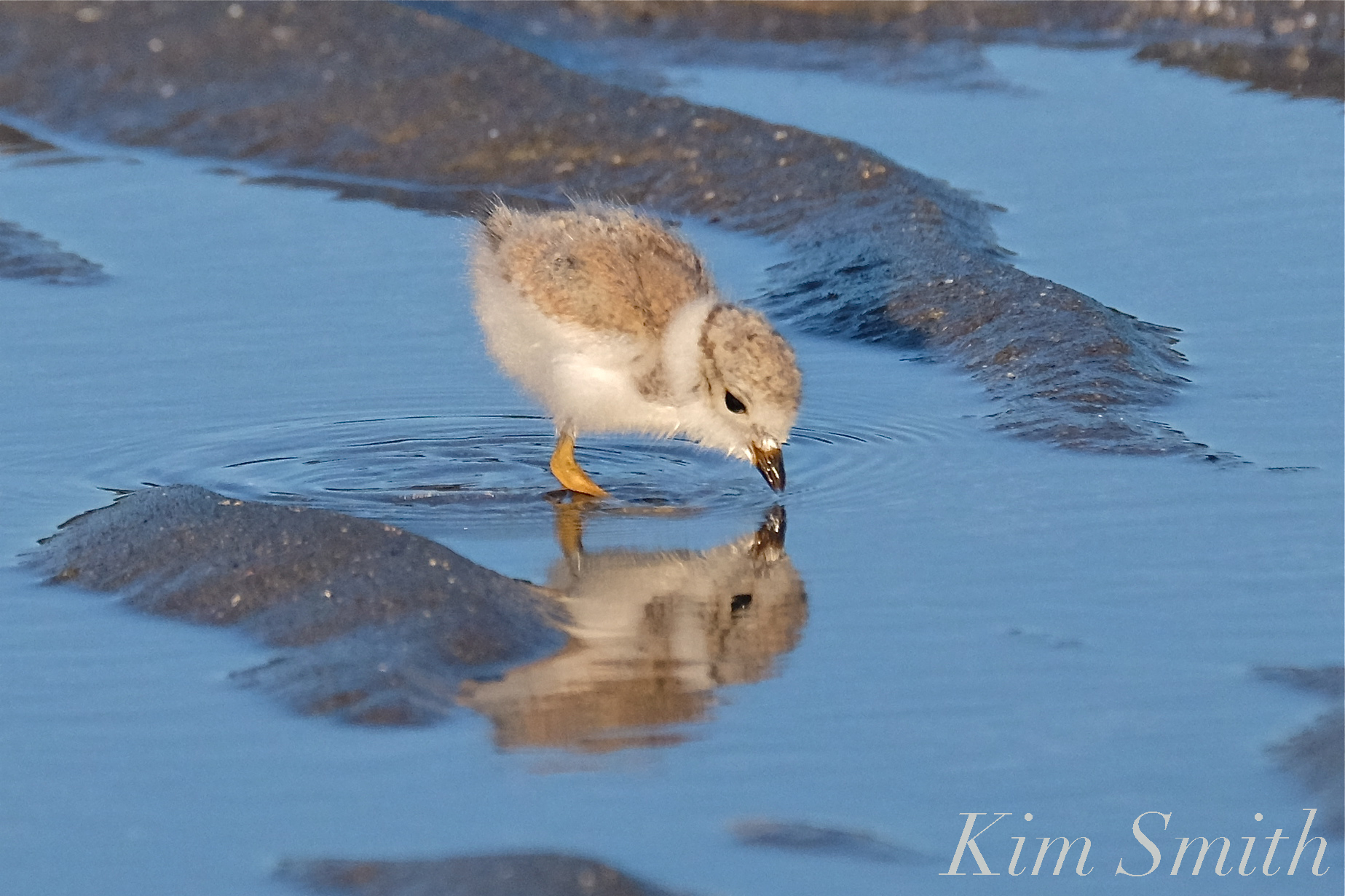
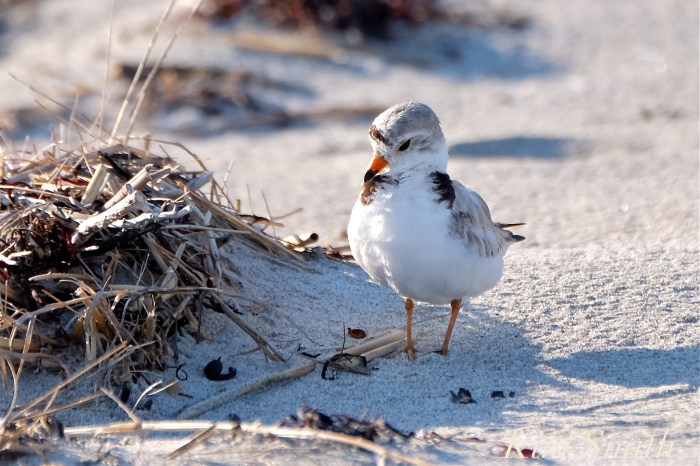
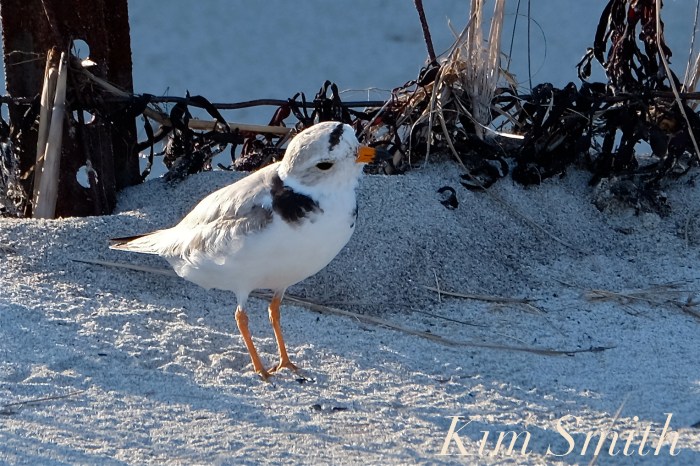
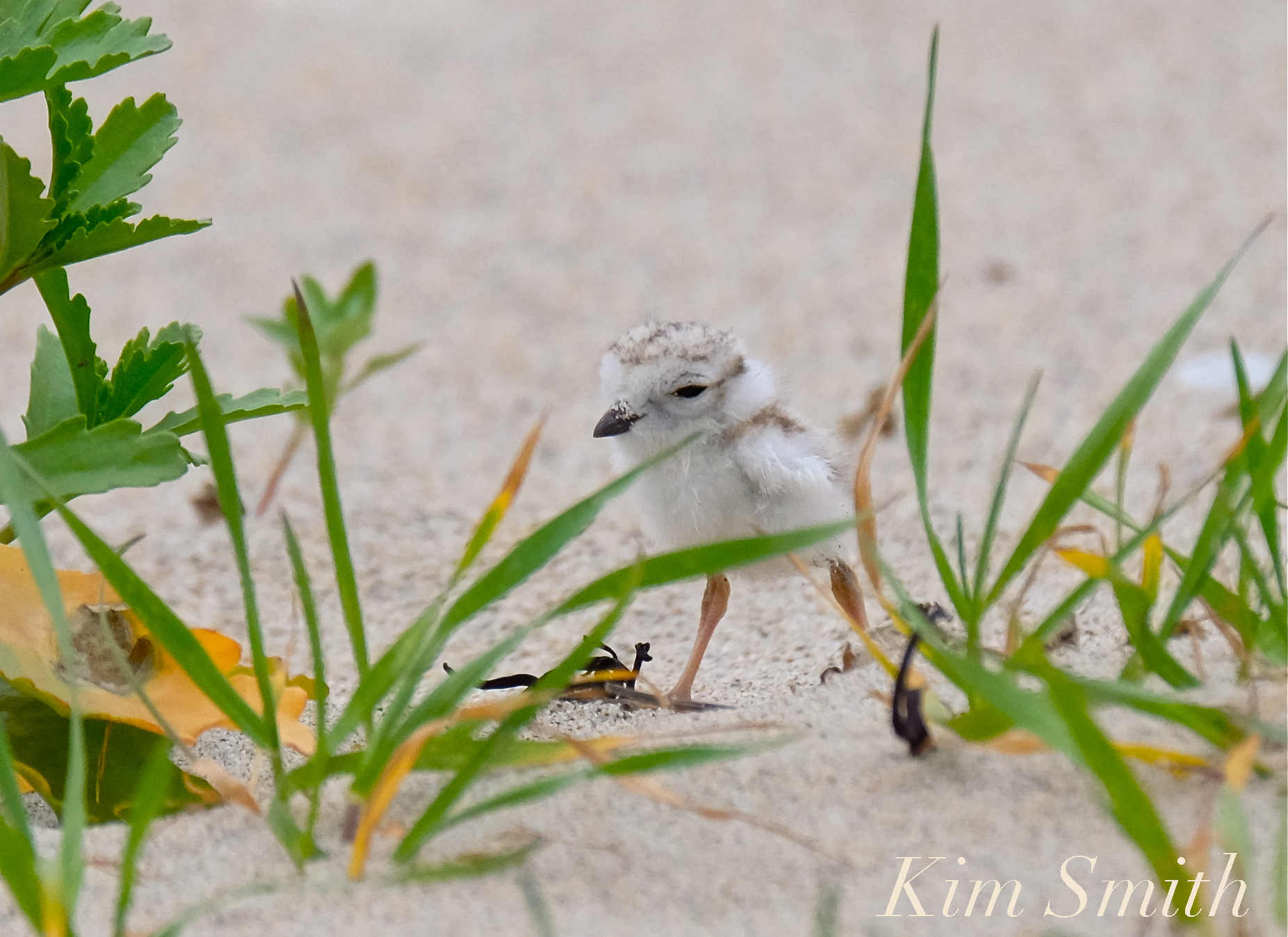
GIVE THE CHICS A CHANCE!

PLEASE COME TONIGHT AND SHOW SUPPORT FOR GLOUCESTER’S PIPING PLOVERS

Where: Gloucester City Hall, Kyrouz Auditorium

When: 7pm tonight

Poster by Meadow Anderson

GLOUCESTER’S PIPING PLOVERS NEED YOUR HELP TUESDAY NIGHT

Gloucester’s City Council is voting on an issue that will have tremendous impact on our Piping Plovers.

When: Tuesday, February 26th, at 7:00pm 

Where: Kyrouz Auditorium, Gloucester City Hall

For more information, please find below links to posts and articles:

GLOUCESTER’S PIPING PLOVERS NEED YOUR HELP TUESDAY NIGHT

HOW DO GLOUCESTER’S DOGS ON BEACHES ORDINANCES COMPARE TO OTHER NORTH SHORE COMMUNITIES

LIST OF ARTICLES AND LINKS THAT EXPLAIN HOW DOG DISRUPTIONS HARM PIPING PLOVERS

MORE BACKGROUND INFORMATION ON CHANGES TO THE ANIMAL ORDINANCE REGARDING SAFETY OF THE PIPING PLOVERS NESTING AT GOOD HARBOR BEACH

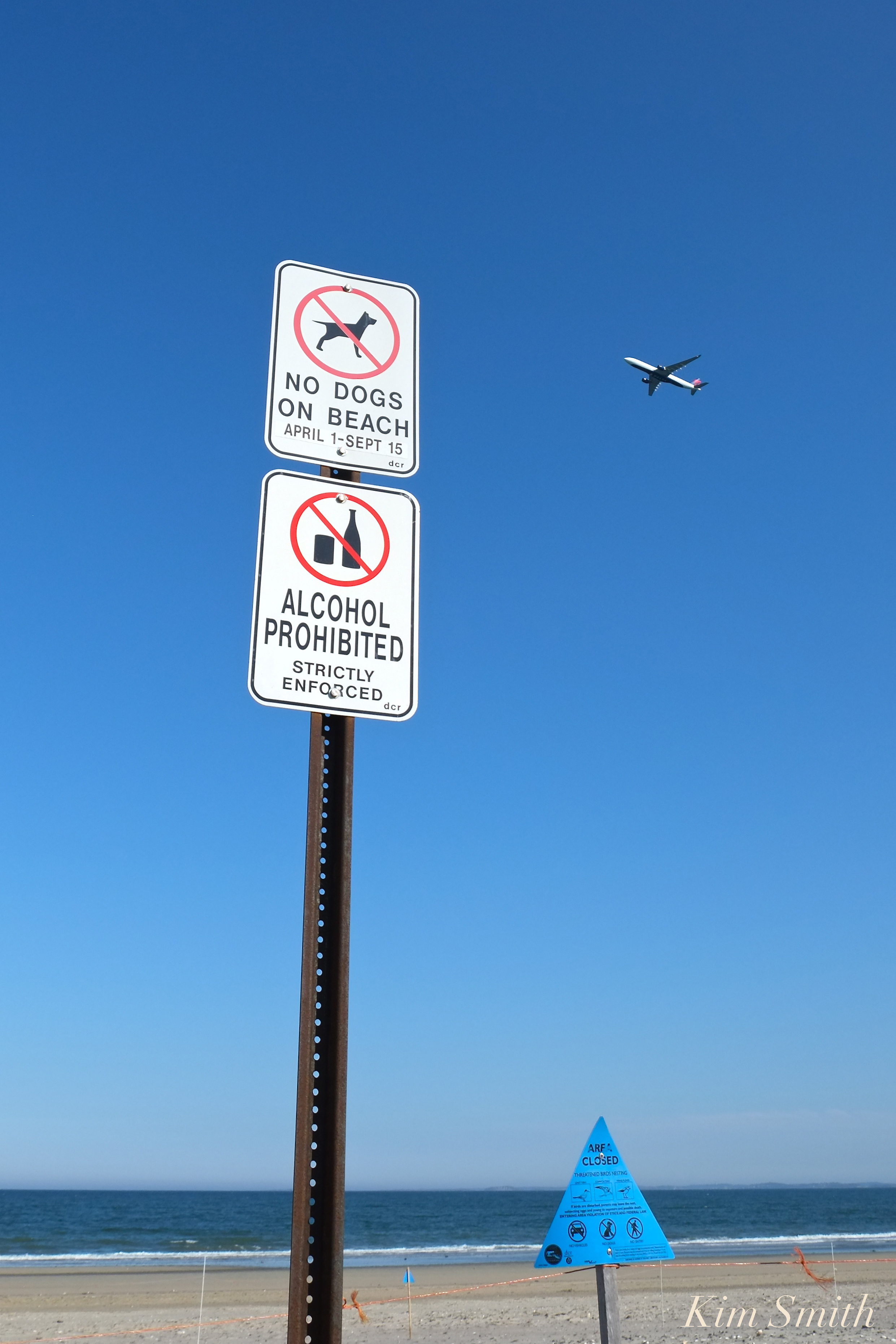
Massachusetts Department of Conservation and Recreation (DCR) prohibits dogs on beaches from April 1st to September 30th
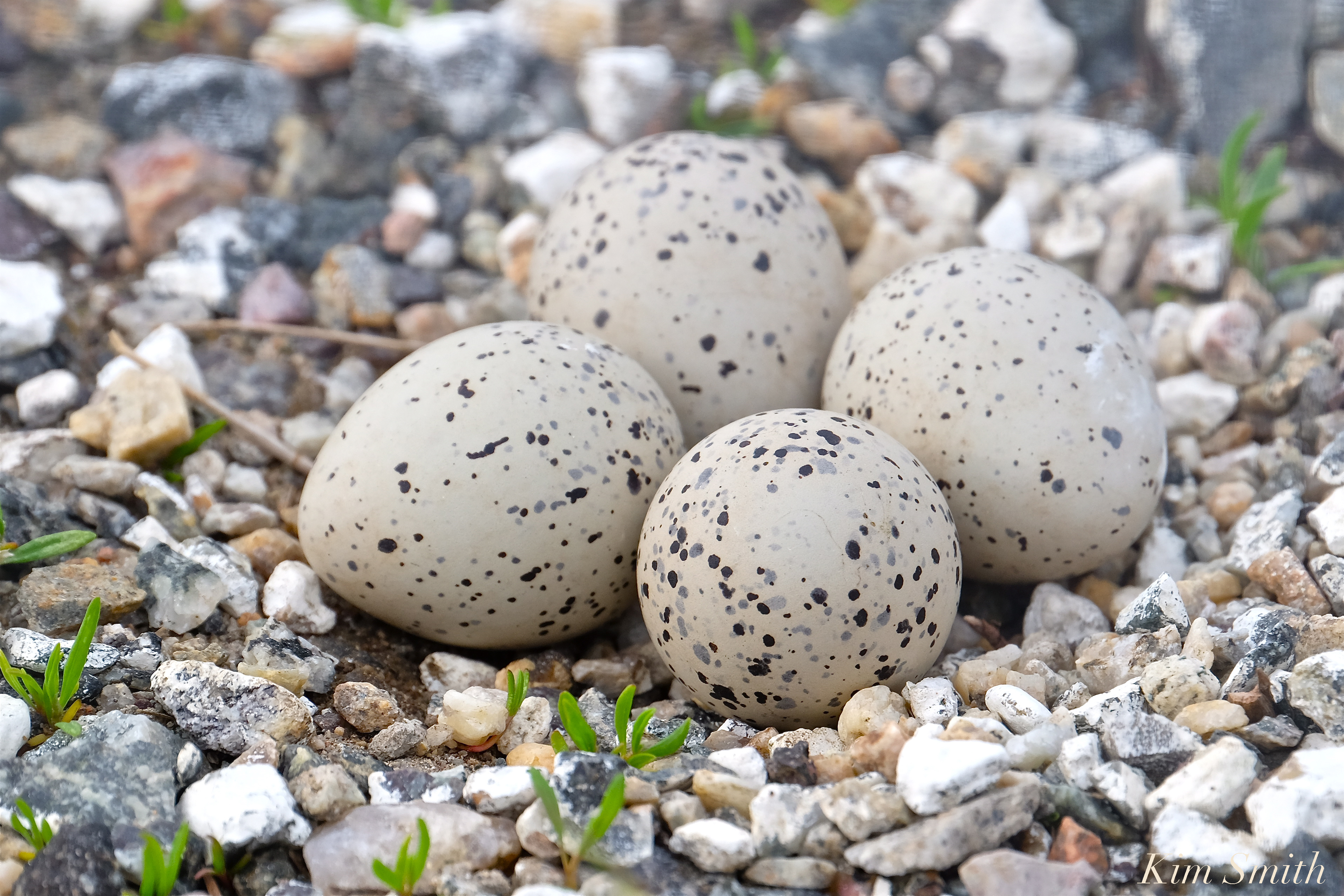
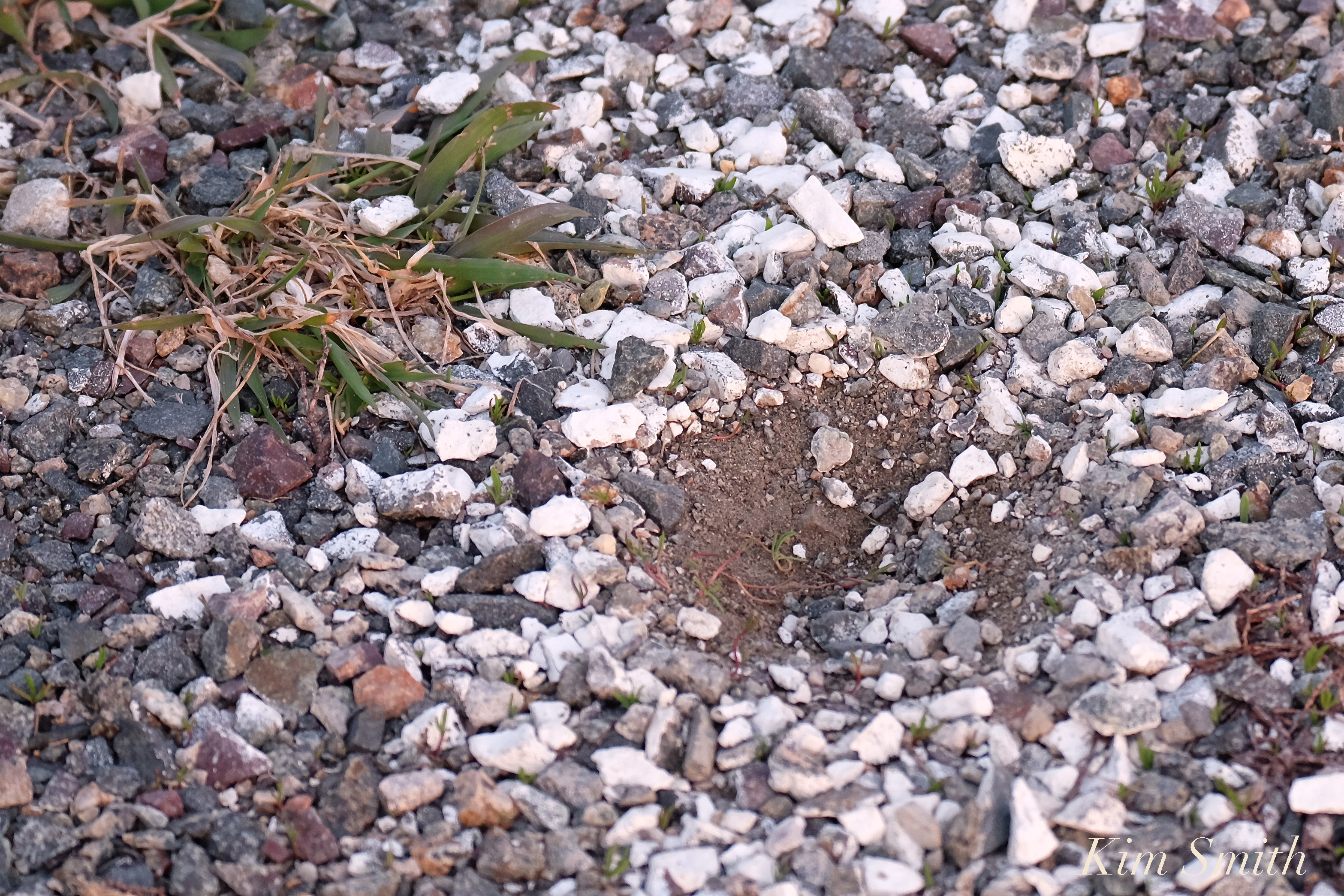
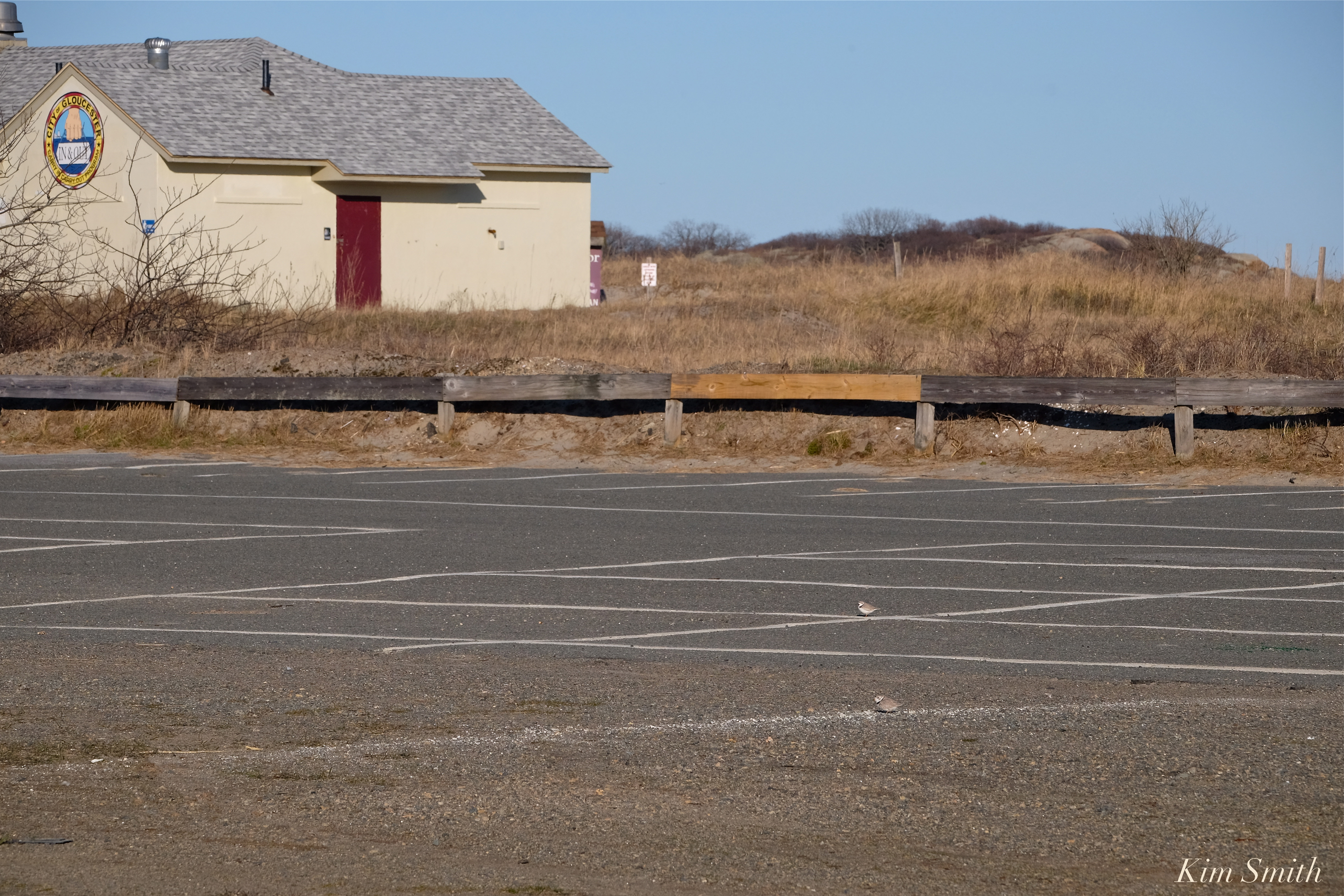
Piping Plover nest in the Good Harbor Beach parking lot.


FANTASTIC PRESENTATION BY CRANE BEACH ECOLOGIST JEFF DENONCOUR AT THE CAPE ANN MUSEUM

Jeff Denoncour, the Trustees of Reservations Eastern Region Ecologist, gave an outstanding and informative presentation to a packed audience Saturday afternoon. Subjects included the formation and history of Crane Beach, marsh, and dunes; the seven uniquely different ecological zones; the many species of flora and fauna that comprise the rich biodiversity at Castle Island; and the Trustees protective measures managing rare and endangered species.

Since 2010, Jeff has managed the Trustees Shorebird Protection Program at Crane Beach. Because of the very excellent shorebird management at Crane Beach, 2018 was a banner year, with 42 pairs of nesting Piping Plovers and approximately one hundred PiPl chicks fledged. Our community can learn a great deal from the success at Crane Beach in how to better manage shorebirds migrating and nesting at Cape Ann beaches.

We learned from Jeff that Crane Beach is part of a string of barrier beaches formed from sediment deposited by the outflow of the Merricmack River. Salisbury Beach is at the northern end, then Plum Island, then Crane, with Coffins and Wingaersheek at the southern end. The sand that was deposited at Salisbury Beach is the coarsest; the sand at Wingaersheek the lightest and finest as it would have more easily flowed furthest away from the mouth of the river.

Excerpt from a previous post OUTSTANDING COASTAL WATERBIRD CONSERVATION COOPERATORS MEETING! talking about Jeff and the success of the Crane Beach Trustees Piping Plover

“Readers will be interested to know that our region’s Crane Beach continues to have one of their best year’s ever. Trustees of Reservations Jeff Denoncour shared information on the latest census data from 2018 and Crane Beach has a whopping 76 fledglings, with 25 more chicks still yet to fledge. Because of the huge success at Crane Beach, the northeast region, of which we are a part, has fledged a total 136 of chicks in 2018, compared to 108 in 2017, and as I said, with more fledglings still to come! The northeast region encompasses Salisbury Beach to the Boston Harbor Islands.

Jeff noted that this year they had less predation by Great Horned Owls. Because of owl predation, several years ago the Trustees gave up on the wire exclosures and now use electric fencing extensively. The Great Horned Owls learned that the Piping Plover adults were going in an out of the exclosures and began perching on the edge of the wire, picking off the adults as they were entering and exiting the exclosure.

Crane has an excellent crew of Trustees staff monitoring the Least Terns and Piping Plovers, as well as excellent enforcement by highly trained police officers. No dogs are allowed on Crane Beach during nesting season and dogs are prevented from entering at the guarded gate. As we saw from one of the graphics presented about nesting Double-crested Cormorants, when a dog runs through a nesting area, the adults leave the nest, temporarily leaving the eggs and chicks vulnerable to predation by crows, gulls, raptors, and owls.”

Jeff Denoncour and Courtney Richardson, Director of Education and Public Programs at the Cape Ann Museum

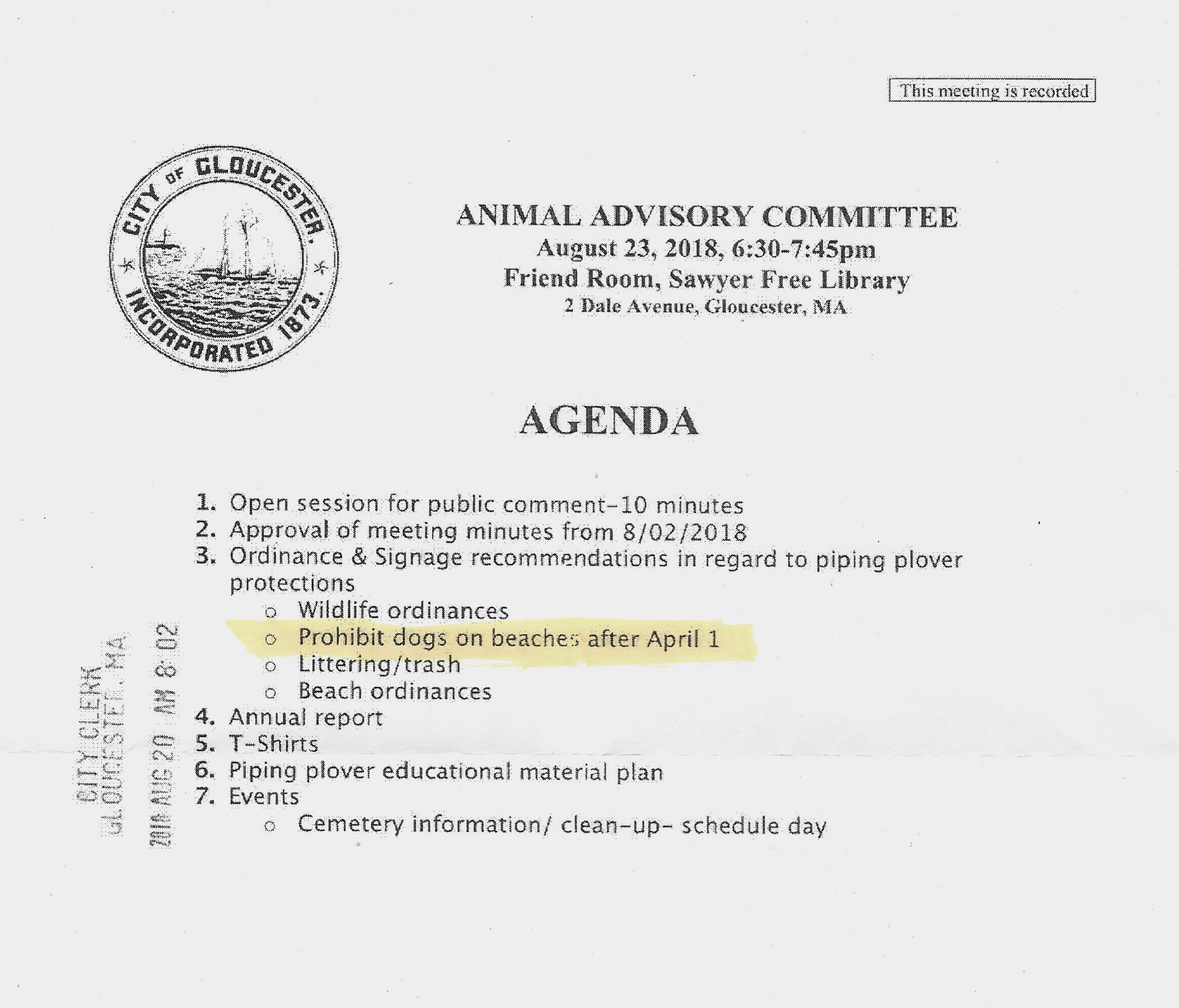
REMINDER – ANIMAL ADVISORY COMMITTEE MEETING TONIGHT AT 6:30PM: PIPING PLOVERS ON THE AGENDA

PLEASE NOTE THE CHANGE OF MEETING PLACE. THE MEETING WILL BE HELD AT THE FRIEND ROOM AT THE SAWYER FREE LIBRARY

PIPING PLOVERS ON THE AGENDA: PLEASE NOTE CHANGE OF MEETING LOCATION FOR THE ANIMAL ADVISORY COMMITTEE MEETING THURSDAY NIGHT

Animal Advisory Committee Meeting Thursday, August 23rd, at 6:30. This meeting is being held at the Friend Room at the Sawyer Free Library. 


Lest anyone has forgotten, a beautiful pair of Piping Plovers tried to establish a nest on Good Harbor Beach during the month of April. Time and time again, they were disrupted by dogs–dogs off leash on on-leash days, dogs running through the nesting area, and bird dogs chasing the birds up and down the shoreline. This was witnessed multiple times during the month of April by the Piping Plover volunteer monitors.

Piping Plovers face many man made problems and natural predators however, the two greatest threats at Good Harbor Beach are dogs and crows. Changing the ordinance on Good Harbor Beach to help the Piping Plovers will at the very least allow them to nest in their natural environment. Our parking lot nesting pair were extremely stressed having to defend both territories, the parking lot nest and their roped off territory. Please let Mayor Sefatia and city councilors know that you support the change in ordinance to restrict dogs on Good Harbor Beach during the month of April.

Thank you for your help!


The following series of photos shows why it is so critically important to not allow dogs on Good Harbor Beach during shorebird nesting season, which begins April 1st on most Massachusetts beaches.

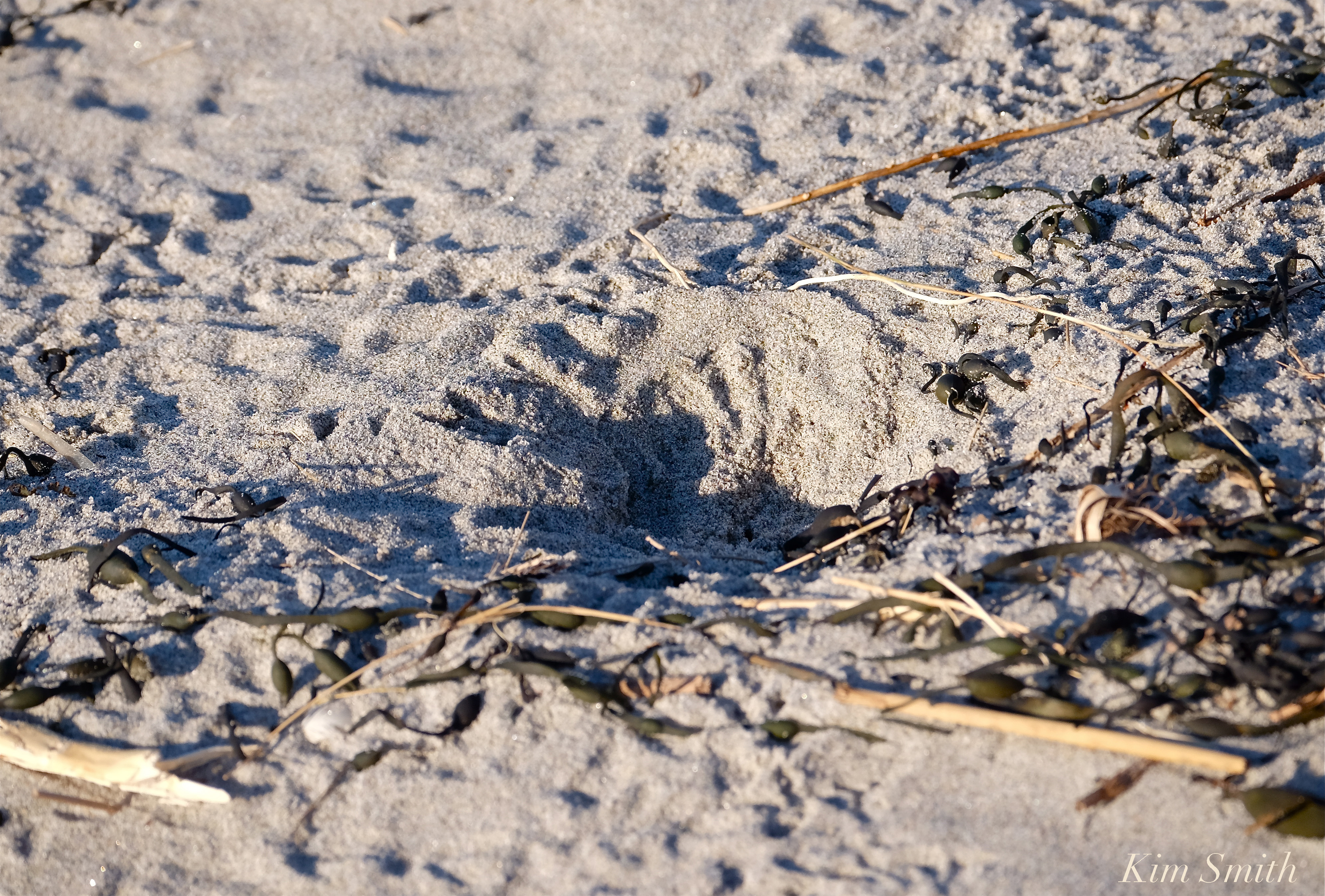
Early April and our returning Good Harbor Beach Dad begins making nest scrapes.

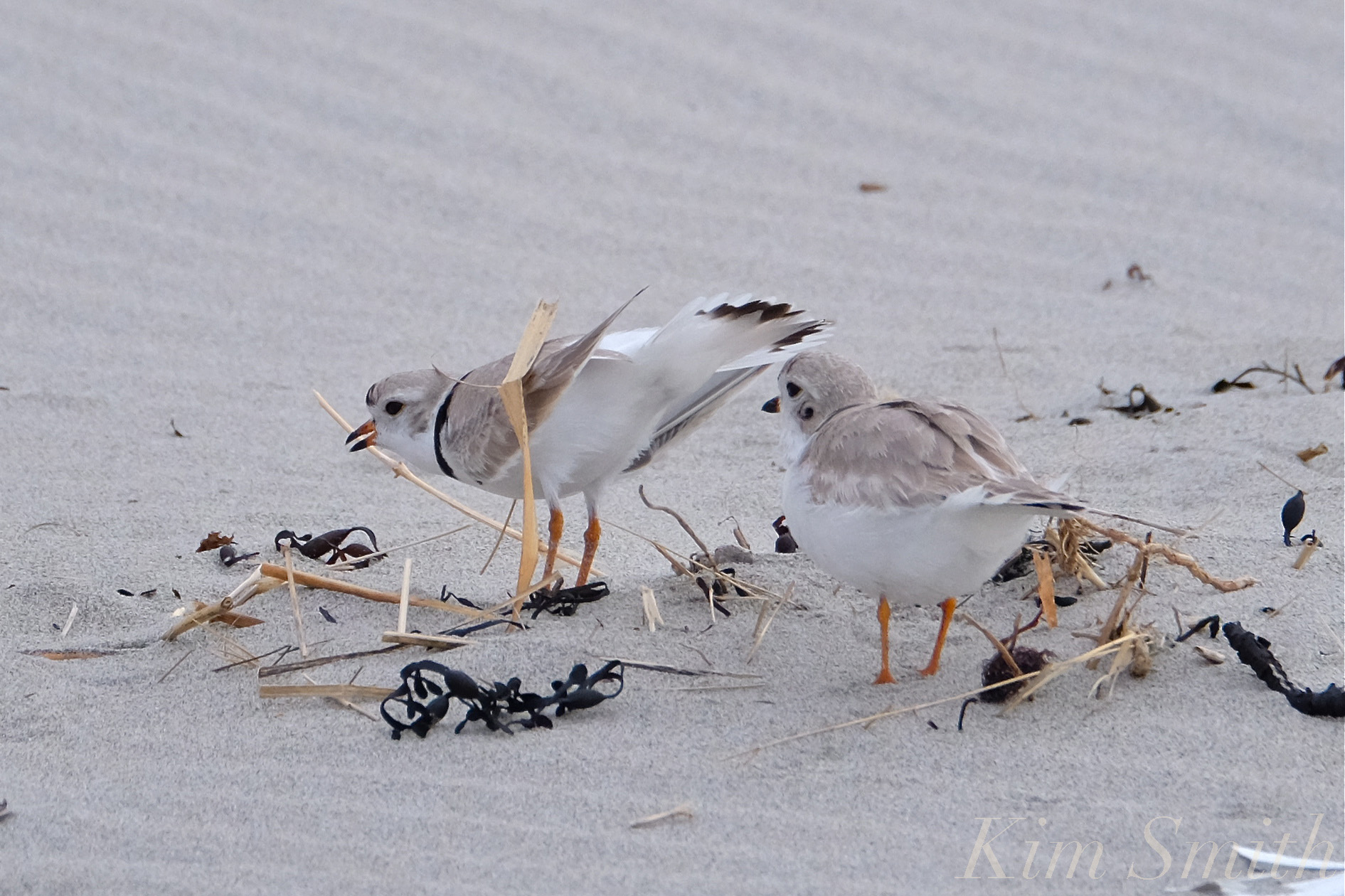
He invites Mom to come inspect.

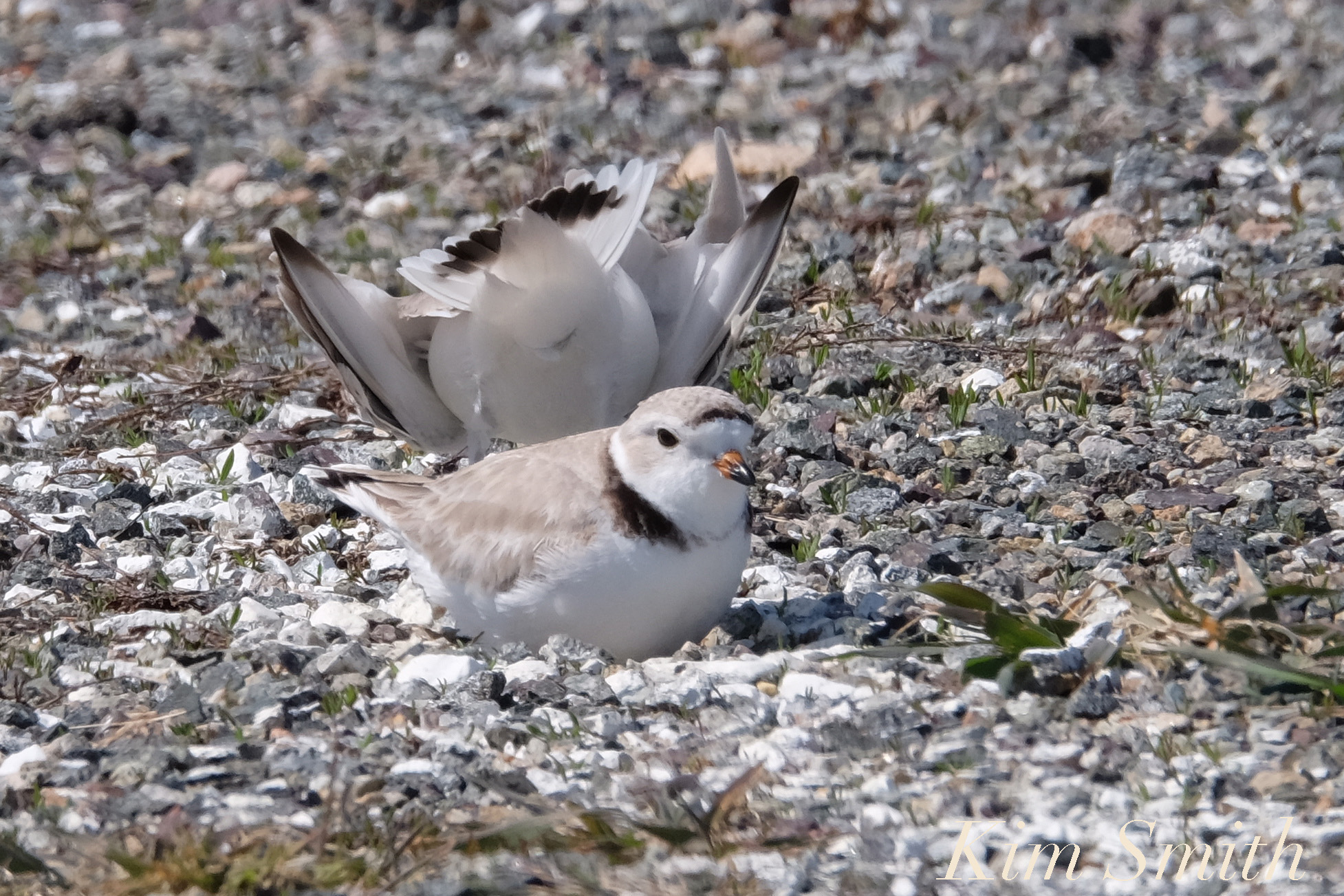
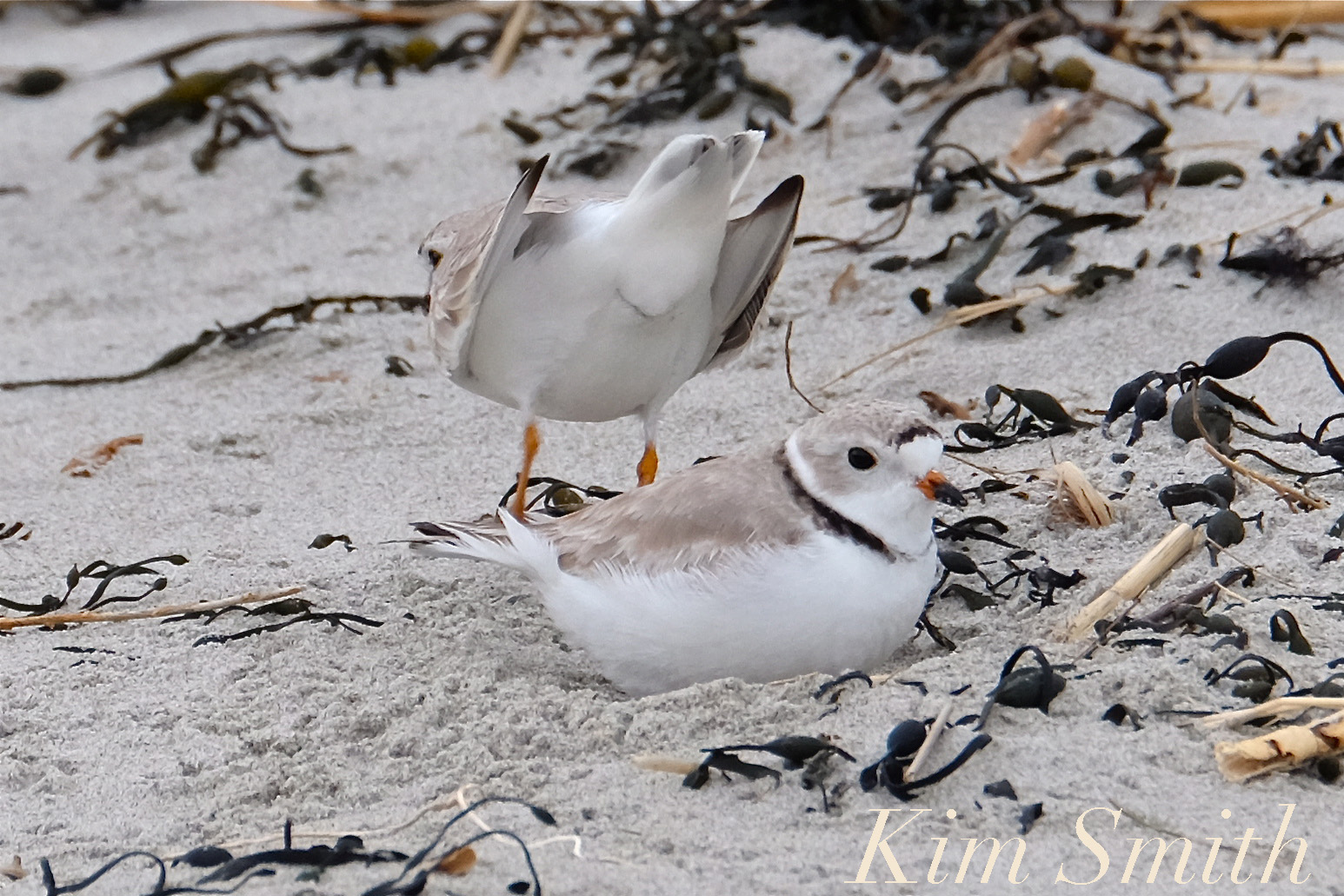
She tries the nest on for size and approves! Mom appears plump and ready to begin laying eggs.

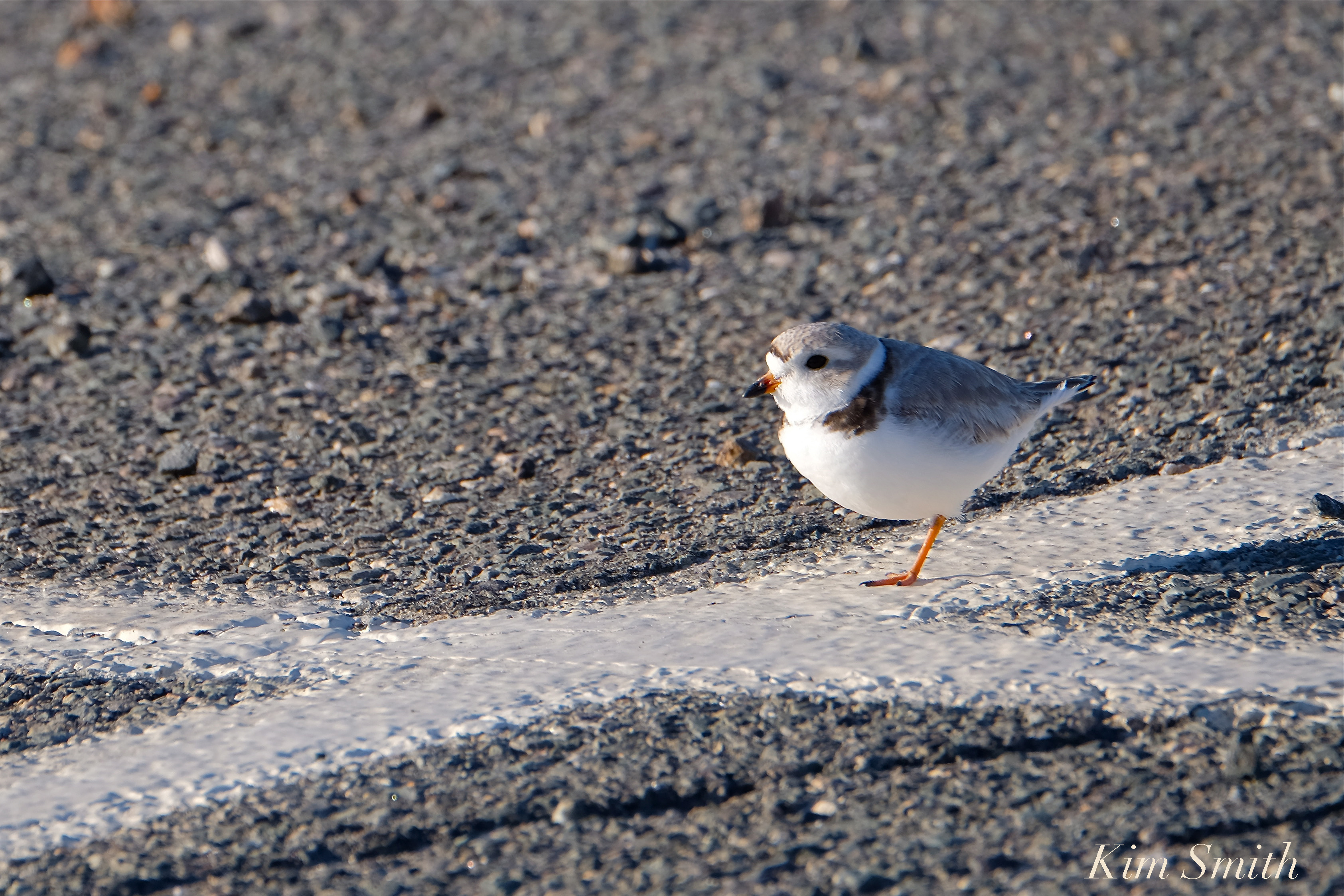
Mid-April and after days of dogs running through the nesting area, the Piping Plovers are discovered standing on the white lines in the GHB parking lot.

Dad begins making nest scrapes on the painted white lines in the parking lot gravel.

With fewer cars in the lot during the month of April, the PiPl determine the lot is safer than the beach. They give up trying to nest on the beach and concentrate solely on the parking lot nest.

Dad invites Mom to inspect the parking lot nest scrape.

She begins laying eggs in the parking lot.


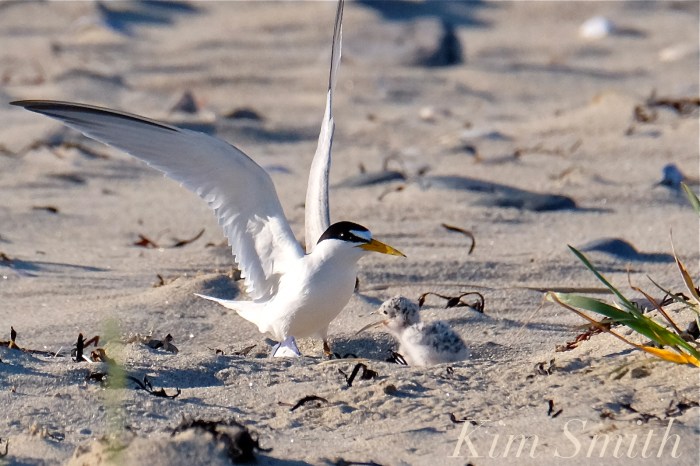
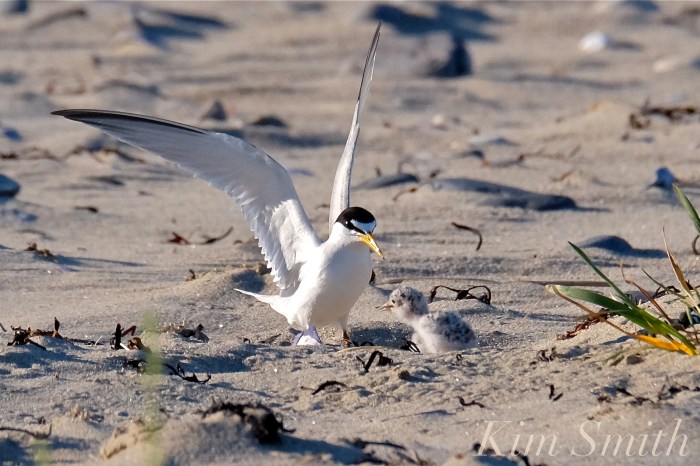
TWO-DAY-OLD LEAST TERN CHICKS

Clamoring for dinner, feed Me, feed Me!

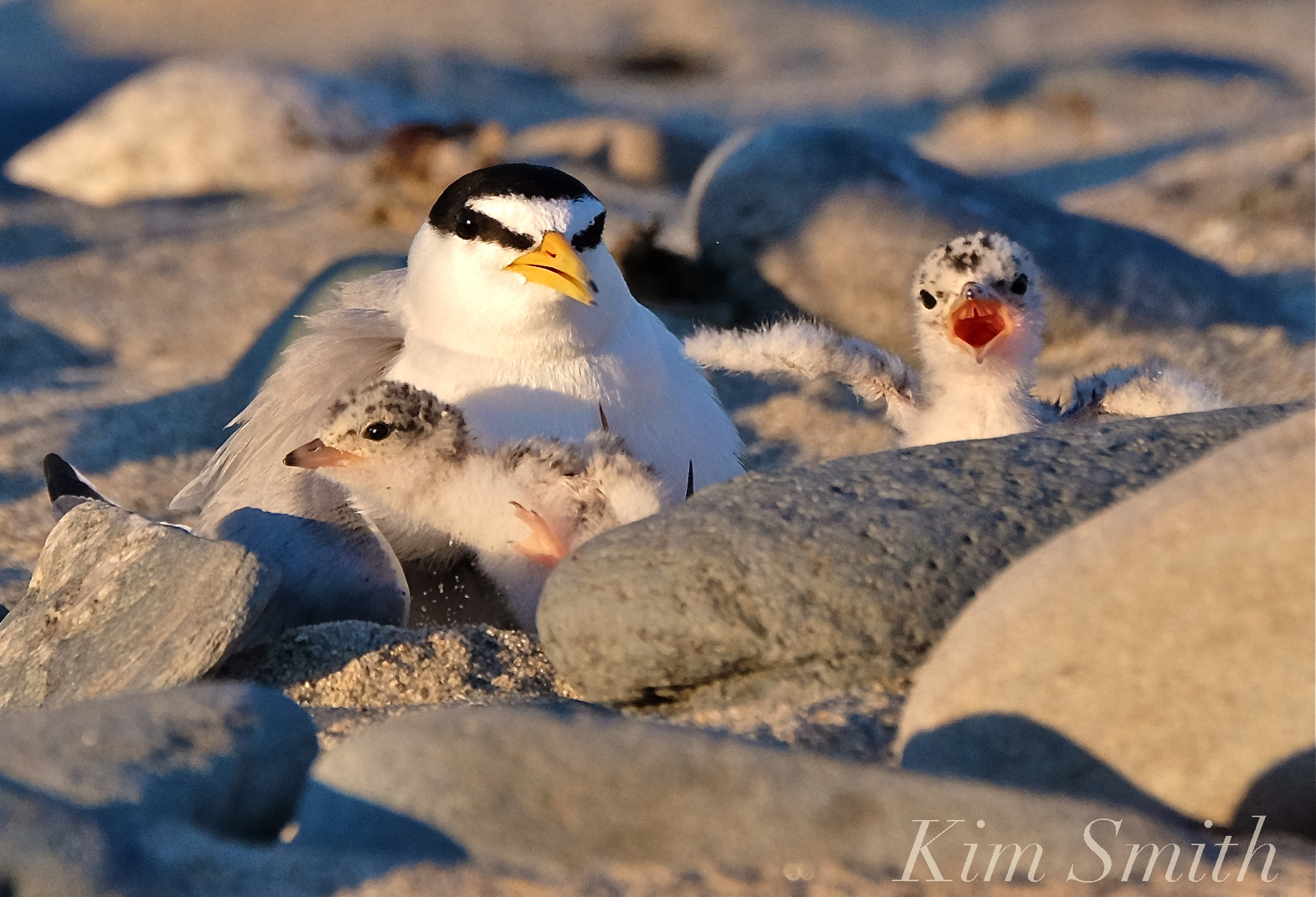
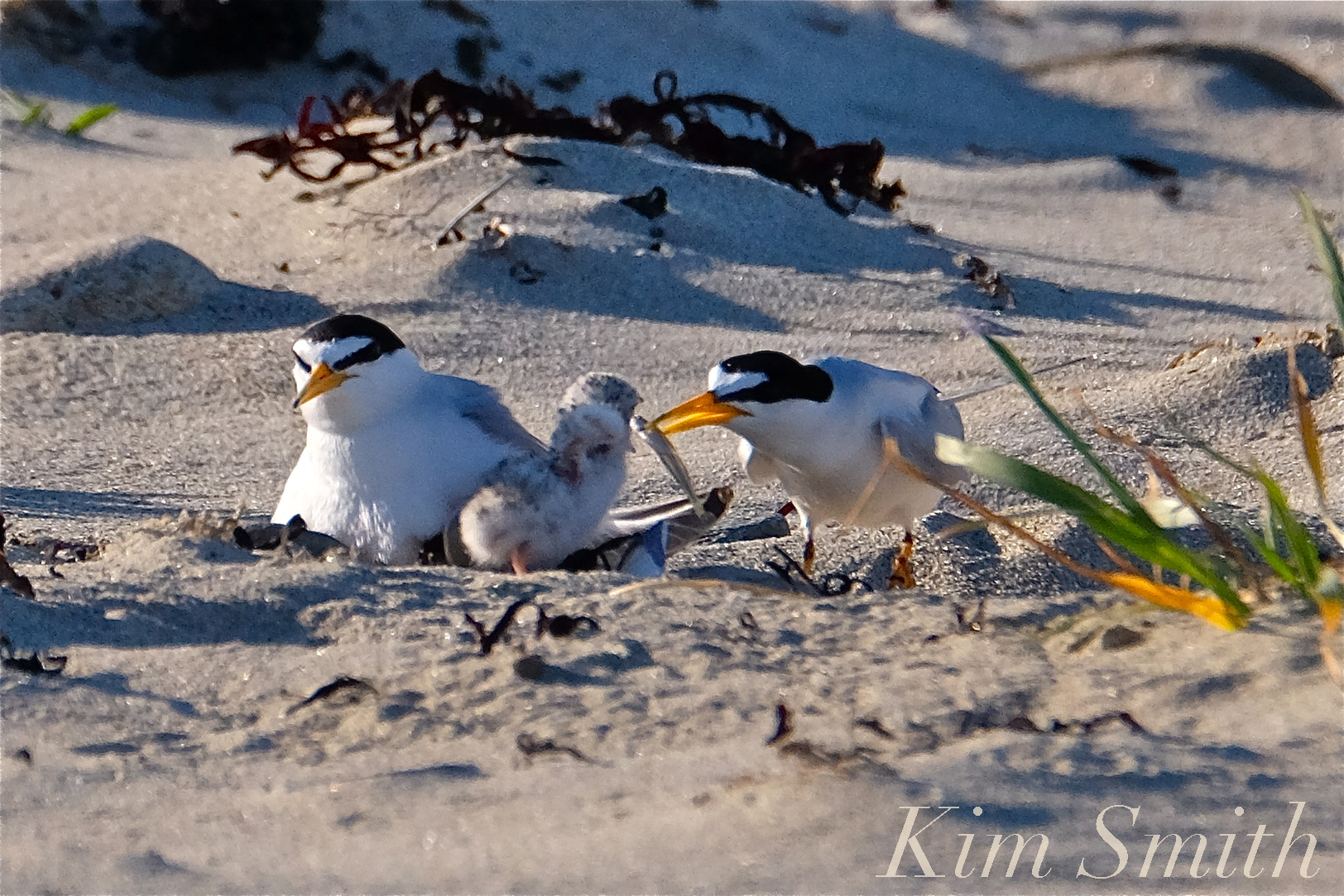
In only one day’s time, you can see the teeny shorebirds gaining strength. As Dad approaches with dinner, the two-day-old Least Tern chicks stretch and flap their wings and open wide their beaks. The noisiest and flappiest is fed first. After depositing a minnow in one beak, off he flies to find dinner for the second sibling.

Camouflaged!

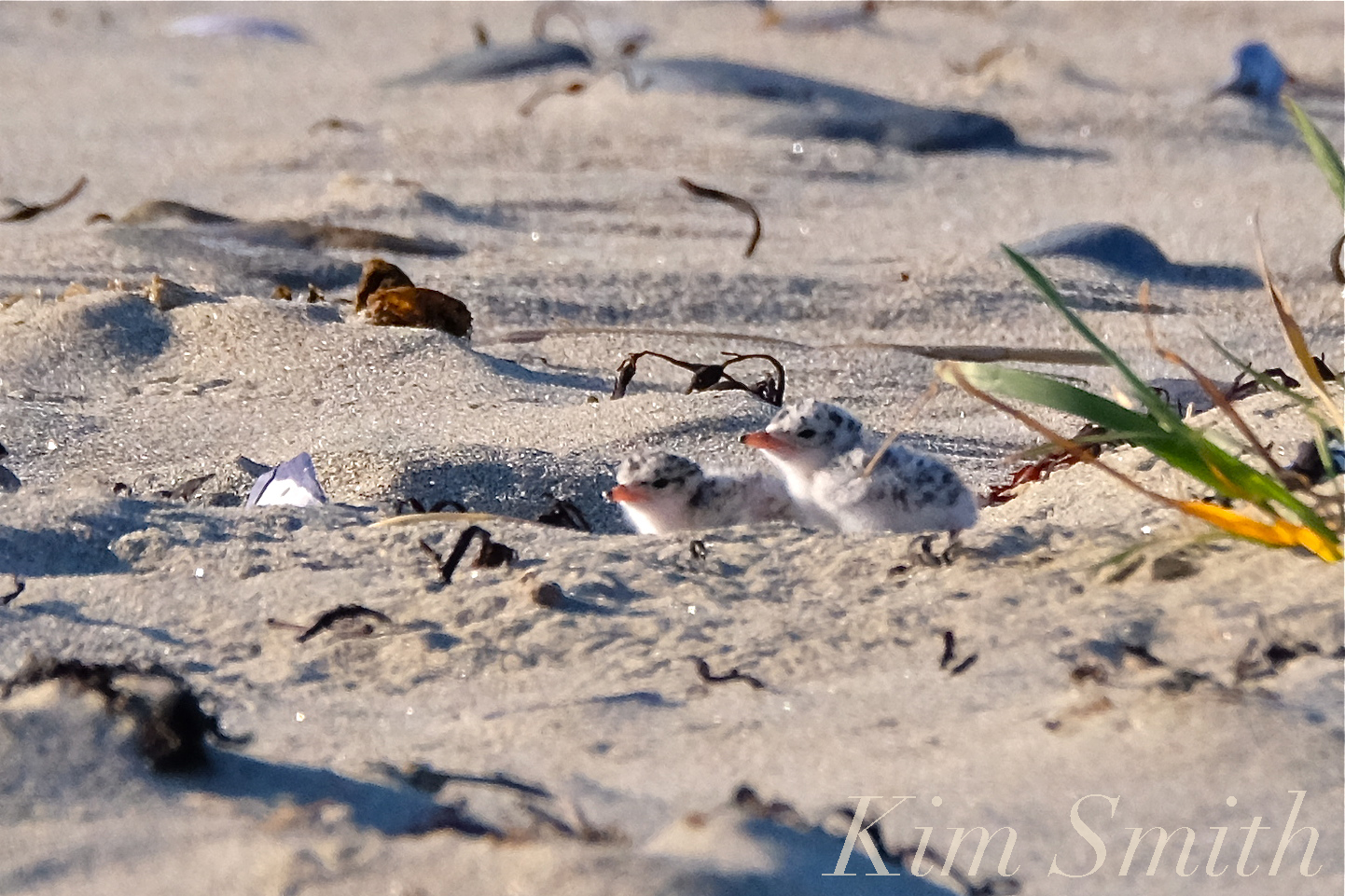
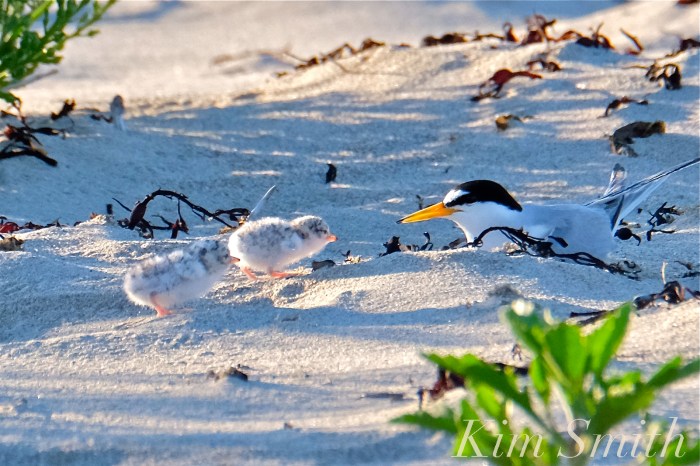
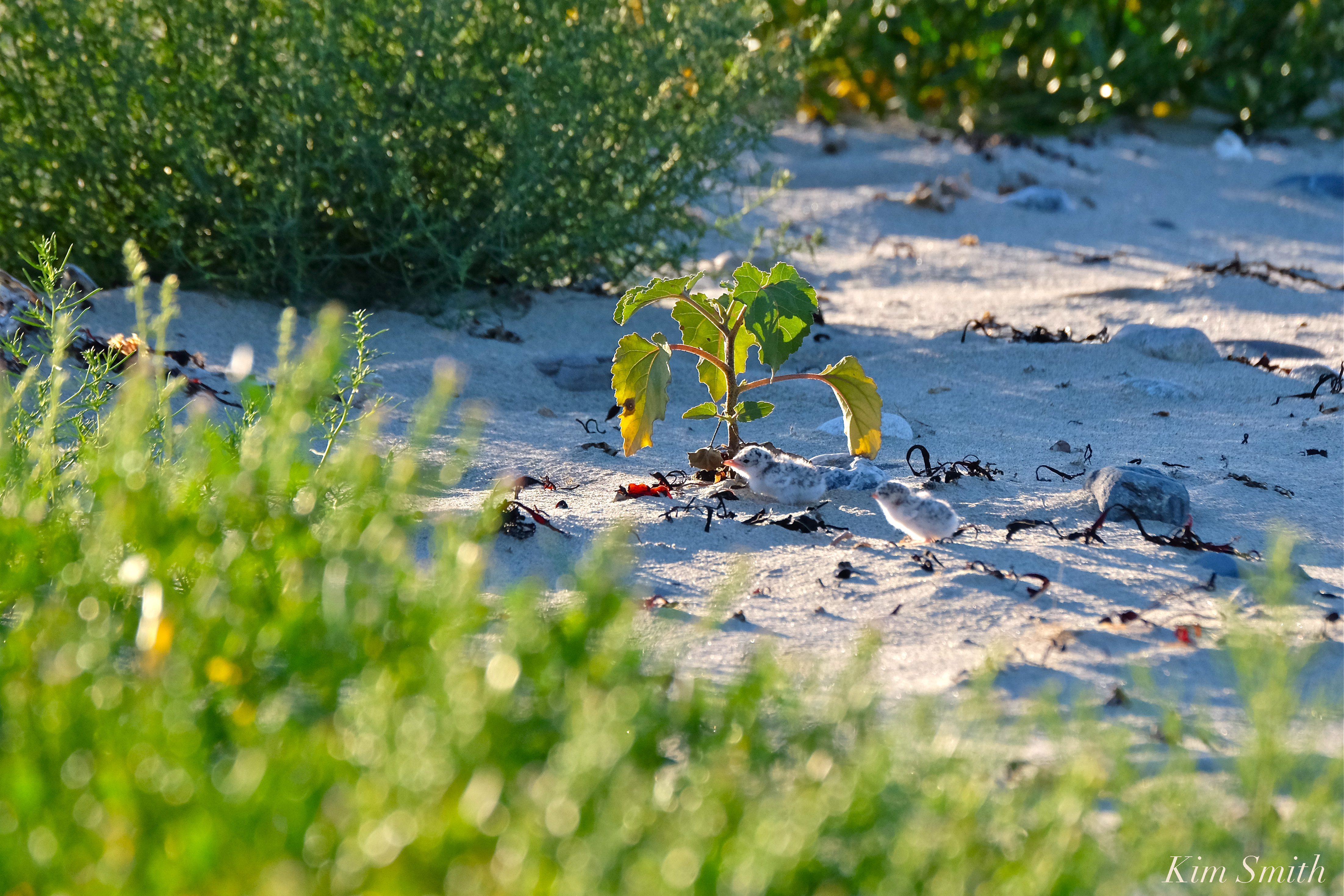
The polka-dot fluff balls blend perfectly with the surrounding sand and rocks. The brilliant red inside the chicks mouth makes it easier for the adult terns to find them against the monochromatic pebbly beach habitat.

Waiting for dinner.

The tern parents will share feeding their chicks and fledglings non-stop for weeks; the chicks won’t be on their own for another two months.

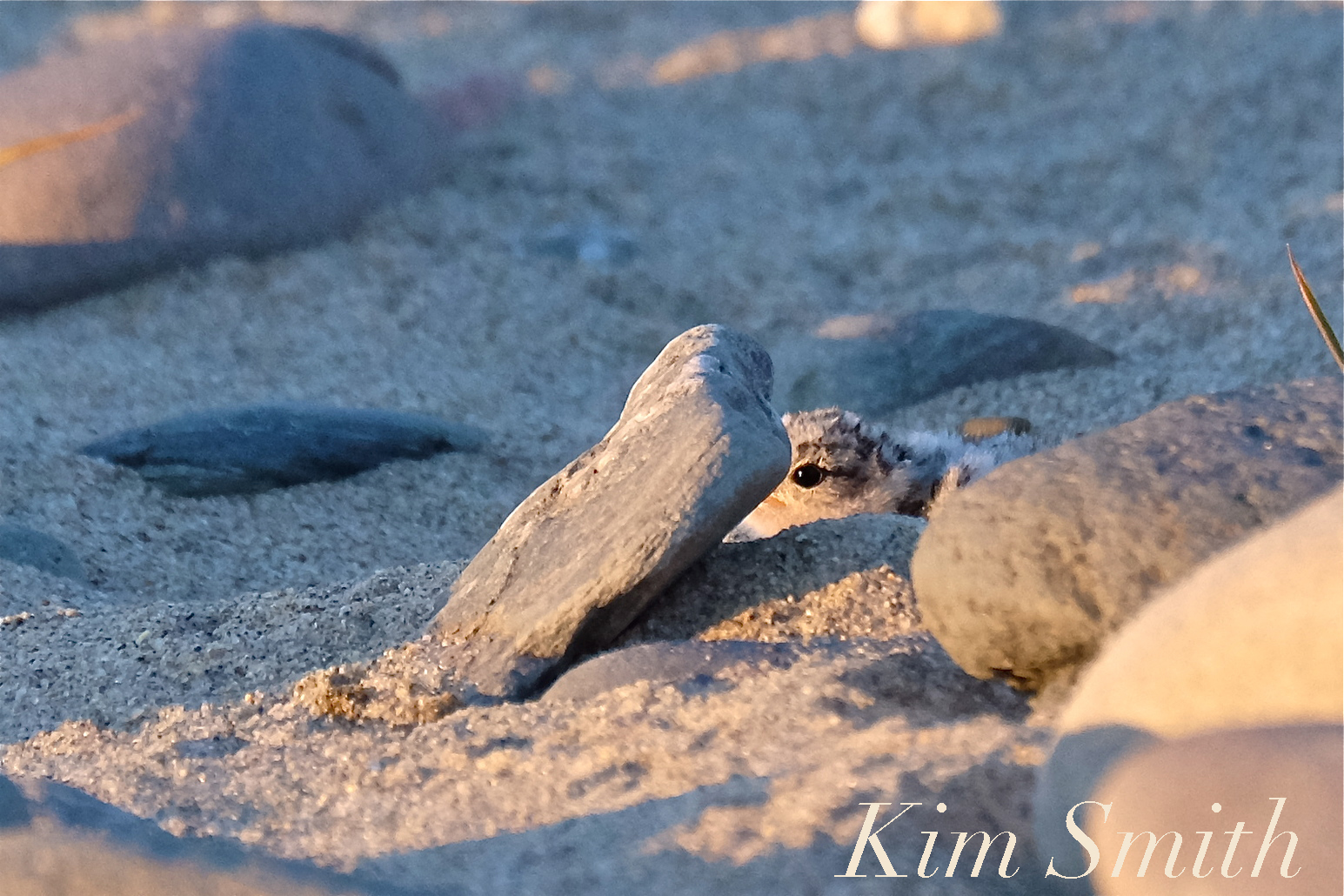
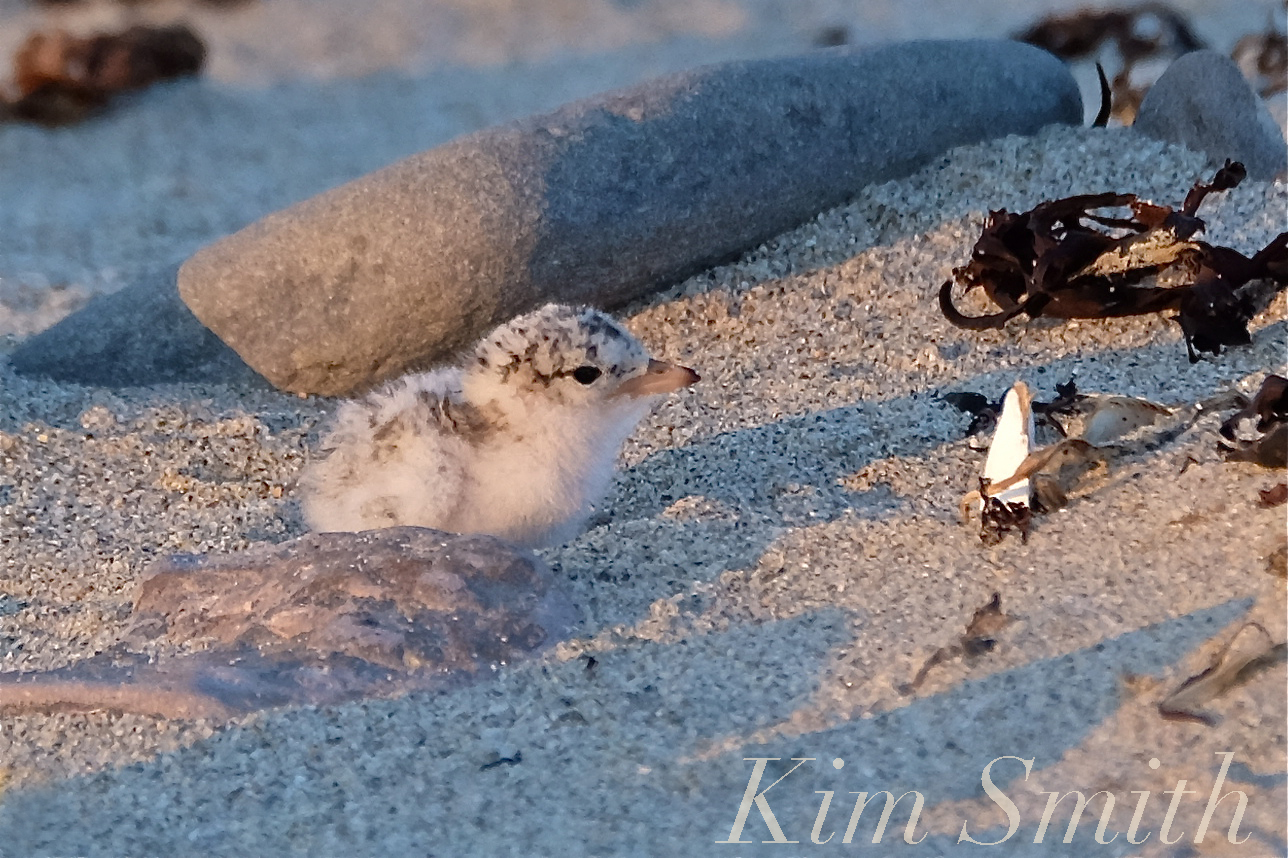
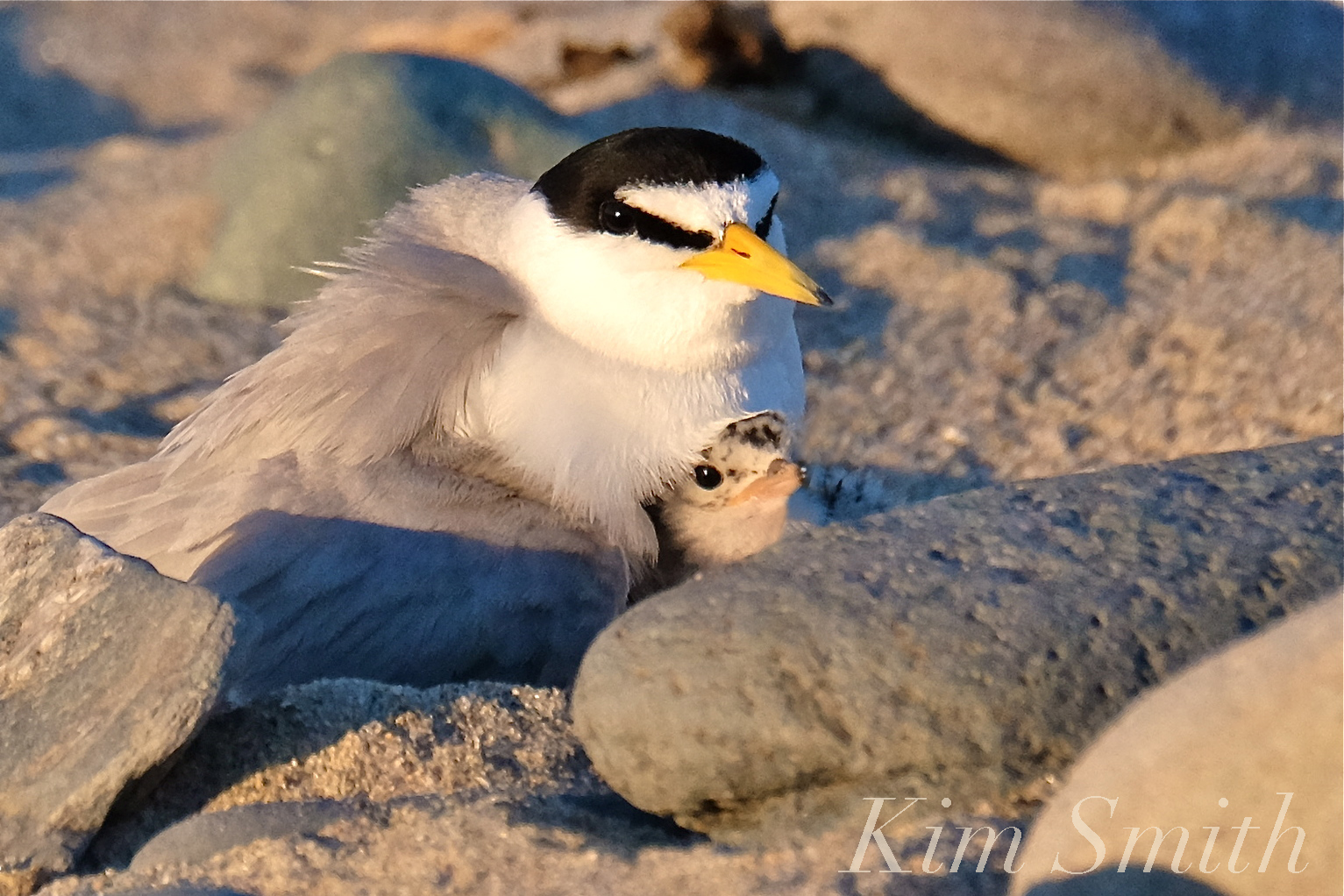
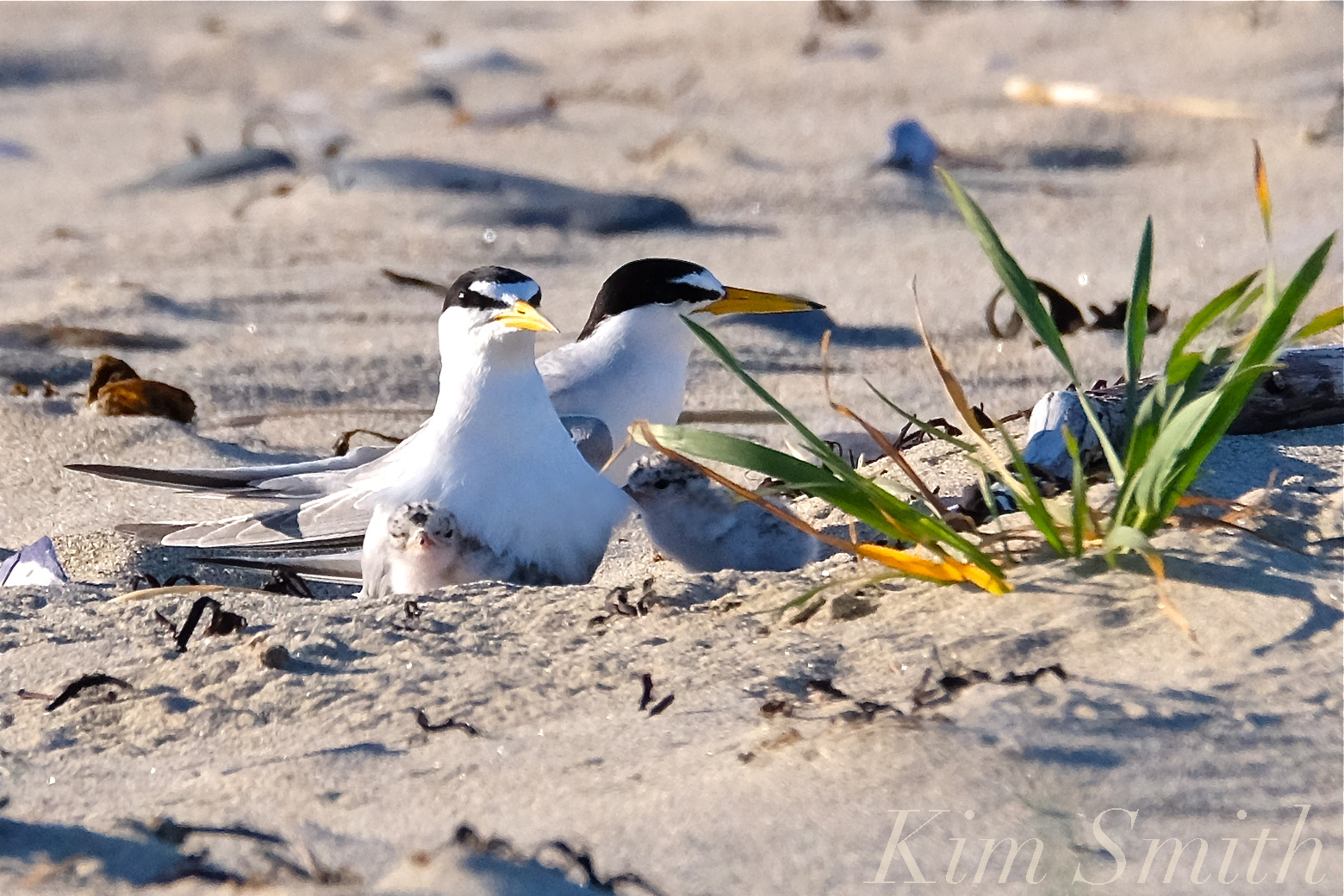
For the first several days after hatching, Least Tern chicks keep fairly close to Mom in scooped out scrapes and natural divots in the sand, or well-hidden hidden behind rocks and beach vegetation.

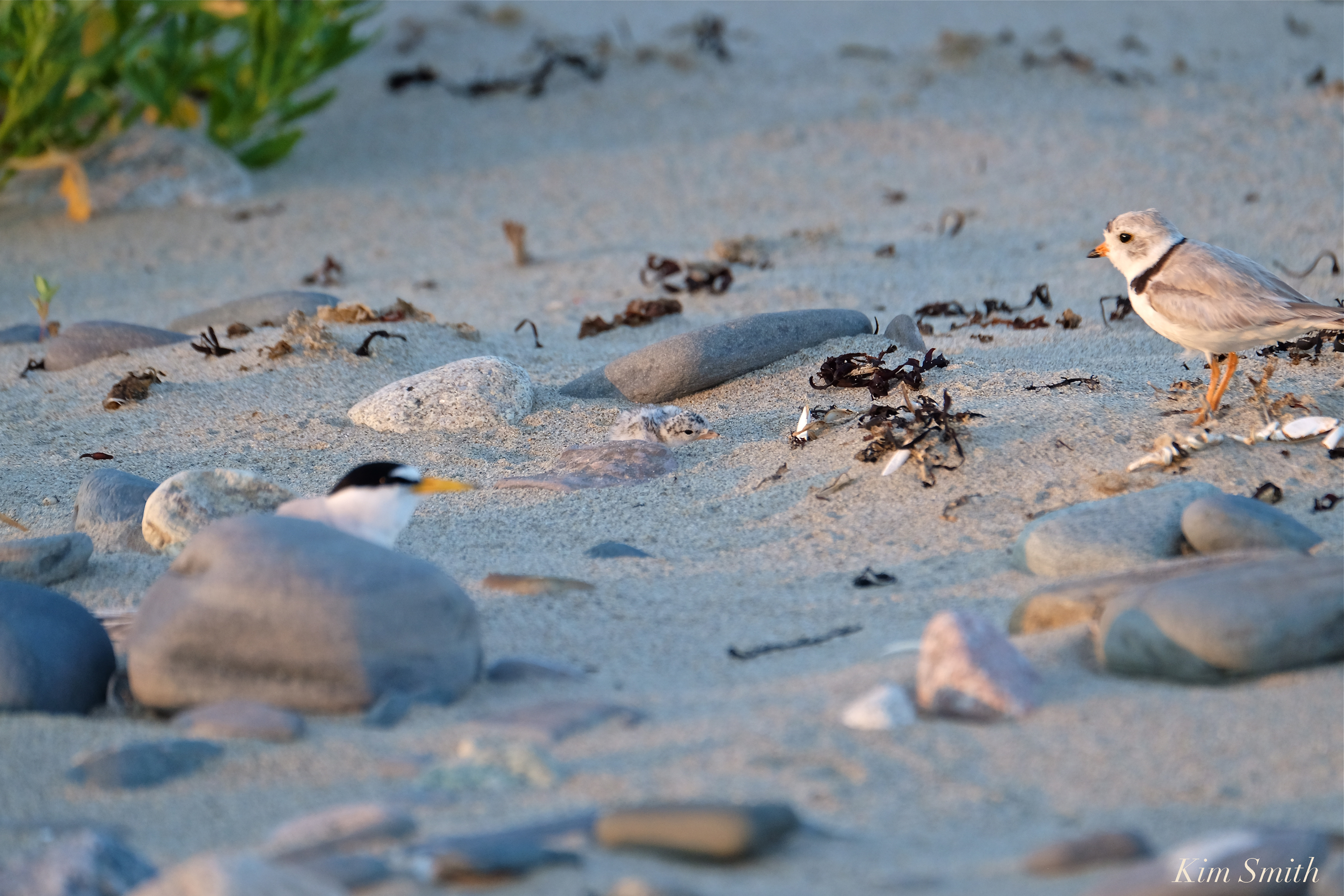
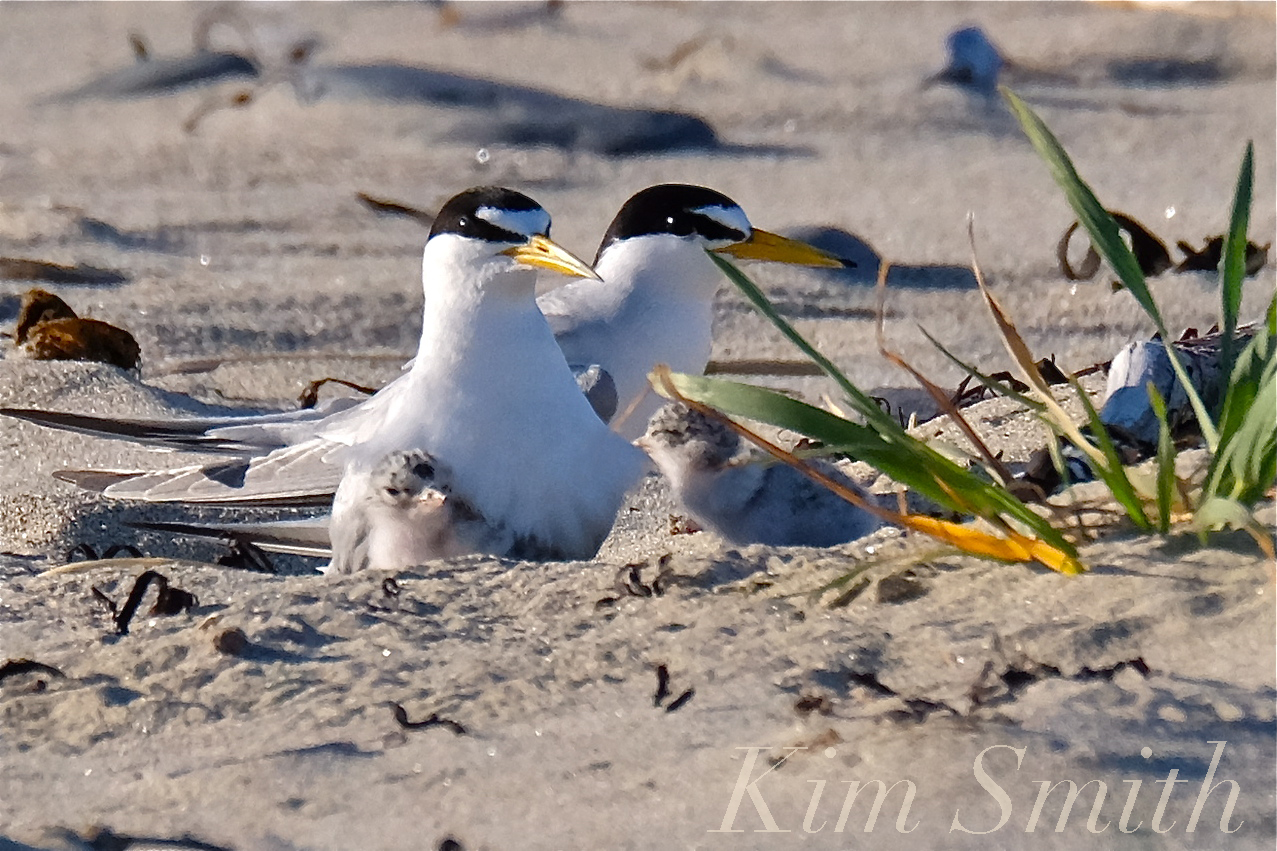
Tiny Least Tern Chick camouflaged in the sand, flanked by an adult Least Tern and Piping Plover male passing by (right).

The Rosetti’s Piping Plover fledglings (three!) sharing the nesting site with the Least Tern Rosetti’s family.

ANIMAL ADVISORY COMMITTEE MEETING TONIGHT

Animal Advisory Committee meeting tonight at 6:30 at City Hall: Piping Plovers on the Agenda

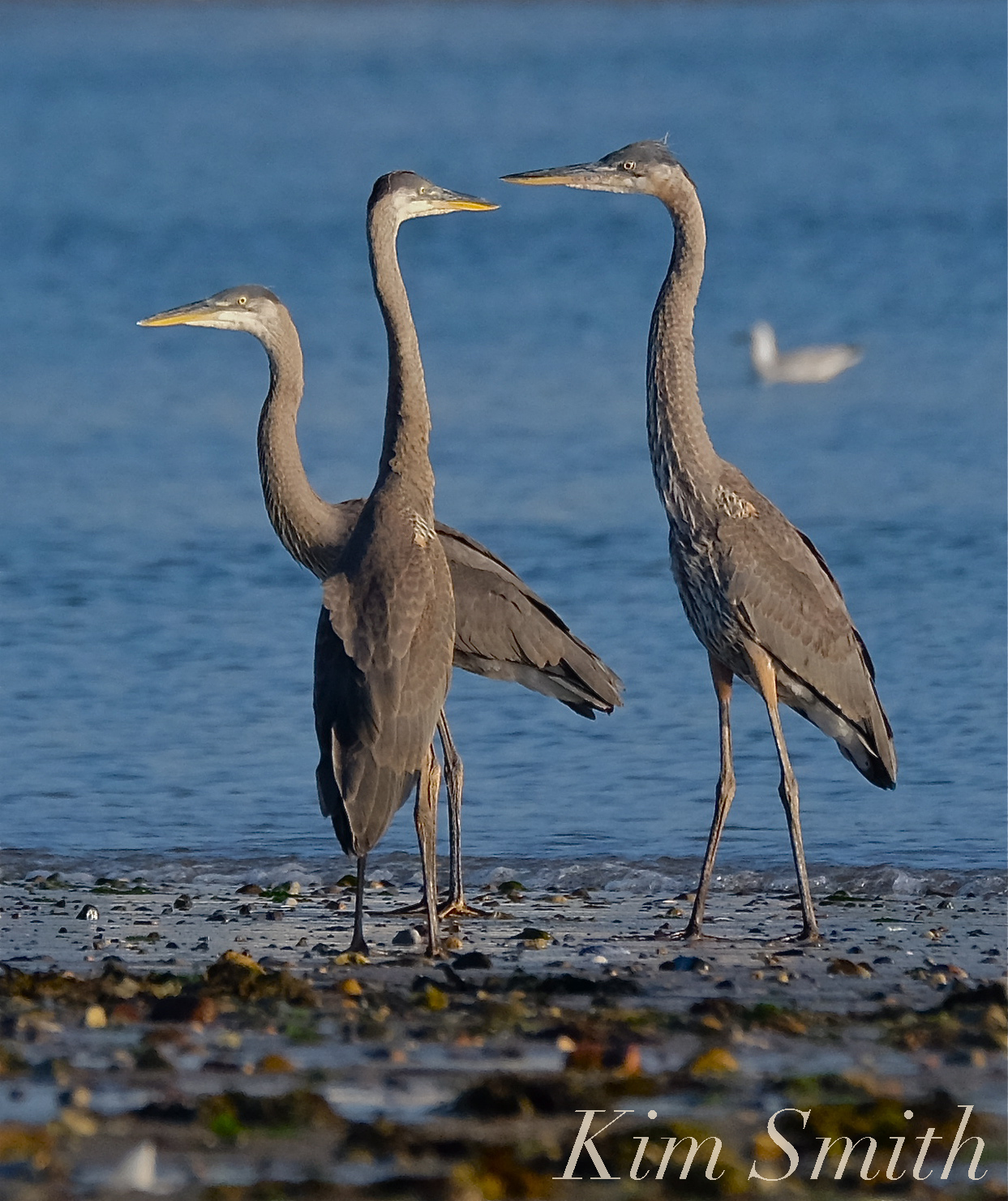
Photo of Great Blue Herons, because we share the shore with herons, too 🙂

PIPING PLOVER SYMBOLIC FENCING RECOMMENDATIONS

ANIMAL ADVISORY COMMITTEE MEETING THURSDAY AUGUST 2ND AT 6:30PM AT CITY HALL: PIPING PLOVERS ON THE AGENDA.

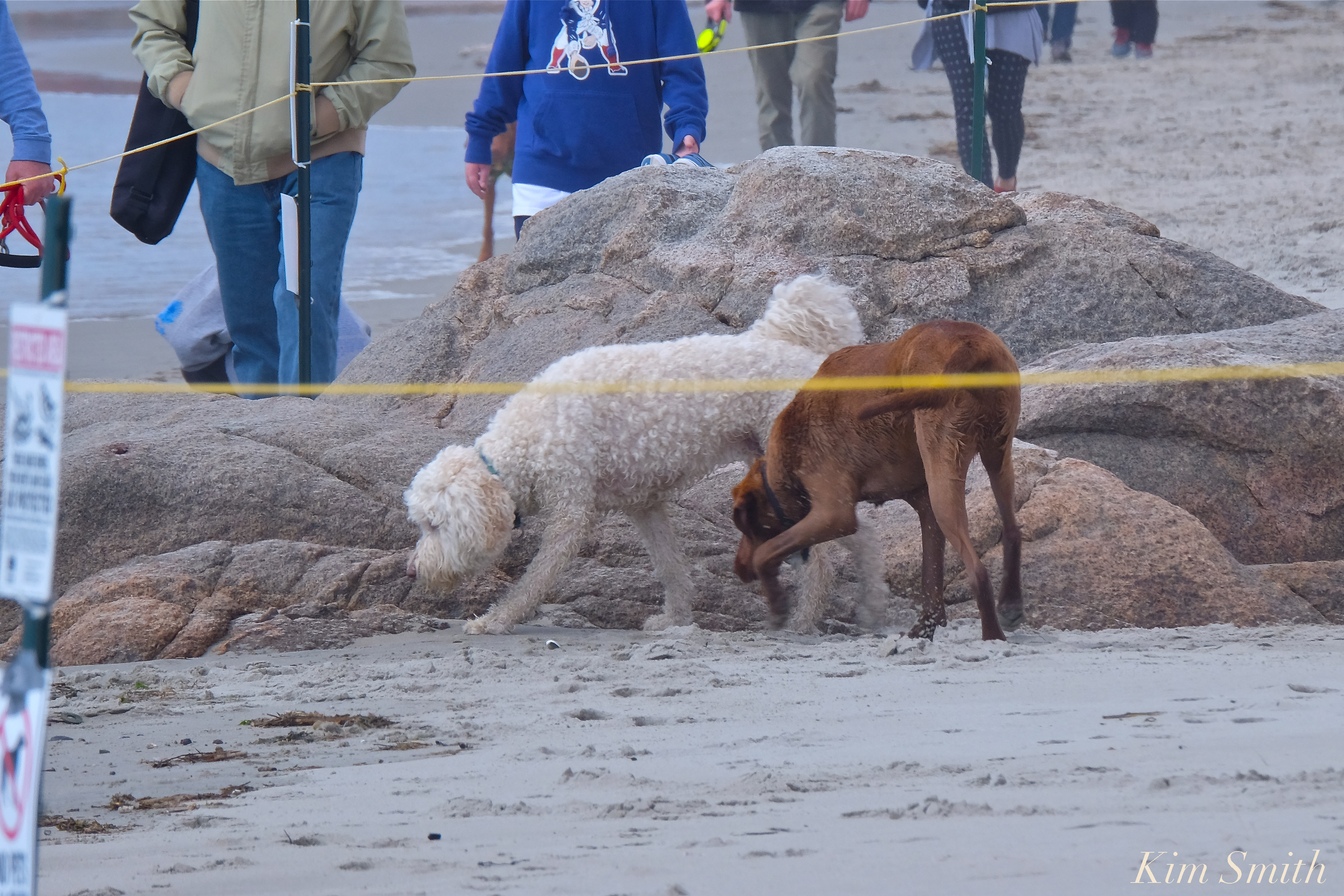
Dogs romping within the clearly posted and cordoned off nesting area in April, forcing the Piping Plovers off the beach and to nest in the parking lot. 

This past spring and summer we had a tremendously difficult time with our nesting bird symbolic fencing. The posted and roped off area is referred to as “symbolic” because it is not an actual physical barrier, but a visual warning to let people know to keep themselves and their pets out of the cordoned off area. People often ask, why can’t more permanent fencing be placed around the nesting area? After nearly thirty plus years of working with Piping Plovers, biologists have established that physical fences placed on the shoreline and in the wrack area are all too easily washed away with high tides, create safety issues and, too, you wouldn’t want to trap dogs and predators within a nesting area.

The difficulty with our metal posts is that they were knocked about and pushed down with nearly every high tide, dragging the roping into the sand as well. The rope and posts needed almost daily righting.

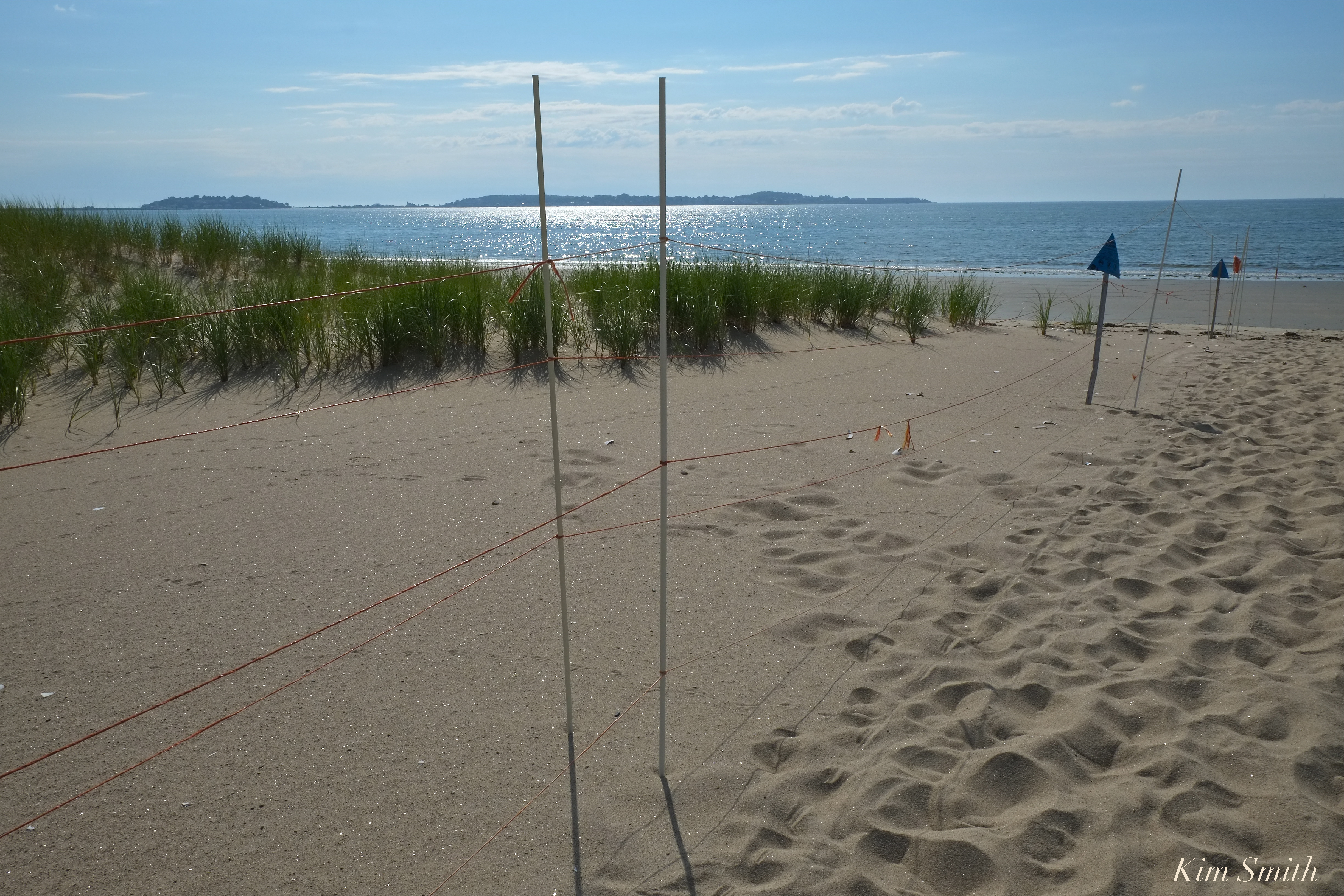
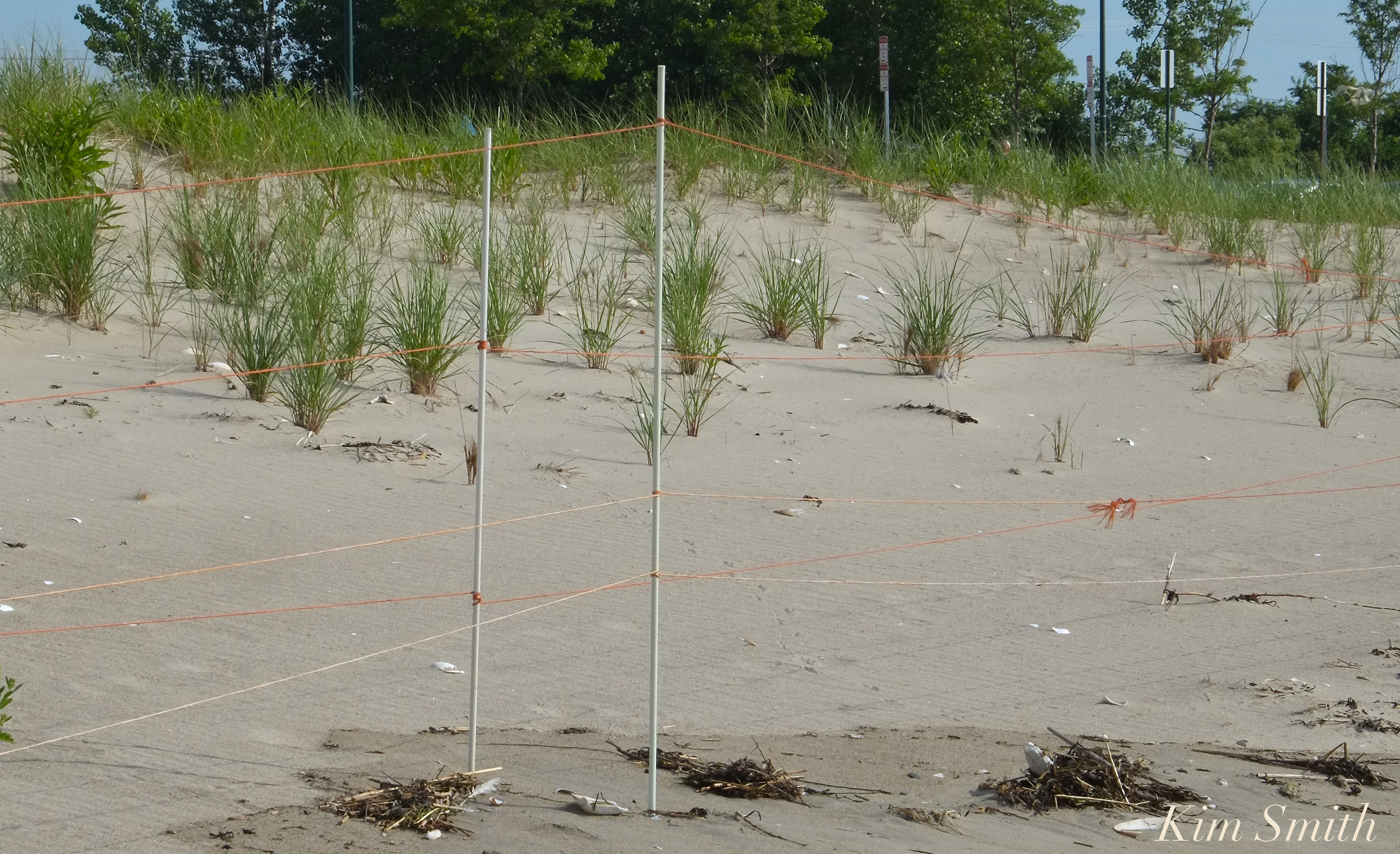
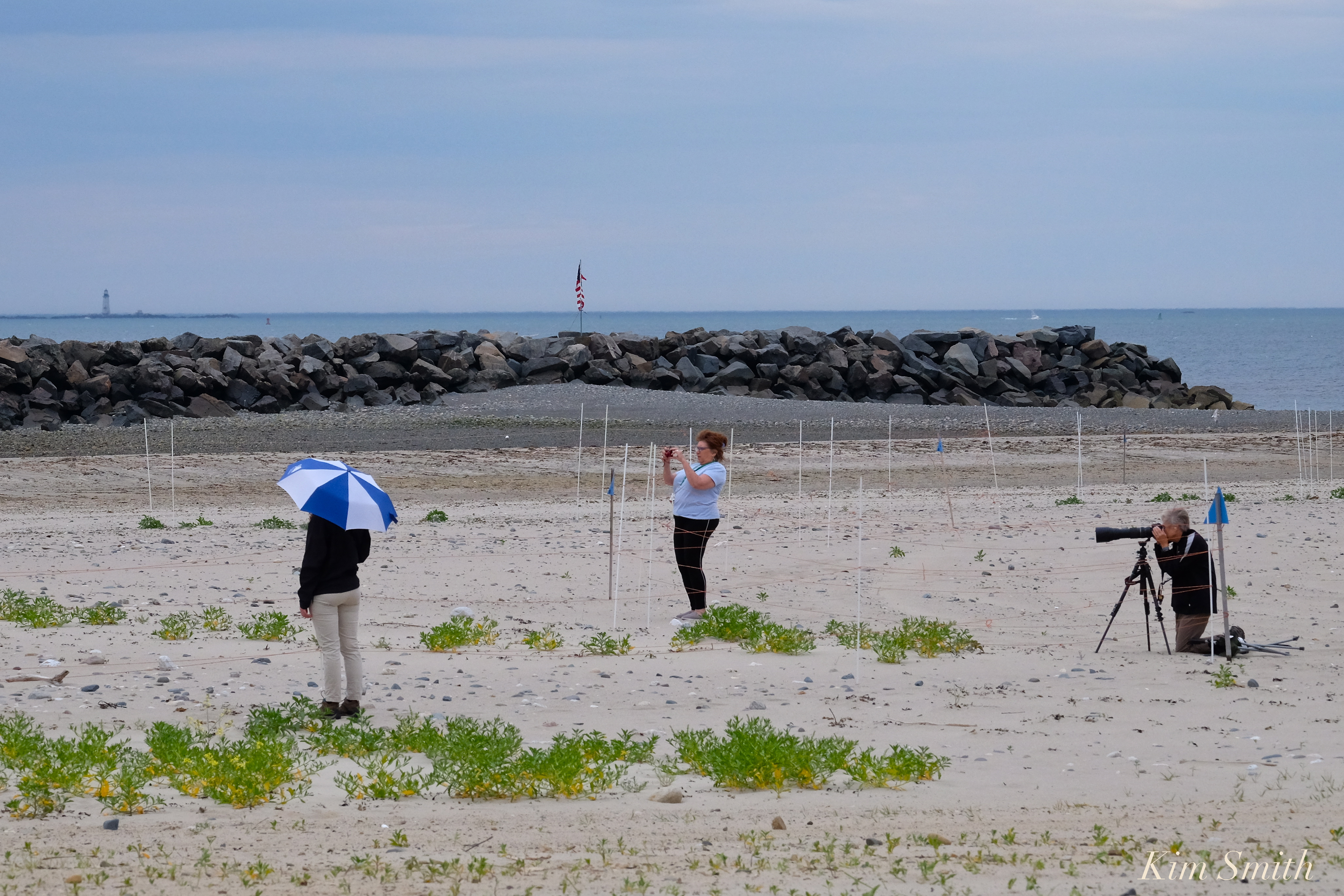
The Massachusetts Department of Conservation and Recreation (DCR), which successfully protects Piping Plovers and other endangered birds at dozens of Massachusetts beaches have come up with what appears to be a good fencing solution for areas within tidal zones. DCR uses long, narrow fiberglass rods which can be pushed easily into the sand. The poles are strung with two rungs of roping, and in some places three rungs. I measured the distances between the poles at Revere Beach; they are placed about every twenty to twenty four feet.

In early spring, before the Piping Plovers and Least Terns have nested, historic nesting areas are roped off. After a nesting pair establishes a territory, a second row of poles and roping are added around the perimeter of the nesting area. The fiberglass poles can be adjusted without too much difficulty.

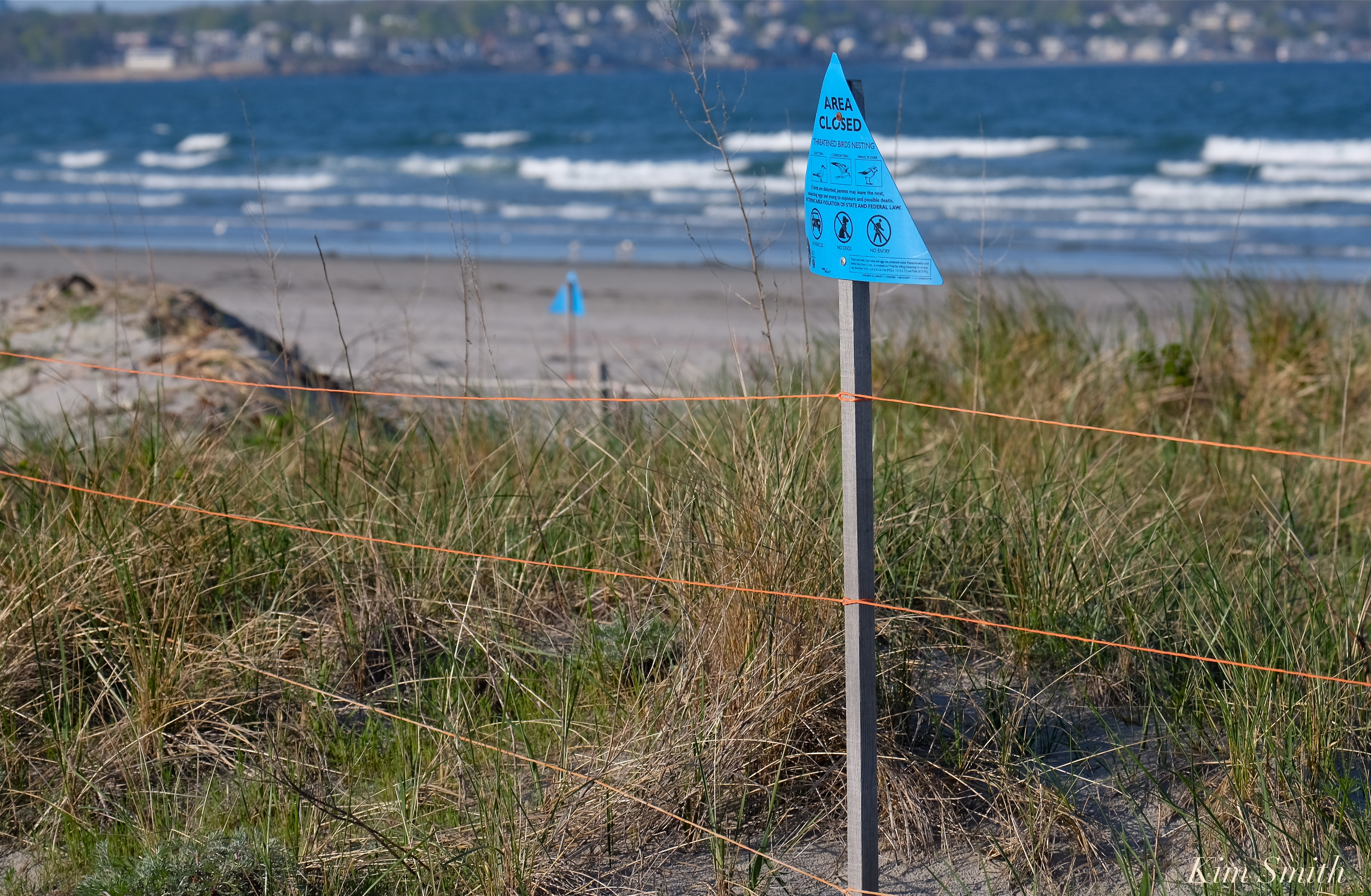
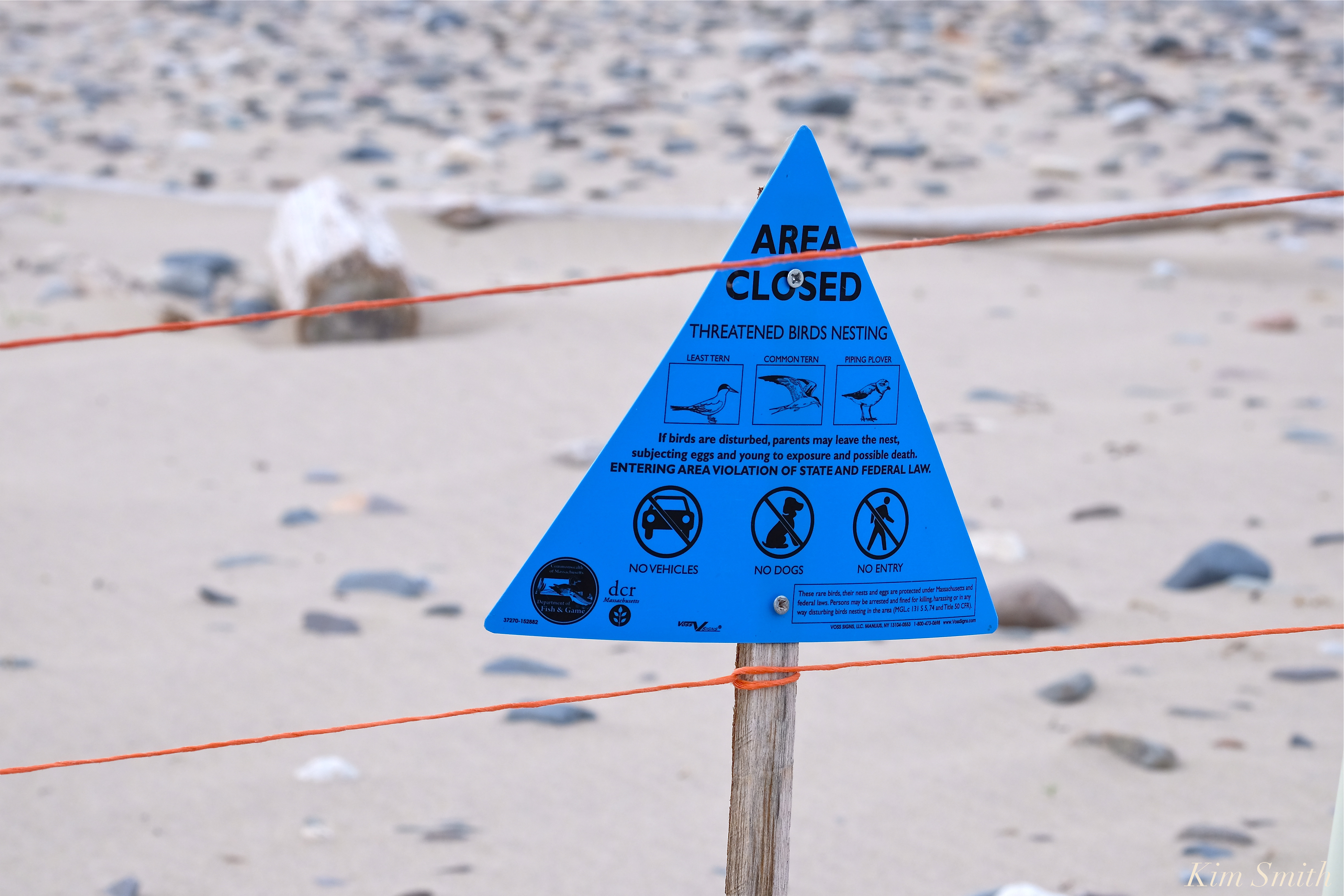
Wooden poles are used to post the nondescript, but informative endangered species signs. According to DCR staff, the only time they have complications with the fencing is when the wooden posts are tied into the fiberglass poles and the tide takes both down.

I don’t understand why the fiberglass poles are less likely to shift in the tide, but they don’t shift and appear to work very well in the tidal zone–perhaps because they are flexible and less rigid. If anyone knows the answer to that, please write.

PIPING PLOVER VOLUNTEER MONITOR GOOD HARBOR BEACH NESTING AREA FENCING RECOMMENDATION:

  1. Symbolic fencing of the two historic Piping Plover nesting areas roped off between March 15th and April 1st (boardwalk #3 and boardwalk #1).
  2. Fiberglass poles placed every twenty feet to twenty four feet.
  3. One to two rungs of roping.
  4. Wooden posts with endangered species signs installed at the same time and in place by April 1st, but not attached to the fiberglass poles.
  5. When active nest scrapes are identified, adjust exisiting fencing, and add a second row of fencing around the perimeter.
  6. To the outer perimeter of fiberglass poles, use three rungs of orange roping attached to the poles, extending all around the perimeter. One rung at 12 inches above ground, one rung at about 24-30 inches above ground level, and the top rung at four feet above ground level.
  7. Piping Plover volunteers monitor fencing and adjust as needed.

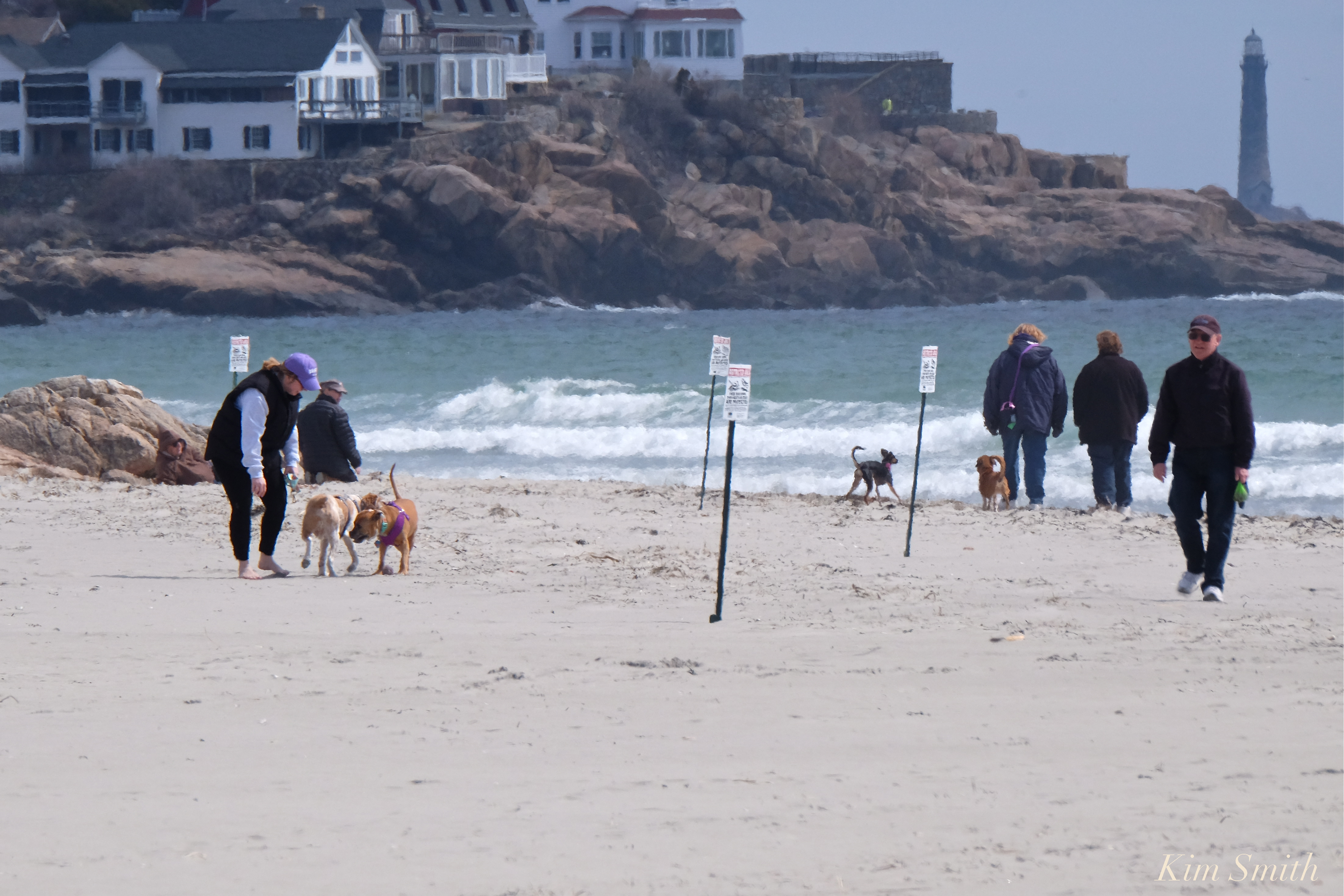
This photo, taken at Good Harbor Beach in early April, shows why it is so important to have the signs and roping in place by April 1st. People and dogs were playing in the nesting area while the PiPl were trying to nest. The top photo shows that a second, and even a third rung of roping, placed at dog height, may help to keep dogs out of the roped off area.

Examples of symbolic fencing areas at Revere Beach and Nahant Beach. Notice the double row of fencing and the double and triple rungs.

Information is unambigulously posted at Revere Beach

Piping Plover chicks finding shelter in the roped off nesting area on a hot summer day.

Treading lightly.

ANIMAL ADVISORY COMMITTEE MEETING THURSDAY AUGUST 2ND CITY HALL AT 6:30PM: PIPING PLOVERS ON THE AGENDA

Please come and show your support for endangered and threatened shorebirds in Gloucester. Thank you!

On the Agenda:

  1. Open session for public comments.
  2. Approval of meeting minutes from 7/12/18.
  3. Review of ACO reports and citations.
  4. Piping Plover protections: ordinance recommendations.
  5. Clark and First Parish Cemetery -dog walking.
  6. Event planning
  7. Grants
  8. Annual report

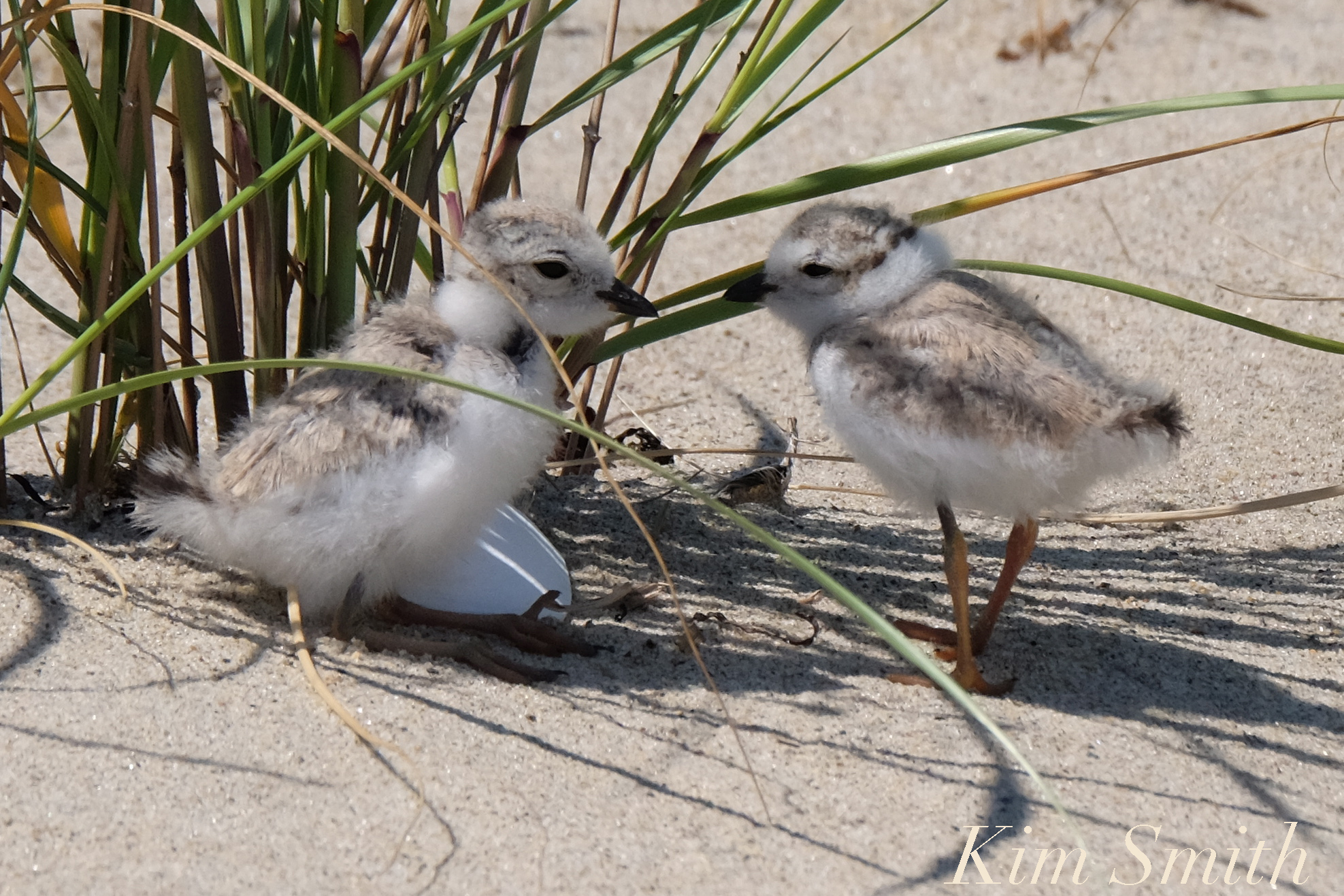
The chicks of threatened birds such as Piping Plovers and Least Terns evolved to blend perfectly with their surrounding shoreline nesting habitat. This trait helps afford protection from hungry predatory birds flying overhead, birds such as hawks and owls. Because they are so well camouflaged, the shorebird nestlings are at great risk from fast moving pets and unknowing beach goers.

PIPING PLOVER RECOMMENDATIONS TO THE MAYOR FROM THE PIPING PLOVER VOLUNTEER MONITORS ~

July 9, 2018

Dear Mayor Romeo Theken and Gloucester City Councilors,

We, the Piping Plover volunteer monitors, are submitting our short list of recommendations regarding the Piping Plovers nesting at Good Harbor Beach. Our goal is to have in place by next April 1, 2019, measures and ordinances that will greatly increase the likelihood that the hatchlings of this tiny threatened shorebird will have a fighting chance at surviving life on Good Harbor Beach.

Piping Plovers began nesting at Good Harbor Beach in 2016. Each year, the PiPl are coming earlier and earlier. In 2016, they arrived mid-May, in 2017 they arrived at the beginning of May, and this year, they arrived on April 3. It would appear that the same pair is returning to Good Harbor Beach, as the male marks his territory and attempts to build a nest scrape only several feet from the previous year’s nest (at Boardwalk #3 nesting area). More Plovers than ever were seen at Good Harbor Beach this spring, and if not for constant interruptions in the Boardwalk #1 nesting area, we would have had two pairs nesting on the beach.

Why are the birds arriving earlier and earlier? We can presume that the pair are more experienced travelers and that Good Harbor Beach is their “territory.” Does this mean we will eventually have dozens of pairs nesting on Good Harbor Beach? No, because the PiPl are very territorial and they will defend a fairly large area, preventing other PiPl from nesting in their site.

This year the PiPl pair hatched four chicks. All four chicks were killed by crows, gulls, and dogs. All three are human-created issues, and all three can be remedied. The following are the four recommendations and actions we wish to see take place.

Recommendations

1) Change the dog ordinance to not allow dogs on the beach after March 31.

Currently, dogs are allowed on the beach from October 1 to May 1. The Piping Plover volunteer monitor core group, Dave Rimmer from Greenbelt, Ken Whittaker, and Mass Wildlife’s John Regosin, all agree that dogs should not be allowed on Good Harbor Beach beginning April 1, but that it would be safe for Piping Plover fledglings and other migrating shorebirds for dogs to return after September 15.

This new suggested time frame will allow birds to nest on the beach (as opposed to in the parking lot), with far less interruption, shorebirds will nest earlier in the season, which will help with the chicks survival rate, and the chicks will be stronger by the time Good Harbor fills with summer crowds.

This is a very logical and simple solution. Disallowing dogs on Massachusetts coastal beaches where shorebirds are nesting, beginning April 1, is the norm. Allowing them to return after September 15, and in many cases after September 30, is also very common. For Piping Plovers and other nesting shorebirds, protecting their habitat and sharing the shore is a matter of life and death.

2) Rope off the nesting area by April 1.

Poles, with threatened species signs, and a triple row of roping of nesting sites, to be in place no later than April 1. Essex County Greenbelt’s Dave Rimmer will assist with this measure.

3) Enforce the existing ordinances regarding dogs (and littering) at all times throughout the year.

Only enforcing dog ordinances at Good Harbor Beach during nesting season is creating hostility toward the Piping Plovers.

Additionally, we do not recommend extremely high fines as we feel that may become an impediment to issuing and collecting the fines. We know of at least one example where the magistrate dismissed the tickets issued to a woman who claimed to have a service dog. This woman was running rampant on the beach and throughout dunes with her service dog off leash throughout the entire time the PiPl were nesting, from April through May. Despite the fact that former dog officer Diane Corliss caught the woman on camera with her dog off leash on the beach, and in the dunes, all her tickets that were issued by the animal control officer were dismissed. This is neither fair to the officers who are working hard to keep the dogs off the beach or to the plover volunteers who are spending inordinate amounts of time trying to keep the PiPl safe.

4). Increase trash collection.

When no barrels are placed at the entrances to the beach, people dump bags of trash there anyway. When barrels are in place, people put trash in the barrels however, when the barrels become full, they again resort to leaving bags of trash behind, only next to the barrels. In either scenario, gulls and crows are attracted to the trash. Both gulls and crows rip open the bags and the trash is blown throughout the parking lot and marsh, soon finding its way onto the beach and into the ocean. Hungry gulls and crows waiting for people to leave their trash behind eat tiny shorebirds.

A friend who lives on a North Carolina beach shares how her community keeps their public beaches looking pristine. Not only do they have barrels, but every few weeks, police patrol the beach and hand out fines for littering. This is taken as a wake up call, everyone is good for a bit of time, but then become slack about littering again. Out come the officers for another round of ticketing.

Thank you for taking the time to consider our recommendations.

Sincerely yours,

Kim Smith

cc Paul Lundberg, Steven LeBlanc, Val Gilmam, Ken Hecht, Melissa Cox, Jen Holmgren, Scott Memhard, Sean Nolan, Jamie O’Hara, Dave Rimmer, Ken Whitakker
 

LEAST TERN ONE DAY OLD CHICKS!

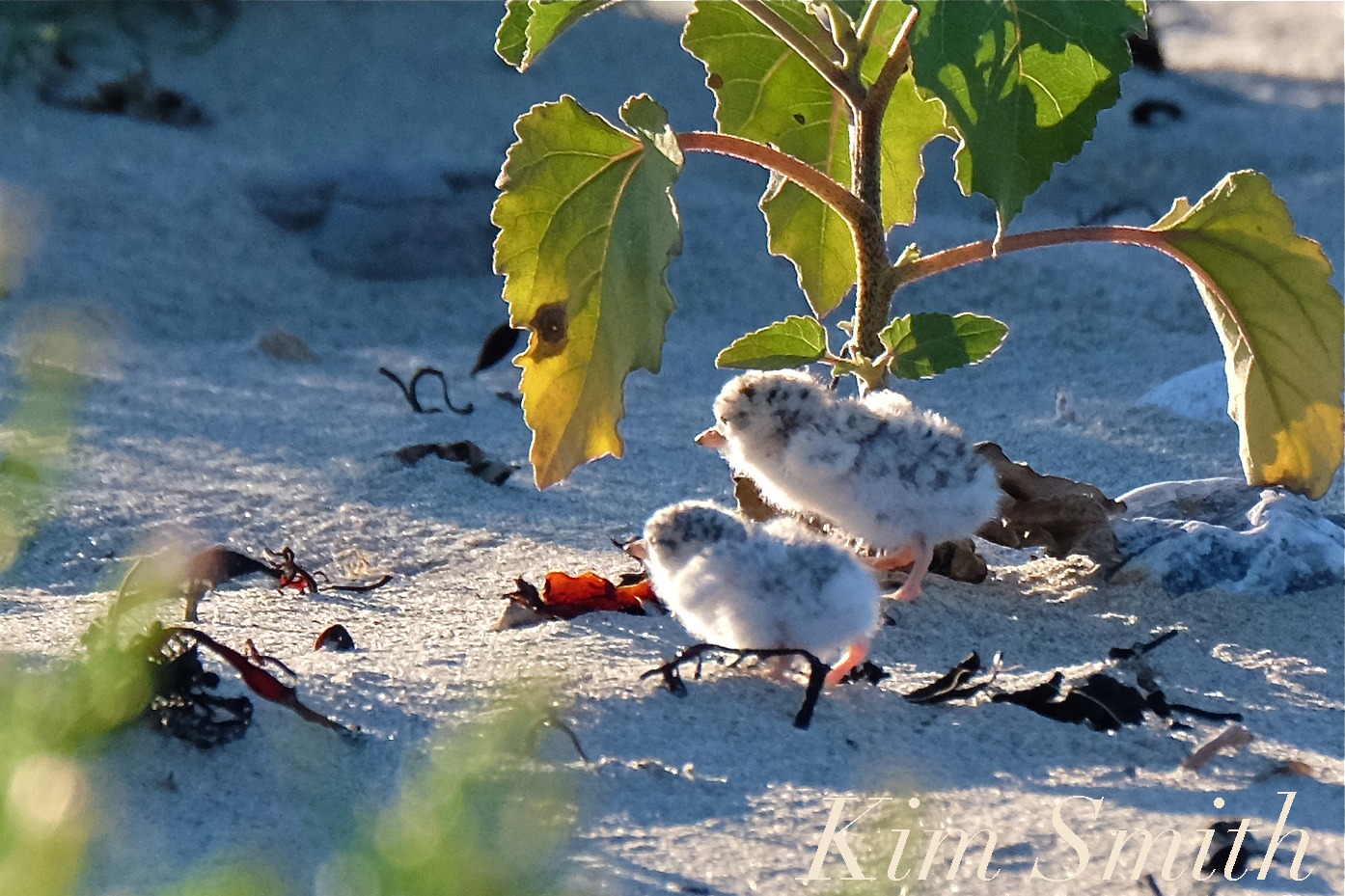
The Rosetti’s Least Terns hatched both eggs and both chicks are doing beautifully!

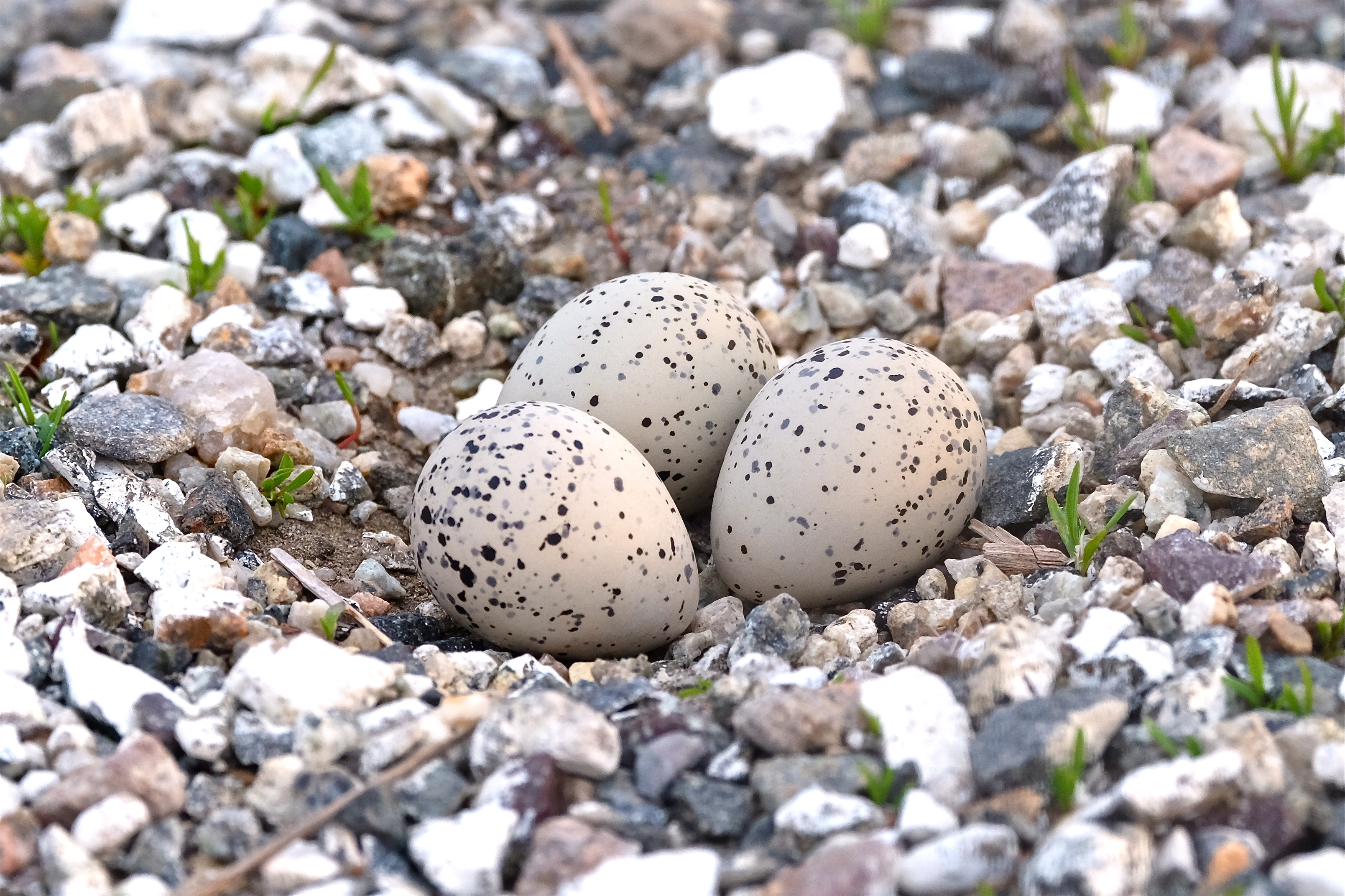
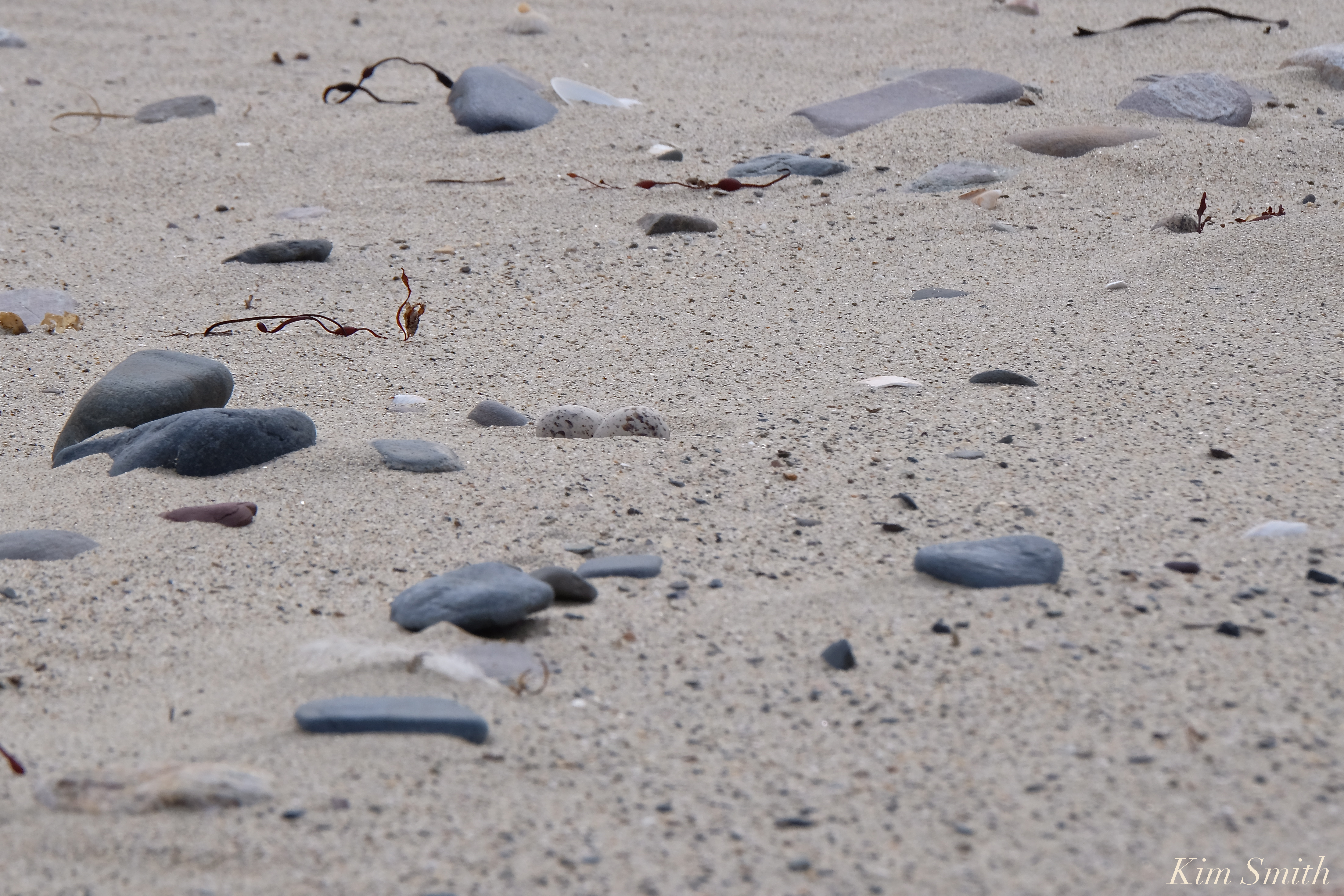
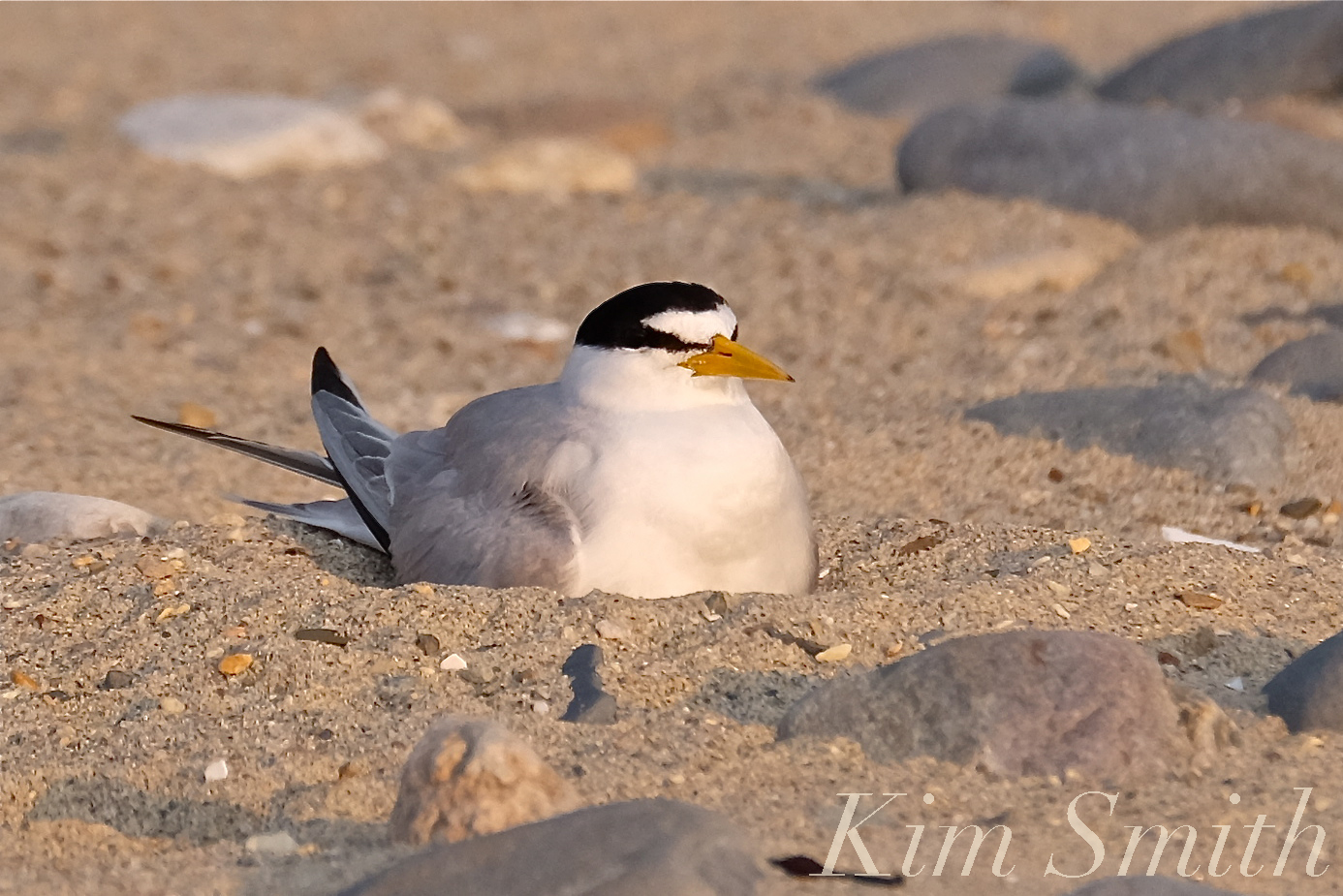
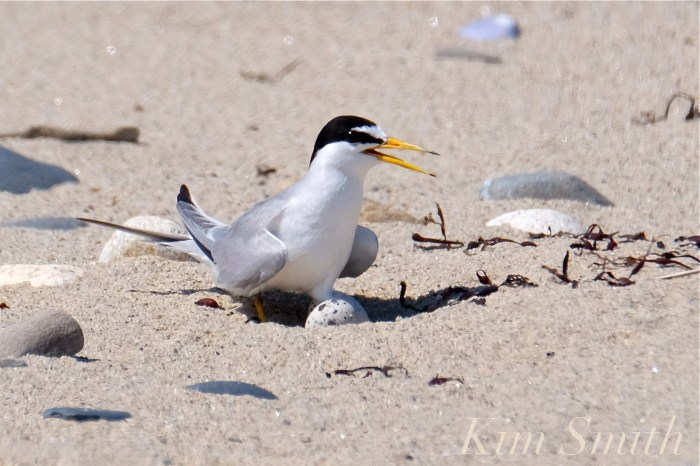
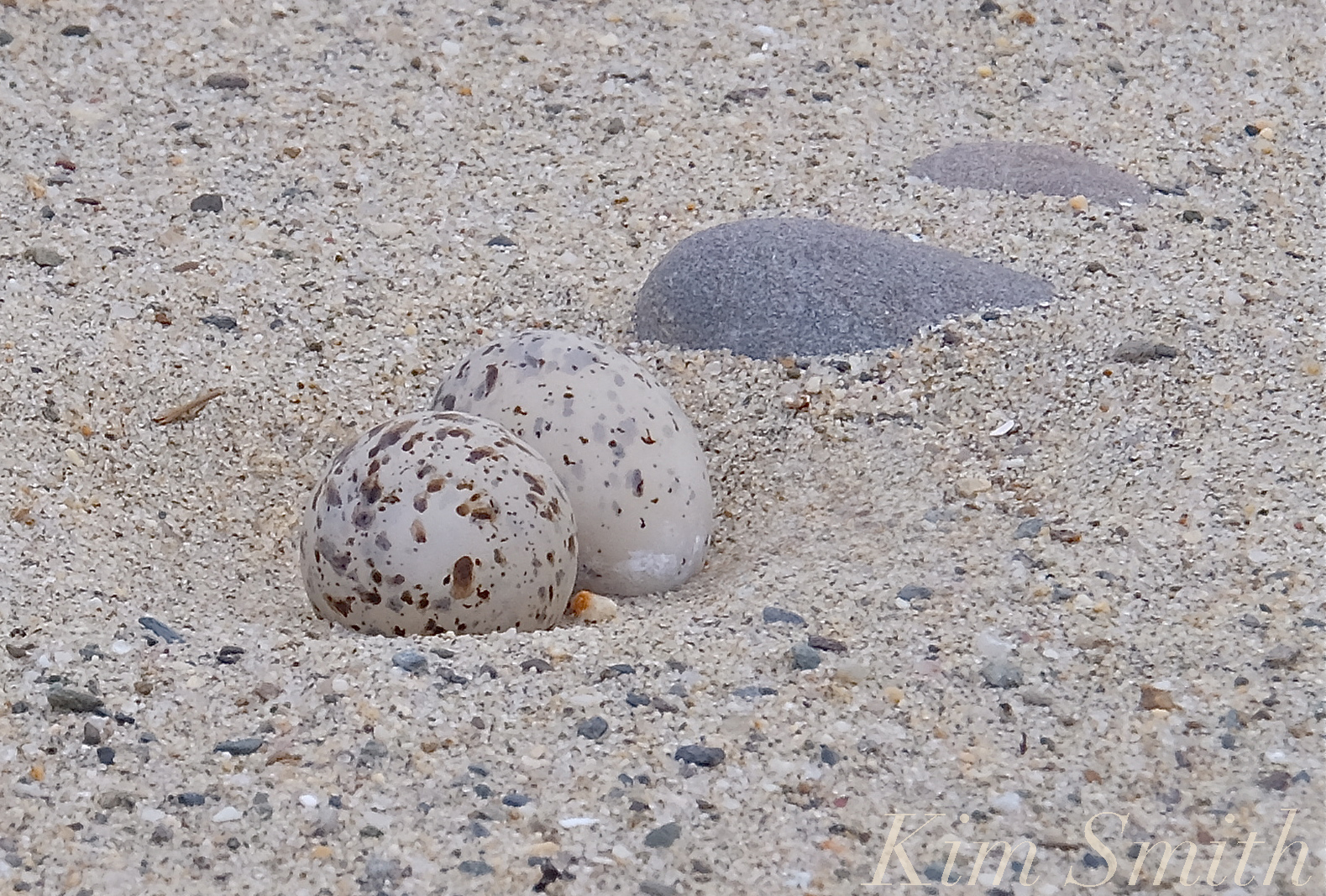
Least Tern eggs are astonishingly well camouflaged on a pebbly beach, making them nearly impossible to see. It’s easy to understand why the species is threatened, and in some regions, endangered. Least Terns nest on sandy beaches with little vegetation, the same type of beach habitat that people love. Piping Plovers and Least Terns often nest in association with each other. In Massachusetts, the Least Tern is considered a Species of Special Concern.

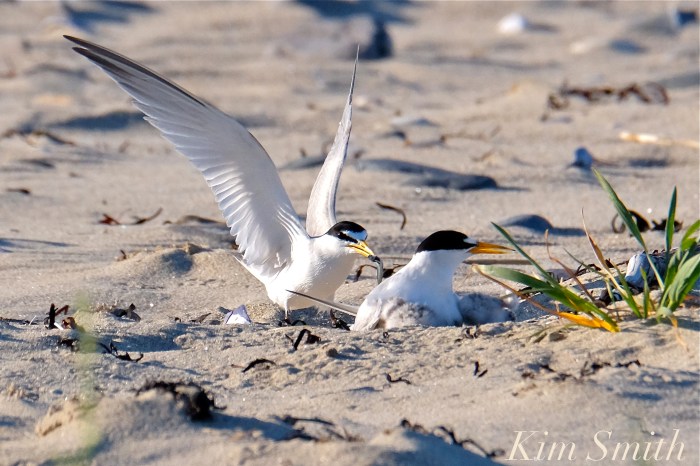
Mom and Dad Least Terns take turns brooding the eggs. Here they are changing places. Least Terns are monogamous and the Rosetti’s Least Terns are especially good parents.

Least Terns are semi-precocial. Like Piping Plovers, which are fully precocial, Least Terns are mobile after one or two days and can leave the nest.

Unlike Piping Plovers, they cannot feed themselves and will be fed for the next eight weeks by Mom and Dad, a diet consisting mostly of tiny fish.

Tiny minnows, for tiny chicks. Dad does most of the feeding while Mom mostly broods the babies during the first few days. As the nestlings grow, the parents feed the chicks increasingly larger fish.

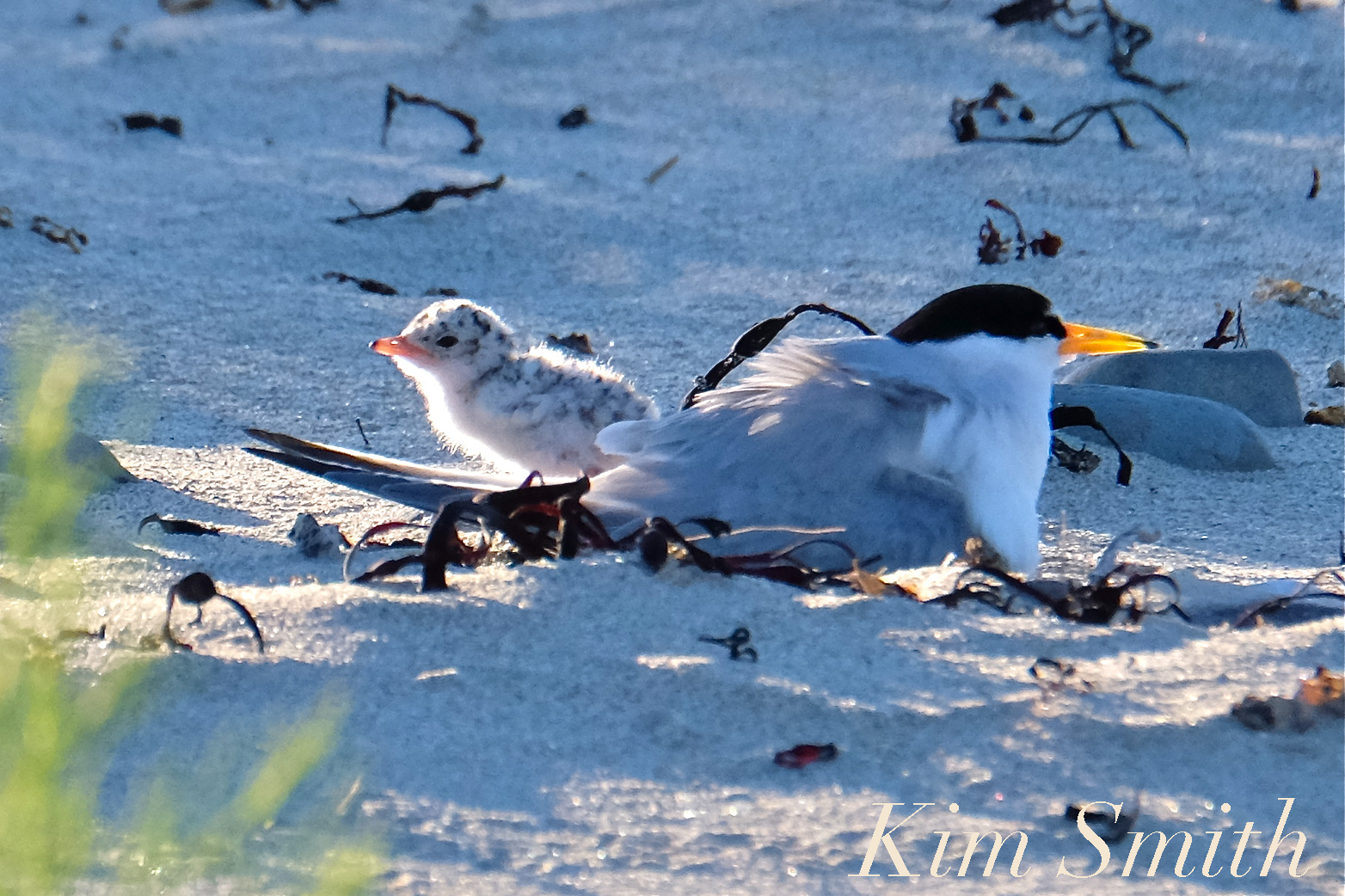
First day venturing away from the nest, and then returning to Mom for warmth and protection.

Just as the eggs are perfectly camouflaged, so too are the tiny chicks.

Almost as adorable as are Piping Plover chicks are Least Tern chicks. However, they are much, much harder to film and to photograph. Least Terns are shyer of humankind than are Piping Plovers. Anyone who has seen PiPl in action know that they have a high tolerance for people and may come right up to you especially if you are standing perfectly still and are perfectly quiet. Least Terns on the other hand are elusive and skittish. The nestlings quickly take cover behind a rock or clump of beach vegetation when disturbed. The Mom and Dad when both courting and nesting will let you know if you are too close by dive bombing and if you still can’t take a hint, will poop on your head. If either happens, then you know for sure you are way too close and are interfering with the chicks feeding. Back away and observe from a more considerate (considerate-to-the-Terns distance that is). Unfortunately, I recently observed a fellow photographer repeatedly being dive-bombed by a nesting pair of Terns, and that person has a humongously long telephoto lens. She would have gotten perfectly lovely photos from a distance more respectful of the Terns.


RAREST OF RARE BIRD SIGHTINGS AT GOOD HARBOR BEACH!!

Last May you may recall that we posted photos of a tiny flock of three Wilson’s Plovers (Charadrius wilsonia) that were spotted at Good Harbor Beach. The fog was dense and I was on my way to work, so I only captured a few fleeting moments of footage and several photographs.

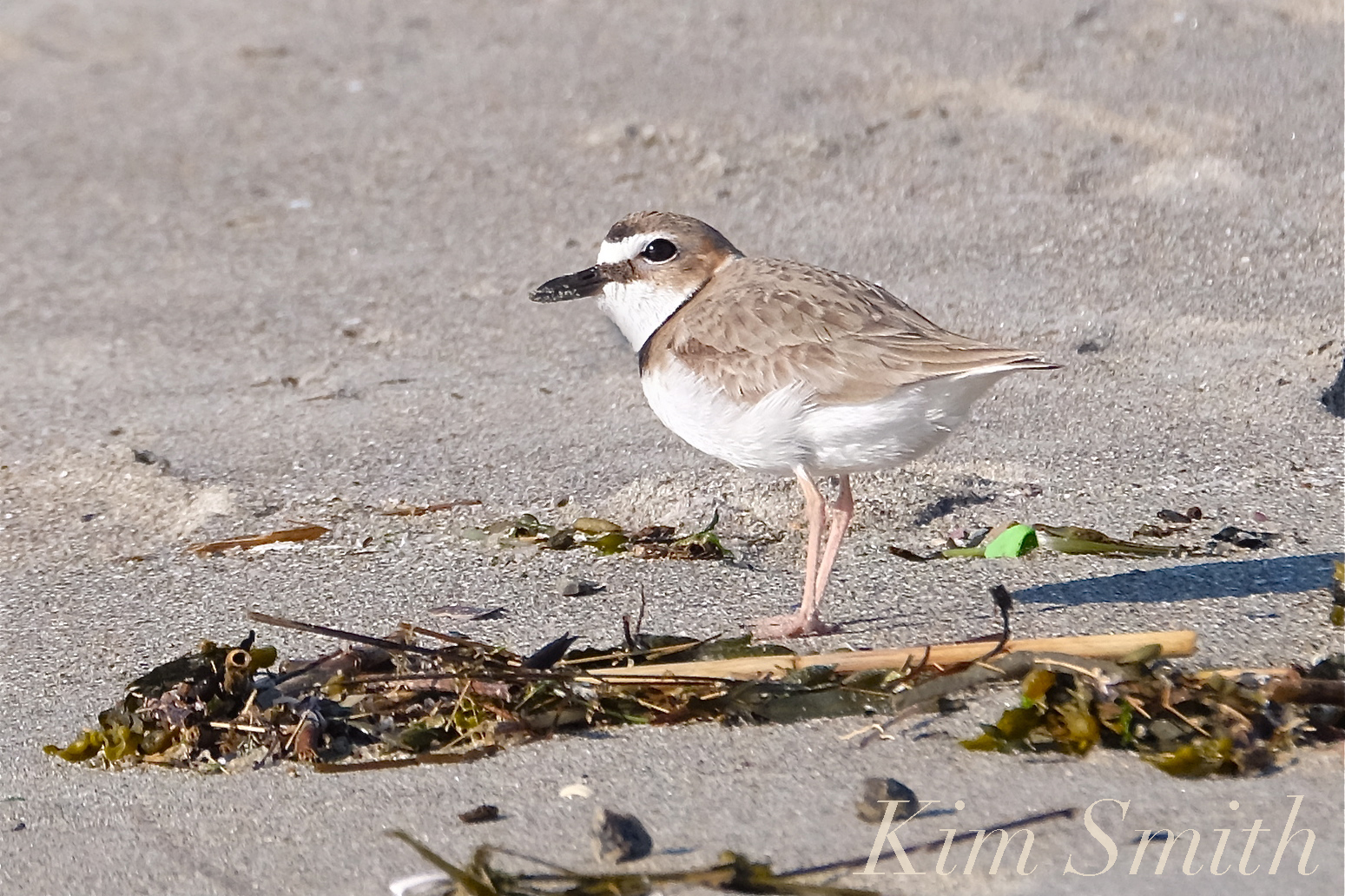
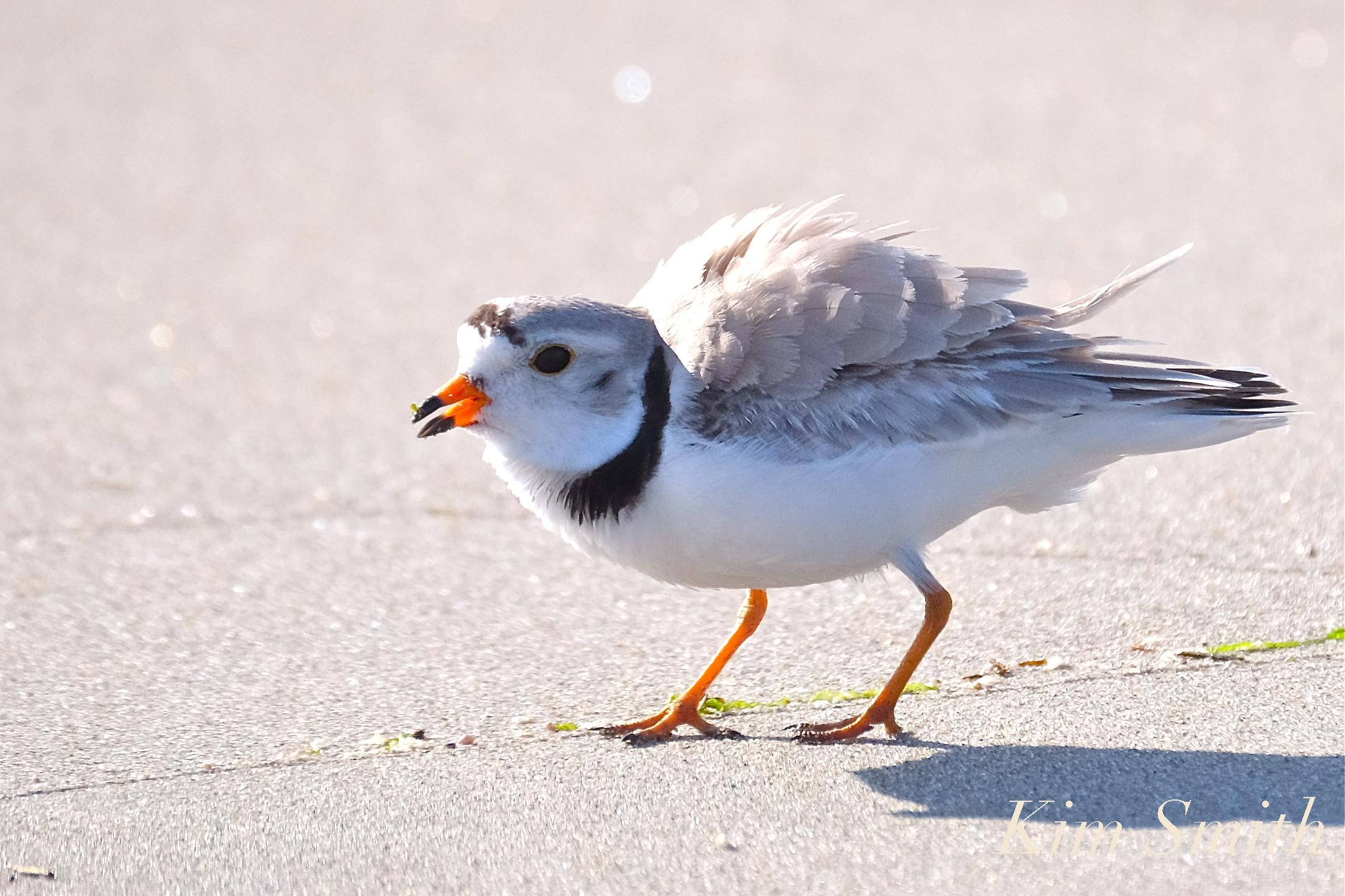
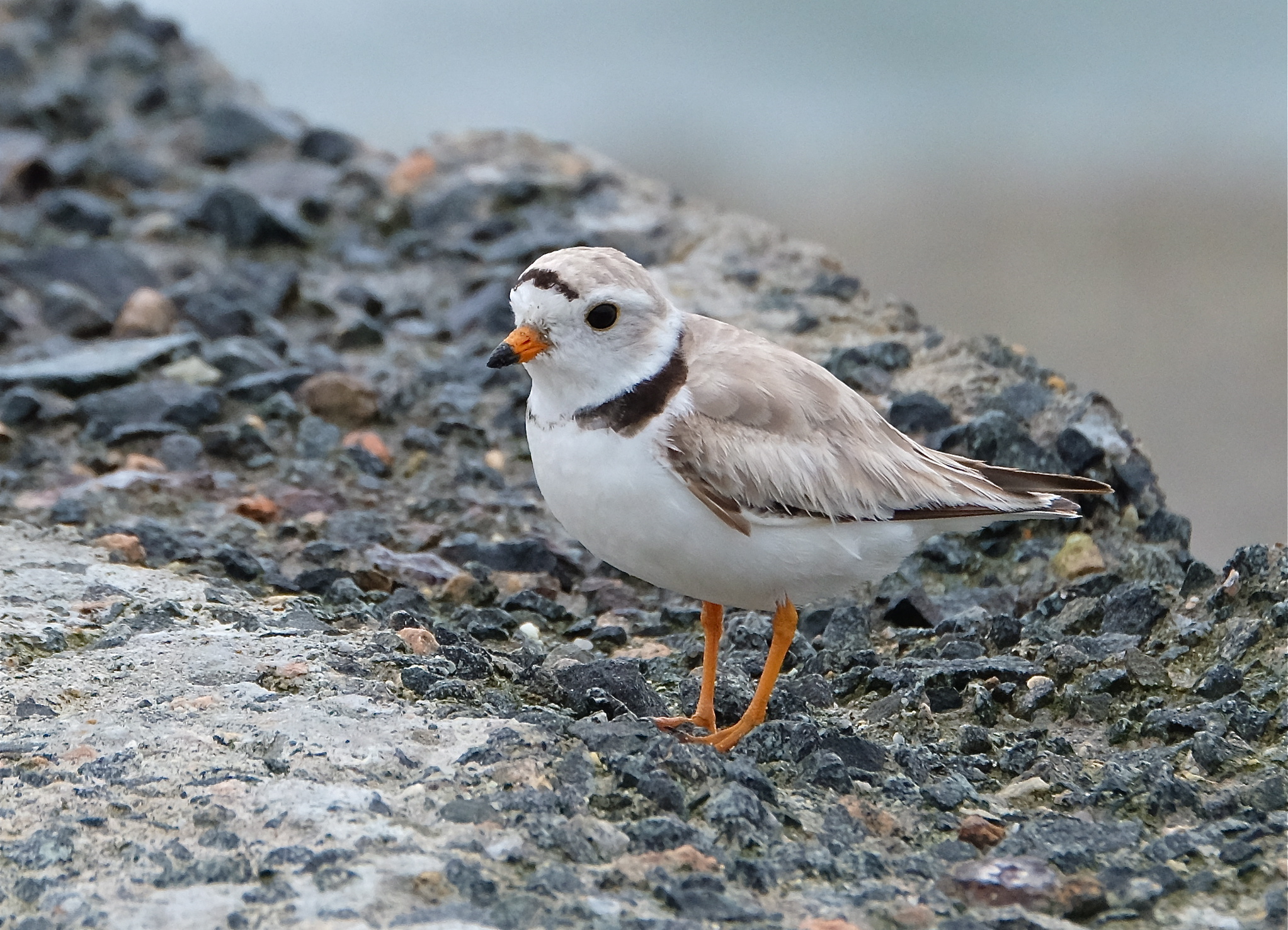
Compare Wilson’s Plover (top of page) to Piping Plover (above).

I was contacted by Sean Williams, secretary of the Massachusetts Avian Records Committee with a request to use my photos. Wilson’s Plovers are a southern species; it is quite rare to see them as far north as the New Jersey shore, let alone in Massachusetts. There is no previously known sighting ever of two or more Wilson’s Plovers ever seen before in Massachusetts history.

And to think this rare bird sighting happened on our Good Harbor Beach!

The Wilson’s Plovers were foraging by Boardwalk #3 in our Mama and Papa Piping Plover territory. There were a few minor skirmishes between Wilson’s and Piping but they all continued to go about their respective ways. The Wilson’s foraged at the wrack line, preened on the beach, and one took a bath in the shallow water of the incoming time.

You can see in the clip, Papa Plover giving brief chase to one of the Wilson’s Plovers.

Here is a copy of the report that MARC requested be filled out in the case of rare bird sightings.

Massachusetts Avian Records Committee (MARC)

Review List Species Report Form

Please answer each question with as much thought and detail possible. These details will help the MARC determine whether your review list species is sufficiently supported for acceptance. It is fine if you do not have all the details to complete the form; complete as much as possible.

Once completed, email this form to Sean Williams: seanbirder@gmail.com
  1. Species or subspecies: Wilson’s Plovers (3)
  1. Date, time, and location (please be specific, i.e. 17:40 on 30 Oct 2015, GPS coordinates or street address):

Approximately 8-9:00am on May 9th at Good Harbor Beach, 99 Thacher Road, Gloucester, MA

Number of individuals: 3 birds, two persons, myself and Essex County Greenbelt’s Dave Rimmer
  1. Situational details of the sighting—e.g., “I was walking down Race Point Beach when suddenly…”, or “I got a call from Ludlow Griscom and went to investigate a…”

I was walking on Good Harbor Beach checking on our Piping Plover pair and saw the three birds in the fog, plus one sandpiper. The birds were foraging in the wrack line. One went higher up on the beach to preen, another took a bath in the shallow water. The WP were in the PiPl’s nesting territory and there were several skirmishes between the PiPl, and one Wilson’s chased another Wilson’s. After a bit, all three flew further down the beach and out of sight. I stopped by later in the day, after the fog had burned off, to see if they were still there and they were not.

  1. Physical description. This is perhaps the most important part of the form. Include all observed physical details of the bird, including plumage, bill, feet, eyes, bare skin, shape, and size relative to nearby birds:
Pale pink legs, thick bill and overall black, plumage similar to PiPl, but a little darker, but not as dark as Semi-palmated Plover, tiny bit larger than Piping Plover.

  1. Vocal description. If the bird vocalized, describe the sound to the best of your ability, e.g. trill, buzz, high-pitched, “kser”, quavering, length of call, etc.

The waves were drowning out their vocalizing.

  1. Behavioral description. What behaviors did you observe?

Foraging, preening, bathing, territorial dispute with PiPl, and flying.

  1. Habitat:

Good Harbor Beach is a sandy beach, with the beach greatly narrowed this year because the beach dropped about six feet and the tide now comes right up to the dune during periods of high tides. The beach abuts a dune, large parking lot, and marsh.

  1. Total length of time and number of times bird was seen and/or heard:

Half an hour to an hour.

  1. How did you rule out other similar species?

 Behavior and photos.

  1. Distance from the bird:

Twenty to thirty feet or so.

  1. Optics used to view the bird:
  2. Eyes and cameras. I may have film footage. Will check on that.
  3. 13. Lighting—e.g. sunny or cloudy, was the bird sunlit or backlit:
  4. Sunny at first, then dense fog came rolling in.
  5. Your contact information: kimsmithdesigns@hotmail.com

FISHING FOR SEX

FISHING FOR SEX

Or is it Sex for Fish? –The Quid Pro Quo Courtship of the Least Tern

While learning more about Piping Plovers on North Shore beaches I happened to be on Winthrop Shore Beach on an afternoon in May when dozens and dozens of Least Terns were pairing up in an elaborate dance of courtship and mating. It was fascinating to observe their courtship feeding and I was so curious to learn more.

That very same afternoon, the “Rosetti’s” Piping Plovers were mating, too. Well known to the area is a pair of Plovers that nest every year directly in front of Café Rosetti’s, a fabulous Italian restaurant located on the main boulevard that runs along the beach. The Rosetti’s Plovers are very successful and each year they fledge a clutch of chicks. This year was no exception!

For the past several months I have been documenting through film and photographs the Rosetti’s Plovers and the Rosetti’s Terns, along with a family of PiPl at Revere Beach (more about the Winthrop and Revere Beach’s PiPl in future posts). Both species of birds are on the state and federal threatened species list. Piping Plovers and Least Terns began nesting on the area’s urban beaches as a direct result of the Boston Harbor cleanup, a wonderful, and very surprising to all involved, turn of events. In some regions, both species share the same habitat, as is the case with Winthrop Shore Reservation.

The more we learn about how and why Plovers (and other species of threatened shorebirds) successfully nest on other north of Boston much loved and much utilized beaches, the more we can help our Good Harbor Beach Piping Plovers successfully nest in years to come.

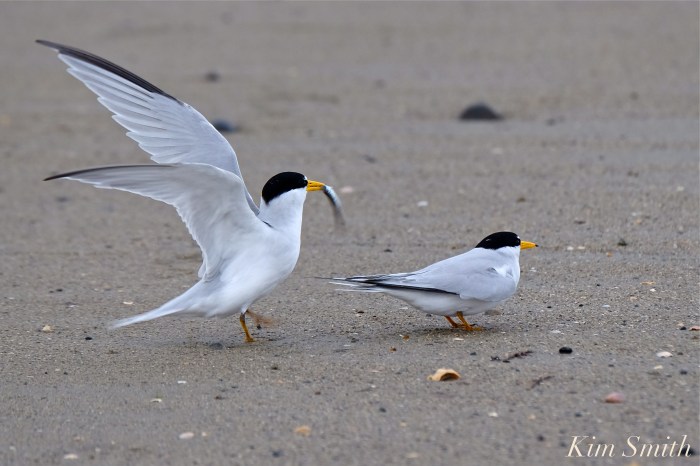
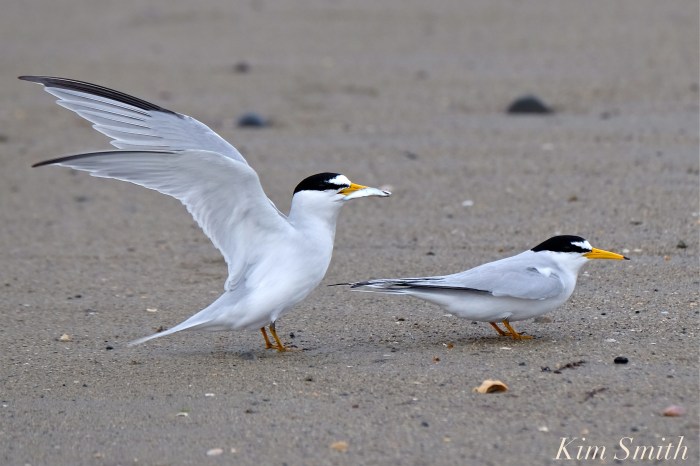
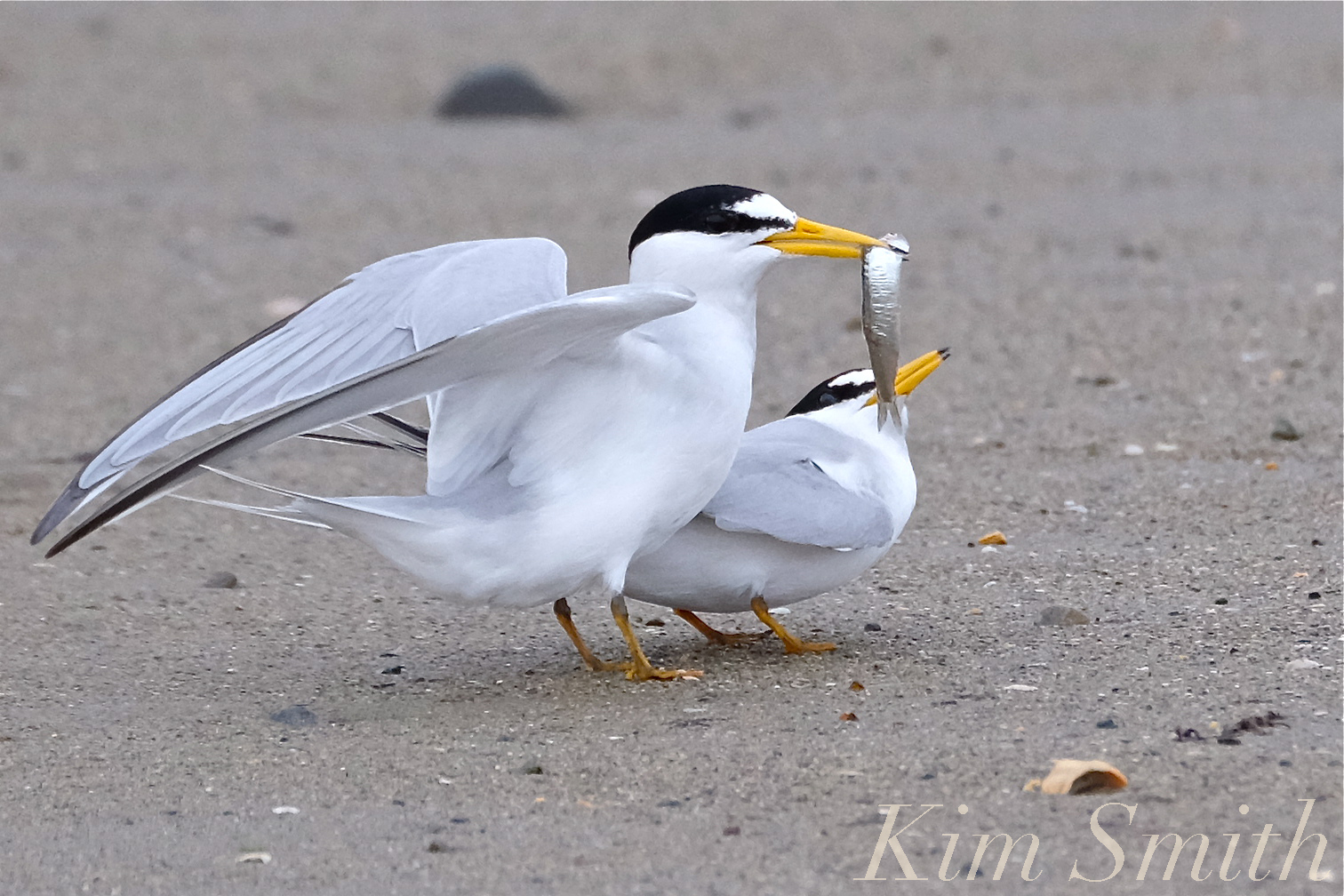
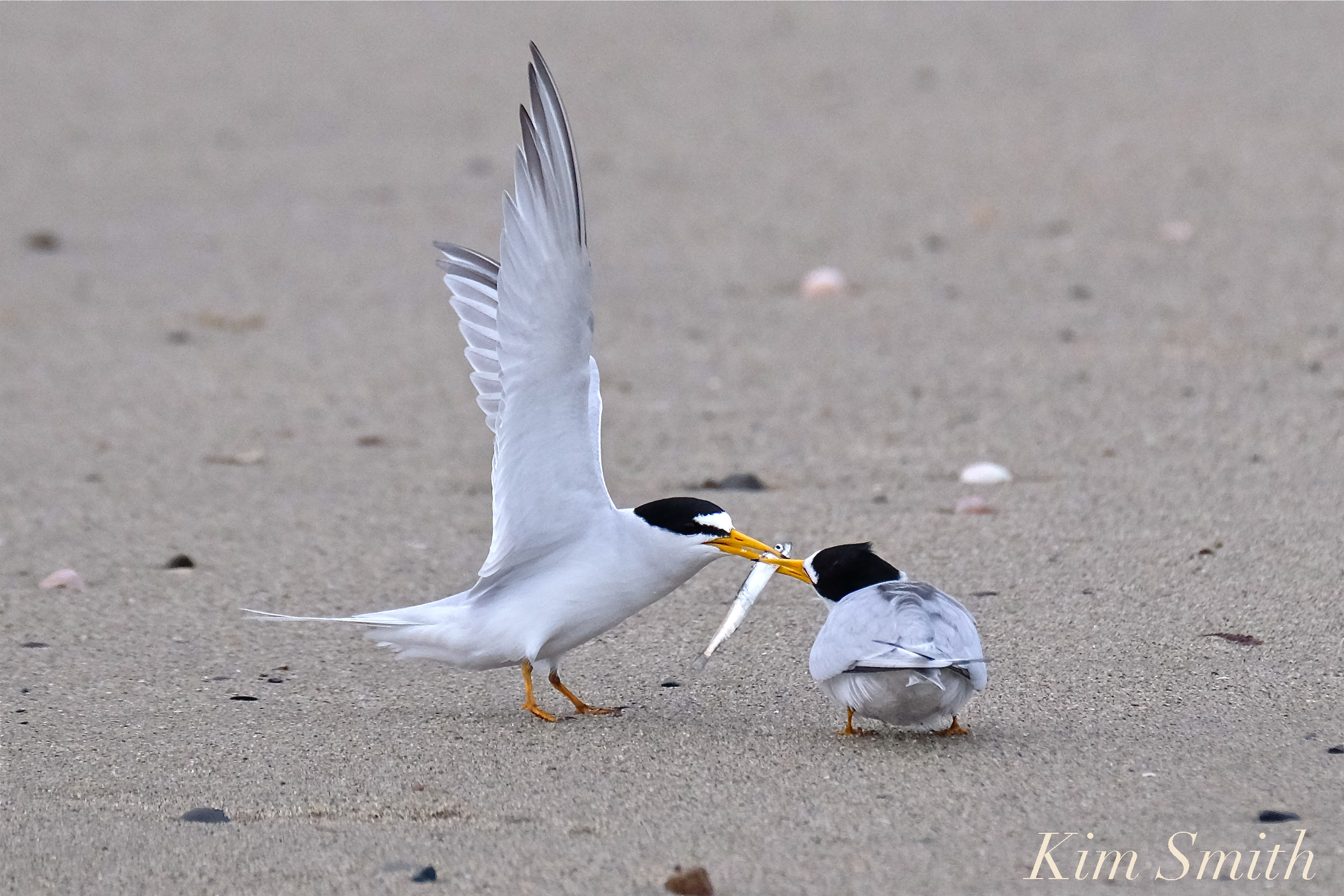
During the breeding season Least Terns perform courtship displays in the air and on the ground. In dramatic aerial display, a fish-carrying male is chased by the female, sometimes up to four females.

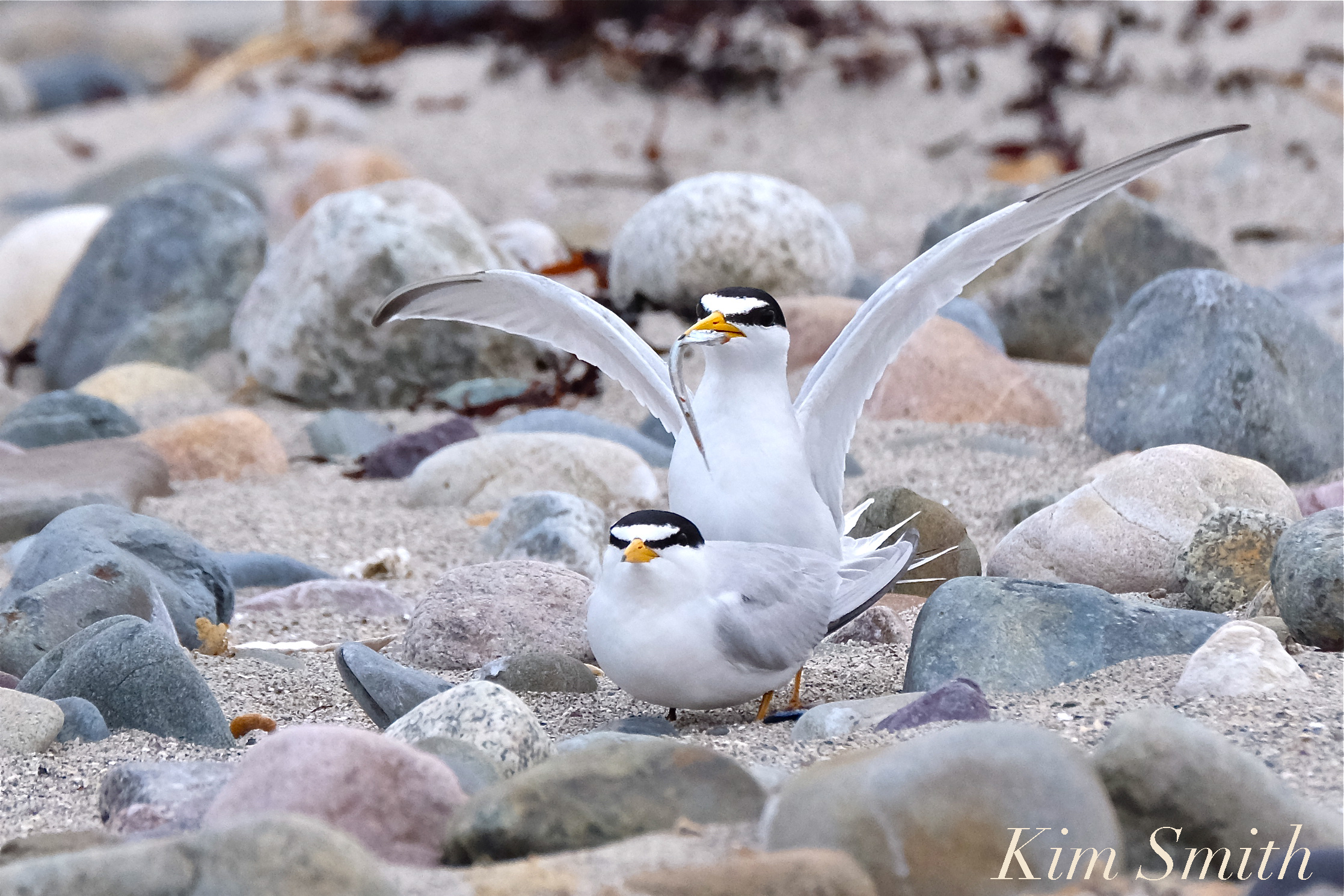
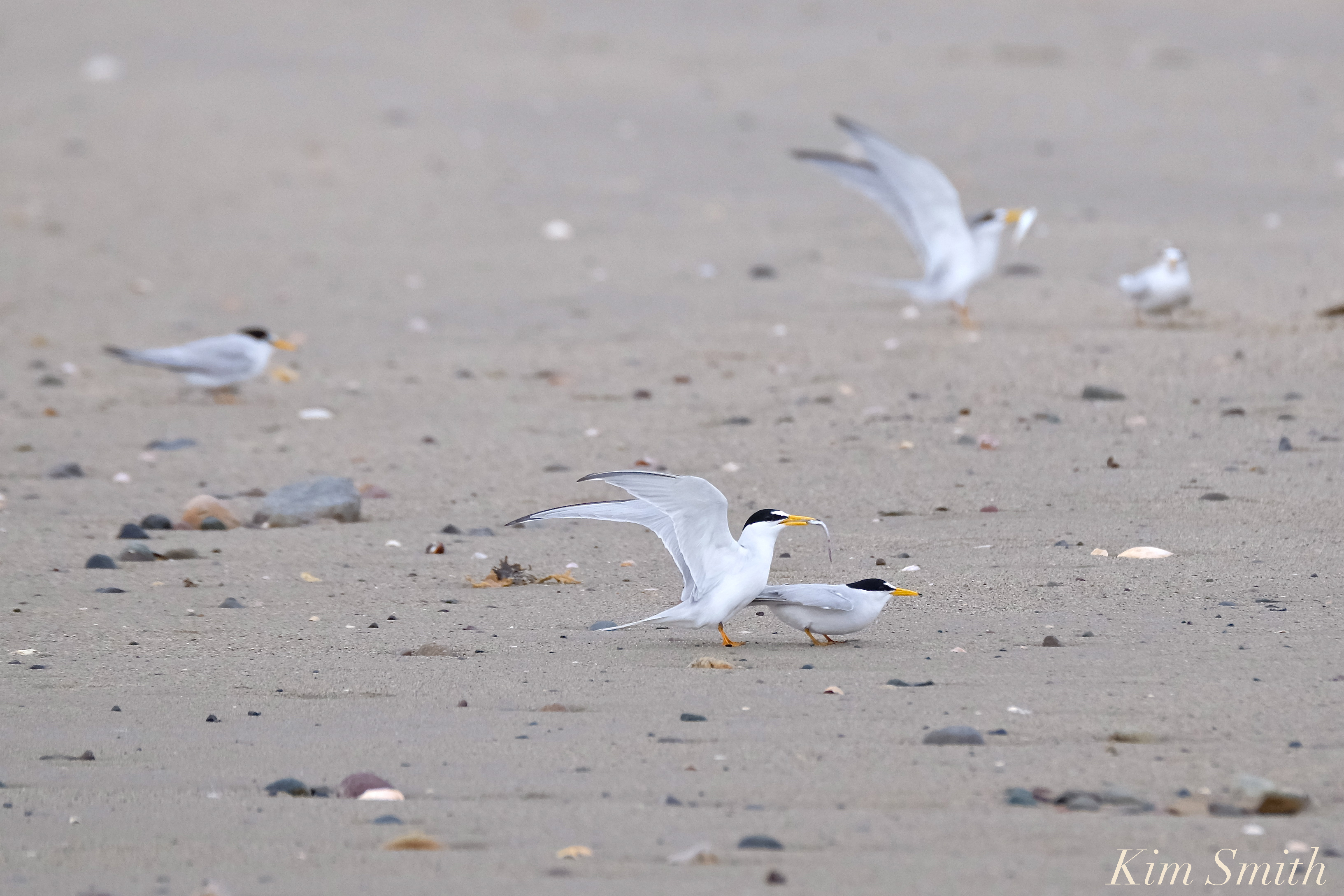
On the ground, the male parades his fish to a prospective mate. With fish dangling from his bill, he bobs his head from side-to side, then opens and closes his wings over the female.

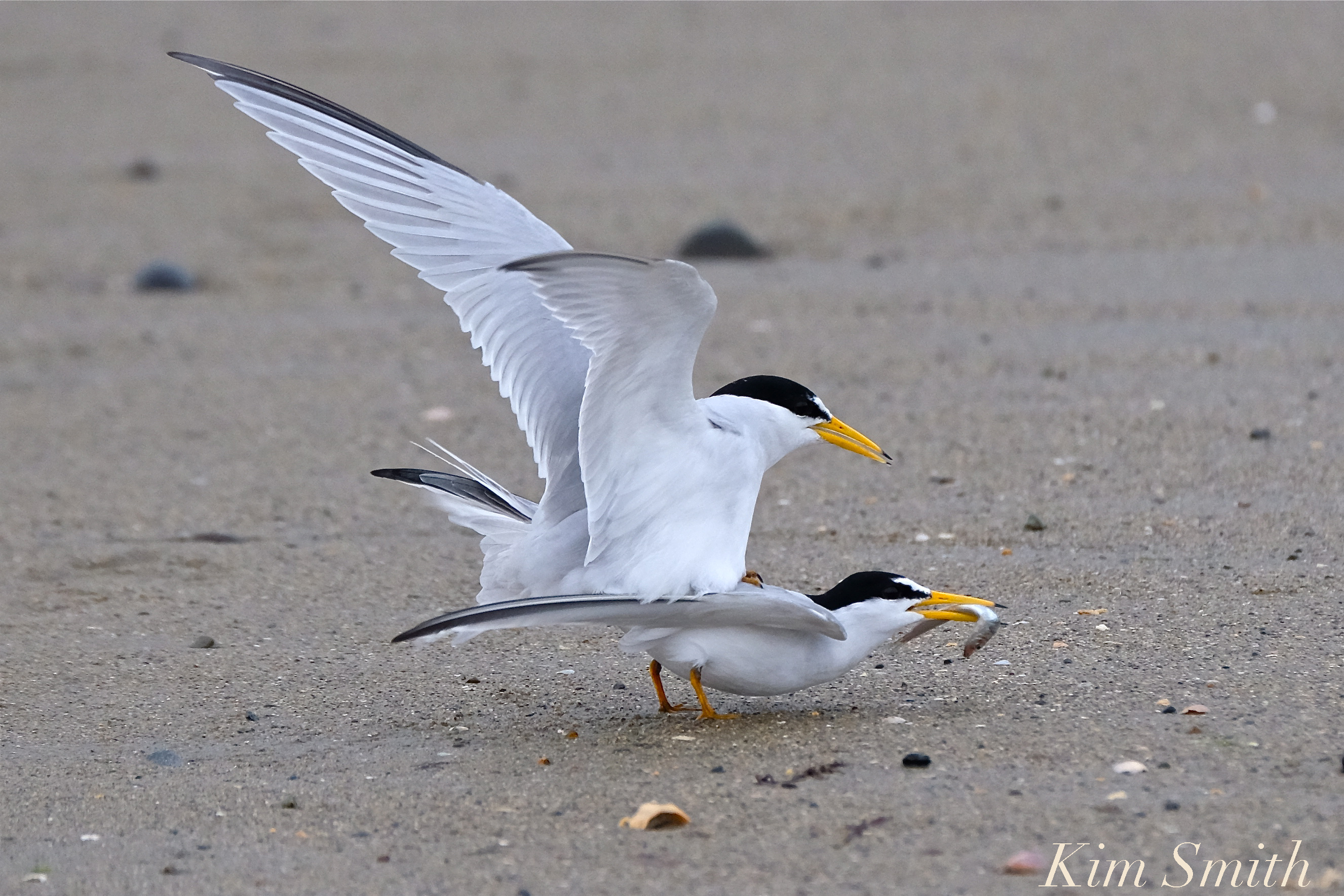
The male mounts the female, still with fish dangling. During copulation he passes the fish to the female.

The funniest thing is, when the female allows the male to mount, she sometimes snatches the fish and flies away before mating has occurred.

No privacy, and lots of piracy!

The male continues to feed the female throughout the incubation period. Both parents incubate the eggs however, the female does about eighty percent of the brooding, while the male provides most of the fish for she and the chicks.

When one adult Least Tern feeds another, whether during courtship when the pair are first becoming established, or during the incubation period, this behavior is called “courtship feeding.”

The courtship feeding display perhaps provide the female tern the assurance that her male mate will be a good provider of fish for both she and the young. Both male and female Least Terns feed the chicks for the first several months after hatching; the better the fisherman, the stronger the chicks. Studies have shown too that courtship feeding provides the female with considerable nutritional benefit. The number of eggs, and weight of the eggs, are determined by the female’s nutritional status and how much food is fed her by her mate.

In Massachusetts, Least Terns primarily eats fish, including Sand Lance, Herring, and Hake. They also eat insects and crustaceans.

And we have a nest, with two eggs!

Read more about Winthrop Shore Reservation here.Winthrop Shore Reservation Nesting Bird Observers

42 PAIRS OF PIPING PLOVERS NESTING AT CRANES BEACH!

July 9th 2018 – From the Trustees “The Piping Plovers at Crane Beach are doing great this year! 42 pairs have nested making this the third highest amount of nesting Piping Plover pairs since 1986. So far 42 chicks have spread their wings and flown. Many more chicks are still on the beach and we are waiting on more nests to hatch. Please remember to keep your distance and give these protected birds their space.”

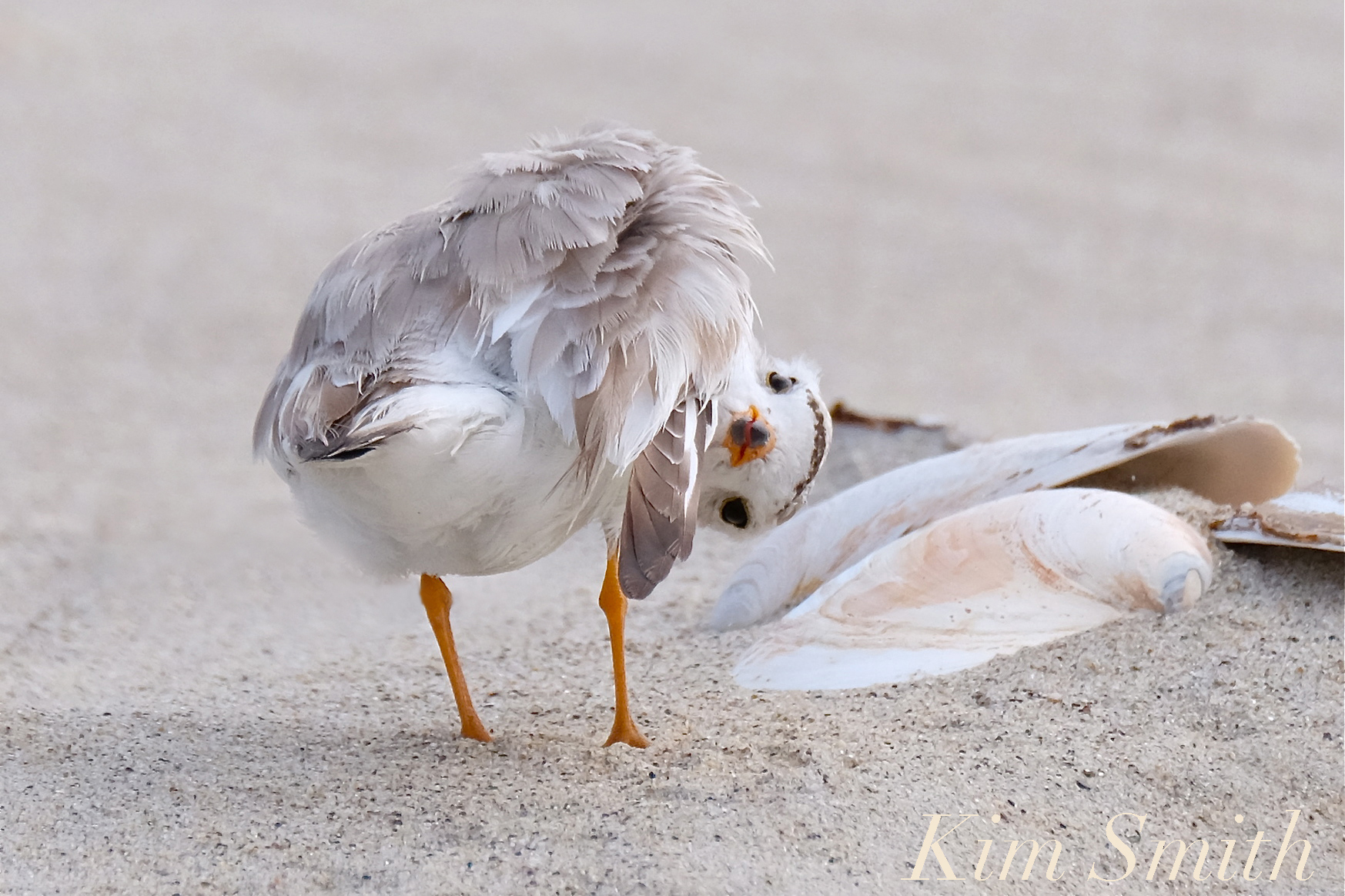
I love how the pale seashell coral pink in the clam shells mirrors the orange hues of the PiPl’s beak and legs. I don’t know why this photo strikes me as funny, but it just does. Tiny birds with huge personalities!

FOUR WAYS IN WHICH WE CAN HELP THE GOOD HARBOR BEACH PIPING PLOVERS SUCCESSFULLY FLEDGE CHICKS: OUR RECOMMENDATIONS TO THE MAYOR

Dear Readers,

Last Tuesday we sent our letter to Mayor Sefatia and the City Councilors with a short list of recommendations, based on the past three years of daily Piping Plover monitoring by myself and our core group of volunteer monitors. We purposefully kept the recommendations modest out of consideration to both the Piping Plovers and to our Good Harbor beach going community. Please find below the recommendations suggested by the Piping Plover volunteer monitors.

July 9, 2018

Dear Mayor Romeo Theken and Gloucester City Councilors,

We, the Piping Plover volunteer monitors, are submitting our short list of recommendations regarding the Piping Plovers nesting at Good Harbor Beach. Our goal is to have in place by next April 1, 2019, measures and ordinances that will greatly increase the likelihood that the hatchlings of this tiny threatened shorebird will have a fighting chance at surviving life on Good Harbor Beach.

Piping Plovers began nesting at Good Harbor Beach in 2016. Each year, the PiPl are coming earlier and earlier. In 2016, they arrived mid-May, in 2017 they arrived at the beginning of May, and this year, they arrived on April 3. It would appear that the same pair is returning to Good Harbor Beach, as the male marks his territory and attempts to build a nest scrape only several feet from the previous year’s nest (at Boardwalk #3 nesting area). More Plovers than ever were seen at Good Harbor Beach this spring, and if not for constant interruptions in the Boardwalk #1 nesting area, we would have had two pairs nesting on the beach.

Why are the birds arriving earlier and earlier? We can presume that the pair are more experienced travelers and that Good Harbor Beach is their “territory.” Does this mean we will eventually have dozens of pairs nesting on Good Harbor Beach? No, because the PiPl are very territorial and they will defend a fairly large area, preventing other PiPl from nesting in their site.

This year the PiPl pair hatched four chicks. All four chicks were killed by crows, gulls, and dogs. All three are human-created issues, and all three can be remedied. The following are the four recommendations and actions we wish to see take place.

Recommendations

1) Change the dog ordinance to not allow dogs on the beach after March 31.

Currently, dogs are allowed on the beach from October 1 to May 1. The Piping Plover volunteer monitor core group, Dave Rimmer from Greenbelt, Ken Whittaker, and Mass Wildlife’s John Regosin, all agree that dogs should not be allowed on Good Harbor Beach beginning April 1, but that it would be safe for Piping Plover fledglings and other migrating shorebirds for dogs to return after September 15.

This new suggested time frame will allow birds to nest on the beach (as opposed to in the parking lot), with far less interruption, shorebirds will nest earlier in the season, which will help with the chicks survival rate, and the chicks will be stronger by the time Good Harbor fills with summer crowds.

This is a very logical and simple solution. Disallowing dogs on Massachusetts coastal beaches where shorebirds are nesting, beginning April 1, is the norm. Allowing them to return after September 15, and in many cases after September 30, is also very common. For Piping Plovers and other nesting shorebirds, protecting their habitat and sharing the shore is a matter of life and death.

2) Rope off the nesting area by April 1.

Poles, with threatened species signs, and a triple row of roping of nesting sites, to be in place no later than April 1. Essex County Greenbelt’s Dave Rimmer will assist with this measure.

3) Enforce the existing ordinances regarding dogs (and littering) at all times throughout the year.

Only enforcing dog ordinances at Good Harbor Beach during nesting season is creating hostility toward the Piping Plovers.

Additionally, we do not recommend extremely high fines as we feel that may become an impediment to issuing and collecting the fines. We know of at least one example where the magistrate dismissed the tickets issued to a woman who claimed to have a service dog. This woman was running rampant on the beach and throughout dunes with her service dog off leash throughout the entire time the PiPl were nesting, from April through May. Despite the fact that former dog officer Diane Corliss caught the woman on camera with her dog off leash on the beach, and in the dunes, all her tickets that were issued by the animal control officer were dismissed. This is neither fair to the officers who are working hard to keep the dogs off the beach or to the plover volunteers who are spending inordinate amounts of time trying to keep the PiPl safe.

4). Increase trash collection.

When no barrels are placed at the entrances to the beach, people dump bags of trash there anyway. When barrels are in place, people put trash in the barrels however, when the barrels become full, they again resort to leaving bags of trash behind, only next to the barrels. In either scenario, gulls and crows are attracted to the trash. Both gulls and crows rip open the bags and the trash is blown throughout the parking lot and marsh, soon finding its way onto the beach and into the ocean. Hungry gulls and crows waiting for people to leave their trash behind eat tiny shorebirds.

A friend who lives on a North Carolina beach shares how her community keeps their public beaches looking pristine. Not only do they have barrels, but every few weeks, police patrol the beach and hand out fines for littering. This is taken as a wake up call, everyone is good for a bit of time, but then become slack about littering again. Out come the officers for another round of ticketing.

Thank you for taking the time to consider our recommendations.

Sincerely yours,

Kim Smith

cc Paul Lundberg, Steven LeBlanc, Val Gilmam, Ken Hecht, Melissa Cox, Jen Holmgren, Scott Memhard, Sean Nolan, Jamie O’Hara, Dave Rimmer, Ken Whitakker

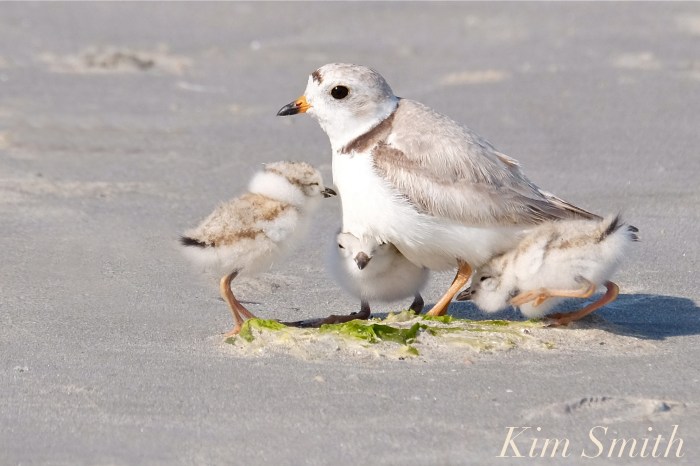
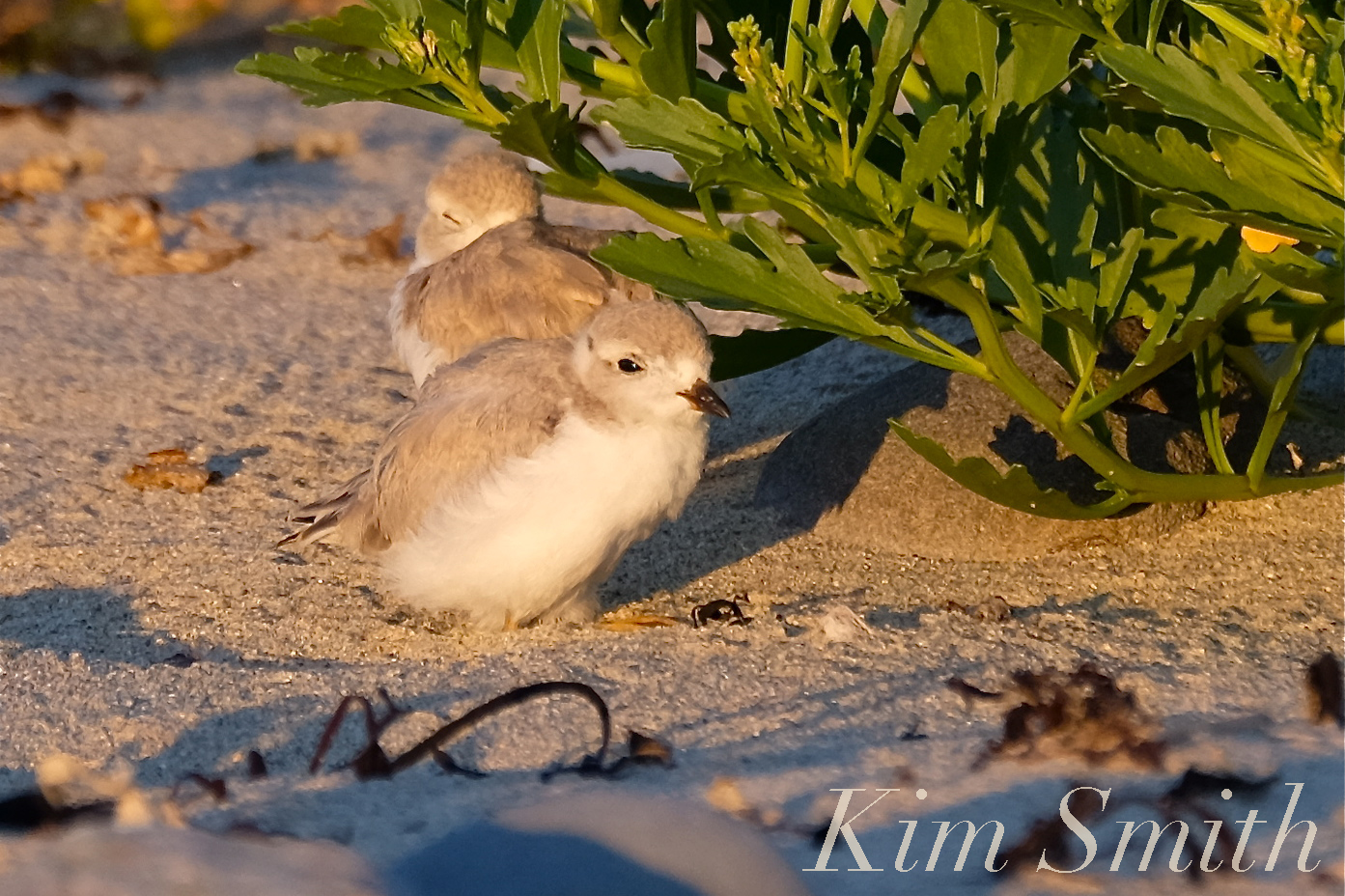
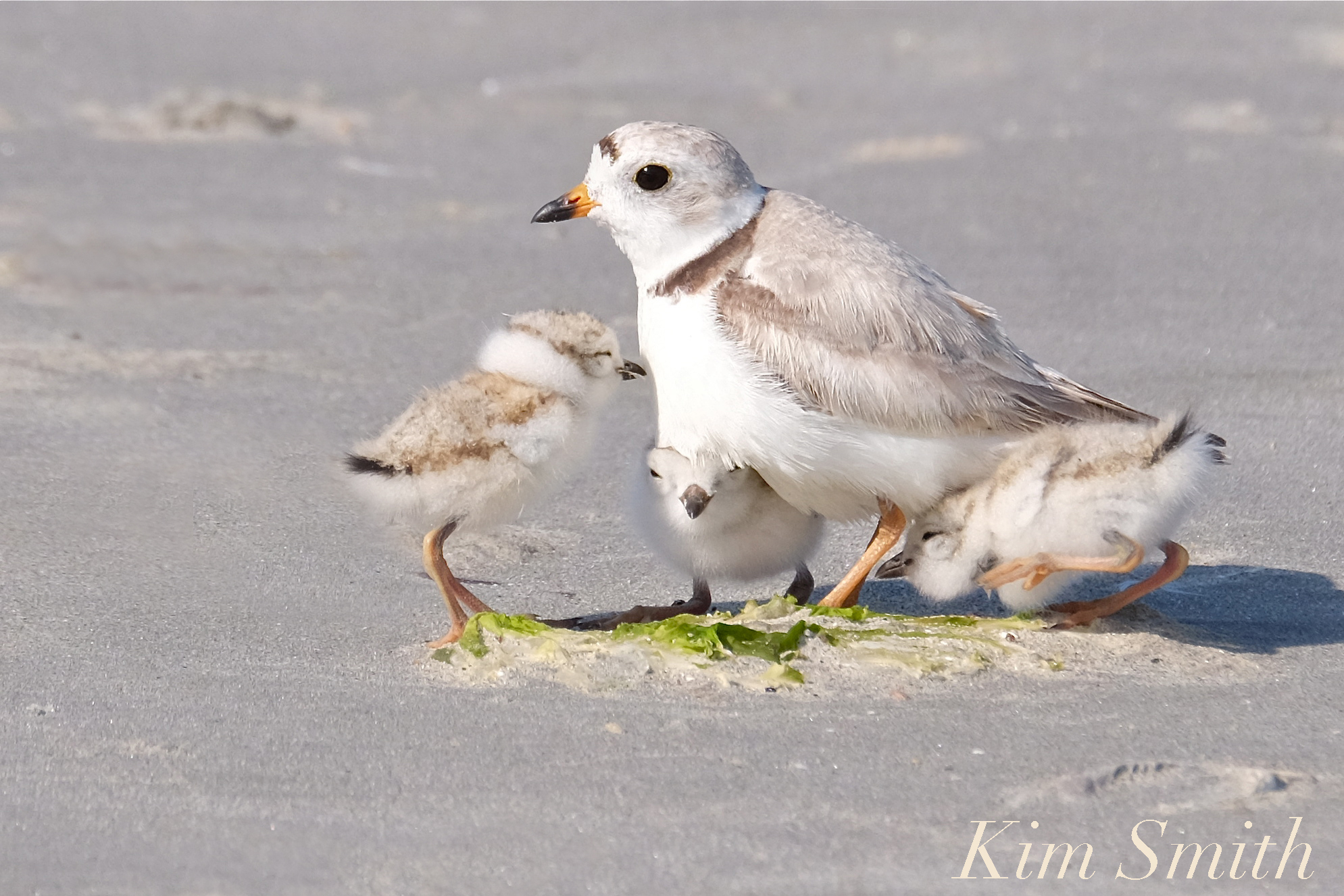
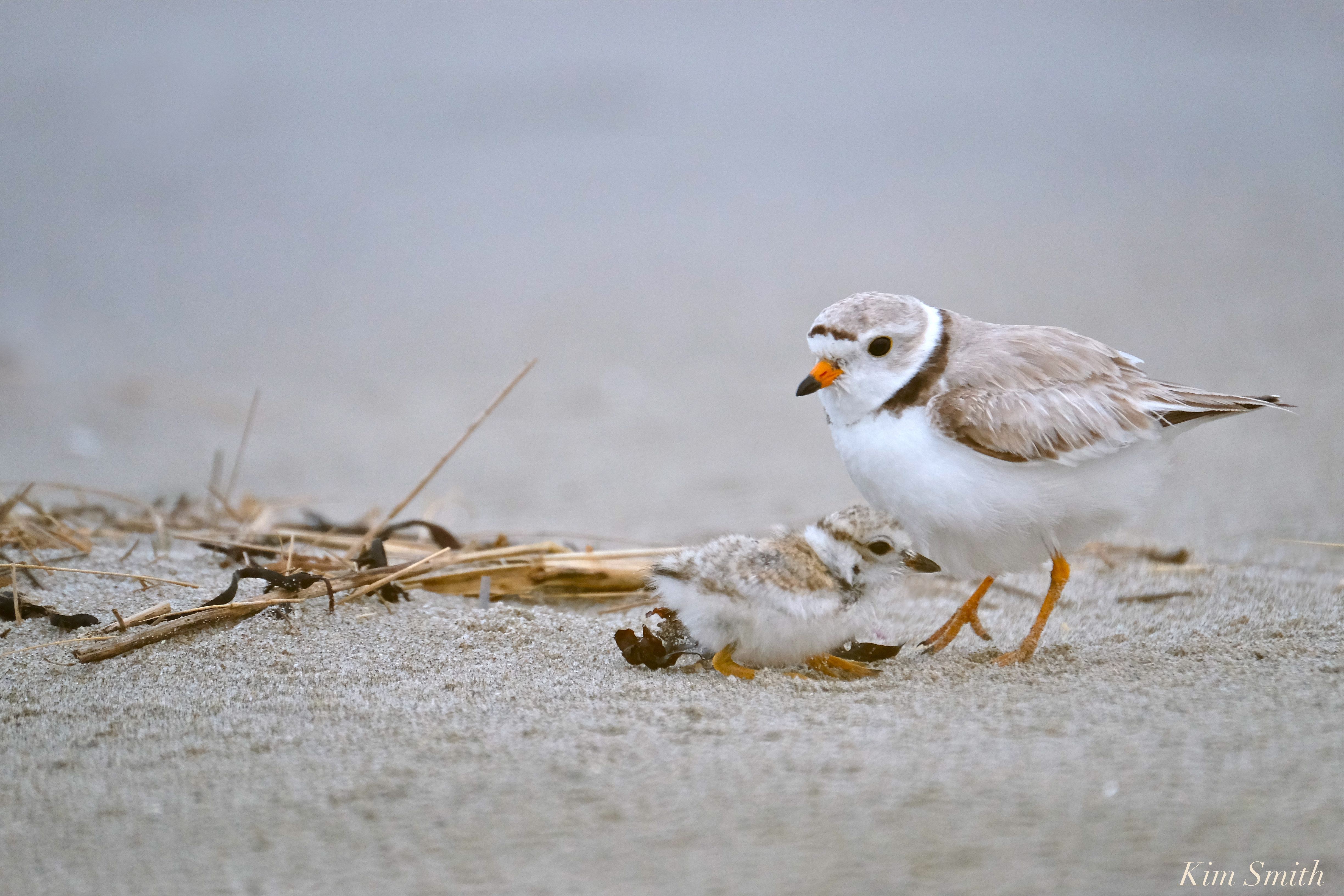
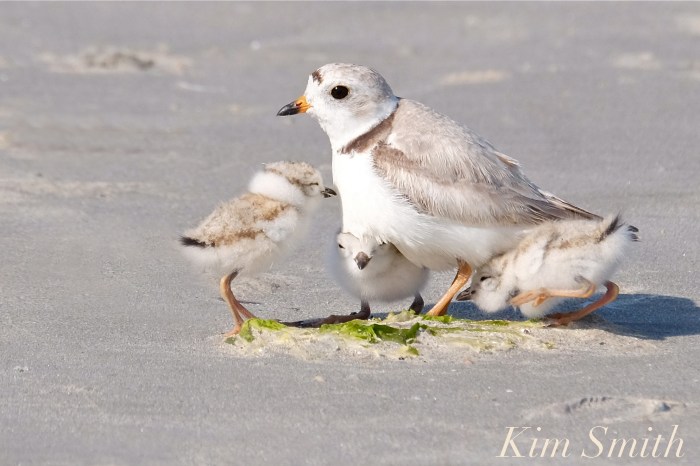
Piping Plover chicks coming in for some snuggles.

REMINDER: ANIMAL ADVISORY COMMITTEE MEETING TONIGHT AT 6:30

PIPING PLOVERS ARE ON THE AGENDA

ANIMAL ADVISORY COMMITTEE MEETING

THURSDAY, JULY 12TH AT 6:30 PM

3RD FLOOR CITY HALL

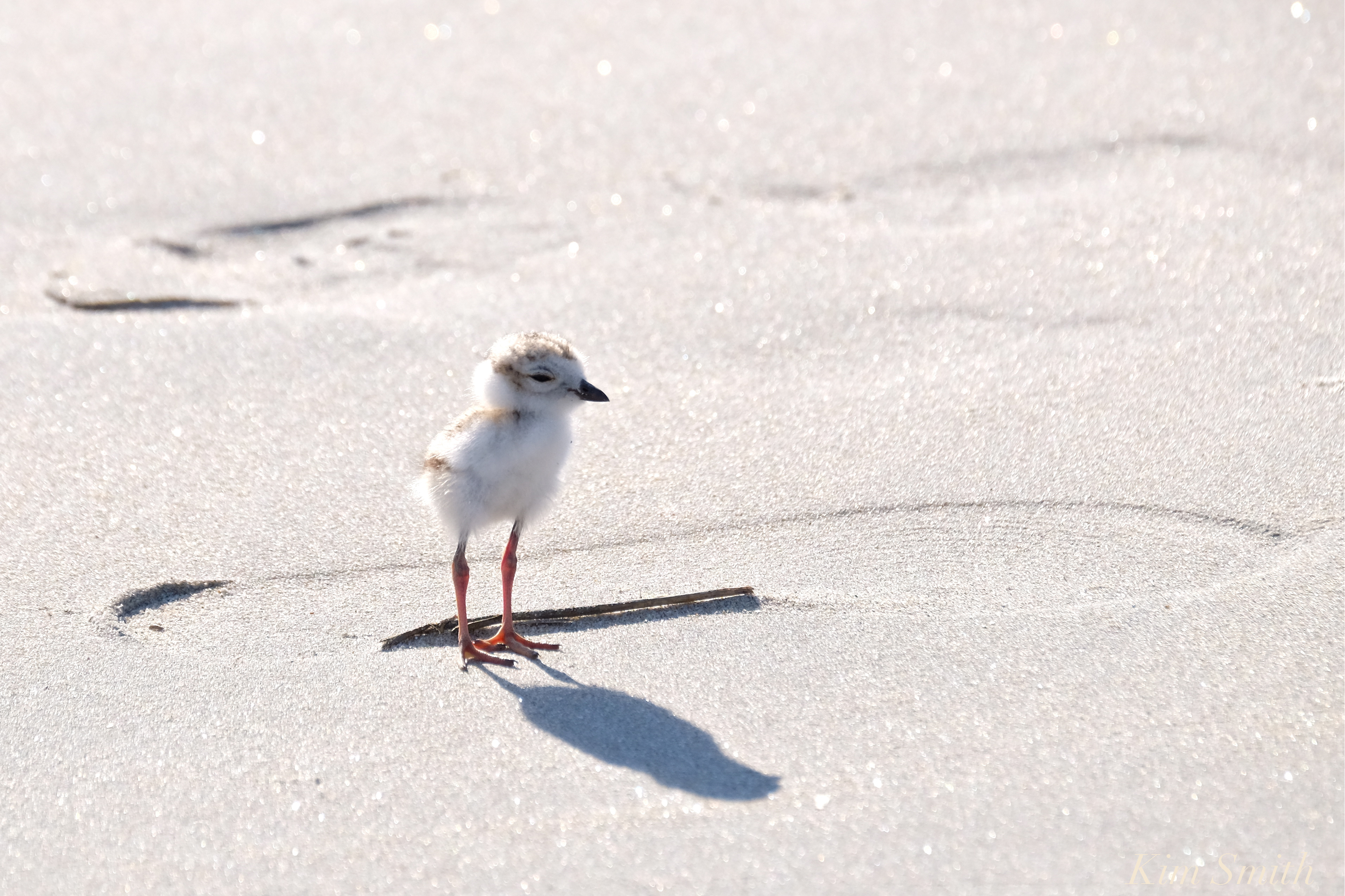
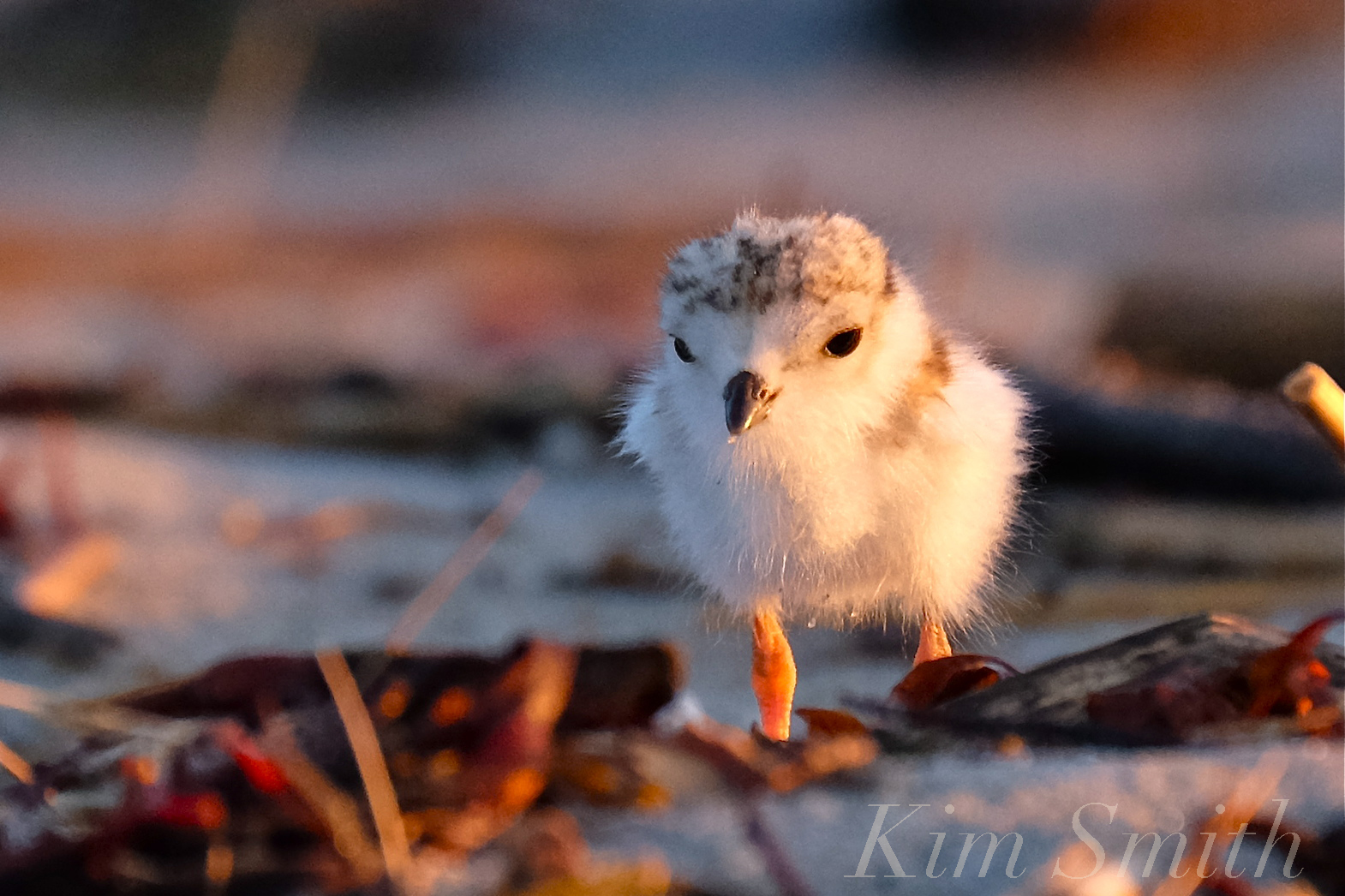
Good Harbor Beach Piping Plover Chick Three Days Old 

PIPING PLOVERS ON THE ANIMAL ADVISORY COMMITTEE MEETING AGENDA THURSDAY NIGHT

ANIMAL ADVISORY COMMITTEE MEETING

THURSDAY, JULY 12TH AT 6:30 PM

3RD FLOOR CITY HALL

PIPING PLOVERS ARE ON THE AGENDA

PIPING PLOVER UPDATE – WHERE ARE THEY NOW?

 Pip, the day before he was killed.

You may be asking, “where are the Good Harbor Beach Piping Plovers now?” Surprisingly, they are still around! After the night the last chick was killed (tracks point to a skirmish with a dog and several people in the nesting area), two Piping Plovers were reported at Cape Hedge Beach the following evening. Rockport resident Gail, who first reported the sighting, and PiPl volunteer monitor Laurie Sawin and I, found one at Cape Hedge the next morning, and by the next day, two had returned to the roped off area at #3 boardwalk!

Everyday since, either Greenbelt’s Dave McKinnon, my husband Tom, Deborah Cramer, or myself have spotted at least one in the cordoned off #3.

Recent PiPl sightings at the Good Harbor Beach nesting area.

Our thoughts are to leave some part of the roping up as long as the Piping Plovers are still using it as a sanctuary during high tide when the beach is crowded. For a second and even more important reason, many of us would like to see part of the cordoned off area stay in place for the simple reason it is helping with dune recovery.

You may recall that during late winter we had back to back nor’easters, which had a devastating effect on Good Harbor Beach in that much of the beach’s sand was washed away. The beach dropped about ten feet, which now causes the tide to come up high to the edge of the bluff. Beach grass and beach vegetation will help prevent future washouts. Because the area around #3 has been roped of since mid-April, a fantastic patch of beach grass has begun to take hold!!! If we leave a narrow strip roped off from the public, about ten to fifteen feet wide, running the length of the beach and around the creek bend, this simple step alone will have a marked impact on the overall health of the dune habitat.Beach plants help prevent erosion while also providing shade and shelter for tiny shorebirds.

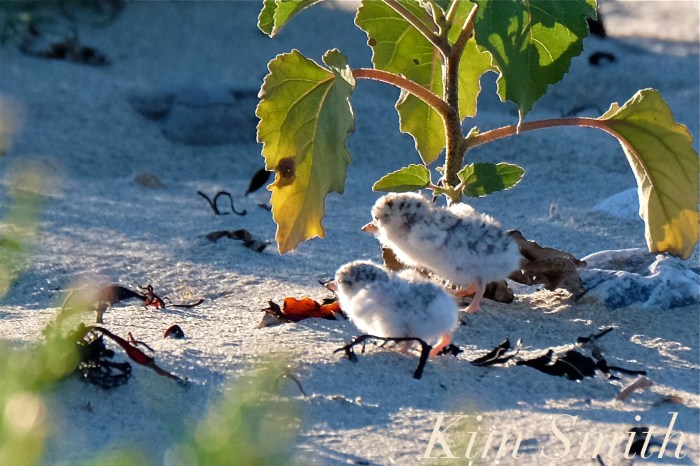
A pair of one-day-old Least Tern chicks finding shade.


PIPING PLOVER UPDATE SURPRISING TURN OF EVENTS

Dear Readers,

So sorry this PiPl update is so terribly brief but I am leaving shortly to go film Fiesta.

On the evening of the day our GHB Piping Plover Family were terrorized off Good Harbor Beach (between Tuesday 9:30 pm and Wednesday 4:40am), two were seen at Cape Hedge Beach by Rockport resident Gail Borgman.

The following morning, Thursday, I met Boston PiPl monitor Laurie Sawin at GHB. She had come all the way from Boston to check on the Cape Hedge report. We headed over to Cape Hedge to check on the sighting and met Gail and her husband there. Sure enough, a PiPl was going back and forth between the sandy beach and rocks at Cape Hedge! We didn’t stay long because of the downpour.

This morning, I met Essex Greenbelt Dave Rimmer’s assistant, Dave McKinnon. We were contemplating removing the symbolic fencing, when one, and then two PiPl entered the roped off nesting area. At first we thought it was the Mama and Papa, but it could also have been two males.

The symbolic fencing will remain at least for another few days. Although it is late in the season for nesting there is the possibility that the PiPl will re-nest. I guess we will all just stay tuned as to what our remarkable PiPls will do next!

We don’t know what terrorized the PiPl Tuesday night. There has been a great deal of dog tracks around the nesting area , as seen by all the morning volunteers, over the past week, as well as evidence of a party Tuesday night. A hypodermic needle was found on the beach by one of Coach Latoffs players early Wednesday morning. Friends, it is going to take a village if the PiPl re-nest. Please, please, if you see anything suspicious at GHB–bonfires, dogs, heavy drinking, and anything else along those lines, please, please call the police. Thank you!

Piping Plover Cape Hedge Beach June 28, 2018

OUR LITTLE PIP IS MISSING

I am so very sorry to write that Little Pip and Mama went missing overnight.

When super PiPl volunteer monitor Heather Hall left last night at 9:30 the beach was quiet and peaceful. The Plover Family had a good evening, despite the fact that a Burmese Mountain dog was off leash on the beach and the owners weren’t too happy about being asked to leave.

When I arrived at 4:50am, the beach was eerily quiet. Except for the gulls and crows, there were only the singular calls from Papa Plover. Back and forth he went, from feeding in the tide pools to running into the nesting area and piping for Mama and Pip.

A most heartfelt thank you to all our wonderful PiPl monitors, who are just the kindest people you will ever want to meet. Sunburns, neglected families, missing appointments, late for work–thank you for guarding our little PiPl family from sunrise to sunset. These dedicated volunteers fully understand what it means for a species to be threatened and on the brink of extinction. We all fell in love with our PiPls, it’s hard not to. If you see a volunteer, please stop and thank them for their good work. Please know too, that without their tireless dedication, we would not have known for sure how the other three chicks perished.

By understanding that the chick’s deaths are human-caused, whether it be garbage-attracting gulls and crows or dogs on the beach, we will be much, much better equipped next year to better help nesting shorebirds. It is my understanding that there was a bonfire and party at the rock last night, which I can imagine how terrified that must have made our PiPl family. We can only learn from these past incidents and are determined to make positive steps for the future. For example, imagine if Mama and Papa had been allowed to nest when and where originally intended. The chick would have been a full week older, with just that much more critical development to better adapt to situations such as warm weather night time beach partygoers.

Thank you and a huge shout out to Joe Lucido, Phil, Mike, Tommy, Kenny, Newt, Cindy, and the entire DPW crew. We know you were rooting for the PiPl family and your kind assistance made a difference at every turn.

Thank you to Gloucester’s conservation agent Ken Whittaker and to Essex Greenbelt’s Dave Rimmer. These two have been working together and behind the scenes since the PiPl first arrived on April 3rd, consulting with wildlife agencies, installing roping, installing the wire exclosure, coordinating the crazy monitor scheduling, and much more.

Big Hug and thank you to all our PiPl monitors and friends of the Piping Plovers who I know are just heartbroken tonight.